More retirees are skipping Florida in favor of a U.S. island chain that feels exotic but remains firmly American in all the ways that matter for healthcare, banking, and daily logistics. The U.S.
Virgin Islands offer a retirement escape that combines tropical beauty with mainland convenience, and the reasons go far beyond just the beaches.
1. No passport required for U.S. citizens flying in from the mainland
Booking a flight to the U.S. Virgin Islands feels remarkably similar to booking a trip to Miami or Phoenix.
Because the USVI is official U.S. territory, your journey from any mainland airport is classified as domestic travel. That means no customs forms to fill out mid-flight, no passport stamps, and no anxiety about whether your documents are current enough.
What you do need is proper identification at TSA checkpoints. REAL ID enforcement applies here just like anywhere else in the country, so a compliant driver’s license or other approved ID is essential.
If your license has a star in the corner, you’re set.
Retirees who’ve spent years crossing international borders appreciate how much simpler this makes spontaneous trips or emergency returns. Family can visit without the passport headache.
You can book last-minute flights home for holidays or medical appointments without worrying about documentation delays. The freedom to move back and forth without border formalities is one of those quiet conveniences that becomes hugely important when you’re living somewhere full-time, especially as you age and flexibility matters more than ever.
2. You can keep using the U.S. dollar – no currency exchange stress

Walk into any cafe, grocery store, or pharmacy across the USVI and your wallet works exactly the way it does back home. The U.S. dollar is the official currency, which means zero mental math at checkout and no trips to sketchy exchange booths.
Your debit card pulls from the same account without foreign transaction fees piling up.
Budgeting becomes infinitely easier when you’re not tracking fluctuating exchange rates or wondering if today’s conversion is better than yesterday’s. Bills arrive in dollars.
Rent is quoted in dollars. Even that beachside rum punch is priced in the same currency you’ve used your whole life.
For retirees on fixed incomes, this stability is a genuine relief. You can plan your monthly expenses without worrying that a sudden currency swing will blow up your grocery budget.
Online banking looks identical. Automatic payments process smoothly.
Your Social Security deposit hits your account and spends the same way it would in Tampa or Tucson. It’s one less variable to manage in a life stage where simplicity and predictability often trump novelty and adventure.
3. Medicare counts the USVI as ‘in the U.S.’ for coverage purposes

Healthcare coverage is often the single biggest worry when retirees consider moving anywhere outside the continental states. Medicare’s rules about international travel can be unforgiving, leaving beneficiaries stranded with massive bills if they need care abroad.
But here’s the critical detail: Medicare explicitly includes the U.S.
Virgin Islands in its definition of “the United States.”
That means your Medicare Part A and Part B coverage works in the USVI the same way it works in Ohio or Oregon. Hospital stays, doctor visits, and outpatient services fall under the same rules and cost-sharing structures you’re already familiar with.
No surprise denials because you’re “out of the country.”
Retirees who’ve researched other island destinations often discover this is the dealbreaker. Moving to a beautiful Caribbean island that doesn’t accept Medicare means buying expensive private insurance or flying back to the mainland for every procedure.
In the USVI, your benefits follow you. You can see local providers, get prescriptions filled, and manage chronic conditions without the logistical nightmare of international medical coordination.
It’s a safety net that makes island retirement genuinely viable for people who depend on Medicare.
4. Real hospitals exist on the main islands
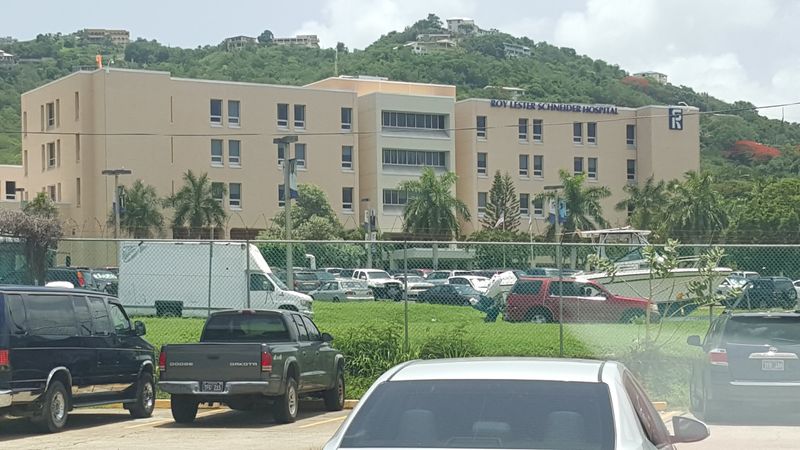
Island living doesn’t mean settling for a glorified urgent care clinic when something goes wrong. Schneider Regional Medical Center on St. Thomas serves both that island and nearby St. John, offering emergency services, surgery, and inpatient care.
Over on St. Croix, Gov. Juan F.
Luis Hospital & Medical Center provides similar full-service facilities.
Both hospitals are equipped to handle serious medical events, from heart attacks to complex surgeries. They’re not just first-aid stations; they’re accredited medical centers with specialists, imaging equipment, and ICU beds.
For retirees managing conditions like diabetes, heart disease, or mobility issues, knowing that real hospital care is minutes away, not a plane ride away, changes the entire calculus of island retirement.
Certainly, the most cutting-edge procedures or rare specialties might still require a flight to Miami or San Juan. But routine care, emergencies, and most hospitalizations can be handled locally.
That’s a level of medical infrastructure many tropical retirement destinations simply can’t match. You’re not gambling with your health by moving here; you’re relocating to a place where serious healthcare exists and your insurance actually covers it.
5. Two major airports make mainland trips realistic

Staying connected to family, friends, and specialized healthcare back on the mainland requires reliable air service. Cyril E.
King International Airport on St. Thomas and Henry E. Rohlsen Airport on St. Croix both offer direct flights to major U.S. hubs like Miami, Atlanta, and New York.
These aren’t tiny regional airstrips with twice-weekly puddle-jumpers; they’re real airports with daily service from major carriers.
That connectivity matters enormously when you’re planning a retirement that spans years or decades. Grandkids’ graduations, weddings, and holidays become doable without turning every trip into an expedition.
If you need to see a cardiologist or oncologist who practices only on the mainland, you can book a same-day round trip or an overnight without heroic logistics.
Retirees who’ve lived on more remote islands often cite flight access as the thing they underestimated. Missing a family milestone because flights only run on Tuesdays hurts.
Paying $1,200 for a last-minute ticket because there’s only one carrier hurts worse. The USVI’s airport infrastructure keeps you plugged into the mainland in ways that preserve relationships and options, which is exactly what you want when you’re building a life somewhere new.
6. Virgin Islands National Park covers roughly 60% of St. John
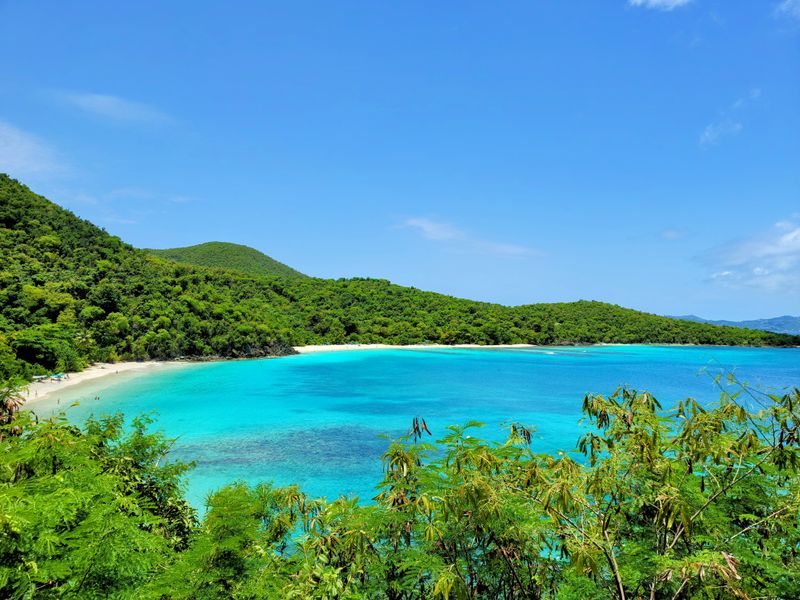
St. John is one of those rare places where development took a backseat to conservation early enough to make a lasting difference. Roughly three-fifths of the island is protected as Virgin Islands National Park, a sprawling preserve of beaches, trails, coral reefs, and tropical forest.
For retirees who dreamed of living somewhere wild and unspoiled, this is as close as you’ll get without leaving U.S. soil.
The park isn’t just scenic window dressing. It shapes daily life.
Morning hikes through shaded trails, afternoon swims at pristine coves, and evening walks along empty beaches become routine rather than special occasions. The absence of sprawling resorts and strip malls gives the island a timeless, unhurried feel.
Living near a national park also means permanent protection from overdevelopment. Your view won’t be blocked by a condo tower next year.
The trails you love won’t be bulldozed for a shopping center. That kind of long-term stability is priceless when you’re investing your retirement years somewhere.
St. John offers a rare combination of tropical beauty and ironclad preservation, managed by the National Park Service with the same standards applied at Yellowstone or Yosemite.
7. Trunk Bay delivers that ‘postcard water’ plus an underwater snorkel trail
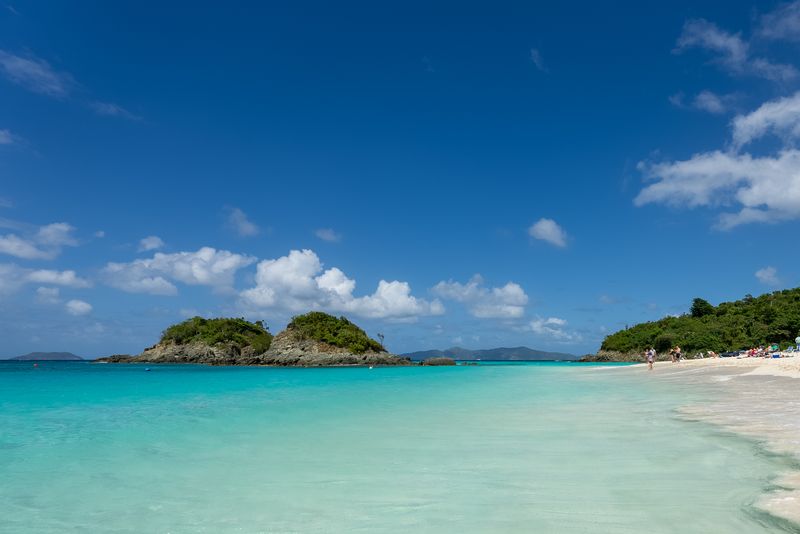
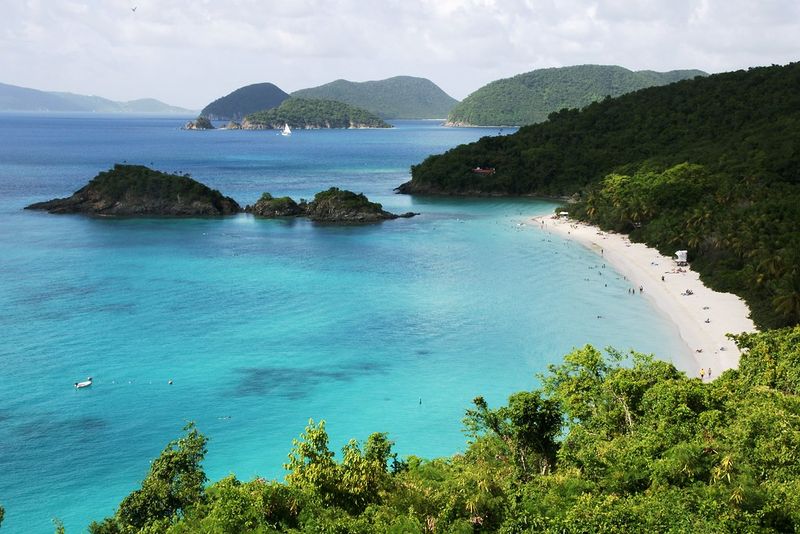
Some beaches live up to the hype. Trunk Bay is one of them.
Located within Virgin Islands National Park, it’s famous for water so clear and blue it looks digitally enhanced in photos. But the real draw for retirees who snorkel is the marked underwater trail, a 225-yard path with signs identifying coral formations and marine life along the way.
Snorkeling here doesn’t require a boat charter or advanced skills. You wade in from the beach, follow the signs underwater, and explore a thriving reef ecosystem at your own pace.
It’s accessible, safe, and endlessly fascinating, which makes it perfect for retirees who want adventure without risk.
Trunk Bay also has facilities that matter when you’re older: restrooms, showers, a snack bar, and lifeguards on duty. You’re not roughing it on a deserted beach with no shade or services.
The combination of world-class natural beauty and practical amenities is rare. Many retirees find themselves visiting weekly, not because they’re tourists anymore, but because having a place this stunning as part of your regular routine is one of the quiet joys of island life.
8. Buck Island Reef National Monument is a bucket-list marine park right off St. Croix
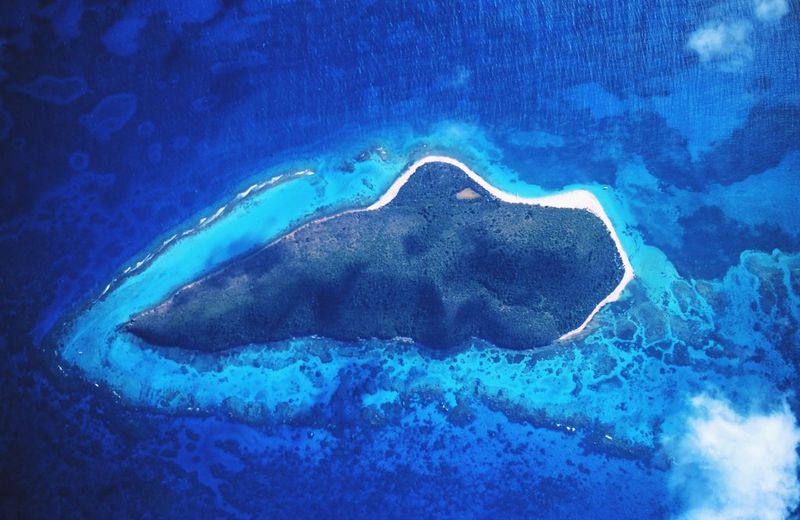
Buck Island Reef National Monument sits just off the northeast coast of St. Croix, and it’s managed by the National Park Service as one of the country’s only fully underwater national monuments. The island itself is small and uninhabited, but the surrounding reef system is spectacular, featuring an elkhorn coral barrier reef and a marked underwater trail that rivals anything in the Caribbean.
Retirees who choose St. Croix often cite Buck Island as a major draw. You can book a half-day boat trip, snorkel the reef, and be back home by lunch.
The water is shallow and calm inside the reef, making it accessible even for people who aren’t strong swimmers. Guides point out sea turtles, rays, and tropical fish in numbers that feel almost unreal.
What makes this special is the protection. Because it’s a national monument, the reef is actively managed and preserved.
Anchoring is restricted. Fishing is limited.
The result is a marine environment that’s healthier and more vibrant than most of the Caribbean. For retirees who love the ocean, having a world-class marine park this close to home is a rare privilege.
9. Christiansted National Historic Site gives you walkable history on the waterfront
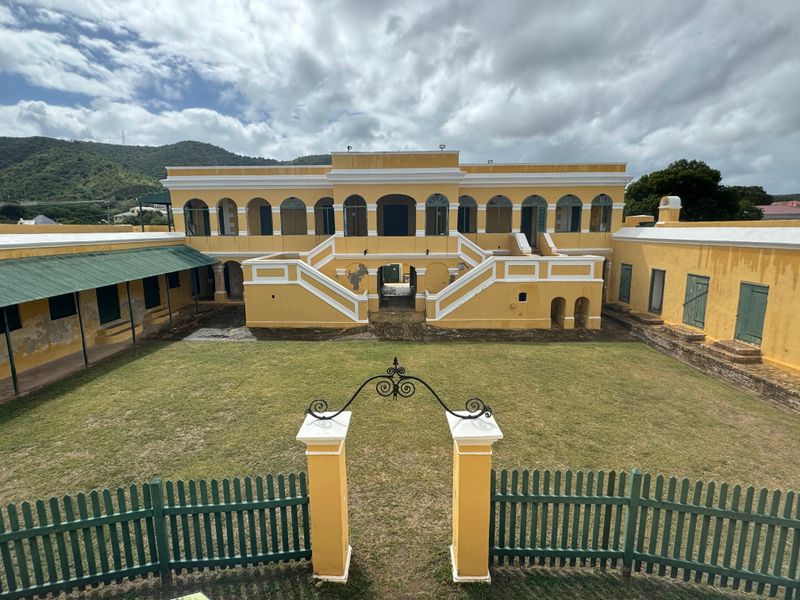
St. Croix offers a quieter, more grounded vibe than the cruise-ship bustle of St. Thomas. Christiansted, the island’s main town, is a charming mix of Danish colonial architecture, waterfront cafes, and local shops.
Christiansted National Historic Site preserves a cluster of 18th-century buildings right in the heart of town, including Fort Christiansvaern, the Old Danish Customs House, and the Steeple Building.
For retirees who enjoy history and walkable neighborhoods, Christiansted is ideal. You can stroll cobblestone streets, tour historic structures, and then grab lunch at a harborside restaurant without ever getting in a car.
The scale is human and manageable, not sprawling or overwhelming.
Living near a national historic site also means the town center is protected from ugly redevelopment. The architecture and character that drew you there will still be there in ten years.
Many retirees find that this blend of history, culture, and preservation gives St. Croix a depth that pure beach destinations lack. You’re not just living in a pretty place; you’re living in a place with stories, layers, and a sense of continuity that feels grounding as you age.
10. Salt River Bay combines ecology, archaeology and famous night-glow waters
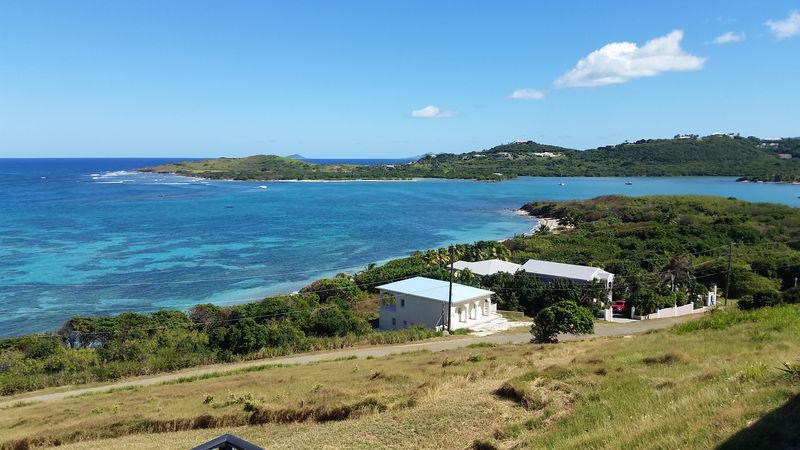
Salt River Bay National Historical Park and Ecological Preserve is one of those rare places where natural and human history overlap in dramatic ways. The bay is believed to be the site of Columbus’s only documented landing on what is now U.S. soil.
It’s also an ecological treasure, protecting mangroves, coral reefs, and a complex estuary system that supports incredible biodiversity.
But ask locals what makes Salt River truly special, and they’ll tell you about the bioluminescence. On dark nights, the bay’s sheltered waters light up with glowing plankton that sparkle when disturbed.
Kayak tours paddle through the mangroves after sunset, and every stroke of the paddle creates a trail of blue-green light. It’s magical in a way that feels almost impossible.
For retirees, Salt River offers multiple layers of engagement. You can explore the archaeology, hike the trails, kayak the mangroves, or simply sit by the water and watch herons fish at dusk.
Having a national park site this rich and multifaceted so close to home means you’ll never run out of ways to stay curious, active, and connected to the natural world.
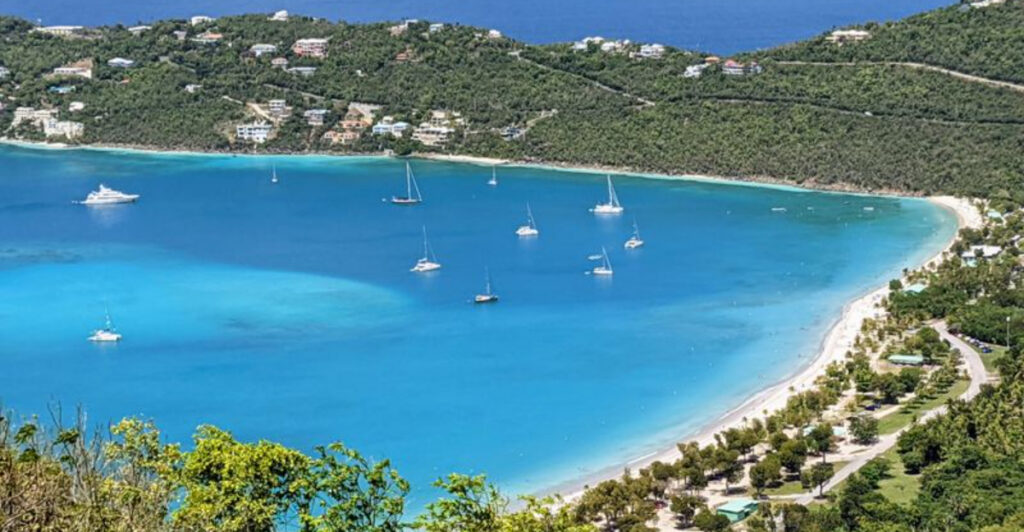
11. Magens Bay is a real-deal beach park (not just ‘a nice stretch of sand’)
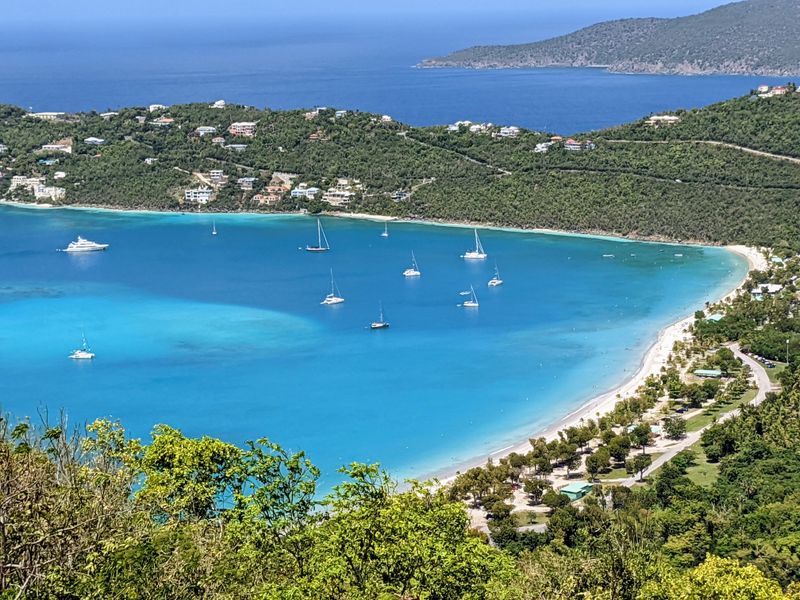
Magens Bay on St. Thomas is the kind of beach that shows up on “world’s best” lists, and for good reason. But what makes it especially appealing for retirees is that it’s a managed public beach park, not just a random stretch of coastline.
That means facilities: restrooms, showers, changing areas, a snack bar, and lifeguards on duty during daylight hours.
The bay itself is a wide, calm crescent with shallow water that’s perfect for swimming even if you’re not an athlete. The beach is long enough that it rarely feels crowded, even on weekends.
Shade trees line the back of the beach, and picnic tables are scattered throughout the park.
For retirees who want the beach to be part of their regular routine, not just an occasional outing, these details matter. You can pack a lunch, bring a book, swim for an hour, rinse off, and head home without feeling like you’ve undertaken an expedition.
Magens Bay makes beach life easy and repeatable, which is exactly what you want when the goal is to actually live near the water, not just visit it on vacation.
12. A protected sea-turtle refuge is part of the landscape on St. Croix
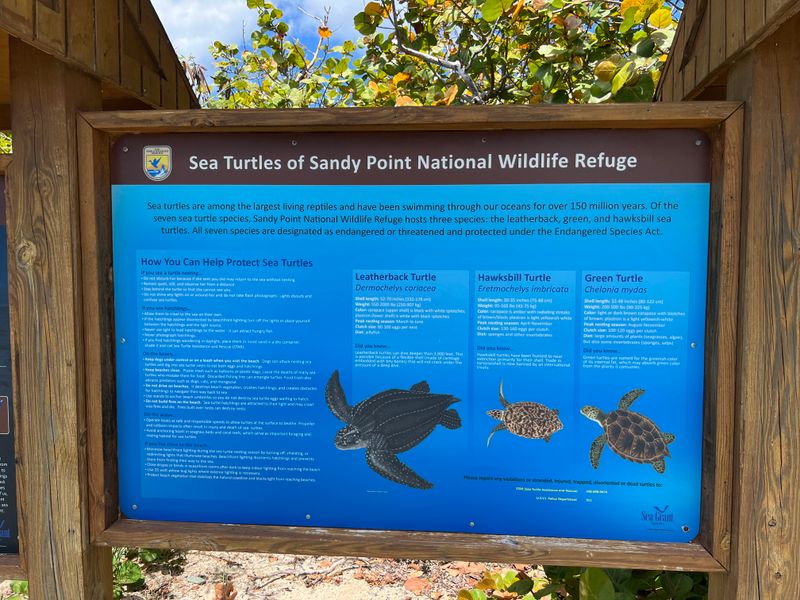
Sandy Point National Wildlife Refuge occupies the southwestern tip of St. Croix, and it exists for one primary reason: protecting nesting habitat for endangered sea turtles. Leatherbacks, the largest of all sea turtles, come ashore here to lay eggs during nesting season.
The refuge is closed to the public during critical nesting and hatching periods, but when it’s open, it offers a wild, windswept beach experience unlike anywhere else on the island.
For retirees who care about conservation, knowing that a federally protected wildlife refuge is part of your home island adds meaning to daily life. You’re not just living somewhere pretty; you’re living somewhere important, where serious ecological work happens.
Volunteer opportunities exist for people who want to get involved in monitoring or education programs.
Even casual visits to Sandy Point feel special. The beach is undeveloped, the sand is soft and white, and the sense of remoteness is genuine.
Watching a leatherback turtle crawl up the beach at dusk is one of those experiences that stays with you. Living near a place where that’s possible, and where that possibility is actively protected, is a privilege that many retirees come to treasure.
13. You can retire around coral reefs that have ‘monument-level’ protection
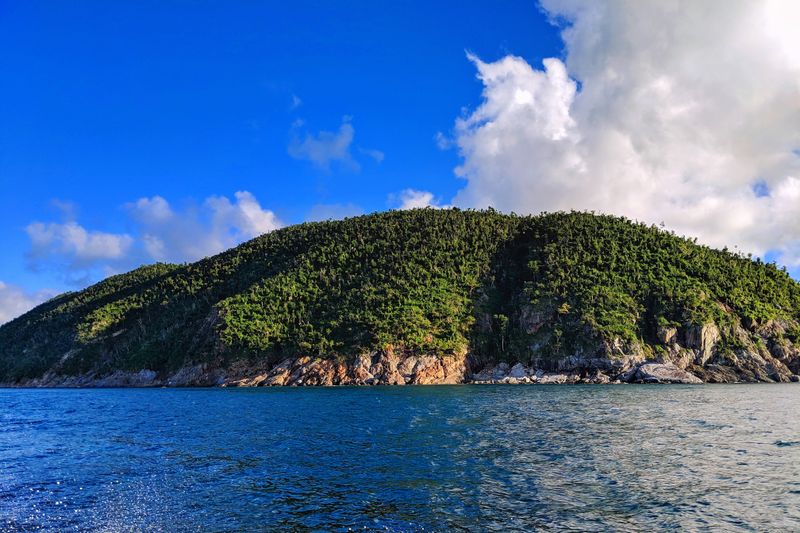
Virgin Islands Coral Reef National Monument was established to protect some of the healthiest and most biodiverse marine ecosystems in U.S. waters. Managed by the National Park Service, the monument covers thousands of acres of reefs, mangroves, and seagrass beds around St. John.
These aren’t just pretty underwater landscapes; they’re critical habitats for fish, corals, and invertebrates that form the foundation of the entire Caribbean marine food web.
For retirees who snorkel or dive, this level of protection translates into better experiences. The reefs are healthier, the fish populations are more robust, and the water quality is actively monitored.
You’re not swimming over bleached coral and empty sand; you’re exploring vibrant ecosystems that look the way the Caribbean used to look decades ago.
Monument status also means long-term stability. The reefs won’t be opened to commercial fishing or unregulated development.
The protections are federal and durable. For retirees planning to spend the next ten or twenty years exploring these waters, that permanence matters.
You’re investing your time and energy in a place that’s being actively cared for, not exploited.
14. The USVI feels foreign, in the best way, but English is the official language
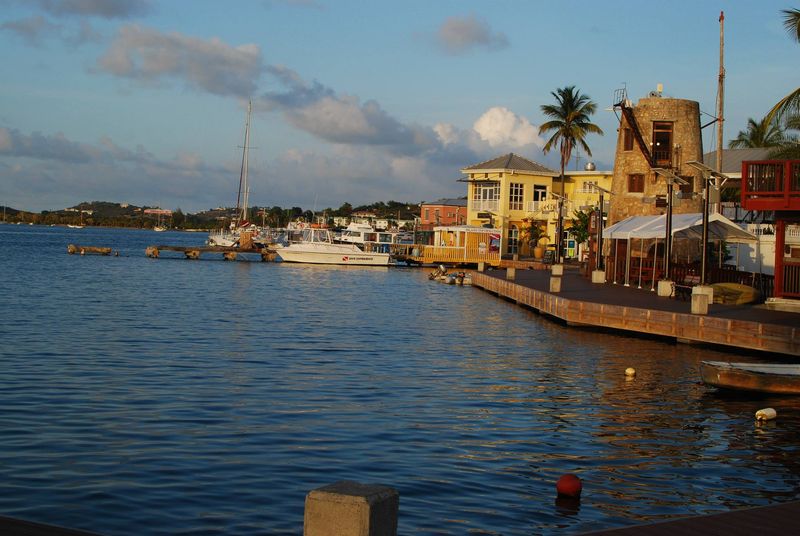
Island culture in the USVI has its own rhythm, flavor, and history. The architecture reflects Danish colonial roots.
The food blends Caribbean, African, and American influences. The music, festivals, and local customs feel distinctly different from anything on the mainland.
For retirees seeking a change of scenery and culture, the USVI delivers that sense of being somewhere genuinely different.
But here’s the relief: English is the official language. Appointments, paperwork, prescriptions, legal documents, and everyday errands all happen in English.
You’re not translating menus, struggling through phone calls with utility companies, or hiring interpreters for medical visits. That removes a massive layer of stress and confusion that comes with retiring to a non-English-speaking country.
Many retirees underestimate how exhausting it is to navigate daily life in a second language, especially as cognitive sharpness declines with age. In the USVI, you get the cultural richness and tropical beauty of the Caribbean without the linguistic barrier.
You can immerse yourself in local life, make friends, and feel at home without spending years learning a new language first. It’s the best of both worlds: foreign enough to feel like an adventure, familiar enough to feel safe.
Share this story