The top tier of American wine is a world of tiny allocations, waitlisted releases, and bottles that become legends overnight. Here, scarcity meets obsessive craftsmanship, and prices rise accordingly as collectors chase history in a glass.
If you have ever wondered where the priciest U.S. wines are born, this curated guide pulls back the curtain with clarity and insider detail. Read on to discover the estates shaping the high end of American wine and why their bottles command global attention.
Harlan Estate — Napa Valley, California
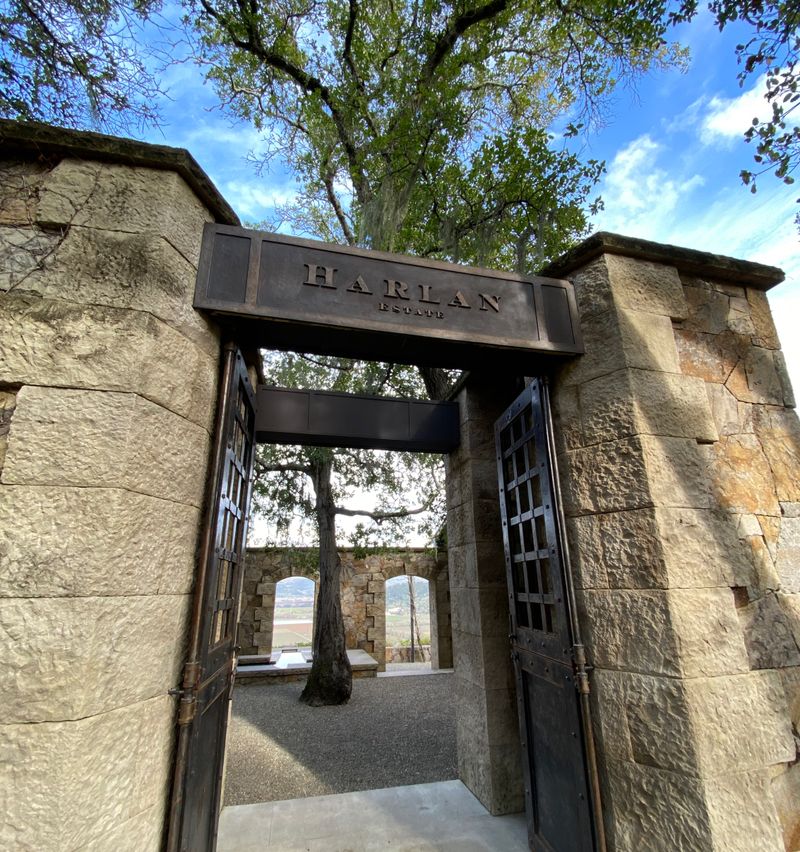
Harlan Estate is the grand thesis of Napa luxury, a vision executed with near monastic focus. The wines are Bordeaux inspired yet unmistakably California, layered with dark fruit, graphite, and cedar.
You sense intention in every detail, from vineyard design to the patience demanded of collectors.
Critics have called Harlan a wine of the century, and the market reacts accordingly. Secondary prices often vault past four figures, while auction verticals become treasure chests.
Long aging programs and fanatical farming create textures that evolve for hours and decades, rewarding those who plan beyond tonight.
When you encounter Harlan in the glass, it is a study in paradox: density meets lift, grandeur meets restraint. You taste the hillsides and the hush of the cellar.
If luxury has an academic side, Harlan wrote the syllabus, and every vintage tests how far Napa can quietly reach.
Opus One Winery — Napa Valley, California

Opus One began as a handshake between Robert Mondavi and Baron Philippe de Rothschild, and the ambition still resonates. The wine is a Cabernet dominated Bordeaux style blend that values poise over flash.
You get polish, ripe fruit, and a long line of savory detail that rewards patience.
While more accessible than cult unicorns, Opus One remains premium and globally recognized. Older vintages gain depth and silk, and collectors prize their consistency and cellar reliability.
It is the bottle you bring when the table demands both prestige and harmony.
The estate’s precision shows in measured tannins and a symphonic finish. You can feel Old World sensibility guiding New World fruit, a balance that rarely feels forced.
If you want luxury without the chase, Opus One makes the case that elegance is a standard, not a stunt.
Ghost Horse Vineyards — Napa Valley, California
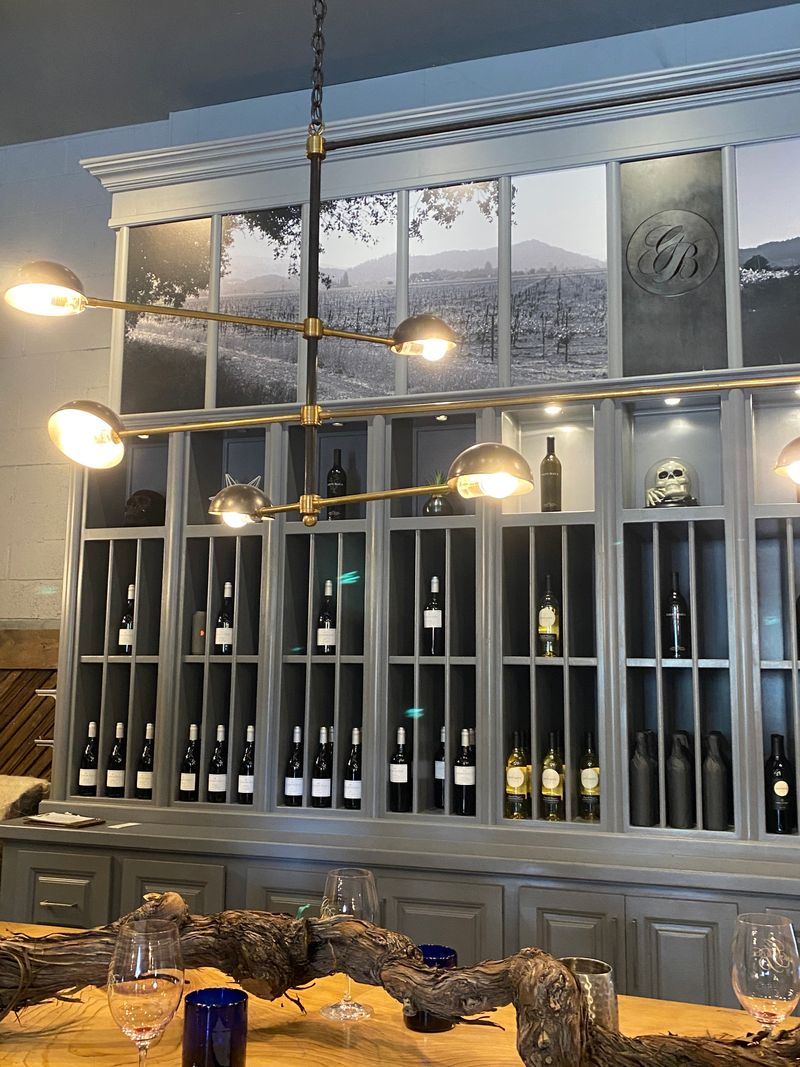
Ghost Horse lives in whispers and headlines, with bottlings rumored to stretch into astonishing price territory. You hear about tiny releases, then blink at numbers that feel almost mythical.
The appeal is partly the chase, partly the power of a Cabernet tailored for intensity.
Scarcity defines the estate’s identity, turning collectors into sleuths and tastings into events. Some cuvées are said to push boundaries in extraction and oak, aiming for opulence that still finishes clean.
Whether you call it cult of cults or rarified art, the wines spark conversation and competition.
Tasting notes revolve around concentration, plush tannins, and black fruit that glows with spice. You feel the limited nature with every sip, like a performance staged for a handful of seats.
If exclusivity excites you, Ghost Horse is a rare ticket to the front row.
Scarecrow Winery — Rutherford, Napa Valley
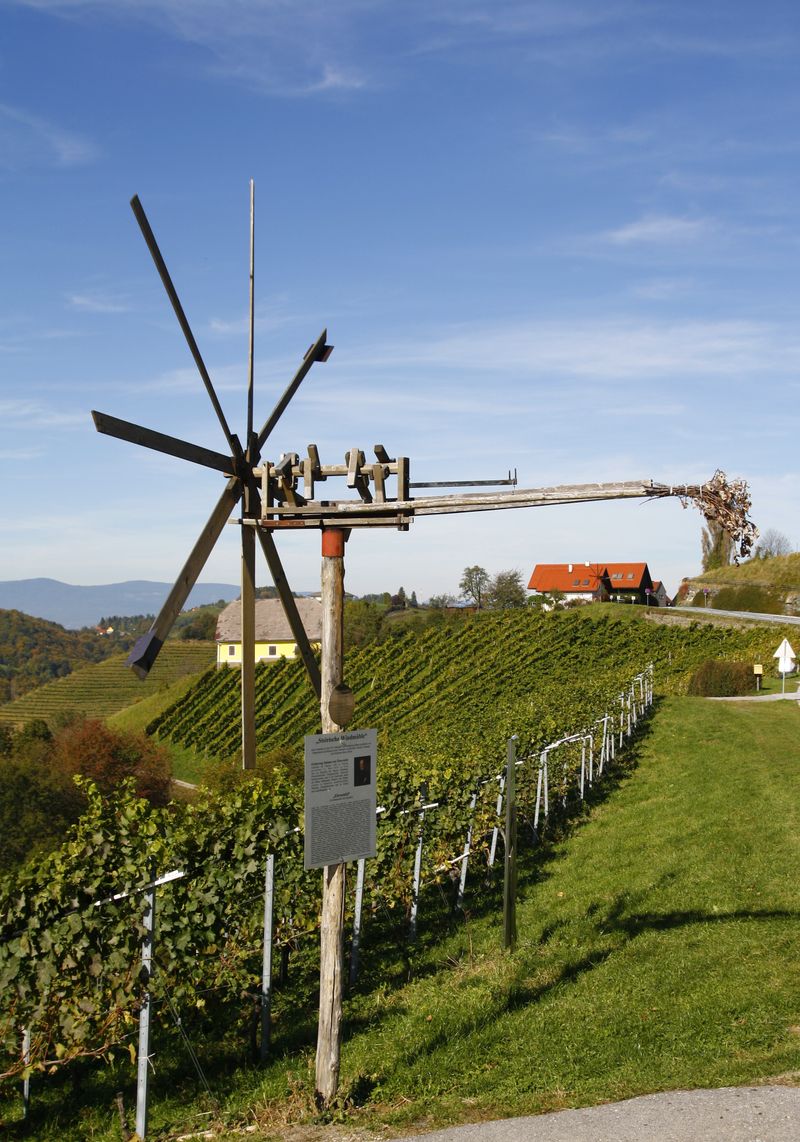
Scarecrow champions Rutherford Cabernet with a collector’s edge and a farmer’s touch. The wines channel classic power with that famed Rutherford dust texture you can almost feel.
You notice purity first, then structure, and finally an elegance that lingers with quiet authority.
Allocations vanish quickly because production is small and acclaim is steady. Market prices reflect confidence rather than hype, keeping Scarecrow among the most sought after labels.
Older bottles tend to unfurl gracefully, building savory layers that reward slow evenings and big glasses.
If you love Napa’s core identity, Scarecrow delivers it without bravado. You taste meticulous farming and focused cellar work, not flashy winemaking tricks.
For collectors who crave substance over noise, this is a north star in Rutherford.
Bryant Family Vineyard — Napa Valley, California
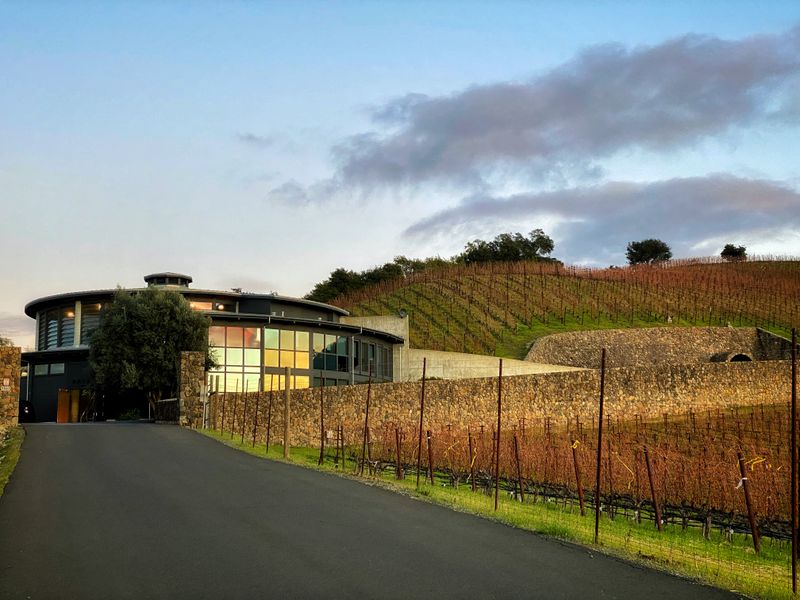
Bryant Family built its reputation on a hillside Cabernet that marries lift with richness. You get blue fruit, floral tones, and a mineral line that keeps the palate alive.
The wine feels composed, like every element knows its role and stays in time.
Quantities are modest and prices reflect the estate’s standing among Napa’s elite. Vintage variation brings nuance rather than swings, and critics often note symmetry and poise.
Cellaring pays dividends as tannins knit and the finish grows serene and long.
For collectors, Bryant Family is a benchmark that defines modern Napa classicism. It is luxurious without heaviness, confident without swagger.
If your cellar values clarity and grace, this label becomes a reliable cornerstone.
Hundred Acre — Napa Valley, California
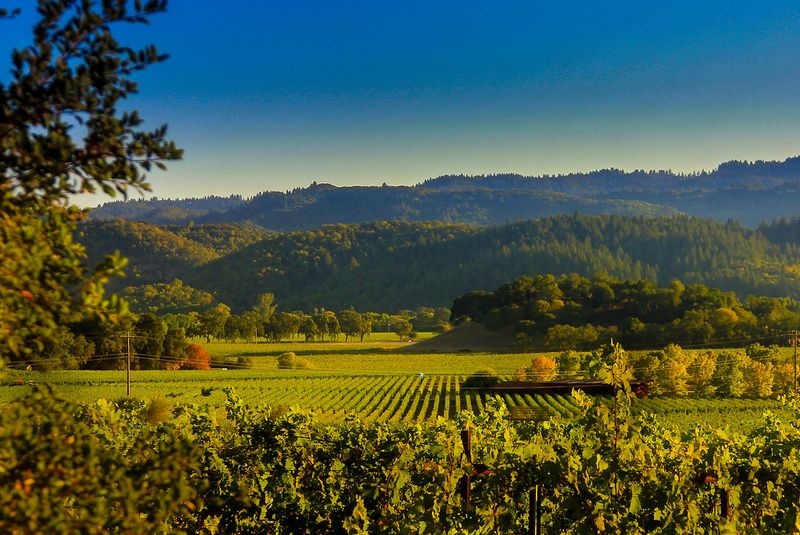
Hundred Acre pursues precision with near surgical intent, crafting Cabernets that feel sculpted. You taste saturated fruit, polished tannins, and spice that threads through every layer.
The textures are seductive, built for long finishes and thoughtful sips.
Signature releases like Deep Time showcase extended aging and microscopic attention to oak. Scores often soar, and prices follow, keeping demand tight and allocations coveted.
The winery favors clarity of site expression, turning each bottling into a chapter of place.
Open a bottle and the room leans in. The wines are plush yet bright, serious yet welcoming, a balance that keeps conversation flowing.
If you collect for both hedonism and detail, Hundred Acre checks every box with confidence.
Realm Cellars — Napa Valley, California
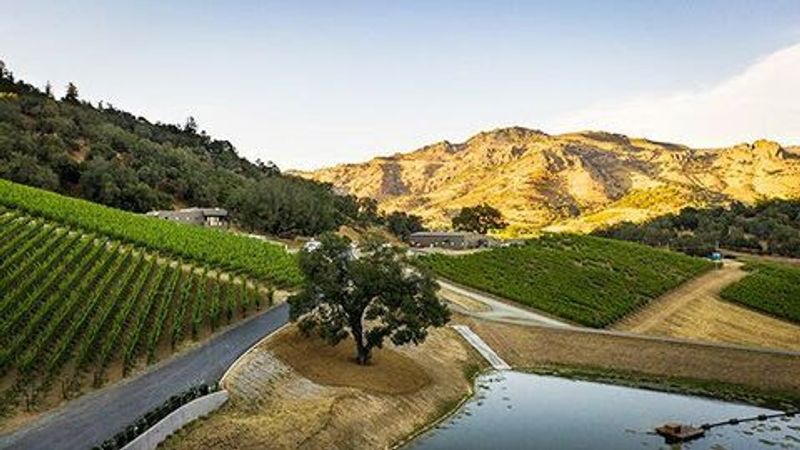
Realm Cellars thrives on characterful vineyards and a storyteller’s sensibility. You feel it in The Absurd, a flagship that is equal parts power and mystique.
The blends are expressive and site driven, with tannins that glide rather than grip.
Demand is brisk because each release is limited and thoughtfully curated. Prices reflect a modern cult profile, significant but grounded in quality.
Collectors track vineyard sources like clues, piecing together a portrait of Napa through parcels and time.
On the palate, Realm leans into energy and layered fruit, finishing with freshness that invites another sip. The wines speak clearly without shouting, a trait that becomes addictive.
If you crave identity and rigor in one package, Realm delivers the message beautifully.
Screaming Eagle Winery & Vineyards — Napa Valley, California
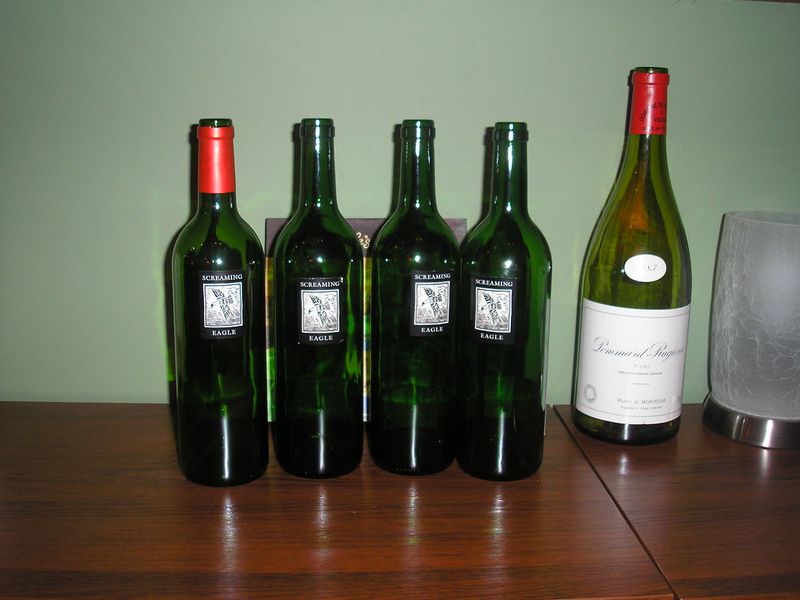
Screaming Eagle embodies Napa’s most elusive dream: a tiny, perfect Cabernet that almost no one can get. You hear the stories first, then see the numbers, and suddenly scarcity feels very real.
The 1992 debut turned into a sensation, and today the list is a fortress you only enter with patience and luck.
Production stays microscopic, quality control borders on obsessive, and each release fuels the mystique. Prices soar because every bottle signals status and precision, not just fruit and oak.
When older vintages surface, they remind you how balance and finesse can turn a cult icon into a benchmark for decades.
Visiting feels more like a privilege than a tasting, and the aura is deliberate yet earned. If you crave structure wrapped in velvet, this Cabernet delivers power that whispers rather than shouts.
For collectors, allocation day is an adrenaline jolt, proof that the rarest luxury is still handmade in Napa.
Promontory — St. Helena, Napa Valley
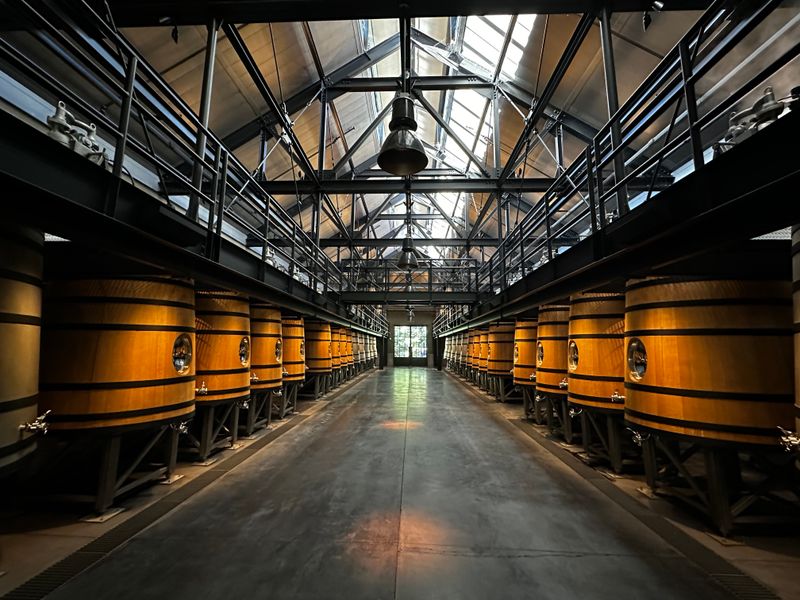
Promontory feels like a discovery hidden in plain sight, carved into rugged hillsides. The Cabernet is restrained, architectural, and deeply mineral, with tension that builds in the glass.
You sense patience baked into every decision from harvest to release.
Quantities are purposefully scarce and prices reflect a top tier position. Critics note purity and a long graphite seam, while collectors chase for verticals.
The style favors longevity, suggesting a slow burn rather than instant fireworks.
When you taste Promontory, the landscape seems to speak. It is Napa viewed through a geological lens, austere yet captivating.
For those who equate luxury with restraint, this is a compelling pinnacle.
Kongsgaard — Napa Valley, California
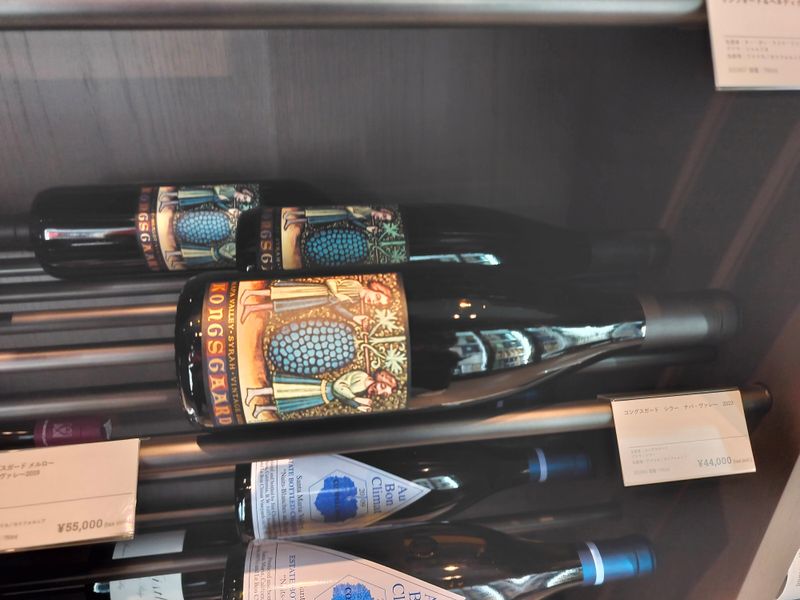
Kongsgaard built a cult around originality, giving Chardonnay as much stage time as Cabernet. You find power wrapped in savory detail, with a saline edge that keeps everything taut.
The wines feel hand hewn, carved from lava and patience.
Prices remain premium because demand intersects with small production. Older whites age with grace, developing hazelnut and flint, while Cabernets gain polish and length.
Critics admire the equilibrium, and collectors seek out back vintages for texture and nuance.
Pour a glass and the conversation turns to craft. You taste intention, restraint, and a willingness to color outside the lines.
If elegance and edge can coexist, Kongsgaard proves the point with quiet conviction.
Duckhorn Vineyards — Napa Valley & Sonoma, California
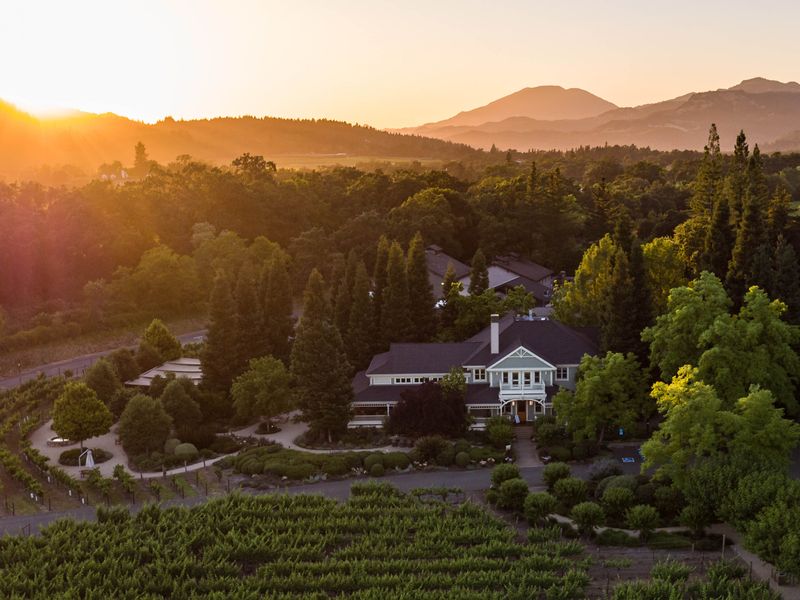
Duckhorn’s upper tier offerings deliver luxury without gatekeeping. You taste classic Merlot structure and Cabernet depth, presented with polish and lift.
Rector Creek and other small lot selections show how precision farming elevates familiar varieties.
Prices sit in premium territory, especially for single vineyard or library releases. The wines age predictably and reward decanting, making them reliable for special dinners.
Collectors appreciate the consistency, while newcomers value the clear stylistic thread.
What stands out is balance and hospitality. You get richness, but also clarity, a combination that keeps bottles disappearing from cellars.
If you want an entry point to serious Napa without a years long waitlist, Duckhorn is a smart play.
Château Montelena Winery — Calistoga, California
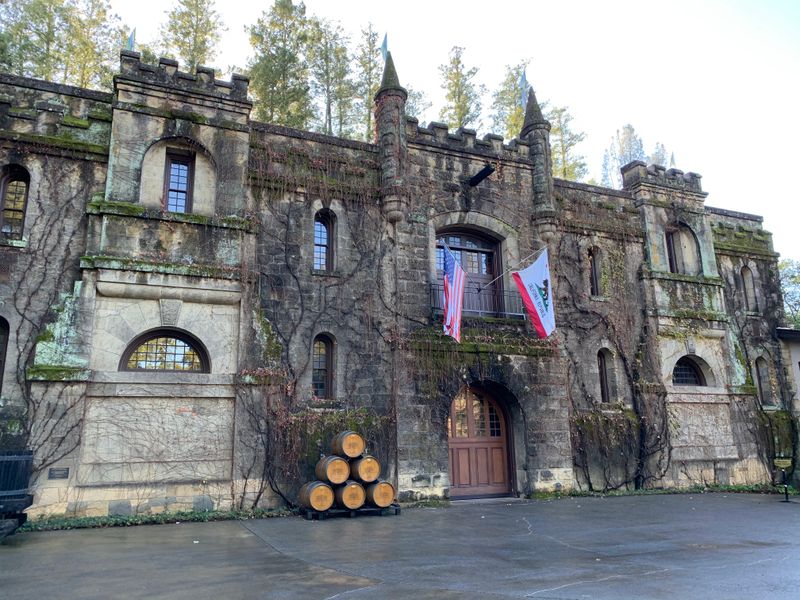
Château Montelena’s legacy starts at the Judgment of Paris and continues in every measured release. You taste tradition through crisp Chardonnay and structured Cabernet that avoid flash.
The stone chateau sets the tone: enduring, focused, and quietly confident.
While not always the peak of price charts, top vintages command respect and strong secondary interest. Age brings tobacco, earth, and a calm precision that speaks to careful cellaring.
Collectors value provenance here as much as power, seeking authenticity over spectacle.
Pouring Montelena feels like revisiting a pivotal chapter in American wine. You get history in the glass without nostalgia weighing it down.
For those who prize longevity and lineage, this estate remains essential.
Opus One’s Second Wine Overture — Napa Valley
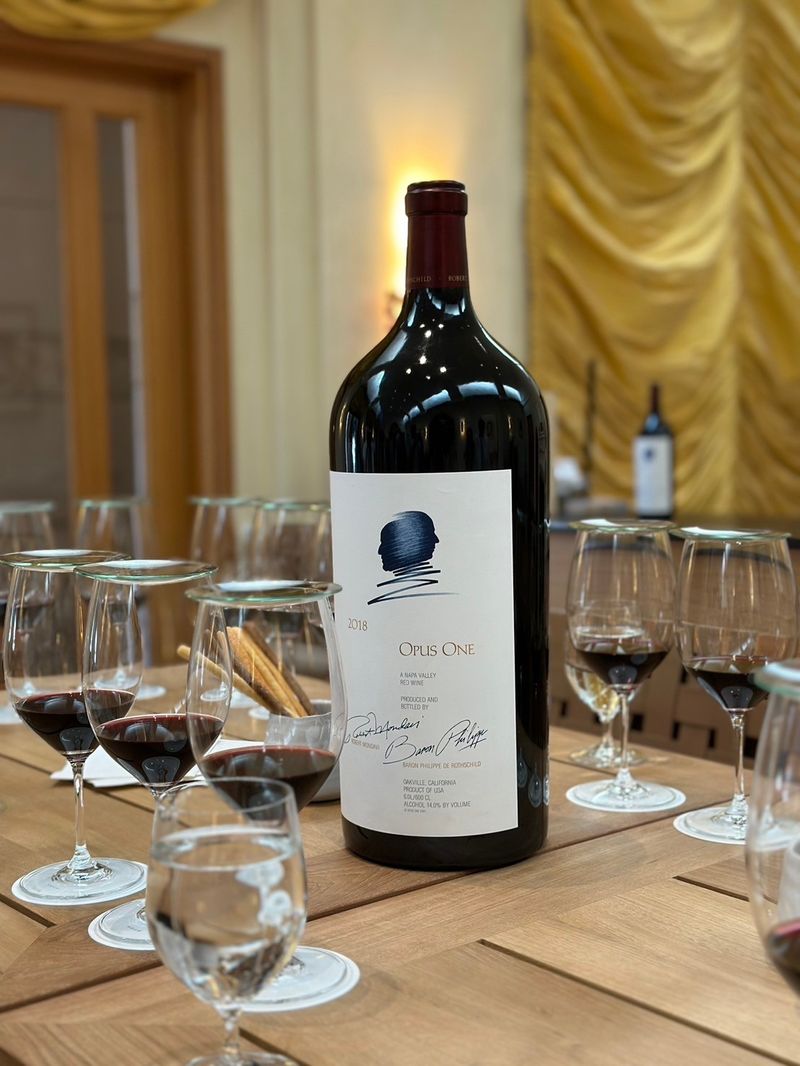
Overture captures Opus One’s house style in a multi vintage embrace. You get the silky tannins, precise oak, and poised fruit that define the flagship, with added approachability.
It is a gateway to the estate’s philosophy without the allocation scramble.
Prices remain premium, often close enough to signal serious intent. The blend integrates several harvests, creating seamless texture and immediate charm.
For collectors, it is a smart cellar utility wine, ready earlier but still layered.
Pair it with quiet evenings or celebratory dinners and watch it settle beautifully in the glass. You taste continuity and craft rather than compromise.
If second wine implies second best, Overture politely disagrees and proves otherwise.
Chappellet Vineyard — Napa Valley, California
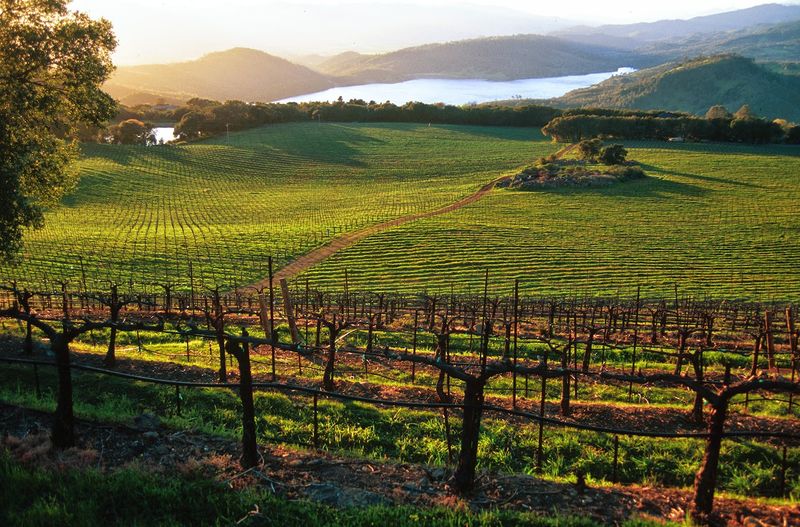
Chappellet’s Pritchard Hill Cabernets translate mountain intensity into poised, ageworthy wines. You sense altitude in the form of tension, violet perfume, and mineral drive.
The result is density that never feels heavy, thanks to vivid acidity and fine tannins.
Historic bottlings have achieved remarkable auction results, reminding collectors of the estate’s pedigree. Prices for rare formats can spike, while current releases remain hard to resist for their clarity of place.
Consistency across vintages reinforces trust, a quiet luxury in itself.
Open a Chappellet and watch it evolve in layers over the evening. You taste granite, sunlight, and a steady hand guiding the fruit.
For serious cellars seeking mountain character with refinement, this is a definitive reference.
Share this story