High on the Bolivian Altiplano, Puma Punku and Tiwanaku challenge everything you think you know about the ancient Andes. Walk among razor sharp stone edges, puzzle piece blocks, and monumental platforms, and you will feel the ambition of a civilization that mastered extremes.
These sites are not about sci fi fantasies, but about real people who engineered, organized, and thrived at staggering altitude. If you love mysteries that turn into measurable facts, you are in the right place.
1. Puma Punku Is Part of One of South America’s Greatest Ancient Cities
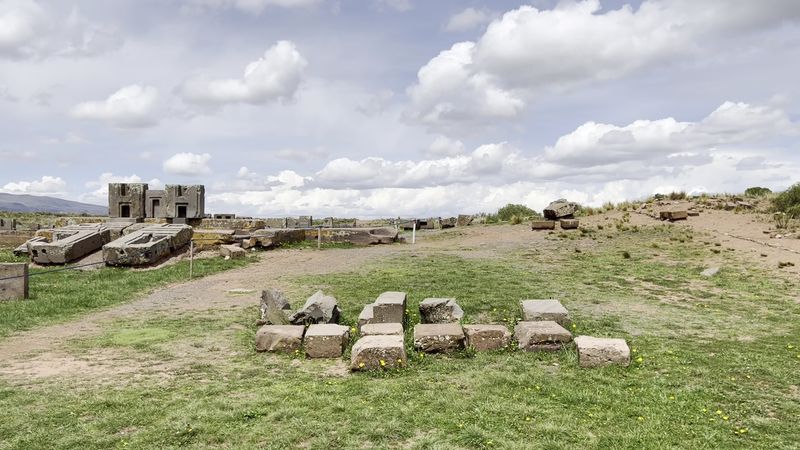
Puma Punku sits within the broader sacred center of Tiwanaku, a sprawling urban and ceremonial complex that anchored highland life for centuries. When you step onto its platforms, you are entering a cityscape that once included temples, sunken courts, processional avenues, and residential quarters.
This was not an isolated platform in the desert, but a vital node in a carefully planned metropolis.
Archaeologists map the connections between Puma Punku and nearby structures like the Kalasasaya and the Semi Subterranean Temple. Artifacts, canals, and road alignments tie the precinct together, showing coordinated construction across generations.
You can imagine festivals weaving through courtyards, rulers legitimizing power, and pilgrims tracing routes that linked architecture to sky and water.
Seeing Puma Punku as a city component explains its scale and precision. The complex provided both ritual stage and political theater, making bold stonework a public statement.
When you compare its workmanship with the wider site, the ambition feels consistent and credible.
2. The Site Sits Over 12,500 Feet Above Sea Level
Puma Punku and Tiwanaku rise on the Altiplano at more than 12,500 feet, where thin air makes every task harder. If you have hiked at altitude, you know how quickly breath runs short, especially while lifting, cutting, and hauling stone.
Nights bite with frost, and the growing season is brief.
That context turns the site’s precision into evidence of organization. Workers needed acclimatization, steady food supplies, and scheduling that matched weather cycles.
The community solved logistics that challenge modern crews, coordinating labor during windows when frost and storms relented.
Altitude also shapes the culture’s relationship with sky. Clear air sharpens solar events, which mattered for calendars and ceremony.
When you stand there, the horizon feels close, and the sun’s path becomes a clock.
3. Tiwanaku Reached Its Peak Around A.D. 500–1000
Radiocarbon dates from hearths, organic fills, and construction contexts anchor Tiwanaku’s height between about A.D. 500 and 1000. If you picture the Andes then, you see regional networks expanding, with Tiwanaku exporting influence across valleys and lakeshores.
This period, known as the Middle Horizon, predates the Inca by centuries.
Dating at Puma Punku aligns with this broader timeline. Excavations tie layers of building, use, and modification to calibrated dates that cluster in the same era.
You can trust the chronology because multiple labs, materials, and contexts converge.
When guides say Tiwanaku thrived long before imperial Cusco, that is not a guess. The calendar is anchored by charcoal, fibers, and offerings sealed beneath stones.
It places the site squarely in a moment of intense innovation.
4. Puma Punku Was Built in Multiple Phases
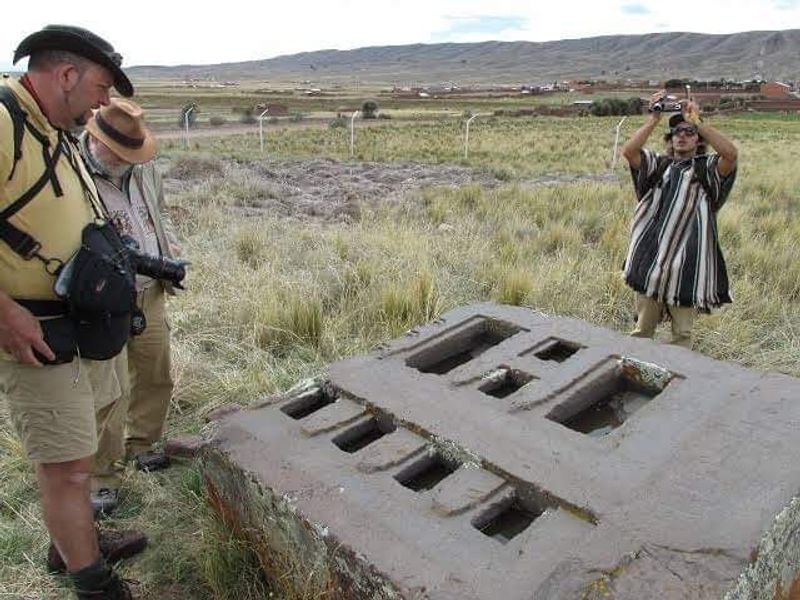
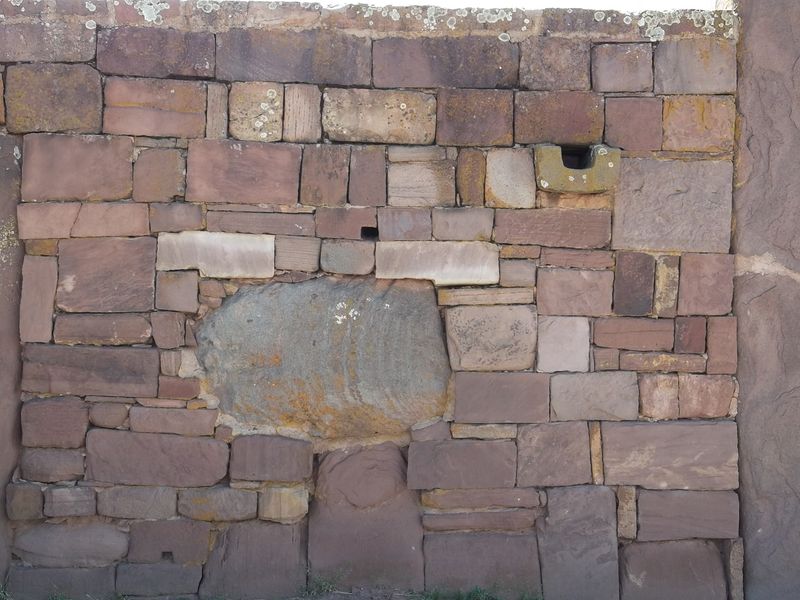
Look closely and you will notice different courses, repair mortises, and platform edges that do not align perfectly. These details record multiple construction phases rather than a single grand pour.
Archaeologists identify rebuilds, expansions, and adjustments that reflect changing needs and leadership.
Phasing matters for interpretation. It shows a living monument, upgraded as knowledge, resources, and ritual programs evolved.
You can picture planners returning season after season, refining alignments, adding terraces, and reusing stones responsibly.
Stratigraphy, joint types, and fill compositions help separate episodes. When stones were repositioned, workers left telltale bedding changes and wedge marks.
Far from chaos, the sequence reads like a project log.
5. Some Stone Blocks Weigh Over 100 Tons
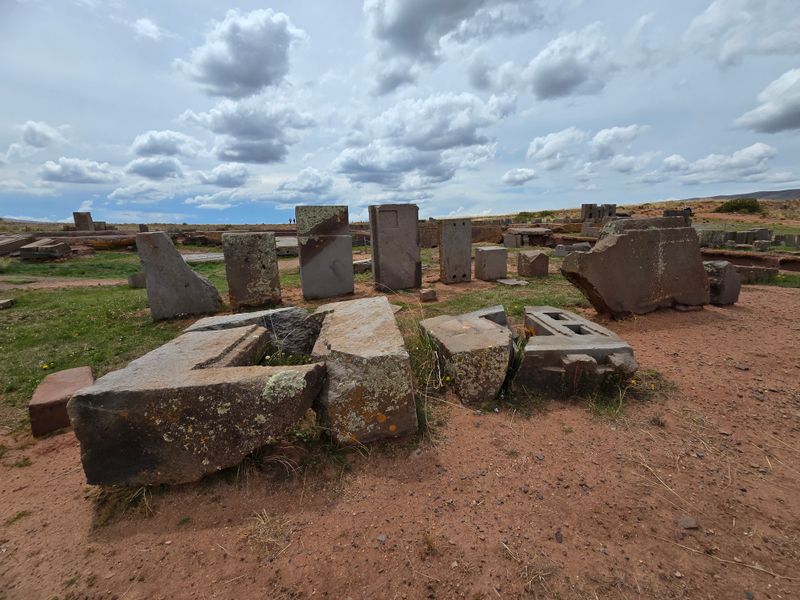
Several sandstone slabs at Puma Punku exceed 100 tons, the kind of mass you feel in your chest when you stand beside them. Moving stones of that scale without modern cranes requires planning, teams, and leverage.
You can imagine ramps, rollers, and lubricated tracks synchronized with chant and signal.
Engineers estimate forces using friction coefficients and slope calculations derived from local soils. The numbers show feasibility with organized labor and seasonally firm ground.
Heavy, yes, but within human capability when a society commits.
The blocks are impressive precisely because they are real. Tool marks, bedding planes, and broken corners betray difficult journeys and set downs.
You are not looking at fantasy stones, but at the residue of coordinated effort.
6. The Stone Came From Distant Quarries
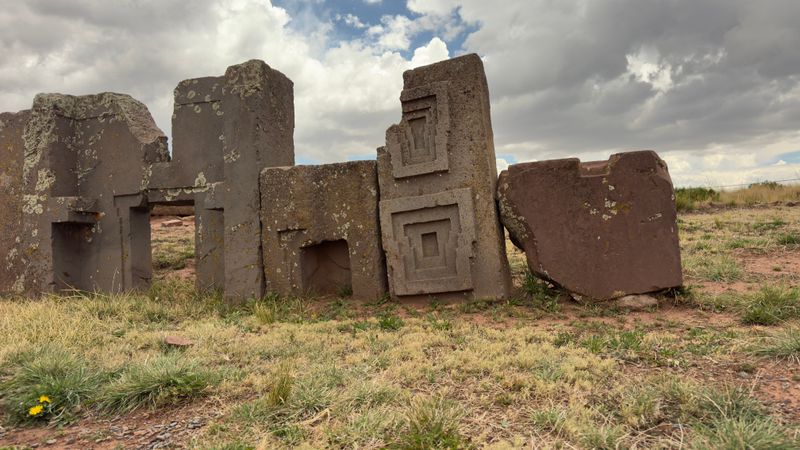
Sandstone at Puma Punku matches sources several miles away, while finely worked andesite likely came from the Copacabana peninsula across Lake Titicaca. Petrographic and geochemical studies link blocks to quarries with distinctive mineral signatures.
If you trace those signatures, you map ancient supply chains.
Moving material across land and water imposed scheduling discipline. You can picture rafts, sledges, and relay crews coordinating landings with festivals and building seasons.
The lake was not a barrier, but a highway threaded through the ritual landscape.
Quarry scars, abandoned rough outs, and tool fragments make the story tangible. Stones were extracted, roughed, and shipped, then finished at the site.
Logistics, not magic, explains the journey.
7. The Builders Used No Iron Tools
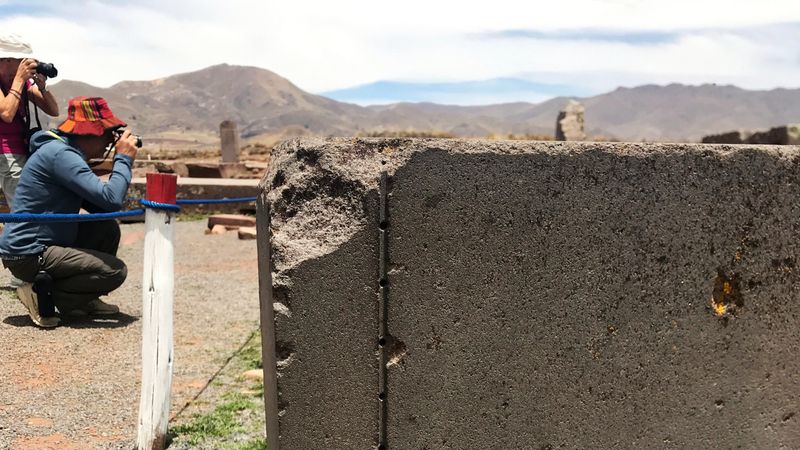
No iron chisels or steel blades have been found at Tiwanaku. Instead, craftspeople used stone hammers, copper alloy tools, wooden guides, and abundant abrasives like sand and hematite.
If you have shaped stone, you know abrasion can do wonders with patience and a steady hand.
Metallurgy in the region favored copper, arsenical bronze, and tin bronze. These alloys, combined with sand and water, could peck, saw, and grind the faces you admire.
Tool marks under magnification match these methods.
Absence of iron does not mean absence of skill. The precision comes from jigs, templates, and iterative checking with straightedges.
The toolkit was simple, but the system was sophisticated.
8. The Famous H-Blocks Were Mass Produced With Precision
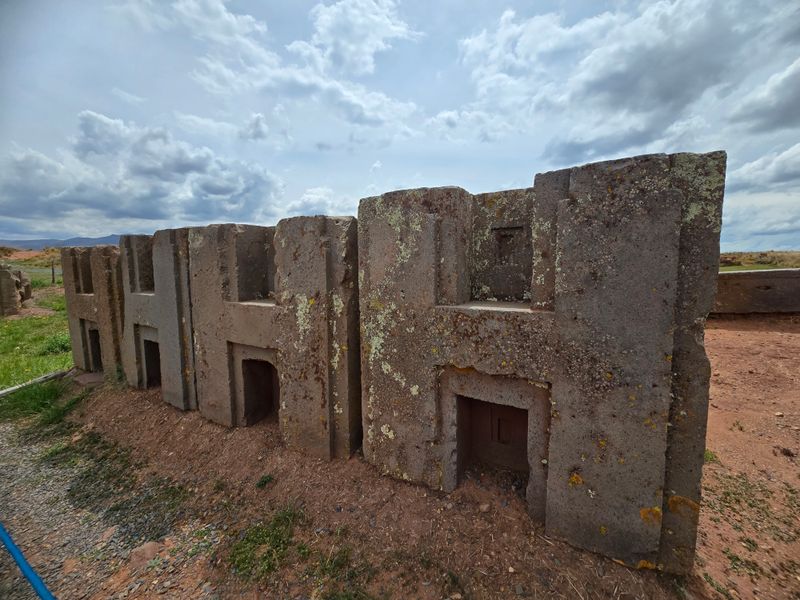
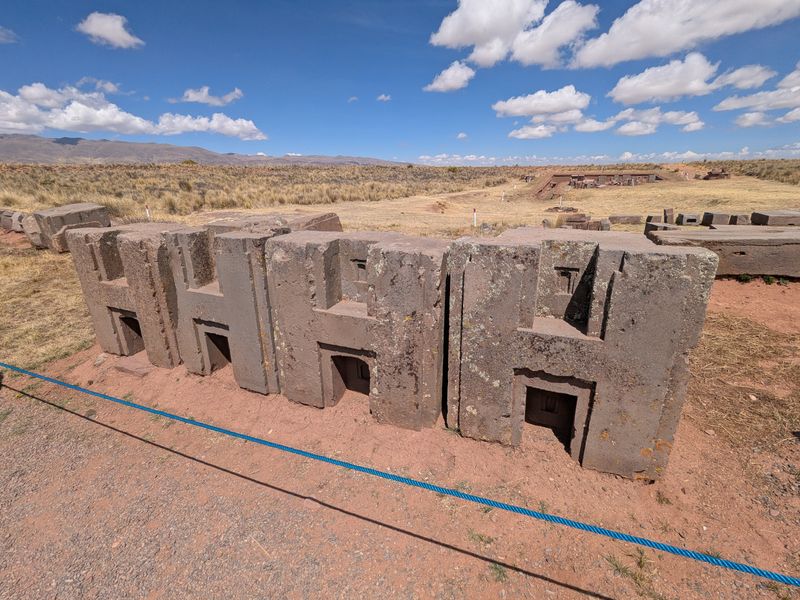
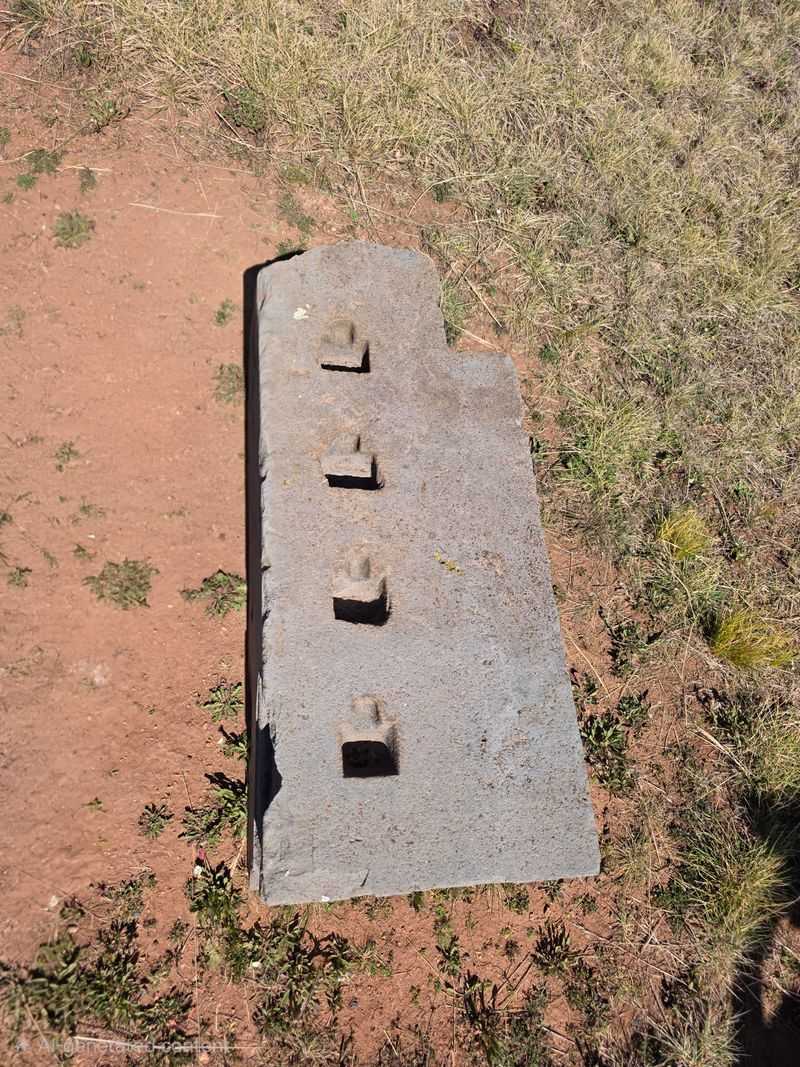
Puma Punku’s H blocks look like modular parts, and that is the point. Many share near identical dimensions and features, suggesting templates and repeatable workflows.
When you see them side by side, the standardization becomes obvious.
Scholars have measured consistent slot depths, rebates, and right angles within tight tolerances. Instead of a one off sculpture, think pre planned masonry pieces designed to interlock.
That mindset requires planning, inventory, and quality control.
The result is elegant. Interfacing faces seat cleanly, reducing mortar needs and speeding assembly.
You are looking at a production line translated into stone.
9. Flat Surfaces Were Achieved by Grinding, Not Machines
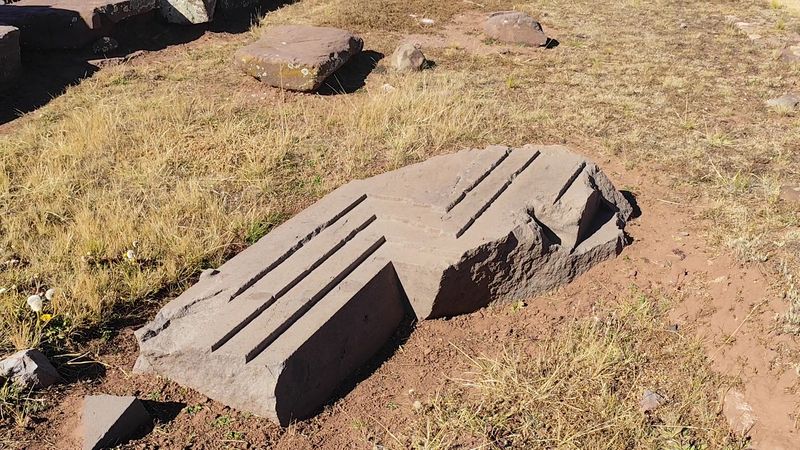
Those mirror like planes feel mechanical, but repeated abrasion can produce astonishing flatness. Craftspeople used sand, water, and harder stones as lapping tools, checking progress with straightedges.
If you have ever lapped metal on glass, the principle is similar.
Experimenters have replicated flat faces and sharp arrises using nothing more than abrasive slurry and patience. Under magnification, the micro striations and pecking transition zones match hand grinding.
You can see where coarse work shifts to fine finishing.
This does not cheapen the achievement. It celebrates time, discipline, and knowledge of materials.
The flatness is a human fingerprint, not a machine’s.
10. Small Holes Were Made Using Abrasive Drilling
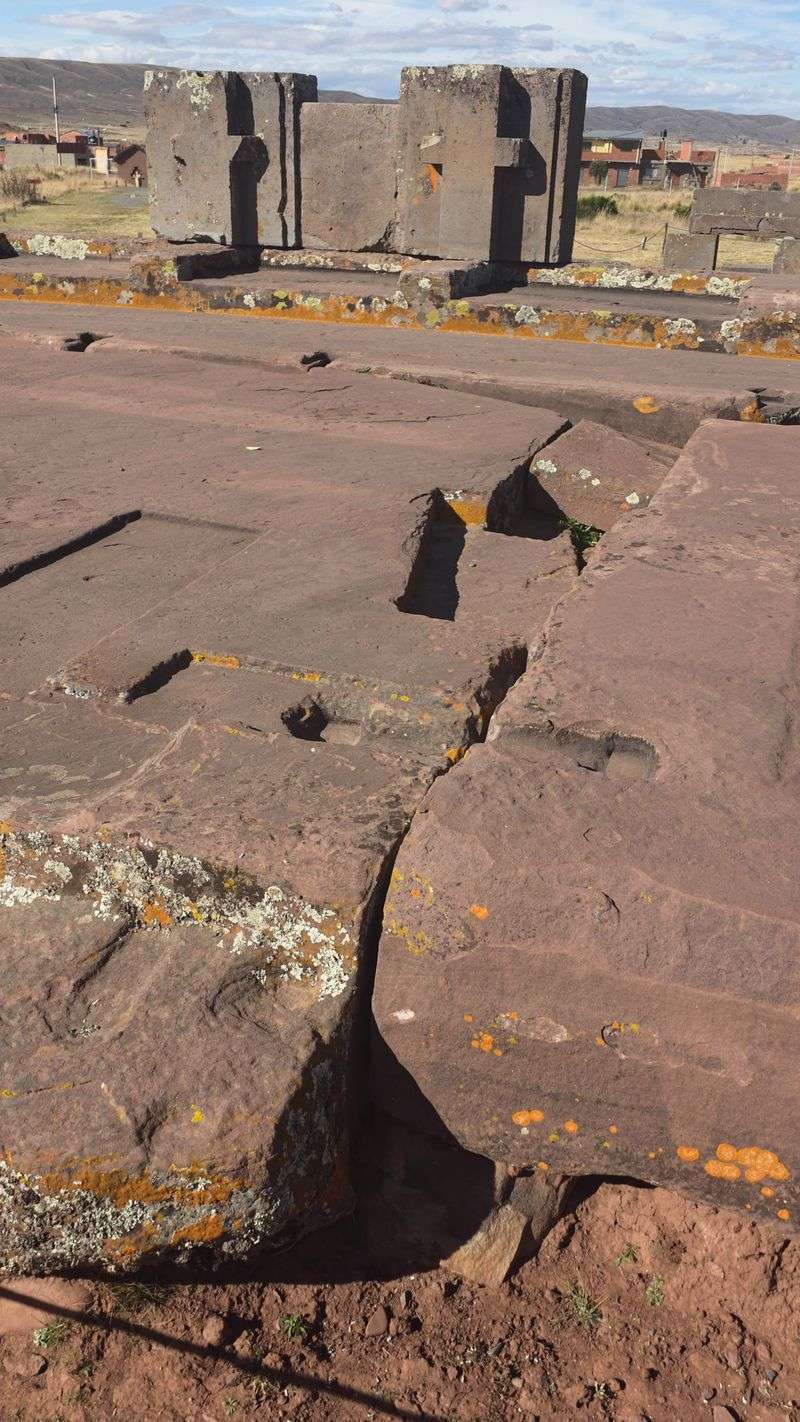
At Puma Punku you will notice small circular holes that look machine drilled at first glance. Experimental archaeology shows tube drilling with reed or wooden shafts and abrasive slurries can produce similar holes.
Rotation, pressure, and grit do the cutting, leaving telltale concentric wear.
Core remnants and uneven entry lips support hand powered techniques. The holes vary slightly in taper and roundness, consistent with manual setups rather than rigid lathes.
If you have drilled with a bow or pump drill, the feel is familiar.
Rather than electricity, think clever rigs, fixtures, and abrasive control. The outcome proves skill, not hidden engines.
The evidence fits the broader tool kit used across Tiwanaku.
11. The City Was Carefully Aligned With the Cosmos
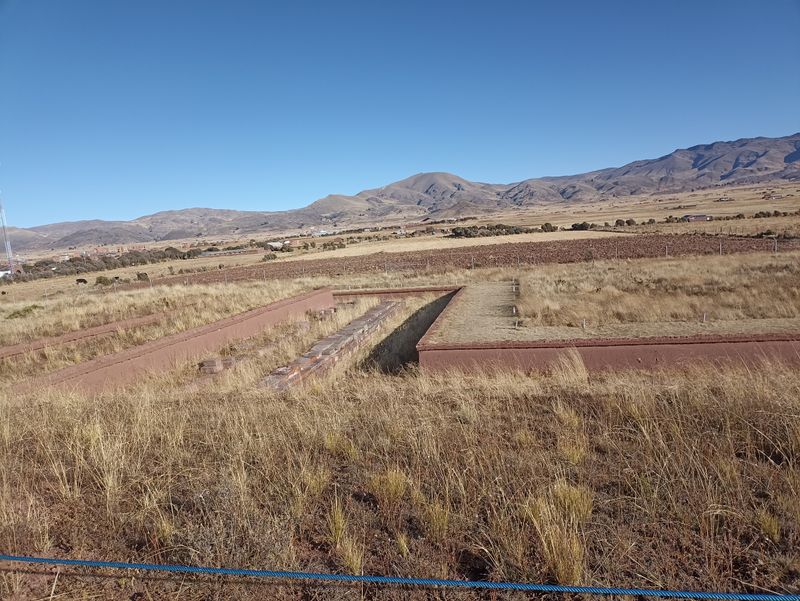
Tiwanaku’s monuments track the sun’s path with intentional alignments. Sightlines and windowed walls frame solstices and equinoxes, helping regulate agriculture and ritual calendars.
When you stand at dawn on key dates, the light behaves like a planned visitor.
Archaeoastronomy studies measure azimuths and horizon altitudes to test these claims. The data line up with predictable solar positions, not random chance.
You can imagine ceremonies keyed to first light crossing specific stones.
These alignments embedded time in architecture. In a land of frost and floods, knowing seasonal turns was survival.
The city became a giant instrument you could walk through.
12. The Civilization Engineered Sophisticated Agriculture
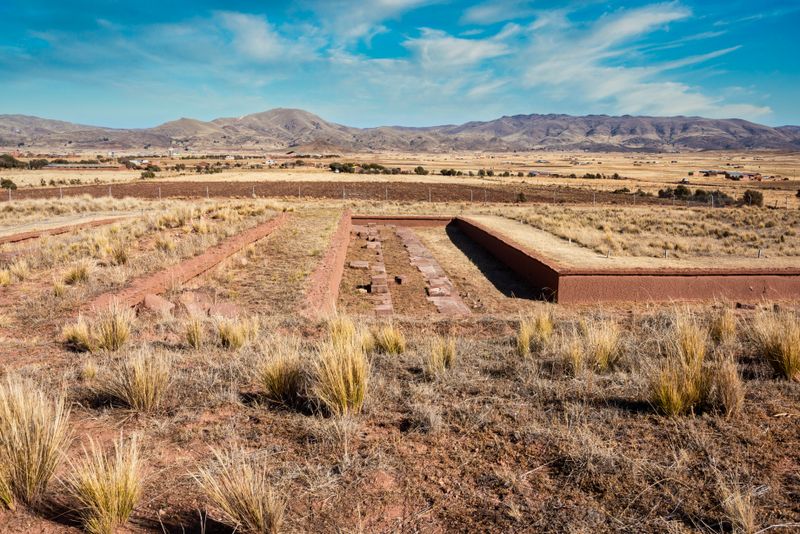
Tiwanaku farmers built raised fields called waru waru, surrounded by water channels that buffer frost and store heat. If you have gardened at altitude, you know how precious a few degrees can be.
These platforms stabilized crops and boosted yields in a risky climate.
Experimental reconstructions show higher productivity and resilience against floods compared with flat plots. The system integrates hydrology, soil science, and microclimates, all managed with communal labor.
You can walk modern revivals near the lake and see the principle working today.
Food surpluses fed stoneworkers and ritual events, closing the loop between agriculture and monuments. The stones and the fields are parts of the same system.
Engineering extended from the farm to the plaza.
13. Much of the Site Was Destroyed or Displaced
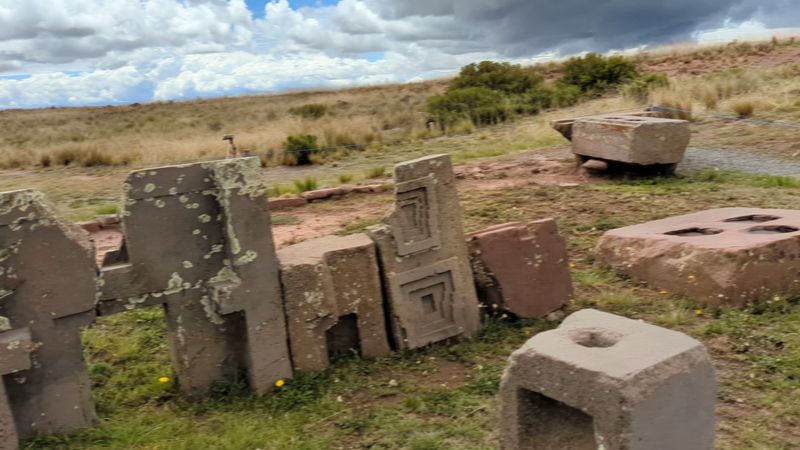
The scattered look of Puma Punku today reflects centuries of damage. Earthquakes shifted platforms, colonial builders quarried stones, and rail projects dragged blocks away.
Looters and curious visitors accelerated the disorder.
Archaeologists map original placements using bedding matches, clamp sockets, and soil impressions. With each fit, the plan clarifies, and the apparent chaos resolves into design.
You can feel the loss, but also the recovery.
This history warns against reading randomness as original intent. The site you walk is a fragment of a precise complex.
Conservation aims to stabilize what remains and stop further displacement.
14. Tiwanaku Influenced Cultures Across the Andes
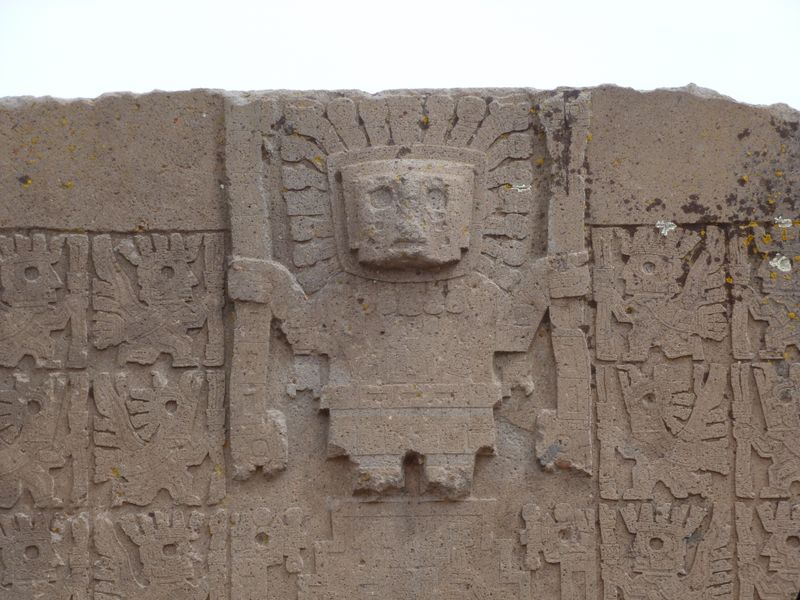
Tiwanaku’s styles and symbols traveled far, carried by trade, pilgrimage, and political ties. Ceramics, textiles, and stonework echo its iconography hundreds of miles away.
If you find a snuff tray or staff bearing figure in distant valleys, you hear Tiwanaku’s voice.
Colonies and enclaves ringed Lake Titicaca and reached into valleys that supplied maize and goods. Obsidian routes, llama caravans, and ritual exchange stitched regions together.
The network explains how big projects at home stayed supplied.
Influence does not require conquest alone. Prestige and pilgrimage can move ideas faster than armies.
The Andes remember Tiwanaku in shared motifs and techniques.
15. Puma Punku Visitor Essentials and Place Facts
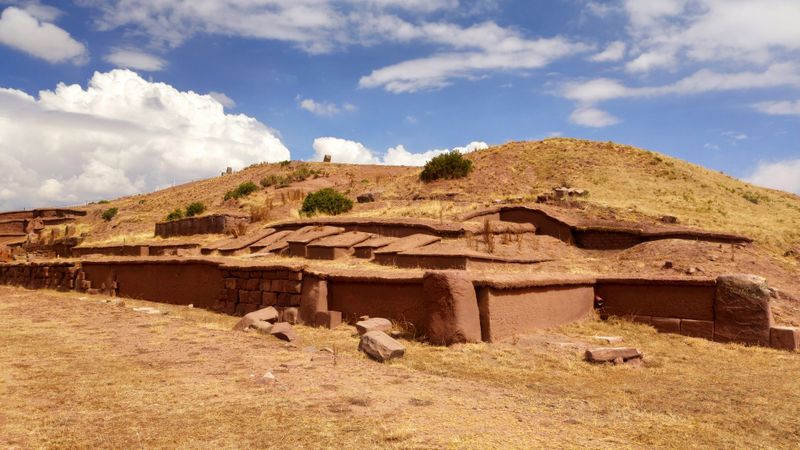
If you plan a visit, Puma Punku lies at C8Q9+9PP, Tiwanaku, Bolivia, rated 4.6 stars from over a thousand reviews. Hours run 9 AM to 5 PM daily, so arrive early to catch low light on the stones.
At 12,500 plus feet, pack water, layers, and sun protection.
Guides add context to those crisp H blocks and platform edges. Many reviewers note videos and research help you appreciate what is yet unexcavated.
You can easily spend hours here, then pair the visit with nearby museums for artifacts and timelines.
Phone listings and maps make logistics simple, but altitude makes pacing essential. Walk slowly, read the sky, and let textures speak.
Respect barriers, because preservation keeps precision alive for the next curious traveler.
16. The Real Mystery Is Human Organization, Not Lost Technology
What makes Puma Punku extraordinary is coordinated human effort. Organizing quarrying, transport, food, calendars, and labor at altitude takes leadership and social glue.
If you have managed even a small project, you can feel the scaling challenge.
Archaeology points to knowledge accumulation, not vanished machines. Templates, abrasives, alignments, and logistics converge into a believable toolkit.
The wonder is intact without invoking secret engines.
When you stand among those edges, the message is clear. People did this together, across seasons, with patience and pride.
That is a mystery worth admiring, because it is also an answer.
Share this story