Central Pennsylvania offers a rare kind of road trip, one where hand-painted signs, family diners, covered bridges, and quiet mountain towns still define the journey. From Amish farmland to railroad towns and forested overlooks, this route favors back roads over interstates and character over crowds.
Pack your curiosity and prepare to explore a landscape where history lives in every street corner and valley.
Bellefonte
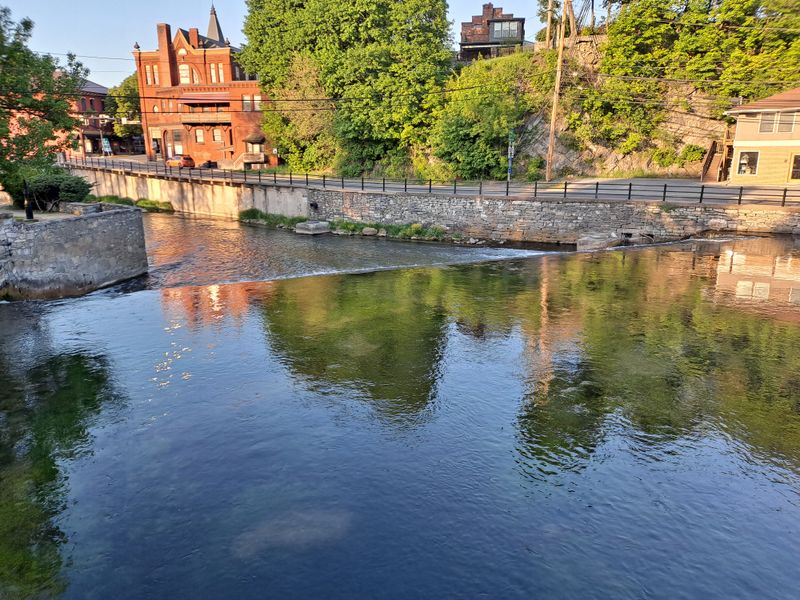
Once known as the Victorian Seaport of central Pennsylvania, Bellefonte is filled with preserved 19th-century architecture, tree-lined streets, and a walkable downtown that feels untouched by time. Brick storefronts line Allegheny Street, many with original facades and hand-painted signage that harken back to a slower era.
You can wander past historic homes with wrap-around porches, intricate woodwork, and turrets that seem pulled from a storybook.
Big Spring, the natural spring that once powered local industry, still flows through the heart of town and remains a gathering spot for residents and visitors alike. Locals say the water is so clear you can count the pebbles at the bottom.
It has been a centerpiece of the community for centuries.
Walking tours highlight buildings that served as hotels, theaters, and meeting halls during the town’s heyday as a regional hub. Many structures have been carefully restored, not renovated into something modern, but preserved to honor their original purpose and design.
The atmosphere here is calm, unhurried, and deeply rooted in Pennsylvania history.
Visitors often remark that Bellefonte feels like stepping onto a movie set, except everything is real and still in use. The town hosts seasonal events that celebrate its heritage, drawing families who appreciate tradition and craftsmanship over flash and convenience.
Penn’s Cave & Wildlife Park
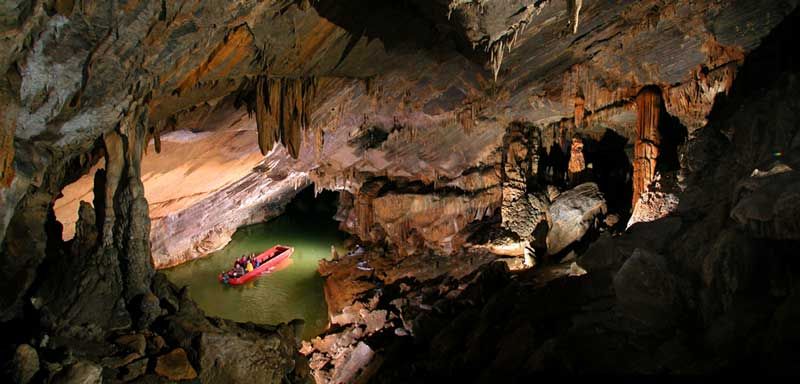
Discovered in the 1880s, Penn’s Cave is one of the oldest tourist attractions in the state and the only all-water cavern tour in Pennsylvania, navigated by boat just as it has been for generations. Visitors board flat-bottomed boats and glide silently through limestone chambers lit by soft electric lights that replaced torches decades ago.
The experience feels both ancient and intimate, as the water reflects formations that took thousands of years to develop.
Guides share stories passed down through generations, including tales of Native American legends and early explorers who first ventured into the cave by candlelight. The cool air inside stays at a constant temperature year-round, offering a natural escape from summer heat or winter chill.
Stalactites hang like frozen icicles, and the silence between spoken words is profound.
Above ground, the wildlife park adds another layer to the visit, featuring native Pennsylvania animals like bison, elk, and mountain lions in natural habitats. The park operates much like it did in the early 20th century, with minimal modern interference and a focus on education and conservation.
Families appreciate the simplicity and the chance to see animals without the glitz of a theme park.
Penn’s Cave remains a testament to early American tourism, where wonder was found in natural beauty rather than manufactured entertainment.
The Millheim Hotel
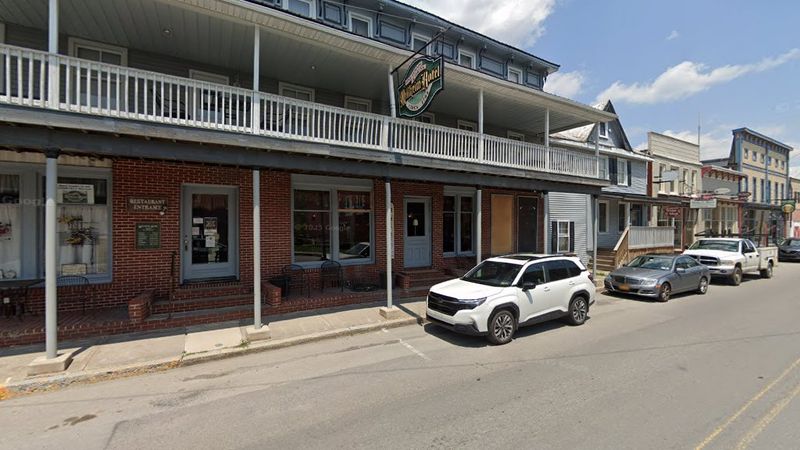
Operating since the 1860s, this historic inn in Centre County has served travelers, farmers, and railroad workers and remains a classic small-town gathering place. The building itself is a sturdy brick structure with tall windows and a front porch that invites passersby to sit and watch the world go by.
Inside, original woodwork and vintage furnishings create an atmosphere that feels both welcoming and steeped in memory.
The hotel has changed hands over the years, but each owner has maintained its character and commitment to hospitality. Guests today sleep in rooms that once hosted circuit preachers, salesmen, and families moving west.
The creaky floors and high ceilings are reminders of an era when travel was slower and overnight stays meant real human connection.
Downstairs, the restaurant serves meals made from local ingredients, many sourced from nearby farms that have been in operation for generations. The menu changes with the seasons, reflecting the agricultural rhythms of the region.
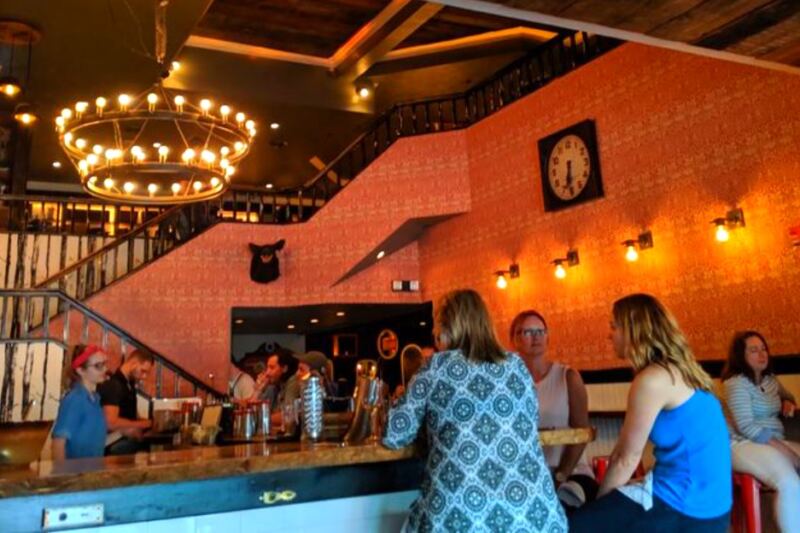
Regulars gather at the bar, sharing stories and swapping news in a way that feels rare in modern life.
Staying at the Millheim Hotel is not about luxury or amenities. It is about experiencing a piece of living history, where the past is not a museum exhibit but a daily reality for those who walk through its doors.
Bald Eagle State Forest
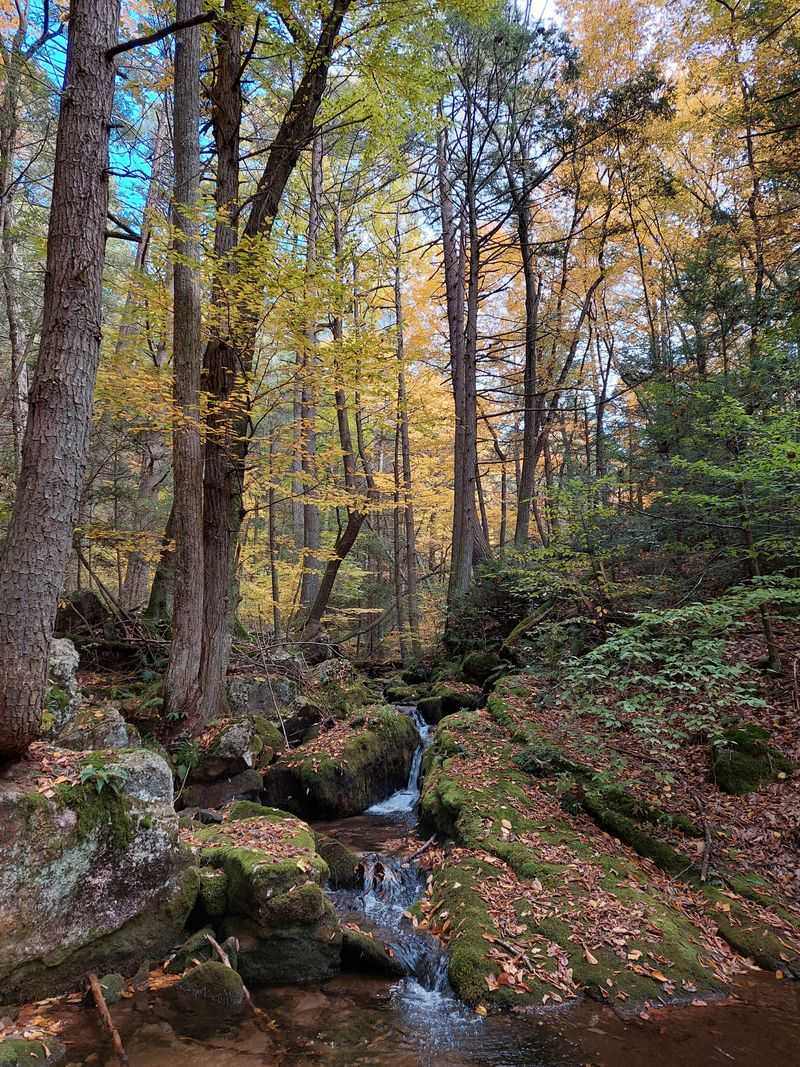
Covering more than 190,000 acres, this forest offers scenic pull-offs, gravel roads, and quiet picnic areas that feel far removed from modern tourism. The landscape is a mix of hardwood ridges, mountain streams, and open meadows where deer graze at dawn and dusk.
There are no gift shops, no visitor centers with interactive displays, just miles of unmarked trails and old logging roads that wind through the hills.
Many of the forest roads were built by the Civilian Conservation Corps in the 1930s, and their handiwork is still visible in stone culverts and timber bridges. The forest remains largely undeveloped, a place where solitude is easy to find and cell service is nonexistent.
Hikers and campers appreciate the lack of crowds and the sense of discovery that comes with exploring on their own terms.
Wildlife is abundant here, from black bears and wild turkeys to songbirds and salamanders. The forest changes dramatically with the seasons, offering vibrant fall foliage, snowy winter silence, and lush spring greenery.
Each visit feels different, yet the core experience remains the same: nature on its own schedule, untouched by human hurry.
Bald Eagle State Forest is a reminder of what Pennsylvania looked like before highways and suburbs, a landscape shaped by time, weather, and the quiet persistence of trees and water.
Boalsburg
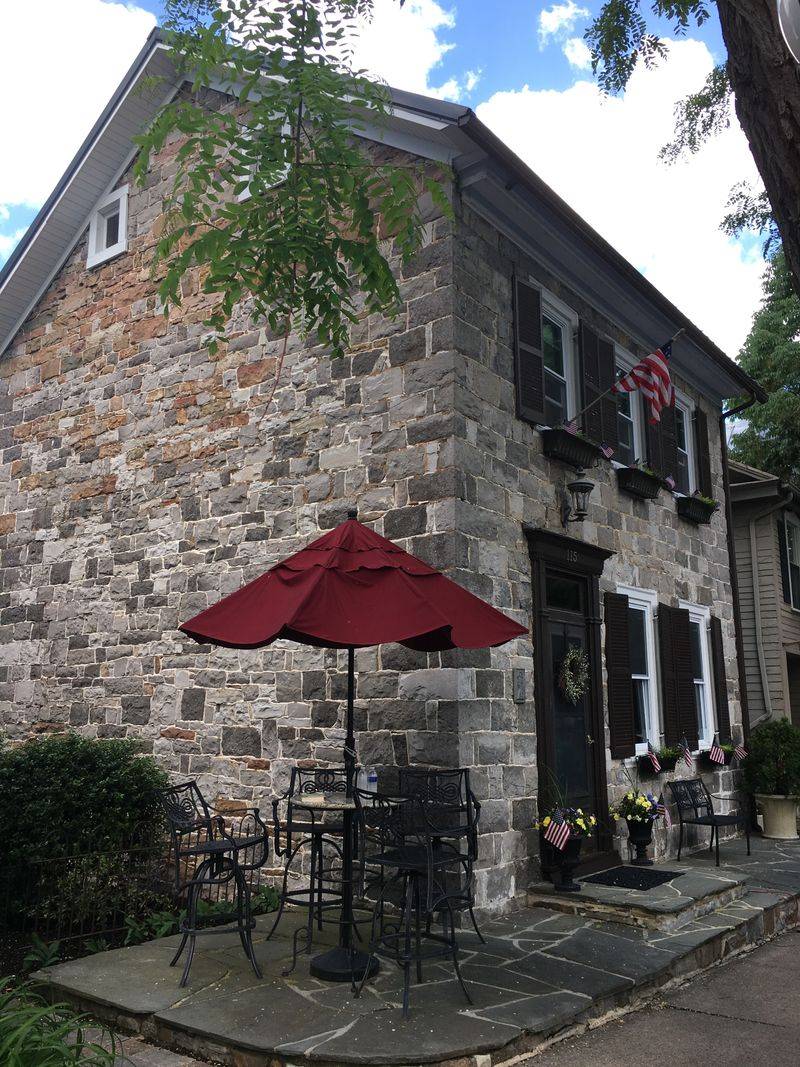
Often called one of the birthplaces of Memorial Day, Boalsburg’s village green, stone houses, and annual traditions preserve a strong sense of American history. The town square is anchored by a memorial honoring local soldiers, and every Memorial Day, residents gather to place flags and flowers in a ceremony that dates back to the 1860s.
The tradition is not a reenactment but a living practice, carried forward by generations who refuse to let it fade.
Stone houses line the streets, many built in the 18th and 19th centuries by German and Scotch-Irish settlers. Their thick walls, small windows, and sturdy chimneys speak to a time when homes were built to last and families stayed put for generations.
Walking through Boalsburg feels like moving through a living history book, where every building has a story and every street corner has witnessed change.
The town is home to the Pennsylvania Military Museum, which chronicles the state’s military contributions from colonial times to the present. Exhibits include uniforms, weapons, and personal letters that humanize the sacrifices made by ordinary people.
The museum complements the town’s Memorial Day tradition, offering context and depth to the rituals observed each spring.
Boalsburg is small, quiet, and proud of its heritage. Visitors leave with a deeper appreciation for the roots of American patriotism and the importance of remembering those who came before.
Elk Creek Café + Aleworks (Millheim)
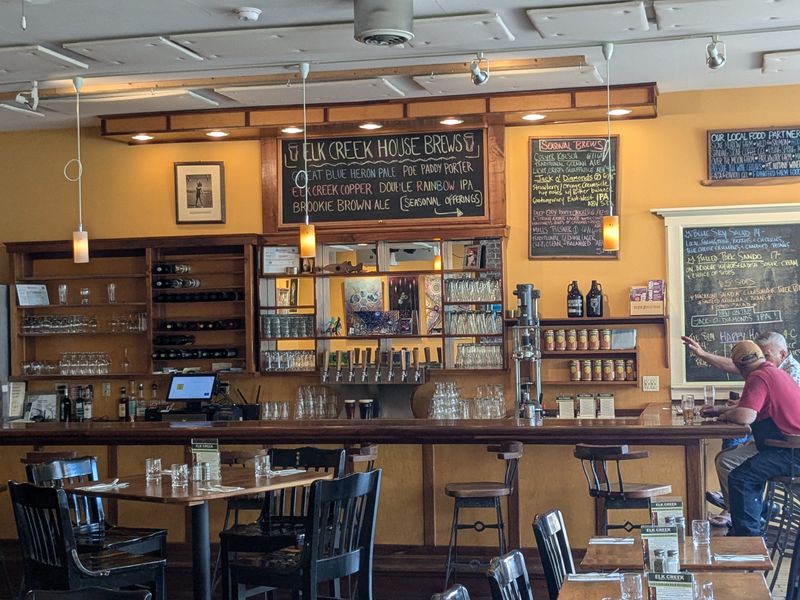
Housed in a restored early-1900s building, this farm-focused café reflects the region’s agricultural roots and community-first approach to food. The interior features exposed brick, reclaimed wood, and vintage fixtures that honor the building’s industrial past.
Sunlight streams through tall windows, illuminating tables where locals and visitors share meals made from ingredients grown just miles away.
The menu changes frequently, driven by what is in season and what farmers bring to the kitchen door. Dishes are simple but thoughtful, emphasizing flavor over fuss and freshness over gimmicks.
The café also brews its own beer, using traditional methods and regional grains to create ales and lagers that pair well with hearty, farm-style cooking.
Owners and staff know many of their customers by name, and conversations flow easily between tables. The atmosphere is relaxed, unpretentious, and deeply connected to the land and people of central Pennsylvania.
It is not uncommon to see farmers stopping by for lunch, still wearing their work boots and discussing crop yields over bowls of soup.
Elk Creek Café + Aleworks is more than a restaurant. It is a gathering place that celebrates local food culture and the values of sustainability, community, and craftsmanship that have defined the region for generations.
Mifflinburg
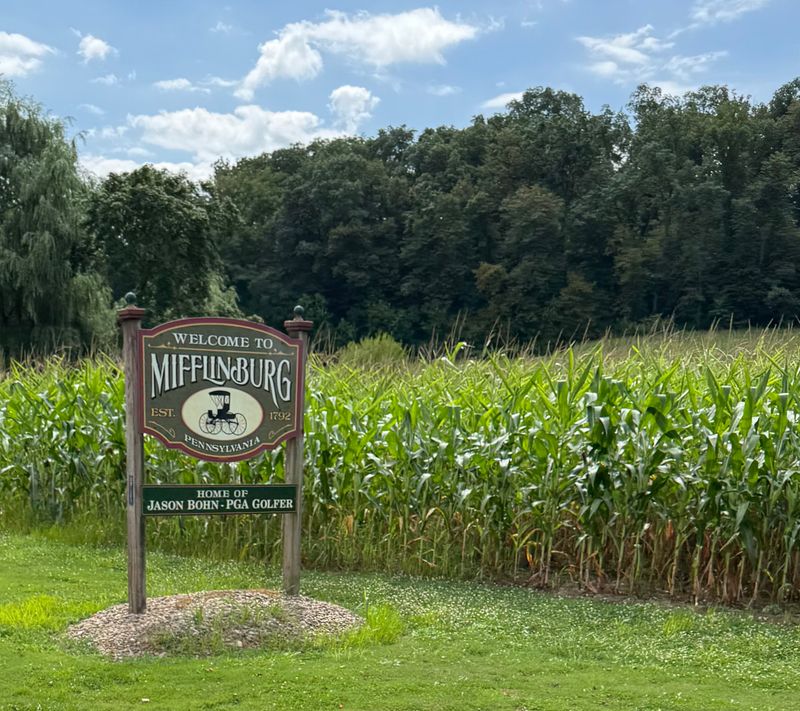
Known as Buggy Town, Mifflinburg has a long history of carriage manufacturing and remains closely connected to Amish and Mennonite culture. In the late 1800s, the town was home to dozens of buggy shops, producing vehicles that were shipped across the country.
Today, the Buggy Museum preserves that legacy, displaying hand-built carriages and the tools used to craft them. Visitors can see the precision and artistry that went into every wheel, axle, and upholstered seat.
Walking through downtown Mifflinburg, you will notice horse-drawn buggies parked alongside pickup trucks, a visual reminder that old and new coexist here without conflict. Amish families shop at local stores, and their buggies clip-clop down Main Street, moving at a pace that feels radically different from the rush of modern life.
The sound is rhythmic, almost meditative, and it draws attention to how much we have sped up in recent decades.
Local businesses cater to both Amish and non-Amish customers, offering everything from hardware and fabric to baked goods and handmade furniture. The town has resisted chain stores and big-box development, choosing instead to support family-owned shops that have served the community for generations.
Mifflinburg is a place where tradition is not a tourist attraction but a way of life, practiced daily by people who value simplicity, craftsmanship, and faith.
Rusty Rail Brewing Company (Mifflinburg)
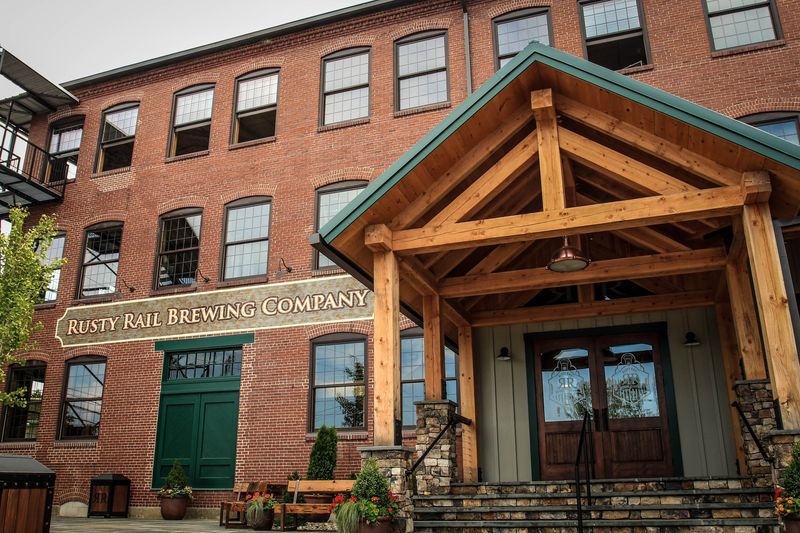
Located inside a former silk mill built in 1897, this restored industrial space keeps its original brickwork and machinery as part of the atmosphere. The brewery occupies a building that once hummed with looms and workers, producing silk fabric that was shipped to cities along the East Coast.
Now, the space is filled with stainless steel tanks, wooden tables, and the smell of hops and malt instead of thread and dye.
Original brick walls rise two stories high, and exposed beams crisscross the ceiling, giving the taproom a sense of history and weight. Old pulleys and gears have been left in place as reminders of the building’s past life.
The brewery honors that history by naming beers after local landmarks and using Pennsylvania-grown ingredients whenever possible.
The taproom is casual and welcoming, attracting a mix of regulars, tourists, and families looking for a place to relax. Live music, trivia nights, and community events keep the space lively without losing its laid-back charm.
The beer selection ranges from classic styles to creative seasonal brews, all made on-site with care and attention to detail.
Rusty Rail Brewing Company is a testament to adaptive reuse, showing how old buildings can find new purpose while still honoring the people and industries that came before. It is a place where past and present meet over a pint.
Covered Bridges of Union County
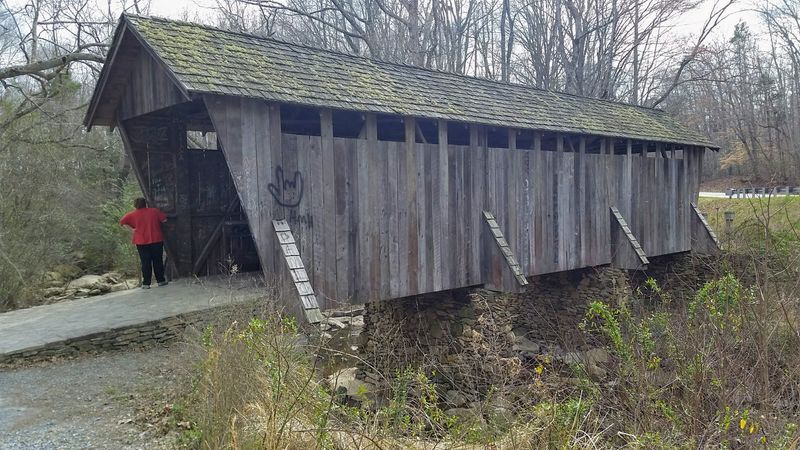
Several 19th-century covered bridges still span local creeks, built to protect wooden trusses from weather and now preserved as historical landmarks. These bridges were once common across Pennsylvania, but many were lost to floods, fires, and modernization.
The ones that remain are cherished by locals and sought out by photographers, history buffs, and anyone who appreciates functional beauty.
Each bridge has its own character, from the red-painted Hassenplug Bridge to the weathered gray planks of the Dreese’s Bridge. Walking through one feels like entering a tunnel into the past, where the sound of your footsteps echoes off wooden walls and sunlight filters through gaps in the siding.
The engineering is simple but effective, relying on interlocking timbers and careful joinery rather than nails or bolts.
Many of the bridges are still open to traffic, though weight limits and narrow lanes mean they are used mostly by locals and the occasional curious traveler. Road signs mark their locations, and small pull-offs allow visitors to stop, take photos, and read plaques that explain their history and construction.
Some are surrounded by farmland, others by forest, but all share a quiet dignity that speaks to the skill and care of their builders.
Visiting these bridges is a reminder that infrastructure can be beautiful, that function and form can coexist, and that preserving the past requires effort and commitment.
Lewisburg
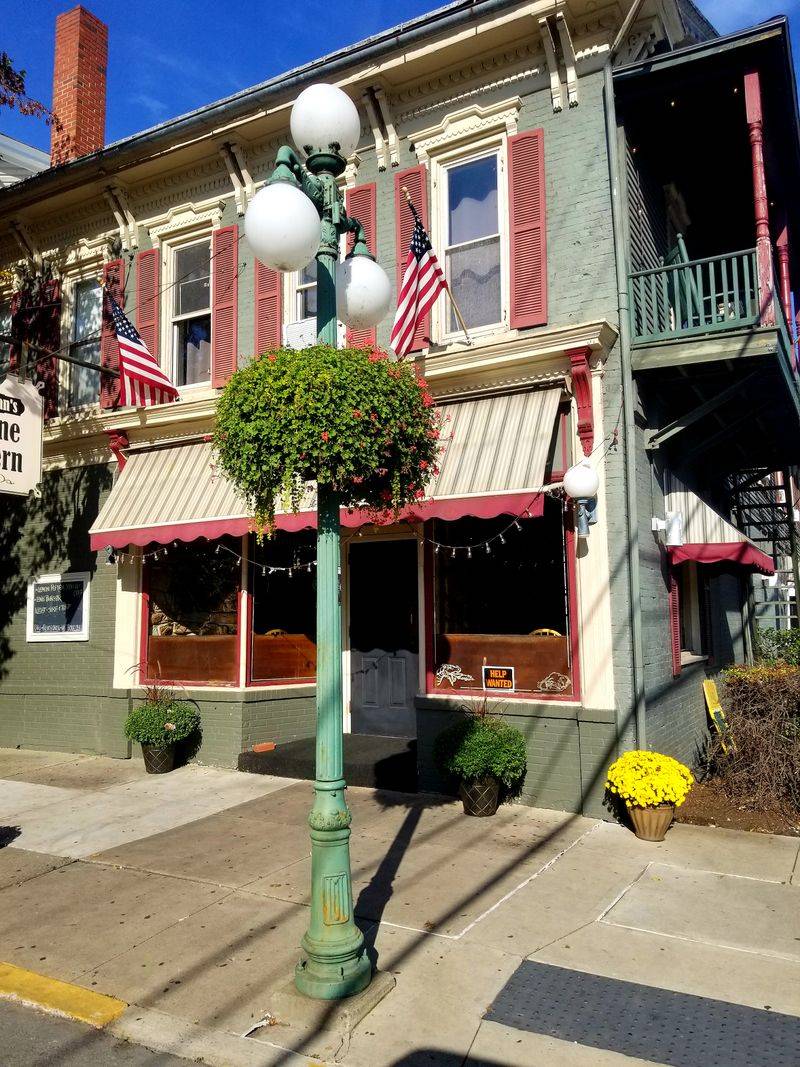
Home to Bucknell University, Lewisburg blends a traditional town square, independent bookstores, and a farmers market that has operated for decades. The downtown area is compact and walkable, with brick sidewalks, gas-style street lamps, and storefronts that have been family-owned for generations.
College students, professors, and longtime residents mingle in coffee shops and galleries, creating a lively but grounded community feel.
The farmers market is a Saturday morning tradition, drawing vendors from across the region who sell everything from fresh produce and baked goods to handmade soap and honey. Shoppers arrive early to claim the best tomatoes, sweetest corn, and freshest eggs, often chatting with farmers they have known for years.
The market is more than a place to buy food; it is a social hub where neighbors catch up and newcomers are welcomed.
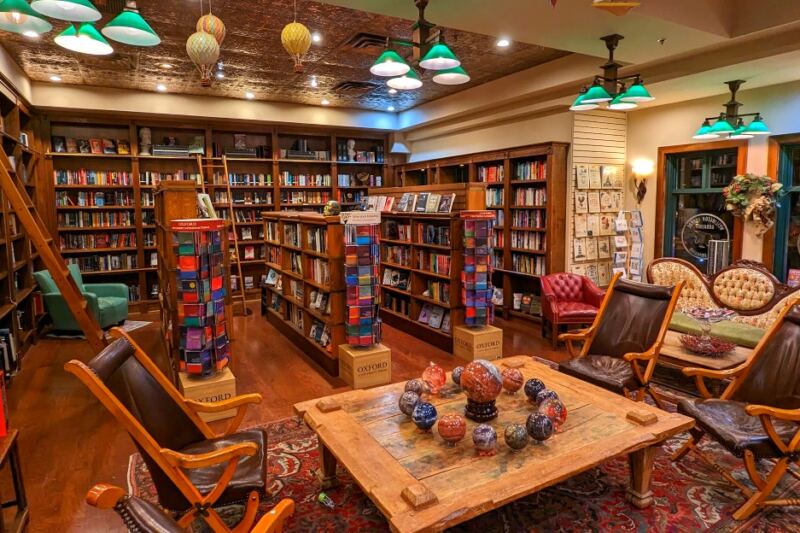
Independent bookstores and antique shops line Market Street, offering curated selections that reflect the tastes and interests of the community. These are not chain stores with corporate displays but personal collections assembled by people who care deeply about books, history, and the written word.
Browsing here feels like treasure hunting, with unexpected finds around every corner.
Lewisburg manages to be both a college town and a historic community, balancing youthful energy with respect for tradition. It is a place where old and new coexist comfortably, each enriching the other.
Packwood House Museum
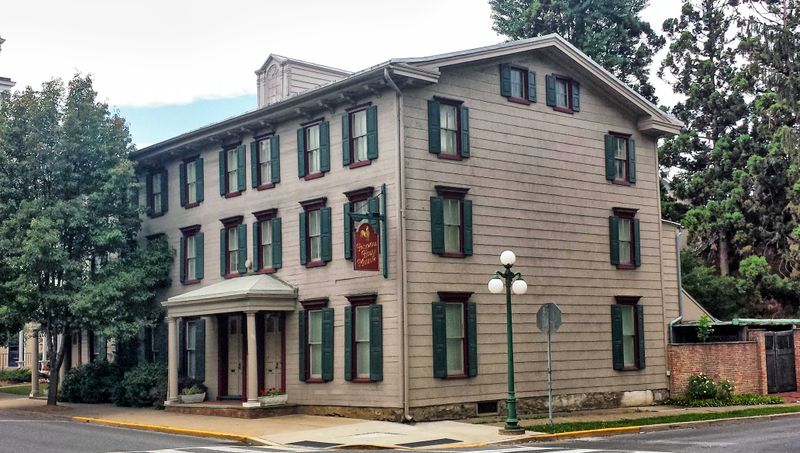
Built in 1807, this preserved home in Lewisburg offers a rare look at early American domestic life, filled with original furnishings and artifacts. The house was occupied by the Packwood family for generations, and over the years they accumulated an astonishing collection of furniture, textiles, tools, and decorative objects.
When the last family member passed away, the house was opened to the public, frozen in time like a snapshot of 19th-century Pennsylvania.
Rooms are arranged as they were during the family’s occupancy, with period furniture, hand-stitched quilts, and china sets displayed in cabinets. The kitchen features a massive fireplace, cast-iron cookware, and utensils that would have been used to prepare meals for large family gatherings.
Upstairs, bedrooms are furnished with four-poster beds, washstands, and chamber pots, offering a glimpse into daily routines before indoor plumbing and electricity.
Guides share stories about the Packwood family and the objects they collected, many of which have fascinating histories of their own. Some items were handmade by family members, others were gifts or purchases from traveling merchants.
Together, they paint a picture of a household that valued craftsmanship, tradition, and the preservation of memory.
Visiting Packwood House is like stepping into a time capsule, where the past is not recreated but genuinely preserved. It is a rare opportunity to see how people lived, worked, and celebrated in early America.
Susquehanna River Overlooks
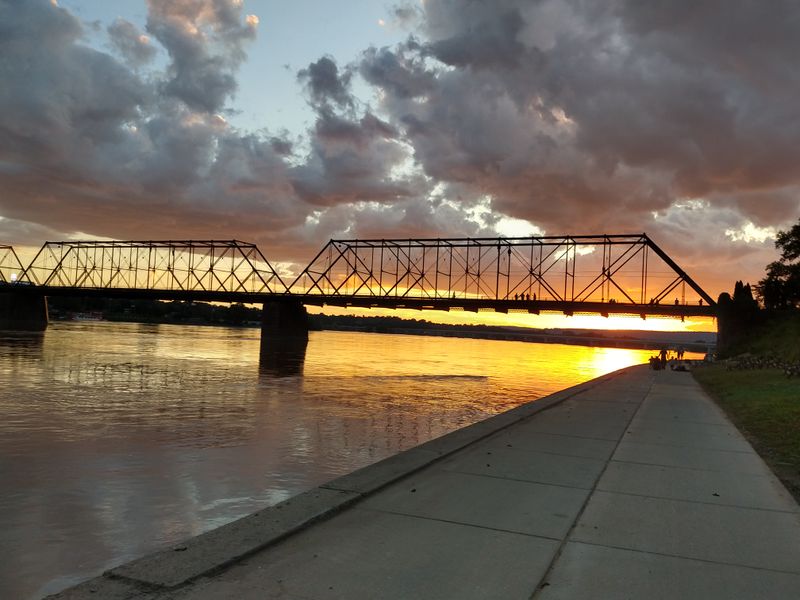
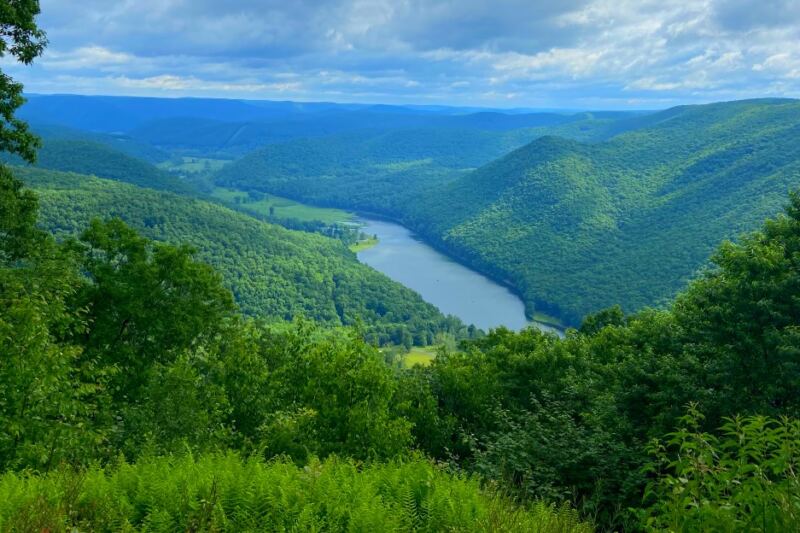
Scenic pull-offs along the river provide wide, uninterrupted views that feel unchanged from the era when river travel powered the region’s economy. The Susquehanna is one of the oldest rivers in North America, cutting through mountains and valleys with a quiet persistence that has shaped the land for millions of years.
Standing at an overlook, you can see for miles, watching the water curve around islands and sandbars that shift with every flood and season.
Before railroads and highways, the river was the main artery of commerce and travel, carrying logs, coal, and goods downstream to markets in Baltimore and beyond. Ferries and flatboats were common sights, and riverside towns thrived as hubs of trade and transportation.
Today, the river is quieter, used mostly by kayakers, fishermen, and wildlife, but its historical importance is still palpable.
Pull-offs are simple, often just a gravel patch with a guardrail and maybe a historical marker. There are no souvenir shops or paved viewing platforms, just you and the river and the sound of wind moving through the trees.
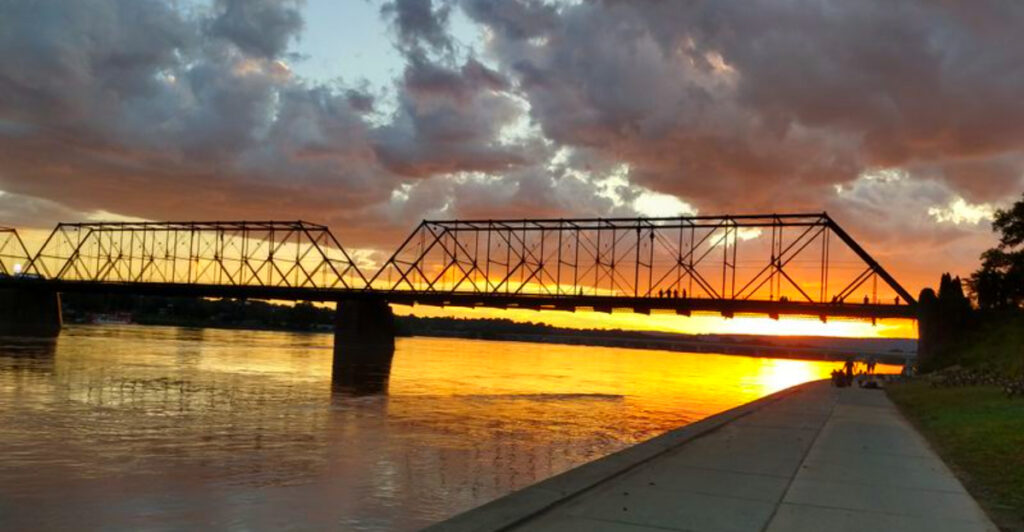
The views are especially dramatic at sunrise and sunset, when the water reflects the sky in shades of gold, pink, and deep blue.
These overlooks offer a chance to pause, breathe, and appreciate a landscape that has remained largely unchanged despite centuries of human activity. They are reminders of nature’s power and permanence.
Rothrock State Forest
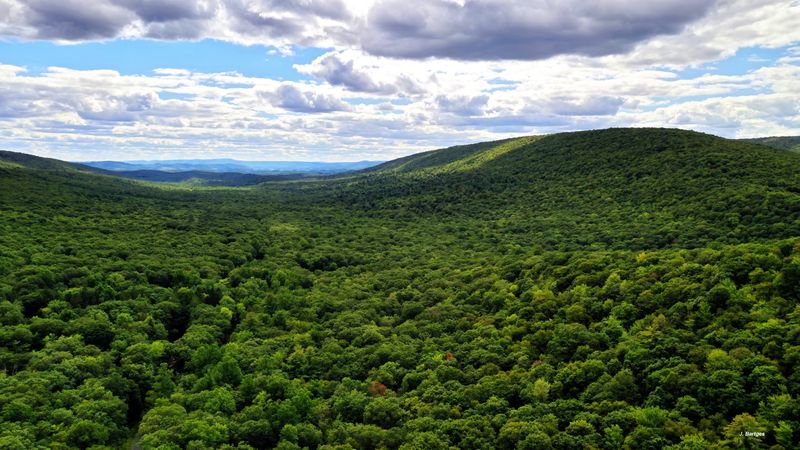
One of Pennsylvania’s oldest state forests, Rothrock offers quiet mountain roads, CCC-era infrastructure, and overlooks with no signage or crowds. The forest was established in the early 20th century, part of a broader effort to restore lands that had been stripped bare by logging and fire.
Much of the infrastructure, including stone shelters, fire towers, and trail systems, was built by the Civilian Conservation Corps during the Great Depression, and their craftsmanship is still evident today.
The forest is crisscrossed by dirt roads and single-track trails that wind through oak and maple stands, past trickling streams, and up to rocky ridgelines with sweeping views. There are no visitor centers, no paved parking lots, and no interpretive signs explaining what you are seeing.
Navigation requires a map, attention to trail markers, and a willingness to get a little lost.
Wildlife thrives here, from white-tailed deer and black bears to wild turkeys and ruffed grouse. The forest is also home to rare plants and insects, protected by the remote and rugged terrain.
Hikers, mountain bikers, and hunters appreciate the solitude and the sense of being truly off the grid, even if only for a few hours.
Rothrock State Forest is a place where nature reclaimed what humans took, and where the land has been allowed to heal and grow wild again. It is a testament to patience, conservation, and the enduring power of the natural world.
Pine Creek Valley (Pennsylvania Grand Canyon region)
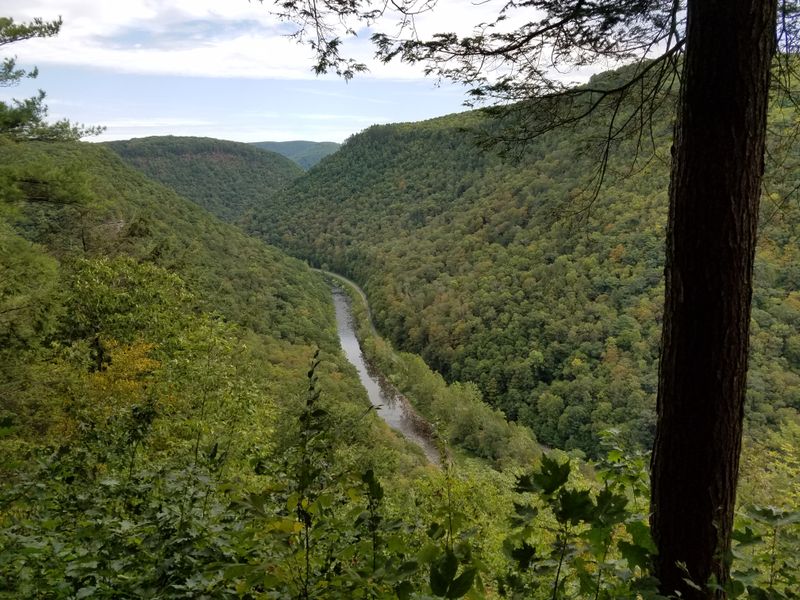
Though better known to locals than tourists, this area has drawn travelers since the late 1800s and remains one of the most peaceful stretches of wilderness in the state. The gorge carved by Pine Creek is nearly 50 miles long and over 1,000 feet deep in places, earning it the nickname Pennsylvania Grand Canyon.
The comparison may be ambitious, but the beauty is undeniable, especially in autumn when the hardwood forests explode in color.
Scenic overlooks along Route 6 and secondary roads provide breathtaking views of the valley below, where the creek winds through farmland, forest, and rock. The rail trail that follows the creek is a favorite among cyclists and hikers, offering a flat, shaded route through some of the most remote country in Pennsylvania.
Along the way, you will pass old railroad tunnels, stone bridges, and remnants of the logging industry that once dominated the region.
Wildlife is abundant, from bald eagles and ospreys to river otters and beavers. The valley is also a haven for anglers, with trout streams that have been fished for generations.
Campgrounds and cabins dot the area, offering simple accommodations for those who want to linger and explore at their own pace.
Pine Creek Valley is a place where nature still sets the agenda, where the rhythms of water, weather, and wildlife shape the experience. It is a reminder that Pennsylvania has wild places worth protecting and exploring.
Share this story