Montana is not a place you rush through. Its magic lives between destinations on two-lane highways, gravel roads, and forgotten routes where time seems to stretch.
Skip the interstates and take the long way. These 15 back roads invite you to slow down, roll the windows open, and experience Montana the way it was meant to be seen.
Skalkaho Pass Road
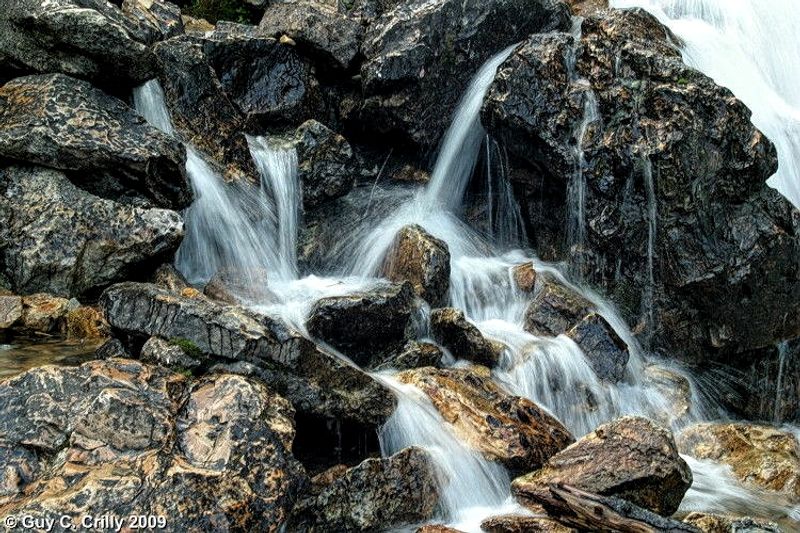
Between Hamilton and Philipsburg, this winding mountain road feels like a secret. Waterfalls spill from rocky cliffs, evergreen forests close in, and traffic is blissfully light.
Skalkaho Pass is especially stunning in late spring when snowmelt turns the falls into roaring curtains of white.
You might spot deer grazing near the roadside or hear the rush of water before you even see the cascades. The pavement is narrow and curvy, so take your time.
Pull over at one of the small gravel turnouts to stretch your legs and breathe in the crisp mountain air.
Wildlife is common here, so keep your eyes peeled. Moose, elk, and black bears all call this area home.
The drive climbs to over 7,000 feet, offering views that stretch for miles across rugged peaks and forested valleys.
Pack a picnic and enjoy it beside a waterfall. The sound of rushing water and birdsong creates a peaceful soundtrack.
This road is best traveled in summer and early fall when the pass is clear of snow.
Skalkaho Pass is not just a route from point A to point B. It is an invitation to pause, explore, and soak in the raw beauty of Montana’s backcountry.
The Back Way Around Flathead Lake
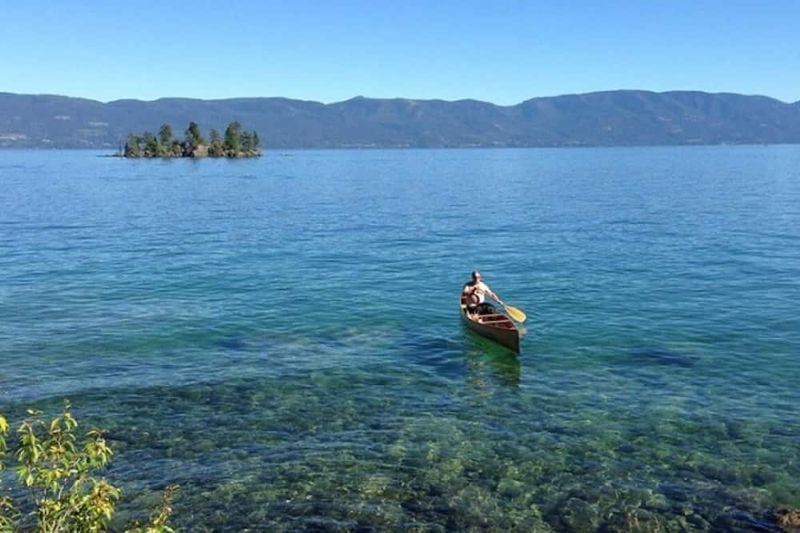
Most travelers stick to the main loop, but the slower shoreline roads reveal cherry orchards, roadside fruit stands, and quiet pull-offs with glassy lake views. Highway 35 and the west shore back roads offer Montana at its most peaceful.
You will find yourself stopping more often than you planned.
Cherry stands pop up in summer, selling fresh fruit by the bag. Local families run these stands, often on the honor system.
The lake itself stretches blue and calm, framed by distant mountains that seem to float on the horizon.
Small towns dot the route, each with its own charm. Stop for coffee in a local cafe or browse handmade crafts at a roadside shop.
The pace here is unhurried, and people take time to chat.
Birdwatchers love this route. Ospreys nest near the water, and you might see a bald eagle soaring overhead.
The shoreline is dotted with public access points where you can dip your toes in the cool, clear water.
Plan to take the whole day. This is not a drive to finish quickly.
Pack a cooler, bring a camera, and let the lake set the rhythm of your journey.
The Hi-Line’s Forgotten Spurs
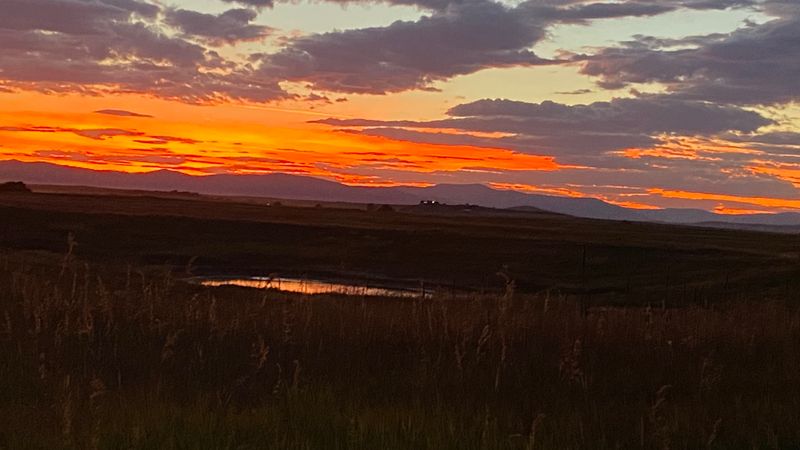
North of Highway 2, detour off the main route and explore the gravel spurs leading into old railroad towns. You will find grain elevators, weathered depots, and cafes where locals still linger over coffee.
These towns tell stories of a different era, when trains connected remote communities to the wider world.
Many of these places feel frozen in time. Buildings wear peeling paint and faded signs, but they still stand proud.
Stop in at a small-town diner and order pie. The waitress might know everyone by name.
The landscape here is wide open. Rolling plains stretch to the horizon, broken only by clusters of trees marking old homesteads.
In summer, wheat fields turn golden, and the wind creates waves across the grain.
Bring cash, as some of these towns have limited services. Gas stations can be few and far between, so fill up when you can.
The roads are mostly gravel, but well-maintained and easy to navigate.
Photographers love the Hi-Line for its big skies and dramatic light. Sunsets here are legendary, painting the clouds in shades of pink, orange, and purple.
Take your time and let the quiet settle over you.
Paradise Valley’s Old River Roads
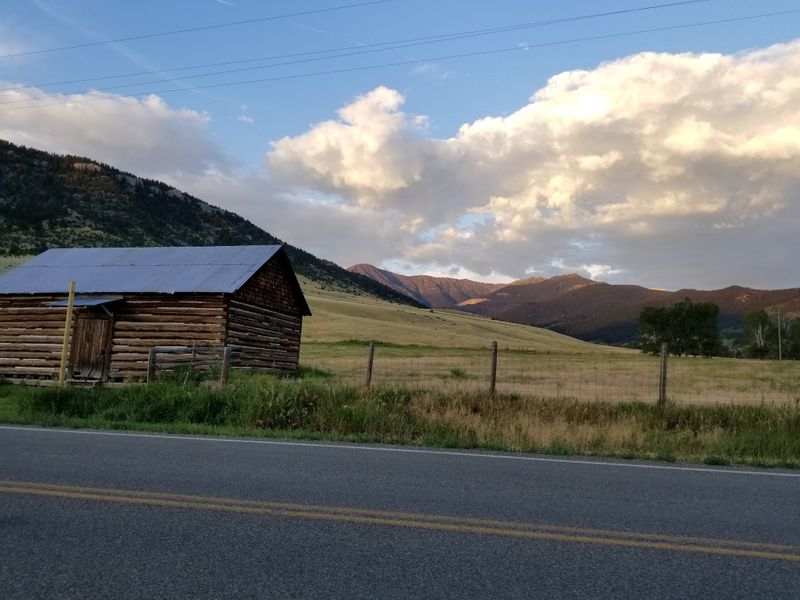
Parallel to the main highway are narrow roads hugging the Yellowstone River. Bald eagles soar overhead, cottonwoods rustle in the wind, and every bend seems to frame a postcard.
These old river roads offer a slower, more intimate view of Paradise Valley.
The river itself is a constant companion. Its waters run clear and fast, popular with fly fishermen who wade in with their rods.
You might see them casting lines in the early morning mist, hoping for a rainbow trout.
Ranches line the road, with horses grazing in green pastures. Mountains rise steeply on both sides of the valley, creating a dramatic backdrop.
In autumn, the cottonwoods turn golden, and the entire valley glows.
Wildlife sightings are common. Deer, elk, and even the occasional moose can be spotted near the river.
Bald eagles nest in the tall trees, and you might see one perched on a branch, watching the water below.
Pack a fly rod or a camera, or simply bring a blanket and find a quiet spot by the river. The sound of flowing water is deeply calming.
This is a place to disconnect from the rush and reconnect with nature.
Big Sheep Creek Backcountry Byway
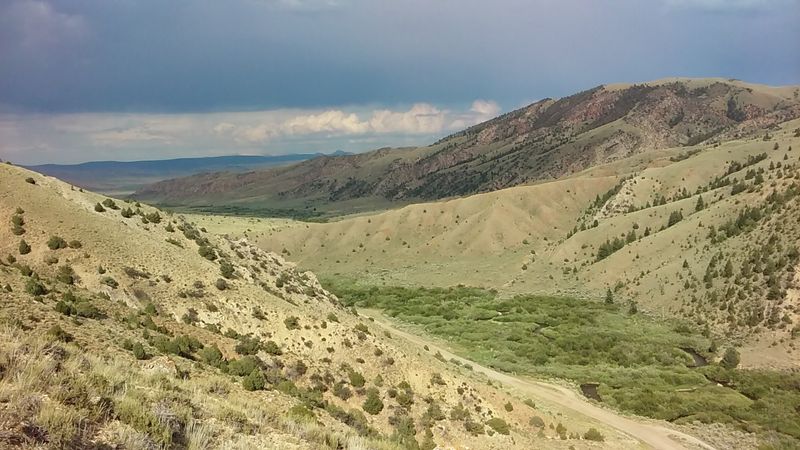
Near Dell in southwest Montana, this quiet road snakes through ranch land and wide-open valleys where cattle outnumber cars. Big Sheep Creek Backcountry Byway is the kind of drive where you instinctively slow down because there is no reason not to.
The landscape feels endless and untouched.
Cattle graze freely, and you might need to stop for a herd crossing the road. Ranchers wave from their trucks, a friendly gesture that feels genuine.
The road is gravel but well-graded, making for a smooth ride.
Mountains frame the valley on all sides, their peaks dusted with snow even in summer. Wildflowers bloom in the meadows, adding splashes of color to the green and gold landscape.
The air smells fresh, like sage and grass.
Bring binoculars for wildlife watching. Pronghorn antelope are common here, along with coyotes and hawks.
The silence is profound, broken only by the crunch of gravel under your tires and the occasional bird call.
This is not a destination drive. There are no major attractions or tourist stops.
Instead, it offers pure, unfiltered Montana ranch country. Take your time, breathe deeply, and enjoy the simplicity.
The Gravel Roads of the Tobacco Root Mountains
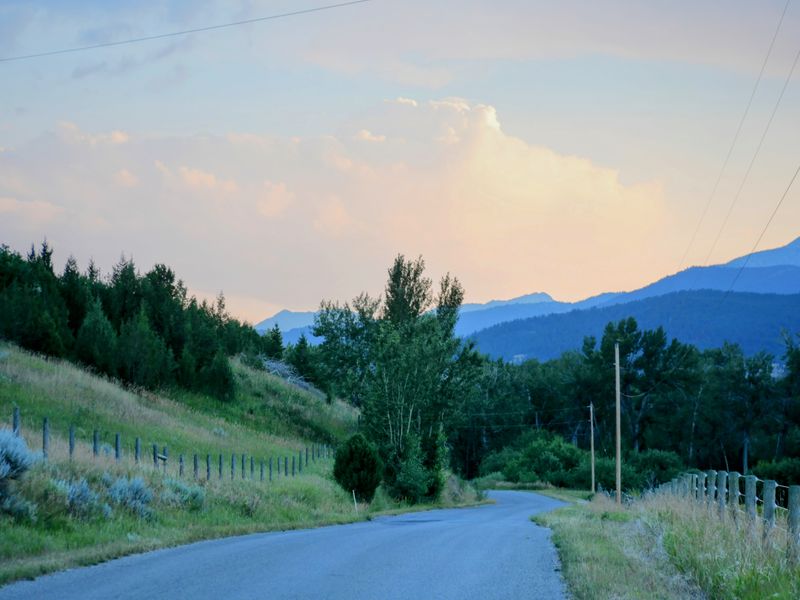
Near Pony and Harrison, these roads feel untouched by time. Abandoned mines, creaky barns, and sweeping alpine views remind you of Montana’s gold-rush past and how quickly nature reclaimed it.
The Tobacco Root Mountains rise steeply, their rocky peaks often dusted with snow.
Old mining cabins dot the hillsides, their weathered wood blending into the landscape. Some are still standing, while others have collapsed into piles of timber.
Each one tells a story of prospectors who came seeking fortune in the late 1800s.
The roads climb steadily, offering views that expand with every mile. Alpine meadows burst with wildflowers in summer, and streams tumble down rocky slopes.
The air is thin and crisp at higher elevations.
Hikers and mountain bikers love this area for its remote trails. You can park at a trailhead and explore old mining routes on foot.
Keep an eye out for wildlife, including mountain goats and marmots.
Pack extra water and snacks, as services are nonexistent once you leave the main towns. The roads can be rough in places, so a vehicle with good clearance is helpful.
This is a place for adventurers who appreciate history and solitude.
Red Lodge to Cooke City (The Quiet Way)
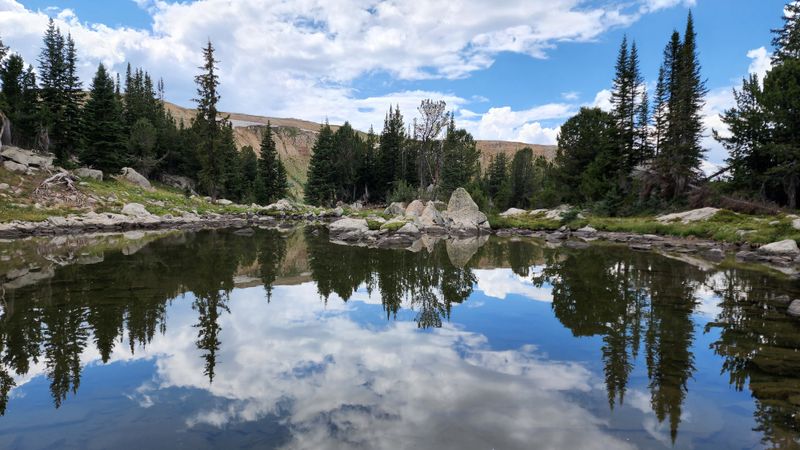
While the Beartooth Highway gets the fame, nearby side routes offer equally jaw-dropping scenery without the crowds. Wildflowers, alpine lakes, and sudden wildlife sightings keep your eyes wide open.
These quiet roads branch off the main highway, leading to hidden gems that most tourists miss.
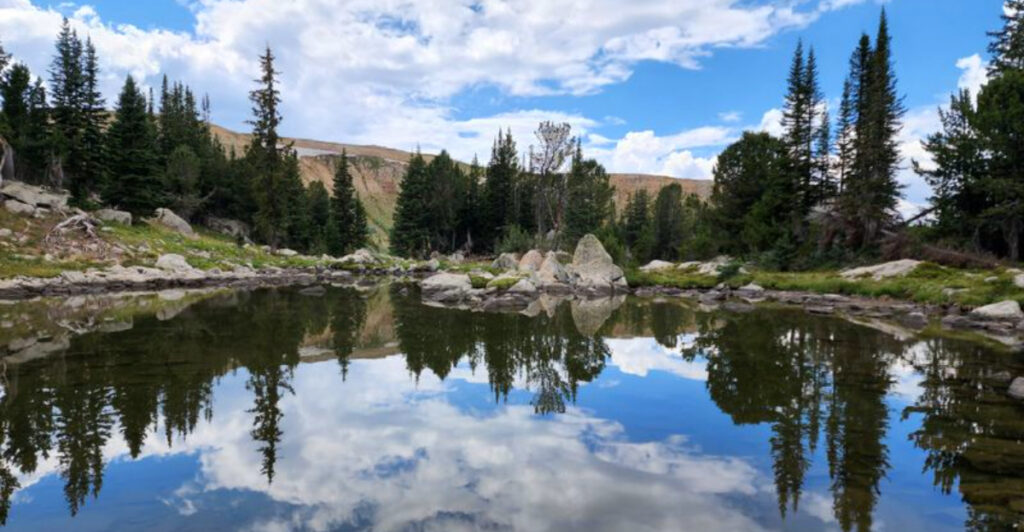
Alpine lakes reflect the sky like mirrors. Stop and skip stones or simply sit and listen to the silence.
The water is icy cold, fed by snowmelt from the surrounding peaks. Wildflowers carpet the meadows in shades of purple, yellow, and red.
Wildlife is abundant. Moose wade in the shallows, and marmots whistle from rocky outcrops.
Grizzly bears roam these mountains, so carry bear spray and stay alert. The thrill of spotting a bear from a safe distance is unforgettable.
The roads are narrow and winding, with steep drop-offs in places. Drive carefully and take your time.
Pull over at scenic overlooks to snap photos and soak in the views. The landscape changes with every turn, from dense forests to open tundra.
Plan to spend a full day exploring. Pack a lunch and eat it beside a mountain stream.
This is Montana at its most dramatic and wild.
Centennial Valley Back Roads
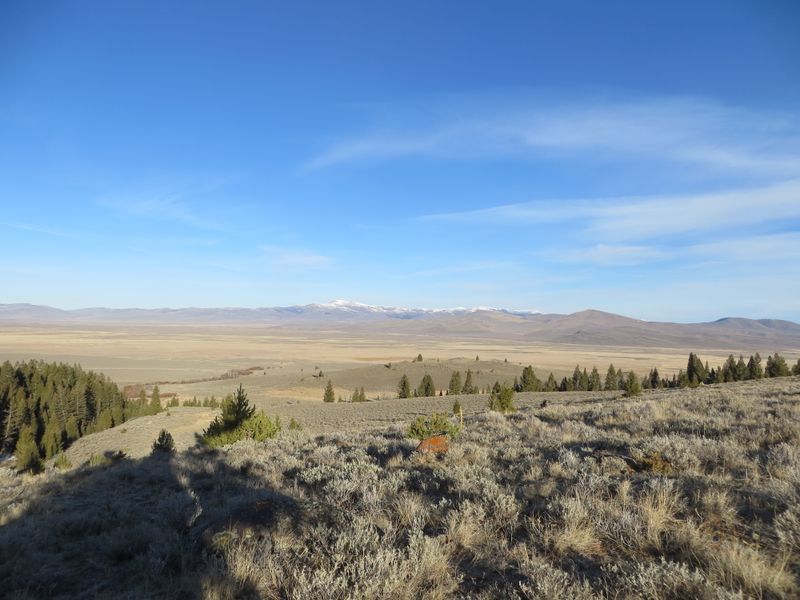
Between Lima and Lakeview, this high-elevation valley is raw, remote, and unforgettable. Gravel roads lead past sandhill cranes, sweeping grasslands, and the towering Centennial Mountains in the distance.
The valley sits at over 6,000 feet, and the air feels thin and clean.
Sandhill cranes gather here in large numbers during migration. Their calls echo across the valley, a haunting and beautiful sound.
Bring binoculars to watch them dance and preen in the wetlands. Other birds, including trumpeter swans and pelicans, also frequent the area.
The roads are rough and remote. Cell service is nonexistent, so download maps ahead of time.
The landscape is stark but stunning, with endless grasslands stretching to the mountains. In summer, wildflowers bloom in hidden pockets, adding color to the golden plains.
Red Rock Lakes National Wildlife Refuge lies within the valley. Stop at the visitor center to learn about the area’s wildlife and history.
Rangers can point you toward the best birdwatching spots and hiking trails.
Pack plenty of supplies, including food, water, and a full tank of gas. This is true backcountry Montana, where self-sufficiency is essential.
The solitude and beauty make it worth the effort.
The Old Road Through Garnet Ghost Town
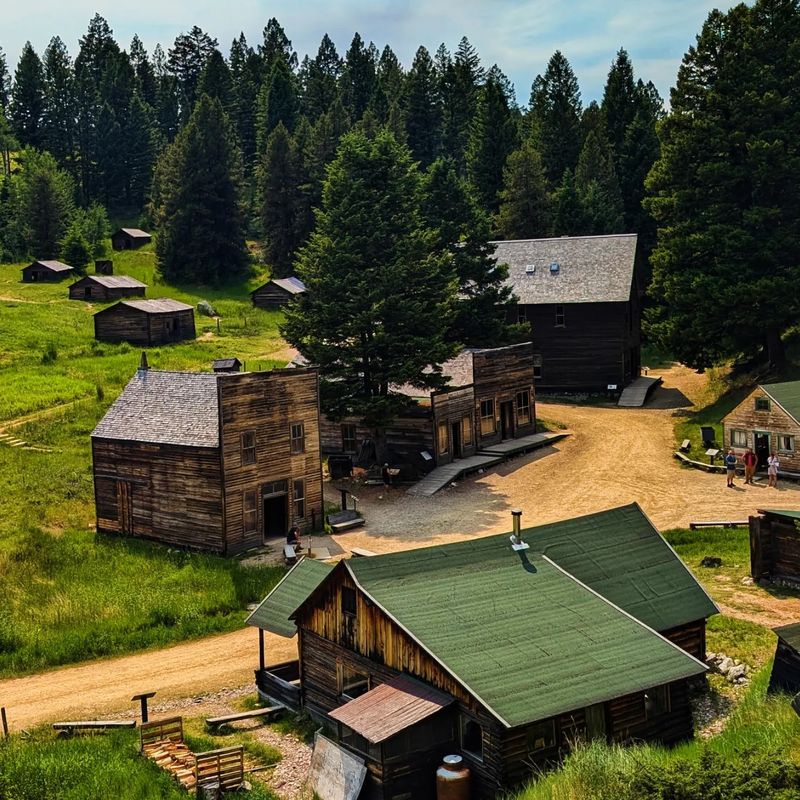
Outside Missoula, the road to Garnet is an experience all its own, dusty, quiet, and lined with pine trees. Reaching the ghost town feels like stepping into a paused moment from the 1890s.
The drive itself sets the mood, winding through forests and past old logging roads.
Garnet was once a bustling mining town with saloons, hotels, and hundreds of residents. Today, it stands mostly empty, preserved by the Bureau of Land Management.
You can walk through the old buildings and peek into windows, imagining life over a century ago.
The road is gravel and can be rough, especially after rain or snow. High-clearance vehicles are recommended, though many cars make the trip in dry conditions.
The journey takes about an hour from Missoula, but it feels much longer, in the best way.
Bring a camera. The weathered wood buildings and mountain backdrop create stunning photos.
In winter, the town is accessible by snowmobile or cross-country skis, offering a completely different experience. The silence in winter is absolute.
Pack a picnic and enjoy it on one of the old porches. Listen to the wind whistle through the buildings and imagine the voices that once filled these streets.
Garnet is a place where history feels alive.
The Shields Valley Loop
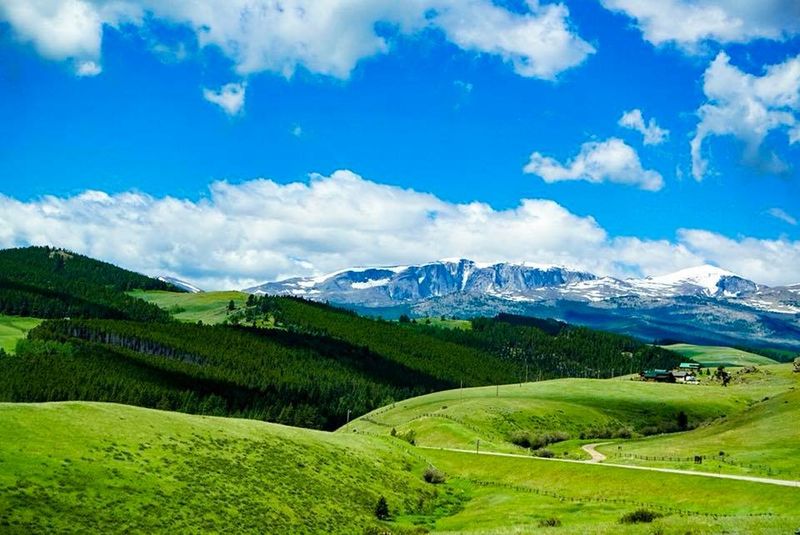
Often overlooked, this valley drive between Livingston and Wilsall offers rolling hills, historic ranches, and views of the Crazy Mountains that seem to rise straight out of the plains. The Shields Valley is a hidden gem, known mostly to locals and a few lucky travelers who take the time to explore.
The Crazy Mountains are aptly named. Their jagged peaks stand in stark contrast to the gentle valley below.
Snow lingers on the summits well into summer, creating a dramatic backdrop for photos. The mountains have a wild, untamed quality that feels fitting for Montana.
Historic ranches line the road, many dating back to the late 1800s. Weathered barns and old homesteads dot the landscape.
Cattle graze in the fields, and you might see cowboys on horseback moving herds. The valley still operates much as it did a century ago.
Wildflowers bloom in spring and early summer, carpeting the hillsides in color. The road is paved and easy to drive, making it accessible for all vehicles.
Stop at small bridges to watch trout streams bubble past.
Plan a leisurely drive with plenty of stops. Bring a sketchbook or journal and spend time absorbing the scenery.
This is a place that rewards slow travel and quiet observation.
The Back Roads of the Blackfoot Valley
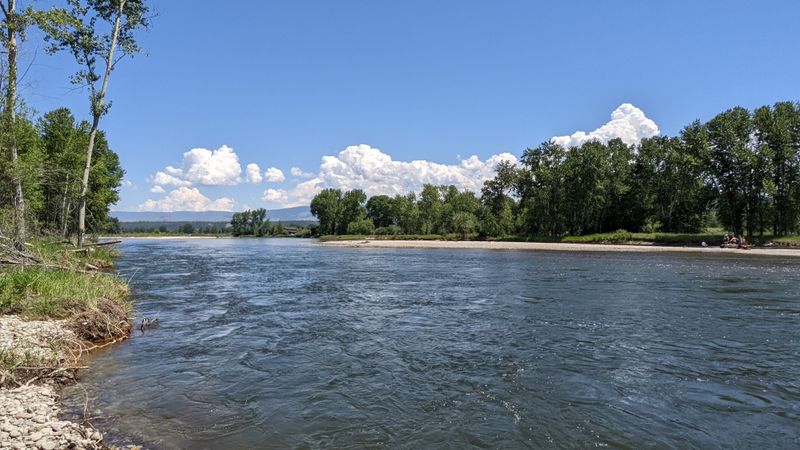
East of Missoula, immortalized in A River Runs Through It, these roads follow trout streams, hay fields, and classic Montana ranch country. Slow driving is mandatory, both for scenery and wandering wildlife.
The Blackfoot River winds through the valley, its waters clear and inviting.
Fly fishermen wade into the river at dawn, casting lines with practiced grace. The river is famous for its trout, and anglers come from around the world to fish here.
Even if you do not fish, watching the river flow is deeply peaceful.
Hay fields stretch across the valley floor, their grasses waving in the breeze. In late summer, farmers cut and bale the hay, creating neat rows of golden bales.
The smell of fresh-cut hay fills the air, sweet and earthy.
Wildlife is everywhere. White-tailed deer graze near the road, and elk herds move through the forests.
Black bears are common, so keep your distance and stay in your vehicle if you spot one. Birdwatchers can spot ospreys, herons, and kingfishers along the river.
Pack a fly rod or a good book and find a quiet spot by the water. The Blackfoot Valley invites you to slow down and savor the moment.
This is Montana at its most timeless and beautiful.
The Yaak River Road
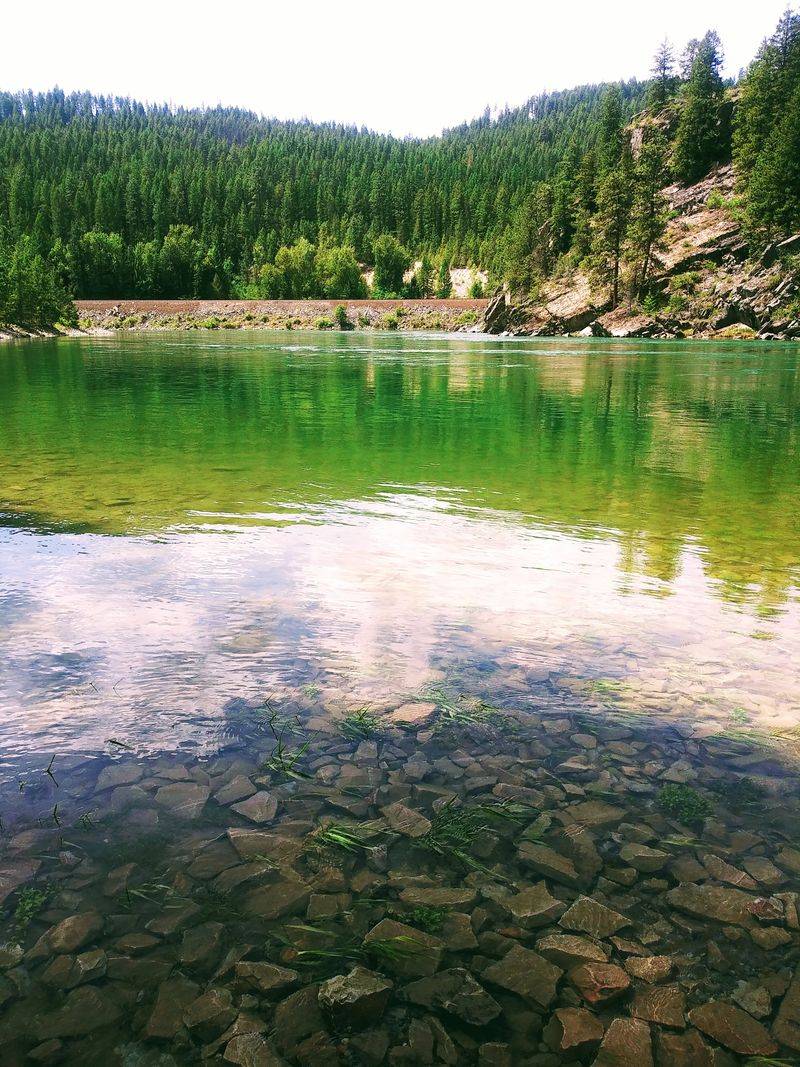
In far northwest Montana, this may be one of the most remote drives in the Lower 48. Dense forests, moss-covered trees, and almost no cell service make it feel like the edge of the world, in the best way.
The Yaak is a place where grizzlies outnumber people, and the wilderness feels vast and untouched.
The road follows the Yaak River through thick cedar and hemlock forests. Moss hangs from branches, and ferns carpet the forest floor.
The air smells damp and green, like a temperate rainforest. Sunlight filters through the canopy in soft, golden beams.
Wildlife is abundant but often hidden. Grizzly bears, wolves, and lynx all call this area home.
Drive slowly and stay alert. If you are lucky, you might spot a moose or a black bear crossing the road.
The thrill of being in true wilderness is palpable.
The Yaak River itself is a gem. Stop at pullouts to watch the water tumble over rocks.
The river is cold and clear, perfect for cooling your feet on a hot day. Fishing is excellent, though the fish are wild and wary.
Bring all your supplies. There are no services for miles, and cell service is nonexistent.
This is a place for adventurers who crave solitude and wild beauty.
Missouri River Breaks Gravel Routes
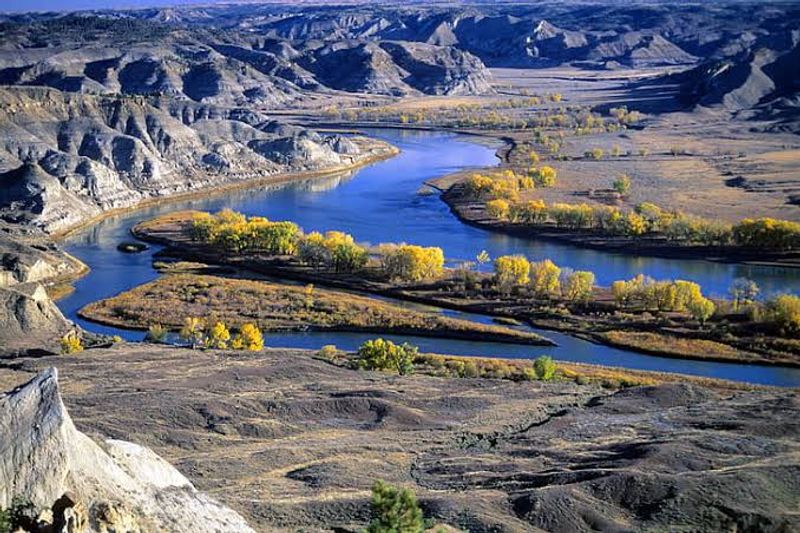
Near Winifred, these rugged roads cut through dramatic badlands and deep coulees. Silence dominates here, broken only by wind and distant bird calls.
The Missouri River Breaks is one of Montana’s most unique landscapes, where erosion has carved the earth into fantastic shapes.
Badlands stretch in every direction, their layers of sediment creating stripes of red, tan, and gray. The landscape feels almost otherworldly, like something from a Western movie.
Drive slowly to take in the details, from weathered rock formations to hidden canyons.
The roads are gravel and can be rough. High-clearance vehicles are recommended, especially after rain.
The routes wind through the breaks, offering new views around every corner. Pull over at scenic overlooks to scan for wildlife.
Bighorn sheep cling to rocky slopes, and golden eagles soar overhead.
The Missouri River flows through the heart of the breaks, its waters wide and slow. You can access the river at a few points, where boat launches offer opportunities for floating or fishing.
The river is calm and peaceful, a stark contrast to the rugged landscape around it.
Pack plenty of water and sun protection. The breaks are hot in summer and exposed to the elements.
But the solitude and stark beauty make it worth the effort.
The Back Way to Virginia City
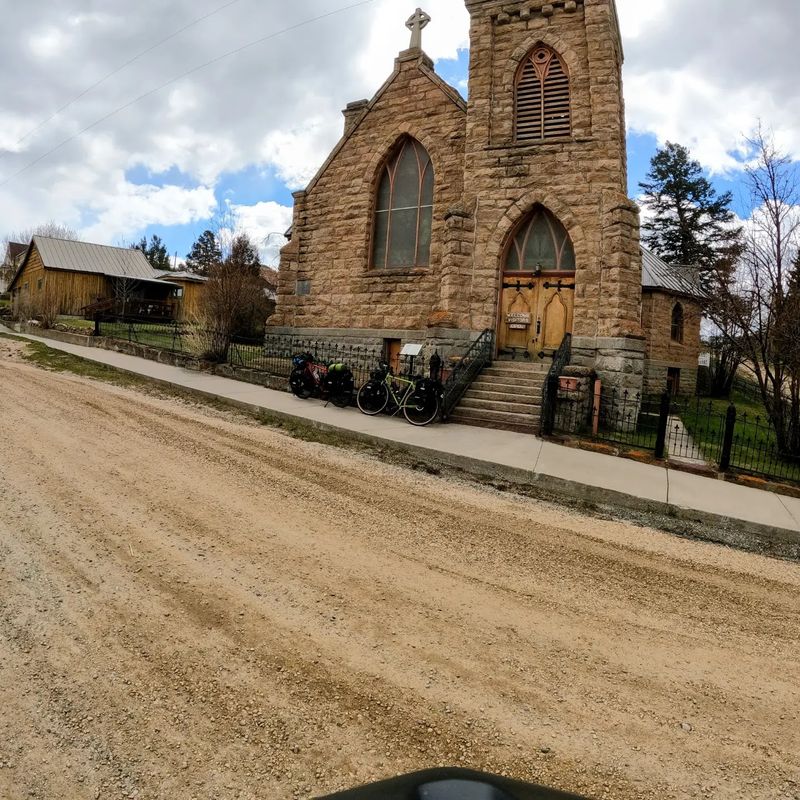
Avoid the main route and take the meandering valley roads instead via Ruby Valley side roads. You will pass old homesteads, grazing horses, and wide skies that make the final arrival feel earned.
Virginia City is a famous old mining town, but the journey to get there is just as rewarding as the destination.
The Ruby Valley is peaceful and pastoral. Ranches spread across the valley floor, their fields green in summer and golden in fall.
Horses graze near the road, lifting their heads to watch you pass. The pace here is slow and unhurried.
Old homesteads dot the landscape, some still occupied, others abandoned. Weathered barns lean at odd angles, their wood silvered by years of sun and wind.
Each one has a story, though most are now lost to time.
The roads are mostly paved but narrow. Take your time and enjoy the views.
Mountains frame the valley on both sides, their peaks often capped with snow. In late afternoon, the light turns golden, casting long shadows across the fields.
When you finally reach Virginia City, the old buildings and boardwalks feel like a reward. But the real treasure is the drive itself, a journey through quiet Montana backcountry where time moves at a different pace.
The Long Way Through the Bitterroot Backcountry
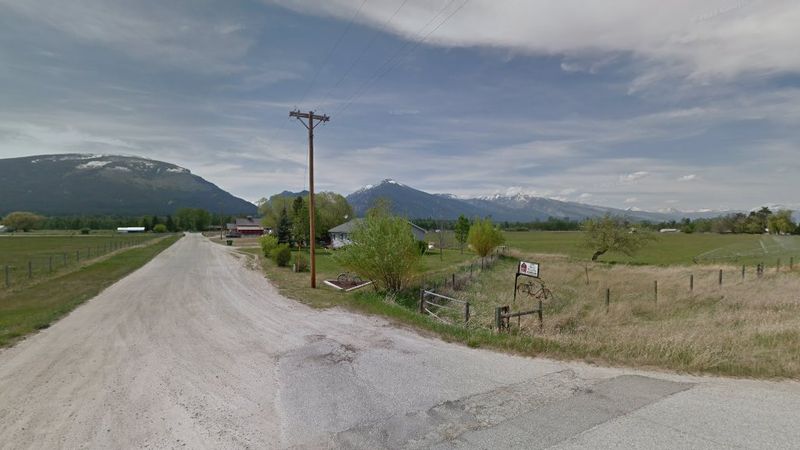
Forest Service Roads off Highway 93 are unpaved and unforgettable. These routes wind through dense forests, remote campgrounds, and hidden trailheads.
It is not about where you are going, it is about being there. The Bitterroot Mountains rise steeply, their peaks often shrouded in clouds.
The roads are rough and narrow, best suited for high-clearance vehicles or trucks. They climb steadily into the mountains, offering glimpses of alpine meadows and rushing creeks.
The forest is thick with pine, fir, and larch, and the air smells fresh and resinous.
Remote campgrounds dot the route, offering quiet spots to pitch a tent. These are primitive sites with no services, just picnic tables and fire rings.
The solitude is profound, and you might not see another person all day.
Hidden trailheads lead into the wilderness. Hike to alpine lakes or climb to ridgelines for sweeping views.
The trails are well-maintained but lightly traveled. Wildflowers bloom in summer, and wildlife is common.
Watch for deer, elk, and the occasional black bear.
Pack everything you need. Cell service is nonexistent, and the nearest town is miles away.
But the beauty and solitude of the Bitterroot backcountry make it worth the effort. This is Montana at its wildest and most free.
Share this story