Living costs can vary wildly from one place to another, and some cities make even the simplest expenses feel like a luxury. Whether it’s grabbing groceries, eating out, or just getting around town, certain spots around the world can drain your wallet faster than you’d expect.
Understanding where these pricey places are and what makes them so expensive can help you appreciate your own city’s costs – or prepare you if you’re planning a big move.
1. Zurich, Switzerland
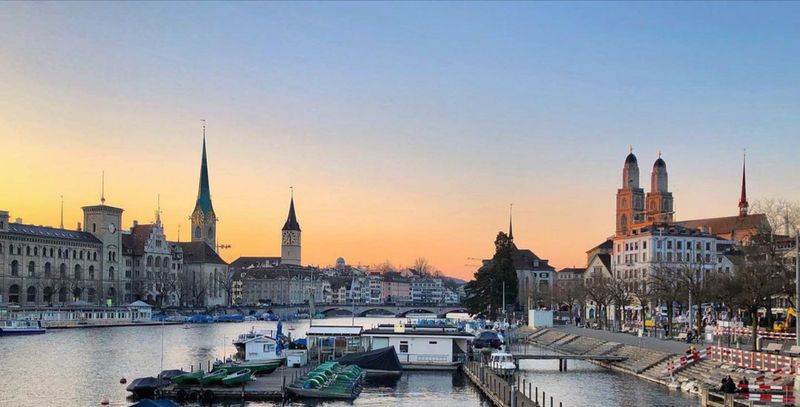
Zurich is the kind of city where everyday life comes with premium pricing. High-quality services, strong purchasing power, and steep restaurant and grocery costs all add up quickly.
Walking through the city, you’ll notice that even a simple coffee or sandwich can cost more than a full meal elsewhere.
Switzerland’s economy is powerful, and salaries tend to be high, but that doesn’t make daily spending any easier. Rent aside, residents still face heavy costs for transportation, utilities, and personal care.
Public transit is efficient and clean, yet monthly passes can feel like a significant chunk of your budget.
Dining out in Zurich is an experience, but it’s also an investment. A casual dinner for two can easily run into triple digits, and groceries aren’t much kinder.
Fresh produce, dairy, and meat are all priced at levels that might surprise visitors.
Even locals joke about the cost of living here. But the trade-off is access to world-class infrastructure, safety, and natural beauty.
If you can afford it, Zurich offers a polished lifestyle that few cities can match.
2. Geneva, Switzerland
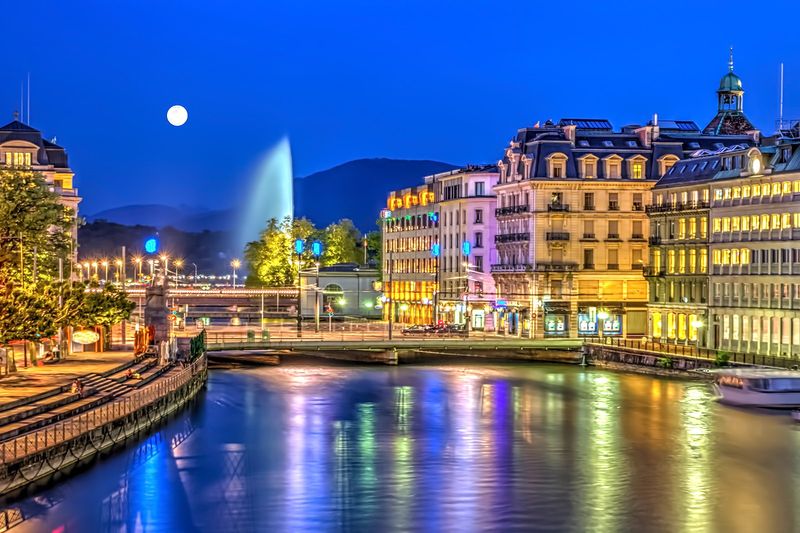
Geneva’s global profile is no secret. Home to international organizations, diplomacy hubs, and some of the world’s wealthiest residents, this city consistently ranks among the priciest on Earth.
The presence of the United Nations and countless NGOs creates a high-income environment, but it also drives up the cost of nearly everything.
Food, transportation, and daily services rarely come cheap here. A simple lunch near the lake can cost as much as a fancy dinner in many other countries.
Grocery shopping feels like a luxury activity, with even basic items carrying surprisingly high price tags.
Public transportation is reliable and well-connected, but monthly passes can strain a budget. Taxis and ride-shares are even more expensive, making biking or walking popular choices for those trying to save.
Geneva’s beauty and international vibe are undeniable, but they come at a cost.
High salaries help offset some expenses, but not everyone working in Geneva earns at the top tier. For students, interns, or service workers, the city can feel financially overwhelming.
Still, many choose to stay for the career opportunities and cultural richness.
3. Basel, Switzerland
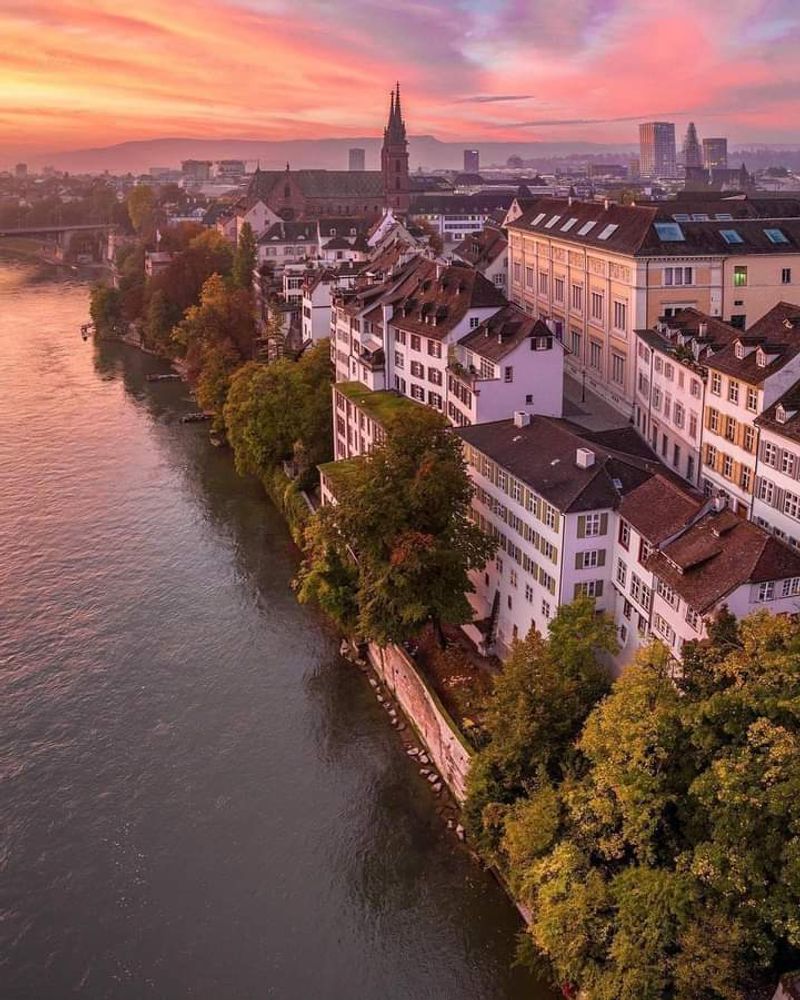
Basel often surprises people. It’s not as flashy or internationally famous as Zurich or Geneva, but routine expenses remain extremely high.
Groceries and everyday services can drain your wallet just as fast as in the bigger Swiss cities, and many residents cross the border into France or Germany to shop for better deals.
This city sits at the intersection of three countries, giving it a unique cultural flavor. But that location doesn’t make it any cheaper.
Rent is high, dining out is pricey, and even a trip to the pharmacy can feel like a splurge.
Basel is known for its art scene, particularly the world-famous Art Basel fair. Culture lovers flock here, and the city supports a thriving museum district.
But attending events, eating at cafes, and enjoying the local lifestyle all come with a premium price tag.
Public transit is excellent, and the city is walkable, which helps cut some costs. Still, monthly expenses add up quickly, and budgeting becomes a necessary skill.
Basel may be smaller and quieter, but it’s every bit as expensive as its Swiss neighbors.
4. Lausanne, Switzerland
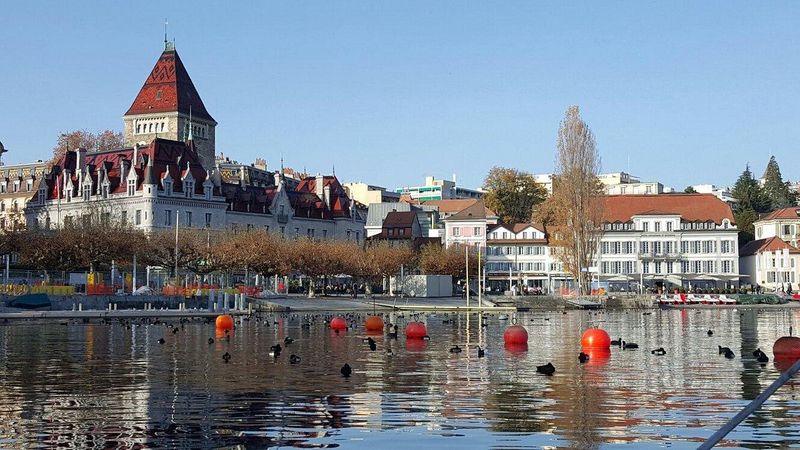
Lausanne blends lakefront beauty with price tags to match. Nestled on the shores of Lake Geneva and surrounded by vineyards and mountains, it’s one of Switzerland’s most picturesque cities.
But even without counting rent, day-to-day costs can feel heavy, particularly when dining out and managing household spending.
The city is home to the International Olympic Committee, giving it a sporty, international atmosphere. Students and young professionals are drawn here for education and career opportunities, but many struggle with the high cost of living.
A simple meal at a restaurant can cost more than a week’s groceries in some countries.
Public transportation is efficient, and the metro system is one of the few in Switzerland. Monthly passes are necessary for most residents, and they’re not cheap.
Groceries, utilities, and personal care items all carry that signature Swiss premium.
Despite the costs, Lausanne offers a high quality of life. The city is clean, safe, and filled with cultural activities.
Parks, museums, and lakeside walks provide free or low-cost entertainment, which helps balance the budget a bit. But overall, living here requires serious financial planning.
5. Lugano, Switzerland
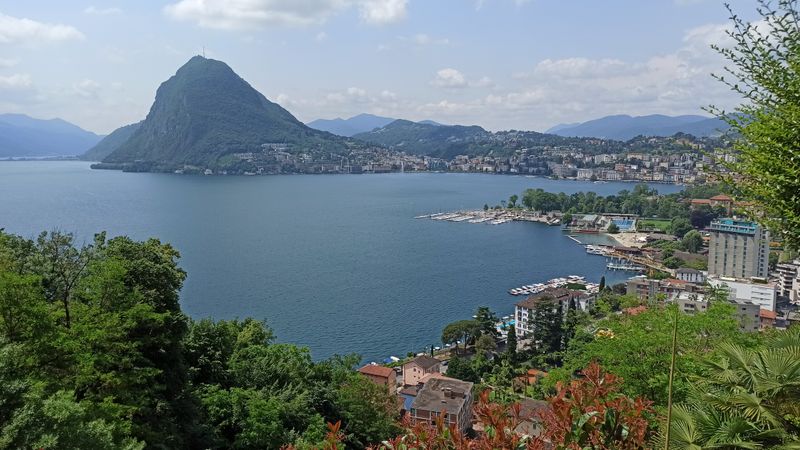
Lugano’s resort-like vibe and Swiss-level standards push costs up fast. Located in the Italian-speaking part of Switzerland, this city feels more Mediterranean than Alpine, with palm trees lining the lakefront and a relaxed, sunny atmosphere.
But don’t let the laid-back vibe fool you—restaurants, consumer goods, and transport can be a real budget test.
Tourists flock to Lugano for its beauty and mild climate, and that demand keeps prices elevated year-round. Dining out feels like a special occasion every time, with even casual spots charging premium rates.
Groceries are expensive, and imported goods cost even more.
Transportation is reliable, but owning a car or using public transit both come with high costs. Parking fees, fuel prices, and monthly transit passes all add up.
Many residents choose to walk or bike, especially in the compact city center.
Lugano offers a unique lifestyle that blends Swiss efficiency with Italian charm. The lakeside promenades, outdoor cafes, and mountain views create an enviable setting.
But maintaining that lifestyle requires a healthy income and careful budgeting, especially for families or those without high-paying jobs.
6. Bern, Switzerland
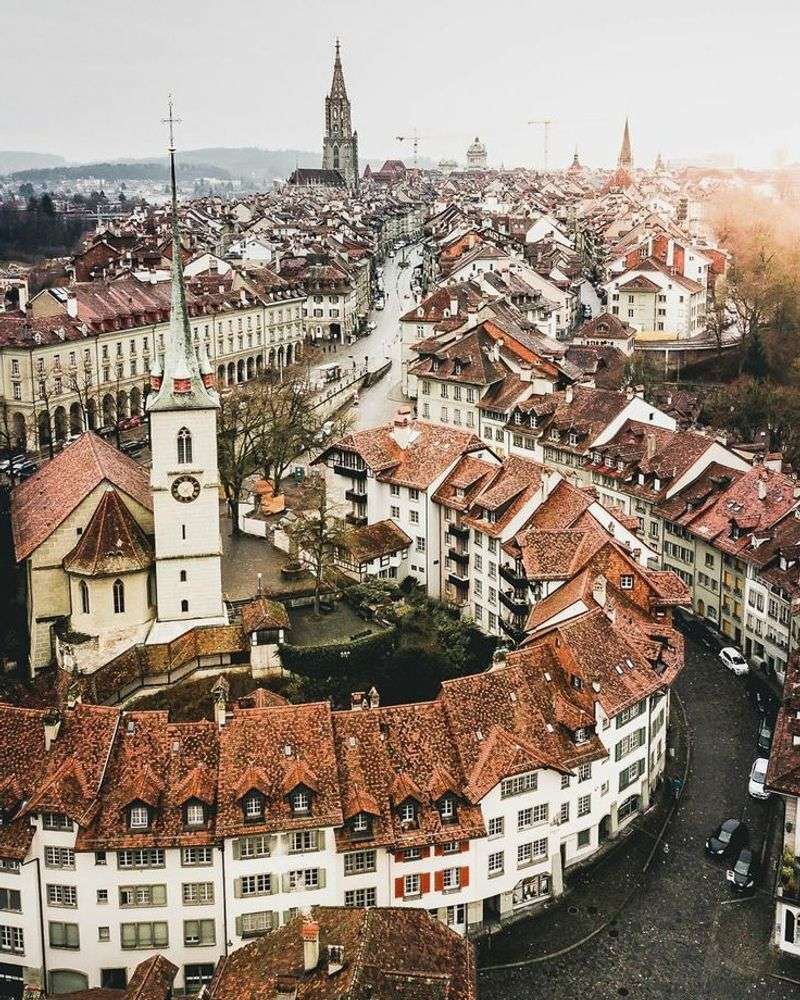
Even as a smaller capital, Bern still plays in the top tier for everyday pricing. This proves that Switzerland’s cost-of-living ceiling isn’t limited to its biggest cities.
Bern’s medieval old town is a UNESCO World Heritage site, and its charm attracts both tourists and residents. But that charm comes with Swiss-level expenses.
Groceries, dining, and services all carry the same premium pricing found in Zurich or Geneva. A trip to the supermarket can feel shocking, especially for newcomers.
Fresh bread, cheese, and meat—staples of Swiss cuisine—are all priced well above what most people expect.
Public transportation is excellent, with trams and buses covering the entire city. Monthly passes are essential for most residents, and they’re not cheap.
Biking is popular, and the city is very bike-friendly, which helps cut some costs.
Bern’s slower pace and smaller size make it feel more livable than some of the bigger Swiss cities. But the cost of living remains stubbornly high.
Whether you’re a student, a professional, or a retiree, budgeting is a must. The city offers a high quality of life, but it demands a high income to match.
7. New York, United States
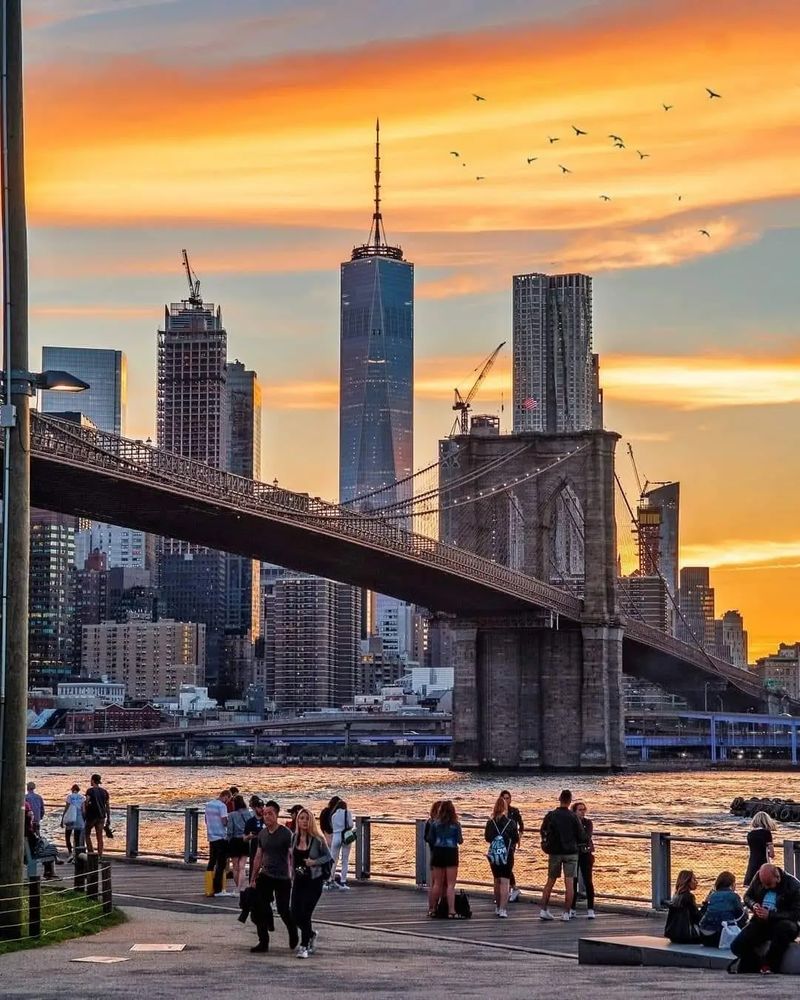
New York is the baseline city for the cost-of-living index, set at 100, and it still lands in the top 10. Everything from transit to restaurants to basics tends to run high.
The city’s energy and opportunities are unmatched, but so are the daily expenses that come with living here.
A MetroCard, groceries, and a night out can all add up to a small fortune. Even a simple coffee or bagel costs more than in most other American cities.
Dining out is an experience, but it’s also a budget buster, especially in trendy neighborhoods.
Grocery shopping in New York requires strategy. Prices vary wildly depending on the borough and the store.
Fresh produce, dairy, and meat can feel overpriced, and many residents shop at multiple stores to find deals. Convenience stores and bodegas are lifesavers, but they charge a premium for that convenience.
Public transportation is extensive and relatively affordable compared to owning a car. But monthly costs still add up, especially for families.
Despite the high expenses, millions of people call New York home, drawn by its culture, diversity, and endless opportunities.
8. Reykjavik, Iceland
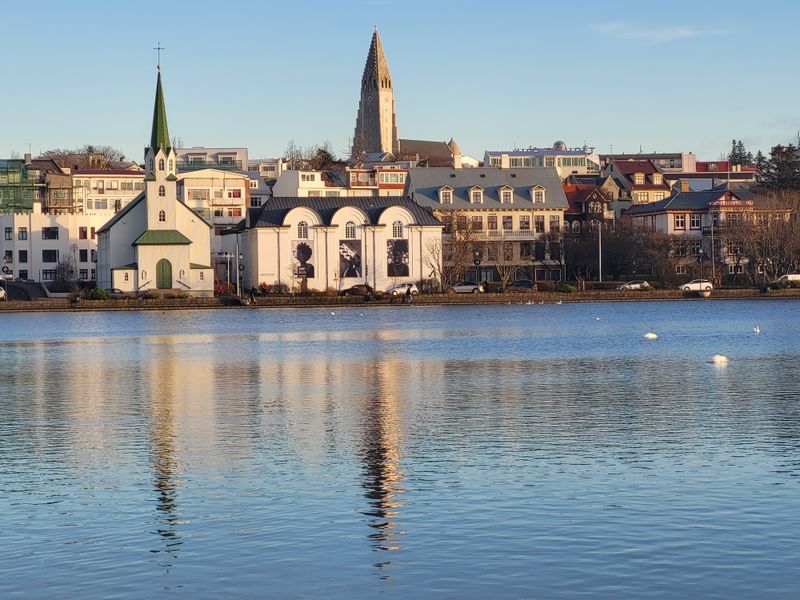
Iceland’s geographic reality shows up in everyday costs. Many goods are expensive, and typical normal life spending can feel inflated compared to most of Europe.
Reykjavik is small, charming, and full of natural beauty, but it’s also one of the priciest cities on the planet.
Most products are imported, which drives up prices significantly. A simple grocery run can shock visitors, with items like fresh vegetables, dairy, and snacks costing far more than expected.
Eating out is even more expensive, with restaurant meals often exceeding what you’d pay in major European capitals.
Transportation costs are high, whether you’re using public transit or renting a car. Fuel prices are steep, and parking fees add up quickly.
Many residents walk or bike when possible, especially during the milder months. Winter brings its own challenges, with heating costs rising and shorter daylight hours.
Despite the high costs, Reykjavik offers a unique lifestyle. The city is clean, safe, and surrounded by stunning landscapes.
Geothermal energy keeps homes warm, and the culture is rich and welcoming. But living here requires a solid income and a willingness to adapt to island pricing.
9. Honolulu, United States
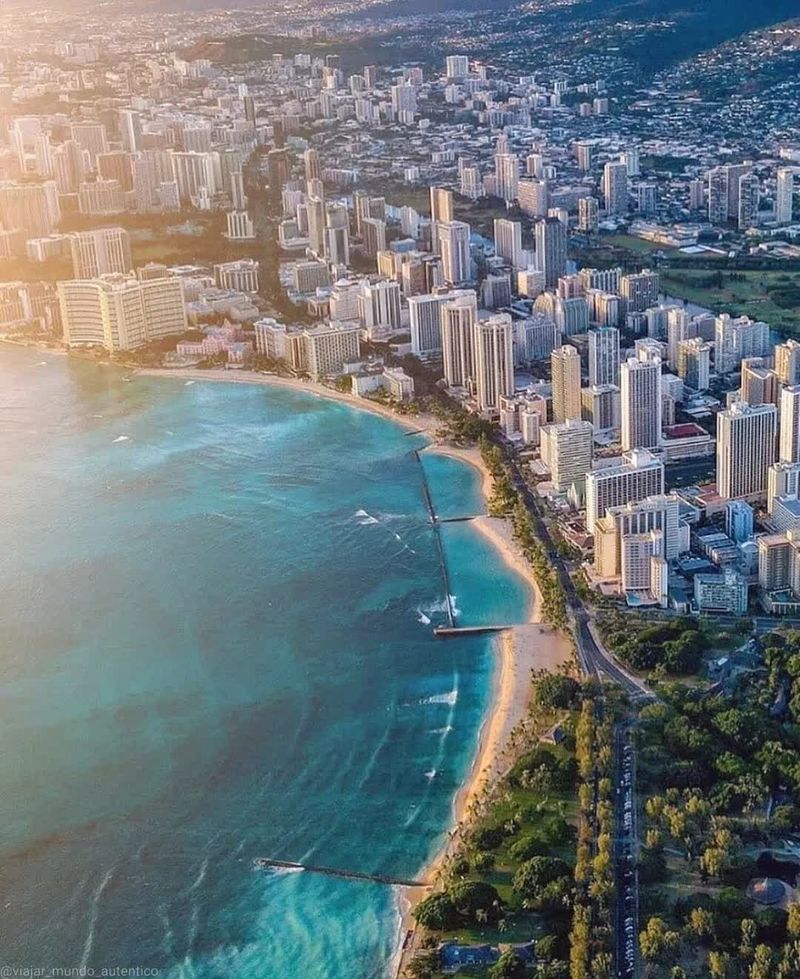
Island life is beautiful—until you see the grocery and day-to-day price tags. Shipping and logistics pressures tend to keep routine costs elevated.
Honolulu is a paradise, but it’s also one of the most expensive cities in the United States, and that reality hits fast.
Almost everything has to be shipped in, which means higher prices on nearly all goods. Fresh produce, dairy, and packaged foods all cost significantly more than on the mainland.
Eating out is expensive, and even fast food can feel pricey compared to other cities.
Housing costs are famously high, but even day-to-day expenses add up quickly. Utilities, transportation, and personal care items all carry a premium.
Gas prices are among the highest in the nation, and public transit options are limited, making car ownership almost essential.
Despite the costs, Honolulu offers an unbeatable lifestyle. The beaches, weather, and outdoor activities are world-class.
The culture is rich and diverse, and the sense of community is strong. But living here requires a high income and careful budgeting, especially for families or those on fixed incomes.
10. San Francisco, United States
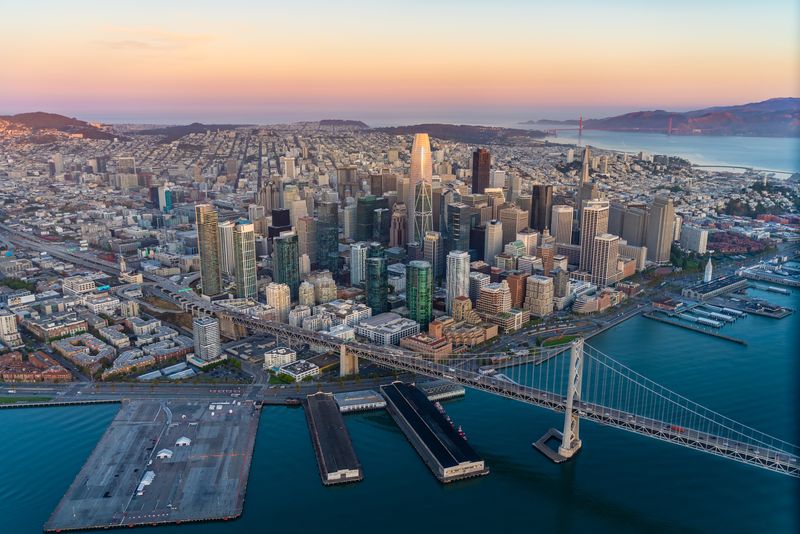
Even without rent included, San Francisco’s daily spending adds up quickly. Pricey food, transport, and restaurant culture all contribute to the city’s reputation as one of the most expensive in the country.
The tech boom has transformed the city, bringing wealth and opportunity, but also driving up costs across the board.
Groceries are expensive, especially in popular neighborhoods. Fresh produce, organic options, and specialty items all carry premium prices.
Dining out is a major part of the culture here, but restaurant bills can be shocking, even for casual meals. Coffee shops, bakeries, and food trucks all charge more than in most other cities.
Public transportation is essential, but it’s not cheap. Monthly passes, parking fees, and bridge tolls all add up.
Many residents bike or use ride-shares, but those options come with their own costs. The city is hilly and compact, which makes walking a challenge but also keeps some neighborhoods tightly connected.
San Francisco offers incredible culture, innovation, and natural beauty. The Golden Gate Bridge, diverse neighborhoods, and thriving food scene make it a unique place to live.
But the cost of living is a constant challenge, and many long-time residents have been priced out over the years.
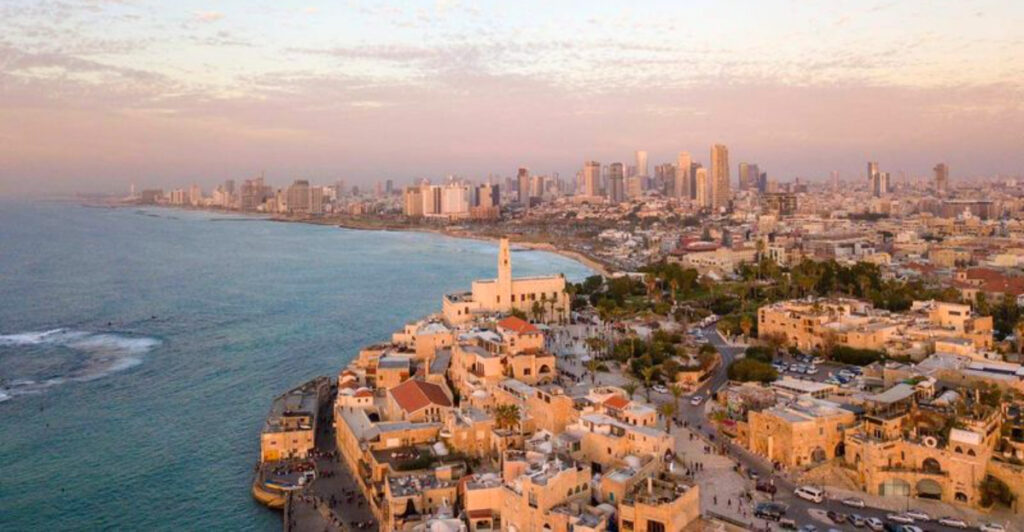
11. Tel Aviv–Yafo, Israel
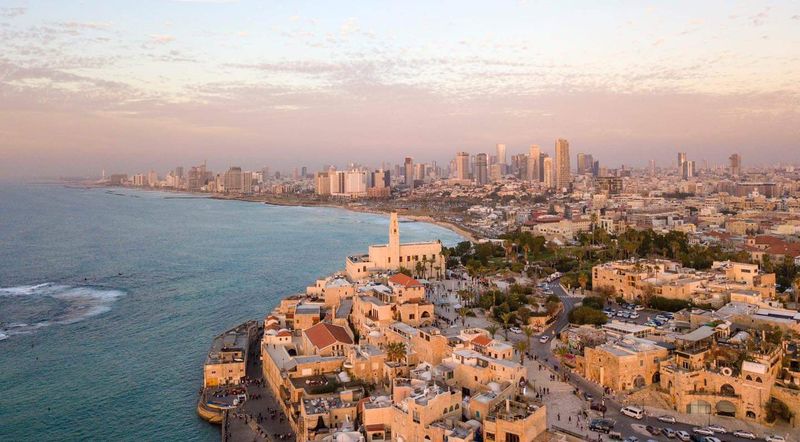
Tel Aviv combines a coastal, high-demand lifestyle with strong consumer prices. The impact is often felt most sharply in dining, groceries, and everyday services.
This city is known for its beaches, nightlife, and startup culture, but it’s also one of the most expensive cities in the world.
Restaurants and cafes are everywhere, and eating out is a major part of the social scene. But prices can be steep, especially in popular neighborhoods.
A simple brunch or dinner for two can easily cost more than expected. Groceries are also pricey, with fresh produce, dairy, and imported goods all carrying high price tags.
Transportation costs add up, whether you’re using public transit, taxis, or ride-shares. Many residents bike or walk, especially along the beachfront.
The city is compact and walkable, which helps offset some costs, but parking and car ownership are expensive.
Despite the high costs, Tel Aviv offers a vibrant, energetic lifestyle. The beaches, cultural events, and tech scene make it an exciting place to live.
The city is young, diverse, and constantly evolving. But living here requires a good income and a willingness to adapt to high prices across the board.
12. Seattle, United States
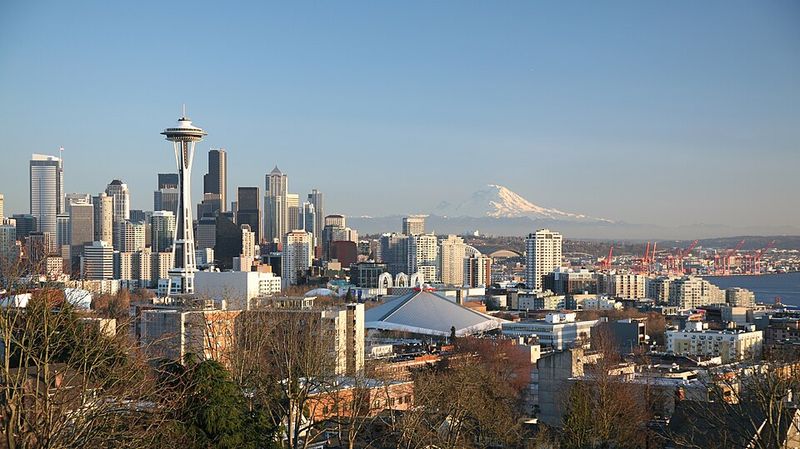
Seattle’s cost pressure shows up in daily life. Groceries, transport, and going out can run well above what many people expect outside the biggest U.S. headline cities.
The tech industry has fueled rapid growth here, bringing jobs and wealth, but also driving up the cost of living across the board.
Grocery shopping in Seattle can feel expensive, especially in trendy neighborhoods. Fresh produce, organic options, and specialty items all cost more than in many other cities.
Dining out is popular, and the restaurant scene is diverse, but prices can be high, even for casual meals.
Public transportation is improving, but it’s still not as extensive as in some other major cities. Many residents rely on cars, which means dealing with traffic, parking fees, and high gas prices.
Biking is popular, and the city is becoming more bike-friendly, which helps cut some costs.
Seattle offers a unique blend of urban life and natural beauty. The mountains, water, and forests are all within reach, and the culture is progressive and creative.
Coffee culture is huge here, and the city is full of independent cafes. But the cost of living is a real challenge, and many residents feel the financial pressure.
13. Oslo, Norway
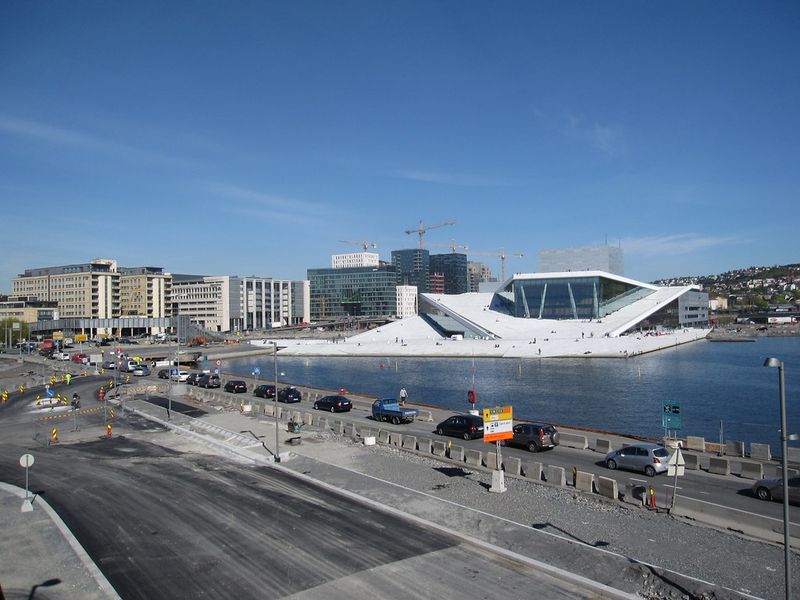
Norway’s capital is famous for high prices, and that reputation is earned. Dining out, services, and day-to-day spending can quickly stretch a budget.
Oslo is beautiful, clean, and well-organized, but it’s also one of the priciest cities in Europe.
Restaurants are expensive, with even casual meals costing more than fine dining in many other countries. A simple pizza or burger can set you back significantly.
Groceries are also pricey, with fresh produce, dairy, and meat all carrying high price tags. Alcohol is especially expensive, both in stores and at bars.
Public transportation is excellent, with buses, trams, and metros covering the city. Monthly passes are necessary for most residents, and they’re not cheap.
Taxis and ride-shares are even more expensive, making public transit the most affordable option. Biking is popular, and the city is very bike-friendly.
Despite the high costs, Oslo offers an exceptional quality of life. The city is surrounded by nature, with forests, fjords, and mountains all nearby.
The culture is rich, and the city is safe and clean. But living here requires a high income and careful financial planning, especially for families or those on a budget.
14. Singapore
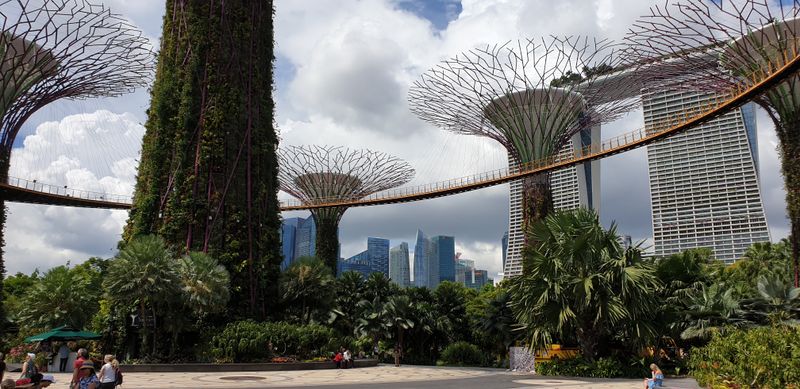
Singapore is polished, efficient, and intensely global. Daily expenses reflect that, especially for many consumer categories and lifestyle spending.
This city-state is known for its cleanliness, safety, and world-class infrastructure, but it’s also one of the most expensive places to live in Asia.
Dining out is a major part of the culture, with hawker centers offering affordable options and high-end restaurants charging premium prices. But even everyday groceries can be expensive, especially imported goods.
Fresh produce, dairy, and specialty items all carry high price tags.
Transportation is efficient and well-organized, with an excellent public transit system. Monthly passes are reasonably priced compared to other major cities, but taxis and ride-shares can be pricey.
Owning a car is extremely expensive due to government regulations and high taxes.
Singapore offers a unique lifestyle that blends East and West. The city is multicultural, with diverse food, festivals, and traditions.
The weather is hot and humid year-round, and the city is small and densely populated. But the quality of life is high, and the city is incredibly safe and efficient.
Living here requires a solid income, but many find the trade-offs worth it.
15. London, United Kingdom
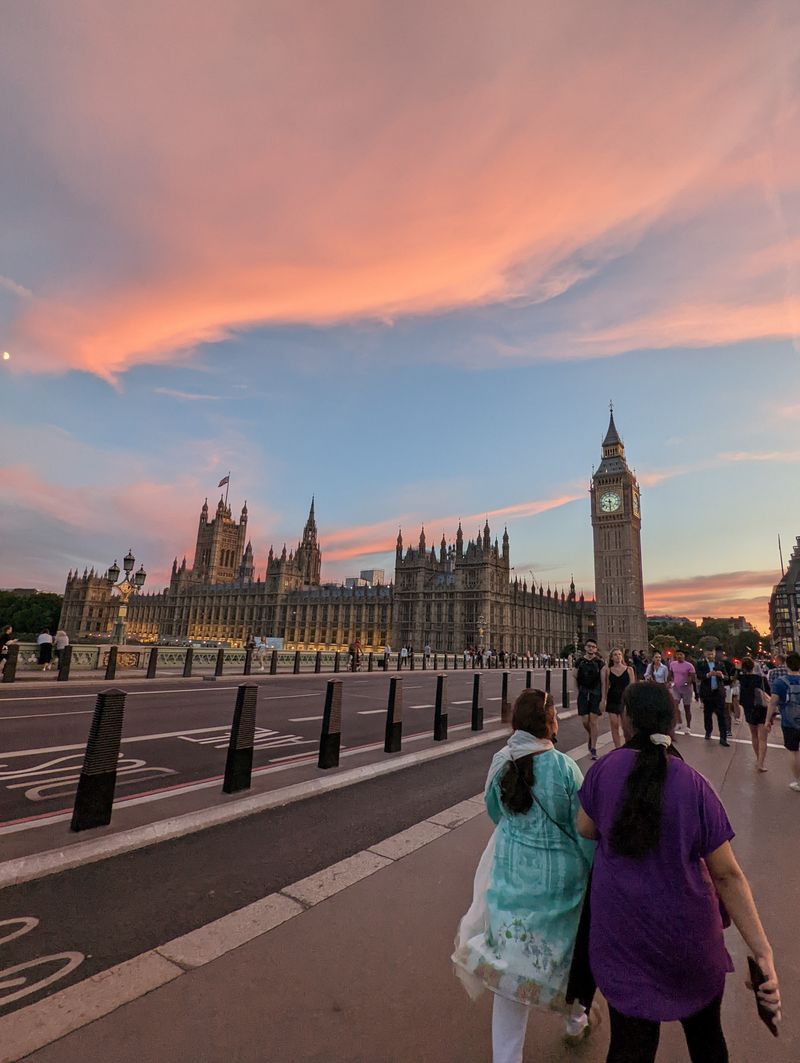
London’s status as a world hub comes with a price premium across everyday life. Transport and going out can be especially punishing, even before rent enters the conversation.
This city is massive, diverse, and full of history, but it’s also one of the most expensive places to live in Europe.
Public transportation is extensive, with the Tube, buses, and trains connecting every corner of the city. But monthly travel costs can be high, especially if you’re commuting across multiple zones.
Taxis and ride-shares are even more expensive, making the Tube the most affordable option for most residents.
Dining out in London can be pricey, especially in central areas. A simple meal at a pub or restaurant can cost more than expected.
Groceries are also expensive, with fresh produce, dairy, and meat all carrying high price tags. Supermarkets vary in price, and shopping around can help save money.
Despite the costs, London offers incredible culture, history, and opportunities. The museums, theaters, parks, and neighborhoods are world-class.
The city is diverse and dynamic, with something for everyone. But living here requires a good income and careful budgeting, especially for families or those just starting out.
16. Washington, D.C., United States
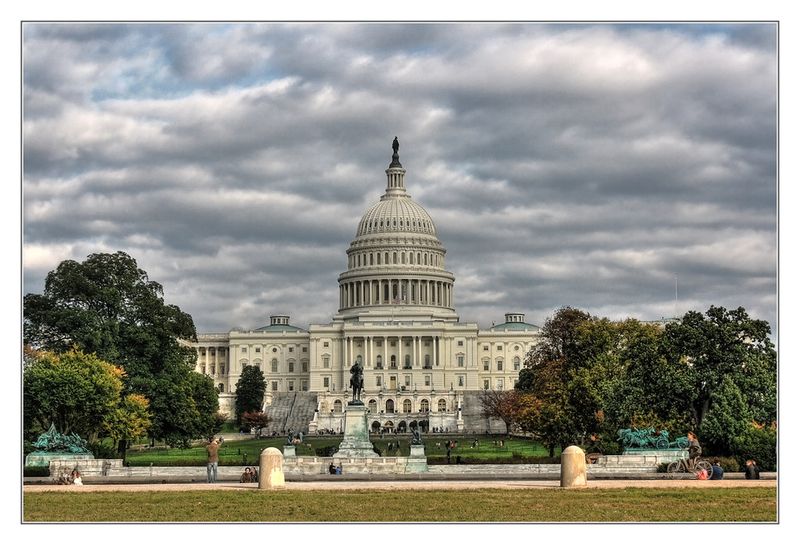
A high-income, high-demand city where ordinary spending often isn’t ordinary. Daily services and eating out can feel consistently expensive.
Washington, D.C., is the nation’s capital, home to government agencies, embassies, and a thriving professional class. But that status comes with a high cost of living.
Dining out is popular, and the restaurant scene is diverse and high-quality. But prices can be steep, especially in popular neighborhoods like Georgetown or Dupont Circle.
Groceries are also pricey, with fresh produce, organic options, and specialty items all costing more than in many other cities.
Public transportation is excellent, with the Metro covering most of the city and surrounding areas. Monthly passes are necessary for most residents, and they’re not cheap.
Traffic is heavy, and parking is expensive, making public transit the most practical option for many people.
Washington, D.C., offers a unique blend of history, politics, and culture. The monuments, museums, and neighborhoods are world-class, and many attractions are free.
The city is diverse and dynamic, with a strong sense of civic engagement. But living here requires a solid income, and many residents struggle with the high cost of living, especially housing and childcare.
17. San Jose, United States
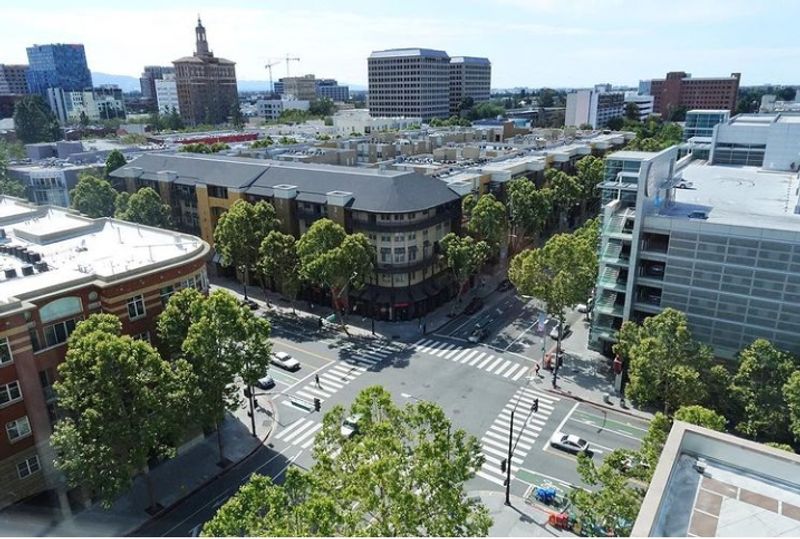
At the heart of Silicon Valley, costs follow the ecosystem. Everyday spending trends high, and lifestyle basics add up quickly.
San Jose is surrounded by tech giants, startups, and venture capital, creating a high-income environment that drives up prices across the board.
Groceries are expensive, especially in popular neighborhoods. Fresh produce, organic options, and specialty items all carry premium prices.
Dining out is popular, and the restaurant scene is diverse, but prices can be high, even for casual meals. Coffee shops, bakeries, and food trucks all charge more than in most other cities.
Public transportation exists, but it’s not as extensive as in some other major cities. Many residents rely on cars, which means dealing with traffic, parking fees, and high gas prices.
Biking is becoming more popular, and the city is working to improve bike infrastructure.
San Jose offers a unique lifestyle that blends technology, diversity, and natural beauty. The weather is mild year-round, and the area is full of parks, trails, and outdoor activities.
But the cost of living is a constant challenge, and many long-time residents have been priced out. Living here requires a high income and careful financial planning.
18. Boston, United States
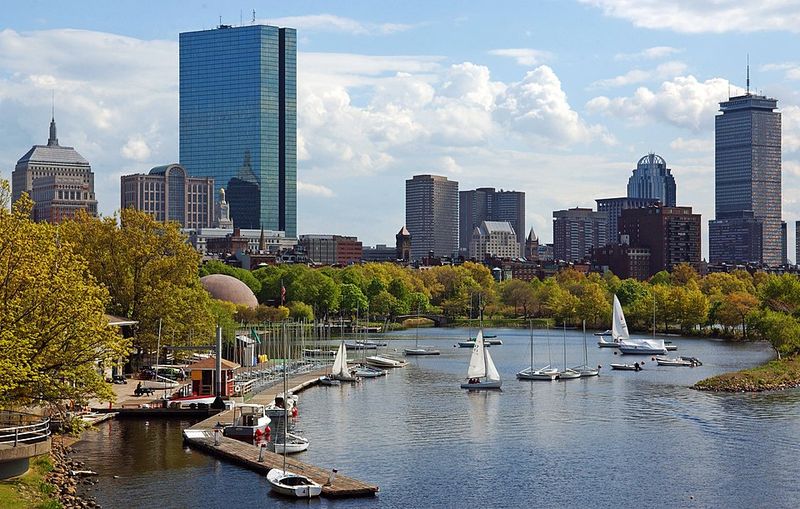
Boston’s mix of universities, biotech, and dense city living supports higher daily prices. Food, services, and going out can all feel consistently expensive.
This city is steeped in history, with cobblestone streets, colonial architecture, and a thriving academic scene. But it’s also one of the priciest cities in the United States.
Dining out in Boston can be expensive, especially in popular neighborhoods like Back Bay or the North End. A simple meal at a restaurant can cost more than expected.
Groceries are also pricey, with fresh produce, dairy, and meat all carrying high price tags. Supermarkets vary in price, and shopping around can help save money.
Public transportation is extensive, with the T covering most of the city and surrounding areas. Monthly passes are necessary for most residents, and they’re not cheap.
Parking is notoriously difficult and expensive, making public transit the most practical option for many people.
Despite the costs, Boston offers incredible culture, history, and opportunities. The museums, universities, and neighborhoods are world-class.
The city is compact and walkable, with a strong sense of community. But living here requires a good income, and many residents struggle with the high cost of living, especially housing and childcare.
19. Charleston, United States
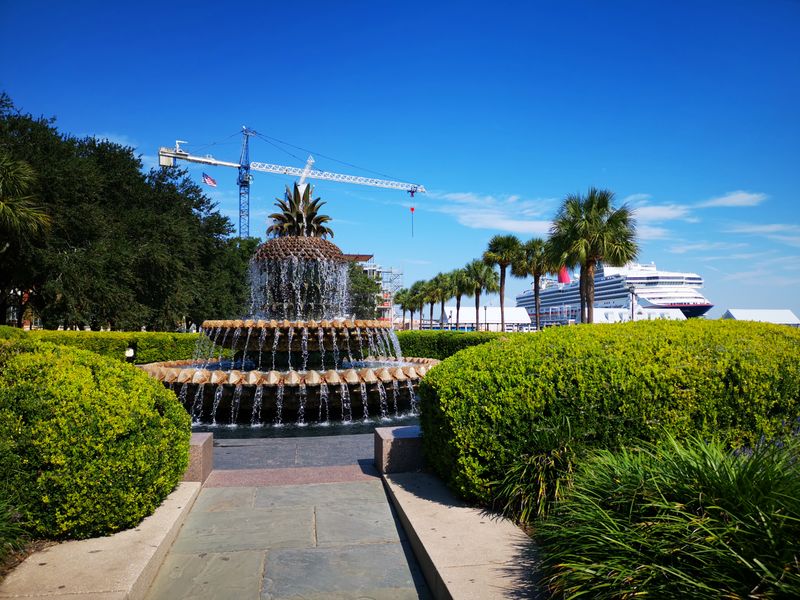
Charleston is the curveball in this top 20. Proof that high costs can show up beyond mega-cities when demand, tourism, and lifestyle pricing stack up.
This charming Southern city is known for its historic architecture, cobblestone streets, and coastal beauty. But it’s also surprisingly expensive.
Tourism plays a huge role in Charleston’s economy, and that demand drives up prices year-round. Dining out is popular, and the restaurant scene is diverse and high-quality.
But prices can be steep, especially in the historic downtown area. Groceries are also pricey, with fresh produce, seafood, and specialty items all costing more than expected.
Housing costs have skyrocketed in recent years, and even day-to-day expenses have followed. Transportation costs are moderate, but owning a car is almost essential, as public transit options are limited.
Parking fees and gas prices add up, especially for those commuting from surrounding areas.
Despite the costs, Charleston offers a unique lifestyle. The beaches, history, and culture are all major draws.
The city is growing rapidly, attracting new residents and businesses. But the cost of living is a real challenge, and many long-time residents feel the financial pressure.
Living here requires a solid income and careful budgeting.
20. Copenhagen, Denmark
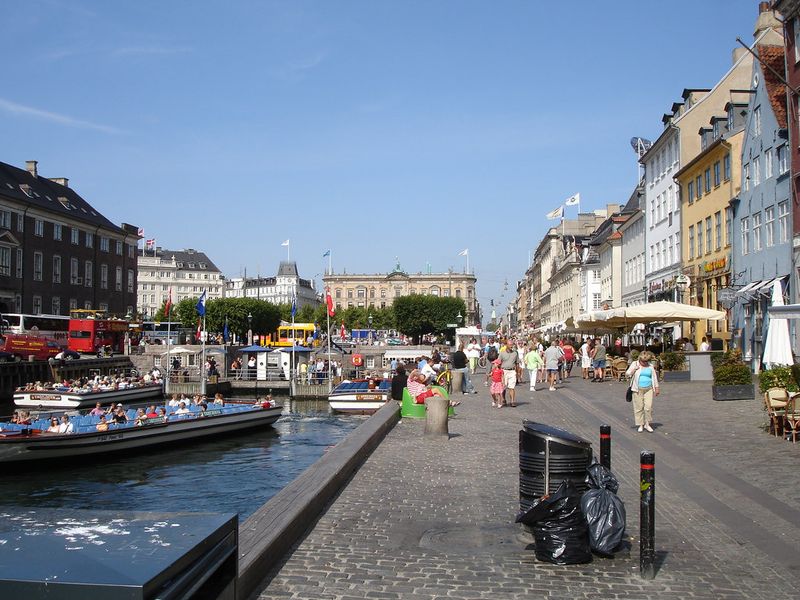
Copenhagen’s quality-of-life comes with Scandinavian-level pricing. Services, dining, and everyday consumer costs all reflect the high standards and strong economy of Denmark.
This city is known for its biking culture, design, and progressive values, but it’s also one of the most expensive places to live in Europe.
Restaurants and cafes are everywhere, and dining out is a major part of the social scene. But prices can be steep, especially in popular neighborhoods.
A simple brunch or dinner for two can easily cost more than expected. Groceries are also pricey, with fresh produce, dairy, and imported goods all carrying high price tags.
Public transportation is excellent, with buses, trains, and metros covering the city. Monthly passes are necessary for most residents, and they’re not cheap.
Biking is incredibly popular, and the city is one of the most bike-friendly in the world. Many residents bike year-round, which helps offset some transportation costs.
Despite the high costs, Copenhagen offers an exceptional quality of life. The city is clean, safe, and full of green spaces.
The culture is rich, and the design scene is world-class. But living here requires a high income and careful financial planning, especially for families or those on a budget.
Share this story