Freezing rain swept across Nashville, coating everything in a hard, glassy glaze that turned routine trips into perilous ordeals. Nearly half the city went dark as power lines sagged and snapped under the weight, leaving neighborhoods cold and quiet.
You could hear branches cracking like gunshots through the night while crews rushed from outage to outage. Keep reading to understand what happened, what it means, and how to stay safer when the next storm threatens.
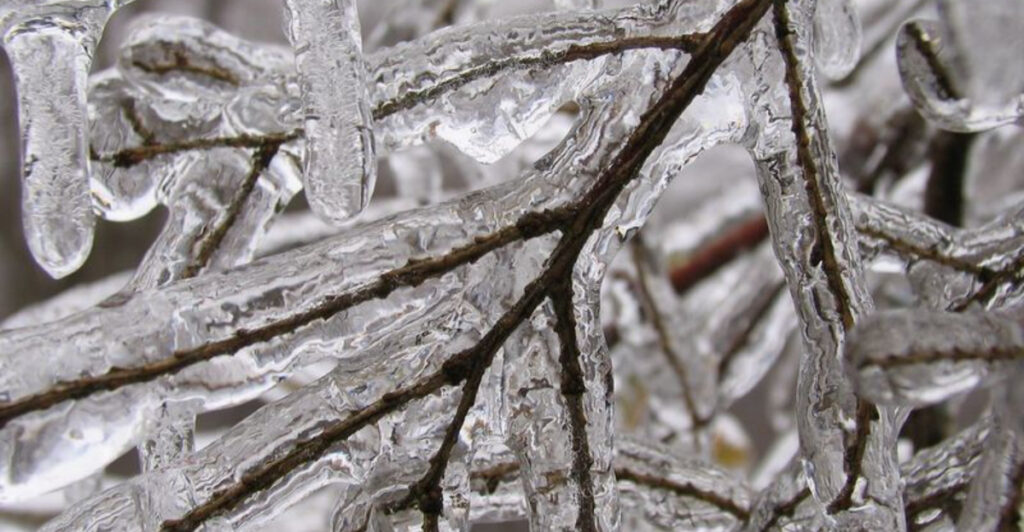
An intense ice storm glazed Middle Tennessee, laying up to three quarters of an inch of ice across rooftops, trees, and roads. That is enough weight to turn gentle branches into wrecking bars, and you could hear limbs cracking through the evening.
With each snap, another feeder line or service drop failed, plunging blocks into darkness while temperatures stayed below freezing.
By Sunday afternoon, utilities reported more than 300,000 customers without electricity statewide, with Nashville bearing a heavy share. Road crews spread salt and sand, but untreated lanes quickly refroze, keeping many people home.
You felt the fragility of infrastructure when a single ice-laden oak toppled onto a transformer and the whole street went silent.
Hours stretched into the threat of days for some, a dangerous window when homes lose heat and pipes begin to freeze. Officials urged everyone to stay off slick roads, check on seniors, and conserve phone batteries.
Emergency shelters opened, while linemen worked rotating shifts to chainsaw debris and restring wire under live flurries.
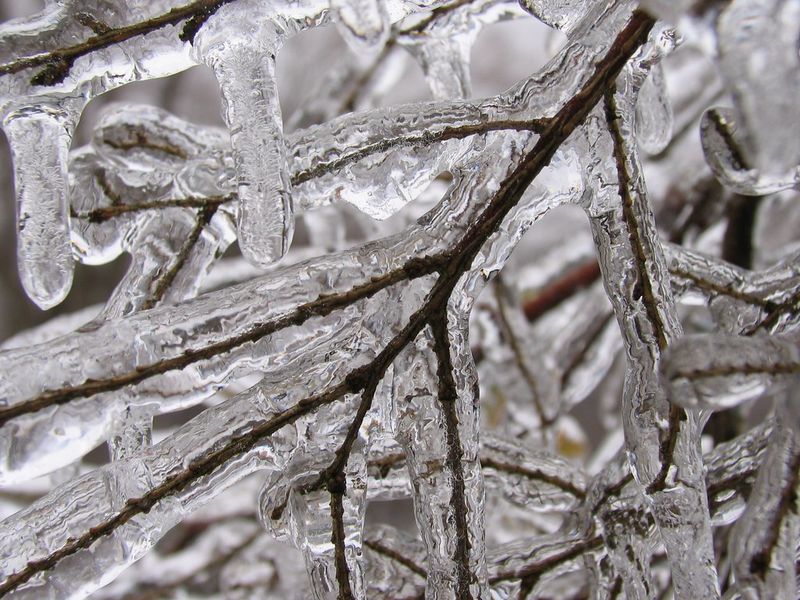
Ice storms form when a warm layer aloft rides over subfreezing surface air, so falling raindrops supercool and freeze on contact. That is exactly what hit the Southeast as a frontal boundary slid over Tennessee and temperatures fell rapidly.
Rain turned to sleet and then to a relentless glaze that locked onto everything from traffic lights to truck mirrors.
As trees bowed under the load, interstates became skating rinks, and side streets were worse. Even where salt and brine were applied, persistent cold kept surfaces slick and hazardous.
You could see plows working nonstop while emergency crews struggled to reach stalled motorists and downed wires.
The footprint stretched beyond Nashville, with neighboring states reporting wrecks, flight cancellations, and delayed freight. Regional utilities borrowed crews and equipment, but demand for transformers and poles outpaced supply.
Every county meeting sounded the same refrain: prioritize critical corridors, support hospitals, and communicate clearly while restoration timelines remained uncertain.
From the curb in East Nashville, FOX Weather reporter Sarah Alegre walked viewers through a corridor of shattered limbs and slick asphalt. Camera pans caught crews clearing intersections while a generator thumped behind a darkened bakery.
You could feel the cold when her breath fogged and a branch cracked mid sentence somewhere off camera.
Neighbors described waking to blue flashes as transformers popped and phones buzzed with outage alerts. People swapped tips on safe heating, from vented fireplaces to battery banks for medical devices.
You heard about canceled gigs, school closures, and a wedding reception saved by borrowed space heaters and a stack of blankets.
Local stations kept storm blogs updated with outage maps, shelter locations, and boil water advisories. Reporters rode along with utility scouts to document triage decisions at tangled intersections.
That coverage did more than show numbers, it stitched together the human scale of resilience, reminding you to check on friends and keep a charger ready.
This storm sat on the clash zone where arctic air undercut moist southern flow, a classic recipe for freezing rain. Pattern volatility has been increasing, and forecasters emphasized how fast conditions can flip from wet to dangerous.
You cannot control the boundary, but you can control how ready you are when it parks overhead.
Stock a three day kit with water, shelf stable food, flashlights, spare batteries, and chargers. Keep carbon monoxide alarms working, and only run generators outdoors.
Winterize vehicles with good tires, ice scrapers, blankets, and a small shovel, then keep the tank at least half full.
Set up alerts from local utilities and trusted weather apps, and make a family check in plan if power fails. Photograph key documents and store backups offline, then practice shutting off water to protect pipes.
When forecasts hint at icing, finish errands early, park away from large trees, and give line crews space to work safely.
Share this story