Taste is not just about flavor, it is about status, memory, and fashion. Many dishes once whispered of hard times or humble origins, making hosts hide them from polite company.
Yet trends flip, and the very foods that felt embarrassing can become celebrated, nostalgic, even luxurious. Explore how shame turned into pride, and why your next dinner party might star yesterday’s so-called scraps.
1. Spam (Canned Luncheon Meat)
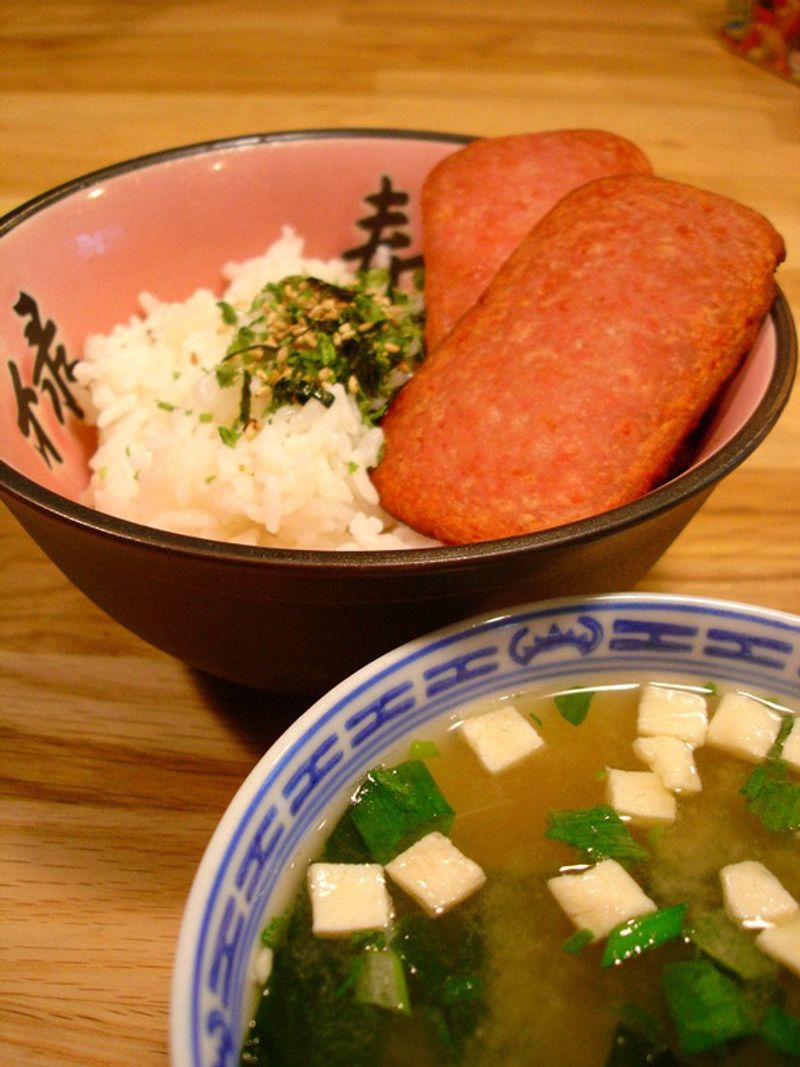
Spam arrived as a budget friendly miracle and wartime standby, then became the punchline on chic tables. Hosts avoided it, equating the pink block with scarcity and mess hall memories.
That stigma stuck, even as families quietly fried slices for satisfying sandwiches.
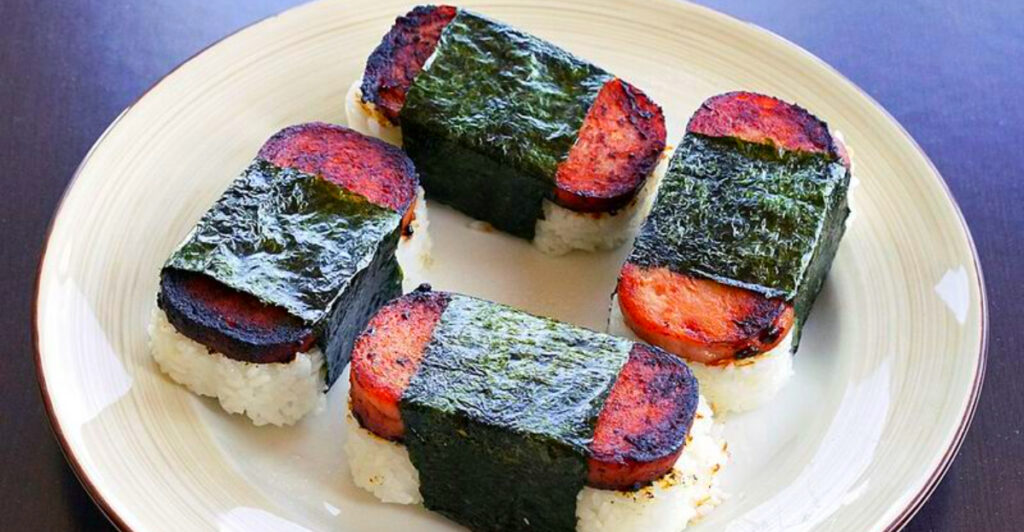
Eventually, creativity won. You saw musubi at island counters, crispy Spam with eggs, and clever chefs glazing cubes with soy and honey.
Suddenly, it felt playful rather than poor. Serve it sizzling, and guests ask for seconds, not explanations.
2. Jelly (Jell-O) Salads
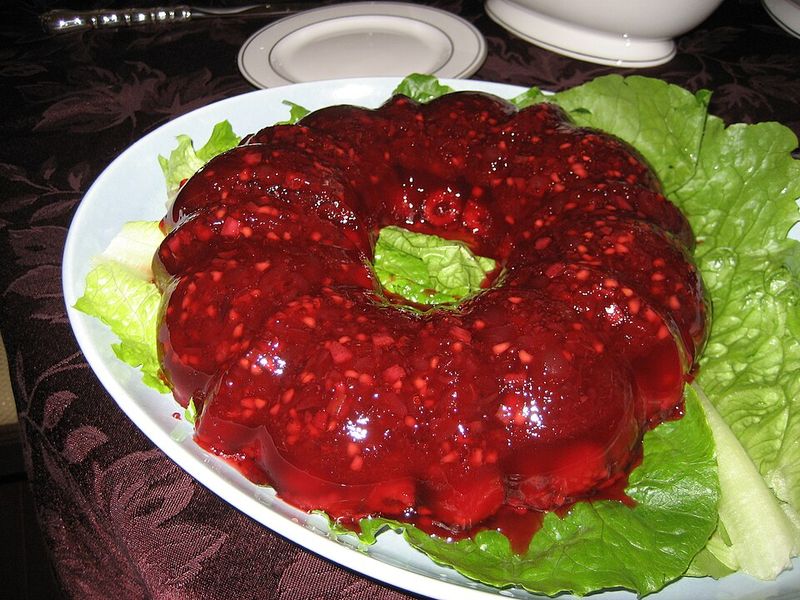
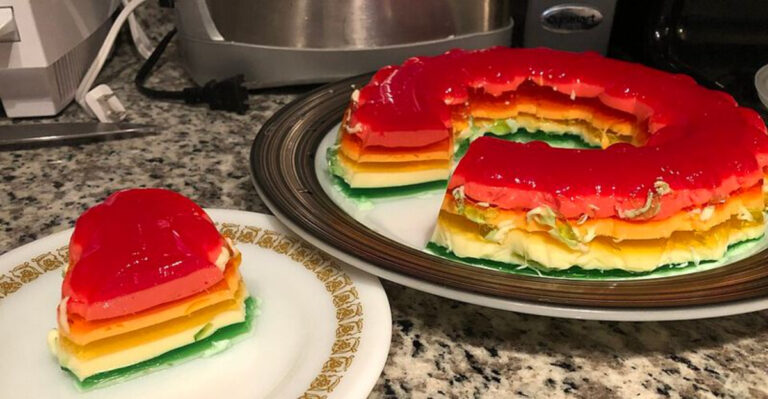
Wobbly, neon molded salads once graced potlucks while critics snickered. Celery trapped in lime gelatin, mayonnaise swirls, and canned fruit made sophisticates roll eyes.
Hosts feared serving them signaled bad taste or boxed mix shortcuts, not culinary skill.
But nostalgia has a sweet pull. Artisanal gelatin, clarified juices, and fruit set in shimmering layers feel whimsical and precise.
You can lean into camp or craft a refined jelly terrine. Either way, guests grin when the knife releases a perfect slice.
3. Corned Beef
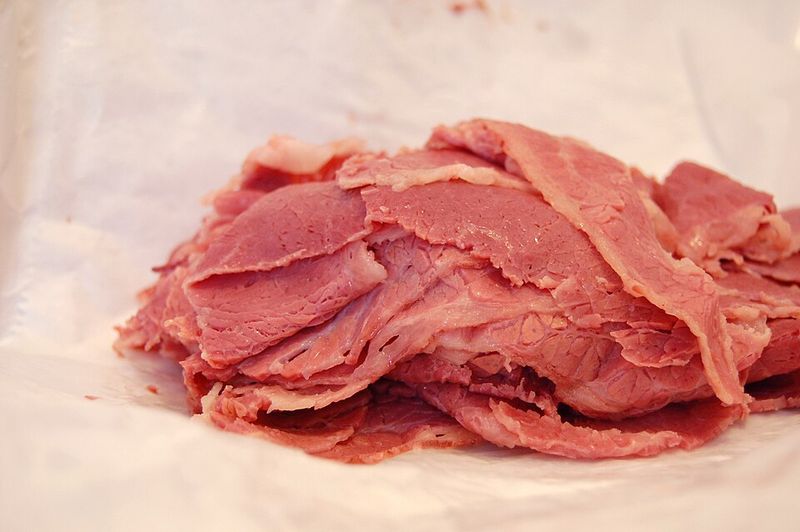
Once pegged as immigrant fare, corned beef signaled thrift and salinity, not celebration. Wealthier hosts favored roasts while this brisket simmered quietly in kitchen pots.
Its reputation as peasant food made it unwelcome at formal tables, despite irresistible aromas.
Times changed. Delis elevated it in skyscraper sandwiches, chefs braised it tender, and St. Patrick’s Day parades crowned it comfort.
You carve it hot, dab with mustard, and pass rye. Suddenly, the humble brisket feels like heritage.
4. Sardines

Cracking a tin once whispered last resort. The scent was bold, the oil unapologetic, and guests imagined cramped kitchens and frugal suppers.
Hosts hid sardines, saving them for solo snacks rather than passing them proudly.
Then sustainability and Mediterranean menus reframed everything. Now you fan fillets on toast with lemon, capers, and shaved fennel.
The richness makes wine sing. Offer a plate, and watch people convert one briny bite at a time.
5. Tripe (Cow Stomach)
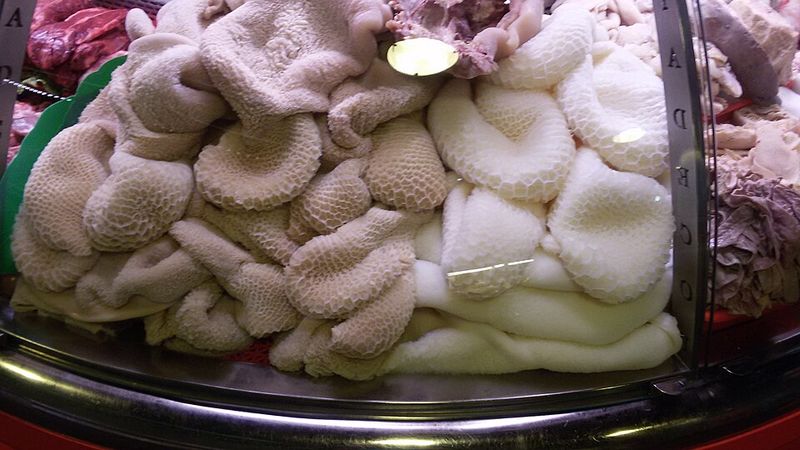
Tripe frightened polite company with its chewy texture and offal origins. You could taste thrift and resourcefulness, two qualities dinner parties pretended to outgrow.
Many hosts skipped it, fearing wrinkled ribbons would scandalize delicate palates.
Nose to tail cooking flipped that script. Menudo steam, Roman trippa with tomato and mint, and buttery long braises reveal tenderness and depth.
Serve small bowls with bread to scoop sauces. Guests discover comfort where stigma once lingered.
6. Liver and Onions
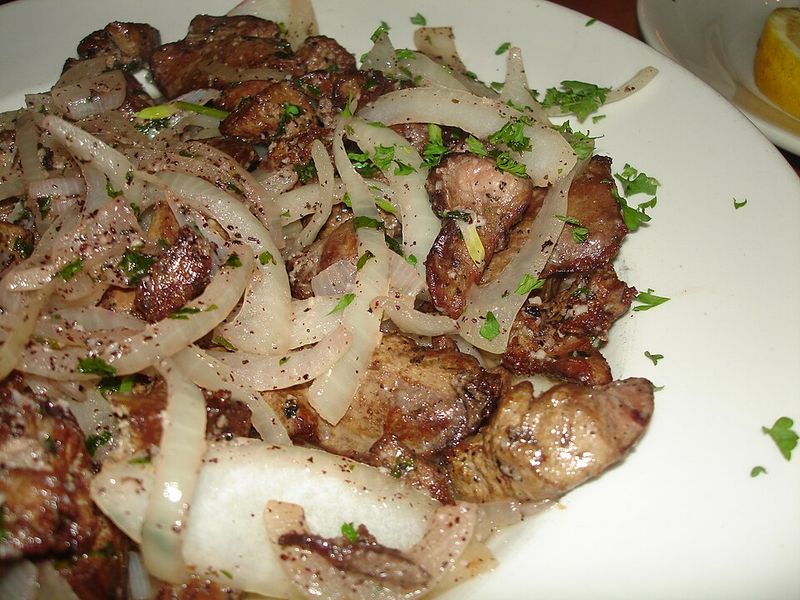
School cafeteria memories did liver no favors. Metallic notes and overcooking turned it into punishment, not pleasure.
Hosts kept it off menus, afraid guests would flinch at the first bite and whisper about budgets.
Handled gently, it shines. Quick sears, silky onions, and a splash of sherry transform texture and taste.
Serve with mashed potatoes, and you own the room. Iron rich and elegant, it no longer needs an apology.
7. Head Cheese
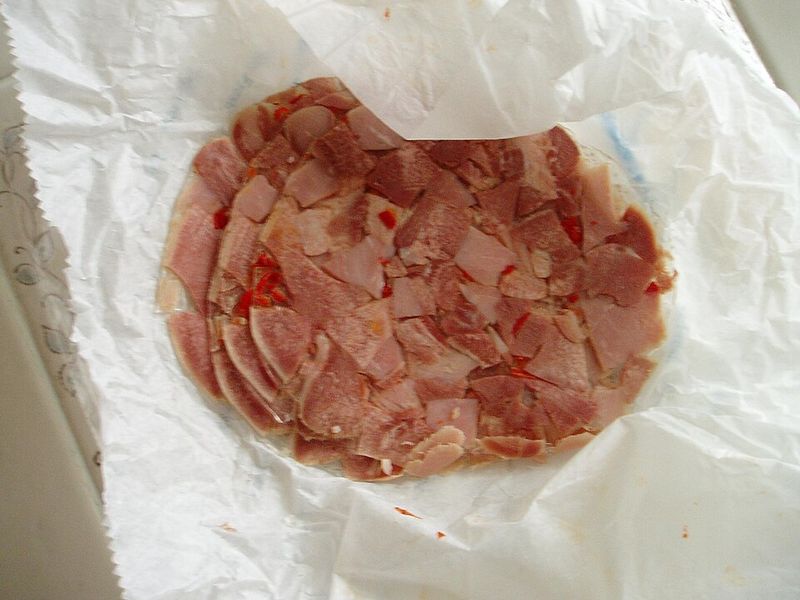
The name alone emptied guest lists. Head cheese, a shimmering terrine from humble scraps, clashed with supermarket sensibilities.
People imagined jars and jowls instead of careful seasoning and craft. Hosts kept it hidden, even when flavor sang.
Charcutiers brought it back with heritage pork and precise aspics. Serve thin slices with mustard and cornichons, and watch textures sparkle.
You are offering thrift elevated to art, not a dare. Suddenly, everyone reaches for seconds.
8. Kidney Pie
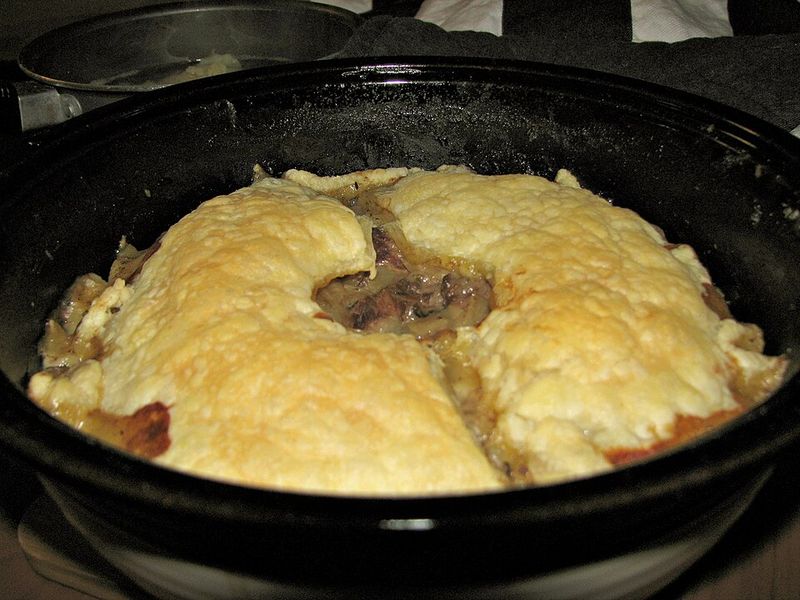
Kidneys once lived in the bargain bin and stayed there socially. Strong aroma and mineral depth scared off diners trained on bland convenience.
Hosts skipped pies, fearing a fussy, old world dish could sour the evening.
Handled with soaking, searing, and glossy gravy, kidneys become luxuriously savory. Tuck them under a flaky crust, and the table falls quiet with approval.
Serve hot, slice generously, and let nostalgia do the work.
9. Spam Musubi
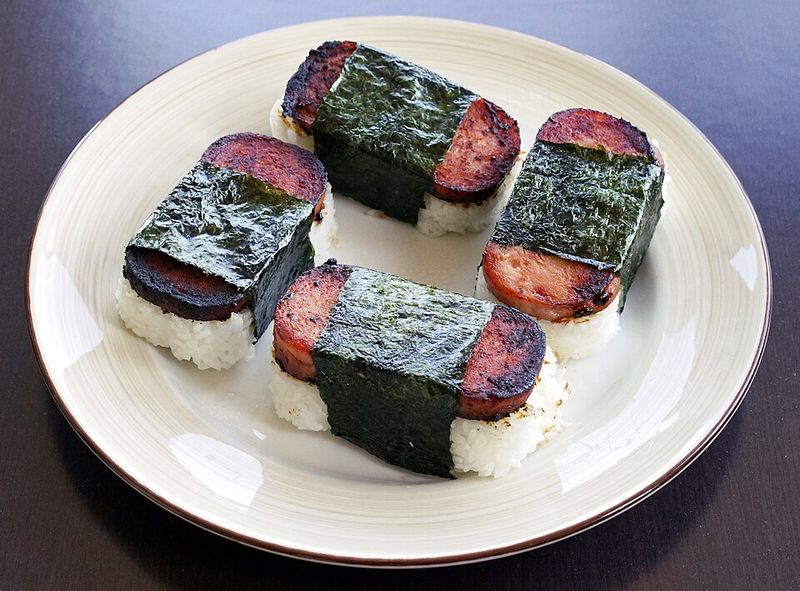
Mainland snobbery once dismissed musubi as lowbrow, confusing simplicity for lack of craft. But island lunch boxes knew better.
Griddled Spam, seasoned rice, and crisp nori make a portable bite with balance and heart.
Respect regional traditions, and guests taste the aloha. Brush with shoyu sugar glaze, press snug, and slice.
At parties, these disappear faster than fussy canapes. What was mocked becomes the first platter emptied.
10. Chitterlings (Chitlins)
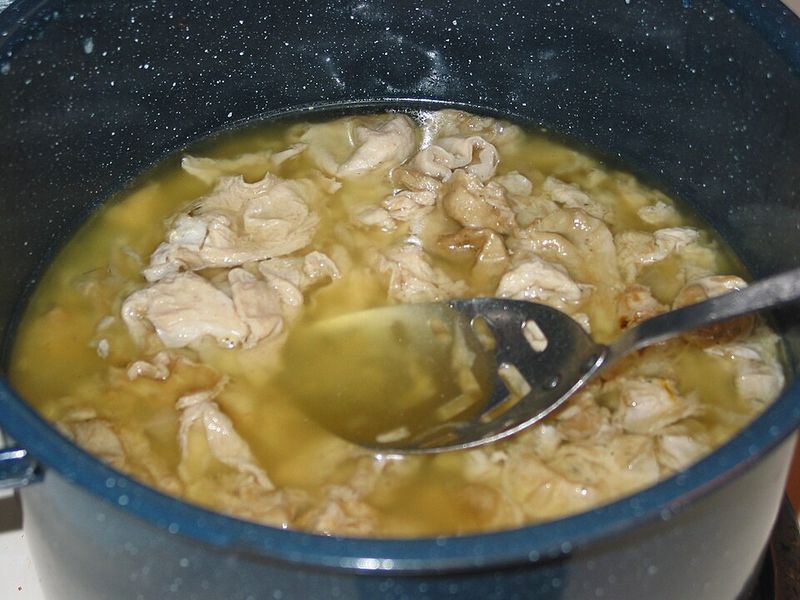
Chitlins carry hard history and powerful aromas. For years, outsiders reduced them to punchlines, overlooking craft and culture.
Hosts worried guests would wrinkle noses and miss the meaning simmering in the pot.
Reclamation reframed the dish. Cleaned carefully, seasoned patiently, and served with pride, chitlins honor resilience and community.
Add greens and cornbread, and the table feels whole. You are not just serving food, you are serving a story.
11. Sweetbreads
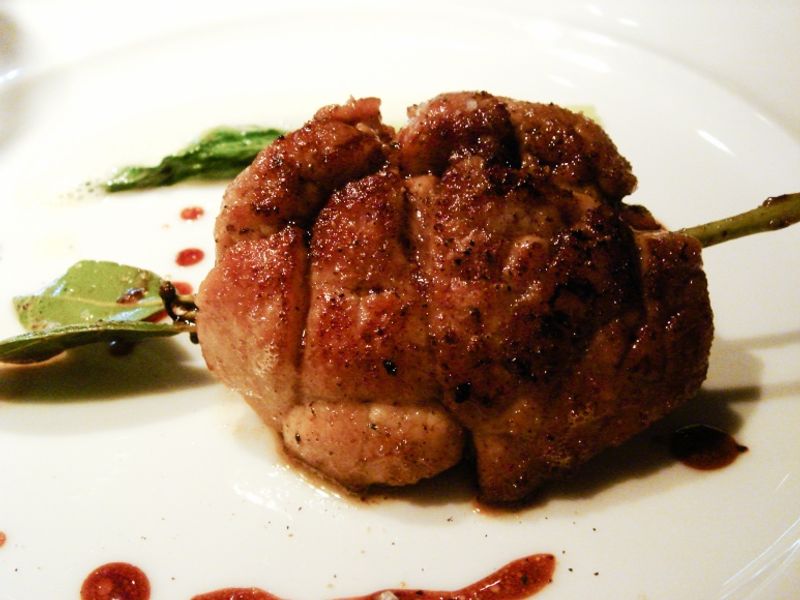
Once tossed to pets or overlooked, sweetbreads hid in plain sight. Their gentle texture and richness were lost under bias about odd bits.
Hosts skipped them, assuming guests would balk at glands on the menu.
Then chefs crisped them perfectly. A quick blanch, press, and sear unlock custardy centers and golden edges.
Spoon over lemony caper butter, and watch forks race. Luxury, it turns out, sometimes starts as scrap.
12. Brussels Sprouts
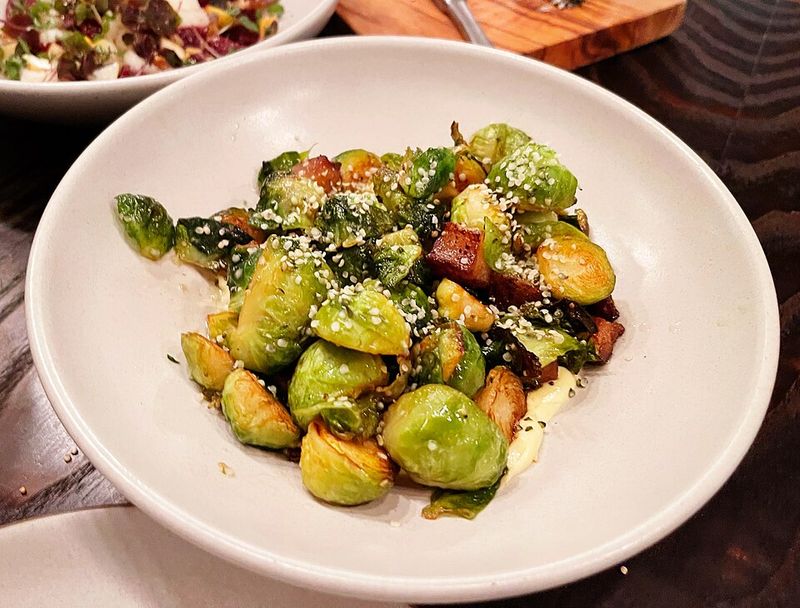
Boiled to bitterness, sprouts earned decades of dread. Parents insisted, guests resisted, and the bowl returned full.
Hosts stopped risking them at holidays, choosing safer sides to avoid complaints.
Roasting rewrote their reputation. High heat, oil, and a little patience bring sweetness and crisp edges.
Add balsamic or bacon crumbs, and you win over doubters. Now, the platter empties before the mash.
13. Sardine and Anchovy Pizza
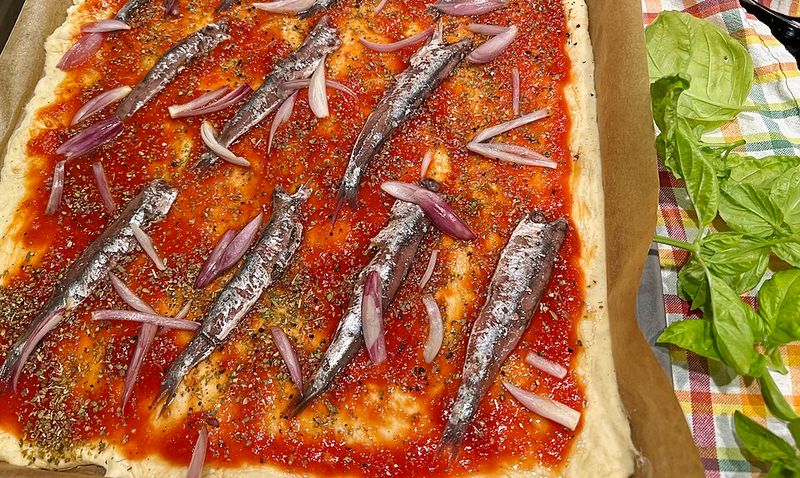
Salty fish on pizza once felt like a dare. Guests assumed it belonged in dorm rooms or distant ports, not dinner parties.
Hosts went safe with pepperoni, dodging potential pushback.
Now, anchovies and sardines bring savory voltage. Pair with tomatoes, olives, and chilies, and each slice tastes bigger and brighter.
You serve fewer toppings but get more flavor. Suddenly, fish belongs on the invite list.
14. Oysters
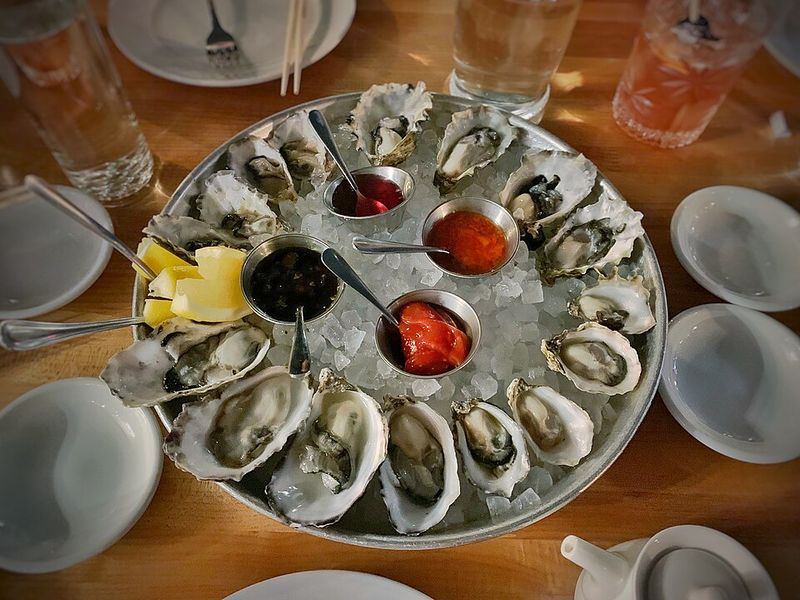
Oysters were once cheap street food, shoveled by the bucket for workers. That abundance made them feel ordinary, even messy, to formal diners.
Hosts skipped shells at soirées, wary of drips and brine.
Scarcity and cold chains changed perception. Now a dozen on ice signals luxury and terroir of the sea.
You tip the shell, sip brine, and taste place. The working lunch became the toast of the evening.
15. Hominy and Hushpuppies
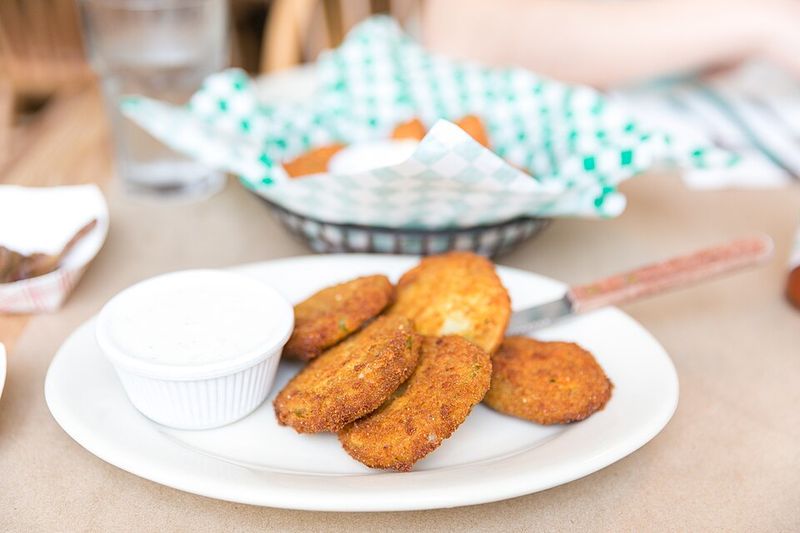
Corn’s humblest forms once spoke of lean cupboards. Hominy and hushpuppies felt too plain for company, good for filling bellies but not for praise.
Hosts kept them off china, even when they tasted like home.
Chefs spotlighted them with craft. Posole brims with hominy chew and chili warmth, while hushpuppies fry to honeyed crunch.
Serve with butter and stories, and guests lean in. Simple becomes special again.
16. Root Vegetables (Turnips, Parsnips)
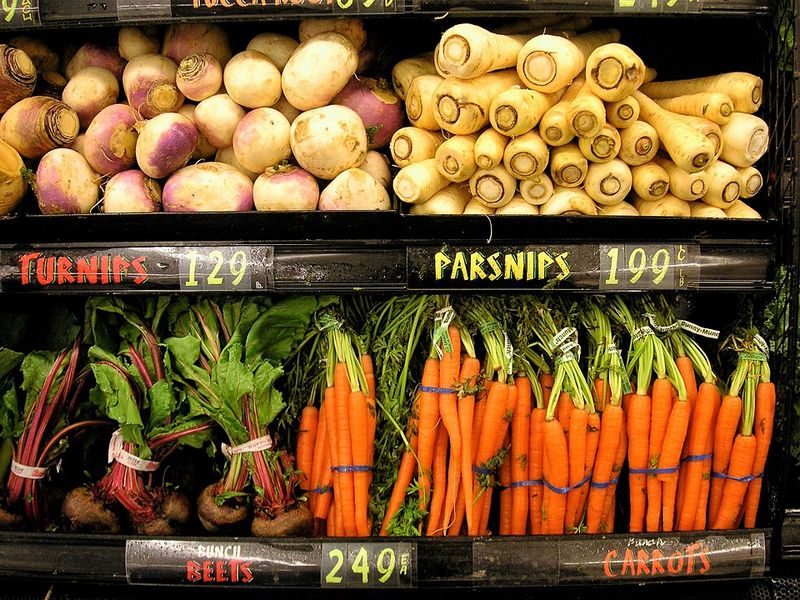
Turnips and parsnips once signaled hard winters and livestock feed. Hosts hid them beneath roasts or skipped them entirely, embarrassed by earthy grit and farmhouse associations.
Guests expected delicate produce, not roots with attitude.
Roasting made them irresistible. Caramelized edges, buttery centers, and herbs changed minds fast.
Puree with cream, or glaze with maple and vinegar. Now, the most rustic vegetables anchor elegant plates with confidence.
17. Lobster
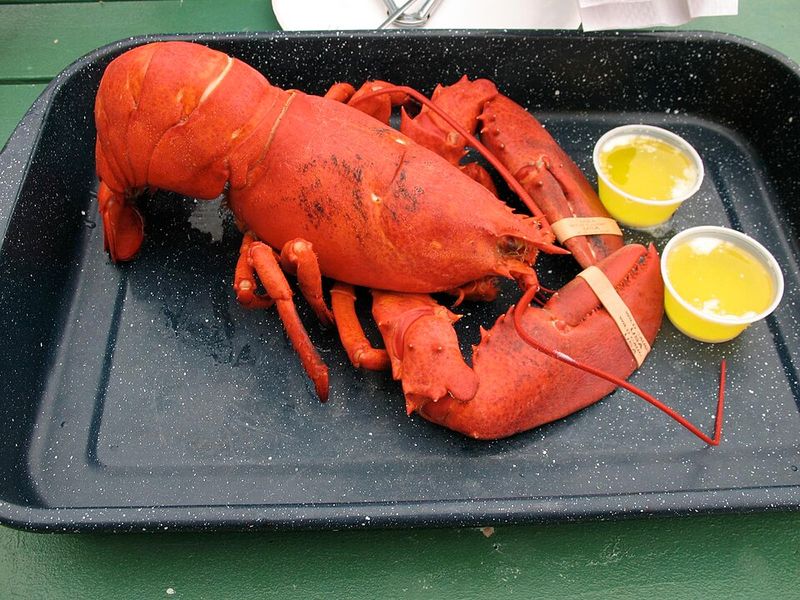
Once so plentiful it fed prisoners and fertilized fields, lobster earned scorn from polite society. Hosts avoided parading crustaceans associated with rough labor and low status.
Cracked shells felt messy, not refined.
As stocks dwindled and transport improved, luxury took hold. Butter glistened, prices climbed, and ceremony arrived.
You crack claws proudly now, not sheepishly. The prisoner’s meal became the party’s crown.
Share this story