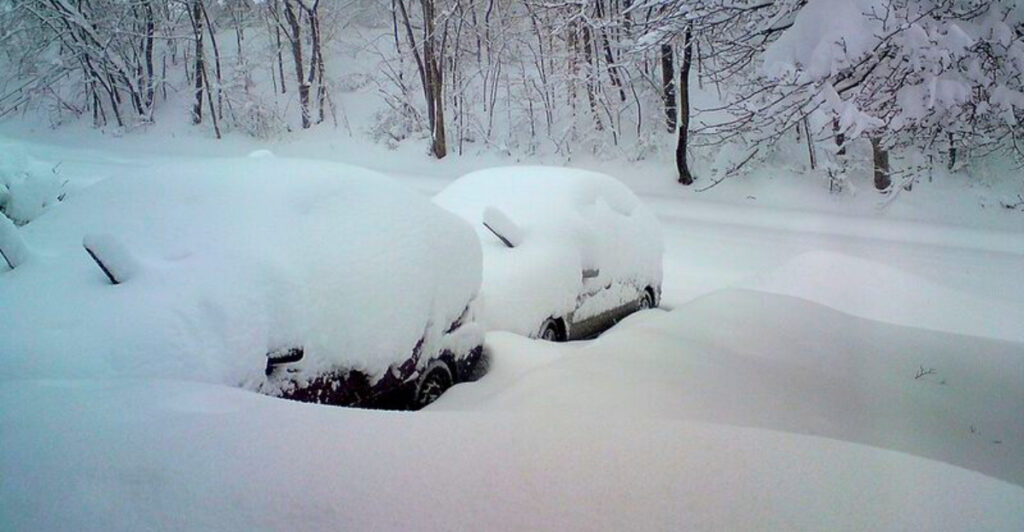
A powerful winter storm has swept across the United States, bringing deadly cold, dangerous ice, and record-breaking snowfall to millions of people. As of Monday morning, more than 814,000 homes and businesses remain without electricity across 11 states, and authorities have confirmed multiple deaths linked to hypothermia.
Roads are treacherous, flights are canceled, and emergency crews are working around the clock to restore power and help stranded residents. This historic storm serves as a stark reminder of how extreme weather can quickly turn life-threatening.
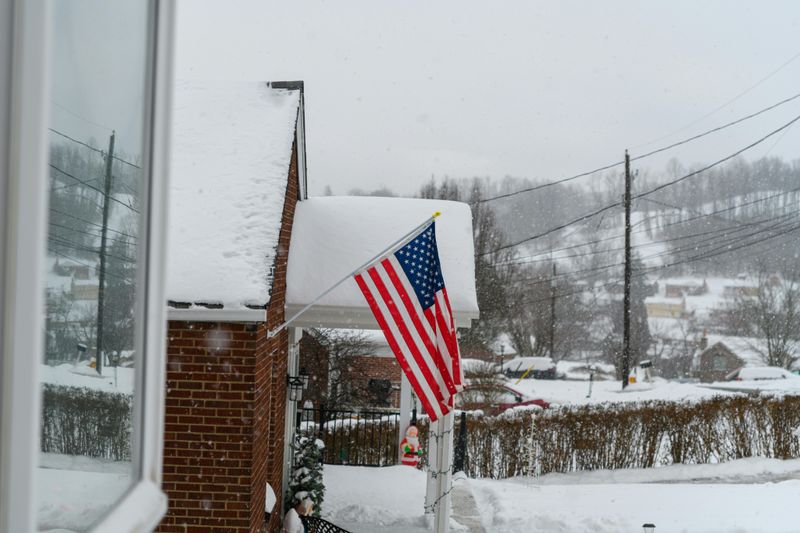
Stretching from the central Plains all the way to the Northeast, this massive winter storm is affecting nearly every corner of the United States. Tens of millions of people are dealing with snow, ice, and freezing rain as the system continues to move eastward.
Weather forecasters describe this as one of the most geographically widespread winter events in recent years. Communities from Texas to Maine are experiencing disruptions, with some areas seeing their first significant winter weather in decades.
The sheer size of the storm means that emergency services are stretched thin across multiple states. Coordination between local, state, and federal agencies has become critical to managing the crisis.
Residents in affected areas are being urged to monitor local weather updates closely and prepare for prolonged impacts. Schools, businesses, and government offices have closed in many regions to keep people safe.
Understanding the scope of this storm helps explain why recovery efforts are taking longer than usual. When so many states are hit at once, resources like repair crews and emergency supplies must be shared across vast distances, slowing down response times in individual communities.
More than 814,000 customers woke up Monday morning without electricity, a number that has been fluctuating as utility crews work to restore service. The hardest-hit states include North Carolina, South Carolina, Virginia, Texas, and Louisiana, where ice accumulation has damaged power lines and transformers.
While Texas and Louisiana have seen some improvement as crews clear downed lines, outages are actually increasing in the Carolinas and Virginia. Ice-laden trees continue to fall on power infrastructure, creating new problems even as old ones are fixed.
Power companies have brought in crews from neighboring states to help with restoration efforts. However, dangerous road conditions and ongoing freezing rain make it difficult for workers to reach affected areas safely.
Being without power in freezing temperatures is more than just an inconvenience. Families are at risk of carbon monoxide poisoning if they use generators improperly, and those without backup heating sources face life-threatening cold.
Utility officials warn that full restoration could take several days in the hardest-hit areas. Residents are encouraged to charge devices when power is available, stock up on batteries, and have a plan for staying warm if outages persist.
Tragically, at least three people have died as a result of the extreme cold brought by this winter storm. Two men in Caddo Parish, Louisiana, succumbed to hypothermia, according to the Louisiana Department of Public Health, while a third victim was discovered in Austin, Texas, in the parking lot of an abandoned gas station.
Hypothermia occurs when the body loses heat faster than it can produce it, causing core body temperature to drop dangerously low. Even temperatures in the 30s and 40s can be deadly if someone is exposed for too long, especially when combined with wet conditions or wind.
People experiencing homelessness are particularly vulnerable during winter storms like this one. Without access to shelter, proper clothing, or heating, they face extreme risk when temperatures plummet.
Emergency warming centers have opened across affected states to provide refuge for those without heat at home. Local organizations and volunteers are working to transport vulnerable individuals to these safe spaces.
Health officials remind everyone to watch for signs of hypothermia, including shivering, confusion, slurred speech, and drowsiness. If you suspect someone is suffering from hypothermia, call 911 immediately and move them to a warm location while waiting for help.
Up to one inch of ice has coated surfaces across parts of South Carolina, Mississippi, and Louisiana, transforming roads into skating rinks and snapping tree branches under the weight. Unlike snow, which can provide some traction, ice creates nearly impossible driving conditions and poses serious hazards to pedestrians.
Ice accumulation happens when rain falls through a layer of freezing air near the ground, causing droplets to freeze on contact with cold surfaces. Just a quarter-inch of ice can bring down power lines, but a full inch can cause catastrophic damage to infrastructure.
Trees that are not accustomed to bearing heavy ice loads are particularly vulnerable. Branches snap and fall onto homes, cars, and power lines, creating dangerous situations and contributing to the massive power outages.
Southern states are less prepared for ice events than their northern counterparts. Road crews have fewer salt trucks and plows, and residents may not have experience driving in icy conditions, leading to more accidents.
Authorities are pleading with residents to stay home unless travel is absolutely necessary. Even walking outside can be dangerous when sidewalks and driveways are coated in ice.
Those who must venture out should wear shoes with good traction and move slowly and carefully.
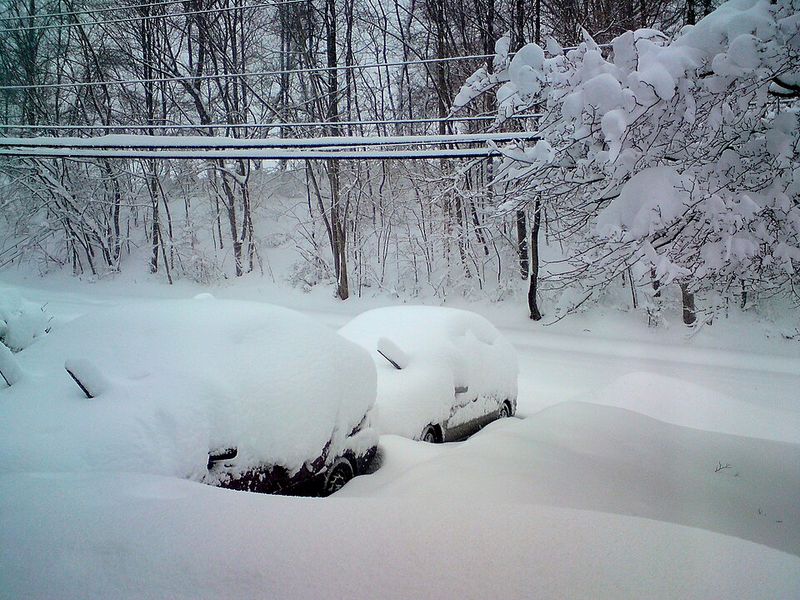
For the first time in more than 20 years, the Greenville and Spartanburg areas of South Carolina were placed under an ice storm warning. This rare alert underscores just how unusual and severe this weather event has been for the region.
Ice storm warnings are issued when significant ice accumulation is expected, typically a quarter-inch or more. These events are particularly dangerous because ice adds tremendous weight to trees and power lines while making all surfaces extremely slippery.
Residents in the area, many of whom have never experienced a major ice storm, were caught off guard by the severity of the conditions. Local emergency management agencies worked overtime to educate the public about the dangers and proper safety precautions.
The last comparable ice storm in the region caused extensive damage and left thousands without power for days. Historical records show that ice storms in the South can be more devastating than those in northern states because of the lack of preparation and infrastructure designed to handle such events.
Climate experts note that while ice storms are rare in South Carolina, they are not unheard of. The combination of southern moisture and arctic cold creates the perfect recipe for freezing rain when conditions align just right, reminding us that winter weather can strike anywhere.
Snow has blanketed the Midwest and Plains states with impressive totals reported across the region. Indiana saw 13 inches, Missouri received 12 inches, while Illinois and Ohio both measured 11 inches of fresh powder.
Further south and west, Arkansas and Kansas recorded 8 inches each, Oklahoma got 7 inches, Texas saw 6 inches, and Tennessee measured 5 inches. These totals represent significant snowfall for areas that do not always see winter weather this intense.
The heavy snow has created major challenges for road maintenance crews who have been working nonstop to keep highways and major roads passable. Visibility has been reduced to near zero in some areas during peak snowfall, leading to white-out conditions.
Snowfall rates of one to two inches per hour overwhelmed plowing efforts in many communities. Even areas with robust winter weather response capabilities struggled to keep up with the relentless precipitation.
Farmers and ranchers in rural areas face additional challenges, needing to ensure livestock have access to shelter, food, and unfrozen water. The weight of heavy, wet snow can also damage barns and outbuildings, adding to the list of storm-related concerns across the agricultural heartland of America.
As the storm pushed eastward, the Northeast found itself buried under impressive snow totals. Western Pennsylvania recorded 15 inches, New Jersey saw 12 inches, and New York measured 11 inches, with some locations receiving even more.
Specific reports paint a clearer picture of the storm’s impact on major population centers. Bridgeport, Connecticut, measured 13 inches of snow, while the Bronx in New York City recorded 11 inches, disrupting life for millions of urban residents.
Cities in the Northeast are generally better equipped to handle snow than their southern counterparts, with fleets of plows and stockpiles of salt ready to go. However, when snow falls this heavily and this quickly, even experienced winter cities can struggle.
Public transportation systems faced significant delays and cancellations. Commuter rail lines, subways, and bus routes all experienced disruptions as transit authorities worked to clear tracks and roads.
Schools across the region canceled classes, giving children unexpected snow days but creating childcare challenges for working parents. Many businesses shifted to remote work where possible, while others closed entirely, reducing traffic on dangerous roads and giving crews more room to work on clearing snow.
Winter storm warnings were issued for numerous major metropolitan areas, including Dallas, Oklahoma City, St. Louis, Louisville, Cleveland, Washington D.C., Philadelphia, and Boston. These warnings indicate that dangerous winter weather conditions are occurring or imminent, requiring residents to take immediate precautions.
When the National Weather Service issues a winter storm warning, it means that significant amounts of snow, sleet, or ice are expected. These conditions can make travel extremely dangerous or impossible and can lead to power outages and other disruptions.
The fact that cities as diverse as Dallas and Boston were simultaneously under warnings highlights the extraordinary reach of this storm system. Each city faced unique challenges based on their typical winter preparedness levels.
Dallas, for instance, rarely sees significant winter weather, so even a few inches of snow can paralyze the city. Boston, on the other hand, is accustomed to snow but can still be overwhelmed by particularly heavy or rapid accumulation.
City officials coordinated emergency response plans, pre-positioned equipment and personnel, and opened emergency operations centers to monitor the situation. Residents were advised to stock up on essentials, avoid unnecessary travel, and check on elderly neighbors who might need assistance during the storm.
Snow and ice have crippled travel across the nation, creating a nightmare scenario for anyone trying to get from one place to another. Dangerous road conditions have led to countless accidents, highway closures have stranded motorists, and widespread flight cancellations have left thousands of travelers stuck in airports.
Major highways, including interstates that typically carry heavy traffic, have been closed in multiple states. Jackknifed tractor-trailers, multi-vehicle pileups, and cars sliding off icy roads have blocked lanes and required emergency response.
Air travel has been equally chaotic. Airlines canceled thousands of flights as ice accumulated on runways and planes, and snow reduced visibility below safe operating levels.
Passengers faced long waits for rebooking, and many found themselves sleeping in airport terminals.
Even local travel became hazardous. Side streets went unplowed for days in some communities, trapping residents in their neighborhoods.
Those who attempted to drive often found themselves stuck or involved in accidents.
Transportation officials urged people to delay travel until conditions improved. For those who absolutely had to travel, authorities recommended carrying emergency supplies including blankets, water, snacks, flashlights, and phone chargers in case they became stranded on the road.
In many southern states, freezing rain has proven to be a bigger threat than snow. This weather phenomenon occurs when liquid rain freezes on contact with cold surfaces, coating everything in a slick, dangerous layer of ice that makes recovery efforts incredibly difficult.
Unlike snow, which can be plowed and shoveled, ice must either melt naturally or be chipped away. This means that roads remain hazardous for longer periods, and emergency crews face greater dangers when responding to calls.
Power restoration crews have found their work particularly challenging. Climbing icy poles and working with ice-coated equipment is not only difficult but extremely dangerous.
Safety protocols require extra precautions, which slow down the pace of repairs.
Freezing rain also continues to bring down trees and power lines even after the main storm has passed. As ice accumulates throughout the day, branches that initially held up under the weight eventually snap, creating new outages and hazards.
Emergency management officials say that freezing rain events can actually be more destructive than heavy snowstorms. The combination of impassable roads, ongoing infrastructure damage, and dangerous working conditions creates a perfect storm of challenges that extends recovery time significantly beyond what would be expected from snow alone.
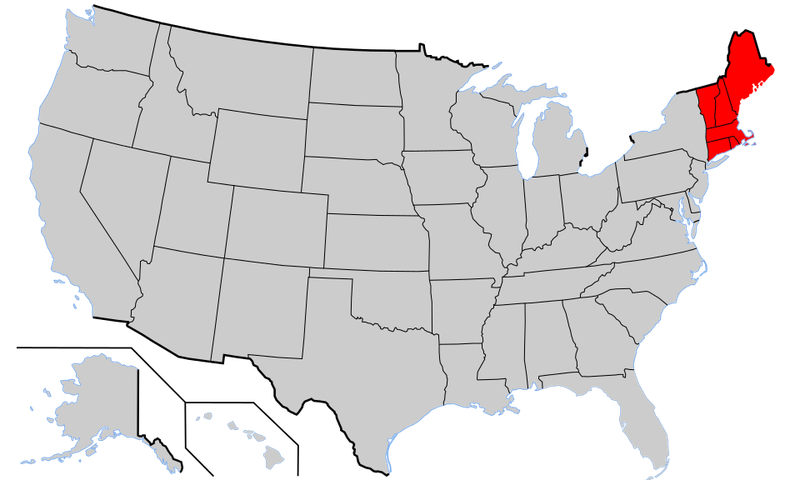
As the storm continued its march eastward, New England braced for heavy snow expected to arrive in full force by Sunday evening. Forecasters predicted that lighter snow might linger into Monday morning, giving the region a prolonged period of winter weather.
New England states, including Maine, New Hampshire, Vermont, Massachusetts, Rhode Island, and Connecticut, are no strangers to winter storms. However, residents still took precautions, knowing that even experienced winter regions can be caught off guard by particularly intense systems.
Grocery stores saw a rush of shoppers stocking up on bread, milk, eggs, and other essentials. Hardware stores sold out of ice melt, snow shovels, and generators as people prepared for potential power outages.
Coastal areas faced an additional concern: the possibility of strong winds combining with heavy snow to create blizzard conditions. High winds can reduce visibility to near zero and create massive snow drifts that bury cars and block doorways.
State and local governments activated emergency operations centers and positioned National Guard units in case they were needed for rescue or support operations. The message to residents was clear: take this storm seriously, prepare your homes, and plan to stay inside until conditions improve and roads are cleared.
Authorities across all affected states have issued a consistent and urgent message: stay home. Officials are urging people to stay off the roads, conserve heat, and check on vulnerable neighbors as frigid conditions continue to pose serious risks.
Staying off the roads is not just about personal safety. When fewer people are driving, emergency vehicles can respond more quickly to those who truly need help, and road crews can work more efficiently to clear snow and ice.
Conserving heat is particularly important in areas experiencing power outages. Simple steps like closing off unused rooms, covering windows with blankets, and gathering family members in one room can help preserve warmth and reduce the risk of hypothermia.
Checking on elderly neighbors, those with disabilities, and anyone living alone is a critical community responsibility during winter emergencies. A quick phone call or doorstep visit can make the difference between life and death for vulnerable individuals.
Emergency management officials stress that this storm is not over yet. Even as some areas begin to see improvement, others are just starting to experience the worst conditions.
Patience, preparation, and looking out for one another are the keys to getting through this historic winter weather event safely.
Share this story