Some songs do not peak when they arrive. They slip into the culture quietly, then return years later with proof that time can be the best curator.
These ’70s tracks reshaped rock, but only after audiences, films, and new generations tuned in. Press play and you will hear how patience turned overlooked cuts into pillars of modern music.
All the Young Dudes — Mott the Hoople (1972)
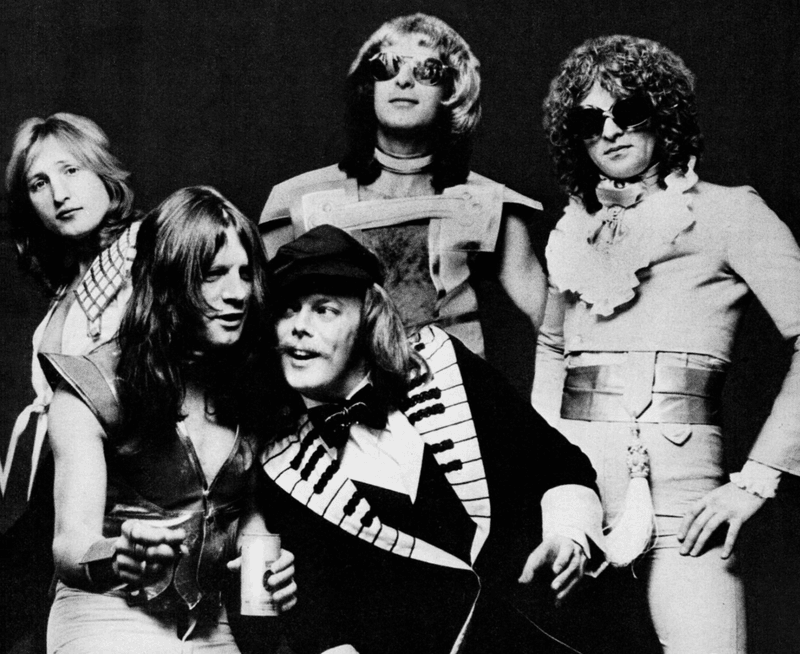
Released with Bowie’s fingerprints all over it, All the Young Dudes sounded like a bulletin from a new tribe. At first, it charted but did not yet feel like scripture.
Over time, the chorus turned into a banner for outsiders, a melody you could march behind.
Retrospectives now call it a cornerstone of glam, a hinge between swagger and vulnerability. The lyric sketches a constellation of characters who feel seen without explanation.
You can hear the lineage in punk’s attitude and art rock’s theatrical swing.
What started as a lifeline for a band became a lifeline for listeners. The song’s glow intensified as decades of artists nodded back to it.
Today it stands as a rite of passage, proof that swagger can be compassionate and communal.
Old Time Rock and Roll — Bob Seger (1979)
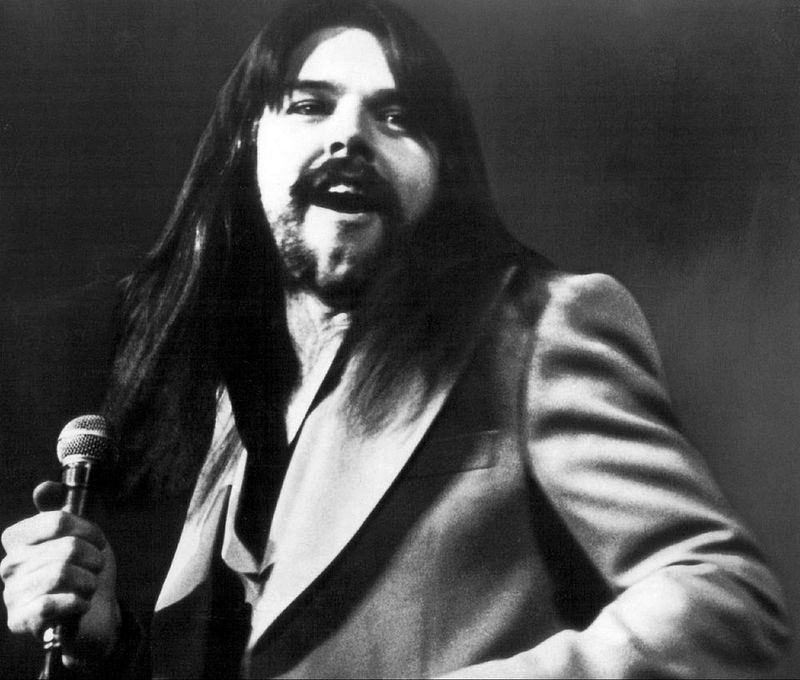
When it arrived, Old Time Rock and Roll felt like a familiar jukebox cut rather than a revolution. Then Risky Business danced it into living rooms, and the song turned into shorthand for unfiltered joy.
You could hear nostalgia sharpen into a modern anthem the moment those first piano notes hit.
Its message was simple: keep the roots alive, play it loud, and let the groove lead. That stance influenced how advertisers, films, and radio codified classic rock as a living archive.
The track bridged eras without sounding brittle or museum bound.
Over time, it became a gateway for younger listeners to discover early rock heroes. The beat still punches through car speakers like a friendly nudge toward the dance floor.
You end up smiling, remembering why rock and roll felt like freedom.
Sweet Emotion — Aerosmith (1975)
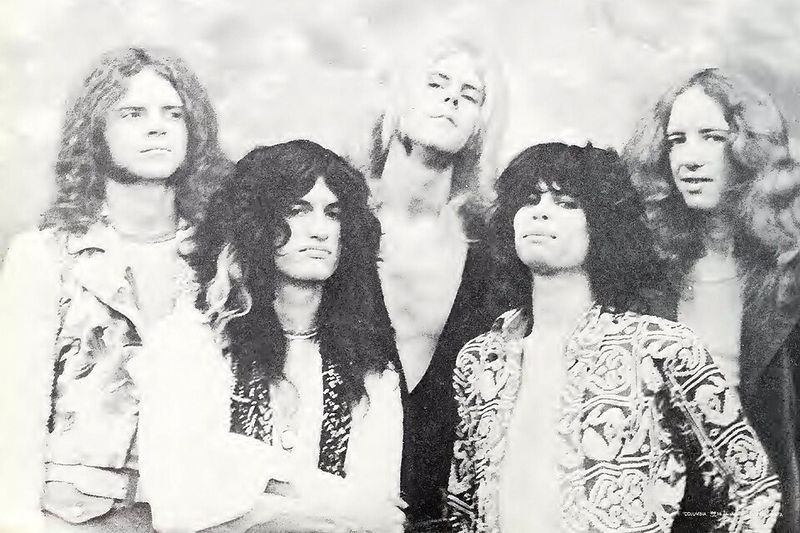
Sweet Emotion did not immediately wear the crown, but it carried a sly confidence that aged into authority. The talk box textures and slinky bassline gave rock a funk pulse without losing bite.
You feel the tension snap as the chorus lifts, a release engineered for highways and big rooms.
As classic rock radio matured, the track became a pillar of the format. Filmmakers grabbed it for swagger and propulsion, threading it through chase scenes and character entrances.
Meanwhile, guitarists studied the groove as a blueprint for grit plus glide.
Its slow burn proved powerful. Decades later, the song still sounds modern, a reminder that attitude can be architectural.
Turn it up and you hear a band discovering its signature in real time.
Hold Your Head Up — Argent (1972)
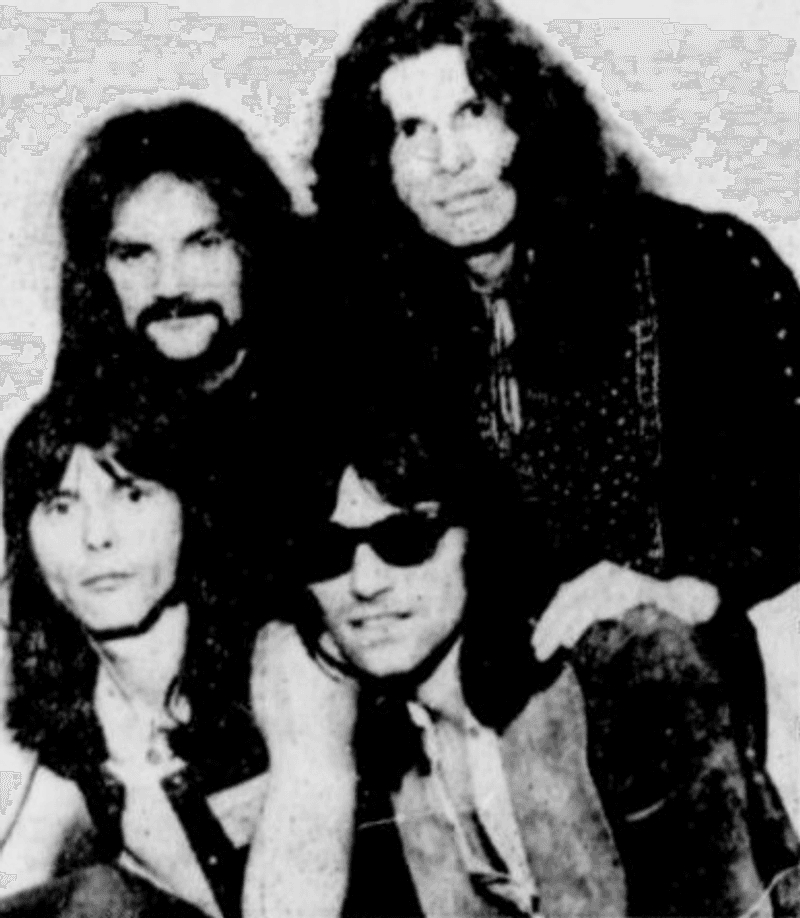
Hold Your Head Up arrived in 1972 with an uplift that critics sometimes sidelined as soft. Listen closer and you catch the progressive muscle in its keyboard architecture.
The mantra hook feels simple, yet the arrangement keeps spiraling upward with patient force.
Reevaluation brought respect for Argent’s craft and the track’s resilience. It slips between pop immediacy and prog textures, a balance many bands chase but rarely hold.
You come away feeling taller, as if the chorus straightened your posture mid song.
Its influence rippled into arena rock and motivational pop without losing its soul. DJs and sync supervisors returned to it whenever they needed momentum without bombast.
The advice remains evergreen, delivered with tasteful power and zero cynicism.
Road Fever — Blackfoot (Early 1970s)

Road Fever never chased the big single glow, but it bottled Southern rock velocity. The guitars snarl, drums pound forward, and the vocal rides like chrome on asphalt.
You can almost smell gasoline and hear truck stops humming in the background.
Collectors and deep cut fans kept it alive while trends shifted. Over time, the track gained status as a blueprint for heartland drive and bar band grit.
It shows how an unpretentious song can carry miles of character.
Reissues and playlists later nudged it toward new ears hungry for authenticity. The groove still kicks like a road trip’s first hour, windows down and map folded.
You end up wanting to chase a horizon with the volume pinned.
Showdown — Thin Lizzy (1973)
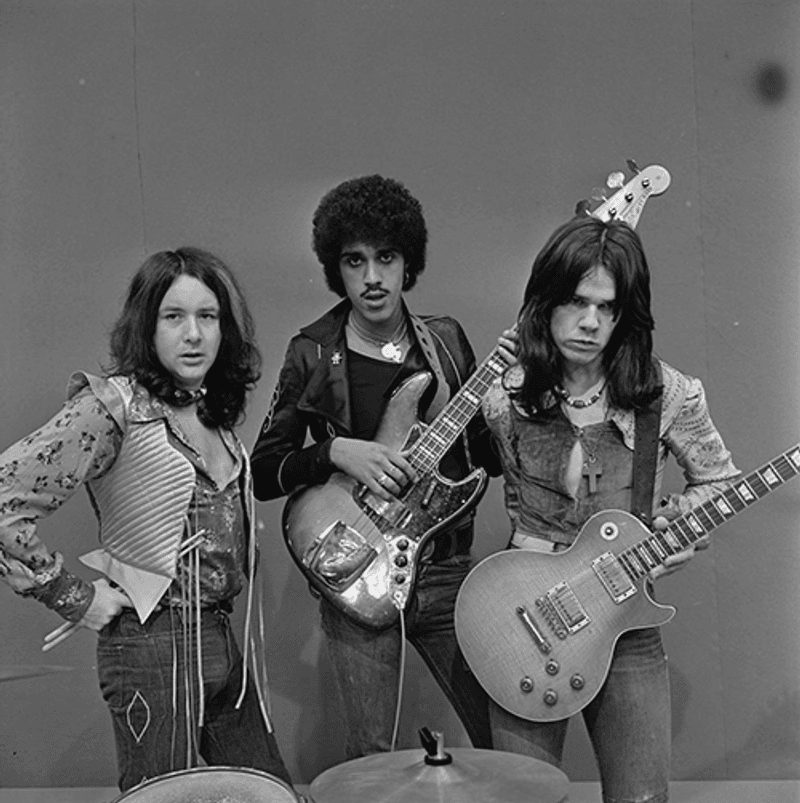
Showdown lived in the shadow of larger Lizzy singles, but its DNA is unmistakable. The twin guitar weave sets a standard that hard rock and metal would refine for decades.
You hear swagger without haste, a band pacing the drama like seasoned storytellers.
Outside Ireland and the U.K., it needed time to register. Retrospectives elevated it as a gem that captured the group’s lyrical poise and instrumental dialogue.
You catch yourself replaying the breaks just to study how the parts lock together.
Today, Showdown feels like a seminar in tone, harmony, and restraint. It rewards volume and patience, blooming as the solos trade lines.
The recognition arrived late, but the lesson lands right on time.
Silver Machine — Hawkwind (1972)
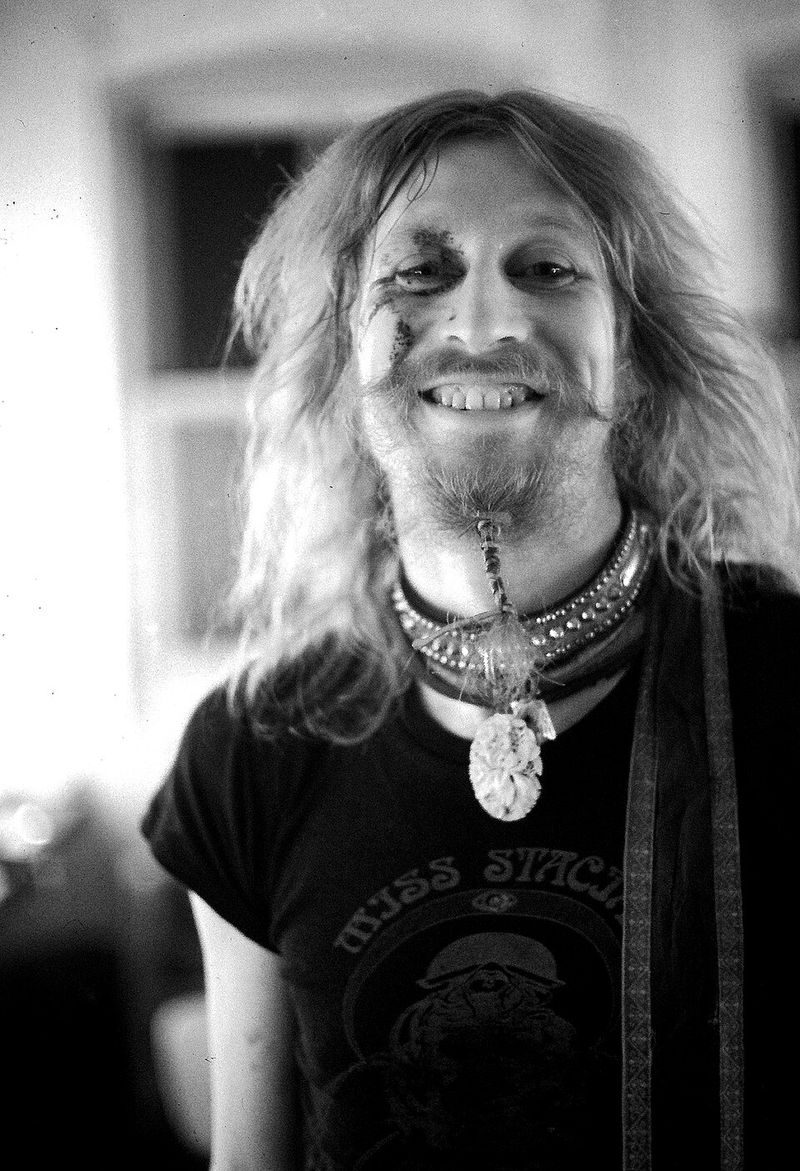
Silver Machine first looked like a curiosity, a noisy spacecraft parked beside mainstream rock. Its motorik thrust, sci fi sneer, and proto punk edge were ahead of schedule.
You can feel the centrifugal pull as the groove locks into orbit.
Years later, musicians pointed to it as a launchpad for space and psych rock hybrids. Electronics and grit share equal billing, suggesting futures where guitars and circuits trade sparks.
The song’s confidence made experimentation feel street legal.
What once sounded abrasive now feels prophetic. DJs, noise heads, and indie bands mine its textures for propulsion.
Turn it up and you are strapped into a ride built for endless acceleration.
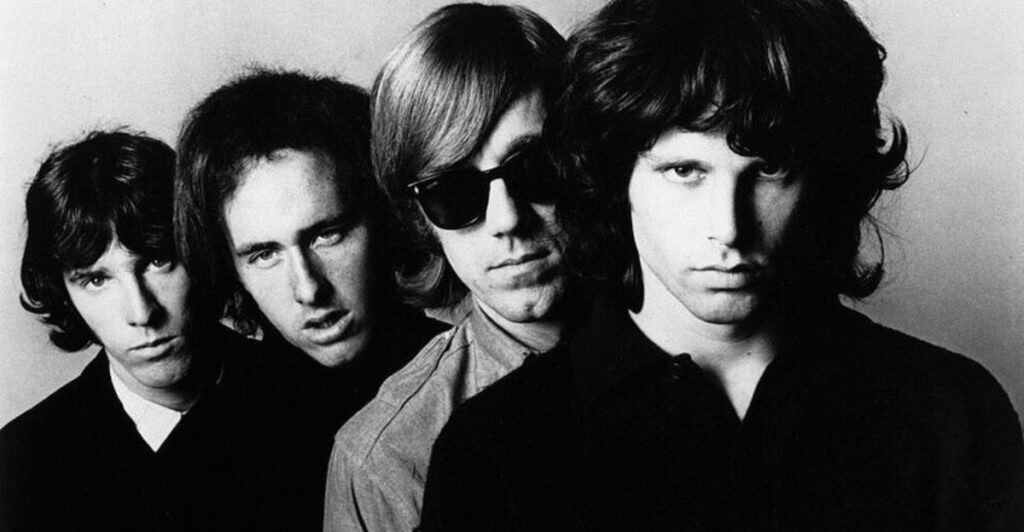
Roadhouse Blues — The Doors (1970)
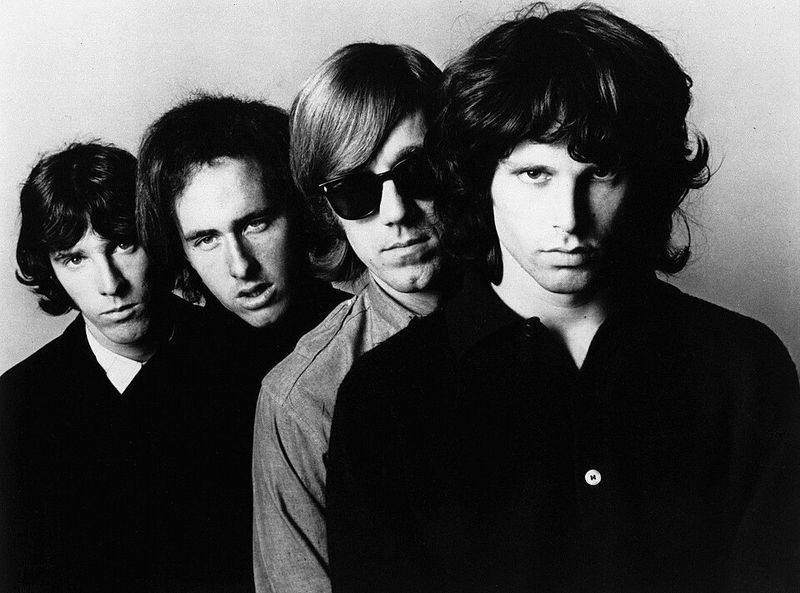
Roadhouse Blues did not top charts like other Doors signatures, but it became the band’s barroom passport. The riff rolls easy, the vocal teases danger, and the groove invites messy midnight sing alongs.
You hear a touring band turning chaos into ceremony.
Over the years, it taught jam bands and bar circuit lifers how to pace tension. The track’s open road feel made it a default encore and a dependable crowd reset.
Listeners kept it alive by wearing it out in real rooms.
Now it anchors classic rock playlists with unruly charm. You can smell the spilled beer in the snare hits and the dust in the harmonica.
It is less a song than a ritual that still works.
Shooting Star — Bad Company (1975)
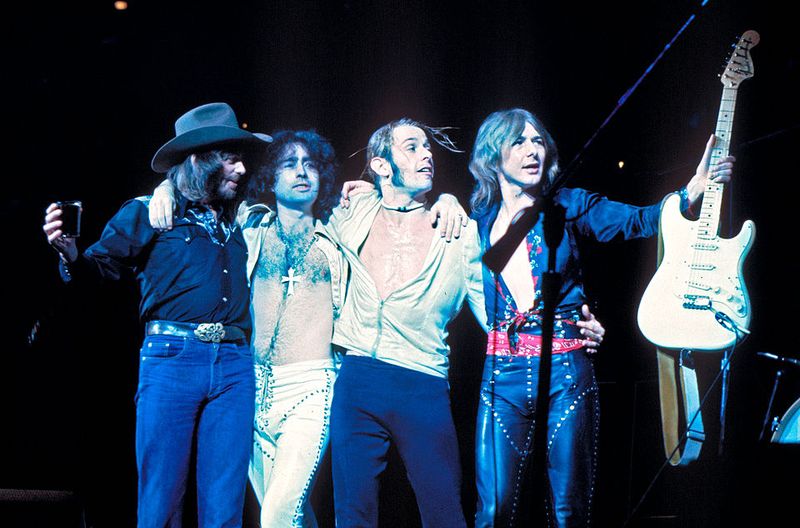
Shooting Star hides its power in plain sight, a cautionary ballad wrapped in radio warmth. The narrative arc feels painfully familiar, fame flickering like a fuse.
You hear empathy instead of judgment, a rare stance that travels well.
At release, it sat behind the band’s bigger bruisers. Over time, singers and songwriters adopted its storytelling cadence, letting verses breathe before the chorus lands.
The melody lingers like a memory you cannot quite place.
Continued airplay and covers kept it in rotation for new generations. The arrangement proves restraint can hit harder than fireworks when the lyric carries weight.
You walk away quiet, reconsidering how quickly bright lights can blind.
Free Ride — The Edgar Winter Group (1973)
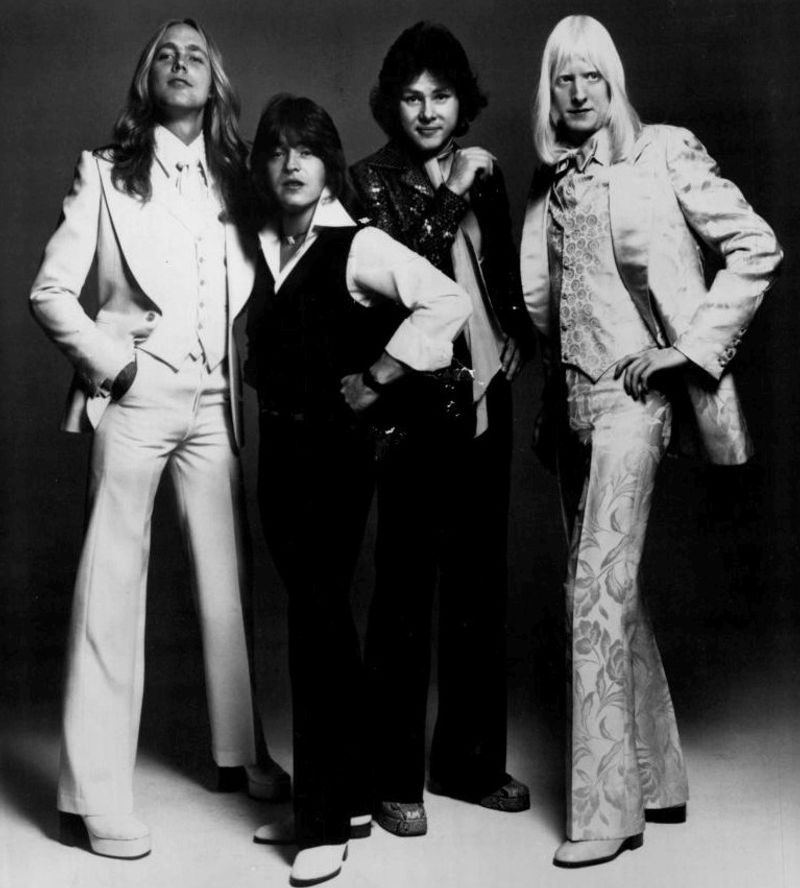
Free Ride slipped out with a grin more than a manifesto, and that may be why its climb was slow. The groove blends rock crunch with funky glide, stitching riffs to sunshine hooks.
You feel your shoulders loosen as the chorus invites movement without effort.
Films and commercials later rediscovered its open road optimism. The song became a shorthand for motion, possibility, and a clean horizon.
Musicians noted how rhythm elements sharpened the rock engine instead of softening it.
Its legacy is versatility. Put it in a car scene, a festival set, or a gym playlist and it sticks.
You end up chasing that chorus like a breeze you do not want to lose.
I Want You To Want Me — Cheap Trick (1977)
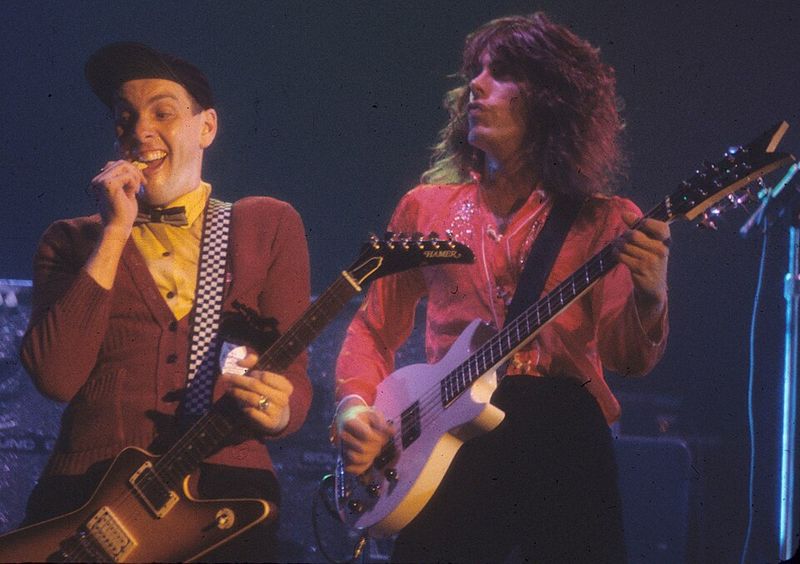
The studio version landed with a shrug in 1977, neat and polished but missing spark. Then Cheap Trick hit Budokan, and the crowd’s roar gave the song new oxygen.
You can feel the feedback, the handclaps, and the showmanship transforming a tidy pop rocker into a rallying cry.
The 1979 live release turned I Want You To Want Me into a global calling card. Audiences recognized themselves in the pleading hook, the show of vulnerability wrapped in swagger.
Cover versions flooded bars and arenas, proving the melody was built for shared voices and bright lights.
In hindsight, the delay makes sense. Some songs need bodies in a room and sweat on the floor before they click.
This one became a lesson in how performance can rewrite a track’s destiny and cement a band’s legacy.
Share this story