A sprawling winter storm has gripped much of the United States, disrupting daily life from Texas to New England. You can feel its reach in grounded flights, shuttered schools, dark neighborhoods, and roads sealed under ice and snow.
Forecasters call Fern historic for its sheer size and the dangerous mix of hazards it unleashed for days. Keep reading to understand how this storm unfolded and what it means for communities on the road to recovery.
Winter Storm Fern spread a harsh mosaic of hazards across more than 40 states, its reach stretching over 2,300 miles. You could track the shift from ice-laden Southern counties to deep snow stacking across the Midwest and into New England.
Meteorologists labeled it historic for both scale and duration, describing a system that punished travel and stressed infrastructure day after day.
Millions woke to winter alerts, with warnings refined into ice storm advisories and blizzard conditions as Fern arced east. Flights were canceled in waves, freight corridors slowed, and interstates periodically shut as plows struggled to keep pace.
From Dallas suburbs to Boston neighborhoods, the same storm narrative repeated, revealing how a single engine of cold and moisture can reroute national routines.
Emergency managers urged you to stay home, conserve heat, and check on neighbors as crews triaged outages. Utilities staged mutual aid and moved bucket trucks in convoys, battling fallen limbs and snapping lines.
Even as snow tapered and radar bright bands faded, lingering cold locked hazards in place, making recovery a marathon. Communities will study Fern to refine plans before the next cross country winter siege.
Across the South, Fern’s freezing rain laid down a glassy shell that broke trees and darkened neighborhoods. Ice accretions near three quarters of an inch turned branches into crowbars, prying down lines and transformers.
You could hear limbs cracking in the night, then the hush that follows when a block goes dark and furnaces fall silent.
Ice storm warnings stretched from eastern Texas through northern Mississippi into the Carolinas, a corridor less practiced in prolonged glaze. Even modest ice can be catastrophic where canopies are broad and species are brittle under load.
Roads resembled rinks, bridges flashed with black ice, and emergency calls surged as spinouts and downed lines multiplied.
Utility crews faced a grind of de ice, clear, restring, then repeat as fresh drizzle refroze. Residents sheltered in place, layered clothing, and sought warming centers when indoor temperatures dipped.
If you relied on medical devices, backup power became vital, and neighbors mattered. The lesson was clear: trim trees in fair weather, stock batteries and nonperishables, and respect freezing rain, because ice is quiet until it is not, and recovery takes days.
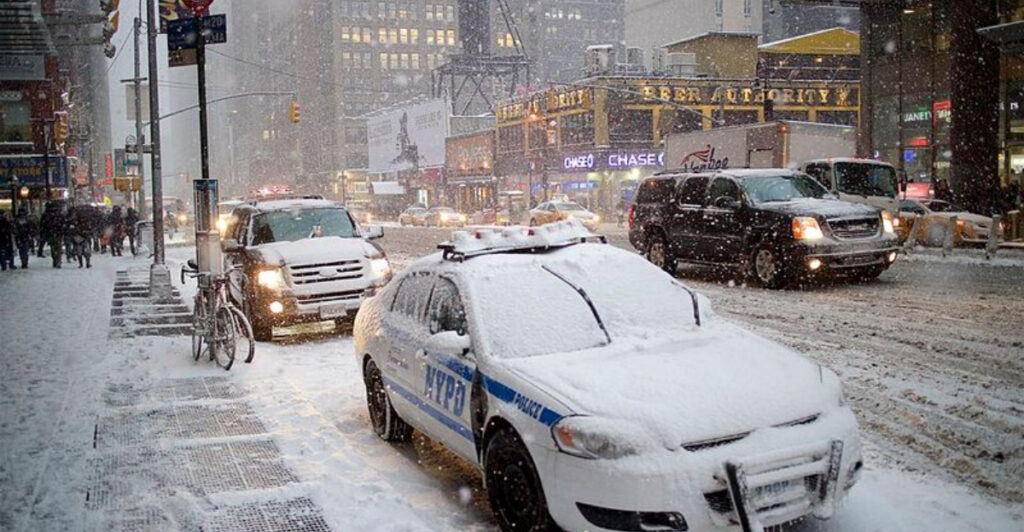
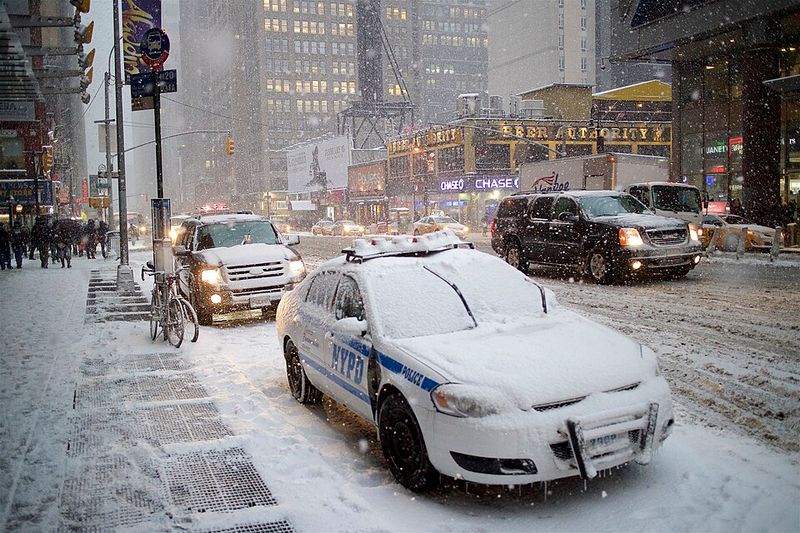
As Fern turned north and east, snow became the headline and visibility vanished. Bands laid down a foot or more from Chicago suburbs to interior New England, while coastal cities from Philadelphia to Boston braced for 12 to 18 inches.
You could feel the city pulse slow as plows stacked windrows and sidewalks disappeared beneath drifts.
Air travel buckled under cascading delays, with deicing queues and crew timeouts complicating recovery. Highways closed intermittently as jackknifes and whiteouts overwhelmed response times.
Commuters pivoted to remote work and schools toggled to online schedules, trading bus routes for broadband as the safest option.
Cold air locked the snowpack, extending hazards long after radar echoes faded. Side streets rutted, storm drains clogged, and pedestrian crossings turned to slush traps.
If you planned essential travel, timing around plow passes and keeping emergency kits in the car became nonnegotiable. Cleanup will continue in stages, from major arteries to cul de sacs, and cities will parse Fern’s snowfall gradients to improve plow deployment models before the next nor’easter style hit.
Behind the maps and totals, Fern’s toll is counted in lives altered by cold, crashes, and isolation. Reports noted fatalities tied to hypothermia and storm related accidents, stark reminders that extreme weather tests margins.
You saw communities open shelters, share generators, and check on elders, turning civic preparedness into personal resilience.
Outages approached a million customers nationwide at peaks, challenging hospitals, pharmacies, and small businesses. Airports absorbed thousands of cancellations while trucking schedules slipped, pinching supply chains already tight in winter.
Retail districts lost foot traffic, restaurants closed, and hourly workers faced lost pay as streets stayed impassable.
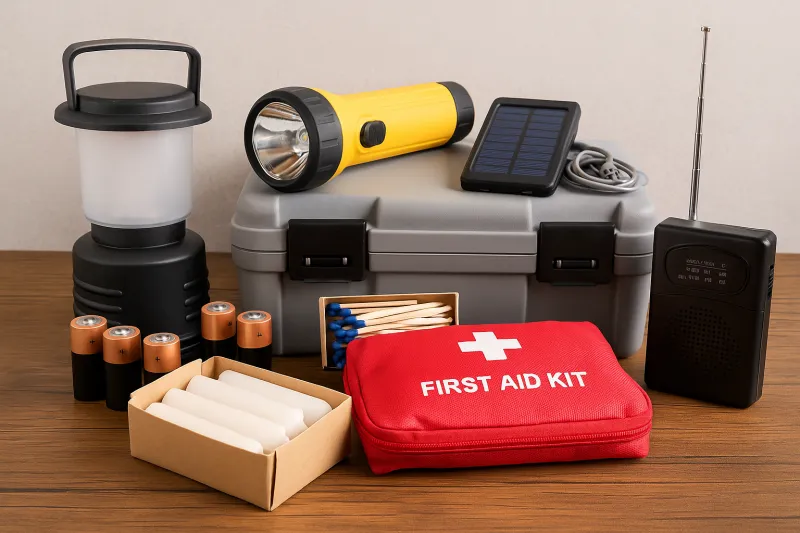
Officials urged you to build a three day kit, list critical contacts, and know where the nearest warming center operates. Insurance claims, debris removal, and overtime budgets will ripple through municipal ledgers for months.
As climate variability stirs sharper swings, readiness and equitable recovery matter. Investing in grid hardening, tree management, and targeted outreach can cut losses next time, because resilience is not abstract, it is warm lights staying on and a safe walk to the corner store.
Share this story