Forests and mountains reward patience, but they also demand gear that will not quit when the weather turns. If you want crisp detail in mossy shade and clean highlights on icy ridgelines, the right camera makes all the difference.
This guide narrows the field to proven bodies that balance portability, durability, and image quality for real trail use. Read on to find a camera you can trust when the clouds roll in and the light gets magical.
Fujifilm GFX 100S II
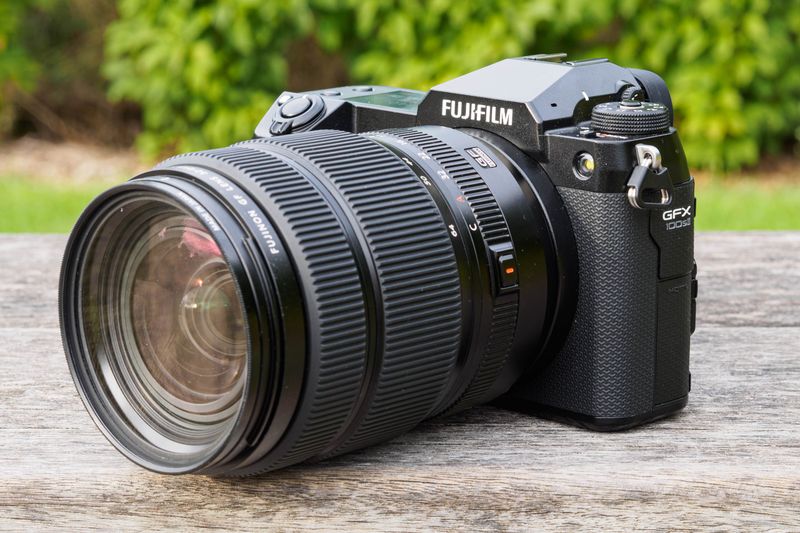
You want every pine needle, lichen patch, and granite vein rendered with lifelike nuance. The Fujifilm GFX 100S II delivers exactly that, packing a 102 MP medium format sensor with immense dynamic range and gentle rolloff in highlights.
In shifting mountain light, it holds skies while preserving shadow texture under dense canopy.
Weather sealing and in body stabilization keep shots steady on windy passes or near waterfalls. Pair it with weather ready GF lenses for ultra wide vistas or compressed layers across distant ridges.
Despite the format, the body remains trail practical, especially if you travel with a small two lens kit.
It excels for big prints where micro detail matters. Panoramas stitch cleanly, color science feels natural, and tones remain believable after heavy dodging and burning.
If maximum fidelity is the goal, this is the summit pick.
Nikon Z8
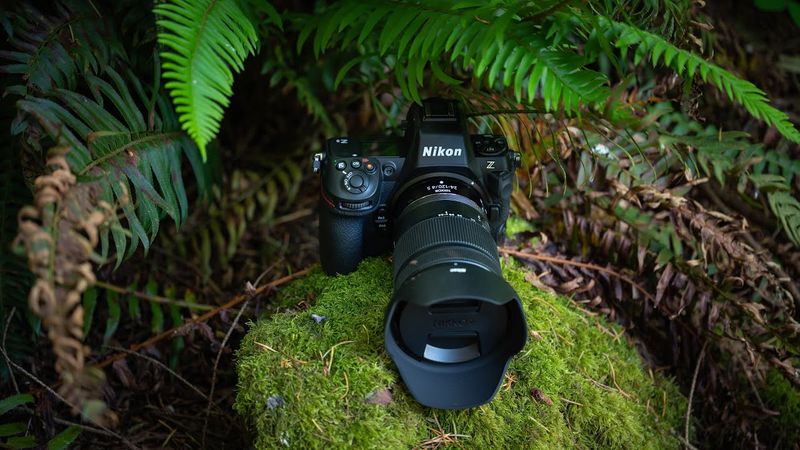
The Nikon Z8 earns trust when weather turns from drizzle to sleet in minutes. Its 45 MP sensor offers excellent dynamic range that protects snow highlights and forest shadow detail alike.
Files grade cleanly, and the body balances well with wide angle zooms for ridge to valley coverage.
Autofocus locks confidently on branches blowing in gusts or hikers cresting a ridge. The rugged build and strong battery endurance make long days above treeline realistic.
In body stabilization helps when setting slower shutter speeds while clouds streak across peaks at dusk.
For hybrid shooters, video quality and reliable subject detection add flexibility. The Z lens lineup includes stellar wides and compact primes perfect for lightweight packs.
If you need a single camera that handles nearly everything outdoors, the Z8 is a dependable anchor.
Nikon Z7 II
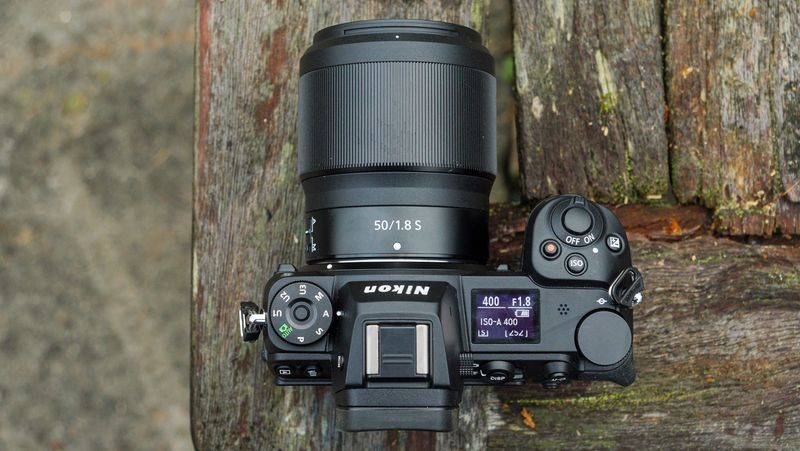
The Nikon Z7 II brings high resolution without excessive weight, a sweet spot for serious hikers. Its sensor delivers clean files with strong dynamic range, ideal for layered forest shadows and bright alpine snowfields.
Weather sealing and IBIS support long exposures by streams and low light forest interiors.
Lens options cover ultrawide to telephoto, making it easy to frame sweeping ridgelines or intimate mossy details. Controls are straightforward with gloves, and the body feels stable on compact travel tripods.
Color remains neutral, giving you latitude to shape the scene in post.
It is a balanced choice for photographers who want big prints but prefer a lighter kit than flagship bodies. Focus accuracy is consistent for static scenes and slow moving subjects.
When reliability matters on remote trails, the Z7 II checks the right boxes.
Sony A7R V / A7R V II
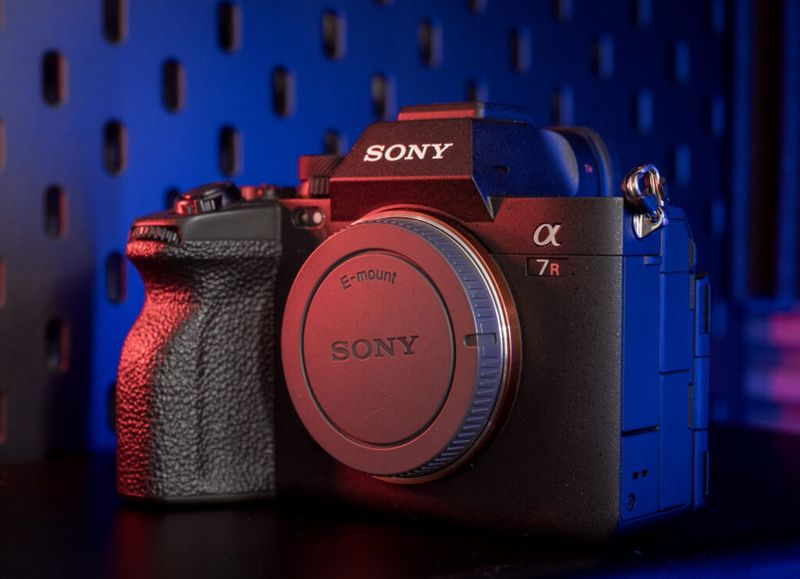
Sony’s A7R V and A7R V II push detail capture to remarkable levels. The high resolution sensor and wide dynamic range nail delicate light transitions across granite, snow, and evergreen canopies.
Files tolerate aggressive cropping when you cannot safely move closer on steep terrain.
Weather sealing and robust autofocus keep pace with shifting conditions. Paired with quality G or GM wide and ultra wide lenses, corner to corner sharpness stays impressive.
IBIS helps when shooting handheld at blue hour on windy ridges where tripods struggle.
Menus have matured, and custom buttons let you switch quickly between bracketed landscapes and handheld textures. Color rendering is flexible for both subtle greens and dramatic skies.
If you chase crisp, epic scenes with minimal compromise, this pair is a smart bet.
OM System OM-5 Mark II
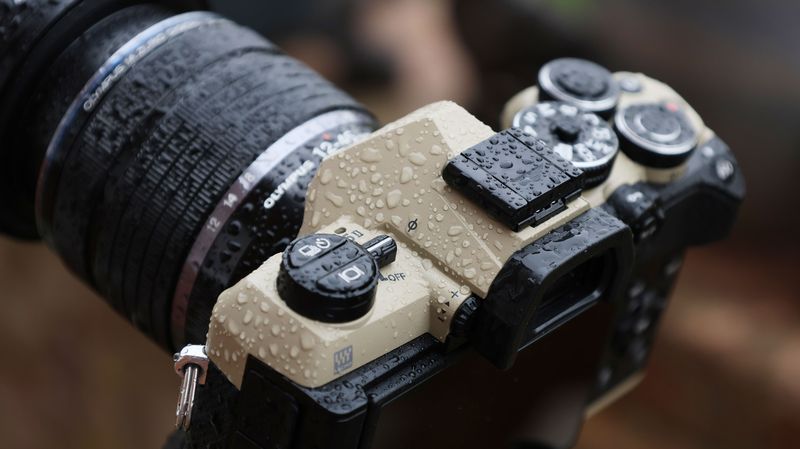
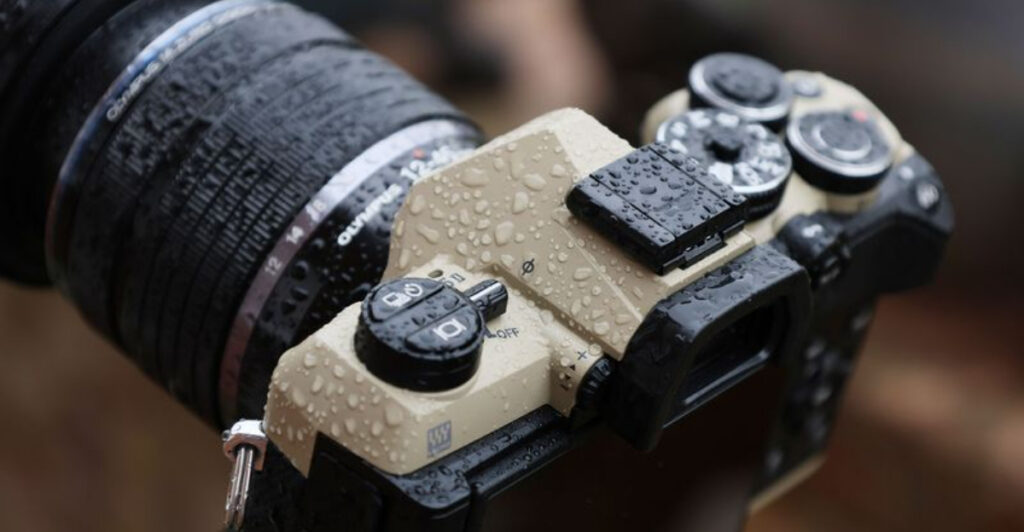
When mileage matters, the OM System OM-5 Mark II keeps your pack light without giving up capability. The compact, weather sealed body shrugs off rain and spray near waterfalls.
In body stabilization is outstanding, enabling handheld shots at dusk under thick canopy.
Computational features like high res shot and live ND empower creative long exposures without extra filters. Paired with small weather resistant primes, the system feels made for steep climbs and quick setups.
Controls are intuitive, and the viewfinder remains clear in dim forest light.
While the sensor is smaller, real world images look crisp with excellent color. The portability encourages more attempts at fleeting light, which often leads to better photos.
If you want a rugged trekking companion that disappears in your bag, start here.
Sony RX1R III
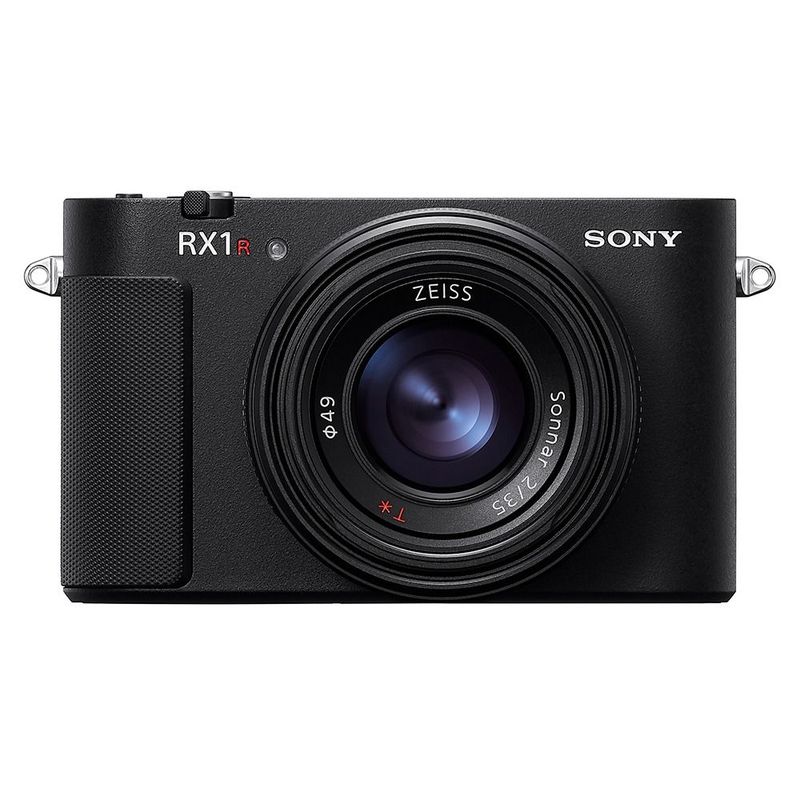
The Sony RX1R III proves minimal gear can still produce maximum detail. A full frame 61 MP sensor behind a premium fixed lens gives astonishing clarity for textures in bark, alpine flowers, and weathered rock.
It slips into a jacket pocket, perfect for summits where every gram counts.
While not as sealed as pro bodies, careful handling and a small dry bag go a long way. The fixed focal length encourages thoughtful compositions and consistent visual style.
Dynamic range holds skies while preserving the forest floor’s delicate contrast.
Autofocus is quick, and the leaf shutter enables quiet shooting near wildlife. Colors stay natural, letting you nudge greens and blues without plastic sheen.
If you crave travel light simplicity with gallery grade output, this compact delivers surprising muscle.
Nikon Z5 II
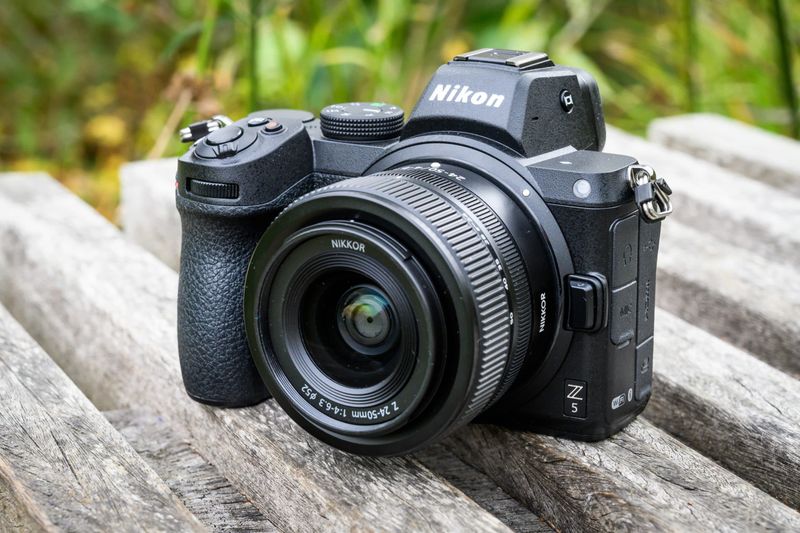
The Nikon Z5 II offers accessible full frame quality for hikers upgrading from phones. Dynamic range and color depth lift forest scenes beyond mobile limits, revealing subtle moss and cloud textures.
Weather resistance and solid battery life suit long days far from outlets.
Autofocus is reliable for landscapes and casual wildlife, while IBIS helps at dusk by lakes. The Z mount lens range includes sensible, lightweight primes that keep costs and weight down.
Menus are straightforward, making it easy to learn core exposure techniques outdoors.
It is not the flashiest body, but the files are clean and flexible in post. If budget matters more than bleeding edge features, the Z5 II hits a practical sweet spot.
You get a dependable trail companion that grows with your skills.
Fujifilm X-T6
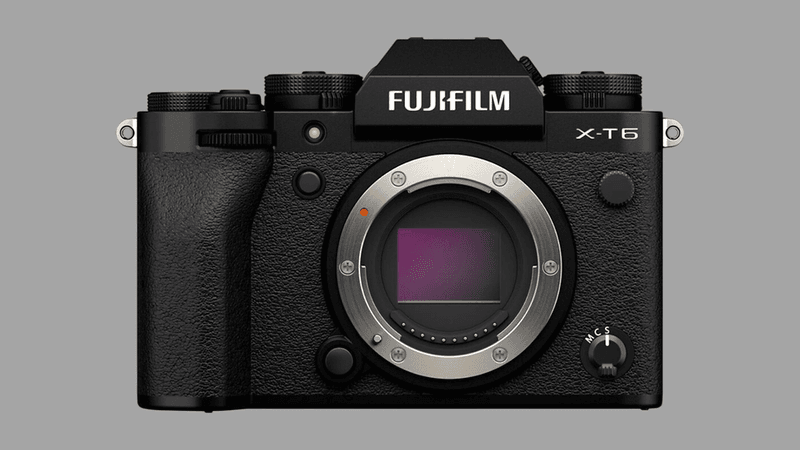
The Fujifilm X-T6 blends tactile controls with modern performance for creative outdoor work. Its high resolution APS C sensor and Fuji color science render lush greens and nuanced skies beautifully.
Weather sealing and thoughtful ergonomics suit cold mornings and gloved operation.
Lens options are stellar, from compact ultrawides to sharp telephotos for compressed mountain layers. Film simulations provide pleasing looks straight out of camera when you want quick sharing.
IBIS steadies handheld frames along windy ridgelines or in dim forest corridors.
The body encourages experimentation, from bracketing to long exposures with built in tools. Files grade well, preserving detail in bark, snow crust, and distant peaks.
If you value creative control and a lighter kit, this workhorse is hard to overlook.
Canon EOS R8
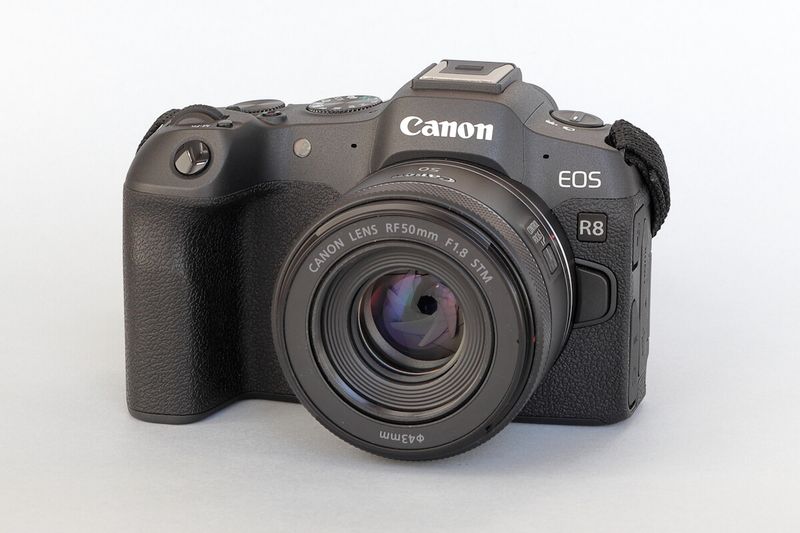
The Canon EOS R8 brings full frame image quality to a travel friendly body. Dynamic range and pleasing color make sunrise ridges and shaded waterfalls look natural.
Autofocus is confident, helping you nail focus on branches framing distant summits.
While not the most rugged in Canon’s lineup, it handles light weather with care. Pair it with small RF primes for a nimble kit that still prints large.
Video features support hybrid trips where clips from camp to summit matter.
The controls are simple, and the body weight encourages longer hikes. For photographers stepping up from phones, the R8 delivers a clear leap in fidelity.
If you want versatility without a heavy pack, this compact full frame makes sense.
Leica Q3 43
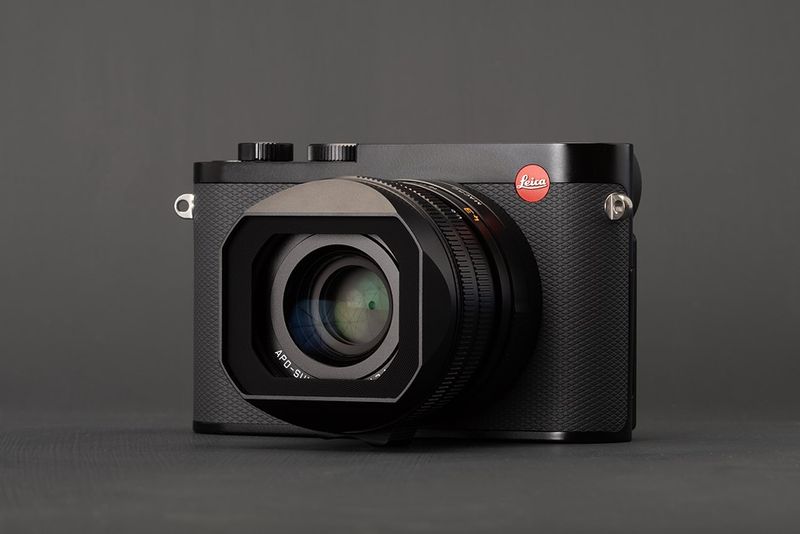
The Leica Q3 43 distills the mountain kit to one camera and one lens. Its full frame sensor and apochromatic optics render crisp micro contrast and clean color.
IP rated weather resistance helps when drizzle arrives mid ascent.
The fixed focal length sharpens composition instincts, encouraging careful framing of ridgelines and forest paths. Files tolerate cropping when you need a tighter view of distant textures.
Stabilization supports handheld shooting in dim tree cover without cranking ISO.
Controls are minimalist yet responsive, and the viewfinder feels immersive at blue hour. The output looks refined straight from camera, requiring only light edits.
If you want premium reliability and uncluttered decision making in the field, the Q3 43 is a compelling companion.
Share this story