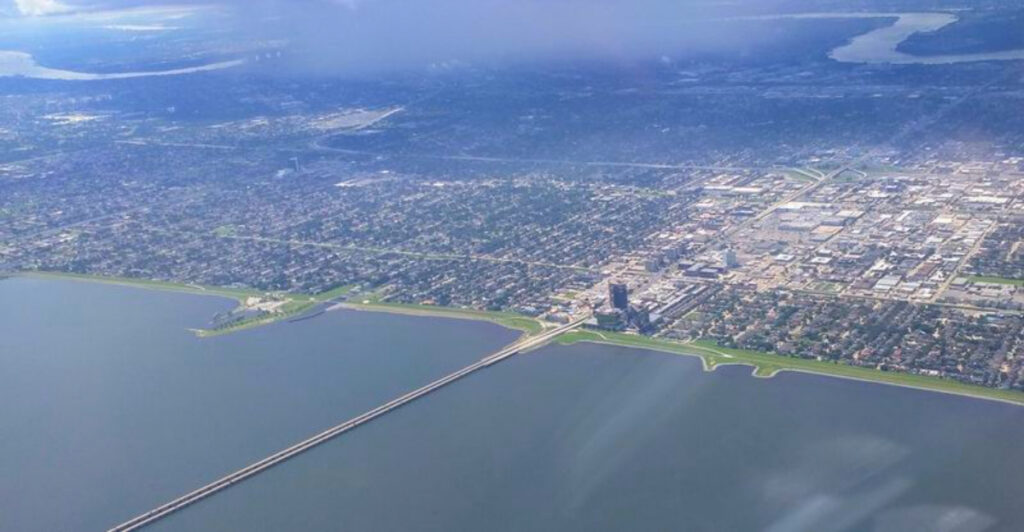
Driving across open water until land completely disappears can make even seasoned motorists uneasy. The Lake Pontchartrain Causeway in Louisiana does exactly that, earning a reputation for rattling confident drivers and testing nerves.
It is record breaking, visually disorienting, and unforgettable, especially when fog descends and the horizon dissolves. If you have ever wondered why this bridge both fascinates and terrifies, here is everything you need to know before you cross.
It’s the Longest Continuous Bridge Over Water on Earth
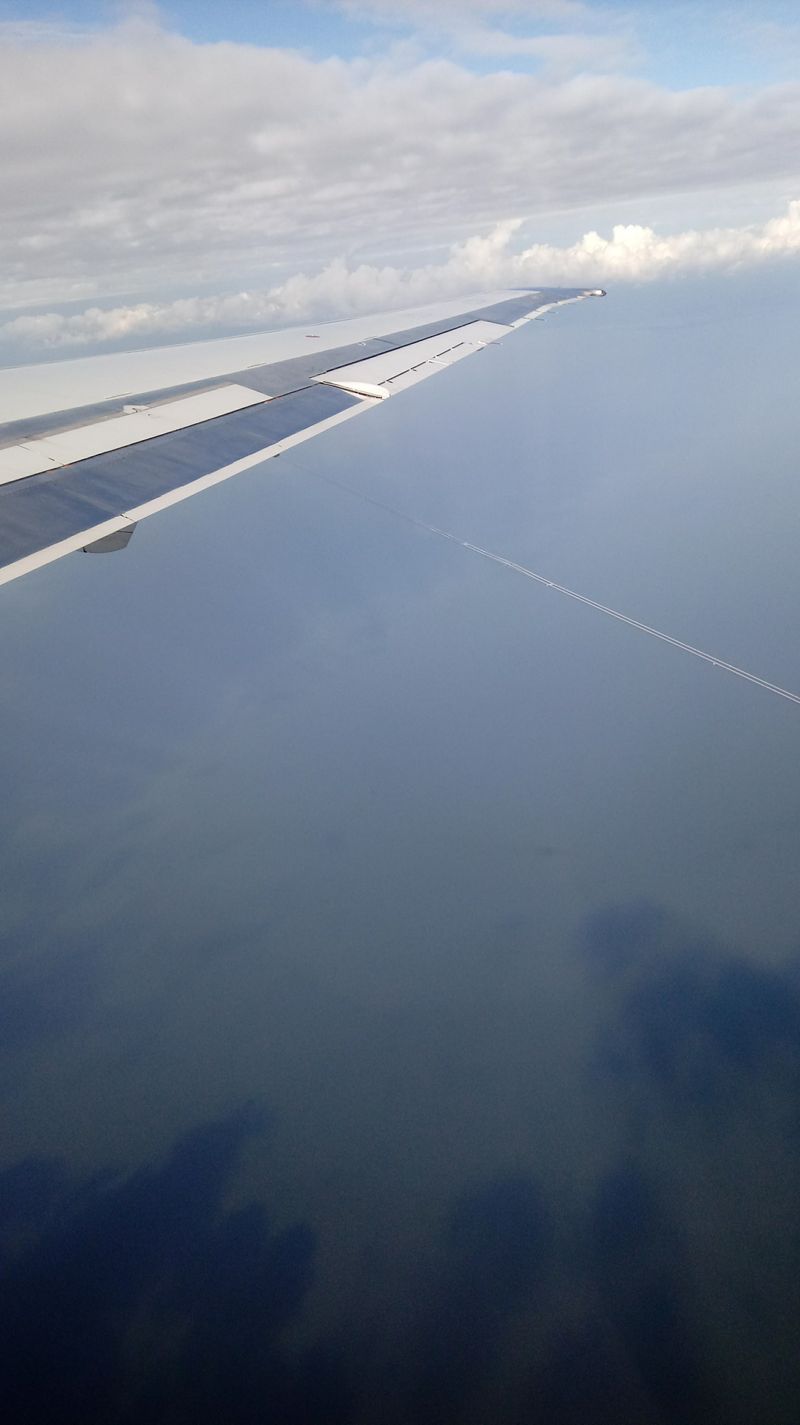
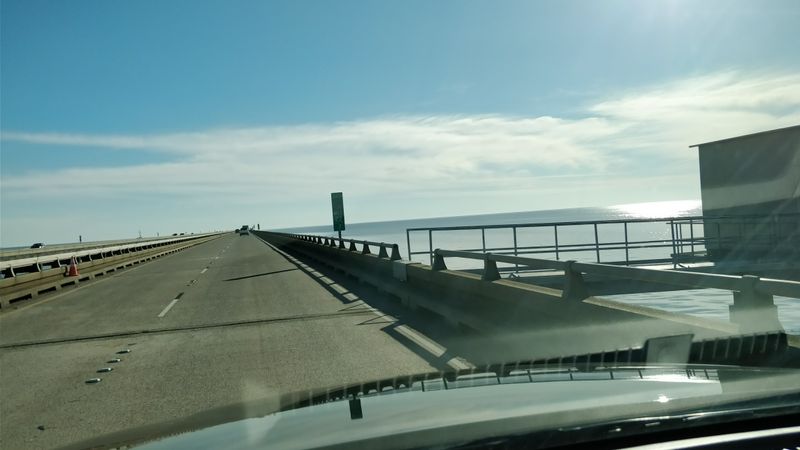
The Lake Pontchartrain Causeway does not just cross water, it dominates it. Recognized by Guinness World Records, the twin spans stretch more than 38 kilometers, creating an uninterrupted ribbon between Metairie and Mandeville.
When you set tires on its concrete, you feel the sheer scale as the coastline slips behind.
From above, the bridge looks like a deliberate pencil line on blue paper, unnervingly straight and unwavering. Engineers designed it to endure storms, humidity, and heavy traffic, proving that audacious ideas can be practical.
That continuity is what makes it both impressive and intimidating for first timers.
Because it is continuous, there are long moments when nothing breaks the view except water, sky, and the rhythmic rise of spans. You notice small details, like the beat of expansion joints and the flicker of whitecaps.
The record matters less than the sensation of distance.
Land Completely Disappears From View
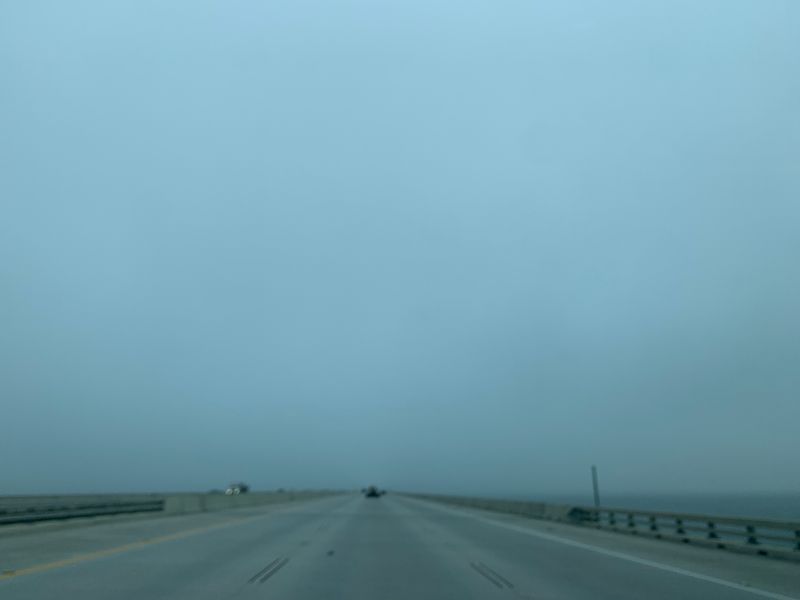
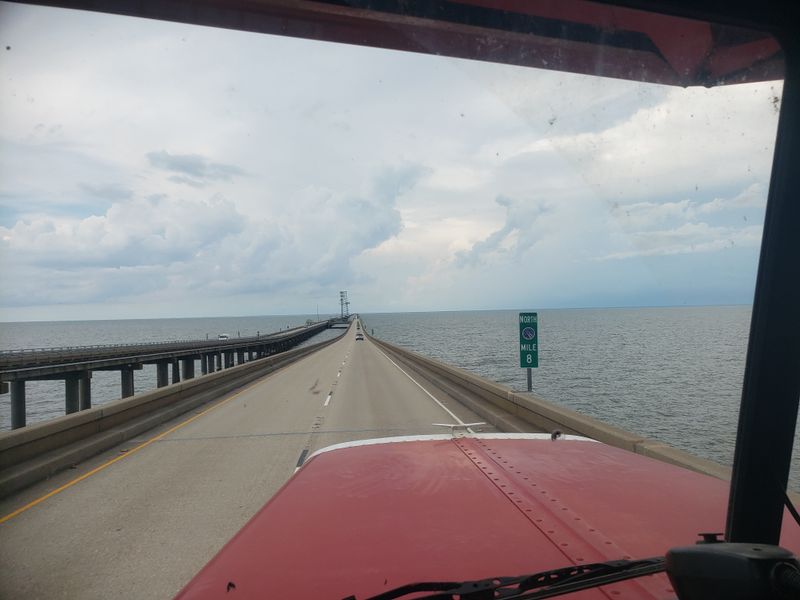
There is a stretch of roughly 13 kilometers where land disappears entirely, and it can mess with your senses. Your brain looks for landmarks to anchor speed and distance, but there is only water and sky.
That visual vacuum can make you feel suspended, like the roadway is floating.
Some people describe a mild vertigo, as if the horizon wobbles or recedes. Others report tunnel vision because their eyes lock on the taillights ahead.
If you are already uneasy about bridges or open water, this is the part that can trigger a wave of anxiety.
Preparation helps: set your mirrors, queue calm music, and keep a steady pace. Focus on lane lines and follow distance, not the empty horizon.
Knowing the landless zone is temporary gives your mind a finish line.
Panic Attacks Are Common
Plenty of drivers report racing hearts, sweaty palms, and dizziness while crossing the Causeway. The mix of monotony and exposure can send your fight or flight response into overdrive.
Even if you are normally steady, the emptiness can feel like an elevator drop in your gut.
It helps to normalize the feeling: anxiety here is common and temporary. Slow down within the posted limits, breathe in for four counts and out for six, and keep eyes level with the lane lines.
If you talk yourself through each mile marker, the bridge becomes a sequence, not an abyss.
Bring practical comforts, like cool air on your face and a familiar playlist. Avoid caffeine spikes before the trip.
Remind yourself that thousands safely cross every day and that help is available if symptoms spike.
Police Often Escort Frozen Drivers
Sometimes anxiety wins, and drivers freeze. On the Causeway, specialized police units are trained to respond fast, easing vehicles into motion or providing an escort.
Knowing that help exists calms many people before they even reach the toll plaza.
If you feel overwhelmed, do not slam the brakes or stop in a live lane without instruction. Call for assistance using posted numbers or 911 and follow directions.
Officers can position their vehicle behind you, set a protective buffer, and lead you at a steady speed.
These escorts are not rare, and there is no shame in requesting one. The goal is simple: keep you moving safely off the bridge.
That knowledge alone can lower the spike of fear enough to finish the crossing.
It Connects Two Key Louisiana Cities
The Causeway ties the south shore to the Northshore, linking Metairie near New Orleans with Mandeville. What would be a long, looping land route becomes a direct over water hop.
For commuters, doctors, and students, this connection saves hours each week.
Because it is dependable, whole communities organize their routines around it. Businesses hire across the lake, families split errands between parishes, and weekend plans span both shores.
The bridge is not just infrastructure, it is a daily lifeline across a sprawling estuarine lake.
If you are visiting, the drive opens easy access to Northshore parks, restaurants, and festivals. Heading south, New Orleans awaits with music, food, and culture just beyond the lake.
The line on the map becomes a habit, one crossing at a time.
Built in Record Time
For a project of this scale, the initial span rising in about 14 months is astonishing. Crews worked from barges, setting pilings with relentless cadence and matching precast sections like blocks.
Logistics and repetition beat the clock while the lake and weather tested every schedule.
Fast does not mean sloppy. The design accounted for storms, corrosion, and decades of vibration from heavy traffic.
Building with modular components let teams keep moving even when conditions shifted, a smart approach that saved precious time.
When you drive it, try picturing that flurry of cranes, forms, and concrete pours. The straightness you see is the result of disciplined sequencing.
Speed was impressive, but consistency was the real victory.
Constructed During New Orleans’ Expansion
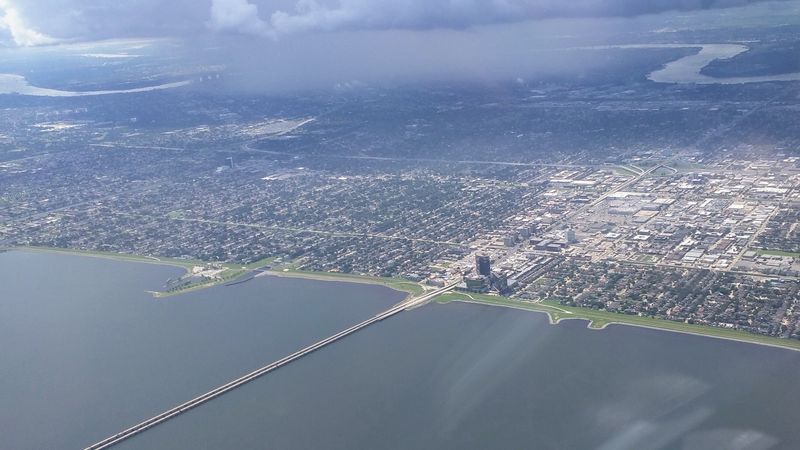
The mid twentieth century brought booming growth around New Orleans, and the Causeway answered that surge. Suburbs expanded, jobs sprawled, and families sought quicker paths between shores.
The bridge made those patterns workable by slicing the lake commute to a predictable routine.
Transportation investments often shape where people live, and this was no exception. Northshore towns grew into vibrant bedroom communities with their own identities and downtowns.
The Causeway acted like a spine, quietly supporting daily movements that built culture and commerce.
When you pass mile markers, you are tracing decades of regional change. The concrete you roll over helped define school zones, home prices, and lunch breaks.
History rides along in every lane line.
Nearly 12 Million Vehicles Cross It Every Year
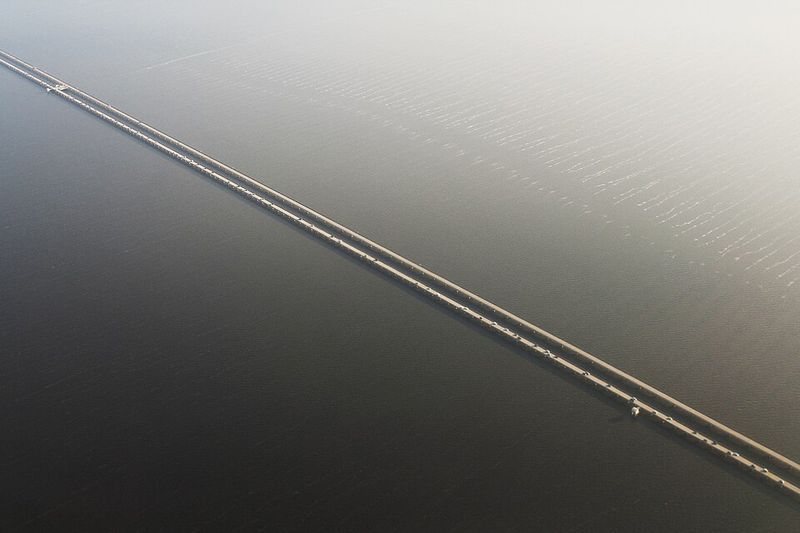
For all its scary reputation, the Causeway is busy. Nearly 12 million vehicles a year make the crossing, from commuters in sedans to delivery trucks and family SUVs.
That constant flow means most trips are uneventful and efficient.
High volume requires tight maintenance and responsive policing. Crews inspect, repair, and repaint to keep the deck reliable through extreme humidity and heat.
When traffic behaves, the bridge becomes a smooth conveyor moving the region’s daily life.
If crowds comfort you, those numbers are reassuring. You are rarely alone out there, even when land disappears.
The stream of vehicles becomes a moving community, each driver chasing errands, paychecks, and home.
A Single Crossing Takes About 30 Minutes
Under fair skies and steady speeds, the crossing runs about 30 minutes. That half hour can feel fast or eternal depending on your nerves.
Set a calm playlist and let each song mark a small milestone.
Maintaining a consistent pace helps your mind settle into a rhythm. Watch spacing, avoid sudden lane changes, and resist the urge to rush.
The bridge rewards patience with a smooth glide across a restless lake.
If anxiety spikes, break the time into thirds and celebrate each segment. By the last stretch, you will spot shoreline details returning to view.
The clock becomes a companion rather than a countdown.
Toll Is Charged in One Direction
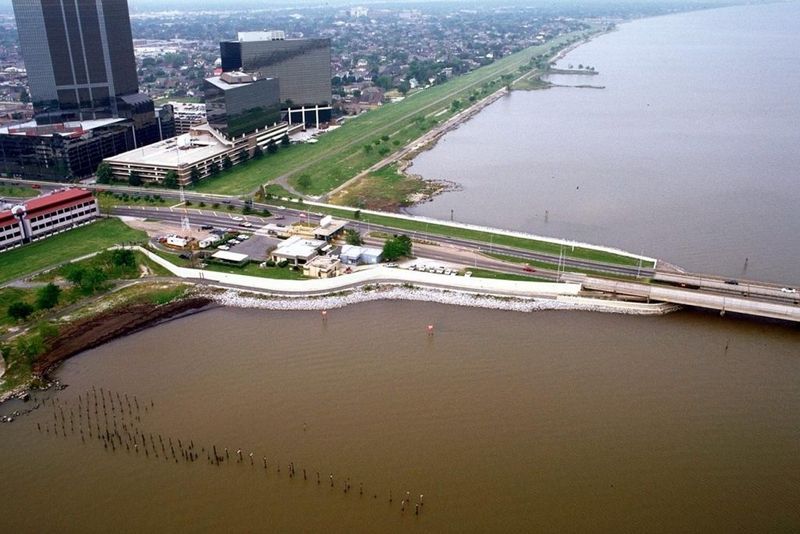
The toll structure is straightforward: pay when heading toward Mandeville, cross free in the opposite direction. This one way system speeds operations and keeps backups short during rush hours.
Having your payment ready lowers stress right at the start.
Check the current rates and tag options before you roll up. Electronic passes can simplify things, letting you glide through dedicated lanes.
If you plan frequent trips, the savings and convenience add up quickly.
Budget the toll into your commute expectations along with fuel and time. Treating it like a routine expense reduces surprises.
Once through the plaza, breathe, settle in, and ease onto the open spans.
Dedicated Emergency Lanes Exist—but With Restrictions
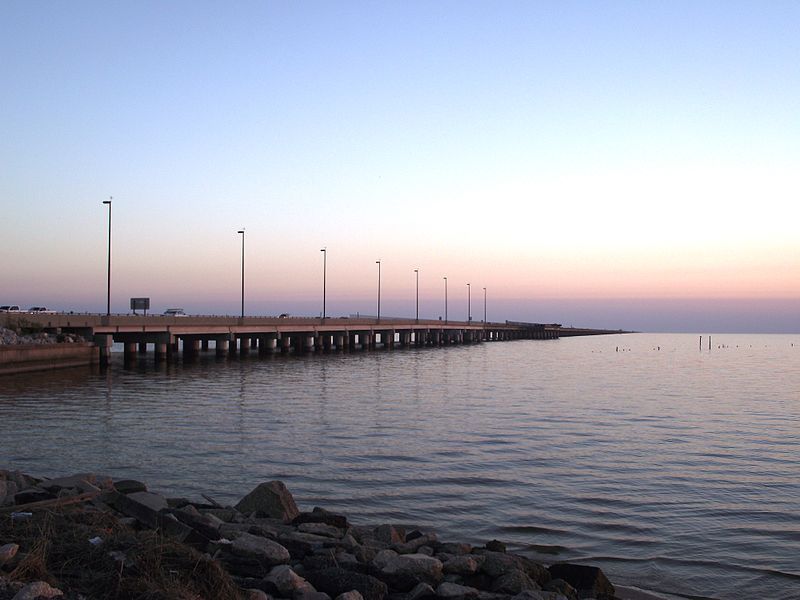
Those narrow pull off spots are for supervised emergencies only. You cannot stop there without police direction except for true breakdowns.
Because space is tight, unsupervised stops raise risks for everyone in fast moving traffic.
If something goes wrong, call for help and follow instructions. Officers can create a safe zone and coordinate a tow or escort.
Waiting for guidance protects you and keeps the flow from turning hazardous.
Knowing the rules beforehand prevents snap decisions when nerves spike. Stay in your lane, maintain speed, and signal early if instructed to move.
The system works best when you trust the process.
Fog and Storms Make It Even Scarier
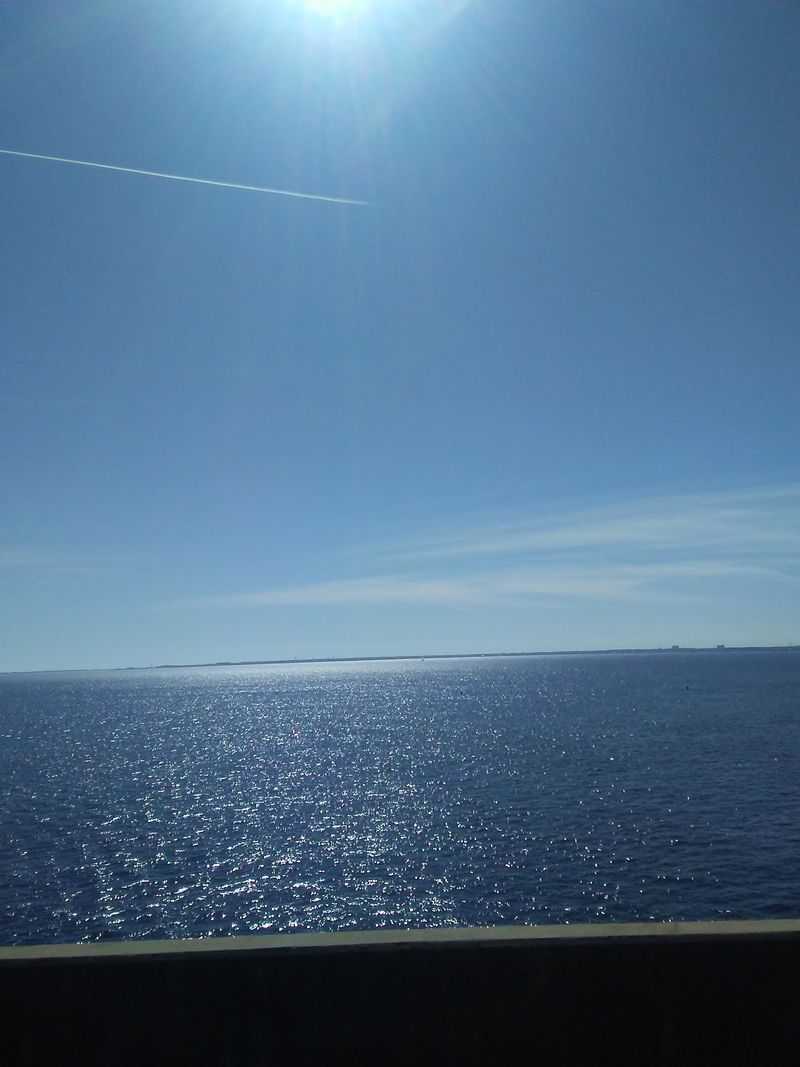
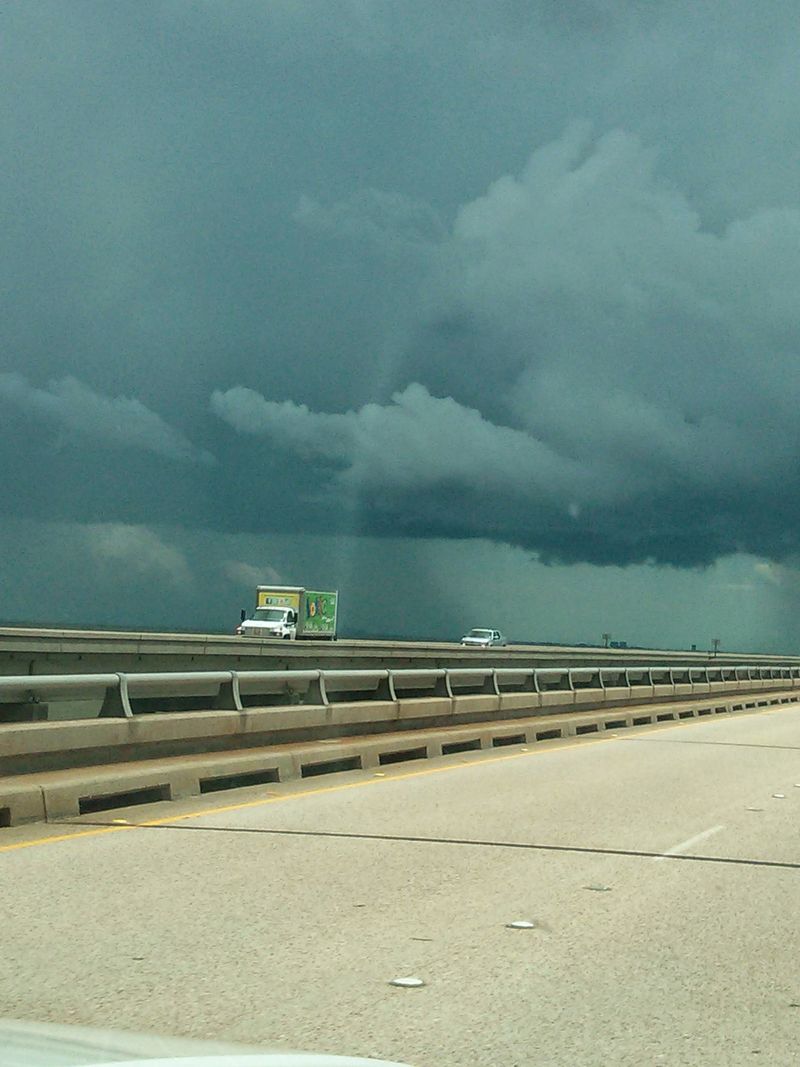
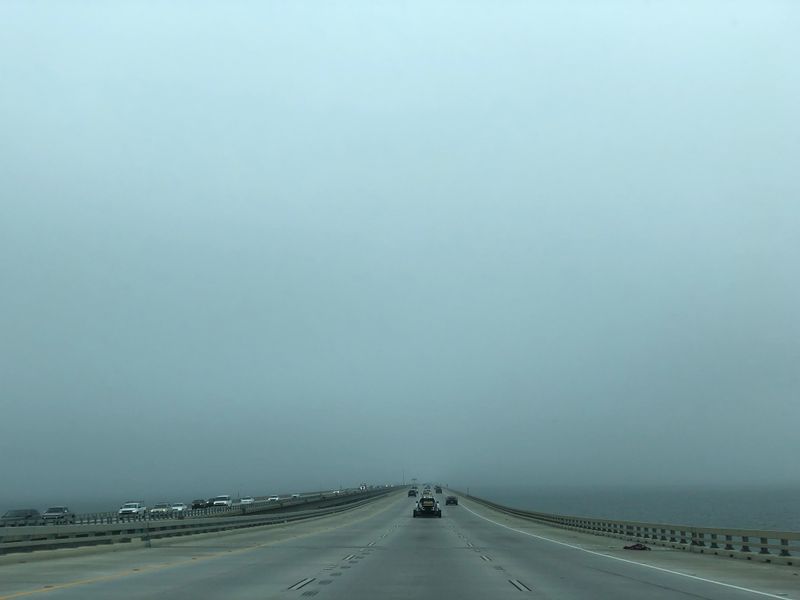
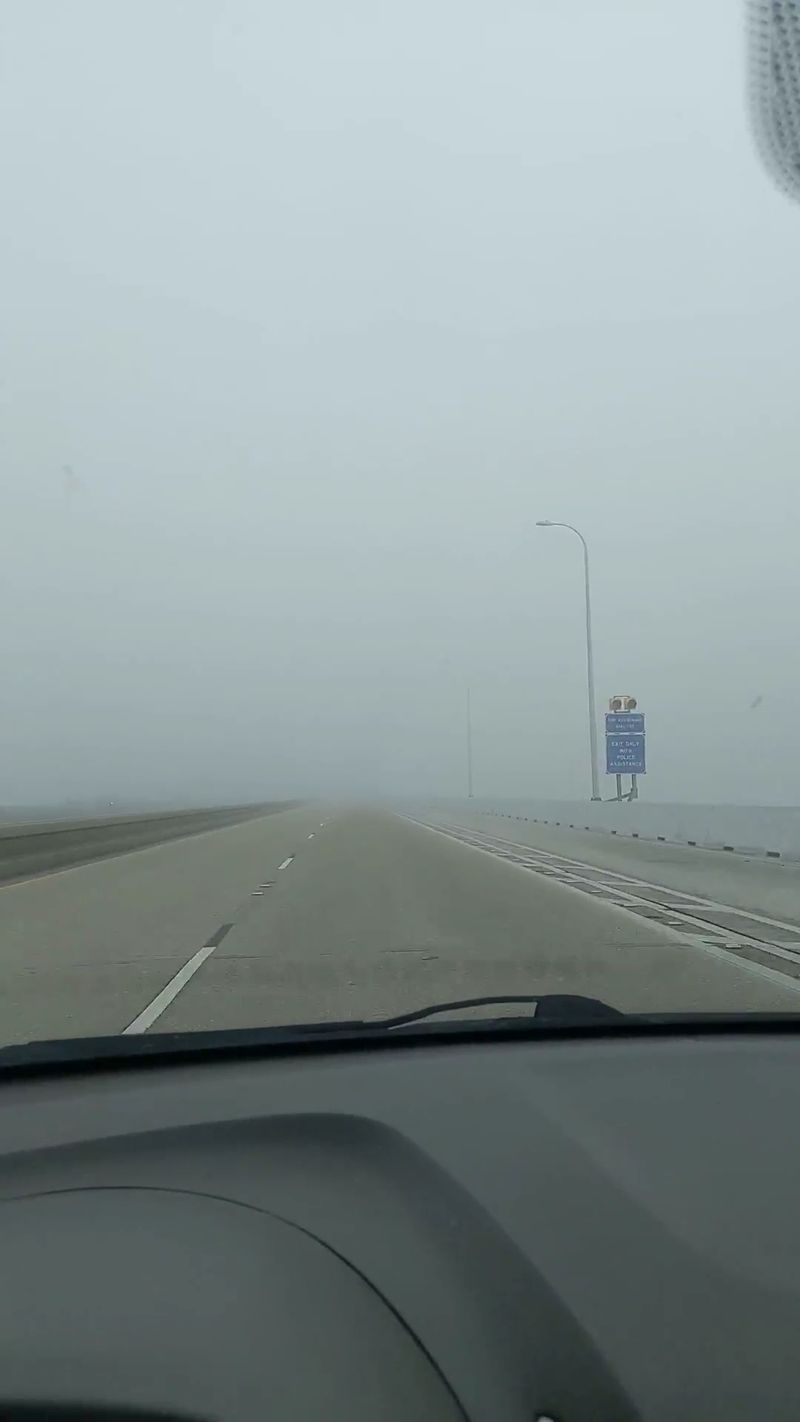
When fog rolls in, the Causeway turns surreal. The sky and lake merge into a gray wall, and headlights appear like floating beads.
Rain bands can drum the deck while crosswinds nudge your car just enough to raise your pulse.
Safety comes from slowing within posted advisories and locking onto lane reflectors. Increase following distance, use low beams, and avoid sudden inputs.
Trust the markings, not the blank horizon, and let your speed settle.
Stormy crossings are memorable for all the right reasons when handled calmly. The bridge was built with Gulf weather in mind.
Give yourself time, breathe, and let the worst of the squall pass.
Frequently Ranked Among the World’s Scariest Bridges
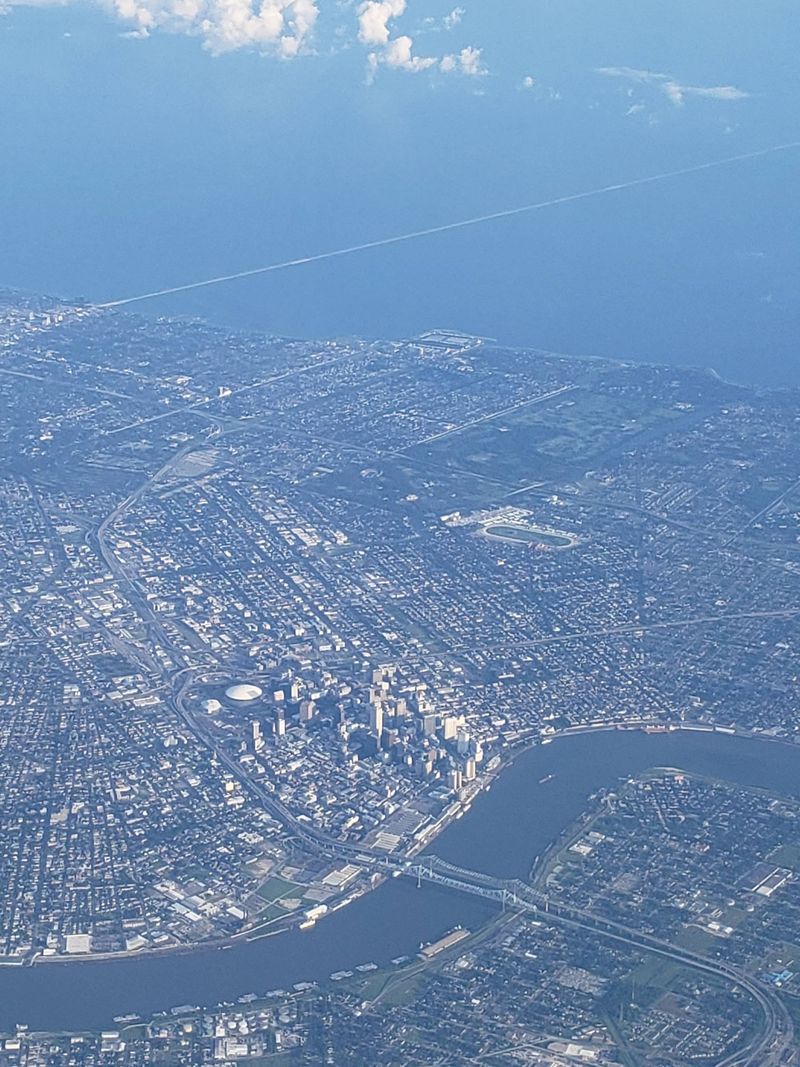
Lists of terrifying bridges often place the Causeway near the top. Media outlets highlight its length, the landless zone, and the eerie weather effects.
Those rankings resonate because the fear feels understandable once you see the expanse.
Scary does not mean unsafe. It means the environment challenges your senses in unusual ways.
The bridge delivers psychological drama while quietly achieving dependable performance day after day.
If you enjoy thrill rides, you might find the crossing exhilarating. If you prefer calm, it becomes a personal test you can pass with preparation.
Either way, the reputation adds a certain mythic weight to the drive.
Drivers Share Horror Stories Online
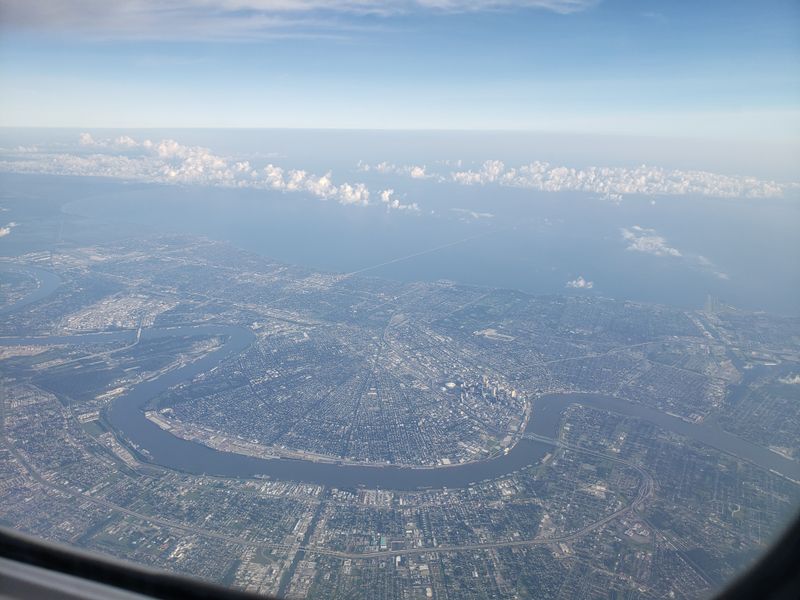
Online forums and local groups overflow with first person accounts of white knuckles and shaky breaths. People describe feeling like they drove into the void or straight through clouds.
Reading those stories can either validate your nerves or prime them.
Balance that with practical advice from seasoned commuters. They suggest early morning crossings, calm playlists, and focusing on steady spacing.
You will find empathy and guidance side by side if you scroll thoughtfully.
Share your own experience after you make it across. Telling the story turns fear into knowledge others can use.
The community around this bridge is as real as the concrete, and it listens.
Fear Fades for Some Over Time
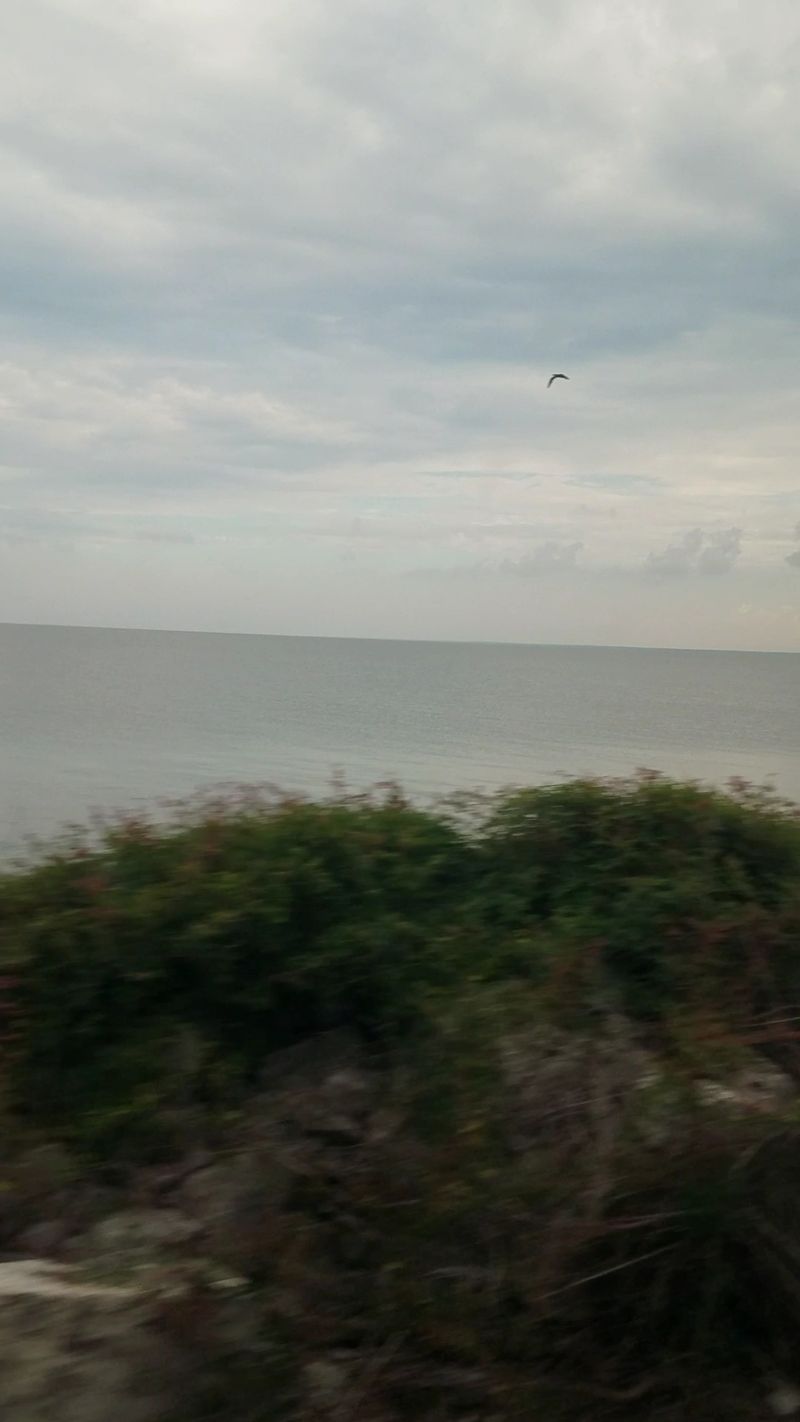
What begins as a heart pounding trial often becomes routine with repetition. Locals talk about childhood memories of feeling like the bridge led to the end of the world.
Years later, it is just the path to work, school, and dinner.
Familiarity shrinks the unknowns. You learn how the wind pushes, where the mile markers sit, and how traffic breathes each hour.
Confidence builds one uneventful crossing at a time until panic loses its grip.
If this is your first trip, borrow that perspective. Picture your future self cruising across while thinking about groceries.
The bridge does not change, but your relationship with it absolutely can.
Lake Pontchartrain Cswy Location and Essentials
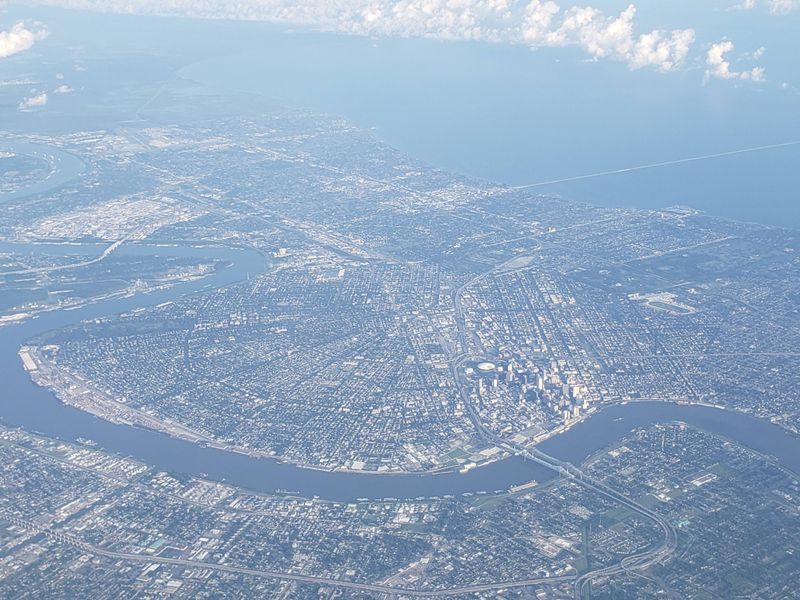
The Lake Pontchartrain Causeway runs across southeastern Louisiana, officially noted as Lake Pontchartrain Cswy. Its coordinates sit near 30.1927998, -90.124117, anchoring a precise place on the map with outsize psychological impact.
Two parallel spans serve traffic in both directions all year.
Think of it as a steady bridge between cultures and daily routines. Southshore energy meets Northshore charm in a half hour exchange.
The description fits neatly: a causeway linking New Orleans to Mandeville over a vast brackish lake.
If you need a quick mental checklist, remember this trio: record length, landless stretch, and strong policing. Those elements define the experience as much as the concrete and guardrails.
With that in mind, you are ready to take the drive.
Share this story