Food is a love language, but some tourist favorites speak with the wrong accent. You might think you are honoring a cuisine, yet locals often see something fake, loud, or stripped of context.
This list calls out globally popular dishes that miss the mark and quietly annoy the people they claim to represent. Read on, and you will avoid cringe, earn respect, and eat far better along the way.
1. Sweet-and-Sour Chicken (China)
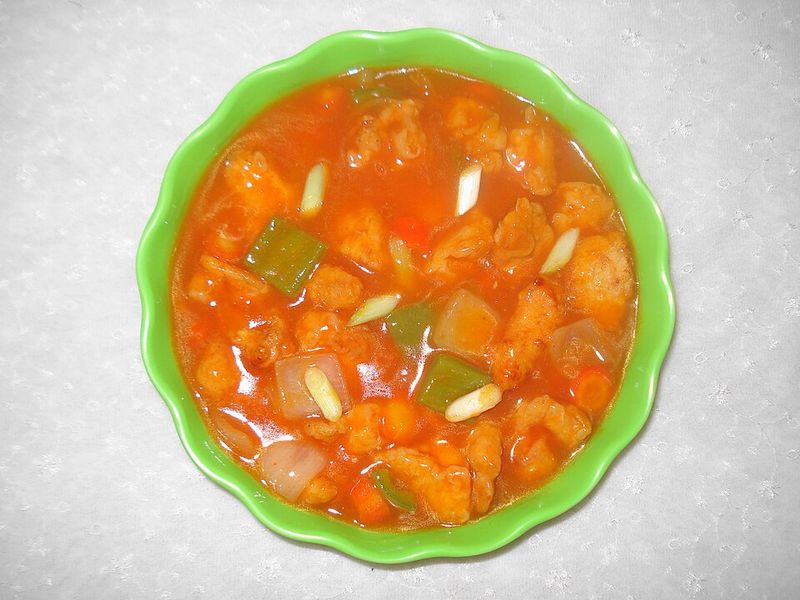
Sweet-and-sour chicken reads like a postcard stamped with syrup. In many parts of China, the dish appears mostly in tourist corridors or not at all, overshadowed by nuanced regional cooking.
Locals often see it as dessert posing as dinner, drowning texture and aroma under neon sauce.
Crave contrast instead. Seek Shaoxing notes, wok hei, vinegar with backbone, and crisp vegetables that are not candy.
You will learn that balance matters more than sticky sweetness.
2. General Tso’s Chicken (China)
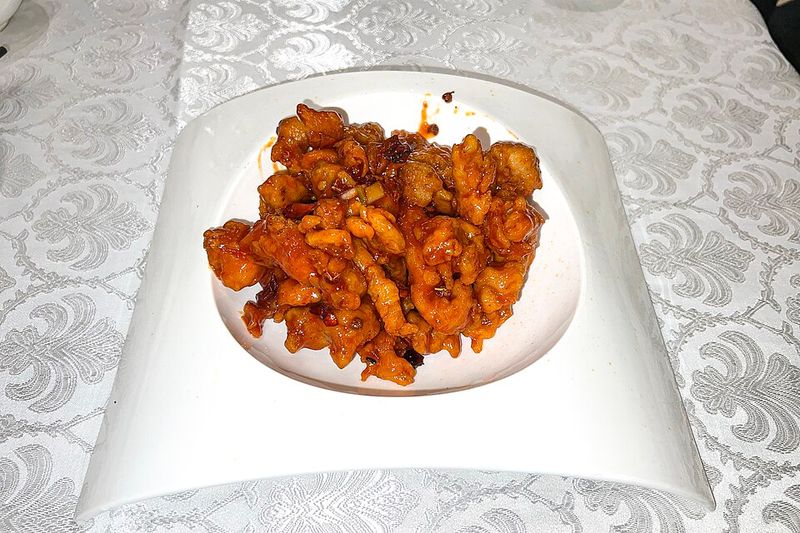
General Tso’s chicken is a celebrity abroad with no hometown to visit. In China, many diners do not recognize it beyond food TV or expat menus.
Thick breading, syrupy glaze, and broccoli sidekicks reflect American cravings, not regional Chinese technique.
If you want Hunan fire, look for real chilies, sour notes, and clean heat that does not hide under sugar. Ask for local staples, not legends invented across the ocean.
Your palate will thank you.
3. Taco Bell-Style Tacos (Mexico)
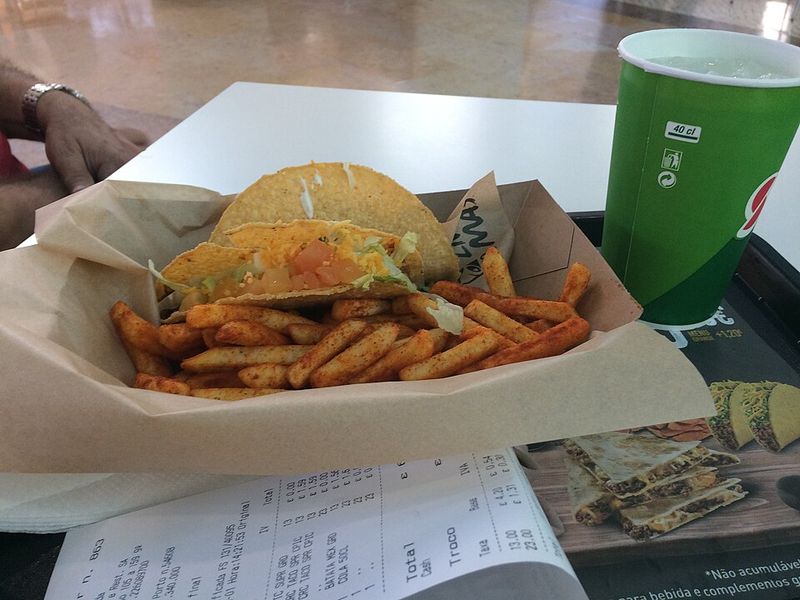
Crunchy shells and orange cheese say drive-thru, not mercado. In Mexico, tacos arrive on soft corn tortillas with grilled meats, cilantro, onion, and bright salsas.
Sour cream and shredded cheddar overshadow the natural fat, smoke, and acidity that make tacos sing.
Stand at a street cart, watch the trompo turn, and taste salsa fresca with restraint. You will learn why two tortillas matter and why lime whispers, not shouts.
Simplicity wins here.
4. California Rolls (Japan)
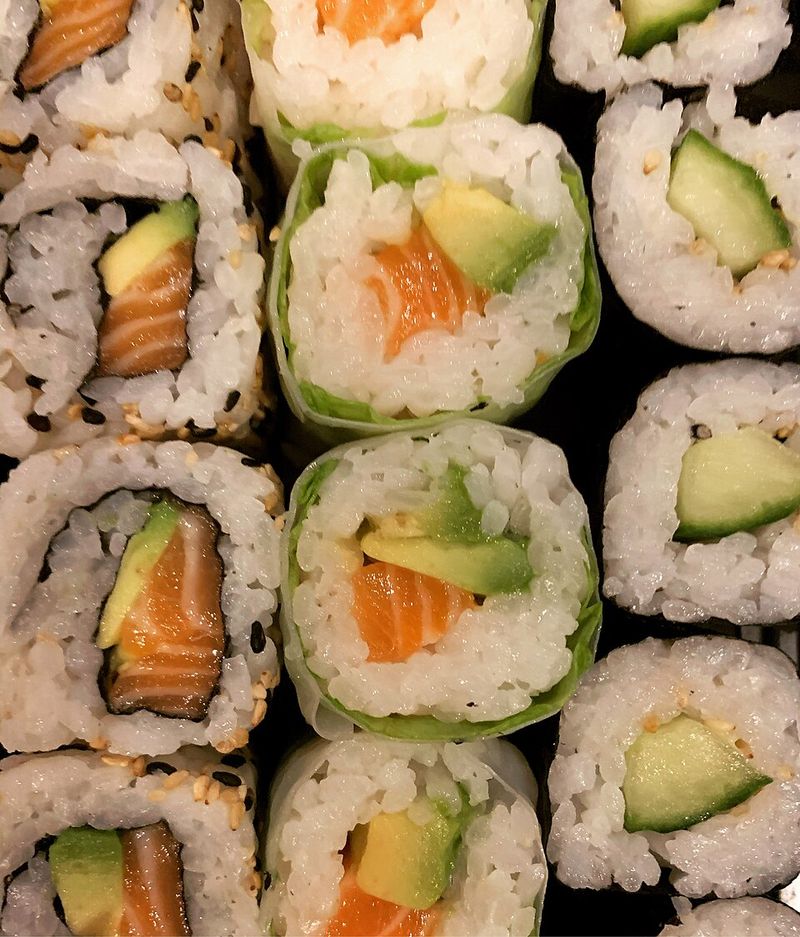
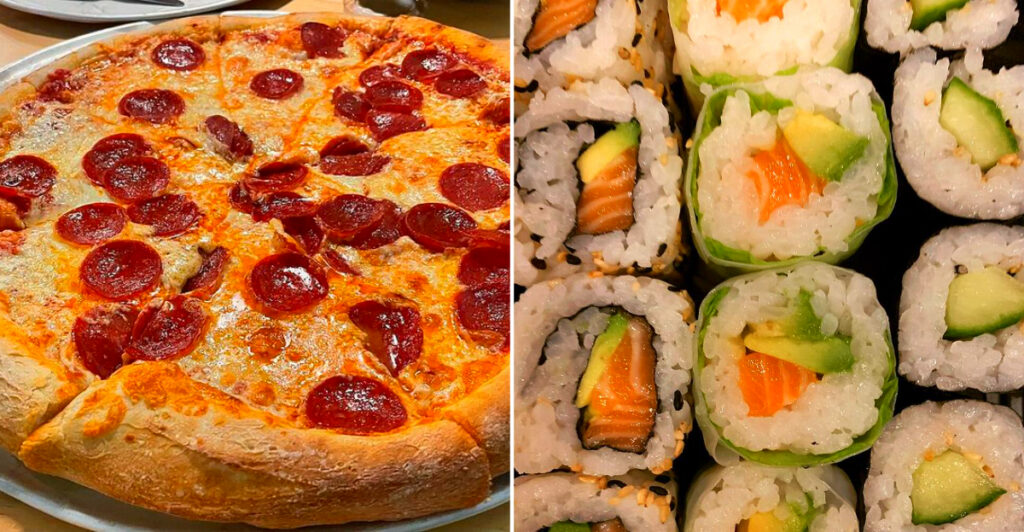
California rolls are comfy training-wheels sushi, not a faithful snapshot of Japanese tradition. In Japan, you will hardly see them in serious sushi bars, and chefs may view them as a detour from rice precision, fish quality, and seasonality.
Avocado and imitation crab skew expectations before you ever try proper nigiri.
Order with curiosity, not confidence. Respect chefs by trying simpler cuts, pristine rice, and seasonal fish.
You will taste balance, restraint, and craft that a mayonnaise-laced roll cannot show.
5. Green Beer on St. Patrick’s Day (Ireland)

Green beer photographs better than it tastes, and many in Ireland see it as kitsch. Dye does not add craic, it adds confusion about a pub culture built on conversation and craft.
You are better off ordering stout or a well-poured ale without carnival colors.
Toast with respect. Ask about local breweries, seasonal pours, and why the head matters.
You will leave with stories instead of green tongues.
6. Pepperoni Pizza in Italy
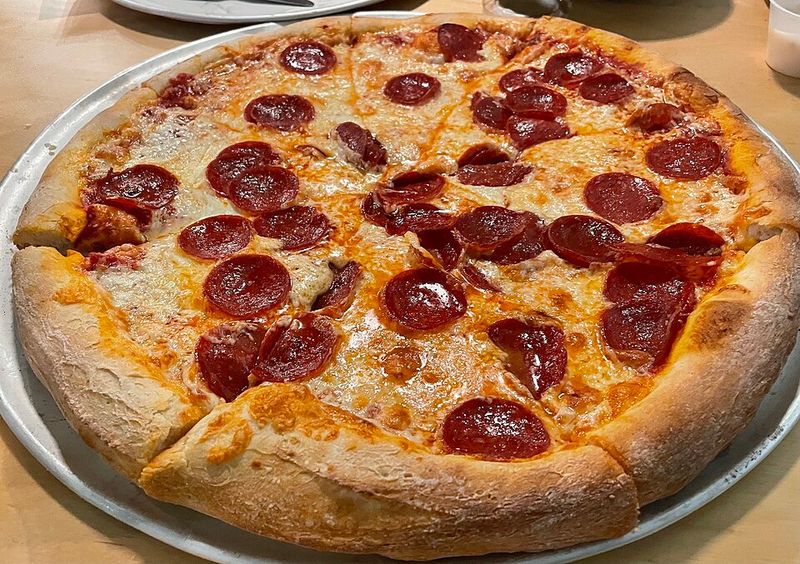
Order pepperoni in Italy and you might get peperoni, meaning bell peppers. The American pie stacked with spicy slices, heavy cheese, and oil feels like a costume to many Italian pizzaioli.
They prize balance: restrained toppings, blistered crust, and bright tomato.
Try a margherita, diavola, or marinara before chasing nostalgia from home. Let the dough speak, the mozzarella breathe, and the basil finish the sentence.
You will taste clarity instead of volume.
7. Fortune Cookies (China)
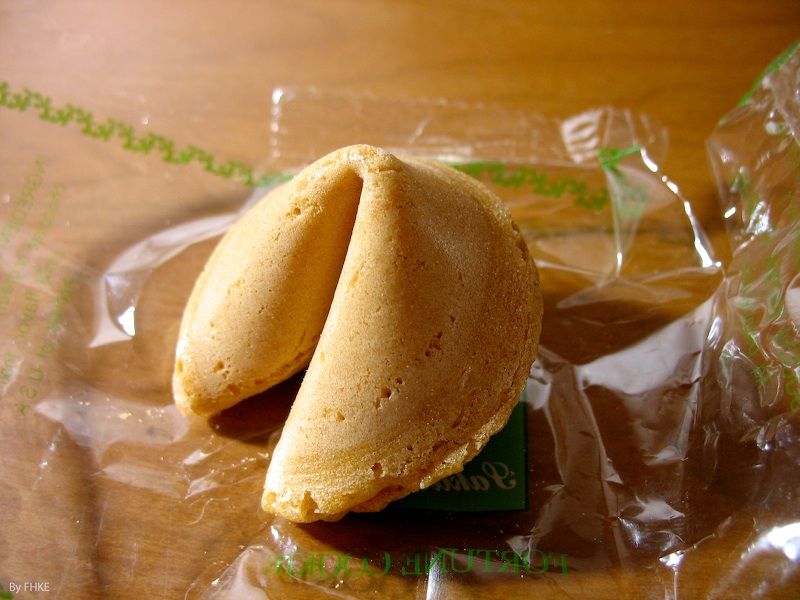
Handing out fortune cookies after Chinese meals feels normal abroad, but it confuses many in China. The cookies are Chinese American, with possible roots traced to Japanese senbei and California history.
They are charming novelties, just not cultural anchors.
When traveling, skip the slip and end dinner with fruit, tea, or regional sweets. Ask servers about local desserts and seasonal specialties.
You will trade clichés for context.
8. Pad Thai with Ketchup (Thailand)
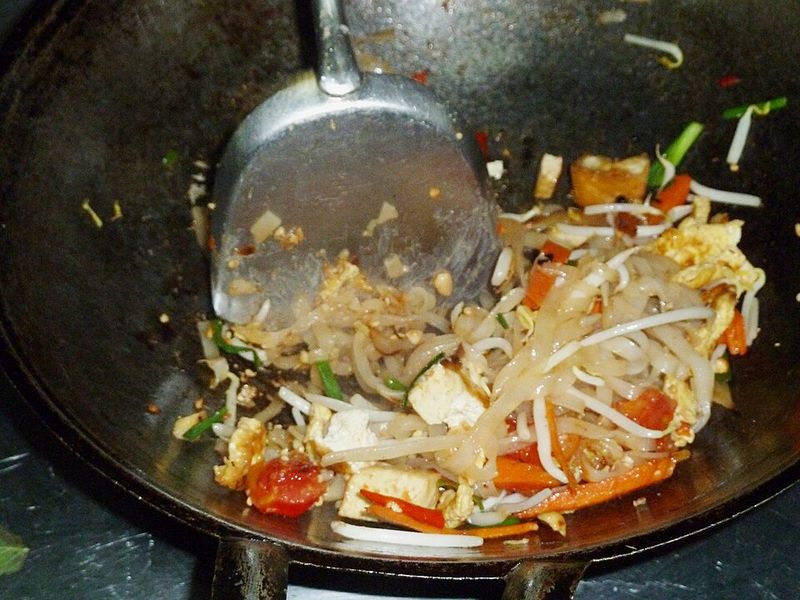
Ketchup turns pad thai into sticky spaghetti with peanuts. In Thailand, cooks balance tamarind sour, palm sugar sweetness, fish sauce salt, and chili heat with breath-of-wok smokiness.
Squeezing a bottle short-circuits that harmony and insults the craft.
Ask for tamarind-forward versions, lime on the side, and crushed peanuts as texture, not glue. You will taste noodles with bounce, not sludge.
Respect the balance and the dish sings.
9. Spaghetti with Meatballs (Italy)
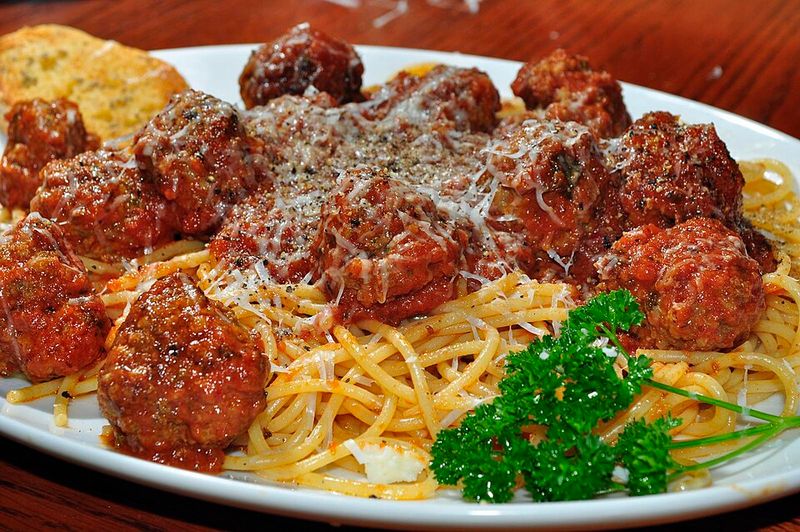
Spaghetti and meatballs is Italian American comfort, not an Italian trattoria standard. In Italy, polpette often appear separately, and pasta sauces coat rather than drown.
Oversized meatballs and buckets of marinara read like a heavy-handed remix.
Try tagliatelle al ragu, cacio e pepe, or pasta al pomodoro for restraint and texture. Let the sauce kiss, not smother.
You will discover why al dente matters so much.
10. Sushi with Cream Cheese (Japan)
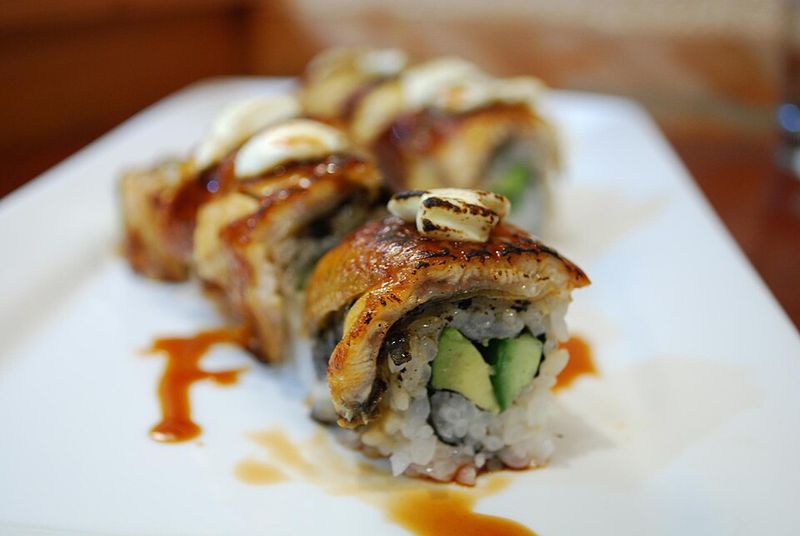
Cream cheese turns rice and fish into a bagel cosplay, which many Japanese sushi chefs find puzzling. Traditional sushi focuses on temperature, knife work, and rice seasoning that would be smothered by dairy richness.
It is not about banning creativity, just protecting balance.
Order nigiri, maki with seasonal fish, or chirashi that showcases texture, umami, and restraint. Save cream cheese for brunch.
Your palate will notice the quiet details.
11. Curry Overload in India
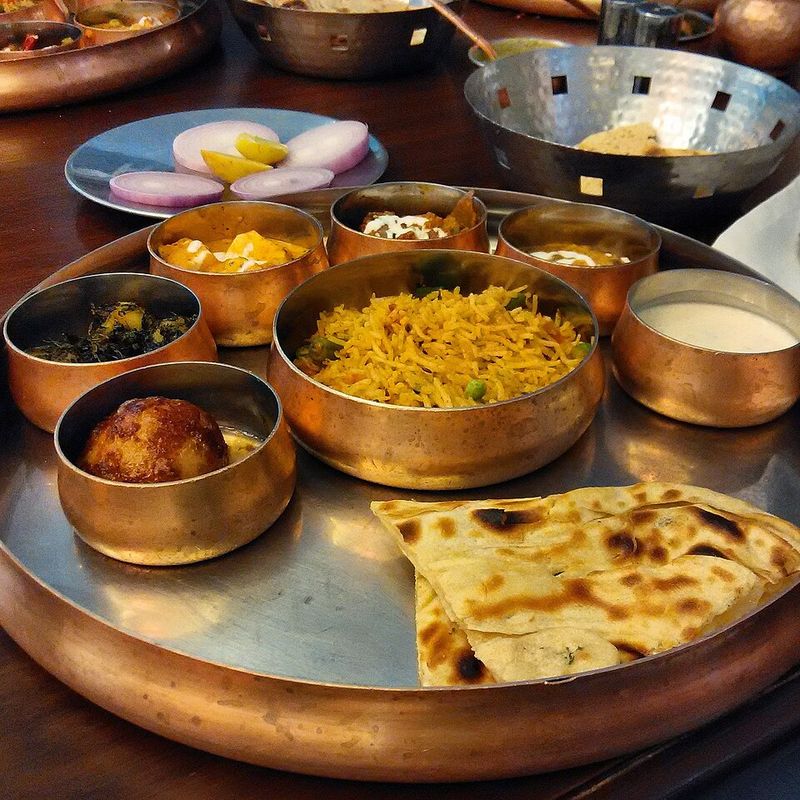
Calling every Indian dish curry flattens a continent of flavors. In homes and dhabas, you will hear names like korma, saag, chettinad, and vindaloo, each with technique and terroir.
The catch-all term makes locals wince because it erases specificity.
Ask what the dish is actually called, how the masala is built, and where it comes from. You will taste stories, not stereotypes.
Language shapes appetite and respect.
12. Vegemite on Everything (Australia)
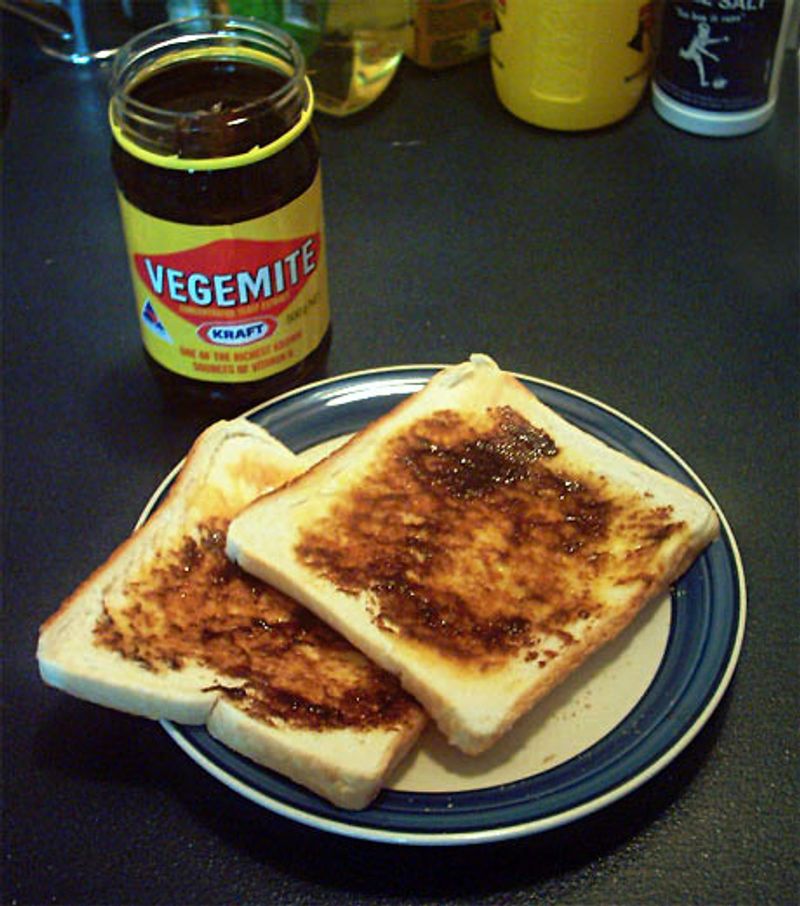
Vegemite is not frosting. Australians spread it thin over well-buttered toast for a savory, salty nudge.
Tourists who shovel on thick layers meet bitterness and a chorus of local cringes.
Start modestly, let butter be your buffer, and pair with a hot cuppa. The point is balance and umami, not bravado.
Treat it like seasoning, and it becomes addictive.
13. French Fries on Pizza (France/Italy)
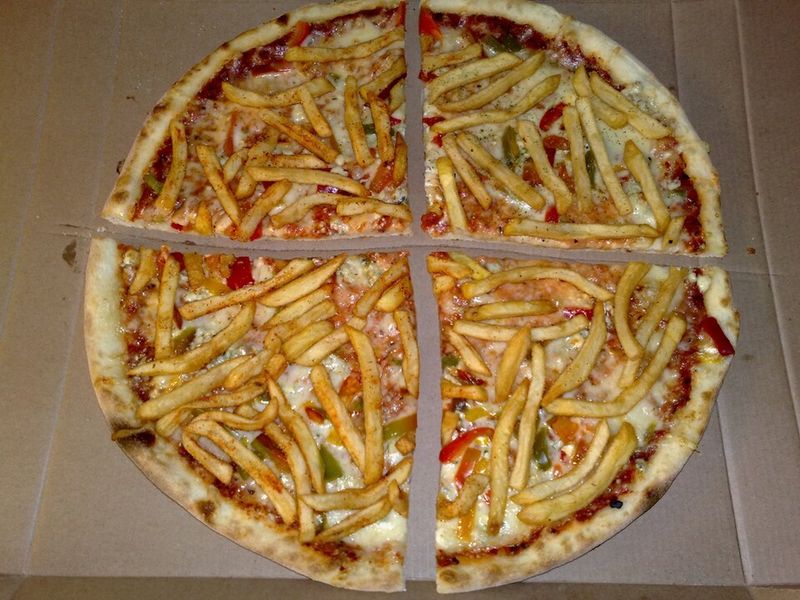
French fries on pizza is a carb-on-carb stunt most locals roll their eyes at. It buries good dough, muddles textures, and tastes like a dare.
In Italy and France, cooks value clarity: crisp crust, clean toppings, and distinct flavors.
Order seasonal vegetables, quality anchovies, or spicy salumi instead. Let the oven’s heat do the talking.
You will respect the craft and actually taste the grain.
14. Butter Chicken as “All of Indian Cuisine” (India)
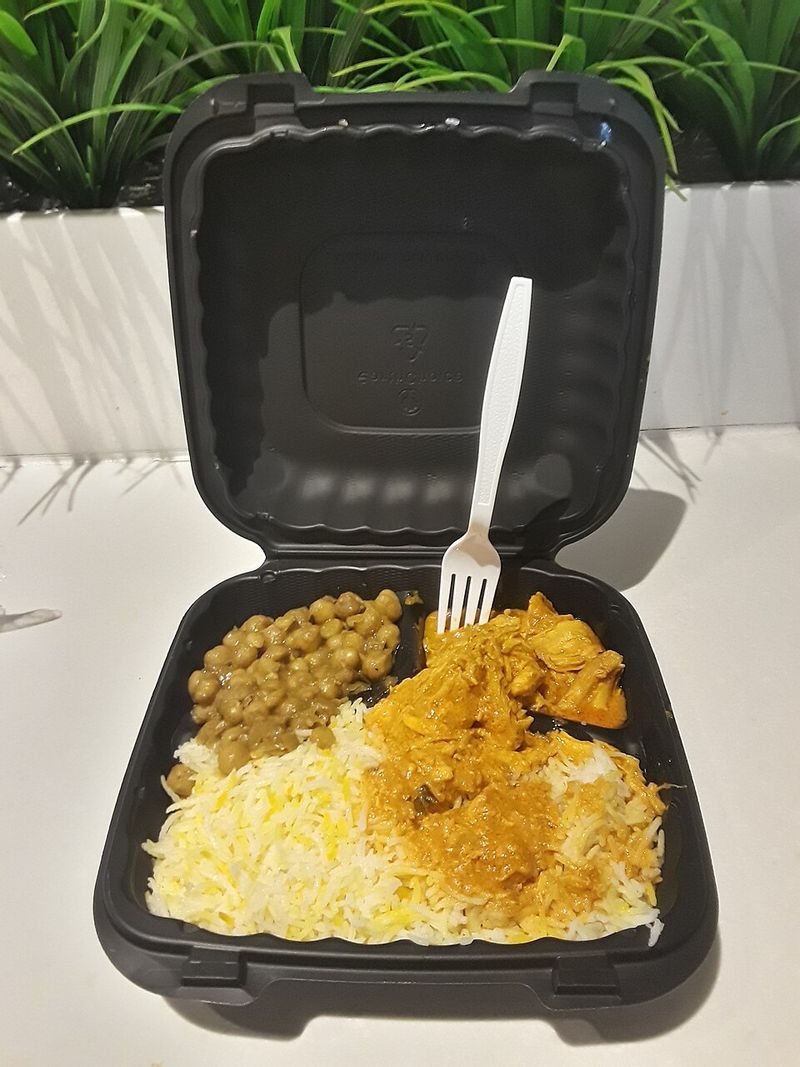
Butter chicken is delicious, but it is not India in a bowl. When tourists stop there, locals see a narrow, often colonial-tinged narrative overshadowing thousands of regional dishes.
Rich tomato gravy becomes a default filter for complex cuisines.
Push beyond. Try Assamese curries, Keralan seafood, Gujarati thalis, and Kashmiri haak.
You will meet new spices, textures, and histories that butter cannot cover.
15. “Belgian Waffles” with Ice Cream and Syrup (Belgium)
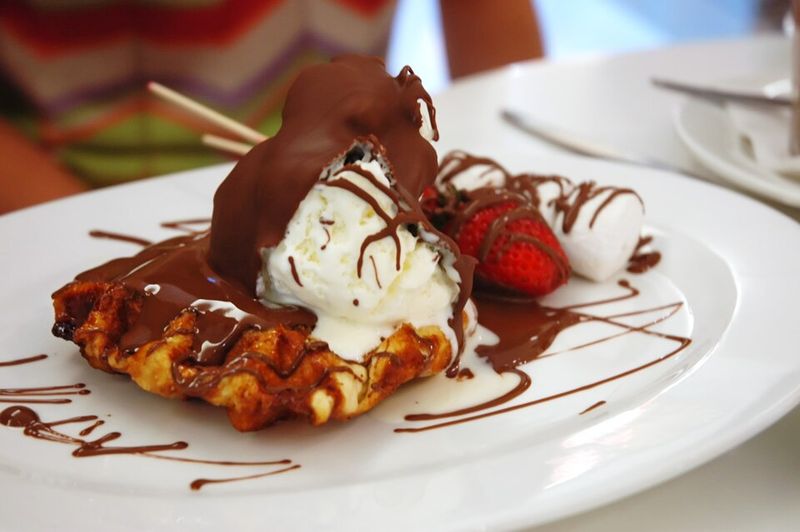
Belgian waffles do not need a candy avalanche. Locals often prefer Liege waffles with caramelized sugar or Brussels waffles lightly dusted, not buried under ice cream, syrup, and sprinkles.
The batter and texture deserve the spotlight.
Order one hot, plain, and listen for the crunch. Add a small topping if you must, not a mountain.
You will finally taste the dough’s perfume.
16. Overstuffed Croissants (France)

A great croissant is air, butter, and shatter. Stuffing it until seams burst turns lamination into sogginess.
Many French purists see overfilled versions as bakery cosplay for viral photos.
Buy one warm, eat it plain, and let flakes fall where they may. If you want a sandwich, choose a proper baguette.
Respect the craft, and breakfast feels lighter and brighter.
17. Sangria in a Plastic Bucket (Spain)
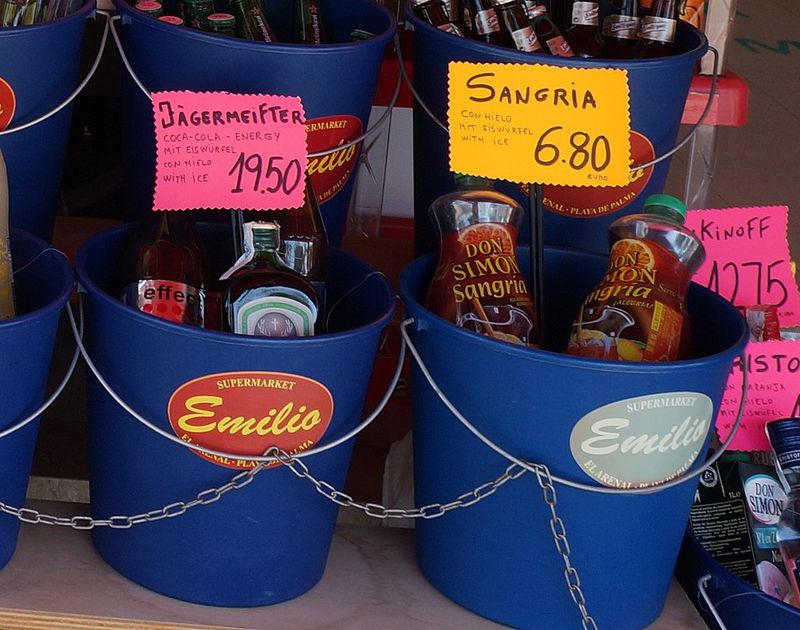
Bucket sangria is a sugar bomb that drowns wine and tradition. Spaniards tend to make it with decent wine, measured sweetness, fresh fruit, and ice restraint.
The goal is refreshment, not a hangover shortcut.
Ask about tinto de verano or a house sangria with seasonal fruit. Sip from glasses, not plastic buckets.
You will taste balance and still have fun.
Share this story