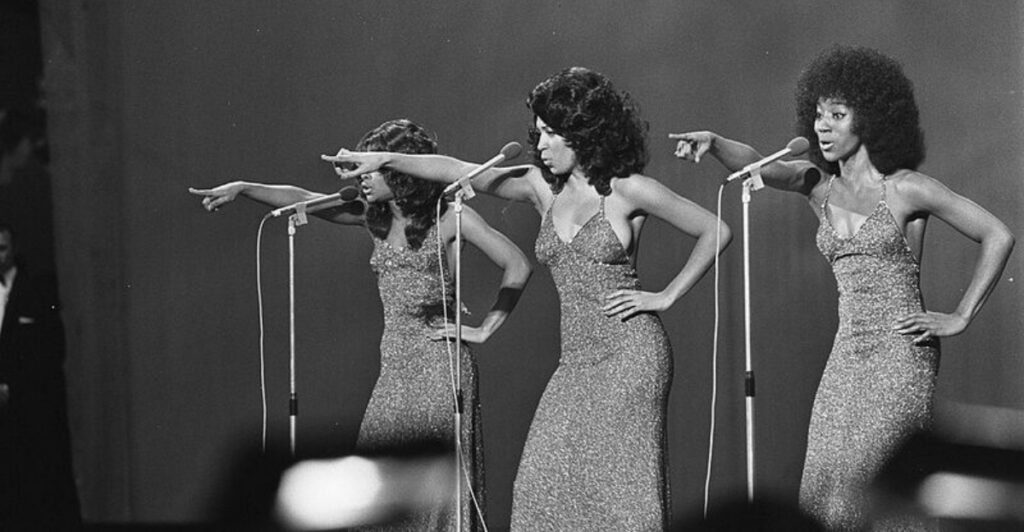
Cue the mirror ball and turn up the harmonies. The 1970s belonged to fearless girl groups who shaped dance floors, radio playlists, and pop culture itself.
From disco anthems to soul deep cuts, these artists blended style, message, and vocal power into unforgettable statements. If you think you know the decade, these 12 trailblazers will make you listen closer and move faster.
The Pointer Sisters — Genre-Blending Pioneers
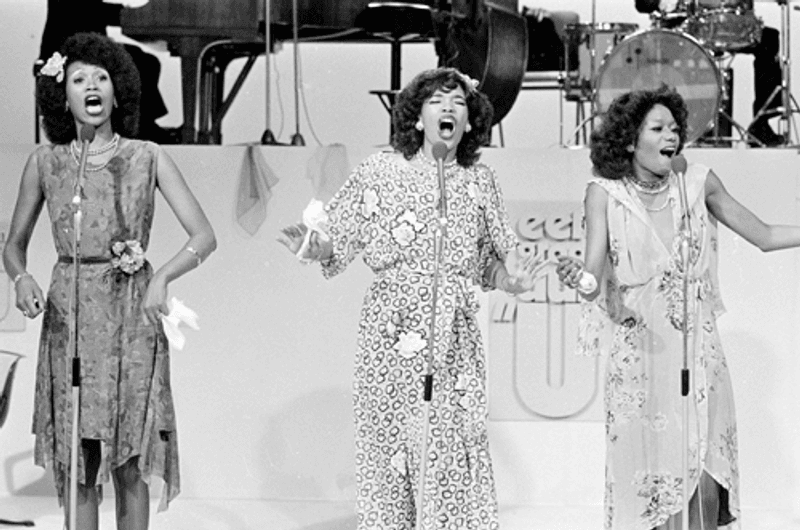
The Pointer Sisters burst from Oakland with fearless curiosity, stitching R&B, jazz, pop, rock, and country into a singular voice. Early 1970s sets felt like master classes in versatility, with intricate harmonies sailing over grooves that welcomed every dancer in the room.
Their confidence showed audiences that women could leap across genre borders without losing identity or bite.
Hits like Yes We Can Can and How Long stood beside torchy moments and country turnarounds, revealing technique honed by church roots and club rigor. You can hear the blueprint for later cross-genre vocal groups in their sharp dynamic shifts and tight call-and-response.
Producers took notice as their arrangements stretched, but the Sisters always sounded in charge.
As disco crested, they leaned into jubilant choruses and brass-rich textures, yet kept a grounded soulfulness that felt real and reachable. Their success helped mainstream pop acknowledge Black women as multiform innovators rather than fixed labels.
If you have danced to their joyous refrains, you have felt that invitation to move between worlds. The legacy is range, delivered with style and purpose.
Sister Sledge — Disco Family Icons
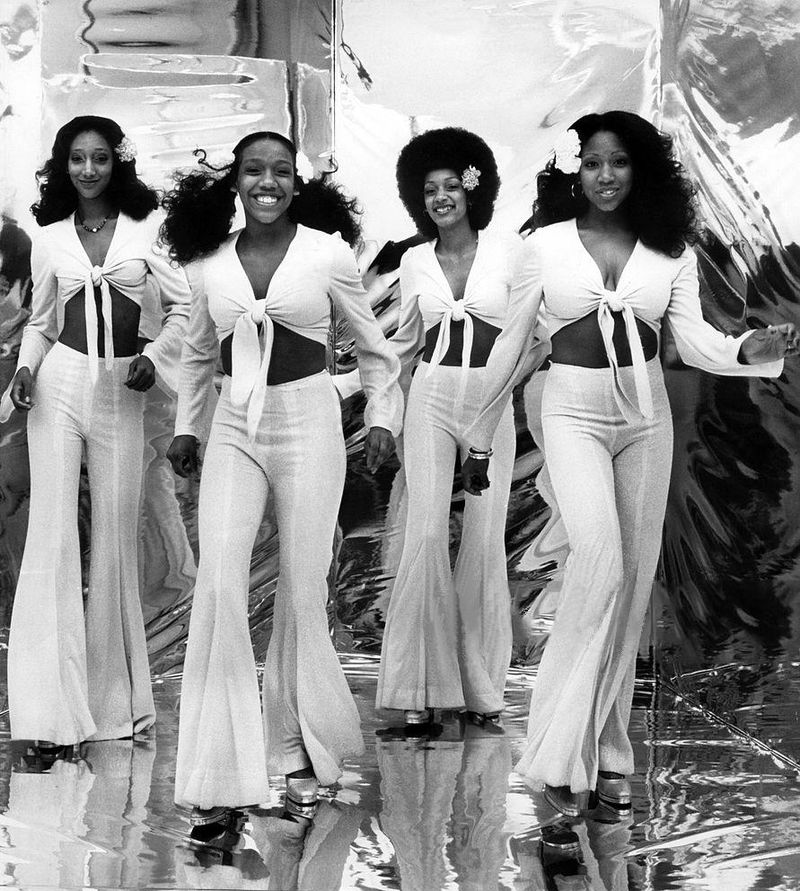
Sister Sledge turned family chemistry into a global dance floor bond, translating sisterhood into hooks you still hum. Their tight harmonies wrapped around steady basslines and handclaps, shaping a sound that felt like confidence in motion.
We Are Family became more than a hit, it was a declaration that clubs could be communities.
Formed in 1971, the group balanced polish and warmth, switching easily from shimmering disco to heartfelt soul. You can feel the groove architecture from Chic collaborators, yet the Sledge voices deliver the heart.
Whether blasting from boomboxes or spinning at roller rinks, their records invited everyone to step closer together.
Across the decade, they proved that positivity can be radical when paired with control and craft. Radio programmers embraced their crossover appeal, and dancers responded with instant joy.
If you have ever counted friends on the dance floor, you know the chorus by heart. Their legacy rests on the idea that unity and groove are inseparable, and that women could lead the charge with grace.
The Emotions — R&B and Disco Soul Queens
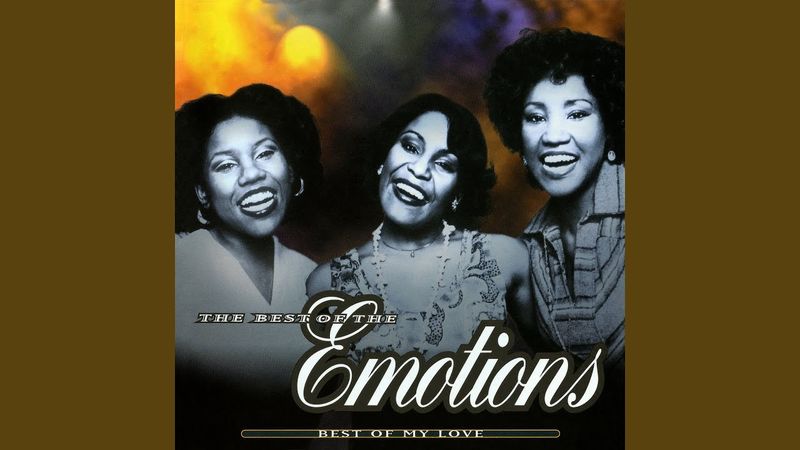
The Emotions brought gospel-rooted lift to secular dance floors, making joy a technical skill and a spiritual experience. Their harmonies rose like sunlight, precise yet overflowing, guiding listeners from quiet verses to jubilant choruses.
Best of My Love crowned their ascent, a record that still feels like summer when the first hi-hat hits.
Chicago discipline met Memphis warmth in their phrasing, giving each line a melodic curve that felt inevitable. You can trace their influence across R&B and pop acts that prize blend and buoyancy.
Onstage, their poise matched their power, reminding audiences that elegance can drive a groove as hard as grit.
Critics heard sophistication, but fans heard permission to smile, sway, and sing along. Their chart success and Grammy attention affirmed that women could dominate both ballads and uptempo hits without compromise.
If you have ever needed a chorus to lift your mood, their catalog remains a first choice. The Emotions turned harmony into momentum, and momentum into lasting memory.
Labelle — Lady Marmalade Vanguard
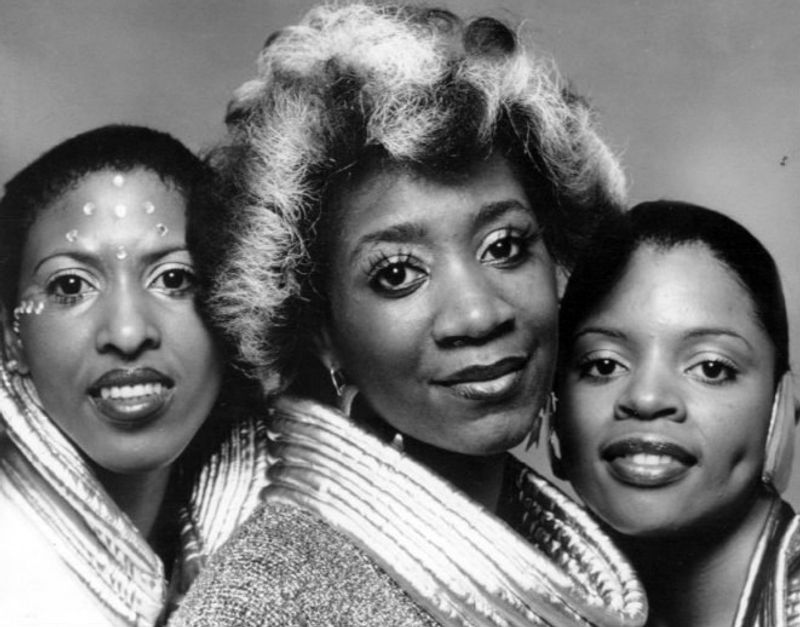
Labelle made audacity feel like truth, splicing soul, rock, funk, and theatrical glam into explosive performances. Patti LaBelle’s lead could pierce a roof, while Nona Hendryx and Sarah Dash framed the storm with electric harmonies.
Lady Marmalade crowned their vision, a swaggering narrative set over strutting rhythms you can feel in your bones.
They challenged boundaries around image and sound, trading matching gowns for space-age couture and fierce autonomy. You could hear risk in the arrangements, guitars sparking against synths and brass.
The result was not just crossover, it was conquest, claiming stages that once boxed women into narrow lanes.
Labelle’s influence stretches from rock arenas to modern pop provocateurs who mix fashion with fire. If you ever wanted permission to be larger than life, they wrote the pass.
Their catalog shows how spectacle and substance can live together without apology. The message still lands clearly: sing it bold, dress it brighter, mean every word.
High Inergy — Motown Dance Floor Divas
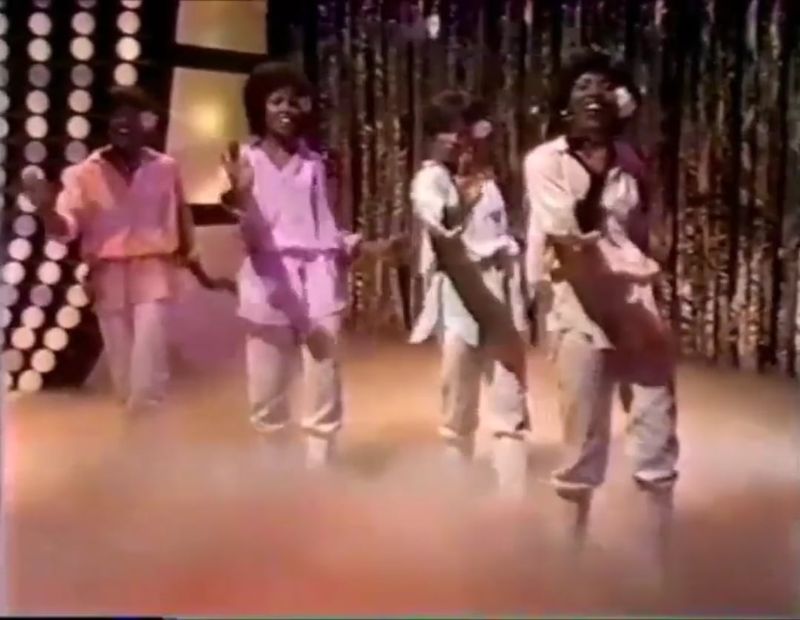
High Inergy arrived as disco hit critical mass, and they met the moment with sleek hooks and confident blends. Signed to Motown in 1977, they carried the label’s polish into clubs hungry for fresh voices.
You Can’t Turn Me Off gave them a signature, a smooth burner that slides into late night rotations.
Their vocals sit cool over glossy arrangements, proof that restraint can still make bodies move. You hear Motown discipline in the phrasing and stacked refrains, each line placed with care.
They felt like the bridge from classic soul formalism to modern dance pop clarity.
Even as trends shifted, their singles kept a devoted audience swaying. DJs knew these records warmed a room, making space for bigger crescendos later.
If you love a subtle groove that sneaks up on you, start here. High Inergy showed that precision and charm could still light up the floor.
The Supremes — Motown Legends (1970s Era)
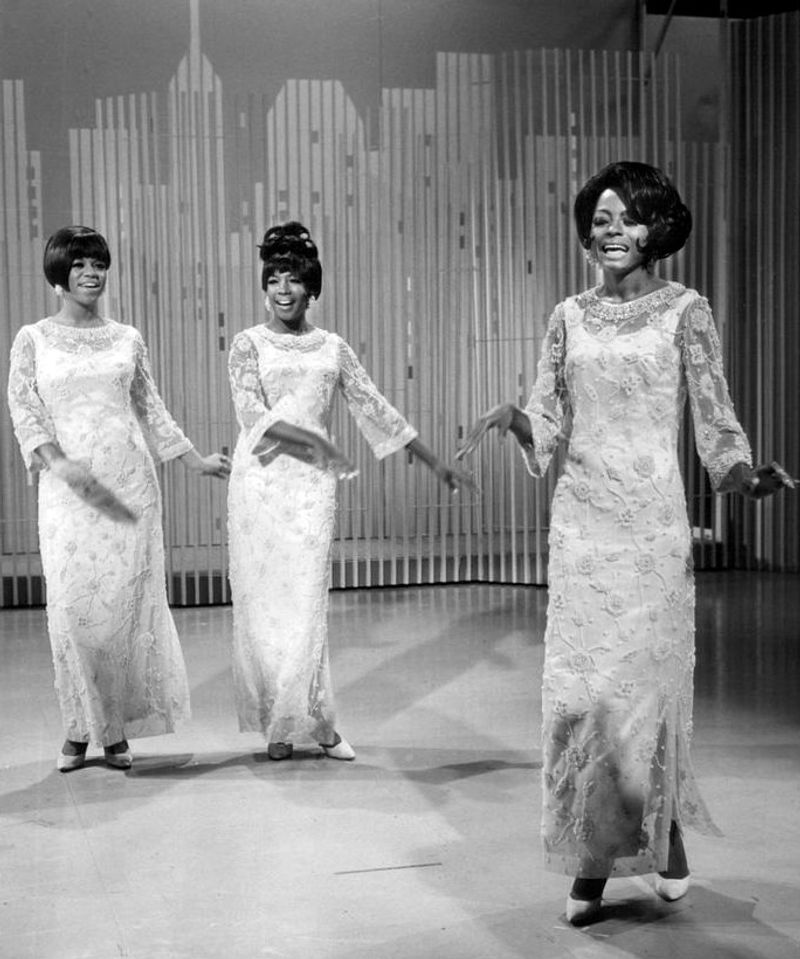
The Supremes entered the 70s as standard-bearers, carrying Motown’s legacy into a landscape tilting toward funk and disco. Lineups evolved after Diana Ross, yet the brand of immaculate harmony and stagecraft endured.
Audiences still expected precision, glamour, and hooks that sounded effortless even when meticulously arranged.
Albums and singles from the early decade trace the pivot from polished pop toward richer grooves. You can hear the label’s orchestral signatures rubbing against bolder rhythms, a careful negotiation of eras.
The Supremes met that challenge with professionalism that set bars for every girl group following.
While newer acts claimed the club frontier, The Supremes safeguarded the template, proving longevity could coexist with reinvention. Their presence kept the door open for women-led ensembles on television, in theaters, and across international circuits.
If you value craft that respects its own history, this is the model. The 70s chapter reinforced their legend rather than closed it.
The Three Degrees — Funky Soul Ambassadors
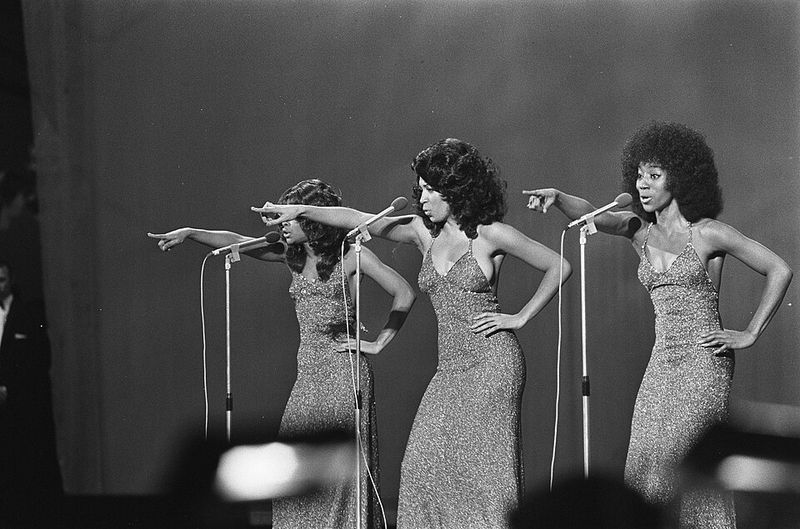
The Three Degrees brought refined glamour to the decade’s crossover ambitions, turning soul harmonies into global passports. When Will I See You Again floated atop gentle rhythms, a wistful anthem that traveled easily across borders.
Their image was elegant, but the emotional core felt direct and immediate.
Behind the satin sheen stood disciplined phrasing and balanced blend, the kind that carries ballads and midtempo grooves. European audiences embraced them, and American airwaves followed, sensing a universal tenderness.
You can hear disco’s approach in later cuts, yet the heart stays center stage.
They offered proof that sophistication could sell without blunting feeling. Television specials, royal performances, and chart placements expanded the path for other female trios.
If you want a gateway into 70s cosmopolitan soul, start with their signature singles. The Three Degrees made longing sound luxurious, and luxury feel human.
Boney M. — Euro-Caribbean Disco Ensemble
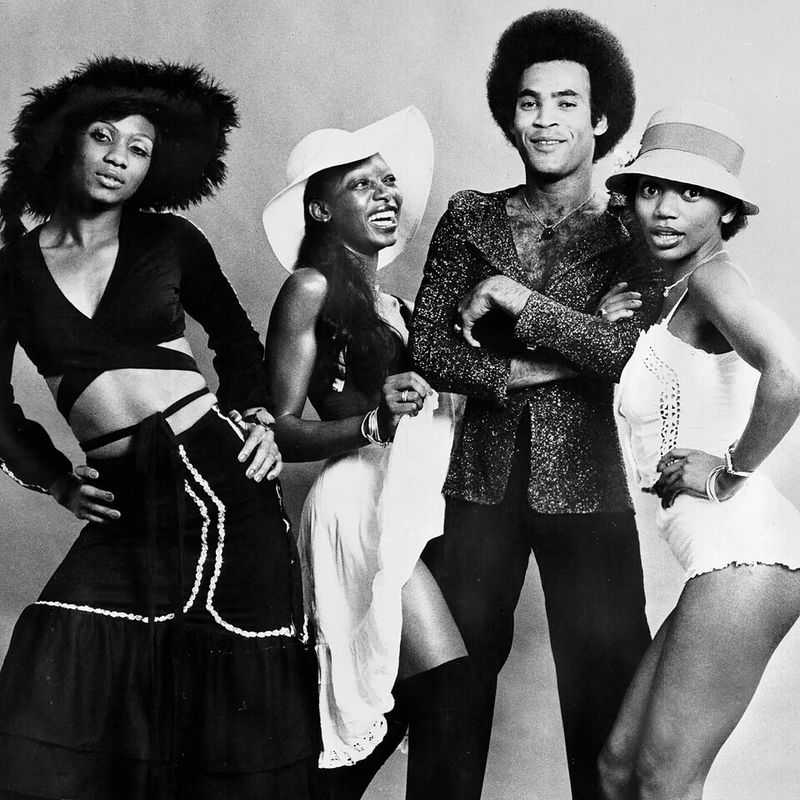
Boney M. blended Euro-disco production with Caribbean flavors, crafting choruses that stuck like summertime. While mixed-gender, the prominent female vocal identity helped define a girl-group adjacent footprint in the late 70s.
Rasputin and Daddy Cool filled dance floors from Berlin to Brooklyn, a testament to irresistible rhythm math.
Studio mastermind Frank Farian built glossy frameworks, but the singers gave the tracks warmth and personality. You can hear calypso hints and gospel lift inside those relentless four-on-the-floor patterns.
The combination made their catalog perfect for radio, parties, and televised spectacles alike.
They widened the 70s map, proving global disco could feel local everywhere. If you grew up anywhere near a mirror ball, you probably know at least one chant by heart.
Boney M. showed that cross-cultural fusion could be joyous rather than forced. The result remains a passport to instant movement and big smiles.
Brown Sugar — Reggae-Inflected Voices
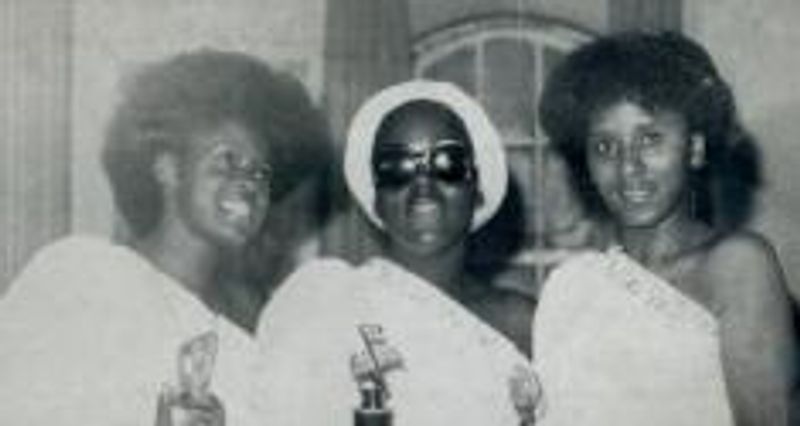
Brown Sugar gave the 70s a lovers rock heartbeat, proof that girl group excellence thrived beyond American R&B. Centered in London, they crafted tender reggae that floated rather than pushed, wrapping harmonies around basslines that felt like breath.
Each song sounded like a diary entry whispered over dub-kissed guitar.
Their presence on British reggae charts expanded what a girl group could claim. You can hear softness deployed as strength, turning vulnerability into composure.
The tempo invites swaying more than spinning, but the emotional torque is undeniable and lasting.
Though their run was brief, the afterglow still colors UK soul-reggae scenes. DJs cite their records as introductions to a gentler, deeply felt dance.
If you crave intimacy inside groove, Brown Sugar delivers it with care. They proved the 70s panorama included quiet revolutions, sung in harmonies that linger.
Share this story