Tucked between Montana and Wyoming, the Pryor Mountain Wild Horse Range feels like a secret kept by the wind. You come for the mustangs and leave with memories of skies so wide they seem endless.
If you have ever wanted to see wild horses truly free, this is your sign to go. Here is everything you should know before you plan your own unforgettable visit.
Origins and Designation in 1968
The Pryor Mountain Wild Horse Range became the first nationally designated home for free-roaming wild horses in 1968. That decision protected a living link to America’s past and safeguarded critical habitat.
You can feel that legacy the moment hooves drum across the ridgeline.
Standing here, you are watching history continue in real time. The range honors a commitment to heritage, science, and public lands.
It invites you to witness wildness without filters, where policy meets the heartbeat of mustangs and the hush of wind.
Where It Is and How To Picture It
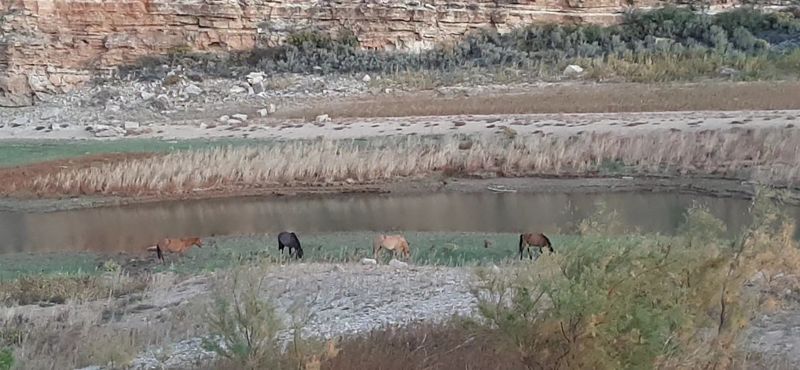
Set about 50 miles south of Billings and 10 miles north of Lovell, the range straddles rugged country above Bighorn Canyon. You feel the pull of cliffs, sage flats, and alpine meadows as the land climbs.
It is a crossroads of sky and stone.
When you drive in, the horizon grows large and personal. The boundary between Montana and Wyoming becomes a suggestion.
What stays constant is motion and light, stirred by bands of mustangs that drift like weather across the slopes.
Herd Size You Can Expect
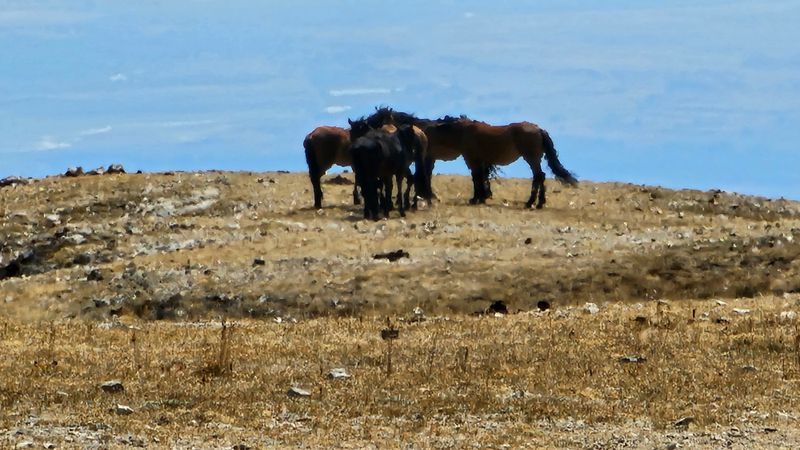
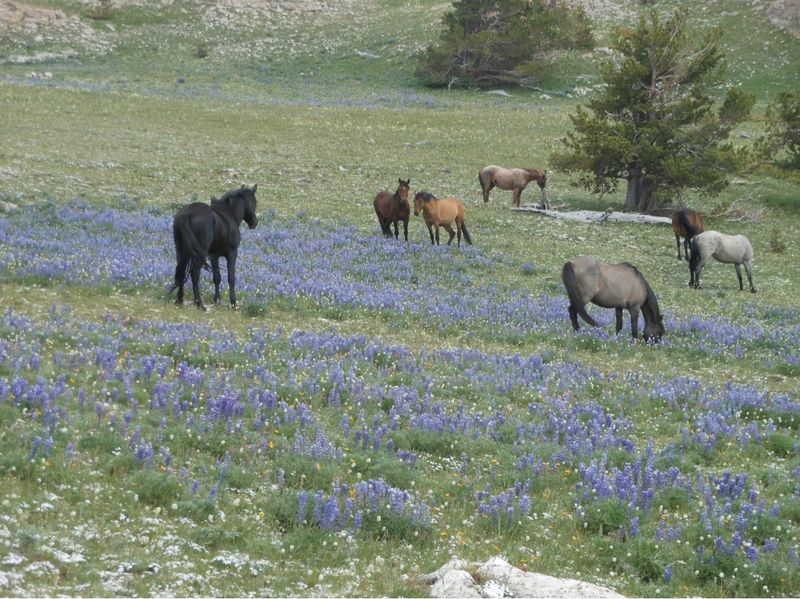
Roughly 120 to 160 mustangs call these mountains home. Herd numbers change with seasons, foal crops, and management actions.
You might see a handful, or you might feel surrounded by moving color.
Do not chase sightings. Instead, slow down and read the land.
Scan draws, benches, and wind-sheltered bowls. You will notice shapes resolving into horses, tails flicking, ears attentive.
Small groups tell big stories, and patience usually pays off.
Spanish Heritage in Their Stripes
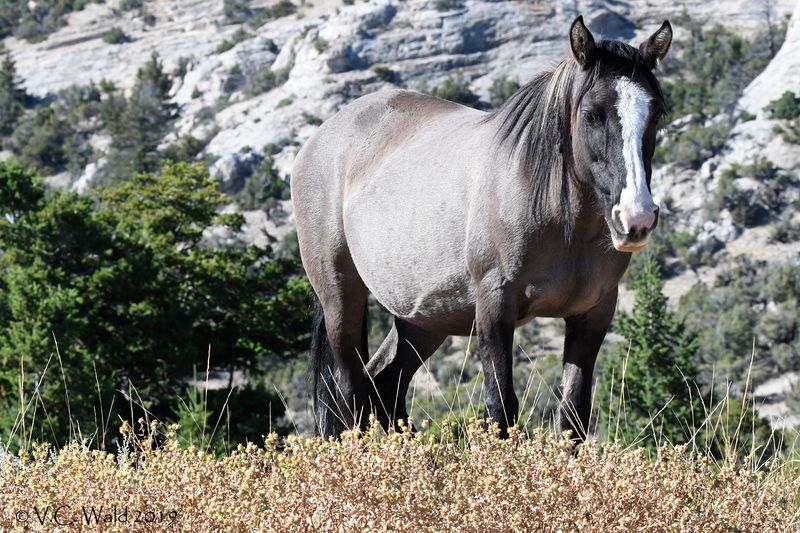
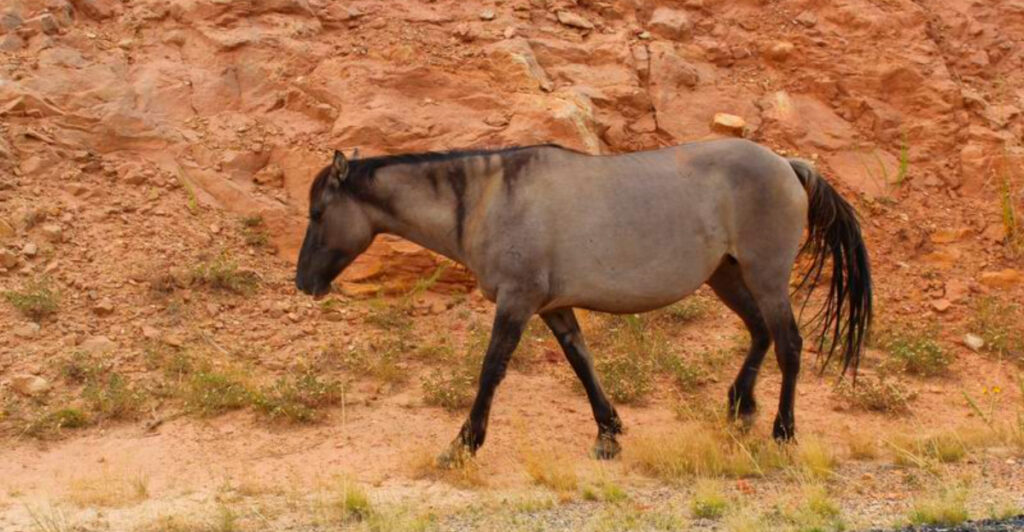
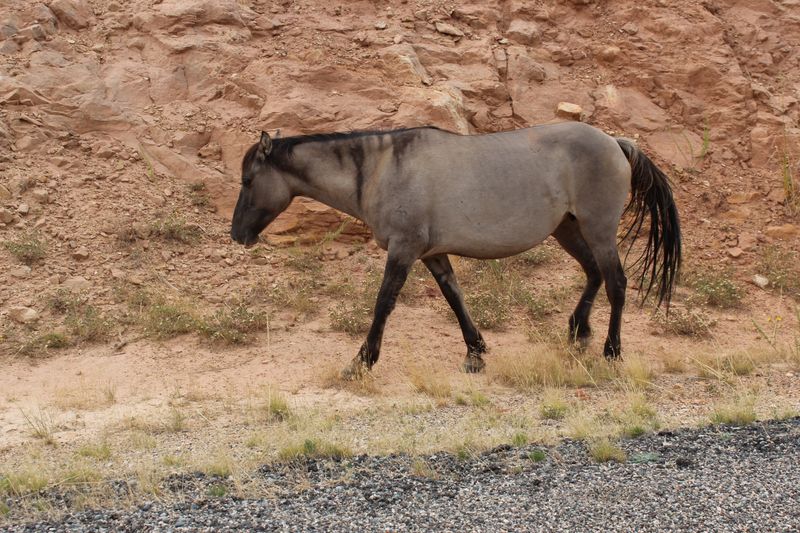
Look for zebra stripes on legs and a dark dorsal stripe down the back. Many Pryor mustangs show traits linked with Spanish ancestry.
Duns, grullos, and bays wear their heritage like a signature.
When sunlight catches those markings, history stands out. You are seeing living genetics shaped by centuries of survival.
It is subtle and stunning, like a whisper from another time carried across the canyon.
Wild Neighbors Beyond the Horses
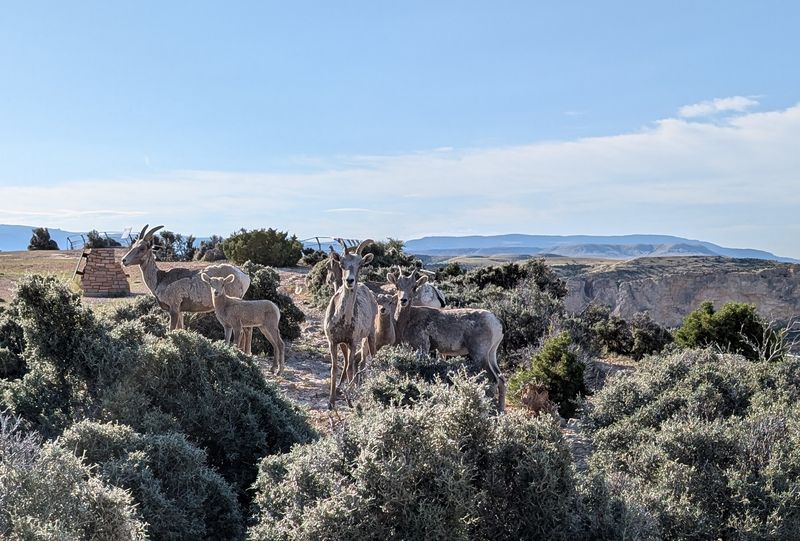
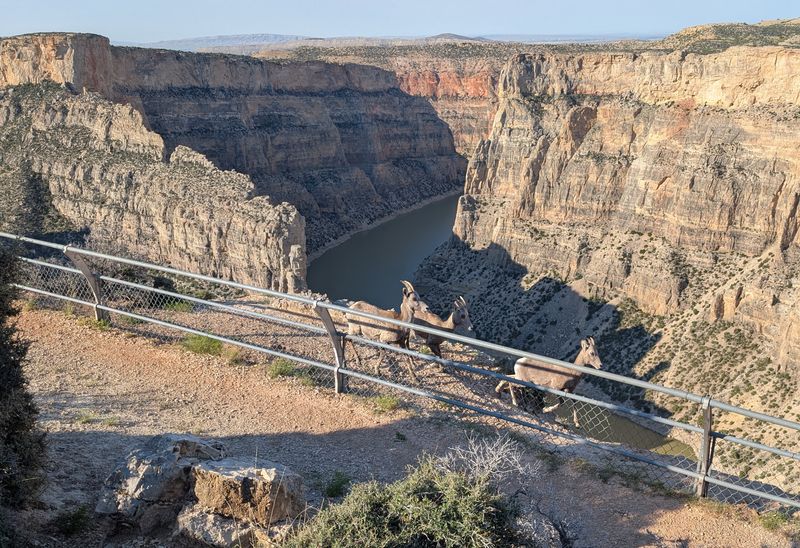
The show is not only horses. Bighorn sheep test cliffs, mule deer ghost through sage, and coyotes trace the edges.
Black bears roam the timbered pockets, especially where berries tempt them.
Keep a respectful distance and store food smartly. The more patient you are, the more the landscape reveals.
You might come for manes and end up mesmerized by horns, hooves, and quick shadows slipping between junipers.
Landforms From Desert To Alpine
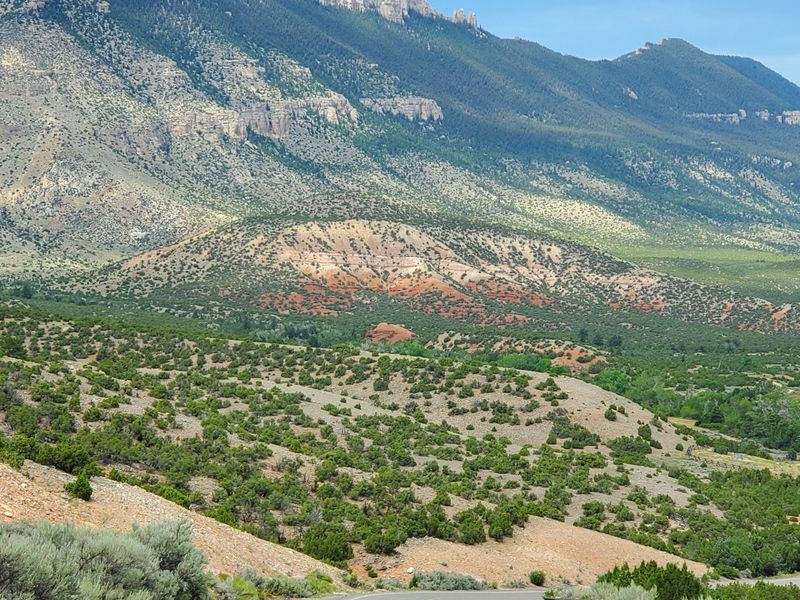
From arid benches to fir and pine above, the range stacks habitats like chapters in a book. Horses shift with water, grass, and weather, climbing when cool and dropping when storms gather.
Every elevation tells a different story.
As you drive, watch plants change under your tires. Sage yields to wildflowers and conifers.
Limestone brightens. The terrain offers shelter, forage, and escape routes, shaping how bands move and how you might spot them.
Best Spots To View Safely
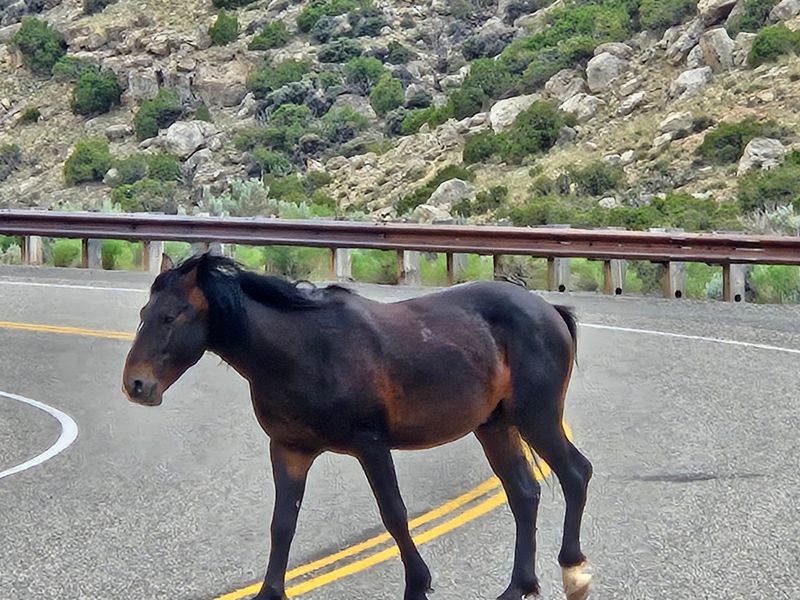
If you do not have a 4×4, breathe easy. Horses can often be seen from the paved road paralleling Bighorn Canyon.
Pullouts give room to glass with binoculars without crowding animals.
For the interior, high clearance and true 4×4 matter. Rock gardens are real, and flat tires happen.
You will love the views, but safety and tread lightly ethics make the day. Give the mustangs space and let them choose the moment.
How BLM Manages The Balance
The Bureau of Land Management steers toward a thriving natural ecological balance. That means monitoring forage, water, herd health, and impacts on other wildlife.
It is science with dust on its boots.
As a visitor, your choices matter. Drive on durable routes, pack out trash, and respect seasonal closures.
When management works and visitors cooperate, the range stays wild and the horses stay healthy.
Adopt a Horse, Change a Life
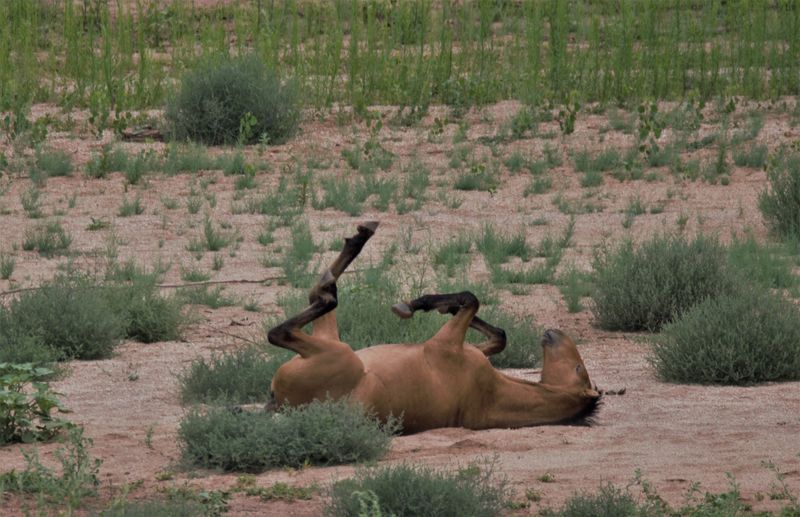
Through the BLM Adopt-a-Horse program, qualified adopters can bring a mustang home. Adoption supports population management and gives individual horses new purpose.
It is a commitment that asks for patience and training skill.
If you are curious, start by observing bands here. Learn body language and herd dynamics.
Then speak with program staff about requirements and support. Done right, adoption honors the spirit you came to admire.
Famous Horses and Films
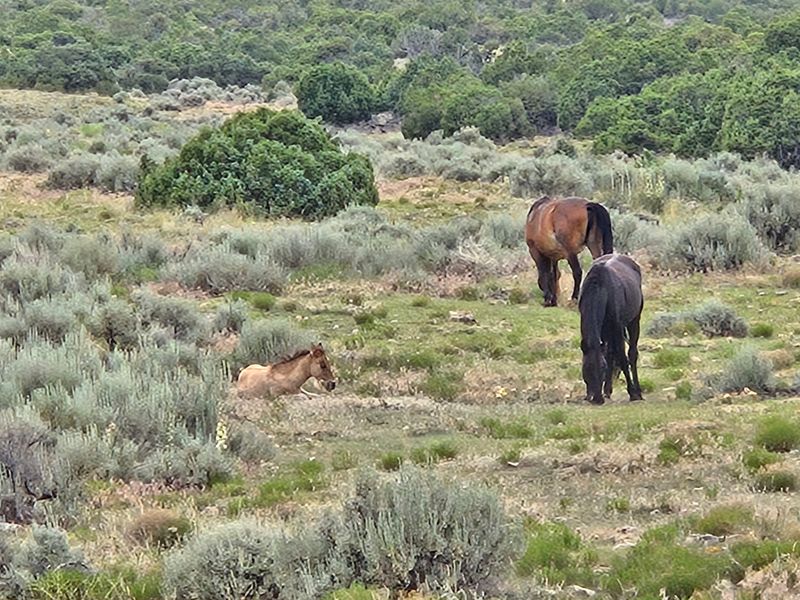
Names echo across these slopes. Documentaries like Cloud: Wild Stallion of the Rockies turned the Pryor mustangs into cultural icons.
You might find yourself scanning ridges for pale coats and remembered bloodlines.
Stories help you connect, but the real magic is unscripted. Watch how bands greet, guard, and graze.
The film ends, yet the horses keep writing scenes in hoofprints and dust.
Visitor Etiquette That Protects Horses
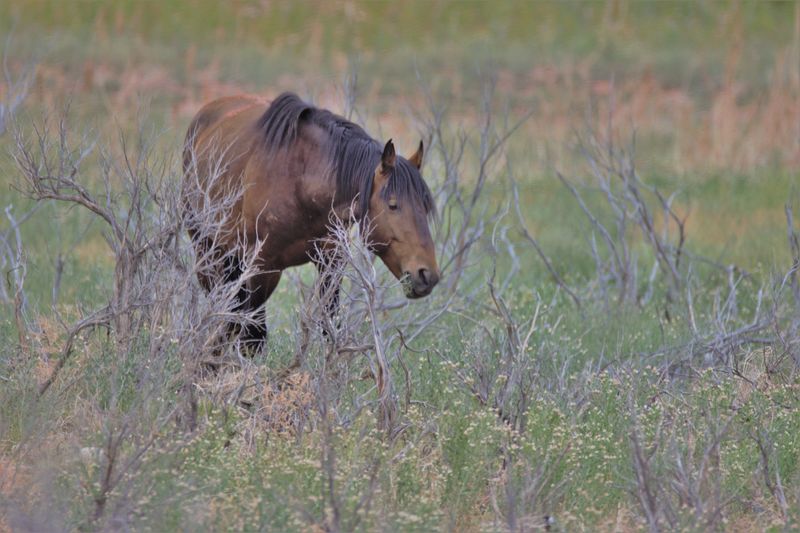
Stay at least 100 feet from wild horses. Do not feed or call to them.
Let natural behaviors and decisions unfold without your influence.
Use binoculars, step quietly, and pull off the road safely. If a horse changes direction because of you, you are too close.
Respect makes better photos and better memories. The gift here is seeing them free, not tame.
Weather, Roads, and Seasons
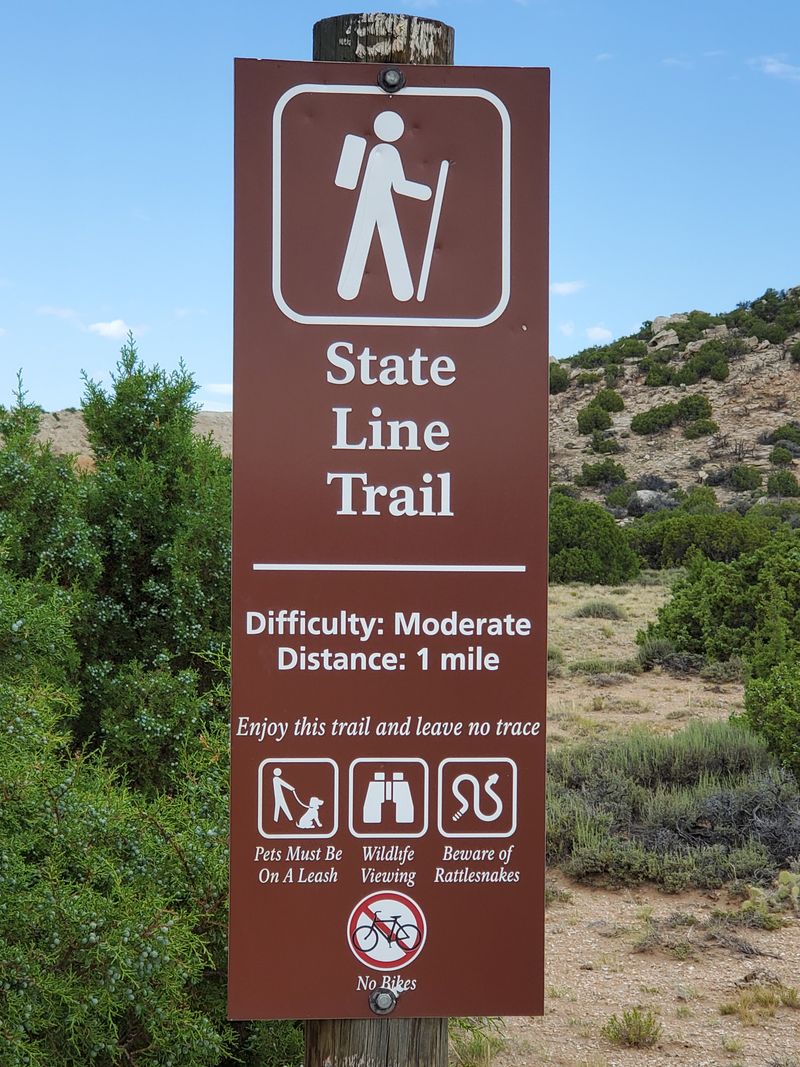
The range is open year-round, but conditions swing hard. Summer dust, spring mud, and early snow can all complicate travel.
Always check weather, road status, and fuel before you go.
A long day from Billings is common. Expect rocks, slow miles, and stunning payoff at the top.
Bring water, layers, a spare, and time. Your future self will thank you.
How You Can Help Conservation
Conservation here is a braid of science, stewardship, and community. Donations and volunteer efforts help protect habitat and research.
Even a respectful visit amplifies the message that wild horses matter.
Support local centers in Lovell, share accurate information, and uplift responsible tourism. When people care, policy follows.
Your voice helps ensure mustangs keep roaming the Pryors, manes in the wind and hooves on old stone.
Share this story