Pop culture moves fast, and what was huge decades ago can vanish from memory in just one generation. Baby Boomers grew up watching certain stars dominate TV screens, movie theaters, and magazine covers.
These celebrities were household names, beloved by millions, and seemed untouchable in their fame.
Fast forward to today, and many Gen Z kids have never even heard of them. The entertainment landscape has shifted so dramatically that entire careers have been forgotten.
What once felt iconic now feels invisible to younger eyes.
This list celebrates those stars who ruled the Boomer era but have faded from modern conversations. Their legacies are real, their talent undeniable, but their names just don’t ring bells anymore for the TikTok generation.
1. Glen Campbell
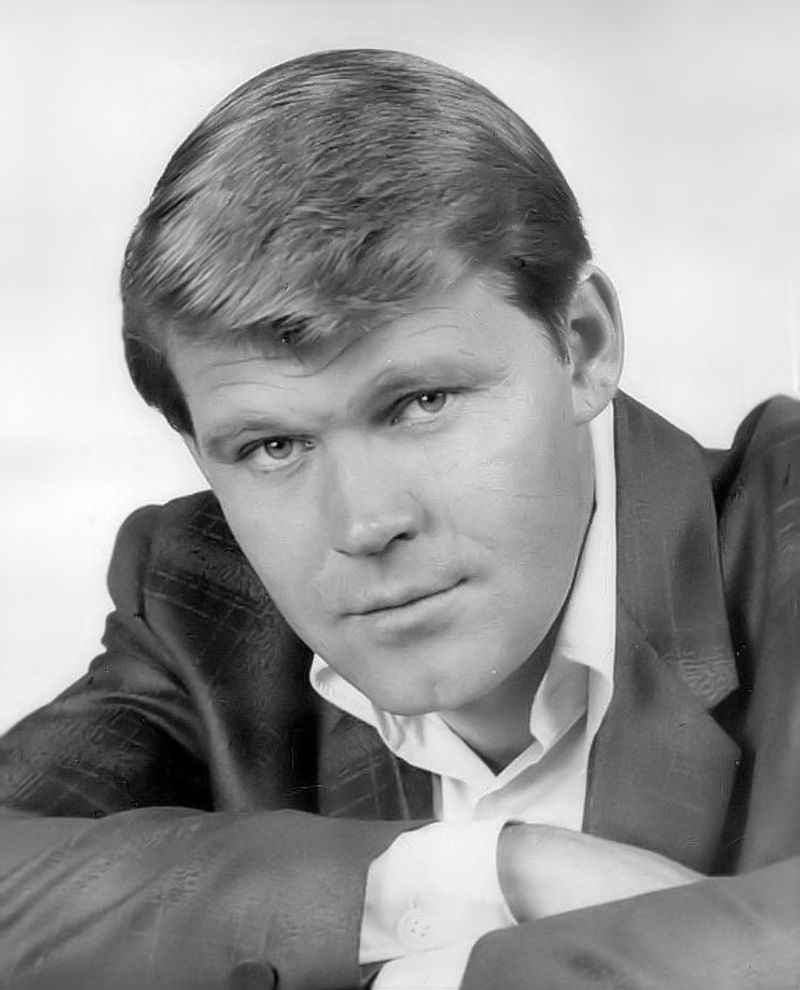
Glen Campbell wasn’t just a country singer. He was a crossover sensation who moved effortlessly between Nashville and Hollywood, charming audiences with hits like “Rhinestone Cowboy” and “Wichita Lineman.” His smooth voice and guitar skills made him a radio staple throughout the 1960s and 1970s.
Campbell also hosted his own variety show, The Glen Campbell Goodtime Hour, which pulled in massive ratings. He became a TV personality as much as a musician, interviewing big names and performing live.
His charm made him a fixture in living rooms across America.
But his fame didn’t stop there. Campbell appeared in movies, most notably alongside John Wayne in True Grit.
He proved he could act, sing, and entertain on multiple platforms, a rare feat for any performer.
Despite his incredible success, Campbell’s name has largely disappeared from Gen Z’s radar. Streaming algorithms don’t favor his style, and his TV legacy exists only in reruns nobody watches.
His influence on country and pop music remains significant, but younger listeners have moved on to newer sounds.
For Boomers, though, Glen Campbell was the definition of a multi-talented star. His music still evokes nostalgia for a simpler time when one man could dominate radio, television, and film all at once.
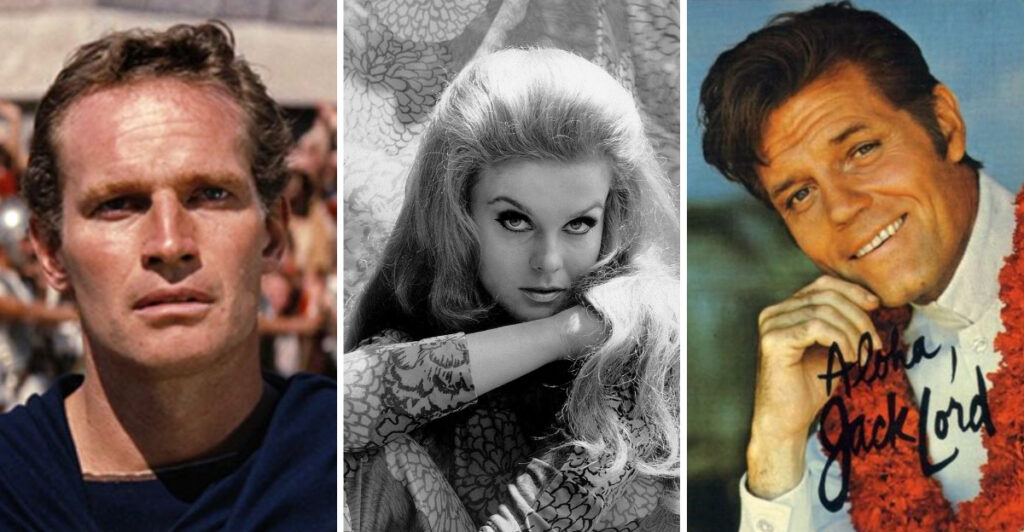
2. Ann-Margret
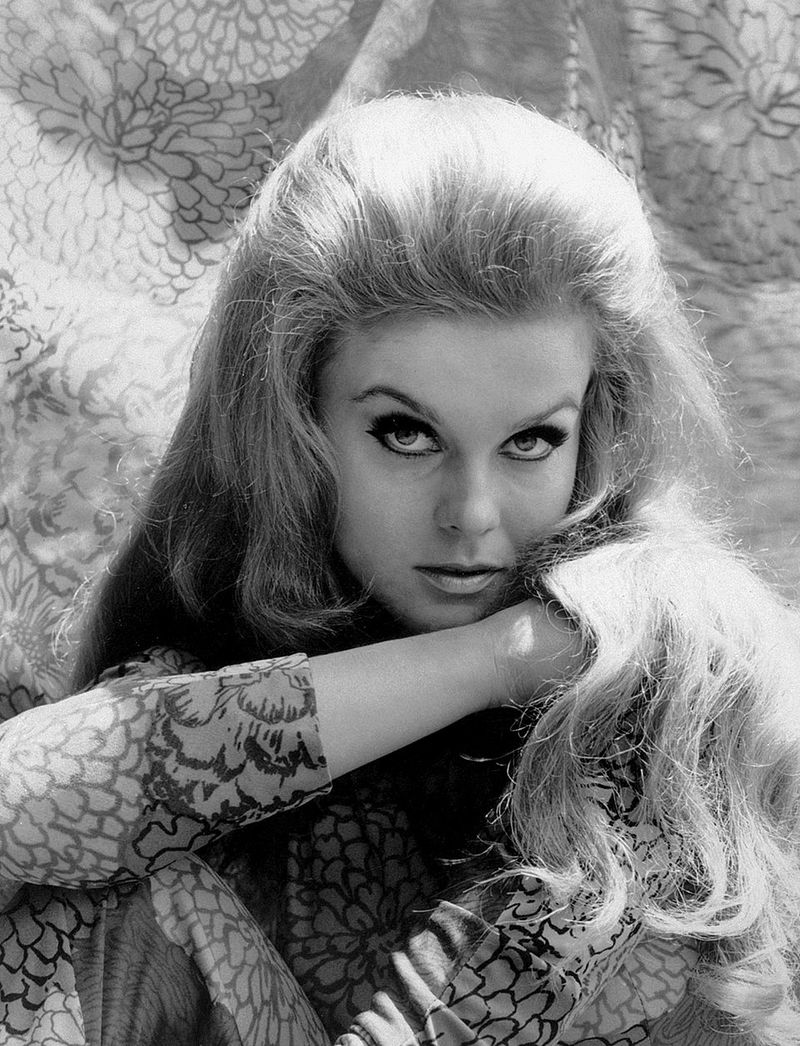
Ann-Margret exploded onto the scene with a fiery presence that mixed raw energy with Old Hollywood sophistication. She danced, sang, and acted with a magnetism that made her impossible to ignore.
Her roles in Bye Bye Birdie and Viva Las Vegas opposite Elvis Presley cemented her status as a red-hot star.
She wasn’t just another pretty face. Ann-Margret could command a stage, belt out a song, and hold her own in dramatic roles.
Critics praised her range, and audiences couldn’t get enough of her vibrant performances.
Her chemistry with Elvis became legendary, sparking rumors and fascination that followed her throughout her career. Together, they represented the peak of 1960s glamour and star power.
Their on-screen connection felt electric, and fans ate it up.
As decades passed, Ann-Margret continued working, earning Oscar nominations and proving her staying power. Yet Gen Z rarely encounters her work unless they stumble upon classic films by accident.
Streaming services don’t push her movies, and her name doesn’t trend on social media.
For Boomers, Ann-Margret embodied a specific kind of star quality that felt both glamorous and accessible. She was a fantasy and a friend rolled into one unforgettable package, a combination that modern celebrities struggle to replicate.
3. Jack Lord
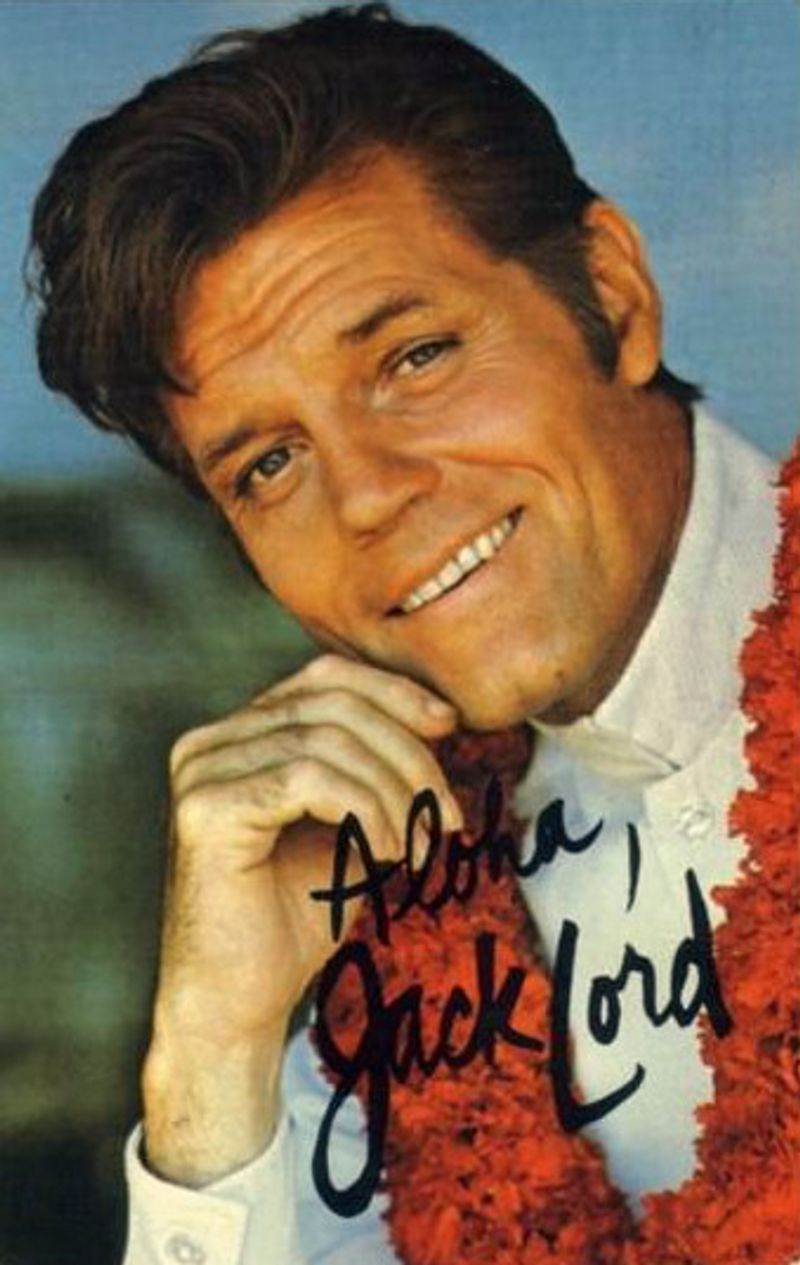
Jack Lord became synonymous with Hawaii Five-O, the original crime drama that defined TV cool long before any reboot existed. His portrayal of Detective Steve McGarrett made him a household name, and his signature line “Book ’em, Danno” became part of American pop culture vocabulary.
Lord brought intensity and authority to the role, making McGarrett feel both tough and honorable. He commanded the screen with a presence that few actors could match.
His dark hair, sharp suits, and no-nonsense attitude made him the ultimate TV detective.
The show ran for twelve seasons, an impressive feat that kept Lord in the spotlight throughout the 1970s. Fans tuned in weekly to watch him solve crimes against the backdrop of Hawaiian beaches and palm trees.
The setting added exotic appeal to an already compelling formula.
Despite the show’s massive success, Jack Lord’s name means little to Gen Z. The reboot introduced a new McGarrett, and younger viewers never looked back at the original.
Streaming platforms offer the newer version, leaving Lord’s legacy buried in TV history.
Boomers, however, remember Jack Lord as the definitive face of Hawaii Five-O. His performance set the standard for TV detectives, influencing countless shows that followed.
His legacy deserves recognition, even if modern audiences have forgotten him.
4. Tippi Hedren
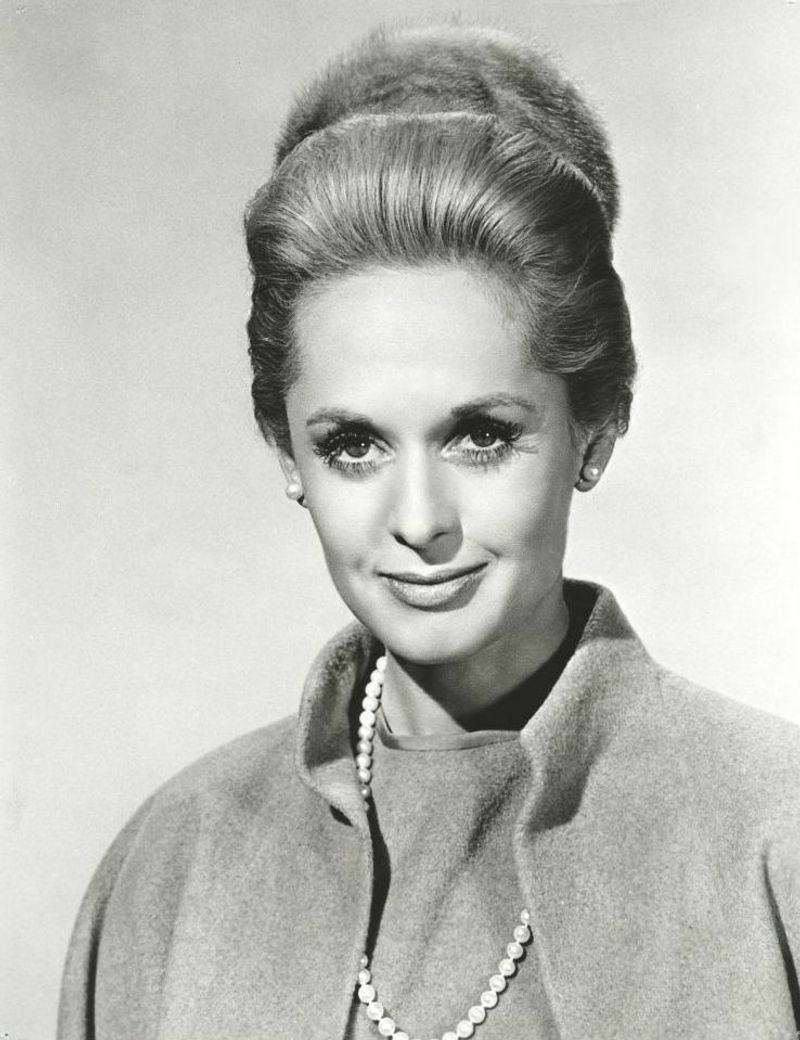
Alfred Hitchcock discovered Tippi Hedren and turned her into one of cinema’s most iconic blondes. She starred in The Birds and Marnie, two films that showcased her beauty and vulnerability.
Hitchcock’s direction brought out a haunting quality in her performances that captivated audiences.
Hedren’s icy elegance made her perfect for Hitchcock’s vision of the tortured blonde heroine. She endured real terror during the filming of The Birds, with live birds attacking her in scene after scene.
Her professionalism and courage impressed everyone on set.
Beyond her film career, Hedren became known as Melanie Griffith’s mother, adding another layer to her Hollywood legacy. She also dedicated much of her later life to animal rights activism, particularly working with big cats.
Her passion for wildlife rescue became as important as her acting career.
Gen Z might recognize her daughter’s name, but Tippi Hedren herself remains a mystery to most young viewers. Hitchcock films aren’t streaming favorites, and classic cinema often gets skipped in favor of newer content.
Her contributions to film history go unnoticed by younger generations.
For Boomers, Tippi Hedren represents a specific era of suspenseful, stylish filmmaking. Her work with Hitchcock remains legendary, and her grace under pressure, both on and off screen, made her unforgettable.
5. James Garner
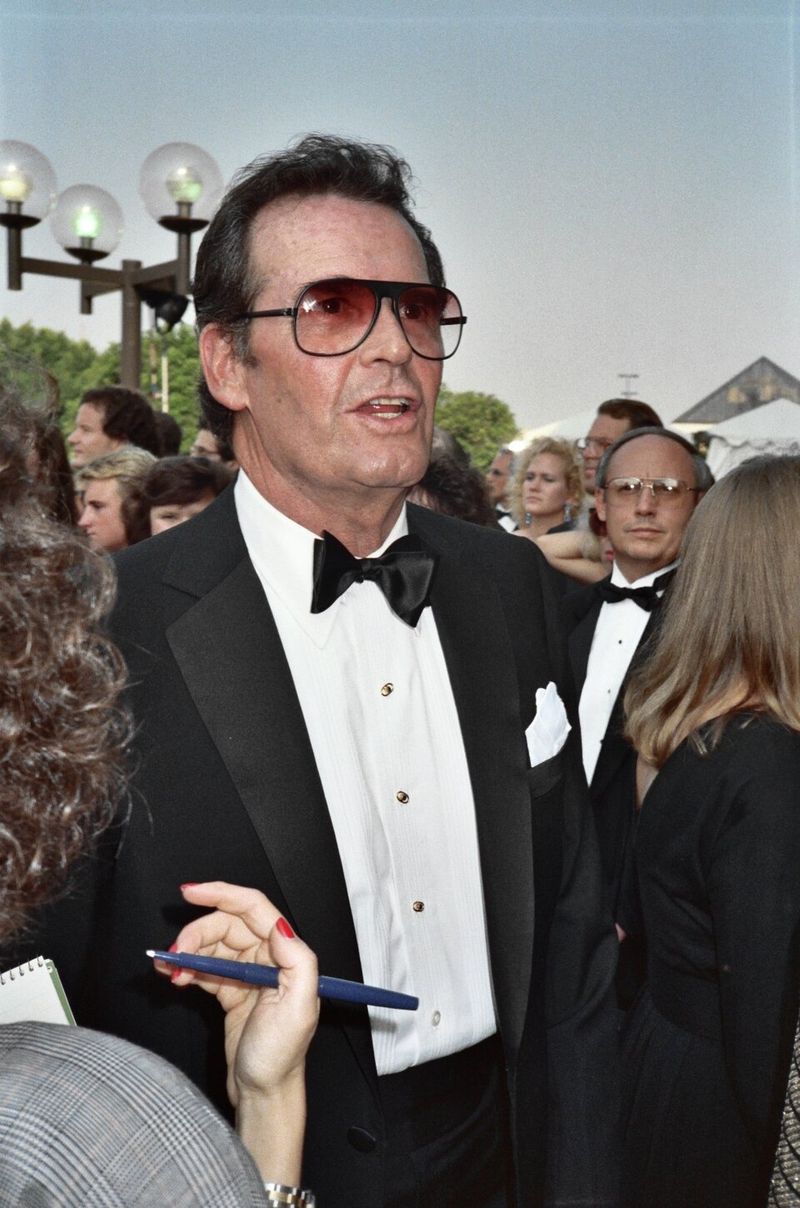
James Garner made being cool look effortless. Whether playing a wisecracking private detective in The Rockford Files or a charming cowboy in classic Westerns, he brought warmth and humor to every role.
His natural charisma made audiences root for him no matter what character he played.
Garner’s career spanned decades, proving his versatility and staying power. He could handle comedy, drama, and action with equal skill.
His laid-back style set him apart from more intense leading men of his era.
The Rockford Files became a cultural phenomenon, with Garner’s portrayal of Jim Rockford earning him an Emmy. The show mixed mystery with humor, and Garner’s performance made it feel fresh and relatable.
Fans loved his everyman approach to detective work.
Despite his long career and numerous accolades, James Garner’s name rarely comes up in Gen Z conversations. Modern detective shows have overshadowed his work, and classic TV doesn’t get the same attention it once did.
Streaming platforms prioritize newer content, leaving Garner’s legacy in the past.
Boomers, however, remember James Garner as one of the most likable stars in Hollywood. His charm, wit, and talent made him a favorite for generations.
He represented a kind of leading man that feels rare today, genuine and unpretentious.
6. Diahann Carroll
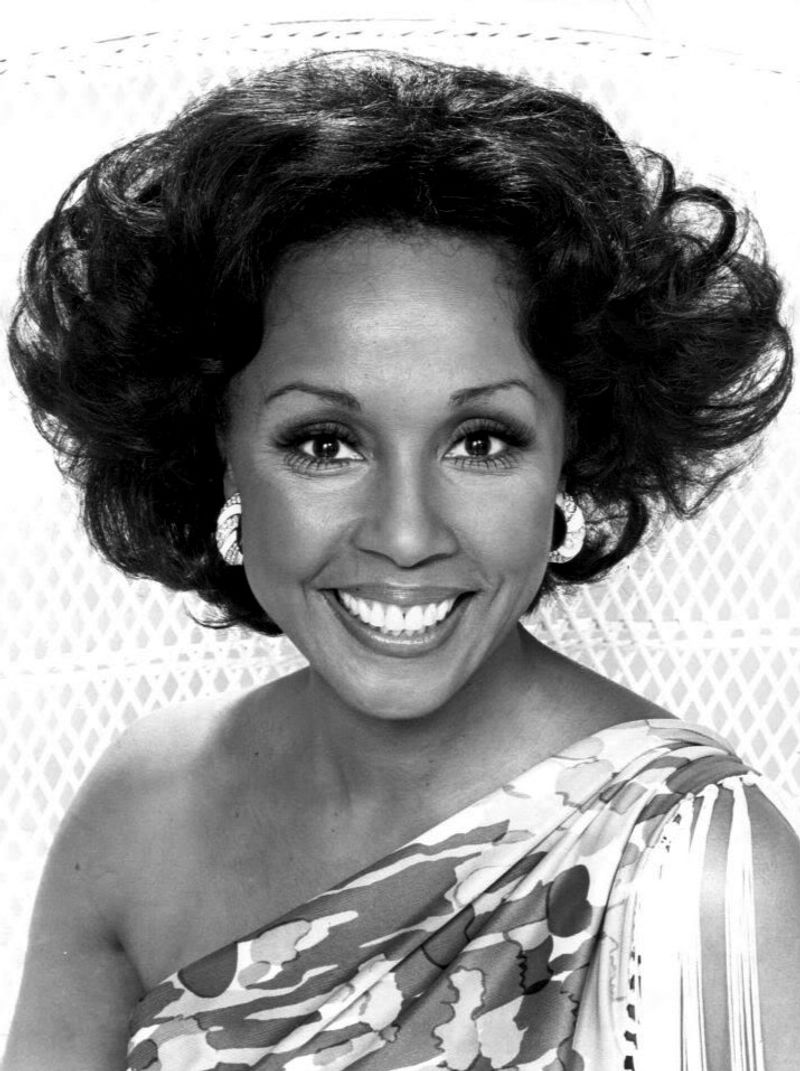
Diahann Carroll broke barriers in ways that changed television forever. She became the first Black woman to star in a non-servant role in a TV series with Julia, a groundbreaking sitcom that aired from 1968 to 1971.
Her portrayal of a widowed nurse raising her son alone challenged stereotypes and opened doors for future generations.
Carroll’s elegance and poise made her a natural star. She brought dignity and depth to every role, refusing to be limited by the narrow expectations Hollywood placed on Black actresses.
Her Broadway career also flourished, earning her a Tony Award for No Strings.
Beyond her acting, Carroll became a fashion icon and a symbol of grace. She carried herself with confidence and sophistication, inspiring countless women.
Her impact extended far beyond the screen, influencing culture and representation in meaningful ways.
Despite her trailblazing career, Gen Z largely doesn’t know her name. Julia isn’t available on popular streaming platforms, and her Broadway work exists mostly in archives.
Modern conversations about representation rarely mention her pioneering contributions.
For Boomers, Diahann Carroll was a hero and a star who changed the game. Her courage and talent paved the way for countless others.
She deserves recognition not just for her performances, but for the doors she opened.
7. Robert Vaughn
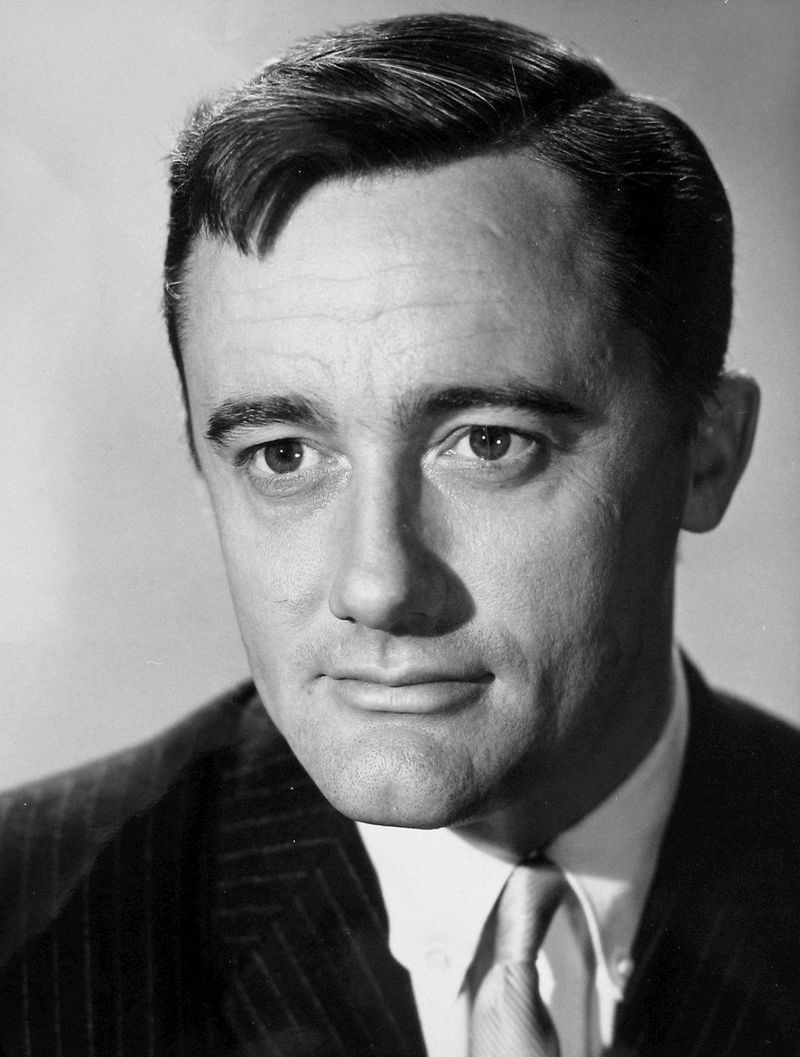
Robert Vaughn became spy-show royalty as Napoleon Solo in The Man from U.N.C.L.E., a series that captured the Cold War intrigue and stylish espionage craze of the 1960s. His suave demeanor and sharp wit made him the perfect secret agent, and fans tuned in weekly to watch him outsmart villains.
The show’s popularity rivaled James Bond films, and Vaughn’s character became a cultural icon. He wore tailored suits, carried cool gadgets, and always had a clever line ready.
His chemistry with co-star David McCallum added depth and humor to the series.
Vaughn’s career extended beyond The Man from U.N.C.L.E., including roles in films like The Magnificent Seven and Bullitt. He proved his range as an actor, moving between TV and film with ease.
His intelligence and sophistication set him apart from other action stars.
Gen Z, however, has little awareness of Robert Vaughn or his contributions to the spy genre. Modern espionage shows and movies dominate the conversation, and classic series like The Man from U.N.C.L.E. feel dated to younger viewers.
Streaming services rarely feature his work.
For Boomers, Robert Vaughn was the epitome of 1960s cool. His portrayal of Napoleon Solo helped define an era of television, and his influence on the spy genre remains significant, even if his name has faded from memory.
8. Doris Day
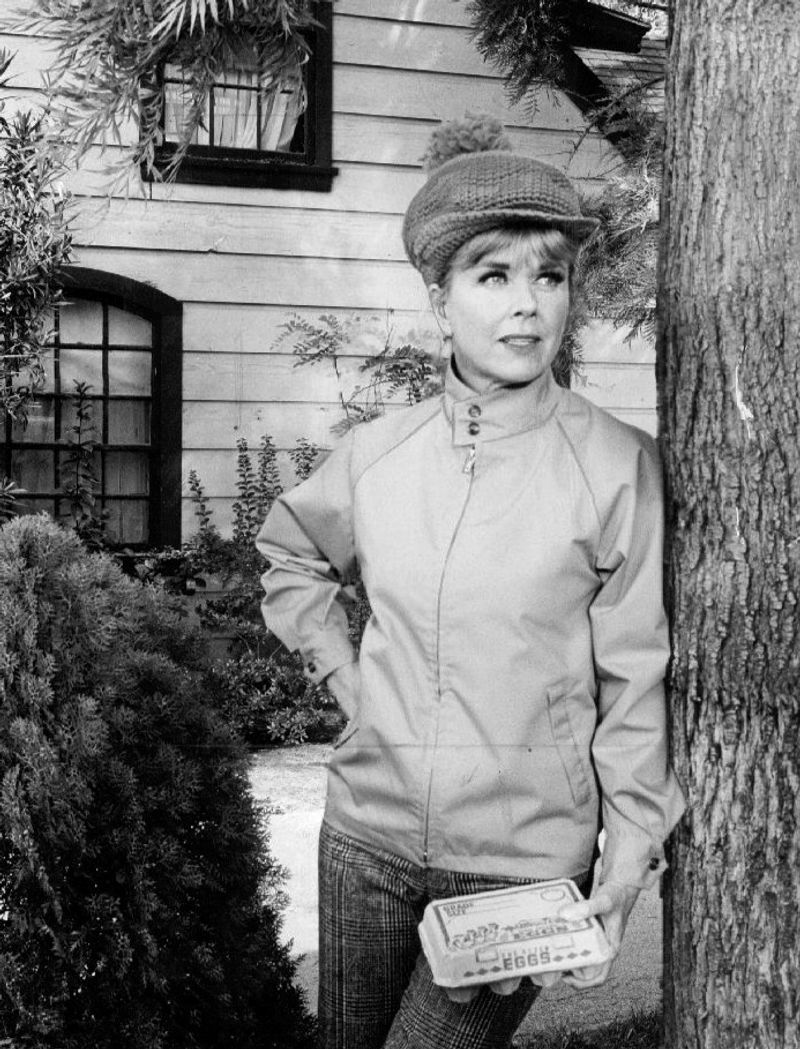
Doris Day was America’s sweetheart, a box-office powerhouse who dominated the 1950s and 1960s with her wholesome charm and undeniable talent. She starred in romantic comedies like Pillow Talk and musicals like Calamity Jane, winning over audiences with her sunny personality and beautiful singing voice.
Her films consistently topped the box office, making her one of the most bankable stars of her era. Day’s appeal crossed generations, with both young and old fans adoring her.
She represented an idealized vision of American womanhood, cheerful, optimistic, and effortlessly glamorous.
Day’s singing career was equally impressive, with hits like “Que Sera, Sera” becoming timeless classics. Her voice had a warmth that made every song feel personal.
She could make you laugh in a comedy and cry in a drama, a rare combination of skills.
Despite her massive success, Gen Z would struggle to name a single Doris Day film. Her style of comedy feels outdated, and her wholesome image doesn’t match modern sensibilities.
Streaming platforms rarely highlight her work, leaving her legacy largely forgotten.
For Boomers, Doris Day was the ultimate movie star, a symbol of joy and innocence during a complicated time. Her films provided escape and entertainment, and her influence on Hollywood was undeniable, even if younger generations never discover her magic.
9. Don Knotts
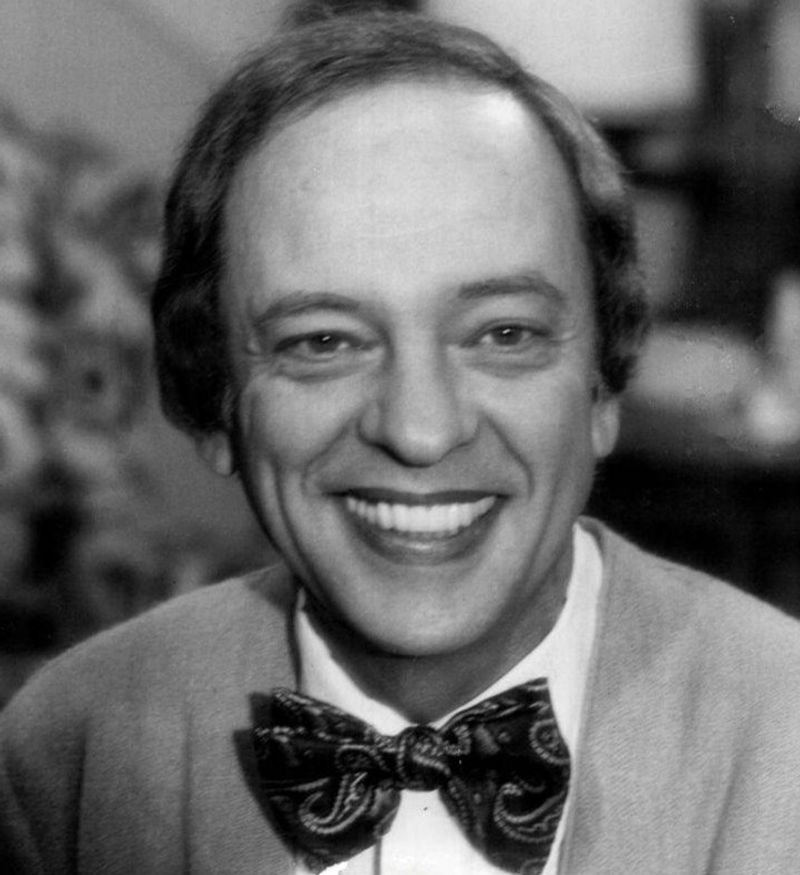
Don Knotts made nervousness hilarious. His portrayal of Barney Fife on The Andy Griffith Show turned a bumbling deputy into one of TV’s most beloved characters.
His physical comedy, timing, and expressive face made every scene memorable, earning him five Emmy Awards.
Knotts had a gift for playing lovable underdogs. Whether he was fumbling with his one bullet or getting into ridiculous situations, audiences couldn’t help but root for him.
His chemistry with Andy Griffith created comedy gold, and their friendship felt genuine on screen.
After leaving The Andy Griffith Show, Knotts starred in family films like The Ghost and Mr. Chicken and The Incredible Mr. Limpet. He continued to make people laugh, proving his comedy skills translated beyond TV.
His gentle humor appealed to all ages.
Gen Z, however, rarely encounters Don Knotts’ work. Classic sitcoms don’t trend on social media, and his style of comedy feels old-fashioned to younger viewers.
Streaming platforms offer endless newer options, leaving Knotts’ legacy buried in TV history.
For Boomers, Don Knotts was a comedy genius who brought joy to millions. His character work and physical comedy set a standard that few have matched.
He made being nervous and awkward endearing, a talent that deserves remembrance.
10. Charlton Heston
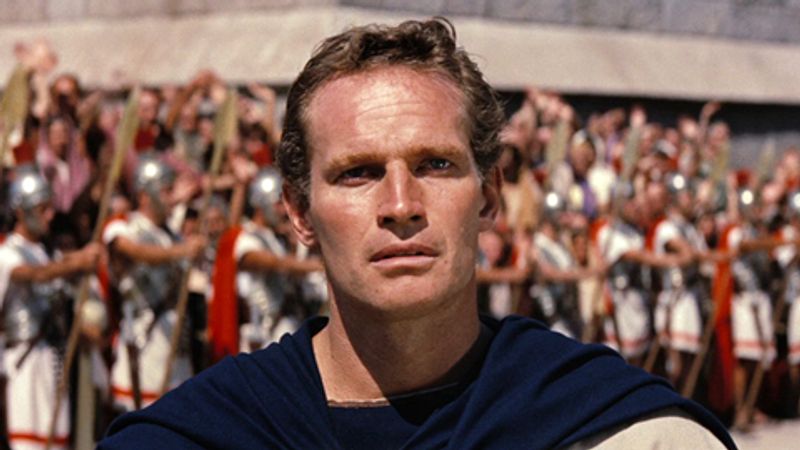
Charlton Heston was the face of epic cinema, the go-to actor for larger-than-life biblical and historical films. His roles in Ben-Hur and The Ten Commandments made him a legend, with performances that felt both grand and deeply human.
His commanding presence and booming voice made him perfect for these monumental stories.
Heston’s portrayal of Moses parting the Red Sea became one of cinema’s most iconic moments. He brought gravitas and intensity to every role, making audiences believe in the impossible.
His dedication to his craft showed in every scene.
Beyond biblical epics, Heston starred in science fiction films like Planet of the Apes and The Omega Man. He proved his versatility, moving from ancient history to dystopian futures with ease.
His career spanned decades and genres, showcasing his range as an actor.
Gen Z, however, rarely watches classic epics, and Heston’s name doesn’t come up in modern film discussions. His style of acting feels theatrical compared to today’s naturalistic performances.
Streaming algorithms don’t push his films, leaving his legacy largely unknown to younger viewers.
For Boomers, Charlton Heston was the ultimate movie star, someone who could carry a three-hour epic on his shoulders. His performances defined an era of filmmaking that celebrated spectacle and storytelling in equal measure.
11. Mary Tyler Moore
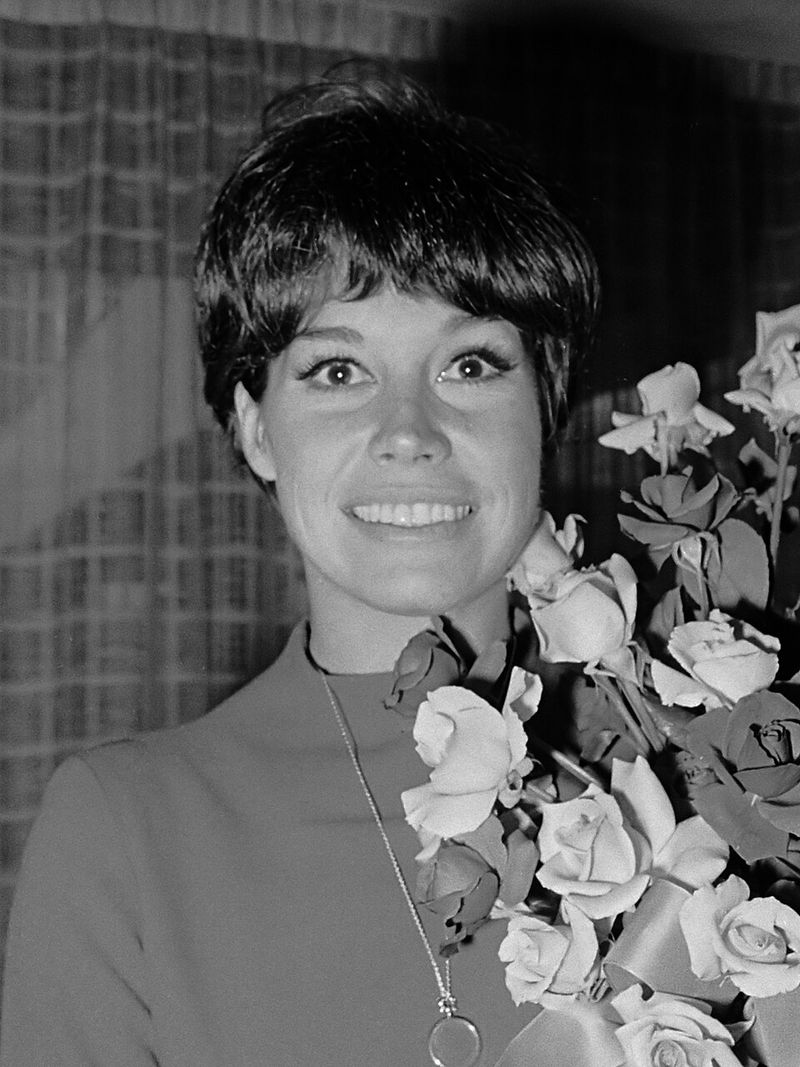
Mary Tyler Moore redefined what women could be on television. Her sitcom, The Mary Tyler Moore Show, featured a single, career-focused woman who didn’t need a man to be complete.
This was revolutionary in the 1970s, and Moore’s portrayal of Mary Richards inspired countless women to pursue their own dreams.
Moore brought warmth, intelligence, and humor to the role. She made Mary Richards feel real, someone viewers could relate to and root for.
The show tackled serious issues while remaining funny and heartfelt, a balance that few sitcoms achieve.
Before her groundbreaking sitcom, Moore starred as Laura Petrie on The Dick Van Dyke Show, showcasing her comedy skills early in her career. She proved she could hold her own alongside comedy legends.
Her talent and charm made her a star from the beginning.
Despite her massive influence, Gen Z rarely knows Mary Tyler Moore’s name. Classic sitcoms don’t get the same attention as modern comedies, and her show isn’t heavily promoted on streaming platforms.
Her contributions to television and women’s representation go largely unrecognized by younger audiences.
For Boomers, Mary Tyler Moore was a trailblazer who changed TV forever. She gave women a new kind of role model, someone who was funny, independent, and relatable.
Her legacy deserves celebration.
12. Peter Falk
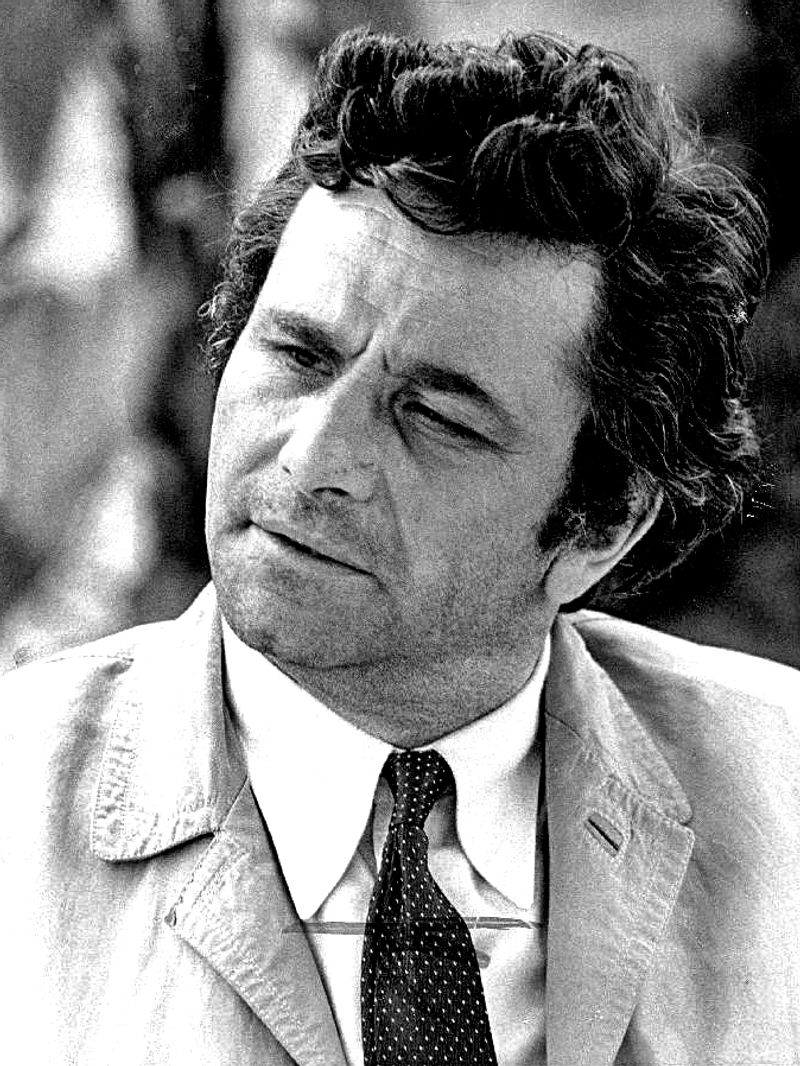
Peter Falk made a crumpled raincoat and a glass eye into the trademarks of one of TV’s smartest detectives. His portrayal of Lieutenant Columbo became legendary, with the character’s seemingly bumbling manner hiding a razor-sharp mind.
Criminals always underestimated him, which made his eventual reveals so satisfying.
Falk’s performance was a masterclass in subtlety and timing. He made Columbo feel like a real person, not just a TV character.
His “just one more thing” catchphrase became iconic, signaling that he was about to crack the case wide open.
The show ran for decades in various forms, proving its enduring appeal. Falk’s dedication to the role never wavered, and he continued to bring depth and humor to Columbo throughout his career.
He earned multiple Emmy Awards for his work.
Gen Z, however, has little familiarity with Peter Falk or Columbo. Modern detective shows favor fast-paced action over slow-burn mysteries.
Streaming platforms don’t heavily promote classic procedurals, leaving Falk’s brilliant work largely unseen by younger viewers.
For Boomers, Peter Falk was the definition of a character actor who became a star. His portrayal of Columbo set a standard for TV detectives that few have matched.
He made intelligence and persistence more compelling than any gun or chase scene.
13. Raquel Welch
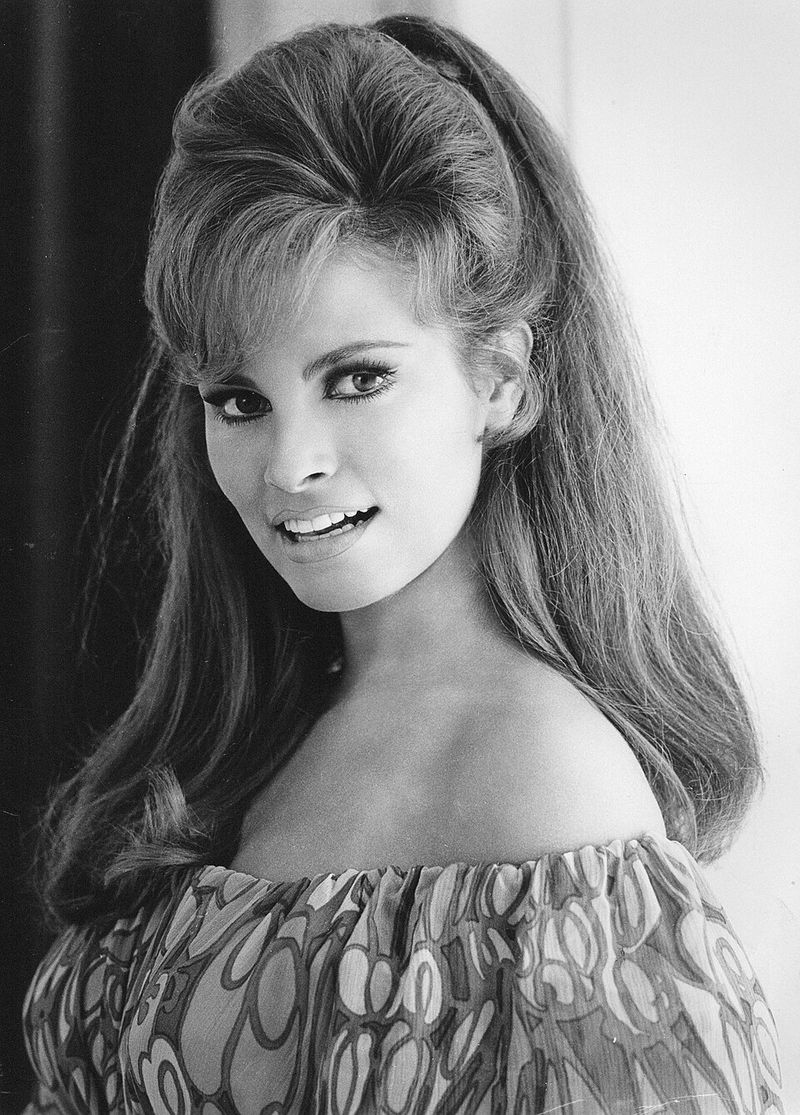
Raquel Welch became a global phenomenon thanks to a single image: her in a fur bikini in the film One Million Years B.C. That poster turned her into a sex symbol overnight, and her beauty and presence made her one of the most recognizable faces of the 1960s and 1970s.
Welch wasn’t just a pretty face, though. She worked hard to prove her acting abilities, taking on diverse roles in films like Fantastic Voyage and The Three Musketeers.
She showed range and determination, fighting against being typecast as just a bombshell.
Her career spanned decades, and she remained a cultural icon well into later years. Welch’s confidence and refusal to fade into the background made her a role model for aging gracefully in Hollywood.
She maintained her star power long after many of her peers had retired.
Gen Z, however, doesn’t recognize Raquel Welch’s name or her contributions to film. The fur bikini image might surface occasionally as a vintage meme, but context is lost.
Modern beauty standards and celebrity culture have moved on, leaving Welch’s legacy in the past.
For Boomers, Raquel Welch represented a specific kind of Hollywood glamour and strength. She was beautiful, yes, but also determined and talented.
Her impact on pop culture was undeniable, even if younger generations never learn her name.
14. Lee Majors
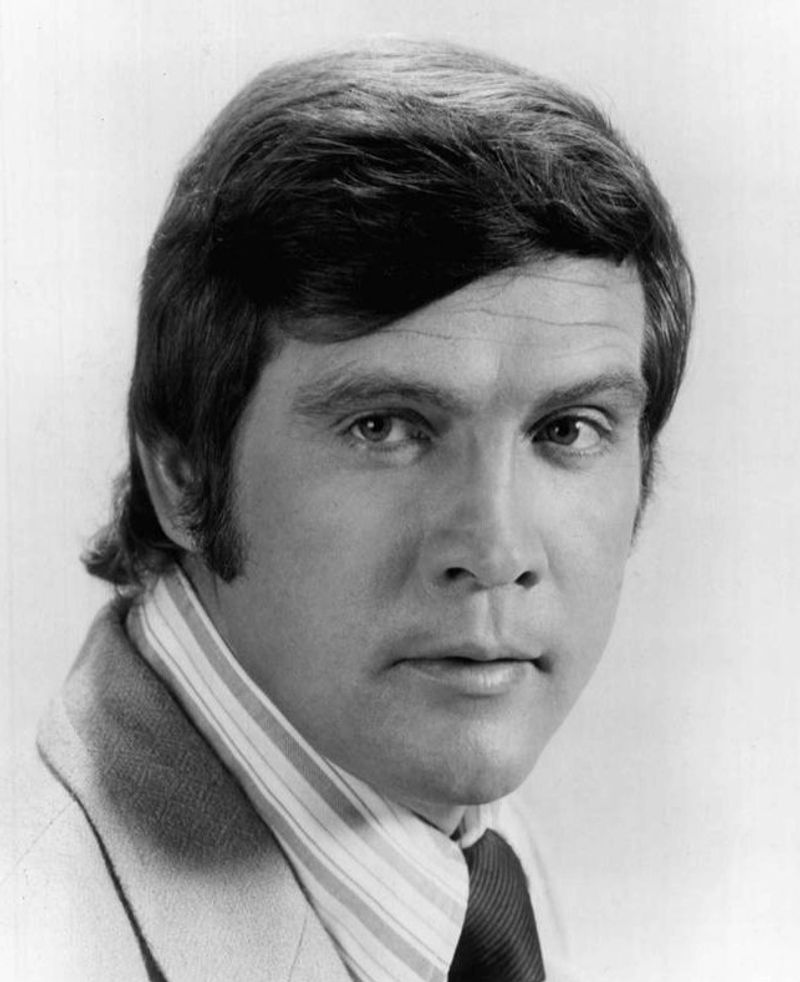
Lee Majors became the ultimate sci-fi hero as Colonel Steve Austin in The Six Million Dollar Man. The show’s premise, a man rebuilt with bionic implants after a near-fatal accident, captured imaginations and made Majors a household name.
His slow-motion running became one of TV’s most memorable visual trademarks.
Majors brought a mix of toughness and vulnerability to the role. Steve Austin wasn’t just a superhero; he was a man adjusting to his new abilities and limitations.
This human element made the show more than just action and special effects.
The Six Million Dollar Man spawned toys, lunchboxes, and a cultural phenomenon that defined 1970s TV. Kids everywhere pretended to have bionic powers, mimicking the show’s iconic sound effects.
Majors’ popularity soared, making him one of the decade’s biggest stars.
Gen Z, however, has no connection to Lee Majors or The Six Million Dollar Man. The show’s special effects look dated, and the concept feels quaint compared to modern superhero blockbusters.
Streaming platforms don’t prioritize classic sci-fi TV, leaving Majors’ work forgotten.
For Boomers, Lee Majors was peak sci-fi cool, a hero who combined strength with humanity. His portrayal of Steve Austin represented a hopeful vision of technology and human potential.
His legacy deserves recognition, even in an age of CGI spectacles.
15. Carroll O’Connor
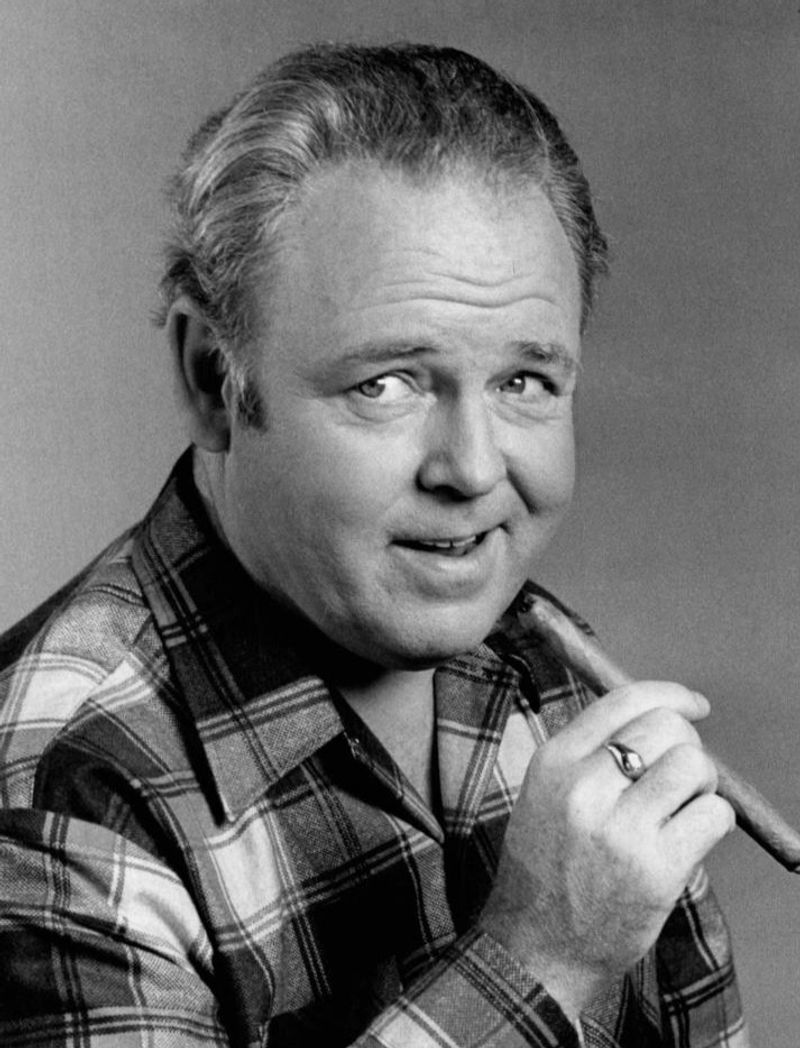
Carroll O’Connor gave life to one of TV’s most controversial and influential characters: Archie Bunker. All in the Family tackled racism, sexism, and social issues head-on, with Archie serving as both a target of satire and a reflection of real American attitudes.
O’Connor’s performance made Archie simultaneously infuriating and oddly sympathetic.
The show became a cultural phenomenon, sparking conversations and debates across the country. O’Connor’s portrayal was fearless, never shying away from Archie’s bigotry while also showing his humanity.
This complexity made the character unforgettable and the show groundbreaking.
O’Connor won multiple Emmy Awards for his work, proving his talent and the show’s impact. All in the Family changed what sitcoms could be, moving beyond safe comedy to address real-world problems.
O’Connor’s commitment to the role made this possible.
Gen Z, however, rarely encounters All in the Family or Carroll O’Connor’s work. The show’s themes feel uncomfortable without proper context, and modern audiences often miss the satirical intent.
Streaming platforms don’t heavily promote it, leaving O’Connor’s groundbreaking performance largely unknown.
For Boomers, Carroll O’Connor was a brave actor who tackled difficult material with skill and honesty. His portrayal of Archie Bunker opened doors for more complex, controversial characters on TV.
His influence on television storytelling remains significant.
16. Julie Andrews
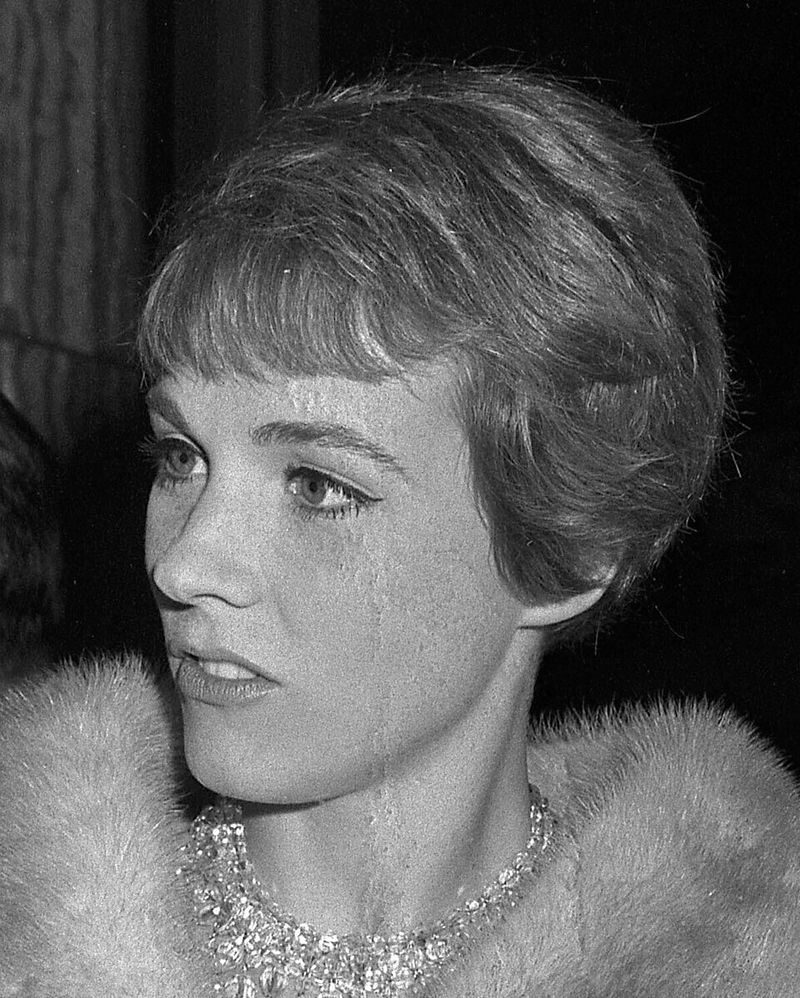
Julie Andrews became a legend with two iconic roles: Mary Poppins and Maria von Trapp in The Sound of Music. Her crystal-clear voice and wholesome charm made her the perfect choice for both characters, and the films became timeless classics.
Andrews’ performances defined family entertainment for an entire generation.
Her singing talent was extraordinary, with a range and purity that few could match. Songs like “Supercalifragilisticexpialidocious” and “My Favorite Things” became part of cultural memory, largely thanks to her delivery.
Andrews made every song feel magical and effortless.
Beyond musicals, Andrews proved her acting chops in films like Victor/Victoria, earning an Oscar nomination for her gender-bending performance. She showed versatility and a willingness to take risks, challenging her squeaky-clean image.
Her career demonstrated both range and longevity.
Gen Z knows The Sound of Music exists, but many couldn’t name Julie Andrews as the star. Her work feels like something grandparents watch, not something that trends on social media.
Modern musicals and Disney content have overshadowed her contributions.
For Boomers, Julie Andrews was the epitome of grace, talent, and professionalism. Her performances brought joy to millions and set a standard for musical theater on film.
Her legacy is rich and deserving of continued celebration.
17. Burt Reynolds
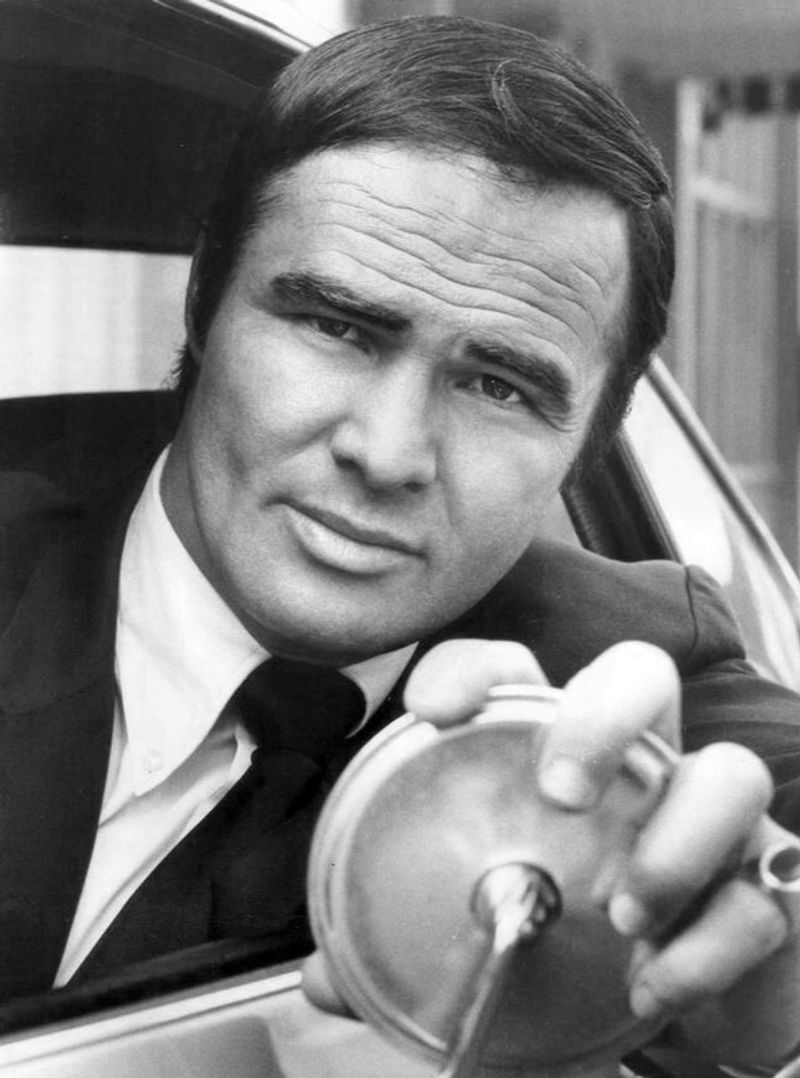
Burt Reynolds defined 1970s masculinity with his signature mustache, infectious laugh, and undeniable swagger. He starred in massive hits like Smokey and the Bandit and Deliverance, becoming one of the biggest box-office draws of the decade.
Reynolds made being cool and funny look effortless.
His charm extended beyond the screen. Reynolds was a regular on talk shows, always ready with a funny story or a self-deprecating joke.
He didn’t take himself too seriously, which made him even more likable. Audiences felt like they knew him personally.
Reynolds also appeared on the cover of Cosmopolitan in a famous nude centerfold, breaking barriers and showing his willingness to have fun with his image. He was confident without being arrogant, sexy without being sleazy.
His personality was as big as his career.
Gen Z, however, has little awareness of Burt Reynolds or his cultural impact. His style of masculinity feels outdated, and his films aren’t featured prominently on streaming services.
Modern action stars have replaced him in the cultural conversation.
For Boomers, Burt Reynolds was the ultimate movie star, someone who combined talent, humor, and charisma in a way few others could. His legacy as a 1970s icon remains strong among those who lived through his heyday.
18. Angela Lansbury
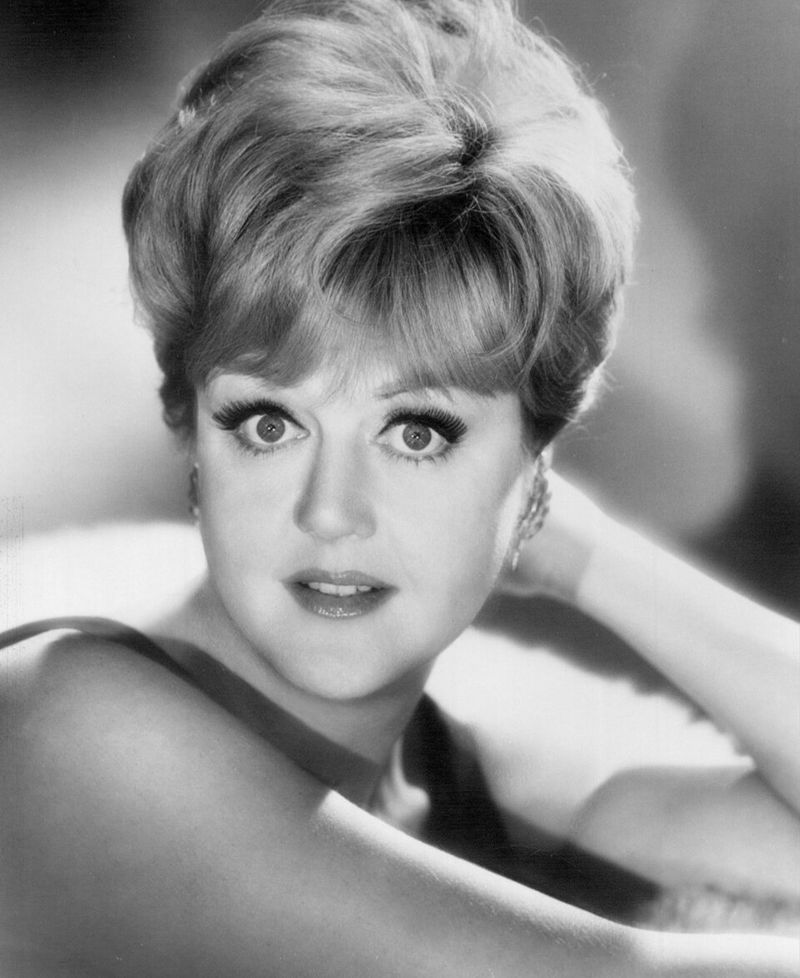
Angela Lansbury enjoyed a career that spanned decades, from Broadway triumphs to her iconic role as Jessica Fletcher in Murder, She Wrote. The mystery series ran for twelve seasons, making Lansbury a beloved TV presence throughout the 1980s and 1990s.
Her portrayal of the amateur sleuth felt warm, intelligent, and endlessly watchable.
Before Murder, She Wrote, Lansbury was a Broadway legend, winning multiple Tony Awards for performances in shows like Sweeney Todd and Mame. Her stage presence was commanding, her voice powerful and expressive.
She proved her talent across multiple mediums.
Lansbury also appeared in classic films like The Manchurian Candidate and voiced Mrs. Potts in Disney’s Beauty and the Beast. Her versatility was remarkable, moving from villainous roles to grandmotherly characters with equal skill.
She could do anything.
Gen Z might recognize her voice from Beauty and the Beast, but few know her name or her extensive career. Murder, She Wrote feels like something only older relatives watch, and her Broadway legacy exists mostly in theater history books.
Modern cozy mysteries don’t reference her groundbreaking work.
For Boomers, Angela Lansbury was a treasure, a performer whose talent and grace never faded. Her contributions to theater, film, and television were immense, and her influence on the mystery genre particularly remains significant.
19. Steve McQueen
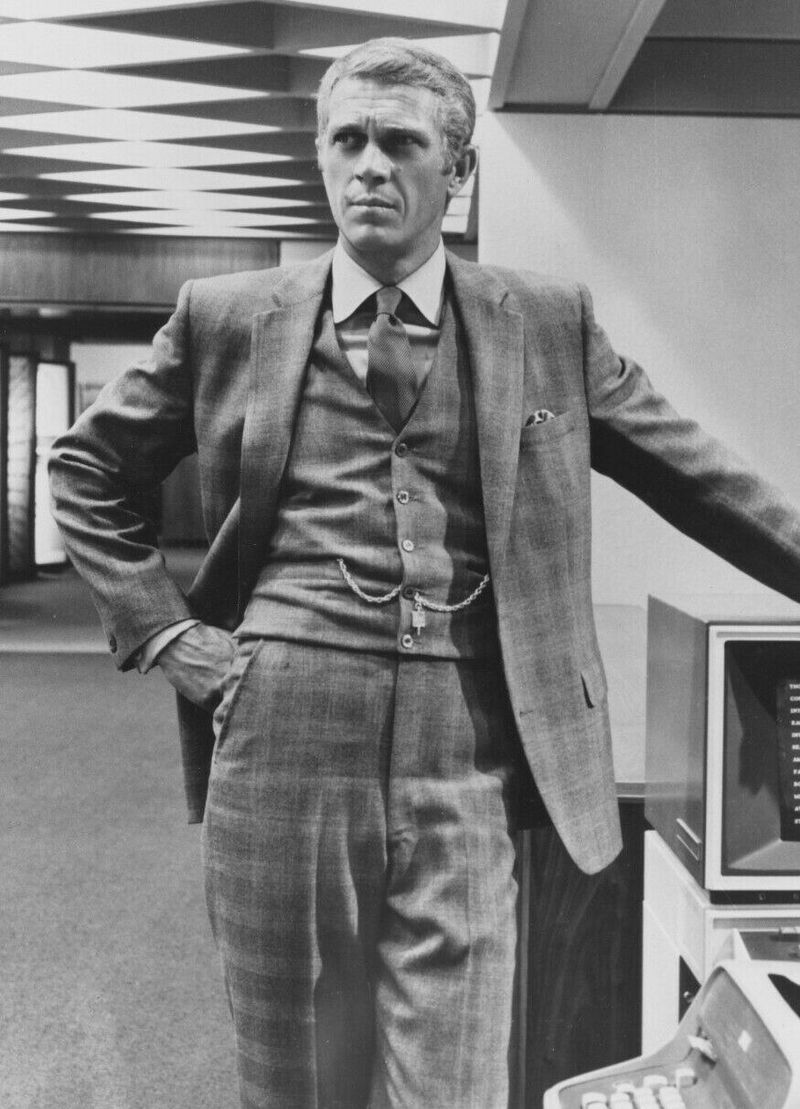
Steve McQueen earned the title “King of Cool” long before the phrase became overused. His performances in films like Bullitt, The Great Escape, and The Magnificent Seven showcased a quiet intensity and natural charisma that made him a star.
McQueen didn’t need to say much; his presence spoke volumes.
The car chase in Bullitt became one of cinema’s most famous sequences, with McQueen doing many of his own stunts. His love of speed and danger added authenticity to his action roles.
He was a real-life adventurer, not just an actor playing one.
McQueen’s style influenced fashion and culture, from his simple turtlenecks to his rugged jackets. He made minimalism look effortlessly stylish.
His off-screen life, filled with motorcycles and racing, only added to his legend.
Gen Z, however, rarely encounters Steve McQueen’s films. Modern action movies have overshadowed his work, and his understated style contrasts sharply with today’s flashy blockbusters.
Streaming algorithms don’t push classic action films, leaving McQueen’s legacy largely forgotten by younger viewers.
For Boomers, Steve McQueen was the definition of cool, a star who didn’t need special effects or CGI to command the screen. His performances were raw and real, his persona magnetic.
He set a standard that few have matched.
20. Faye Dunaway
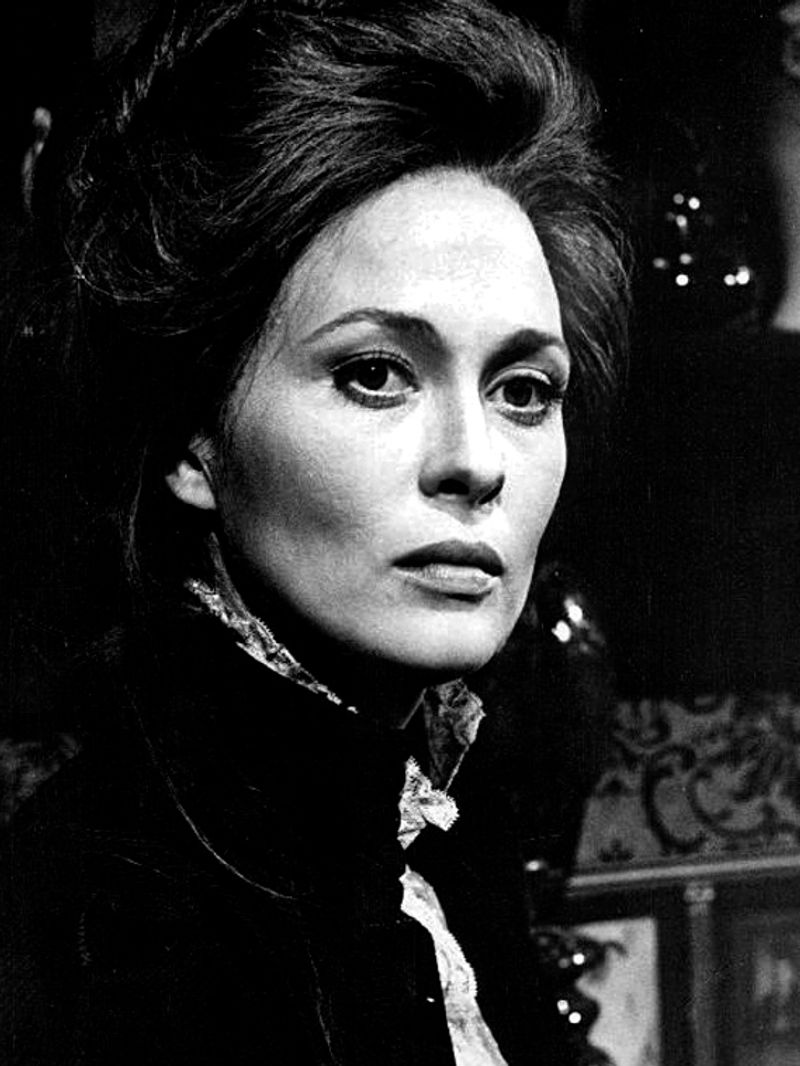
Faye Dunaway burst onto the screen with a fierce intensity that made her unforgettable. Her role as Bonnie Parker in Bonnie and Clyde redefined what a leading lady could be: dangerous, complex, and utterly compelling.
Dunaway brought a raw energy to the role that shocked and thrilled audiences.
The film became a cultural phenomenon, and Dunaway’s performance earned her an Oscar nomination. She made Bonnie more than a criminal; she made her a tragic, fascinating character.
Dunaway’s beauty was matched by her talent and willingness to take risks.
She continued to deliver powerful performances in films like Network and Chinatown, earning critical acclaim and an Academy Award. Dunaway proved she could handle any role, from glamorous to gritty.
Her range and dedication made her one of the finest actresses of her generation.
Gen Z, however, doesn’t know Faye Dunaway’s name or her groundbreaking work. Classic crime films don’t trend on social media, and her style of acting feels theatrical compared to modern naturalism.
Streaming platforms don’t heavily feature her films, leaving her legacy largely invisible.
For Boomers, Faye Dunaway was a force of nature, an actress who commanded attention and respect. Her performances were bold and unforgettable, setting a standard for intensity and commitment that remains impressive today.
Share this story