Television has changed dramatically over the decades, and nowhere is that more obvious than when comparing what Baby Boomers grew up watching versus what Millennials tuned into. Shows from the 1950s, 60s, and early 70s shaped an entire generation, but many younger viewers today have never even heard of them.
While Boomers cherish these classic programs for their humor, values, and nostalgia, Millennials grew up in a completely different era of TV with cable networks, streaming services, and reality shows. Understanding these generational differences in entertainment reveals a lot about how culture and technology have evolved over time.
1. I Love Lucy (1951–1957)
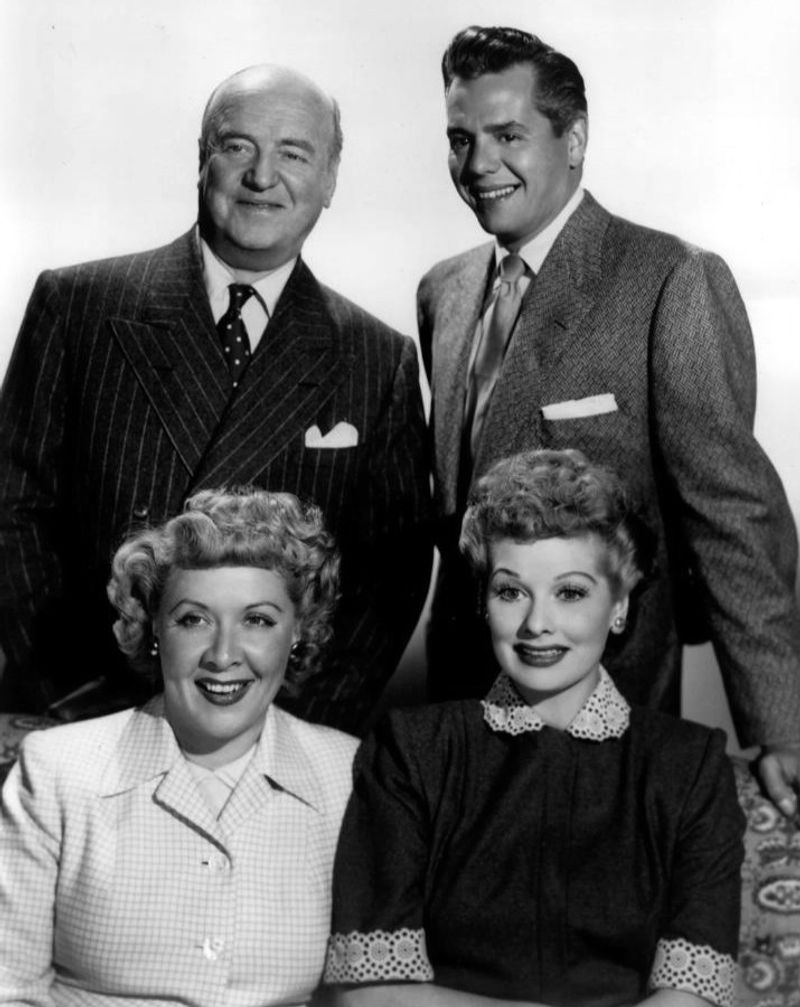
Lucille Ball became a household name through this revolutionary sitcom that broke ground for female comedians everywhere. Her wild antics, hilarious schemes, and incredible physical comedy made audiences laugh until their sides hurt every single week.
The show followed Lucy Ricardo and her Cuban bandleader husband Ricky as they navigated married life in New York City.
What made this series special was Lucy’s fearless approach to comedy. She wasn’t afraid to look silly, get messy, or throw herself completely into ridiculous situations.
The famous chocolate factory scene where Lucy can’t keep up with the conveyor belt remains iconic even today.
Back then, families gathered around their black-and-white television sets to watch Lucy’s latest mishap. The show was filmed in front of a live studio audience, which was pretty innovative for its time.
It also pioneered the three-camera setup that sitcoms still use today.
Most Millennials recognize Lucille Ball’s name but have never actually sat through full episodes. The humor feels dated to modern audiences, and the black-and-white format doesn’t appeal to younger viewers accustomed to high-definition streaming.
Yet Boomers remember rushing home to catch every episode when it originally aired.
2. The Dick Van Dyke Show (1961–1966)
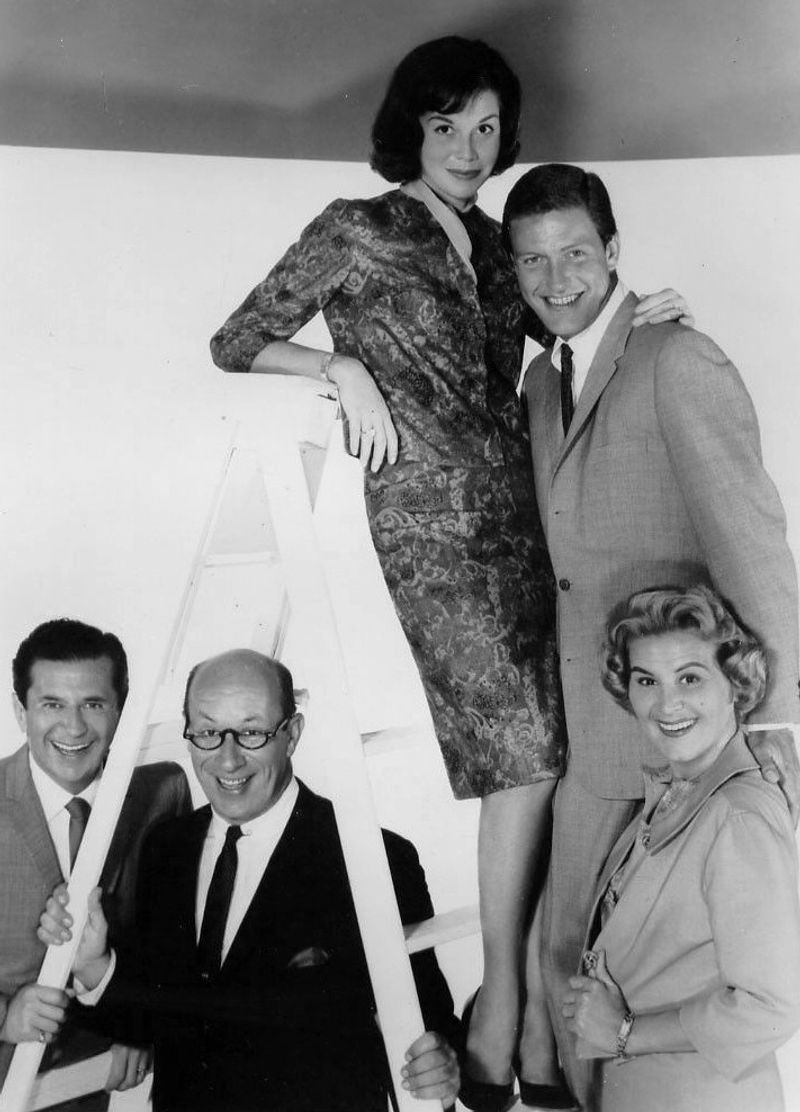
Carl Reiner created something truly special when he brought Rob Petrie’s world to television screens across America. Dick Van Dyke starred as a television comedy writer juggling his professional life in Manhattan with his suburban home life in New Rochelle.
Mary Tyler Moore played his wife Laura, and together they represented the ideal American couple of the early 1960s.
The show brilliantly balanced workplace comedy with domestic humor. Viewers got to see Rob interact with his writing team, played by Morey Amsterdam and Rose Marie, creating jokes and sketches for a fictional variety show.
Then the action would shift home where Rob dealt with everyday family situations.
What set this series apart was its sophisticated writing and willingness to tackle real issues. The humor was clever without being mean-spirited, and the characters felt like real people dealing with genuine problems.
Van Dyke’s physical comedy skills shone through in every episode.
Millennials might recognize Dick Van Dyke from Mary Poppins, but few have explored his groundbreaking sitcom. The show’s slower pacing and focus on workplace dynamics from a bygone era don’t resonate with younger generations.
Boomers, however, remember it as appointment television that the whole family enjoyed together.
3. The Brady Bunch (1969–1974)
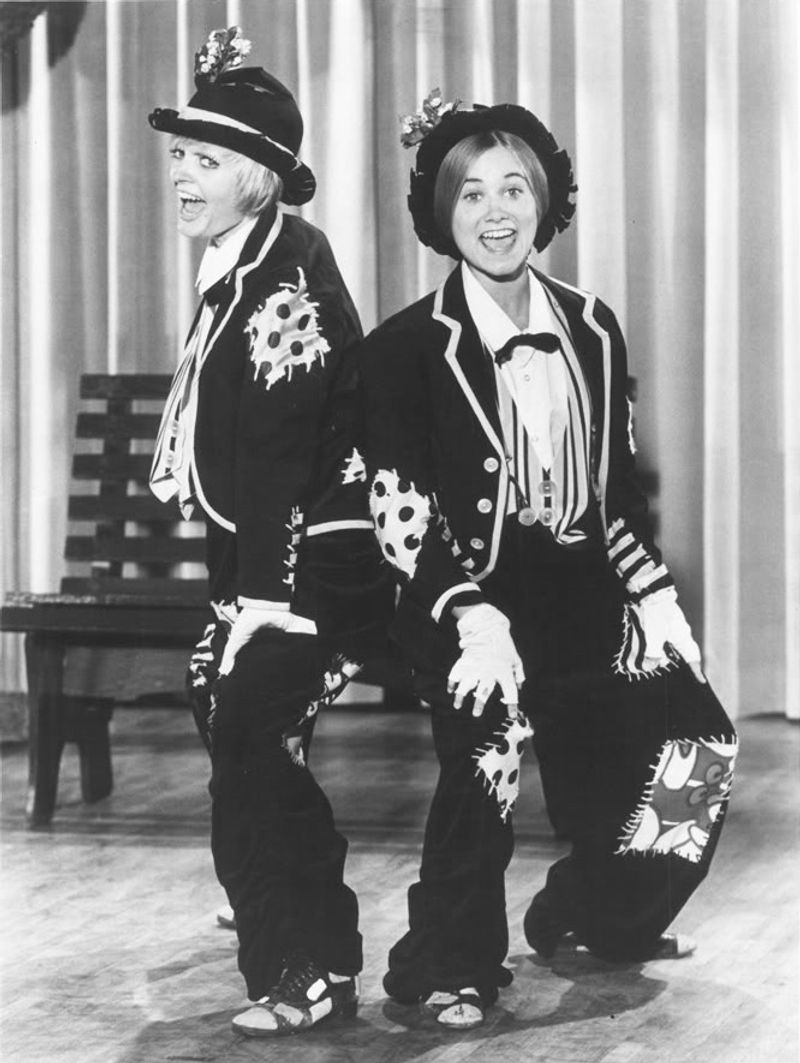
Six kids, two parents, and one groovy house became the definition of blended family sitcoms for an entire generation. Mike Brady, a widowed architect with three boys, married Carol, who had three girls of her own.
Together they created a chaotic but loving household that tackled everything from sibling rivalry to first dates.
The theme song alone became permanently embedded in American pop culture. Everyone who grew up watching can still recite those opening lines about a lovely lady and a man named Brady.
Each episode taught gentle life lessons wrapped in wholesome family entertainment.
What Boomers loved most was seeing a family work through problems together. Sure, the situations were sometimes silly, but the underlying message about love, acceptance, and communication resonated deeply.
The show also featured Alice, their wise-cracking housekeeper, who provided comic relief and practical wisdom.
Younger audiences find The Brady Bunch impossibly wholesome and unrealistic. Millennials grew up with more complex family dynamics on television and might roll their eyes at the squeaky-clean storylines.
The fashion and hairstyles also scream early 1970s in ways that feel more like a costume party than relatable television. Still, Boomers remember gathering around to watch the Brady kids navigate growing up.
4. Bewitched (1964–1972)
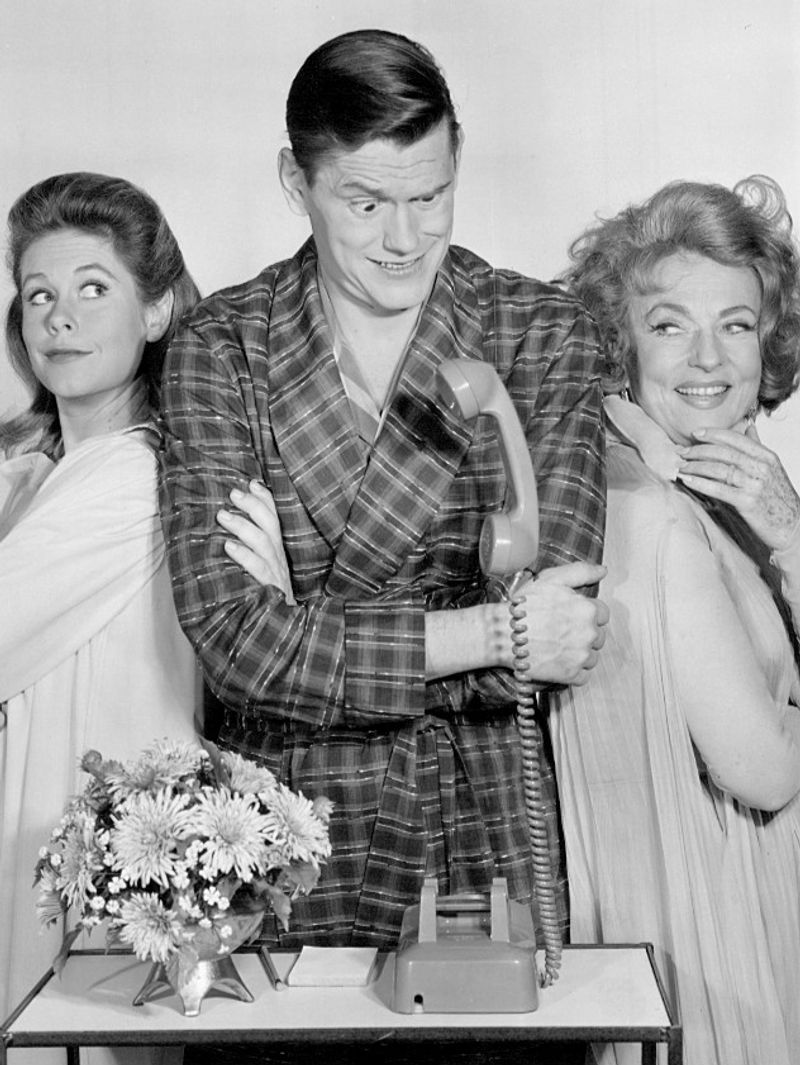
Elizabeth Montgomery charmed audiences as Samantha Stephens, a witch who married an ordinary mortal and tried desperately to live a normal suburban life. Her twitching nose became one of television’s most recognizable gestures, signaling that magic was about to happen.
The show mixed supernatural elements with everyday domestic situations in surprisingly clever ways.
Samantha’s husband Darrin wanted her to give up witchcraft completely and live like a regular housewife. This created endless conflict, especially when Samantha’s mother Endora would pop in to cause trouble.
Endora disapproved of the marriage and constantly tried to break them up with magical interference.
The special effects were impressive for their time, with objects floating, people appearing and disappearing, and all sorts of magical mishaps. Writers used the supernatural premise to comment on marriage, family expectations, and women’s roles in society.
Samantha was powerful but often had to hide her abilities to make her husband comfortable.
Modern viewers might find the premise frustrating rather than funny. Why should Samantha give up her powers?
Millennials raised on girl-power messages don’t connect with a woman diminishing herself for a man. The gender dynamics feel outdated, even if Boomers remember it fondly as lighthearted fantasy entertainment.
5. The Beverly Hillbillies (1962–1971)
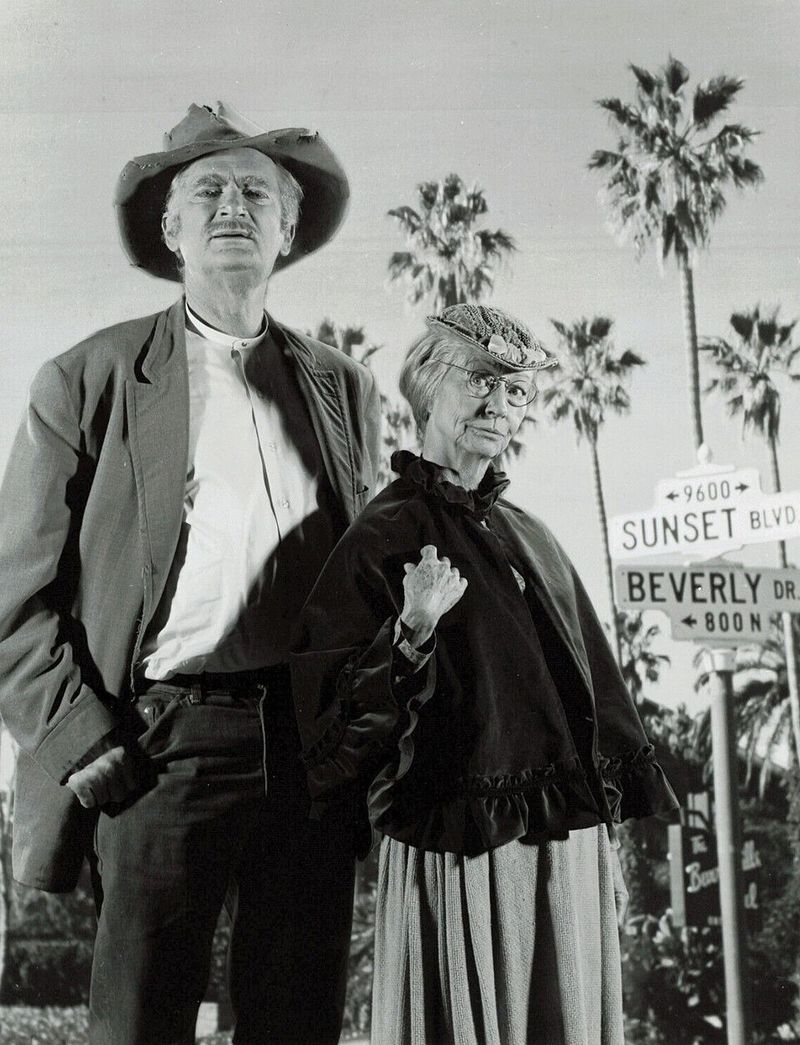
When Jed Clampett struck oil on his property, he packed up his family and moved them from the Ozark Mountains to a mansion in Beverly Hills, California. The culture clash between these simple country folk and their wealthy California neighbors provided endless comedic material.
Granny, Jethro, and Elly May became beloved characters who never quite adapted to their new surroundings.
The show’s humor came from the Clampetts maintaining their rural ways despite their newfound wealth. Granny continued making her home remedies and cooking possum stew.
Jethro, though grown, remained hilariously dim-witted and gullible. Elly May preferred playing with her critters to socializing with high society.
Audiences loved watching the family navigate situations they didn’t understand, from fancy restaurants to modern technology. Their banker, Mr. Drysdale, constantly schemed to keep their money in his bank while his secretary Miss Hathaway tried to educate them about proper society behavior.
The Clampetts’ innocence and good hearts always won out in the end.
This type of rural comedy doesn’t connect with Millennials the same way. The humor based on ignorance and backwoods stereotypes feels uncomfortable to modern sensibilities.
Younger viewers find the premise more sad than funny, while Boomers remember it as harmless entertainment that celebrated simple values over material wealth.
6. Bonanza (1959–1973)
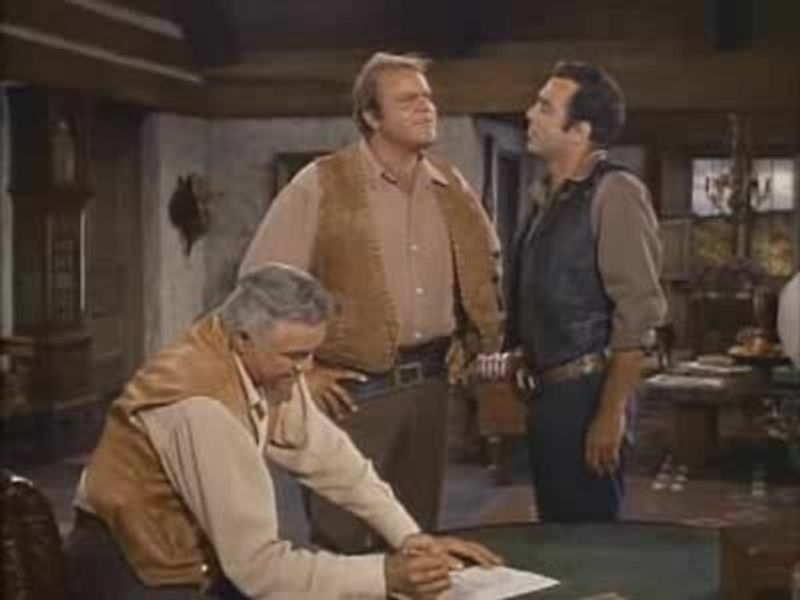
The Ponderosa ranch sprawled across the Nevada territory, home to Ben Cartwright and his three sons from three different mothers. This Western drama ran for an incredible fourteen seasons, making it one of the longest-running shows of its era.
Each week brought new adventures, moral dilemmas, and conflicts that the Cartwright family had to resolve.
What distinguished Bonanza from other Westerns was its focus on character development and family relationships. Adam, the eldest, was thoughtful and educated.
Hoss, the middle son, was gentle-hearted and strong. Little Joe, the youngest, was hot-headed and impulsive.
Together with their father, they represented different approaches to problem-solving.
The show was also one of the first to be broadcast in color, which made the beautiful outdoor scenery really pop on screen. Families scheduled their Sunday evenings around watching Bonanza together.
The theme music became instantly recognizable, and the characters felt like extended family to regular viewers.
Westerns as a genre have largely fallen out of favor with younger audiences. Millennials didn’t grow up watching cowboys and gunfights the way Boomers did.
The slower storytelling pace and episodic nature feel outdated compared to modern serialized dramas. Most younger viewers have never heard of the Cartwrights or the Ponderosa, though Boomers still hold fond memories of Sunday night adventures.
7. Gilligan’s Island (1964–1967)
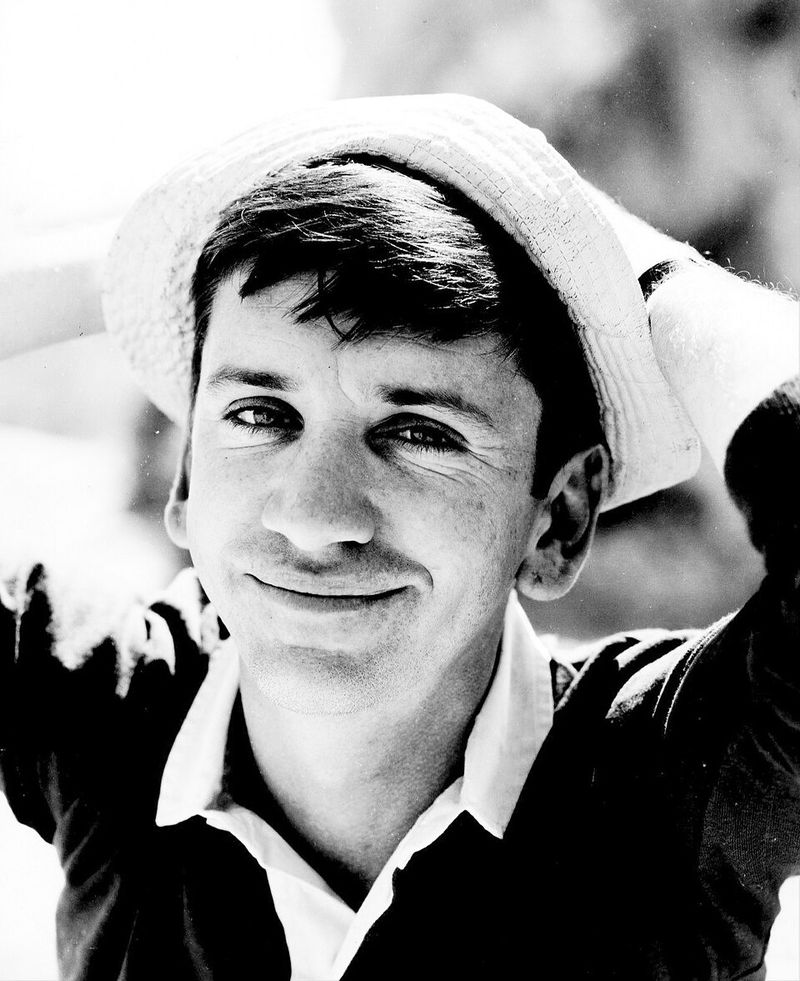
Seven castaways found themselves stranded on an uncharted tropical island after a three-hour tour went horribly wrong. The bumbling first mate Gilligan constantly ruined every escape plan, keeping the group stuck there episode after episode.
Despite only running for three seasons, the show became a cultural phenomenon through endless reruns.
Each character represented a different personality type and social class. The Skipper served as the leader, constantly frustrated by Gilligan’s mistakes.
Ginger was a glamorous movie star, while Mary Ann was the sweet girl-next-door. The Professor could build anything from coconuts, and the millionaire Thurston Howell III and his wife Lovey brought upper-class snobbery to the island.
The comedy came from watching these diverse personalities try to work together while maintaining their island society. Every episode followed a similar formula where they’d get close to rescue before something went wrong.
The situations were absurd, the humor was slapstick, and the whole premise was delightfully silly.
Millennials might wonder why the Professor could build a radio from bamboo but couldn’t fix the boat. The repetitive plots and broad comedy don’t hold up well for modern audiences used to sophisticated storytelling.
Younger viewers find it more frustrating than funny, while Boomers remember it as lighthearted escapism perfect for family viewing.
8. Lassie (1954–1974)

A brilliant Rough Collie named Lassie saved lives, solved problems, and showed unwavering loyalty for two decades on television. The show went through several family settings over its long run, but the constant was always Lassie’s intelligence, bravery, and devotion.
Each episode featured the dog helping someone in trouble, whether rescuing a child from danger or alerting adults to emergencies.
Lassie wasn’t just any dog. She could understand complex situations, travel long distances to get help, and communicate effectively with humans.
The famous phrase about Timmy falling in the well became a cultural touchstone, even though that exact scenario never actually happened on the show.
The series celebrated rural American values, showcasing farm life and close-knit communities. It taught children about responsibility, kindness, and the special bond between humans and animals.
Parents appreciated the wholesome content that didn’t require them to monitor what their kids watched.
Animal-centered shows have evolved significantly since Lassie’s heyday. Millennials grew up with more realistic portrayals of pets and might find Lassie’s almost supernatural intelligence unbelievable.
The slow pacing and predictable storylines don’t compete well with fast-paced modern content. Few young people today have actually watched full episodes, though Boomers remember Lassie as a beloved childhood companion who taught important life lessons.
9. My Three Sons (1960–1972)
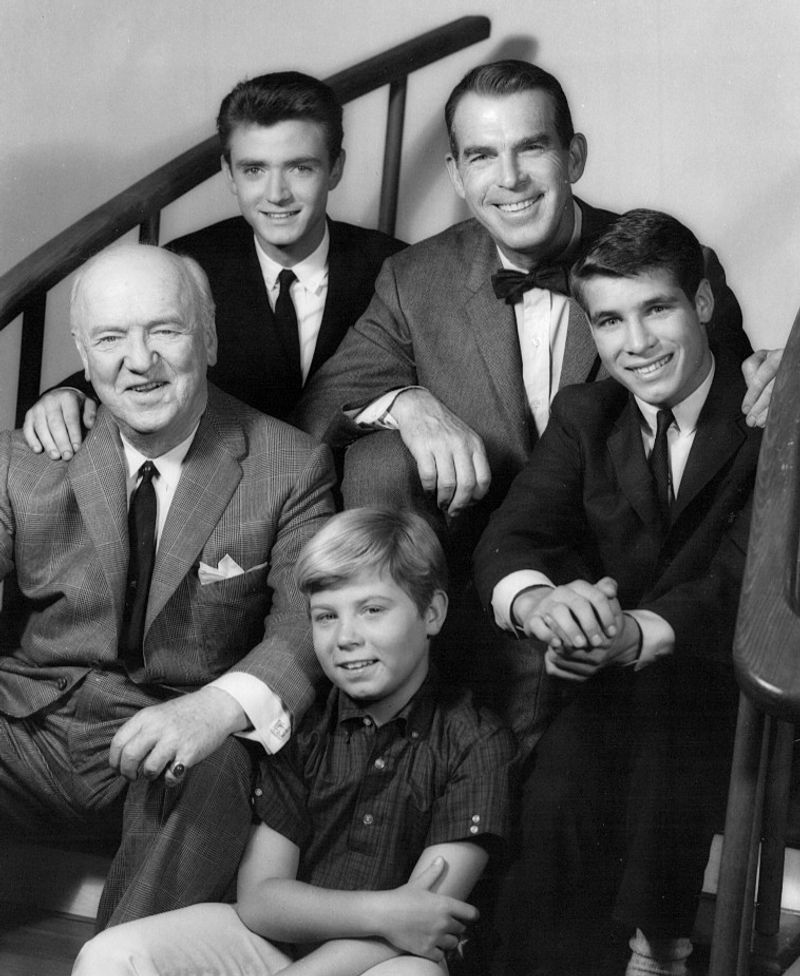
Steve Douglas raised his three boys as a widowed father, navigating single parenthood long before it became common on television. Fred MacMurray starred as the aeronautical engineer who balanced his demanding career with the challenges of raising Mike, Robbie, and Chip.
His father-in-law, played by William Frawley, helped manage the household in the early seasons.
The show portrayed a different kind of family structure than most sitcoms of its time. Without a mother figure, the boys learned life lessons from their father and grandfather.
Later seasons added Uncle Charley as the live-in helper when Frawley’s health declined. The series wasn’t afraid to tackle serious topics like dating, peer pressure, and growing up.
What made My Three Sons work was its genuine warmth and realistic approach to parenting. Steve Douglas wasn’t perfect; he made mistakes and learned alongside his sons.
The family supported each other through difficulties, and love was always evident even when they disagreed. The show evolved over its twelve-year run as the boys grew up, got married, and started families of their own.
Single-parent households are much more common in modern television, making this show’s premise less unique to Millennials. The traditional family values and conservative approach to issues feel dated to younger viewers.
Most have never heard of the Douglas family, while Boomers remember it as comforting viewing that showed families could thrive in different configurations.
10. The Ed Sullivan Show (1948–1971)
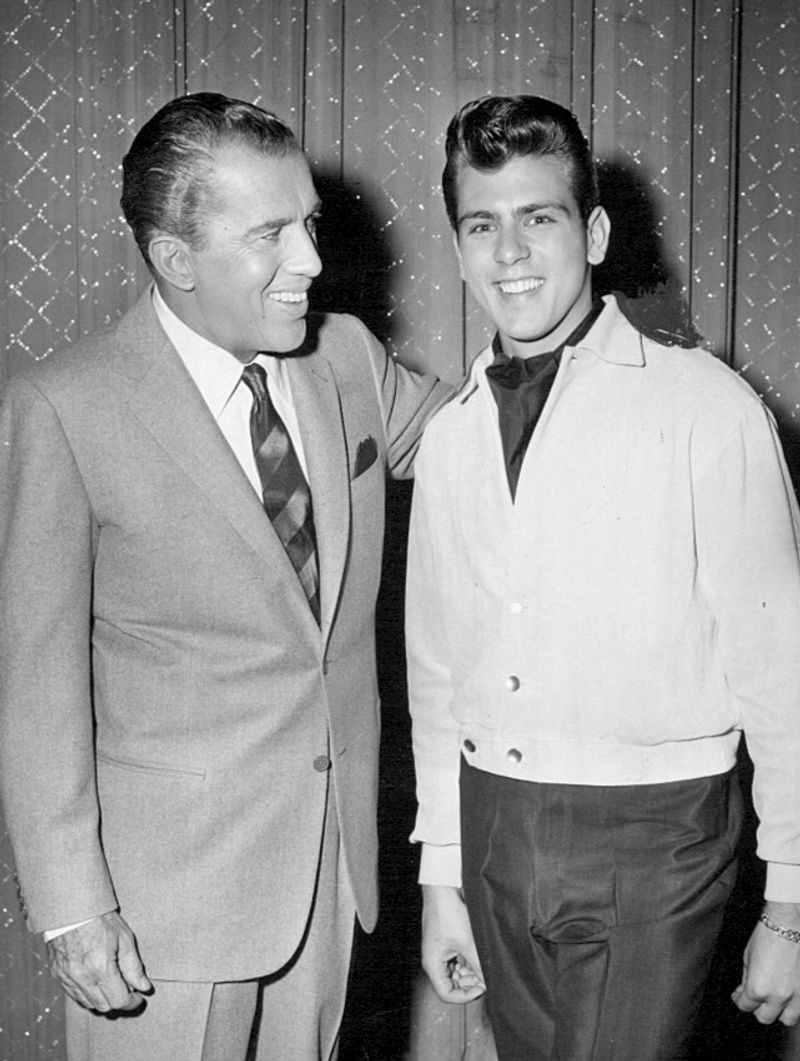
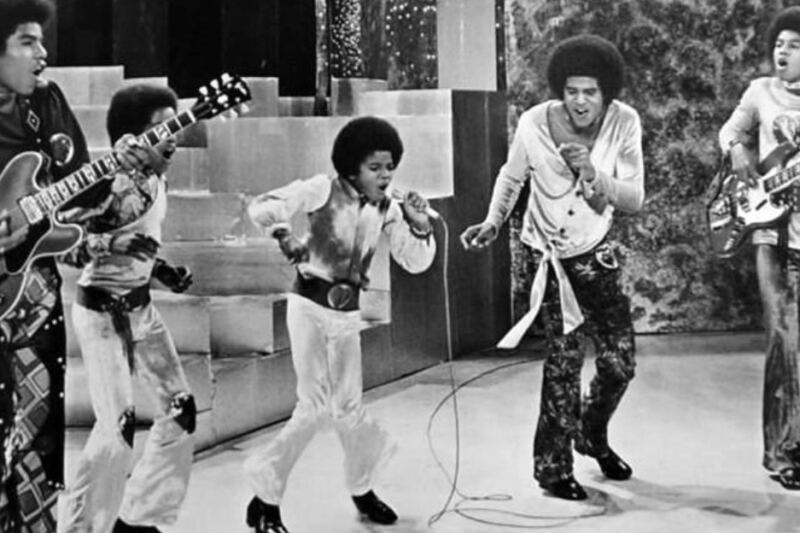
Sunday nights belonged to Ed Sullivan, whose variety show introduced America to countless entertainment legends. The stiff, awkward host became famous for his phrase, “We’ve got a really big show tonight.” His program featured everything from opera singers to plate spinners, from comedians to rock bands.
If you performed on Sullivan’s stage, you’d made it big.
The show’s impact on music history cannot be overstated. Elvis Presley’s appearances caused nationwide sensations, though cameras famously only showed him from the waist up due to his scandalous hip movements.
The Beatles made their American television debut on the program, with 73 million people tuning in to watch. Rolling Stones, The Doors, and countless other acts gained massive exposure through Sullivan’s show.
Beyond music, Sullivan showcased Broadway performances, comedy acts, and international performers. Families gathered together to see what surprises each week would bring.
The host himself became a beloved figure despite his wooden delivery and awkward stage presence. His genuine enthusiasm for the performers shone through.
Variety shows have essentially disappeared from modern television, making this format completely foreign to Millennials. Younger viewers consume entertainment through streaming and social media, not by watching a scheduled weekly program with diverse acts.
Most have never experienced the communal anticipation of waiting to see who would appear next, something Boomers remember as essential Sunday night tradition.
11. Batman (1966–1968)
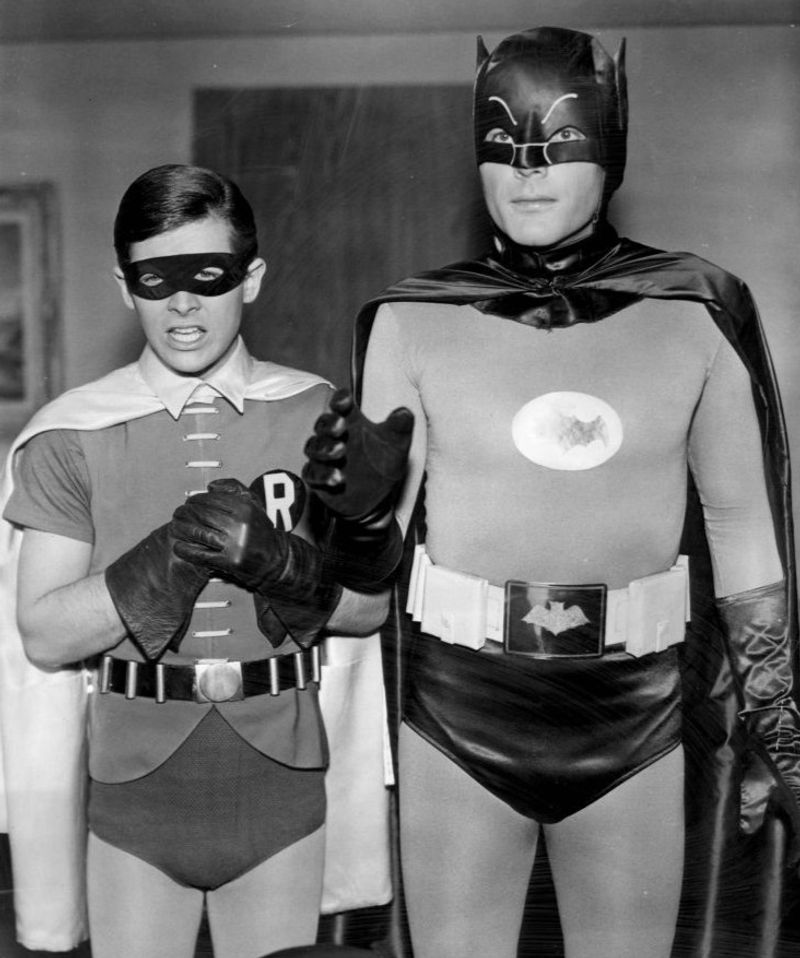
Adam West donned the cape and cowl for a campy, colorful take on the Dark Knight that was completely different from modern superhero adaptations. Bright costumes, over-the-top villains, and dramatic fight scenes with cartoon sound effects like “POW!” and “BAM!” defined this version of Batman.
The show fully embraced its comic book origins with intentional cheese and theatrical performances.
Bruce Wayne and his young ward Dick Grayson would slide down the Batpoles in Wayne Manor, transforming into Batman and Robin. They’d race to the scene in the iconic Batmobile to face villains like the Joker, Penguin, Riddler, and Catwoman.
Every villain had an elaborate scheme, usually involving some absurdly specific death trap for our heroes.
The series became a cultural phenomenon, spawning merchandise, a movie, and countless catchphrases. Parents and children watched together, though for different reasons.
Kids took the adventures seriously while adults appreciated the intentional humor and satire. Guest stars lined up to play villains in the campy universe.
Today’s superhero content is dramatically different, focusing on dark, gritty realism rather than colorful camp. Millennials grew up with Tim Burton’s serious Batman films and Christopher Nolan’s brooding trilogy.
The 1960s version feels like a parody rather than a legitimate superhero show. Most younger viewers have only seen clips used as jokes, while Boomers remember when this was the definitive Batman.
12. The Adventures of Ozzie and Harriet (1952–1966)
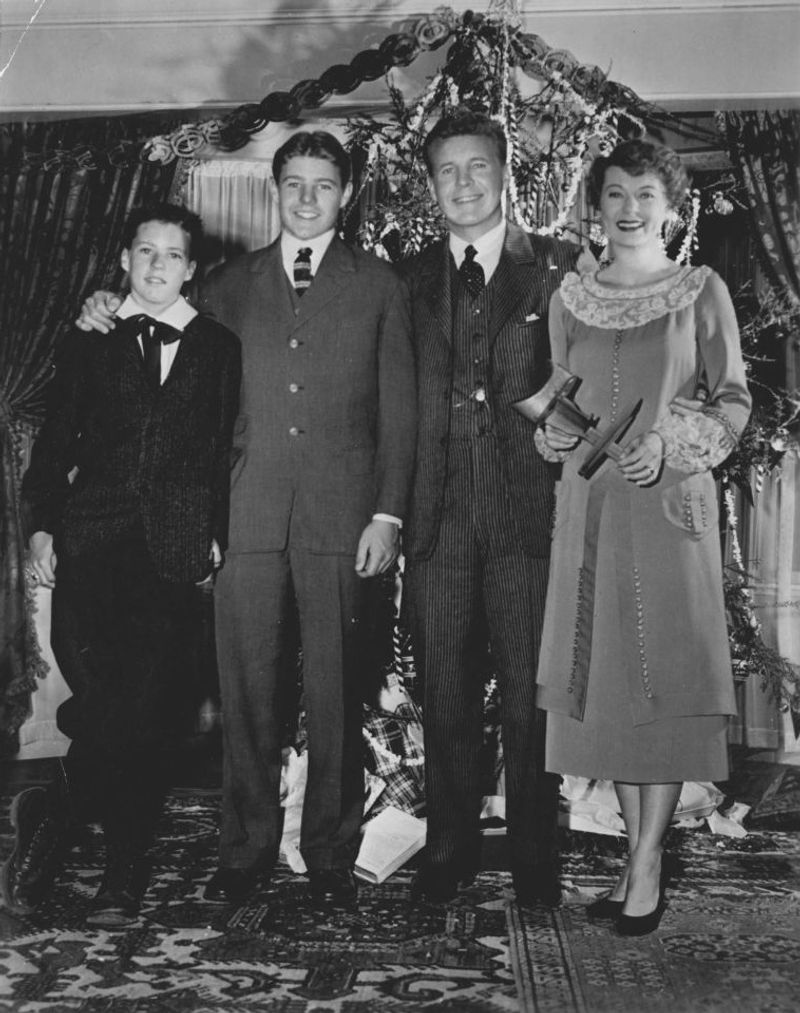
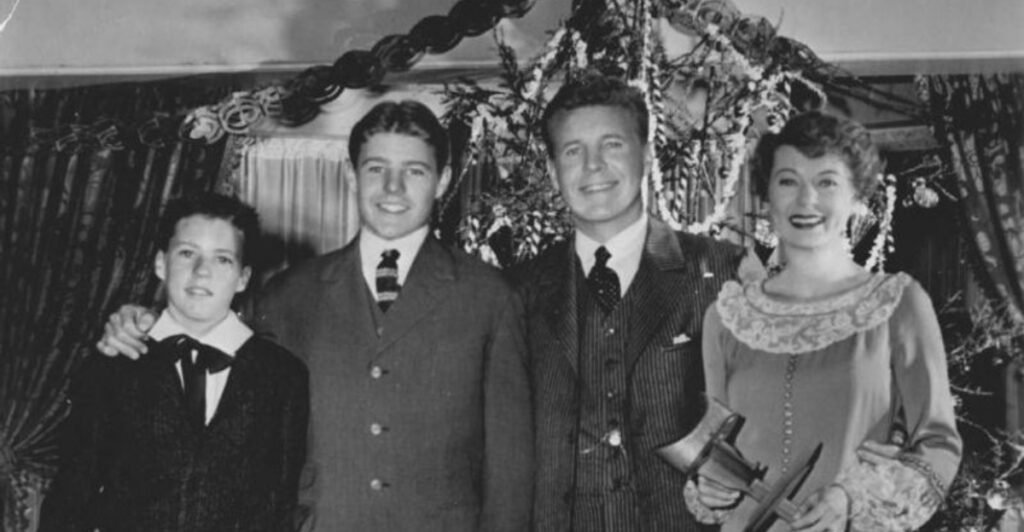
Real-life couple Ozzie and Harriet Nelson played fictionalized versions of themselves alongside their actual sons, David and Ricky. This blurring of reality and television was unique for its time, creating an authentic family atmosphere that audiences connected with.
The show portrayed an idealized version of American suburban life during the 1950s and early 60s.
Ozzie Nelson wrote, produced, directed, and starred in the series, maintaining creative control throughout its impressive fourteen-season run. The storylines focused on everyday family situations without much drama or conflict.
Harriet managed the household while Ozzie’s job remained mysteriously undefined throughout the entire series. The boys dealt with typical teenage issues like dating, school, and finding their place in the world.
The show’s greatest legacy might be launching Ricky Nelson’s music career. His performances on the show helped him become a teen idol and successful recording artist.
Each episode felt comfortable and familiar, like visiting with friendly neighbors. The Nelson family represented what many Americans aspired to during that era.
This type of gentle, conflict-free family sitcom feels boring to Millennials raised on more complex narratives. The idealized 1950s suburban lifestyle doesn’t reflect modern family diversity or challenges.
Younger audiences have likely never heard of Ozzie and Harriet, finding the whole concept of a family playing themselves on TV rather strange. Boomers, however, remember it as the epitome of wholesome family entertainment.
13. The Honeymooners (1955–1956)
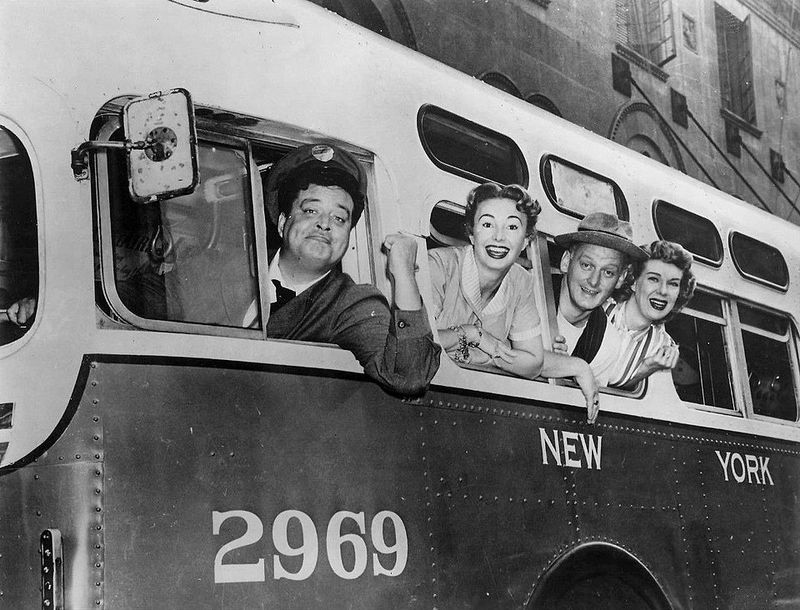
Ralph Kramden drove a bus in Brooklyn and dreamed of get-rich-quick schemes that never worked out. Jackie Gleason brought the loud-mouthed, big-hearted character to life in this working-class sitcom that only ran for one season but became legendary through reruns.
His long-suffering wife Alice kept him grounded while his best friend Ed Norton provided comic relief as the cheerful sewer worker.
The show took place almost entirely in the Kramdens’ sparse apartment, with minimal sets and maximum character interaction. Ralph’s schemes always failed spectacularly, but he’d apologize to Alice with his famous line, “Baby, you’re the greatest.” The humor came from Ralph’s pride, his friendship with Norton, and the realistic portrayal of working-class marriage.
What made The Honeymooners special was its honest depiction of financial struggles and marital dynamics. Ralph and Alice loved each other but argued constantly about money, respect, and Ralph’s unrealistic dreams.
Norton’s friendship with Ralph showed genuine male bonding, complete with bowling leagues and lodge meetings. The writing was sharp and the performances were brilliant.
Only 39 episodes were produced during the classic season, though Gleason performed Honeymooners sketches on other shows for years. Millennials might recognize the famous “To the moon!” line but have never watched actual episodes.
The format feels theatrical and stage-bound compared to modern sitcoms. Boomers, however, consider it one of television’s finest comedies, with performances and writing that influenced generations of shows.
14. The Jackie Gleason Show (1949–1970)
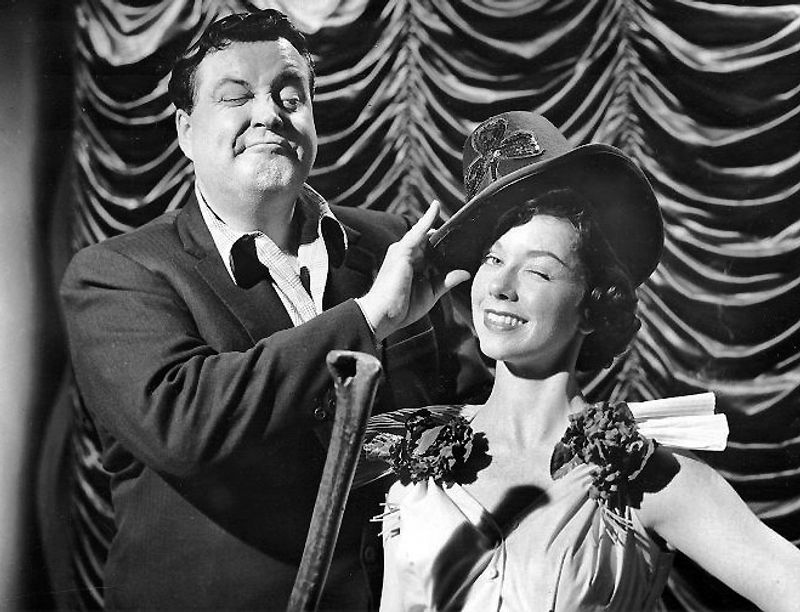
Jackie Gleason’s variety show showcased his incredible range as an entertainer, featuring comedy sketches, musical performances, and multiple recurring characters. The Great One, as Gleason was known, commanded the stage with his larger-than-life personality and remarkable talent.
The show went through various formats and time slots over its long run but always centered on Gleason’s charismatic presence.
Beyond Ralph Kramden from The Honeymooners, Gleason created memorable characters like Reginald Van Gleason III, the Poor Soul, and Joe the Bartender. Each character had distinct personalities and situations that audiences looked forward to seeing.
The June Taylor Dancers provided spectacular choreographed numbers, and Gleason’s orchestra leader Sammy Spear kept the music flowing.
Gleason’s opening line, “And away we go!” became his signature catchphrase. The show balanced lowbrow humor with sophisticated entertainment, appealing to broad audiences.
Gleason himself was a complicated figure, known for his perfectionism, his drinking, and his genuine affection for his audience. He poured his heart into every performance.
Variety shows require a specific type of entertainer that’s rare today, someone who can host, act, sing, and command a stage for an entire hour. Millennials don’t have many reference points for this format.
They might know Gleason from his film roles but have never experienced his variety show. The format feels old-fashioned and overly theatrical.
Boomers, though, remember Saturday nights with Jackie Gleason as essential viewing.
15. The Roy Rogers Show (1951–1957)
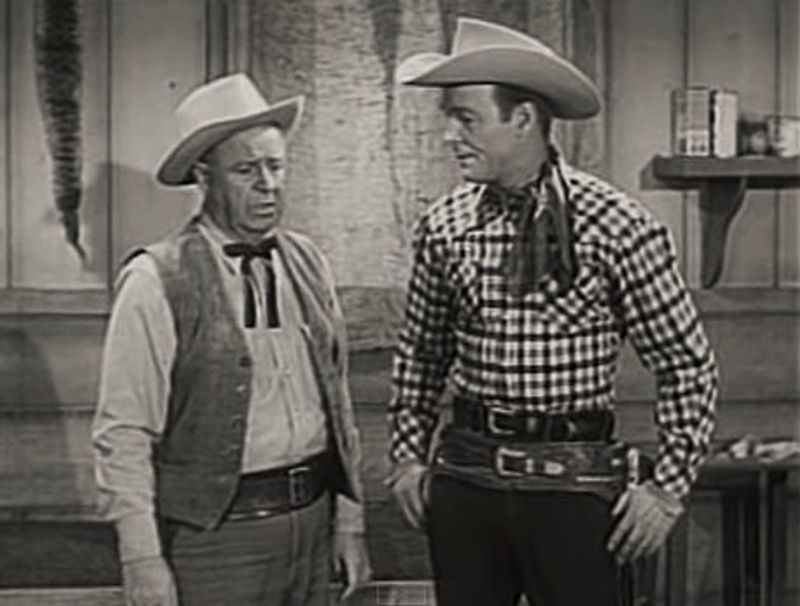
Roy Rogers, the King of the Cowboys, brought his singing cowboy persona from movies to television with tremendous success. Alongside his wife Dale Evans and his famous palomino horse Trigger, Rogers fought bad guys and protected his community in each action-packed episode.
His faithful dog Bullet and comic sidekick Pat Brady rounded out the regular cast for Wild West adventures.
Each episode followed a similar formula with Rogers discovering some wrongdoing, investigating the situation, and ultimately bringing the villains to justice. Along the way, he’d usually perform a song or two, showcasing his musical talents.
The show emphasized traditional Western values like honesty, bravery, and helping those in need. Rogers served as a role model for young viewers.
The production values were modest, with obvious studio sets and simple storylines. But children didn’t care about those details.
They wanted to see Roy Rogers ride Trigger, catch the bad guys, and save the day. The show’s success led to massive merchandising, with Roy Rogers lunch boxes, toy guns, and cowboy outfits flying off store shelves.
Western shows have almost completely disappeared from children’s programming, making Roy Rogers a relic of another era to Millennials. Younger generations didn’t grow up idolizing cowboys or playing Wild West games.
The simple morality tales and dated production values don’t compete with modern action shows. Most Millennials have never heard of Roy Rogers, while Boomers remember him as a childhood hero.
Share this story