America overflows with cities that tell stories stretching back centuries, yet many younger travelers zoom past them chasing trendy destinations and Instagram-worthy skylines. Historic towns packed with colonial architecture, Civil War battlefields, and frontier legends often get labeled as boring or outdated by millennials hunting for the next viral hotspot.
But these places hold incredible depth, character, and experiences you simply cannot find in modern metropolises. Rediscovering these underappreciated gems might just change how you see American history forever.
1. St. Augustine, FL – Oldest European-founded city in the U.S.
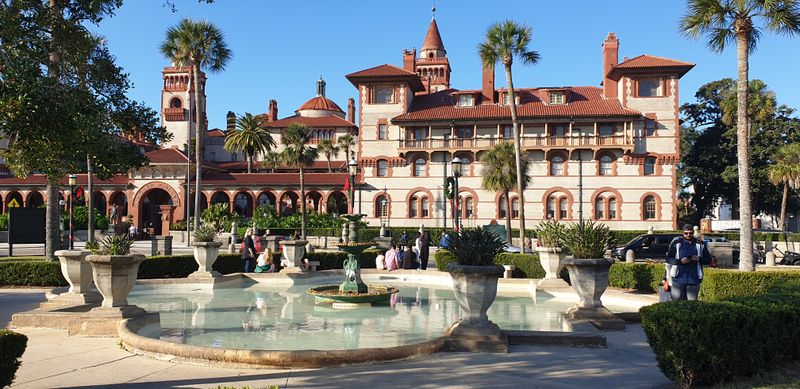
Founded by Spanish explorers in 1565, St. Augustine beats every other continuously occupied European settlement in the continental United States by decades. Cobblestone streets wind past centuries-old fortresses, and the Castillo de San Marcos still stands guard over Matanzas Bay just like it did when pirates roamed these waters.
Walking through the colonial quarter feels like stepping into a time machine, with buildings that have survived hurricanes, wars, and the march of progress.
Most millennials head straight to Miami or Orlando, completely skipping this coastal treasure. They miss out on ghost tours through genuinely haunted buildings, not manufactured theme park scares.
The old city gates, Spanish Renaissance architecture, and even the oldest wooden schoolhouse in America sit waiting for curious visitors.
Local restaurants serve up fresh seafood in dining rooms with exposed coquina walls that predate the Declaration of Independence. You can tour Ponce de Leon’s legendary Fountain of Youth Archaeological Park or just wander narrow lanes where history whispers from every doorway.
St. Augustine does not shout for attention like flashier Florida destinations, but its authentic historic atmosphere beats any replica hands down. This city earned its place in American history the hard way, through centuries of real stories worth discovering.
2. Galena, IL – One of the best-preserved 19th-century towns in America
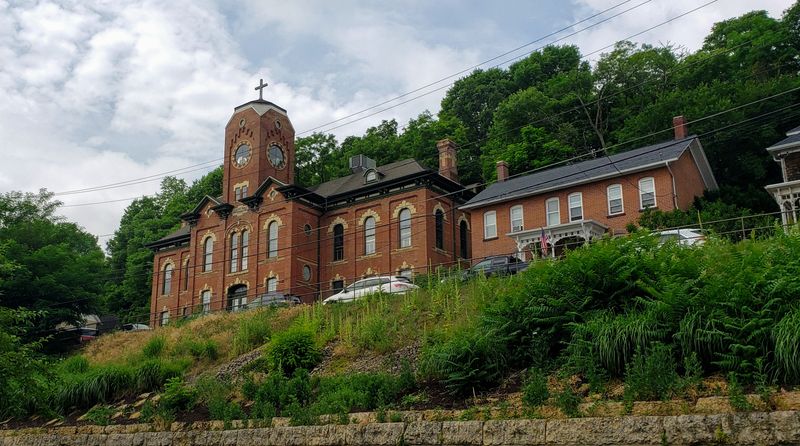
Nestled in the rolling hills of northwest Illinois, Galena looks like someone pressed pause on 1850 and never hit play again. Over 85 percent of the buildings downtown appear on the National Register of Historic Places, creating an entire streetscape frozen in time.
Brick storefronts with original cast-iron facades line Main Street, which slopes dramatically down toward the Galena River like a scene from an old Western painting.
This town boomed during the lead mining rush and later became home to Ulysses S. Grant before he became a Civil War general and president.
His preserved home still welcomes visitors, but most millennials have never heard of Galena despite its remarkable preservation. The entire downtown feels like a living museum without the velvet ropes and boring placards.
Boutique shops now occupy buildings where miners once bought supplies, and cozy bed-and-breakfasts fill historic mansions built by lead barons. You can ride a trolley past Victorian homes, explore winding staircases in 19th-century hotels, or just enjoy the fact that no chain stores have invaded this authentic slice of Americana.
Galena proves you do not need a big city to experience big history. Sometimes the best stories hide in small towns that refused to tear down their past for parking lots.
3. St. Joseph, MO – Pony Express origins, frontier history
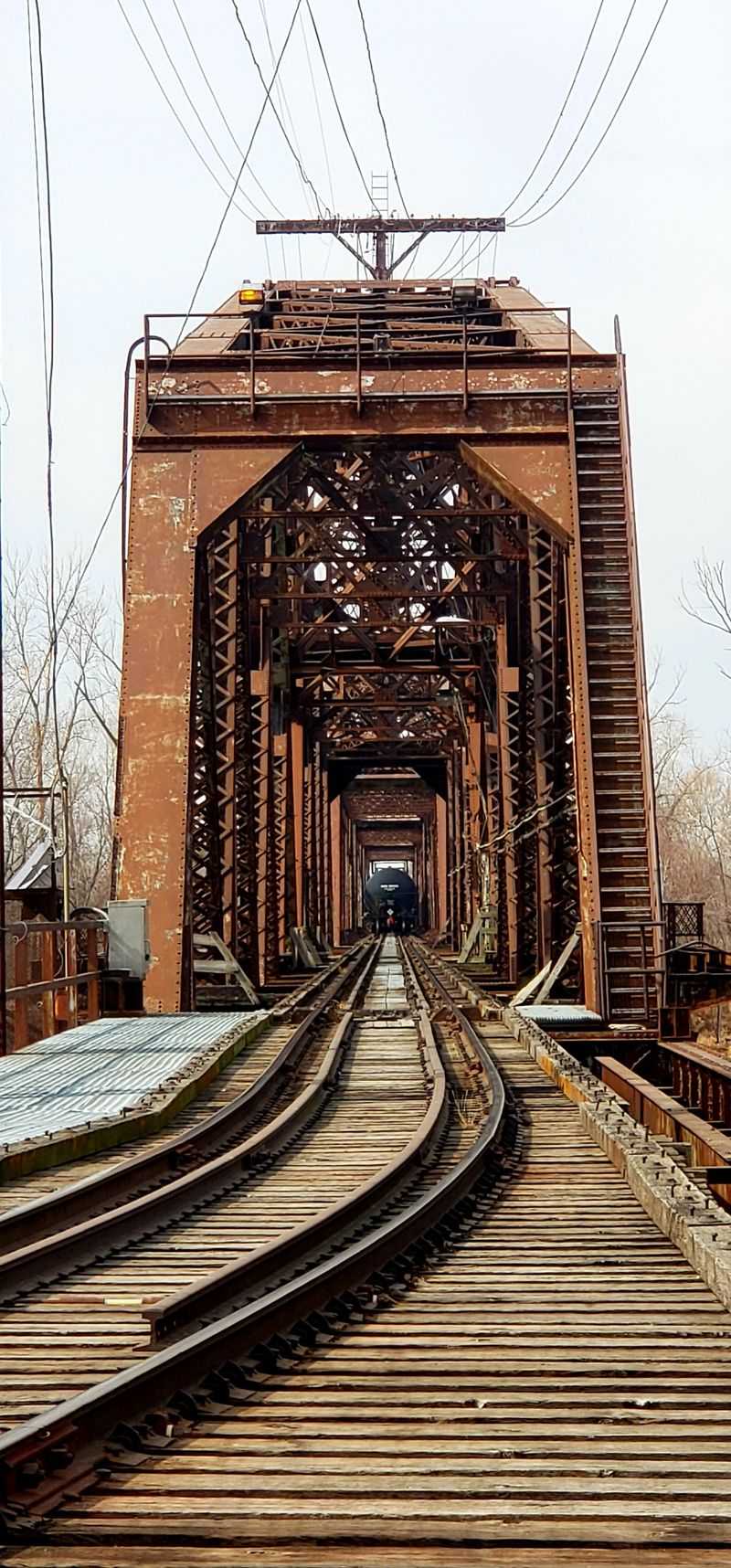
Before emails, texts, or even telegrams reached the West Coast, young riders on fast horses carried mail across nearly 2,000 miles of dangerous frontier territory. St. Joseph served as the eastern starting point for the legendary Pony Express, and you can still visit the original stables where this incredible chapter of American grit began in 1860.
The Pony Express Museum sits in the actual building where riders picked up their mail pouches before racing westward into history.
Beyond the Pony Express connection, St. Joseph played a major role in westward expansion as a jumping-off point for settlers heading to Oregon and California. The city also holds the dubious distinction of being where outlaw Jesse James met his end, shot in his own home by a supposed friend.
That house still stands as a museum, bullet hole and all.
Most millennials know the Pony Express from textbooks but never connect it to a real place you can actually visit. St. Joseph offers genuine frontier history without the Hollywood polish, from Victorian mansions built by cattle barons to the riverfront where steamboats once loaded pioneers and supplies.
The city does not package its history in cute Instagram moments. It just exists, waiting for people curious enough to seek out where American legends actually happened.
4. Natchez, MS – Antebellum mansions and river history
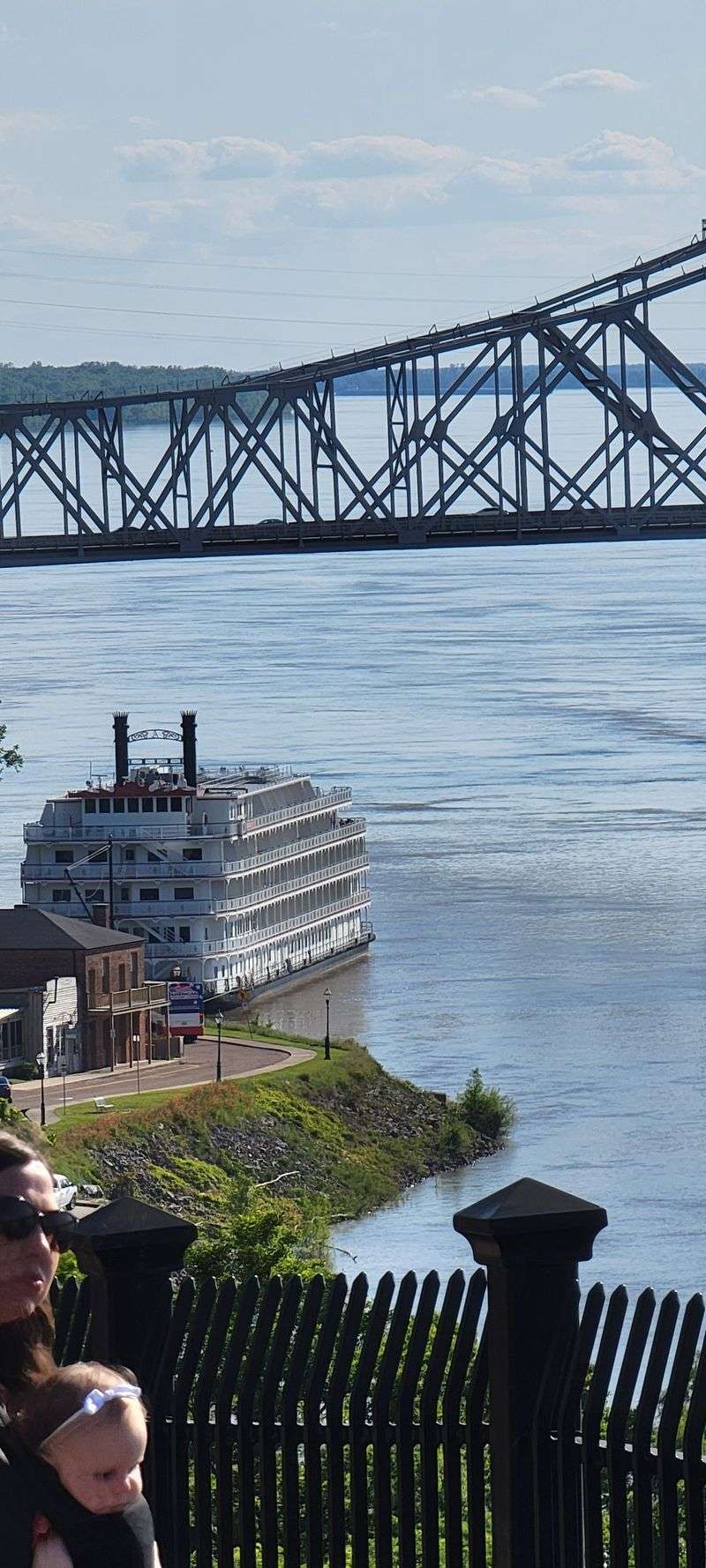
Perched on bluffs overlooking the Mississippi River, Natchez boasts more antebellum mansions than any other city in America. These grand estates, with their towering columns and sprawling gardens, survived the Civil War largely intact because the city surrendered without a fight.
Walking through neighborhoods like the Natchez Historic District feels like wandering through the pages of a Southern Gothic novel, minus the fictional drama but full of real stories.
Natchez grew wealthy from cotton and river trade long before the war, and that prosperity shows in the architectural splendor that still defines the city. Mansions like Longwood, left unfinished when the Civil War began, stand as haunting reminders of how quickly fortunes changed.
Rosalie Mansion offers river views that steamboat captains once envied, while Stanton Hall showcases the opulence that cotton money could buy.
Millennials often skip Natchez, maybe uncomfortable with its plantation history or simply unaware of its existence. But understanding this complicated past matters more than pretending it never happened.
The city does not shy away from difficult conversations about slavery and its legacy. Instead, it preserves these buildings as educational opportunities, showing both the beauty and the brutal reality of antebellum life.
Natchez tells American history honestly, which makes it more valuable than any sanitized version could ever be.
5. Eureka Springs, AR – Entire downtown on the National Register
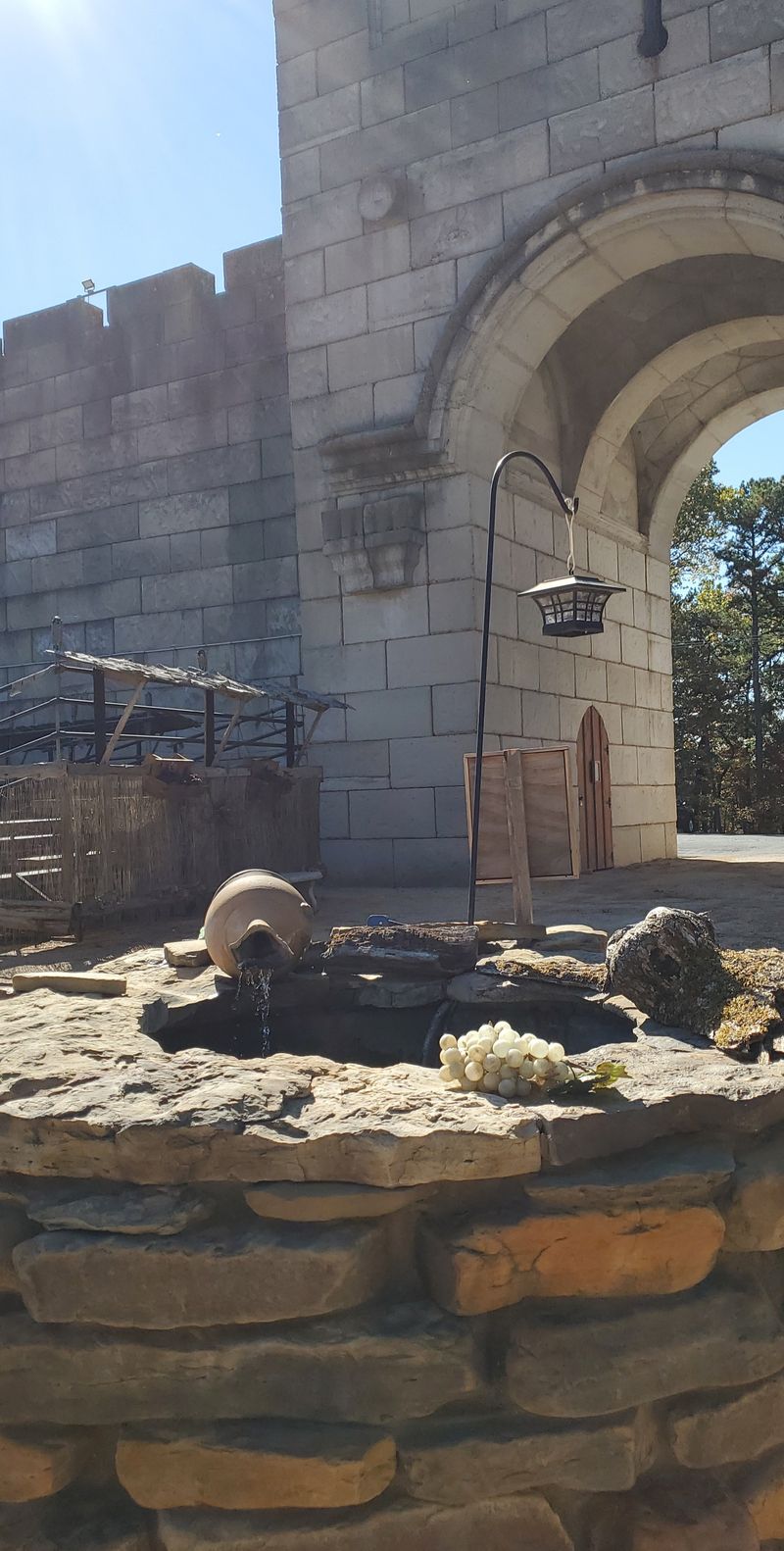
Built into the Ozark Mountains without a single straight street or traffic light, Eureka Springs defies every rule of modern city planning. Victorian buildings cling to steep hillsides, connected by winding roads and hidden staircases that make exploring feel like a treasure hunt.
The entire downtown district earned a spot on the National Register of Historic Places, recognizing its unique preservation of 19th-century architecture and layout.
This quirky town boomed in the 1880s when people believed its natural springs held healing powers. Grand hotels and bathhouses sprang up practically overnight, and many still stand today, converted into shops, galleries, and restaurants.
The Crescent Hotel, allegedly one of America’s most haunted hotels, towers over downtown with Victorian elegance and spine-tingling ghost stories.
Millennials who do stumble upon Eureka Springs often think it is just a cute weekend getaway spot without realizing the historical significance beneath the surface. The town never modernized or tore down its past to make room for strip malls and parking garages.
Instead, it embraced its winding, inconvenient streets and century-old buildings as assets rather than obstacles. You can spend days exploring hidden courtyards, underground passages, and buildings that seem to defy gravity on these steep slopes.
Eureka Springs proves that preserving history sometimes means refusing to make things easier or more convenient for modern tastes.
6. York, PA – First U.S. capital (briefly), colonial history
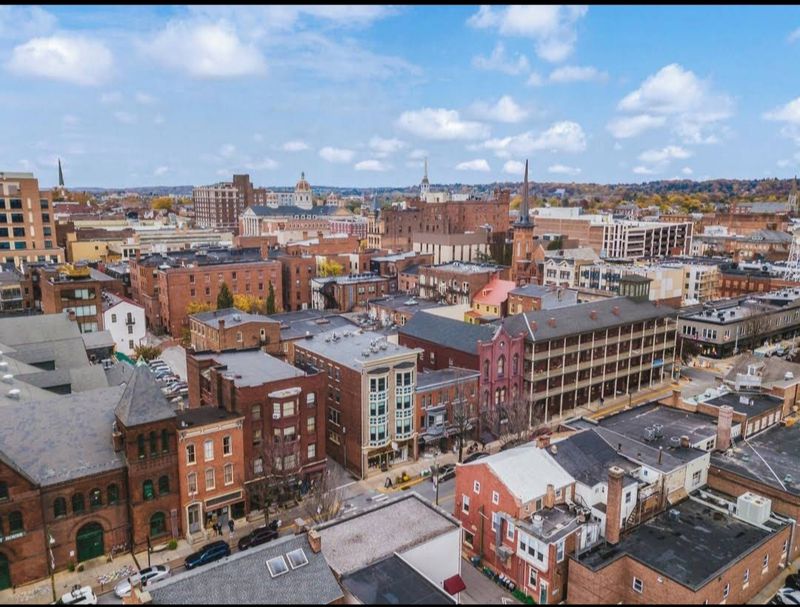
When British troops occupied Philadelphia in 1777, the Continental Congress fled to York and governed the fledgling nation from this Pennsylvania town for nine crucial months. During that time, Congress adopted the Articles of Confederation here, making York technically the first capital of the United States under a governing document.
Yet most Americans have never heard this fact, overshadowed by Philadelphia, New York, and Washington, D.C.
York’s colonial district preserves buildings where founding fathers debated the country’s future while the Revolutionary War raged elsewhere. The Colonial Complex includes the original courthouse and other structures from that pivotal period.
Beyond its brief moment as capital, York played important roles in the Underground Railroad and later became an industrial powerhouse producing everything from motorcycles to barbells.
Millennials racing between Philadelphia and Pittsburgh on Interstate 83 probably never even glance at the York exit. They miss out on walking streets where American independence took shape and visiting museums that tell stories beyond the usual Boston-Philadelphia-Williamsburg narrative.
York does not demand attention with flashy monuments or theme park attractions. Its history lives quietly in brick buildings and modest markers, waiting for people willing to look beyond the famous names.
Sometimes the most important moments in American history happened in places that never became household names, and York stands as proof of that overlooked truth.
7. Mobile, AL – Older than New Orleans, deep French & Spanish roots
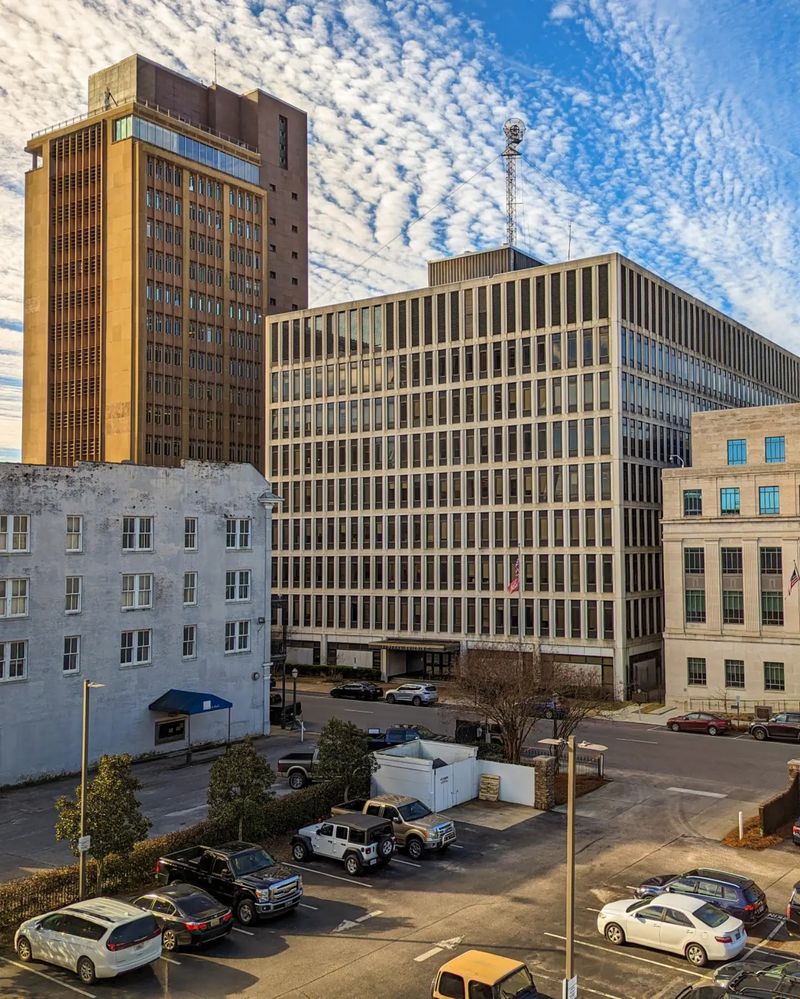
Founded by French colonists in 1702, Mobile predates its flashier neighbor New Orleans by several years and actually celebrated the first Mardi Gras in America. Spanish and French influences run deep through the architecture, cuisine, and culture of this Gulf Coast city that most millennials could not find on a map.
Wrought-iron balconies and pastel-colored Creole cottages line streets shaded by massive live oaks dripping with Spanish moss.
Mobile changed hands between French, British, and Spanish rulers before finally becoming American territory, and each culture left its mark. The History Museum of Mobile sits in the Old City Hall, a stunning example of Southern Renaissance Revival architecture.
Fort Conde, a reconstruction of the original 1720s French fort, guards the entrance to downtown just like it did when Mobile was the capital of French Louisiana.
New Orleans sucks up all the attention when people think about Gulf Coast history and culture, leaving Mobile in the shadows despite its older pedigree and equally rich heritage. The city hosts elaborate Mardi Gras celebrations that locals claim are more authentic and family-friendly than the commercialized chaos down the coast.
You can explore centuries-old cemeteries, tour antebellum mansions, or just soak up the laid-back atmosphere of a city that knows its worth without needing constant validation. Mobile offers everything people love about New Orleans minus the crowds, inflated prices, and tourist traps.
8. Vicksburg, MS – Crucial Civil War history
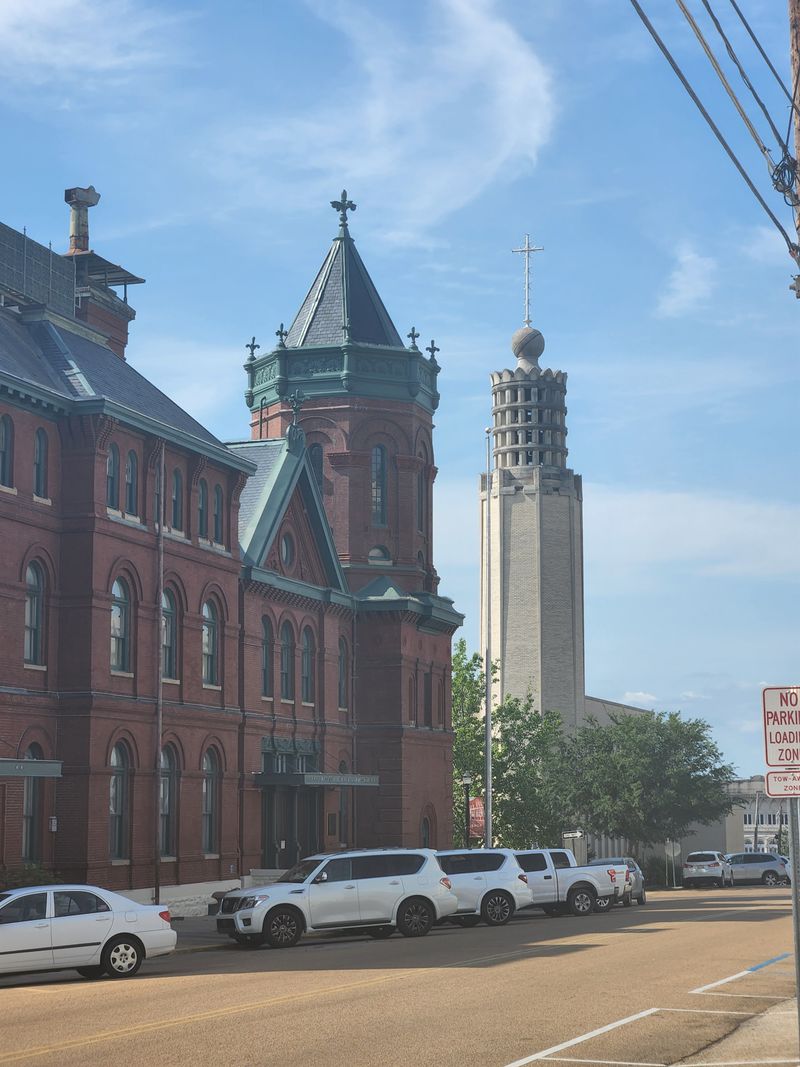
Perched on bluffs commanding the Mississippi River, Vicksburg became the site of one of the Civil War’s most decisive battles. Union forces laid siege to the city for 47 grueling days in 1863, and when Vicksburg finally fell, the Confederacy was effectively cut in half.
President Lincoln called Vicksburg the key to winning the war, and he was absolutely right. The National Military Park preserves the battlefield with miles of trenches, monuments, and cannon positions exactly where soldiers fought and died.
Beyond the battlefield, Vicksburg’s downtown still shows scars from Union gunboats that shelled the city into submission. Some buildings display cannonballs lodged in their walls, left there as permanent reminders.
The Old Courthouse Museum towers over downtown, its clock stopped at the moment Vicksburg surrendered, frozen in time like the city’s memory of that terrible summer.
Most millennials learn about Gettysburg in school but never hear much about Vicksburg, despite its equal importance to the war’s outcome. The battlefield lacks the crowds and commercialization of more famous sites, offering a quieter, more reflective experience.
You can walk the same ground where soldiers dug trenches and charged enemy lines without fighting through tour groups and gift shops. Vicksburg matters because it changed American history forever, splitting the Confederacy and bringing the war’s end closer.
Ignoring it means missing a crucial piece of how the country survived its darkest chapter.
9. Deadwood, SD – Wild West history, largely dismissed as kitsch
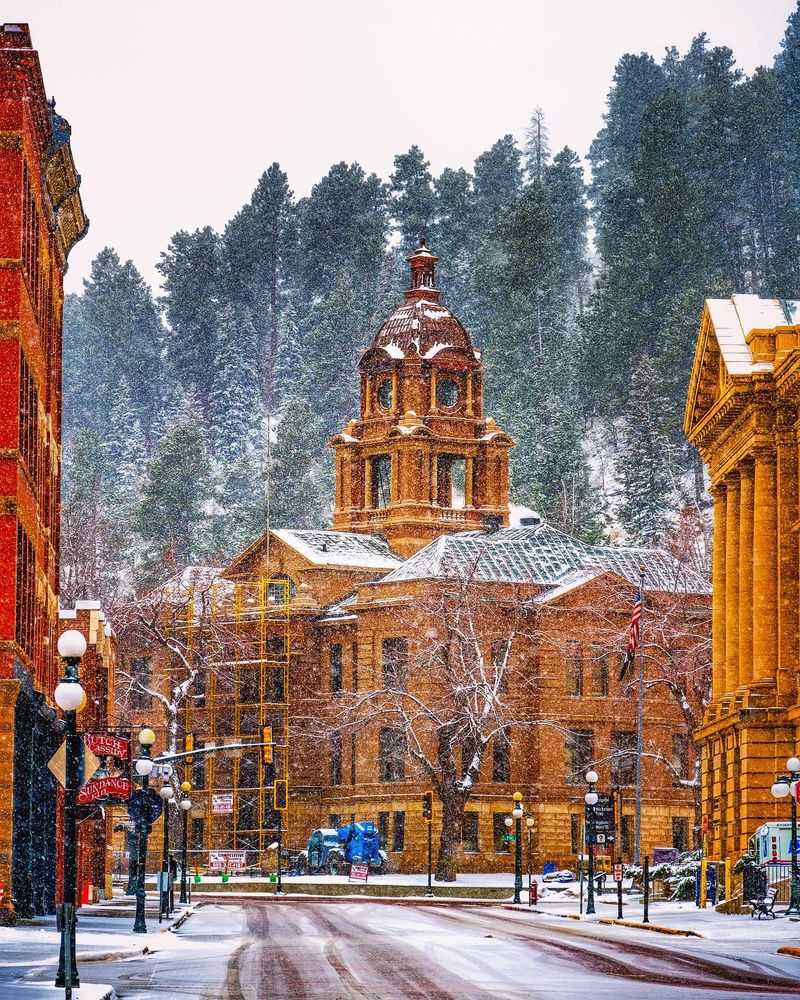
Tucked into a narrow gulch in the Black Hills, Deadwood exploded into existence after gold was discovered in 1876, attracting fortune seekers, outlaws, and legends like Wild Bill Hickok and Calamity Jane. Hickok was shot dead while playing poker in Saloon Number 10, holding what became known as the dead man’s hand.
Both he and Calamity Jane rest in Mount Moriah Cemetery overlooking the town they helped make famous. The entire city appears on the National Register of Historic Places, preserving its Wild West architecture and layout.
Many millennials dismiss Deadwood as touristy kitsch because of its casinos and reenactments, missing the genuine history beneath the entertainment. Yes, modern gaming halls occupy some historic buildings, but the bones of the frontier town remain authentic.
Wooden sidewalks, false-front buildings, and narrow streets still follow the same chaotic pattern laid down by gold-rush miners who cared more about claims than city planning.
Walking Deadwood’s main street at dawn, before the crowds and slot machines wake up, you can almost hear echoes of the lawless frontier town it once was. The Adams Museum houses incredible artifacts from the gold rush era, and guided tours reveal stories of brothels, shootouts, and the rough justice that passed for law.
Deadwood survived fires, floods, and economic busts by adapting without completely erasing its past. It might be imperfect preservation, but it beats demolishing history entirely for parking lots and chain stores.
10. New Bern, NC – Colonial capital, Tryon Palace
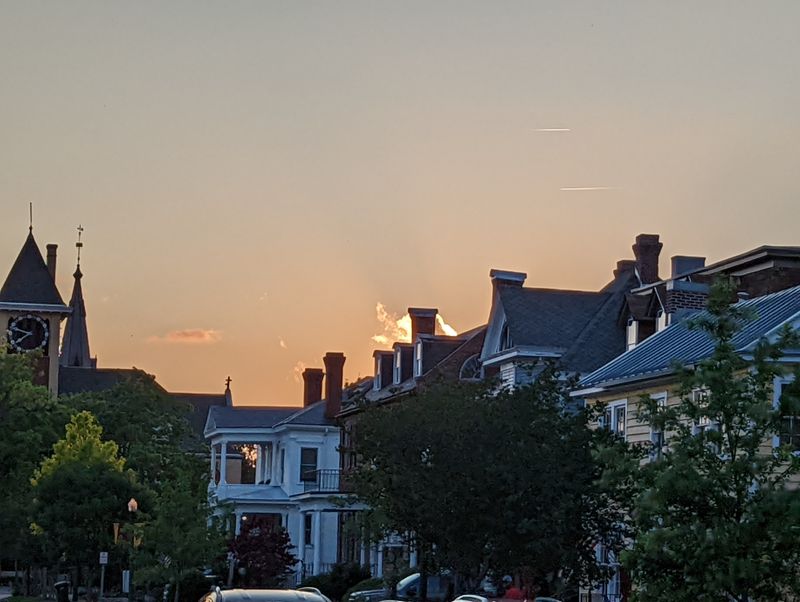
Serving as North Carolina’s colonial capital from 1770 until the Revolution, New Bern hosted royal governors in the magnificent Tryon Palace, considered one of the finest government buildings in colonial America. The original palace burned in 1798, but a meticulous reconstruction in the 1950s brought it back to life, complete with period furnishings and stunning gardens.
Walking through its elegant rooms and formal gardens shows how colonial elites lived while revolution brewed in the streets outside.
New Bern sits at the confluence of the Trent and Neuse Rivers, a strategic location that made it an important port and trading center. The historic district preserves hundreds of buildings spanning colonial, Federal, and Victorian periods.
Christ Episcopal Church, dating to 1750, still holds services in a building where colonial governors once worshiped. Pepsi was invented here in 1898 by pharmacist Caleb Bradham, adding quirky modern history to the colonial foundation.
Millennials flock to Outer Banks beaches just an hour away but rarely detour to New Bern despite its rich offerings. The town provides a quieter, more authentic experience than crowded tourist beaches, with tree-lined streets perfect for wandering and waterfront views minus the beach traffic.
You can tour a royal palace, explore colonial graveyards, or kayak rivers that Native Americans and colonists navigated centuries ago. New Bern proves that North Carolina history extends far beyond Research Triangle tech companies and basketball rivalries.
11. Hannibal, MO – Mark Twain’s hometown
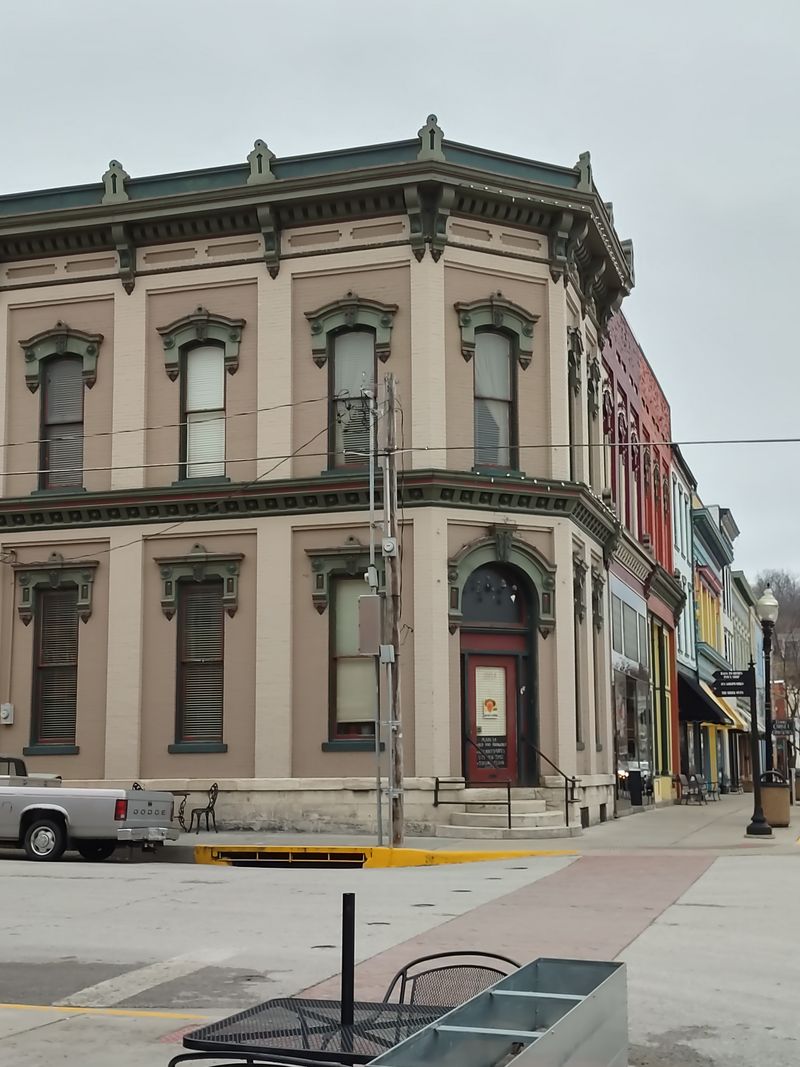
Growing up along the Mississippi River in the 1840s, young Samuel Clemens absorbed the characters, dialects, and adventures that would later fill the pages of Tom Sawyer and Huckleberry Finn. Hannibal preserves the whitewashed fence, the cave where Tom and Becky got lost, and the house where Clemens lived as a boy.
The entire town feels like stepping into one of Mark Twain’s novels, with riverboats still churning past and the limestone bluffs he described in vivid detail.
Beyond Twain tourism, Hannibal represents an important slice of mid-19th-century river town life that shaped American literature and culture. The Historic District showcases dozens of pre-Civil War buildings, from Greek Revival mansions to humble workers’ cottages.
You can ride a vintage trolley, explore antique shops in buildings older than Twain himself, or watch the Mississippi roll past from the same vantage points that inspired one of America’s greatest writers.
Most millennials read Tom Sawyer in school but never connect those stories to a real place you can visit and experience. Hannibal does not just preserve buildings; it keeps alive the river culture and small-town atmosphere that made Twain’s writing so authentic and beloved.
You can paint a fence just like Tom tricked his friends into doing or explore Mark Twain Cave with modern lighting but the same limestone formations. Hannibal matters because it shows where American literature found its uniquely democratic voice, in a river town where everyone had a story worth telling.
12. Fredericksburg, TX – German heritage + 19th-century buildings
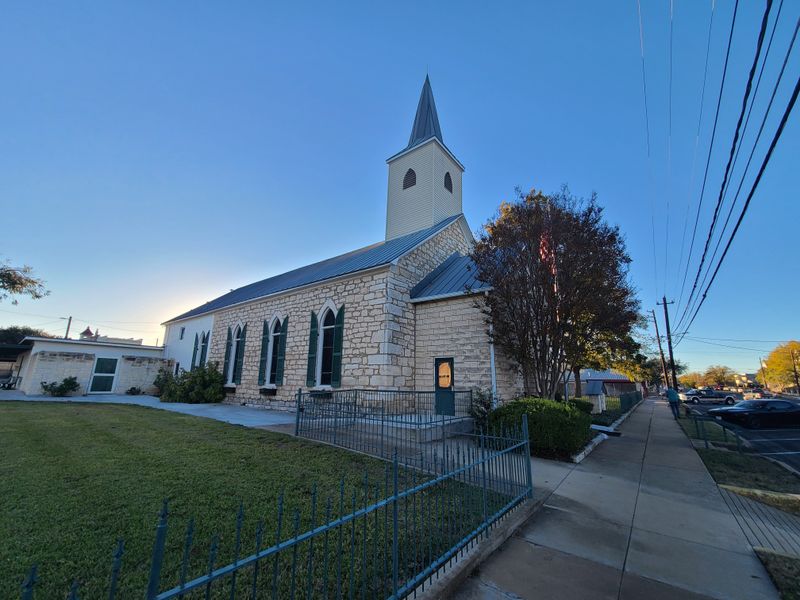
Founded by German immigrants in 1846, Fredericksburg maintains its European heritage more visibly than almost any other Texas town. Sunday houses, small cottages built by rural German farmers who needed a place to stay when they came to town for church and shopping, still dot the historic district.
German bakeries serve authentic strudel and pretzels, and you can still hear German spoken by older residents who grew up bilingual.
Main Street stretches wide and long, lined with 19th-century limestone buildings that now house boutiques, galleries, and restaurants. The architecture blends German building traditions with Texas limestone, creating a unique style found nowhere else.
Beyond the charming downtown, the surrounding Hill Country offers wildflowers in spring, wineries, and the Lyndon B. Johnson Ranch where the 36th president conducted business from his Texas White House.
Millennials might visit Fredericksburg for Instagram-worthy Main Street shots or wine tasting but often miss the deeper German heritage that makes the town special. The Pioneer Museum complex preserves original log cabins, Sunday houses, and even a one-room schoolhouse where lessons were taught in German.
Annual festivals like Oktoberfest celebrate traditions brought from Bavaria and maintained for over 170 years. Fredericksburg shows how immigrant communities shaped Texas beyond the cowboy-and-cattle stereotype, bringing their own cultures and building traditions that enriched the state’s diversity.
Understanding this German chapter means understanding Texas more completely, beyond the simplified legends most people learn.
13. Bardstown, KY – One of Kentucky’s oldest cities
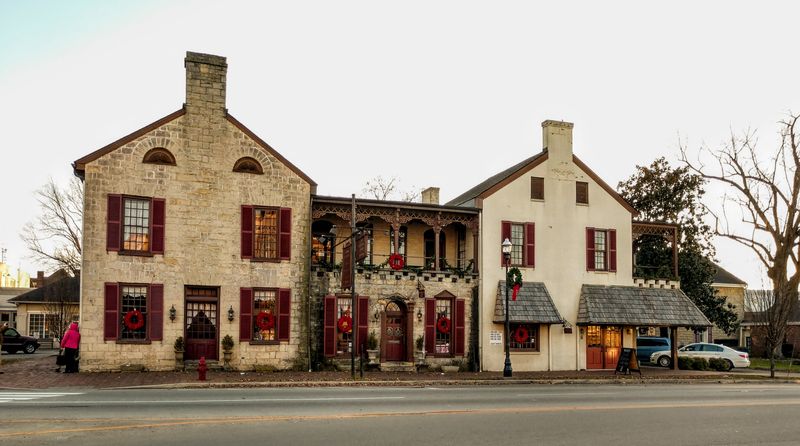
Established in 1780, Bardstown claims the title of Kentucky’s second-oldest city and wears its age proudly through dozens of preserved historic buildings. The Old Talbott Tavern has welcomed travelers since 1779, making it one of the oldest continuously operating inns in America.
Bullet holes from a Civil War skirmish still mark the walls upstairs, and legends claim Jesse James and Abraham Lincoln both slept here, though not at the same time.
Beyond its age, Bardstown earned fame as the Bourbon Capital of the World, surrounded by legendary distilleries that have crafted Kentucky’s signature spirit for generations. You can tour historic distilleries where bourbon still ages in charred oak barrels, following recipes and techniques passed down through centuries.
The town square features Federal-style buildings surrounding a courthouse that has anchored the community since 1892.
Millennials chasing the bourbon trail often race between big-name distilleries without stopping to explore Bardstown’s historic core. They miss walking streets where pioneers settled Kentucky’s frontier and visiting the Basilica of St. Joseph Proto-Cathedral, a stunning example of early American religious architecture.
The Civil War Museum tells Kentucky’s complicated border-state story, where families split and brother fought brother. Bardstown offers more than just bourbon tourism, though the whiskey certainly adds flavor to the experience.
This town remembers when Kentucky was the western frontier, before the country stretched to the Pacific, and preserving that memory matters for understanding how America grew beyond the original colonies.
14. Alton, IL – Lincoln-Douglas debate site, Mississippi River history
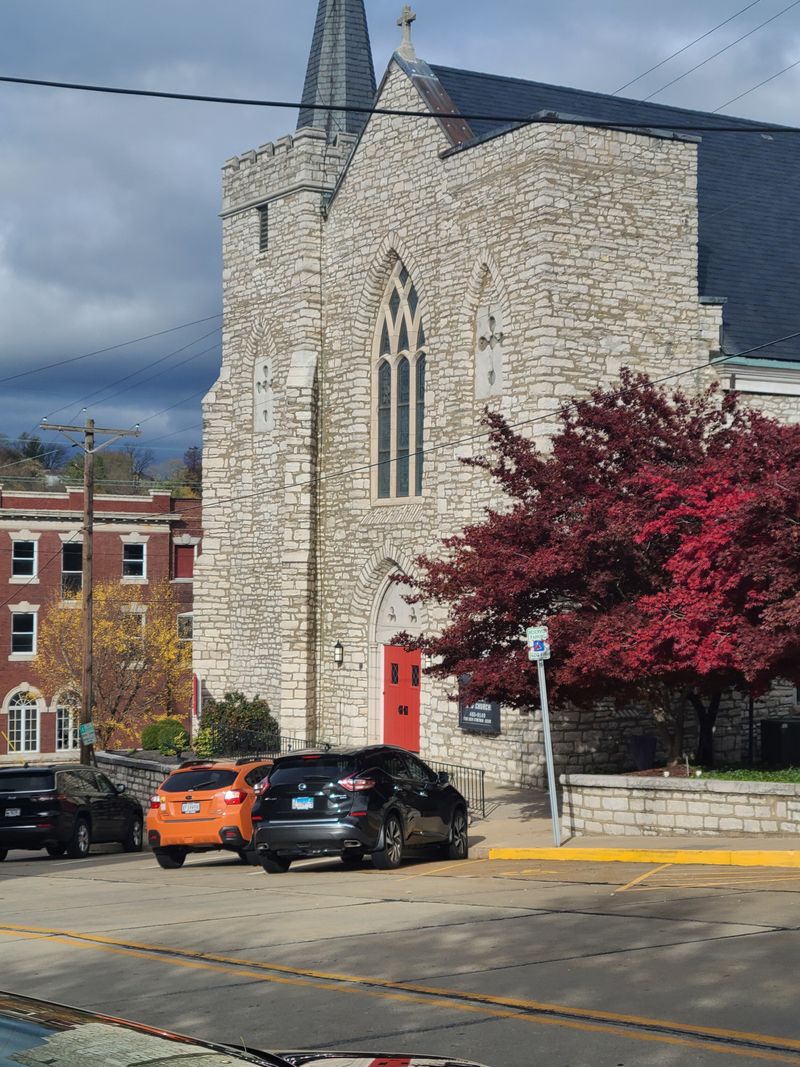
On October 15, 1858, Abraham Lincoln and Stephen Douglas faced off in their seventh and final debate in Alton, arguing about slavery, states’ rights, and the future of America before a crowd of thousands. That debate helped launch Lincoln toward the presidency two years later.
A memorial now marks the spot where these titans of American politics clashed with words instead of weapons, shaping national discourse on the eve of civil war.
Alton’s history extends far beyond that famous debate. Perched on limestone bluffs overlooking the Mississippi River, the city served as a major river port and the site of the first Illinois state penitentiary.
Abolitionist newspaper editor Elijah Lovejoy was murdered here by a pro-slavery mob in 1837, making him a martyr for press freedom and the anti-slavery cause. His monument towers over the riverfront, a reminder of how violently Americans disagreed before the Civil War settled the question.
Most millennials have heard of the Lincoln-Douglas debates in history class but could not tell you where they happened or why they mattered. Alton preserves this crucial moment when Americans argued passionately about their country’s future, demonstrating that democracy means debating difficult questions, not avoiding them.
The historic district features antebellum buildings, river views, and the haunting remains of the old penitentiary. Alton proves that small river towns witnessed and shaped major American moments, even if history books focus on bigger cities.
Sometimes the most important conversations happen in unexpected places.
15. Portsmouth, NH – One of the country’s oldest seaports
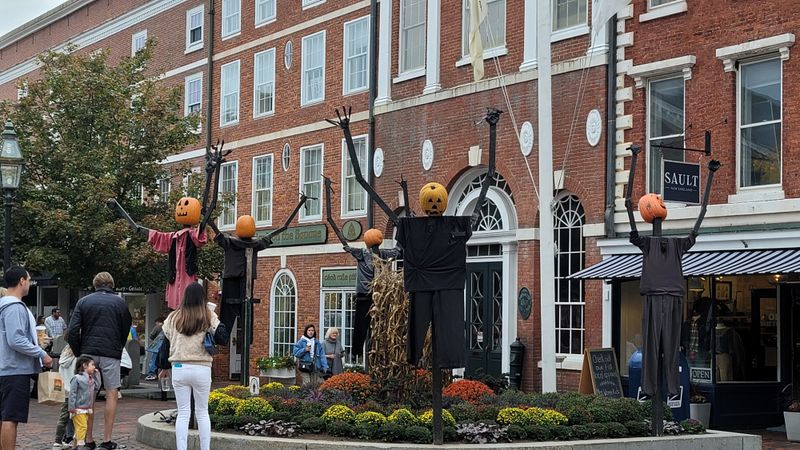
Settled in 1623, Portsmouth ranks among the oldest cities in America and served as New Hampshire’s capital until 1808. Its deep harbor made it a crucial shipbuilding center, launching vessels from fishing boats to warships for over three centuries.
The Strawbery Banke Museum preserves an entire waterfront neighborhood spanning 300 years of history, with restored houses showing how residents lived from colonial times through the 20th century. You can literally walk through centuries without leaving a ten-acre site.
Colonial, Federal, and Victorian mansions line Portsmouth’s streets, many built by sea captains and merchants who grew wealthy from maritime trade. The USS Albacore, a submarine that revolutionized underwater vessel design, now sits in dry dock as a museum.
Market Square has served as the city’s heart since colonial days, surrounded by brick buildings that have witnessed everything from revolutionary protests to modern farmers’ markets.
Millennials flock to Portland, Maine, for its foodie scene and hipster vibe but often skip Portsmouth despite its equally impressive restaurants and deeper history. Portsmouth offers cobblestone streets, working tugboats, and harbor views that have barely changed since colonial times.
You can tour John Paul Jones House, eat at restaurants in 300-year-old buildings, or just wander a downtown that managed to preserve its character without becoming a museum piece. Portsmouth proves that old seaports can stay relevant and vibrant without demolishing their past, balancing historic preservation with modern life in ways that feel natural rather than forced.
Share this story