You can feel the hush before the curtain even rises at Takovska17, where history breathes through every floorboard. This 19th century villa invites you to step closer, listen harder, and become part of the story.
The line for tickets keeps growing because the experience feels rare, intimate, and unforgettable. If you love theater and old Belgrade charm, this address will captivate you.
A Historic Villa Built in 1894
The villa at Takovska 17 was built in 1894 for a prominent family, and you sense that lineage the moment you arrive. You are not just visiting an address, you are entering a legacy that Serbia has officially recognized as protected cultural heritage.
The walls carry memory like perfume, subtle yet undeniable.
When you step inside, you are greeted by surfaces that have aged gracefully, stained by time and touched by countless footsteps. The house never tries to hide its age, and that honesty makes it even more magnetic.
You feel a careful reverence, as if your presence should be quiet and observant.
This is not a museum, though it preserves history better than many. The villa has become a living stage where layers of the past anchor every scene.
The date 1894 does not sit frozen in gold letters but lingers in warm wood, soft light, and the echo of voices that never stopped.
Prime Location in the City Center
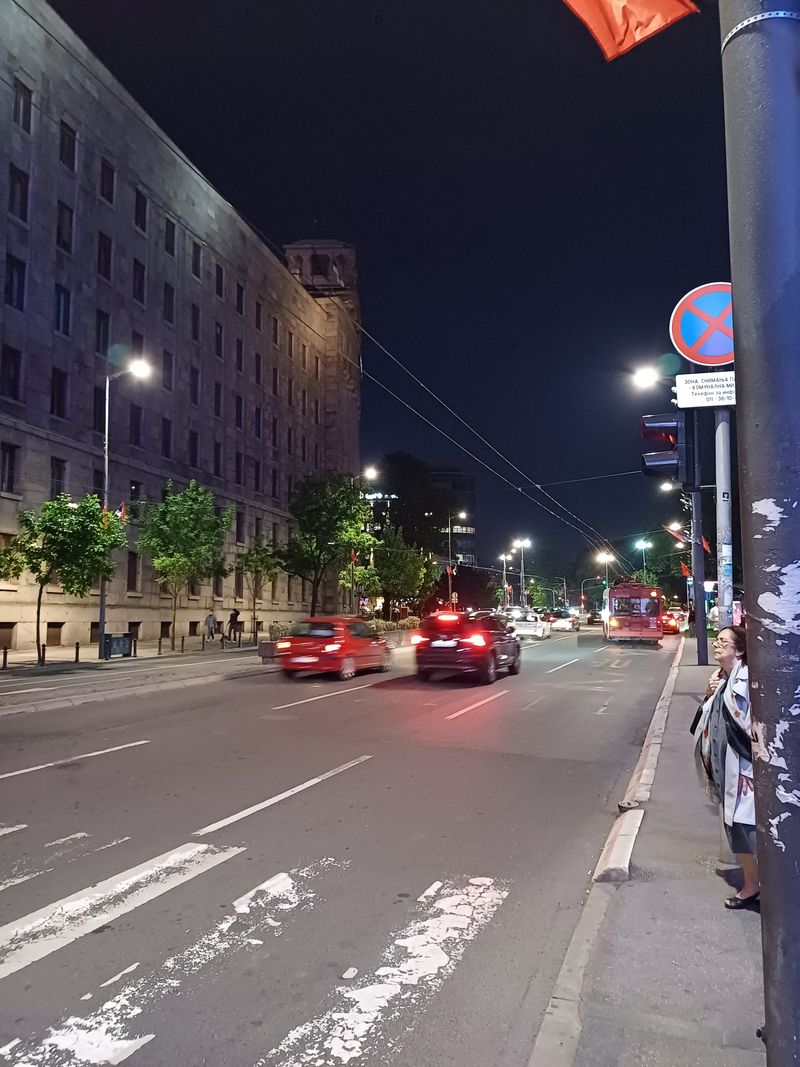
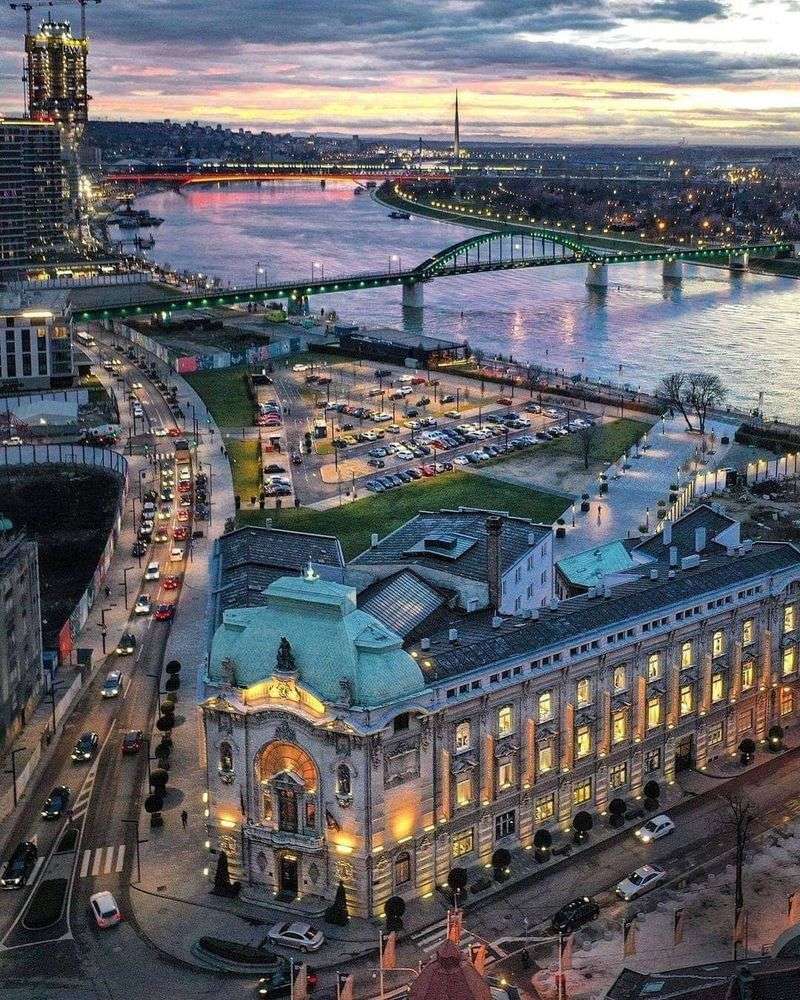
Takovska17 stands directly across from the RTS building, anchoring it in a spot every Belgrader instantly recognizes. You feel the city buzz outside while the house keeps its own quiet rhythm.
That contrast heightens anticipation before a performance begins.
Arriving is simple, whether you walk, hop on a bus, or call a cab. The central location removes excuses and turns a theater night into a small urban ritual.
Lights of nearby streets spill onto the facade, hinting at what awaits inside.
The neighborhood underscores how special the villa is, a slice of old Belgrade holding firm in the modern core. You are close to cafes and corners where post show conversations linger.
The city center surrounds you, yet the house creates its own gravitational pull.
A Step Back to the 1920s
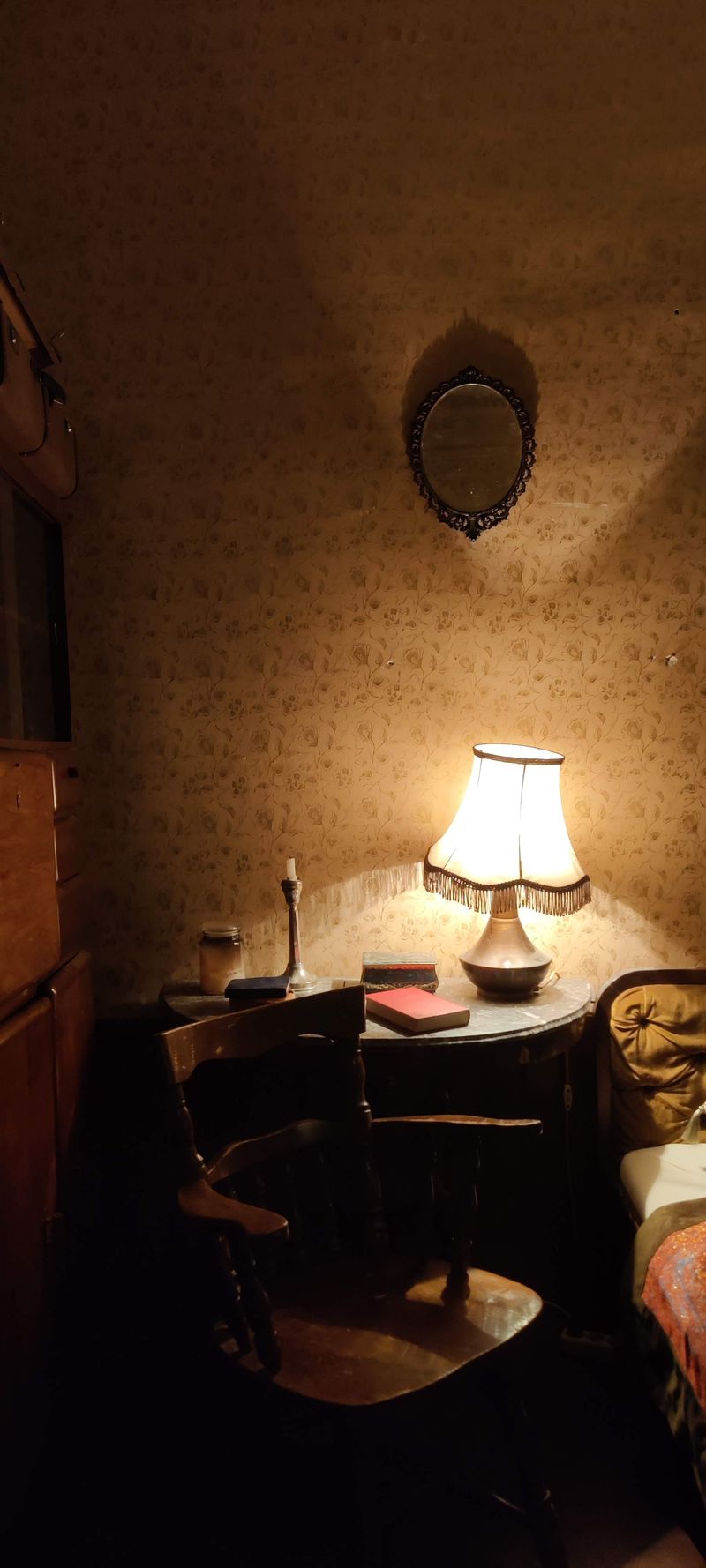
Cross the threshold and it feels like a winter afternoon in 1926. You notice the hush, the scent of old wood, the way the light settles on walls the color of faded postcards.
Time seems to soften at the edges.
Nothing is theatrical trickery, yet everything nudges your senses toward the past. Your footsteps make the kind of sound that belongs to another era, and coats hang like silhouettes from a century ago.
It is memory you can touch without breaking.
Even before the actors speak, the setting rewrites your internal clock. You are suddenly attuned to slower gestures and longer glances.
The villa does not imitate the 1920s, it gently returns you there.
From Private Home to Living Theater
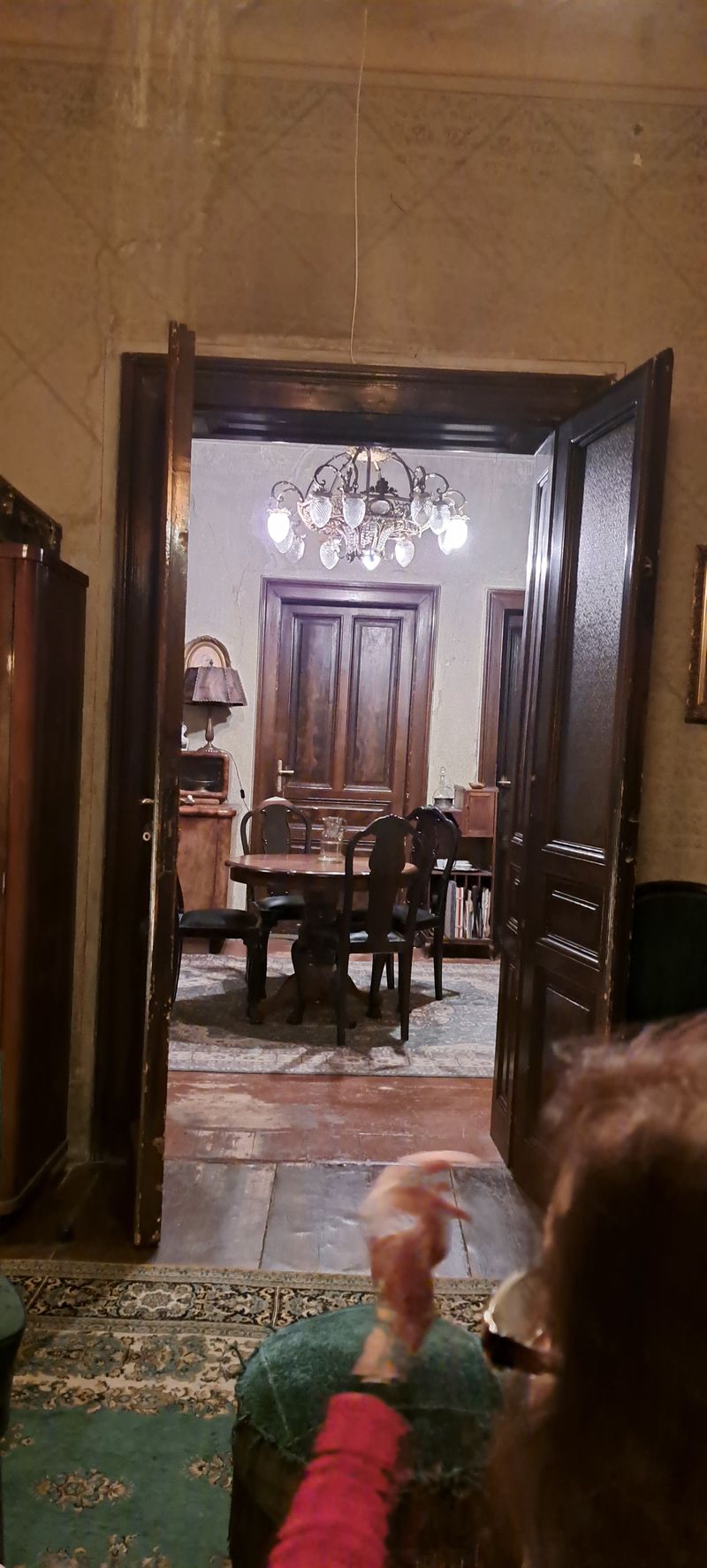
What began as a private residence now beats as Theater Takovska17, intimate and fiercely alive. You do not just watch performances here, you inhabit them room by room.
The transition from home to stage feels natural, almost inevitable.
Multiple local troupes have found a home under this roof, and you can sense their trust in the space. Doorways become entrances, stairways become pauses, and windows become silent witnesses.
It is theater that knows where it lives.
Every production adapts to the house instead of forcing a set to fit. As a guest, you move with care, noticing corners that suddenly hold meaning.
It might have been a family’s parlor, but tonight it is a confession chamber.
Small Audience, Powerful Experience
Performances are staged for only a few dozen spectators, and that changes everything. You are close enough to feel breath, catch a glance, notice a trembling hand.
The usual distance between audience and stage disappears.
Because the crowd is small, the stakes feel intimate and high. A chair scraping the floor becomes a plot point.
Your attention sharpens, and the actors respond with a presence that fills the room without shouting.
This closeness makes you complicit in the story, and you carry that charge long after the lights fade. Lines spoken two feet away land with unforgettable clarity.
A modest headcount becomes a mighty amplifier.
Plays from the Early 20th Century
The repertoire leans into works from the early 1900s, and the villa embraces them like old friends. You can feel how text and space align, each reinforcing the other.
The illusion that time paused inside these rooms becomes easy to believe.
Language feels slightly formal, yet surprisingly alive when whispered at your shoulder. Costumes rustle, and the architecture answers with quiet creaks.
Suddenly, you are not watching period drama, you are inhabiting it.
These choices are more than aesthetic. They are a conversation between past and present, with you seated at the table.
Theater here is not retro, it is resonant, voiced in a house that remembers every syllable.
Actors Become Part of the Story
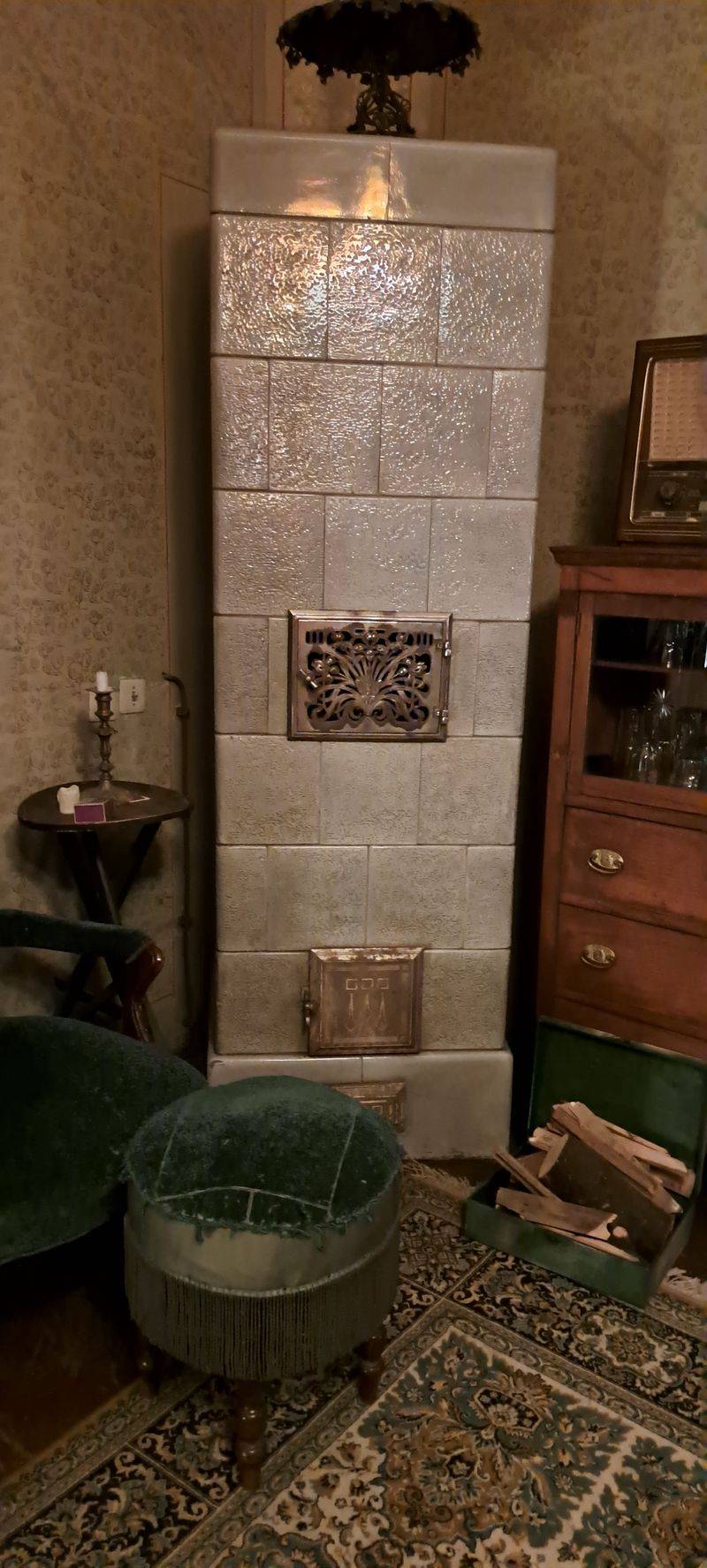
Actress Isidora Ristić from the amateur troupe Artisti describes the house as a character, and you feel that truth immediately. The script bends to doorframes, and whispers travel differently in each corridor.
You are not in a black box but inside a living partner.
When performers interact with the architecture, every step matters. You wait for a staircase squeak that cues the next revelation.
A window’s pale light can turn a line into a confession.
The villa listens, and the actors listen back. You experience theater as a conversation with place, not just people.
That reciprocity makes the performances strangely intimate, like hearing a secret spoken into the palm of your hand.
A Villa That Looks Worn – But Lives Fully
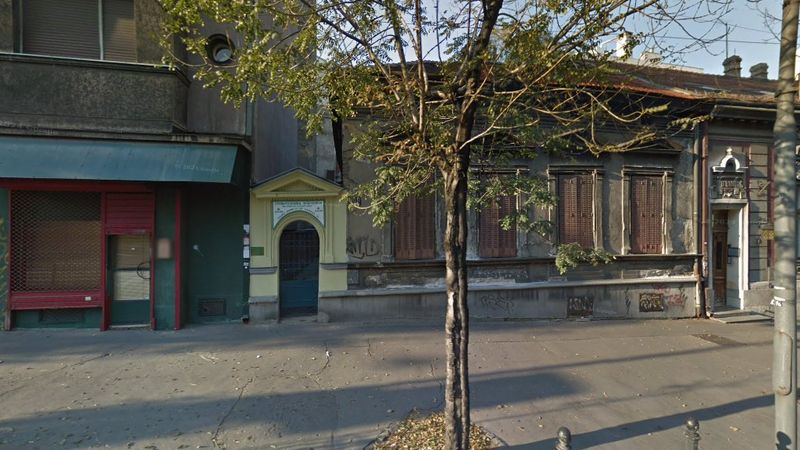
From the street, the villa can seem tired, its facade scuffed by weather and decades. You might think it is fading.
Step inside and the impression flips completely.
Rooms hum with rehearsals, whispered cues, and the soft shuffle of seats. The worn edges make everything feel human, not fragile.
You sense a pulse that belongs to working theater, not a preserved relic.
What looks like patina is actually proof of use. The house carries marks of life and creativity, not neglect.
You leave realizing that vitality does not always shine, it often glows.
Preserved Original Architecture
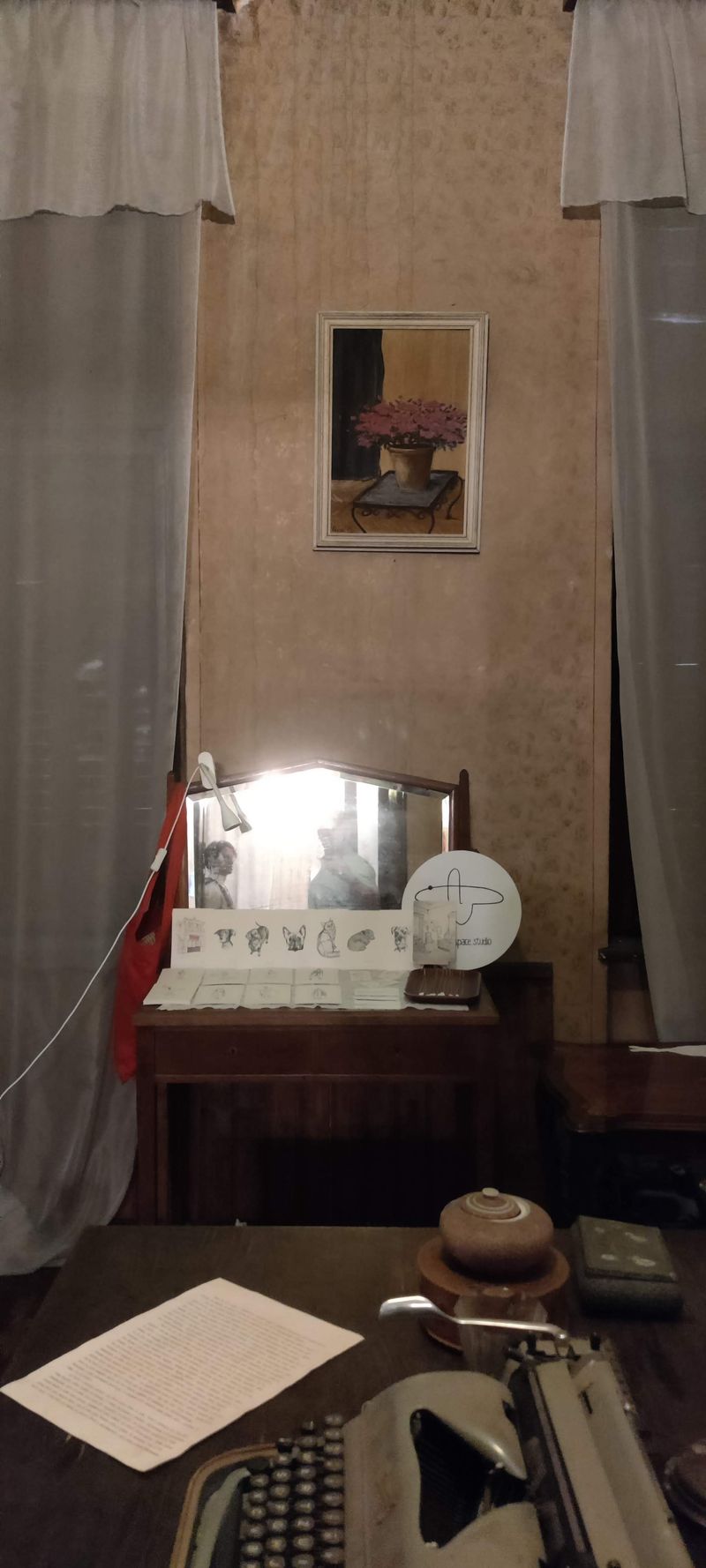
Architect and actress Tamara Masić points out how much of the original fabric survives. You notice the proportions of rooms, the tall windows, and the deliberate way light crosses the floors.
It feels rare in a city changing as quickly as Belgrade.
Preservation here is lived, not sealed. Doorframes have not been overpolished, and details remain honest.
You sense a promise kept to the house’s first builders.
The architecture does not merely contain performances, it shapes them. You watch scenes unfold along lines the original plan still draws.
Honest bones become the best kind of stagecraft.
Interior Frozen in Time
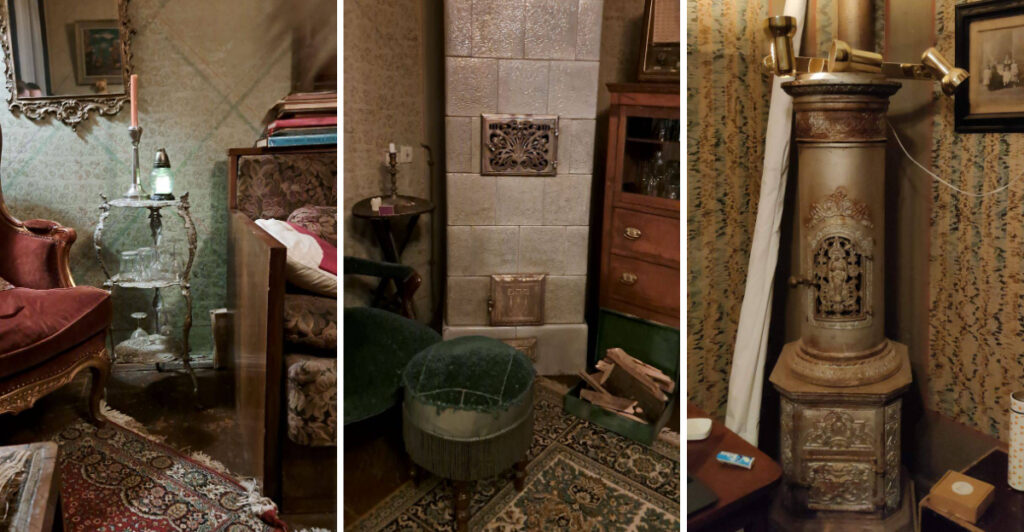
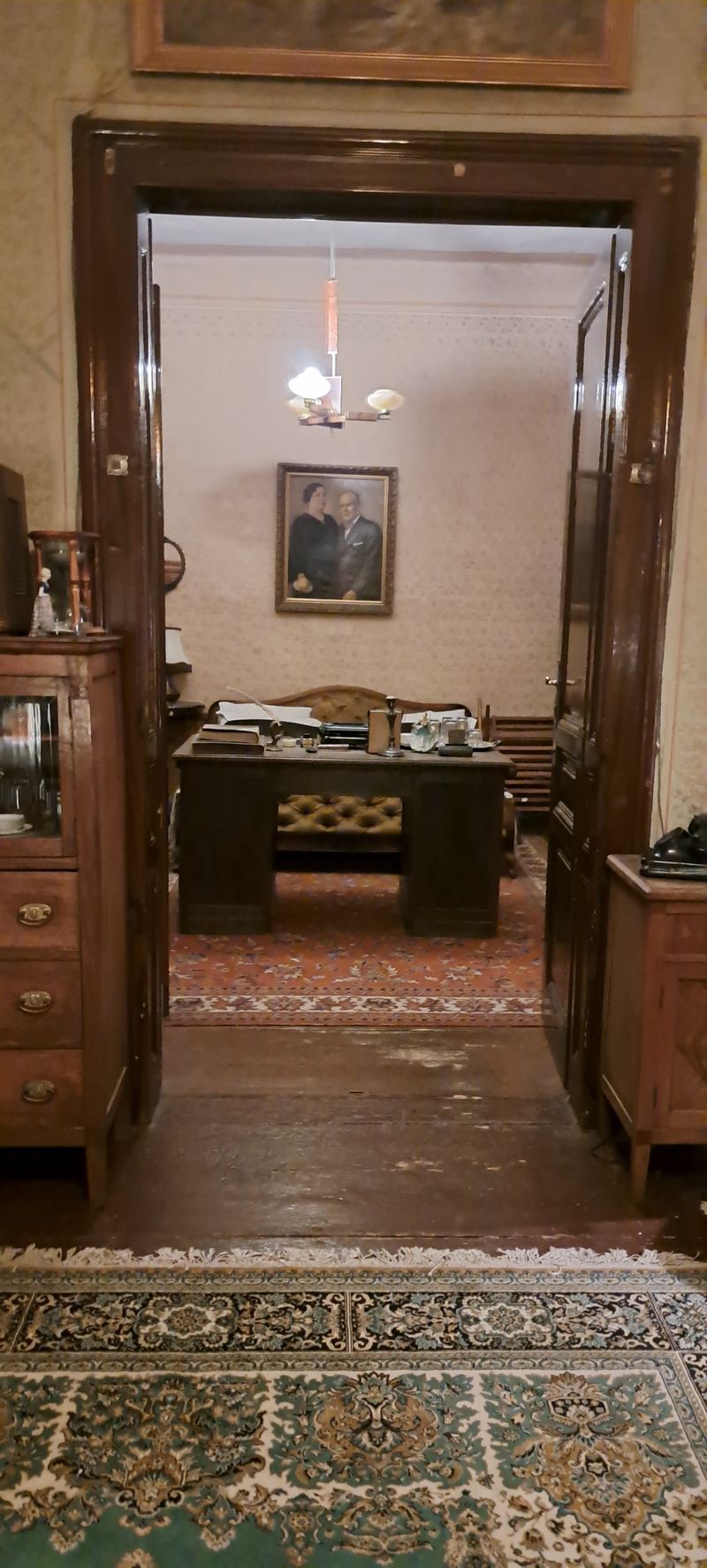
Faded wall colors carry that powdery, dreamlike tone you only get after a century. You run your fingers along barely visible ornaments and feel the fine grit of history.
Floorboards answer with small, sincere sounds.
Nothing screams for attention. Instead, the house invites you to look closer, to let your eyes adjust to subtlety.
Each stain, each scratch, hints at a vanished afternoon or a long conversation.
The result is a calm that steadies you before the play begins. Your breath slows, and your senses grow attentive.
Time is not stopped here, it is respectfully slowed.
Authentic Early-1900s Decor
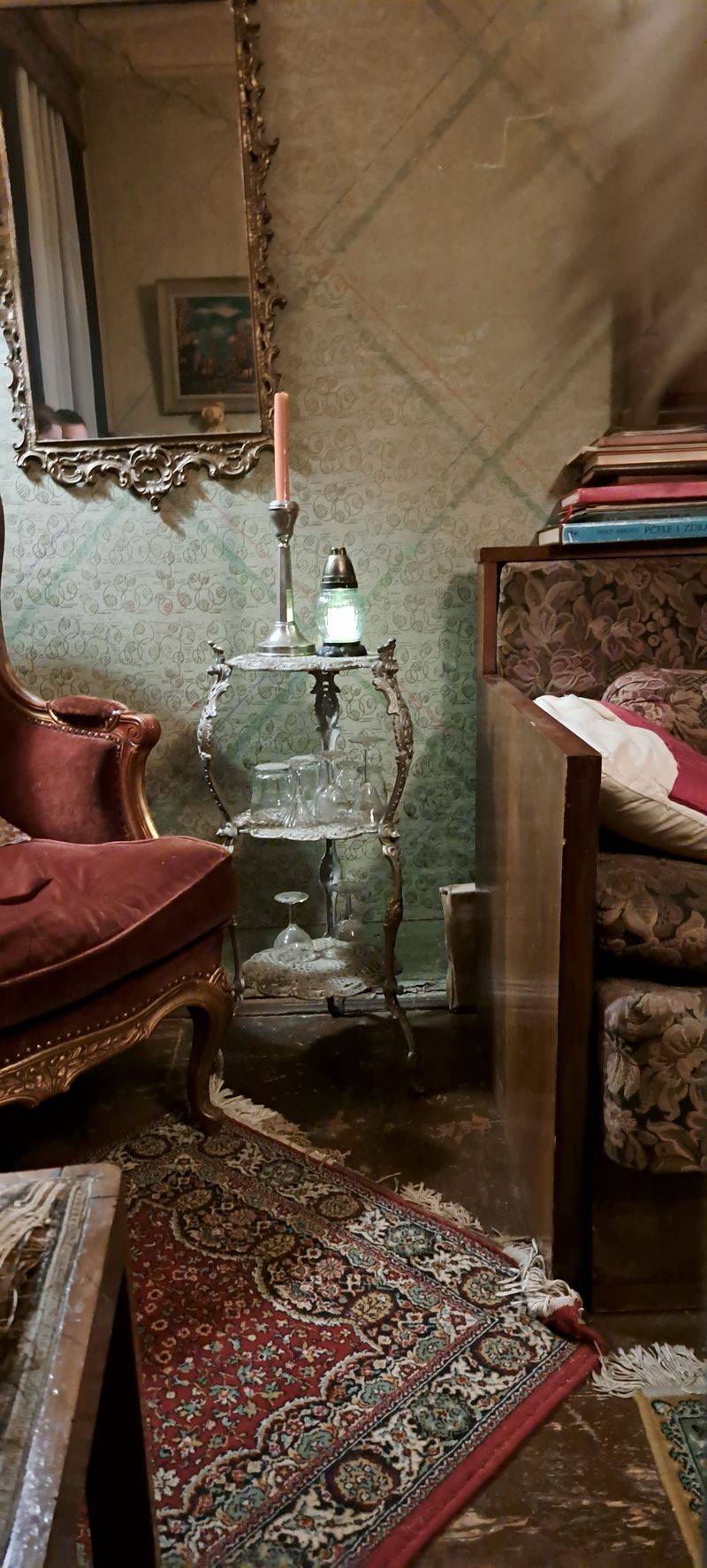
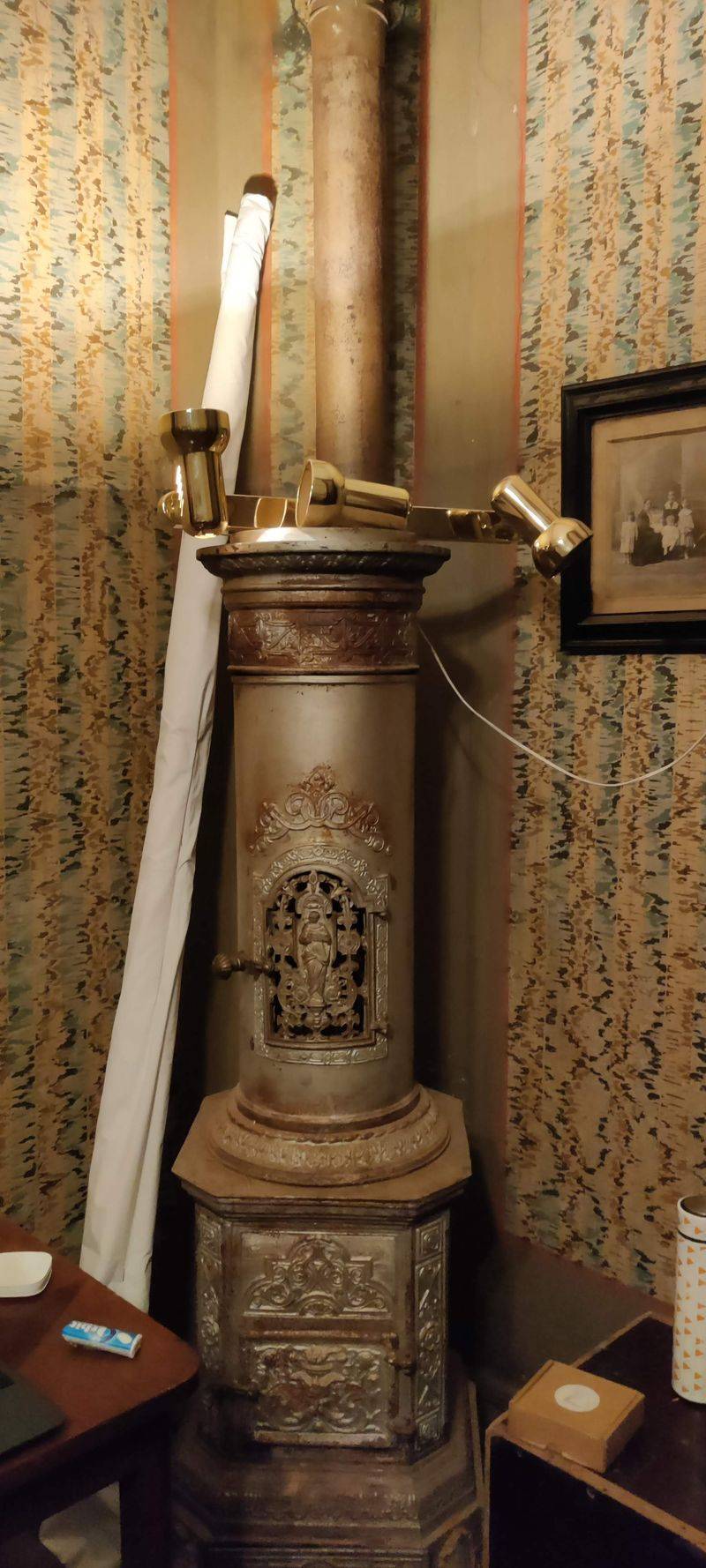
Much of the decor dates to the early 20th century, and you feel its weight without it feeling heavy. Chairs, mirrors, and lamps appear quietly at home in each room.
You are not surrounded by props, you are surrounded by memory.
When a performance begins, these objects do not pretend. They simply continue existing while stories pass through them.
That honesty makes every scene feel grounded and tactile.
You notice your eyes drifting to details between lines. A mirror catches a sleeve, a lamp warms a pause, and a frame anchors a hush.
The decor holds the story like a careful hand.
So Popular There’s a Waiting List
The combination of intimacy and history has made Takovska17 a sensation. You will likely need to join a waiting list, and honestly, the anticipation adds to the thrill.
The promise of a seat becomes its own little drama.
Demand grows because word of mouth is powerful when an experience feels this personal. Friends tell friends, and tickets vanish fast.
A few dozen seats mean every night carries a touch of rarity.
Plan ahead and think of the wait as part of the story. When your turn arrives, the payoff is immediate.
You step inside and feel grateful the house saved you a place.
A Survivor Among Demolitions
Across Belgrade, many old houses have fallen to development, but Takovska17 still stands. You feel a quiet defiance in its silhouette.
The villa refuses to disappear.
Its website says it plainly: Here since 1894 – proud, scented with old wood and new stories. That line lingers after you leave, the way good dialogue does.
It sounds less like marketing and more like a vow.
When you visit, you participate in that survival. Buying a ticket is a small act of preservation.
The applause you offer belongs to the house as much as the actors.
Share this story