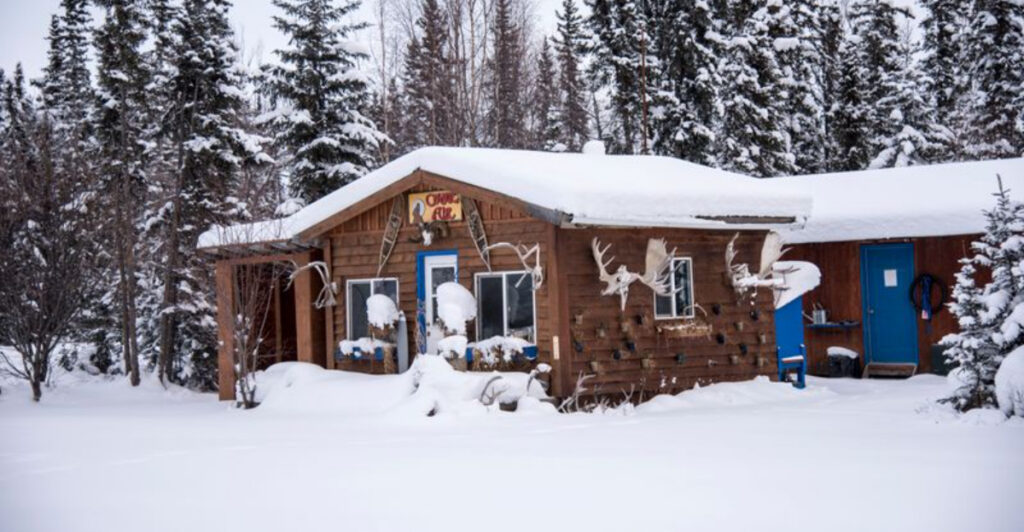
Coldfoot, Alaska sits so close to the Arctic Circle that time and distance feel different the moment you arrive. Out here, engines hum through the night, auroras slip across the sky, and the highway is a lifeline more than a road.
You will feel tiny against the Brooks Range and enormous in the silence at the same time. Keep going north and this outpost becomes your last real chance to rest, refuel, and recalibrate your sense of wild.
It’s One of the Last Stops Before the Arctic Circle
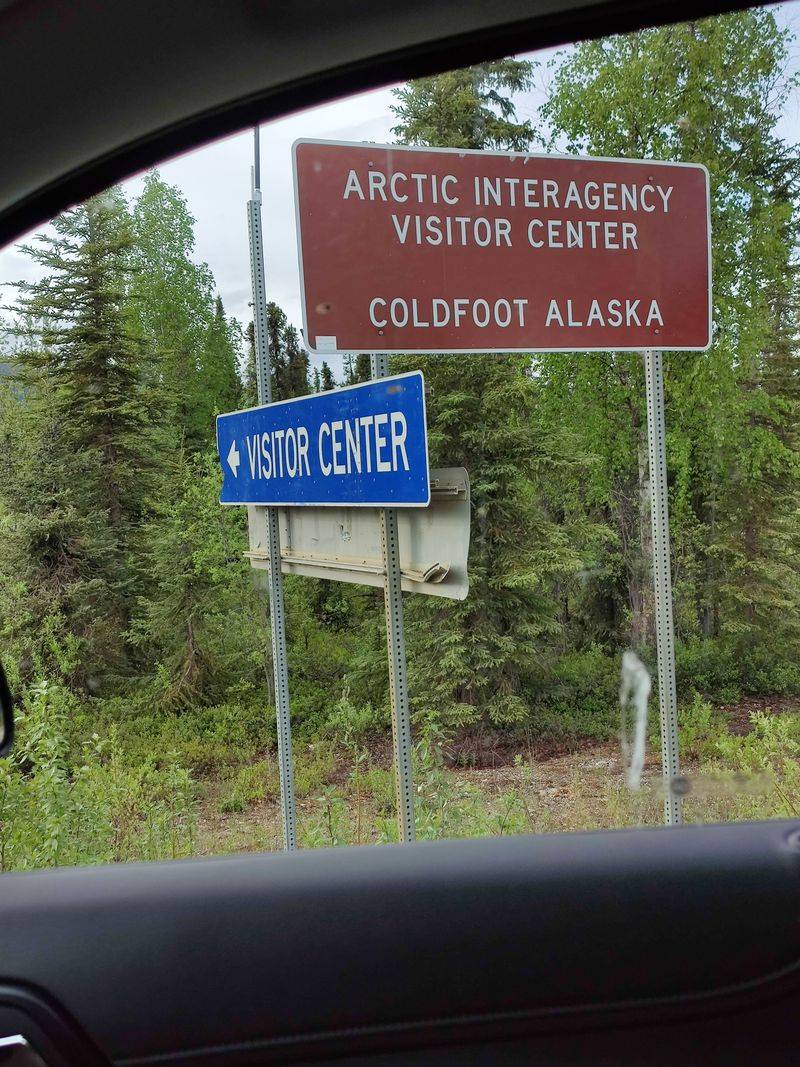
Coldfoot sits about 60 miles south of the Arctic Circle, and you can feel that edge-of-the-map energy the second you see the sign. The Dalton Highway points you north toward a name that sounds like a dare, and this simple stop becomes essential.
If you are heading to Prudhoe Bay, you will likely pause here, check your fuel, and check your nerves.
The horizon stretches so wide that you track weather by watching clouds lumber across valleys. Truckers roll in coated with road grit, swapping updates about ice, wildlife, and graders.
You learn to listen closely, because a tip about drifting snow or a herd of caribou can change your day.
There is a strange comfort in its smallness. You can get a hot meal, a strong coffee, and a reminder that someone else is out there.
Then you step back into the wind, look north again, and realize you are chasing a line most people only read about.
There Is No Town – Just a Remote Outpost
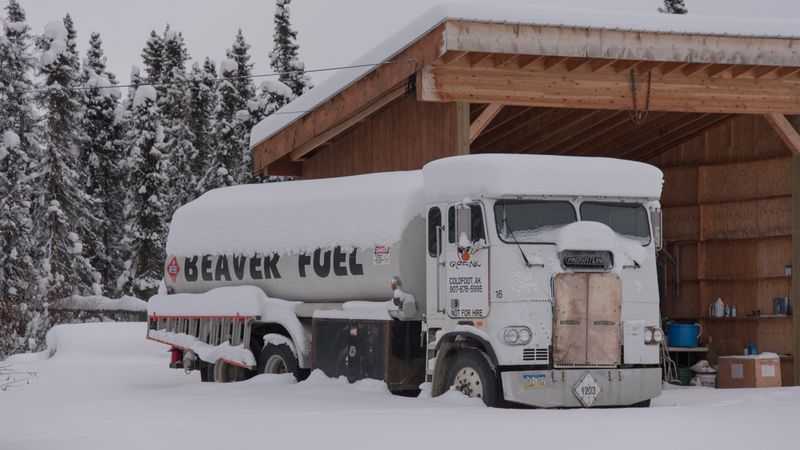
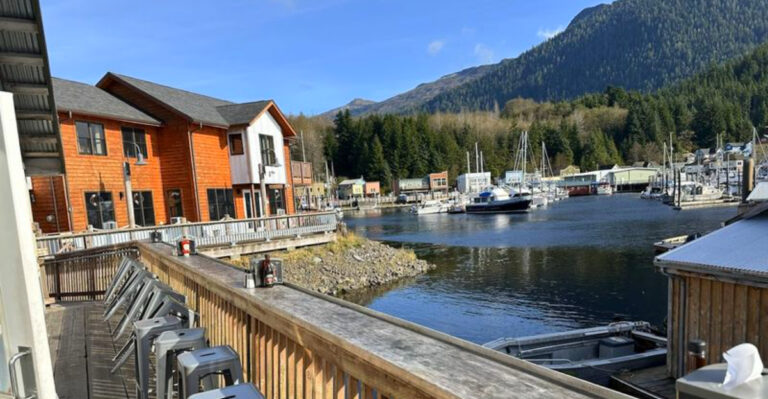
Coldfoot is not a town in the way you expect. There are no neighborhoods, no tidy blocks, and no school bell echoing off houses.
It is a cluster of essential buildings pressed together by necessity and miles of emptiness.
Everything feels practical. Structures sit on gravel pads, fuel tanks stand like sentinels, and the wind hums through utility lines.
You quickly learn that comfort here means heat, food, and a dry pair of socks more than anything decorative.
When you arrive, you join a tiny pulse of life beating against the tundra. You might share a table with a scientist, a trucker, or someone just chasing the horizon.
Conversation is short, honest, and focused on weather, road, and gear. It is not unfriendly.
It is simply tuned to survival.
Coldfoot Camp Is the Heart of Everything
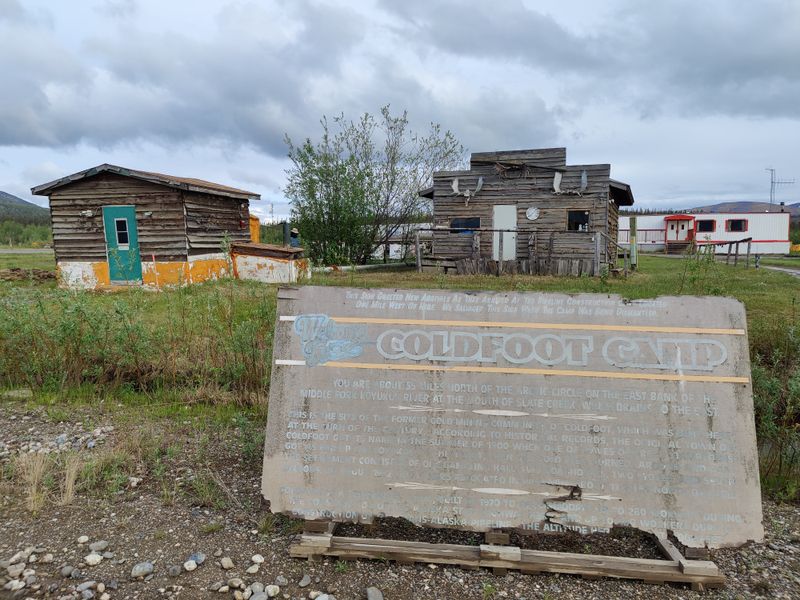
Coldfoot Camp is the hub you feel long before you see it. Trucks idle out front, a cafe sign glows, and the smell of diesel mixes with frying burgers.
Inside, maps curl on bulletin boards and the coffee pot never seems to empty.
You can refuel, grab a hot meal, book a room, and hear road conditions firsthand. Guides meet groups, researchers stash gear, and drivers trade stories while warming up their hands.
It is part truck stop, part lodge, and part communications center, all stitched together by grit and kindness.
If you need directions, this is where you ask. If you need courage, this is where you find it in a bowl of stew and a nod from someone who knows the highway.
The camp keeps the rhythm of the region, a metronome beating steady while the weather plays wild.
Temperatures Regularly Drop Below -40°F
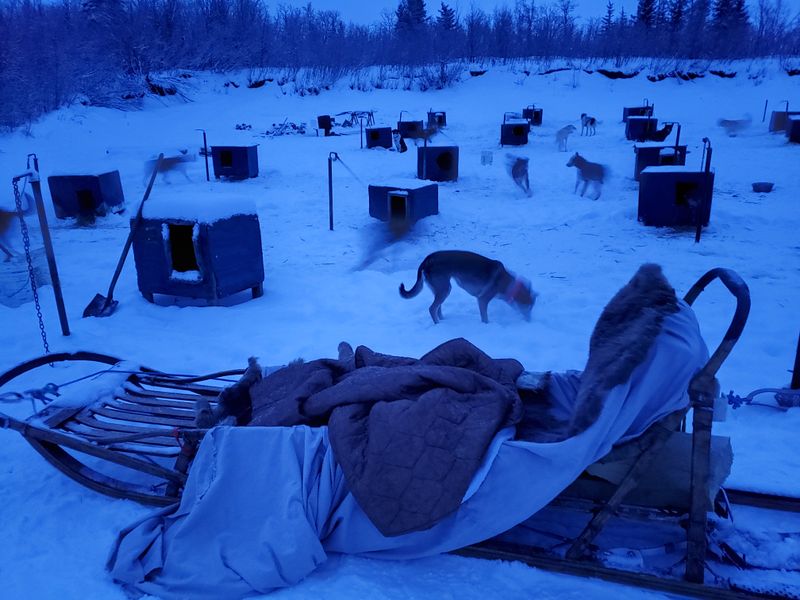
When the cold locks in, -40 feels like a wall you press against with every breath. Metal stings to the touch, and your eyelashes freeze into tiny white branches when you blink.
Engines stay running, and if they do not, you do not either.
At these temperatures, you learn discipline. You layer carefully, eat often, and move with purpose.
Every task slows down, every mistake magnifies, and the simplest chore becomes a small expedition between warm zones.
The funny thing is, the air can be exquisitely clear. Stars feel close enough to tap, sound travels with eerie precision, and your footsteps squeak like dry snow under glass.
You gain a deep respect for what your body can do and what it cannot. Out here, wisdom is warm fuel, dry gloves, and thoughtful choices.
Summer Brings the Midnight Sun
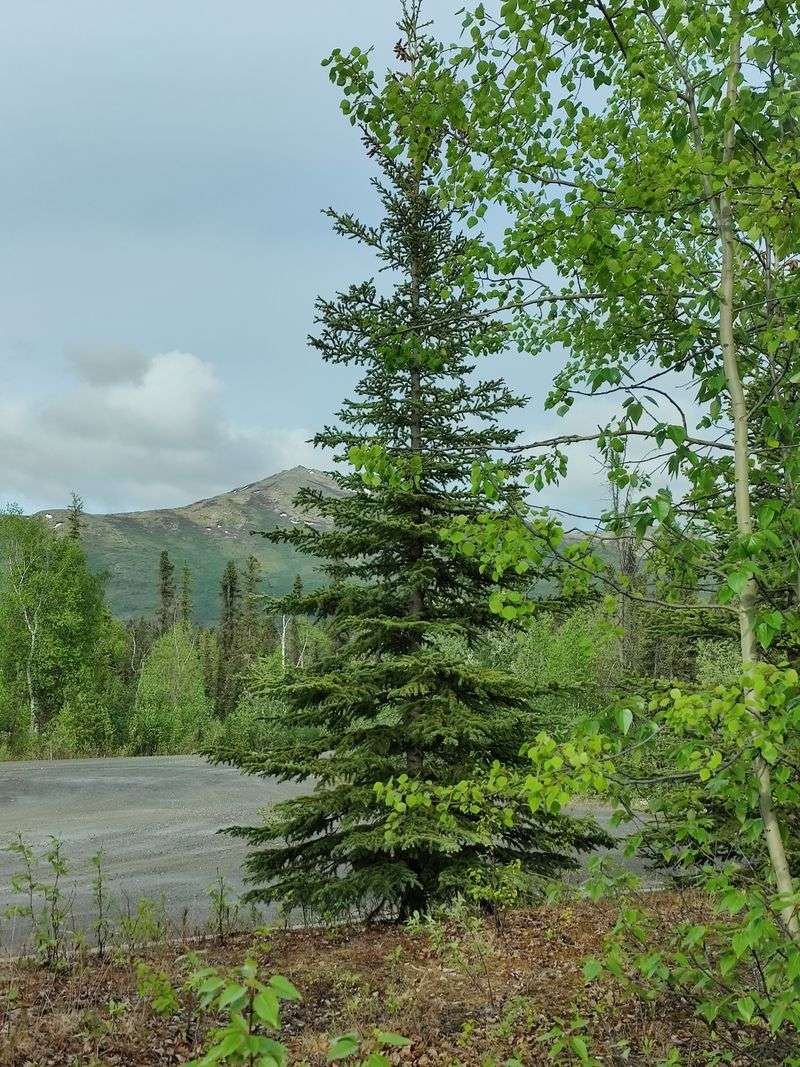
When summer arrives, the sun simply refuses to leave. It circles low and honey colored, smearing light across the tundra at midnight like a secret.
You can drink coffee, walk the gravel, and watch shadows stretch forever without ever seeing darkness.
Your sense of time bends. You check your watch and laugh because the light says it is afternoon even though it is 1 a.m.
Birds chatter, trucks roll, and the whole outpost hums with a gentle insomnia that feels playful rather than harsh.
It is the best season to explore. You see the Brooks Range etched in gold, the tundra greens ignite, and meltwater pools mirror a sky that never shuts its eyes.
Sleep becomes a choice instead of a requirement. Bring an eye mask, and bring your curiosity.
Winter Delivers Spectacular Northern Lights
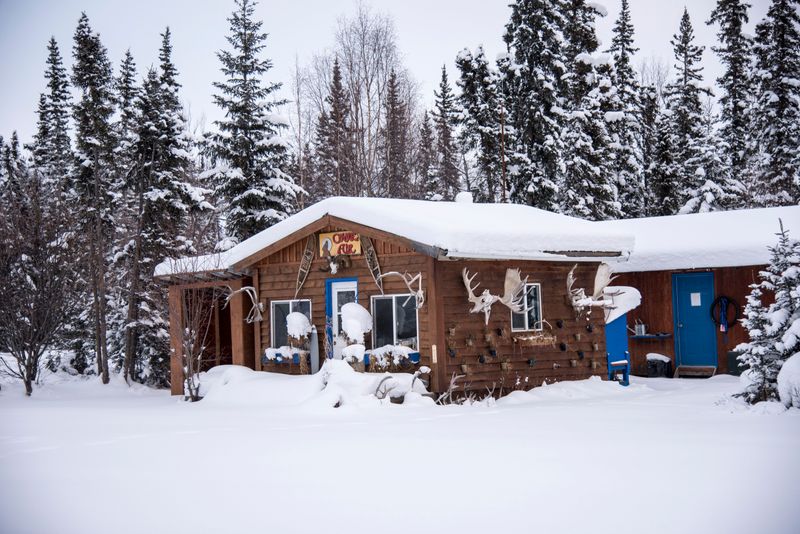
On clear winter nights, the sky peels open like a curtain and the aurora steps through. Green river, violet veil, sudden white flashes that make you gasp.
You do not watch from afar. You stand underneath, feeling it crackle in your bones.
Coldfoot is excellent for this because darkness rules and light pollution barely exists. You look north, then up, and time goes strange as the bands twist and fold.
The cold sharpens everything, including your awe.
Even if you have seen photos, you are not ready for the motion. It pours, stalls, and surges again, like breath.
You will forget your fingers are freezing. Then you laugh, rush inside for warmth, and burst back out when someone shouts, It is flaring.
The show never repeats exactly.
The Dalton Highway Feels Like Another World
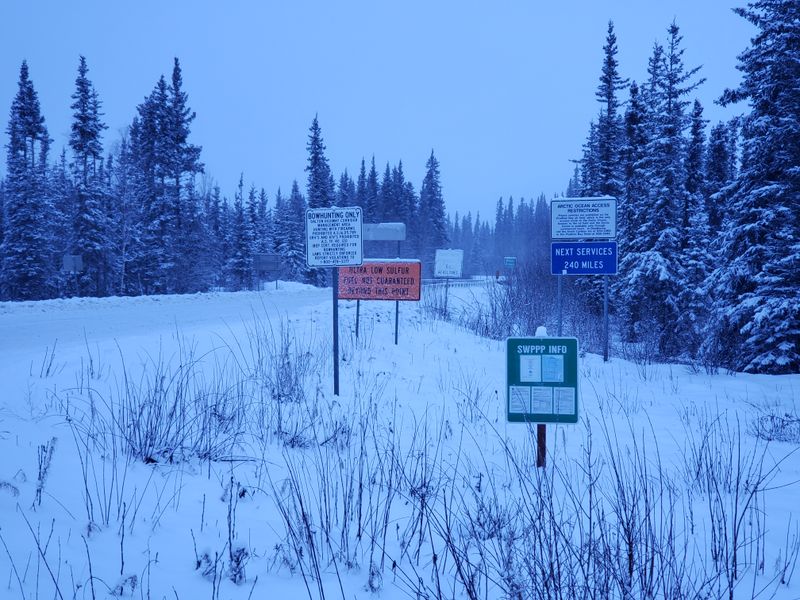
The Dalton is not just a road. It is a logic all its own, a spine that holds the North together.
Gravel, frost heaves, and sudden weather squalls keep you honest, while semis thunder by hauling the equipment that keeps Prudhoe Bay alive.
Out here, you measure progress by rivers crossed and grades topped, not by gas stations passed. Wildlife owns the right of way, and patience is your most reliable tool.
A flat tire is an event, not a nuisance.
Reaching Coldfoot along this route feels earned. You do not stumble into it.
You arrive with grit in your teeth, appreciation in your chest, and a new respect for distances that maps flatten. The highway takes and teaches in equal measure, which is exactly why people keep coming back.
Wildlife Outnumbers People
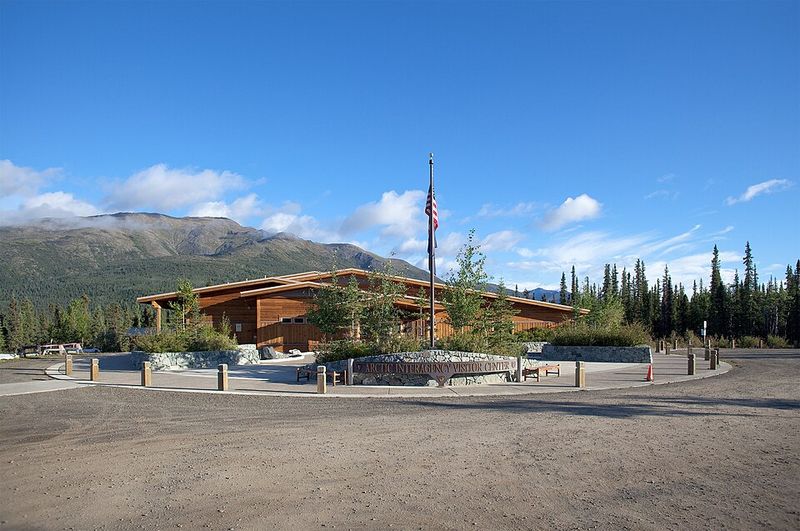
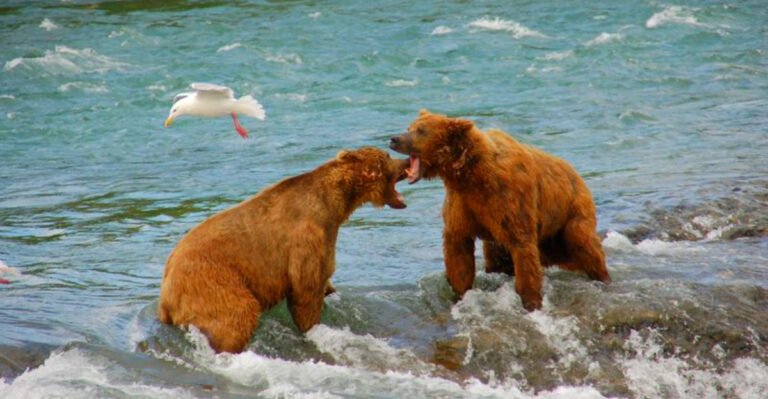
You will likely see more animals than humans in a day around Coldfoot. Caribou thread the valleys, moose browse the willows, and a fox might watch you from the shoulder like a curious neighbor.
Overhead, geese stitch lines across a huge sky.
With that abundance comes responsibility. You keep your distance, store food carefully, and learn to read tracks like notes in the margin.
Bears pass through, wolves ghost along ridges, and the tundra records it all with prints and scat and sudden silence.
There is comfort in knowing you are not the center of the story. You are a respectful visitor, moving through wider patterns that have flowed for centuries.
Bring binoculars, a long lens, and the patience to let the landscape introduce its residents on its own time.
There Is No Cell Service
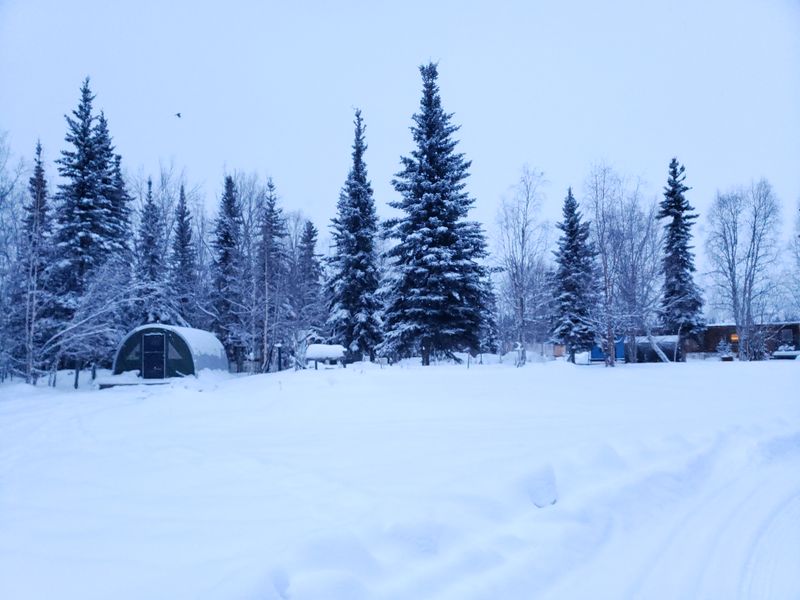
Your phone turns into a camera and a clock the moment you pass into Coldfoot. No bars, no buzzing, no endless scroll.
At first it feels like loss, then it starts to feel like relief that expands in your chest.
People talk to each other. You trade info at the cafe, check the weather board, and listen to the radio.
Satellite messengers and CBs matter more than apps, and plans are made with eye contact and simple promises.
Disconnection is the point. You pay attention to the wind, the road, and the light instead of notifications.
The quiet frees your brain to notice details again. It is not always easy, but it is honest, and by the time you leave you might wish the world stayed this simple.
It’s a Major Base for Arctic Researchers
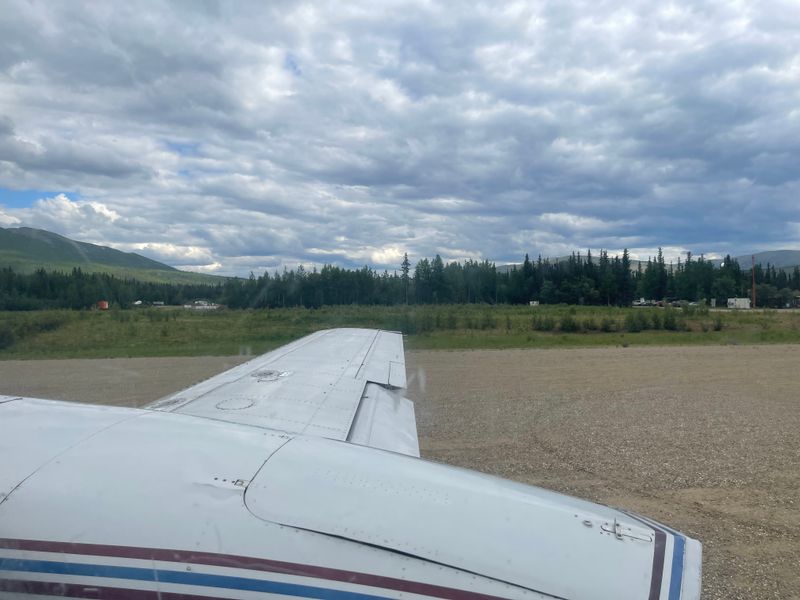
Coldfoot serves as a launchpad for fieldwork that stretches across the Arctic. You might sip coffee beside a permafrost expert or watch a wildlife biologist label samples.
Gear piles near doors like patient sled dogs waiting to run.
Researchers base here because logistics work. The runway, the highway, and the camp make an efficient triangle of support.
From climate sensors to drone surveys, the science feels immediate and utterly practical.
Conversations are grounded and hopeful. You hear about thawing ground, migratory timing, and how tiny changes ripple across ecosystems.
Standing in the cold listening, you realize that this outpost helps decode a warming world. The work feels urgent, but the people move with careful calm born of experience.
The Landscape Is Pure Arctic Tundra
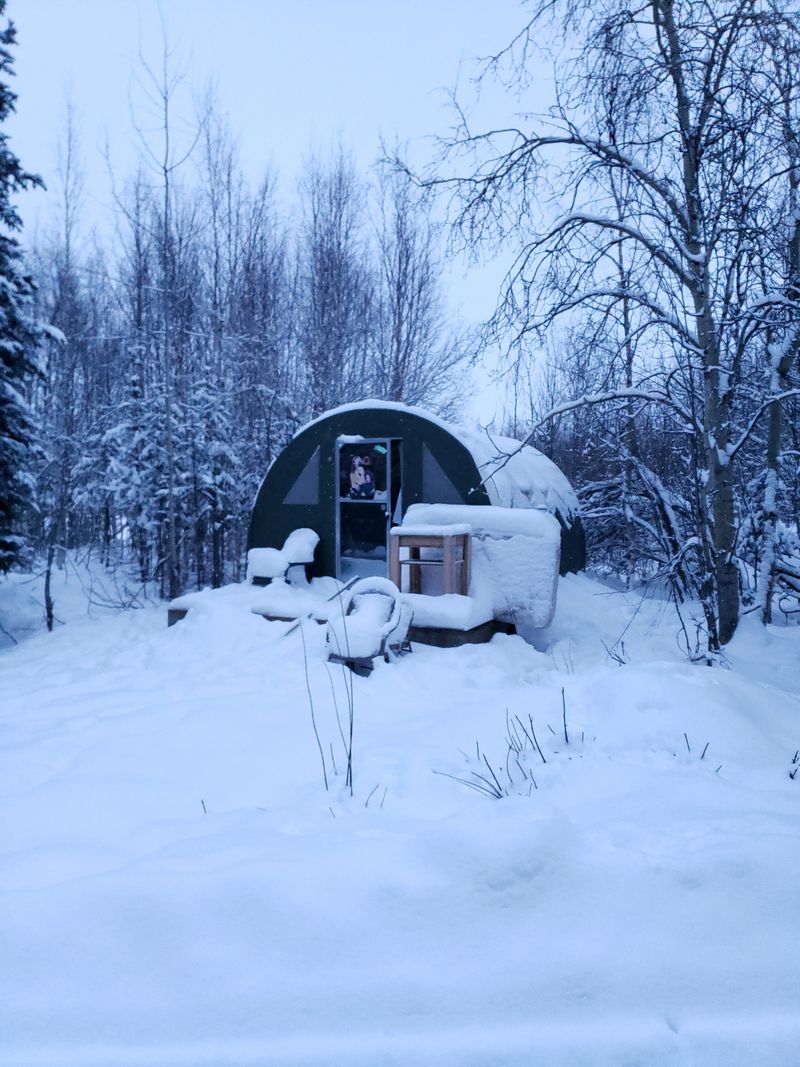
The land here is open and unvarnished, a sweep of tundra with the Brooks Range rising like a ribcage. Trees thin and vanish.
Lichen, moss, and dwarf shrubs take over, painting the ground in subtle greens and rusts.
Wind writes constantly. It combs the grasses, scours snow into ripples, and pushes thoughts clean out of your head.
The distances fool you. A hill you could swear is close might take an hour to reach.
This is a place to slow down. You look, then look again, and finally start to see the textures that make the scene feel alive.
The quiet carries far. Your footfalls, a raven’s croak, the distant growl of a truck become the score to a landscape that asks little but honesty.
Supplies Arrive by Truck or Plane Only
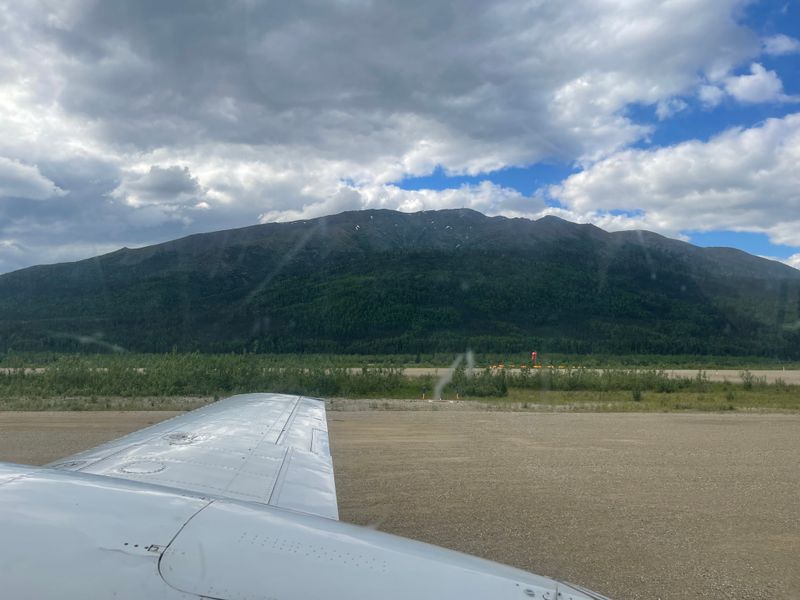
Everything in Coldfoot is hauled or flown. Food, fuel, filters, bolts, coffee, even the napkins under your cup traveled far to land here.
You taste distance in every bite and feel it in every receipt.
Logistics shape daily life. If a truck is late, menus flex.
If a plane cannot land, patience stretches. People here make plans with weather windows, not fixed schedules, and you learn to nod when someone says, We will see.
This constraint breeds creativity. Repairs are clever, and waste is minimal.
You say thank you more often, because a hot meal is a small miracle delivered by a chain of effort running hundreds of miles through mountains and storm.
Winter Darkness Lasts for Months
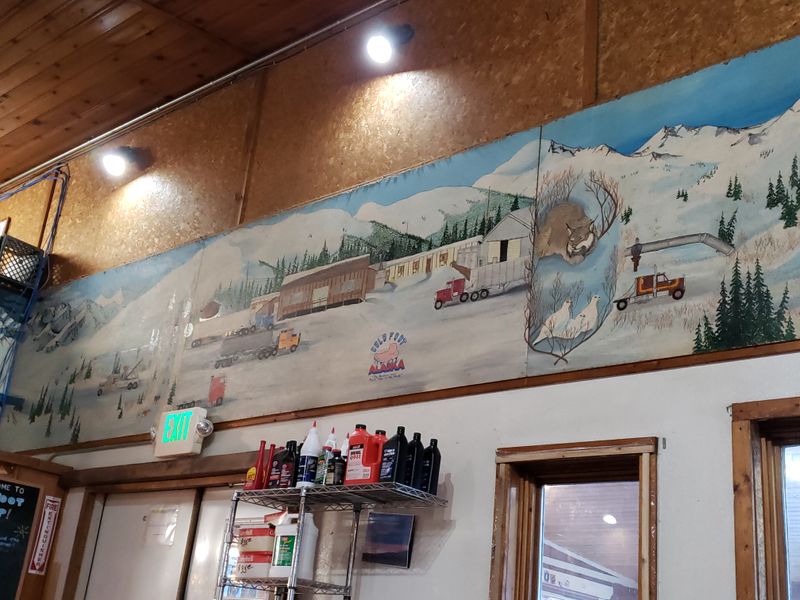
Winter tilts the world until daylight becomes a rumor. Noon looks like late evening, and the horizon carries a thin band of blue fire that never climbs high.
You keep your headlamp by the door like a set of keys.
With the dark comes focus. The glow inside the cafe feels warmer.
Conversations linger. You mark time by meals and weather updates, and the aurora becomes your unexpected nightlight.
It is not gloomy if you lean into it. The quiet lets you think, and the stars feel thicker than summer clouds.
When the sun finally does return, the first bright day feels like a festival. You realize how adaptable you are when the sky asks for patience.
You Can Feel Completely Alone—Safely
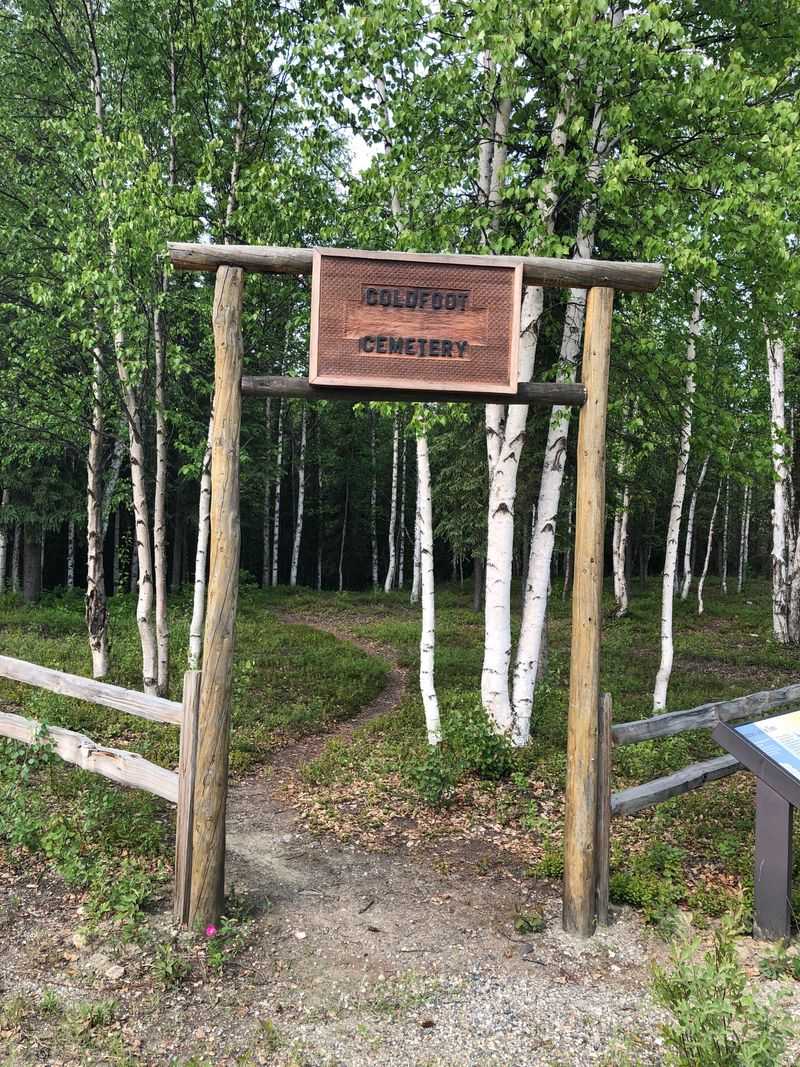
Coldfoot lets you taste true solitude without falling off the map. You can step outside and hear nothing but wind and your own breath, then walk back to a hot meal and a friendly nod.
That balance is rare and addictive.
Safety lives in systems. Radios checked, fuel topped, layers ready, door propped for a quick return.
People keep an eye out for one another without fuss or ceremony. You feel held by quiet competence.
Out on the edge, small comforts expand. A warm bunk, a good story, and the soft clatter of dishes become anchors.
You leave with a steadier pulse, and a sharper sense of what you actually need when the world is stripped to essentials.
It Feels More Like a Space Station Than a Stopover
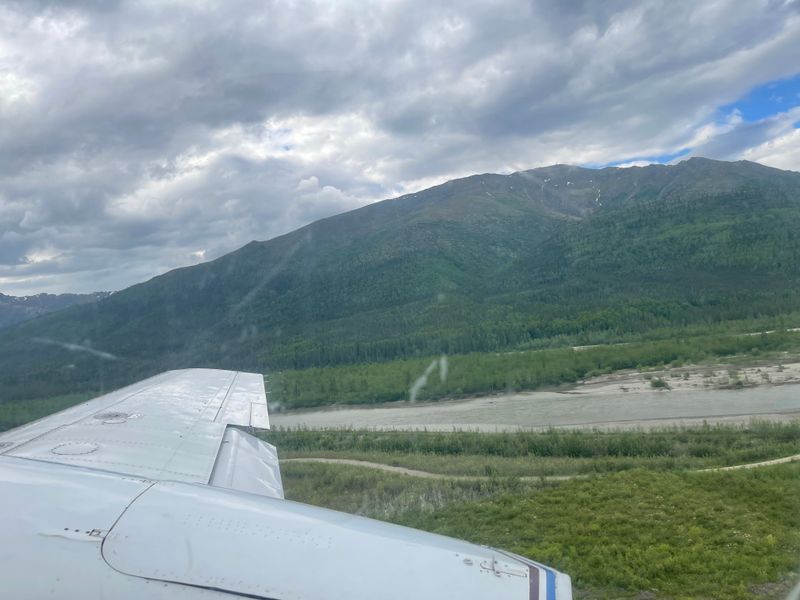
At night, the camp glows in the dark like a habitat pod. Air is brittle, stars are fierce, and every building hums with purpose.
You move between modules of heat and light, swapping data, fuel, and calories like a crew in orbit.
Everything is self contained and cooperative. Generators, fuel, food, and people form a life support loop that cannot break.
When a storm hits, you feel the system flex and hold. It is quietly thrilling.
That is why Coldfoot sticks in your memory. It feels like the future built from plywood and grit, an honest machine keeping humans alive in a place that does not care if you stay.
You leave grateful, focused, and a little more brave than when you arrived.
Share this story