Singapore’s Changi Airport is more than just a place to catch flights. It’s a living, breathing sanctuary packed with over half a million plants that transform the entire travel experience into something magical.
While most airports feel cold and rushed, Changi invites you to slow down, breathe deep, and wander through gardens that rival some of the world’s best botanical attractions.
1. It’s an airport that doubles as a giant indoor garden
Walking through Changi feels less like navigating a transport hub and more like exploring a nature preserve. The airport doesn’t just have a few decorative plants scattered around check-in counters.
Instead, over 600,000 plants fill every terminal, creating an atmosphere that feels alive and welcoming rather than sterile and stressful.
This commitment to greenery isn’t accidental. Changi has woven nature into its very identity, making plants as essential to the experience as boarding gates and baggage carousels.
The result is an environment where travelers can actually relax, surrounded by living walls and garden installations that soften the usual airport anxiety.
For many visitors, this botanical transformation changes their entire perception of air travel. Instead of counting down minutes until boarding, people find themselves wandering through green spaces, taking photos, and genuinely enjoying their time between flights.
The sheer volume of plant life creates microclimates throughout the terminals, improving air quality and making the space feel fresher.
Changi proves that airports can serve multiple purposes simultaneously. It handles millions of passengers while maintaining an environment that prioritizes human wellbeing and connection to nature, setting a new standard for what transit spaces can become.
2. The Rain Vortex is the kind of thing you’d pay to see but it’s just there
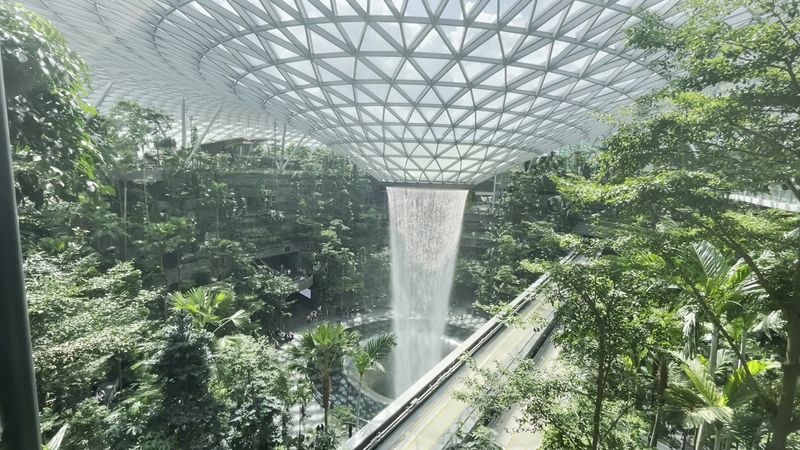
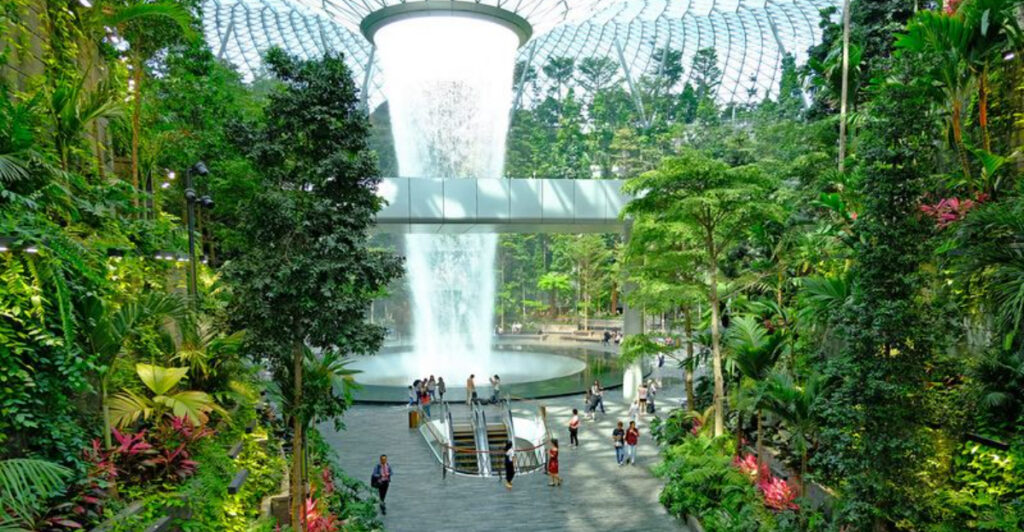
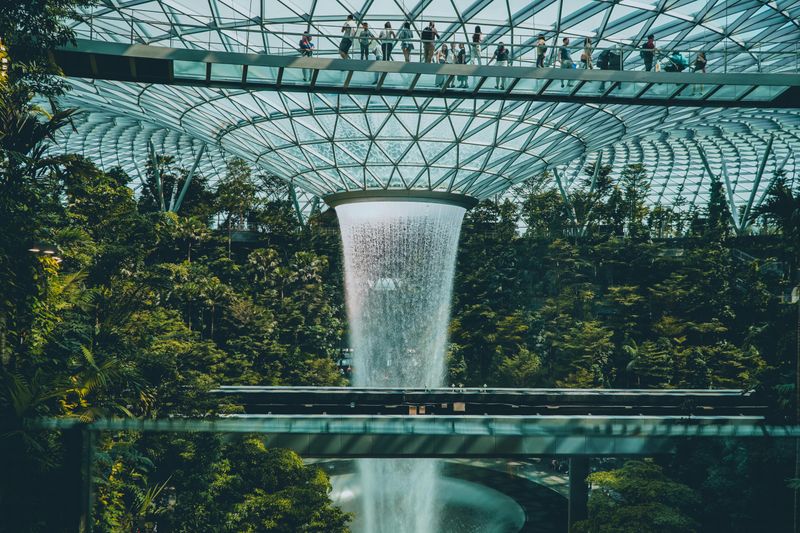
At 40 metres tall, the HSBC Rain Vortex commands attention from every angle inside Jewel. Water plunges through the center of the complex in a continuous cascade that feels more like a natural wonder than an architectural feature.
You can view it from ground level, from upper terraces, or from surrounding walkways, and each perspective offers something different.
Social media photos don’t quite capture the full experience. The sound of rushing water fills the space, creating a soundtrack that drowns out typical airport noise.
Cool mist drifts outward, refreshing anyone nearby and adding to the rainforest atmosphere that Jewel cultivates so deliberately.
What makes the Rain Vortex particularly special is its accessibility. Many attractions of this scale would charge admission and limit viewing times.
Here, it’s just part of the airport experience, available to anyone passing through regardless of whether they’re flying first class or economy, whether they’re shopping or simply killing time between connections.
The waterfall operates during the day with natural light streaming through Jewel’s glass dome, and at night it transforms into a multimedia spectacle with light and sound shows that turn the entire space into an entertainment venue worth scheduling layovers around.
3. Jewel’s plant-life isn’t decoration – it’s a serious collection
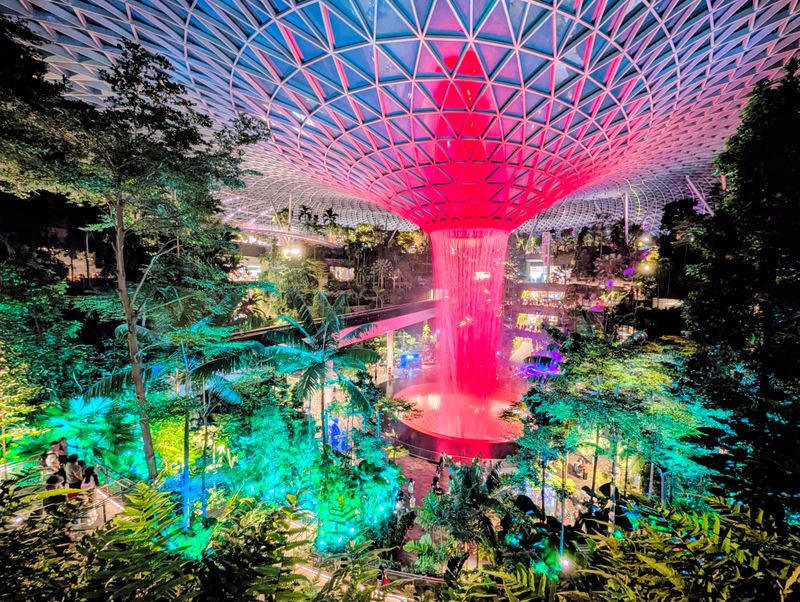
Numbers tell part of the story, but they barely scratch the surface. Jewel houses more than 2,000 trees and palms alongside over 100,000 shrubs, all spread across 21,000 square metres of carefully designed landscape.
These aren’t random plants chosen for their ability to survive neglect. The collection features approximately 120 different species sourced from various climates and regions around the world.
Horticulturalists and landscape architects worked together to create an environment where each plant could genuinely thrive indoors. This meant considering light requirements, humidity levels, soil composition, and how different species would coexist in shared spaces.
The result is an ecosystem that functions as more than simple decoration.
Walking through Jewel, you’ll notice the diversity. Tropical palms tower overhead while ferns and flowering plants fill lower levels.
Vines climb walls and wrap around structures, creating layers of green that change depending on the season and growth patterns. This variety keeps the space visually interesting and demonstrates a commitment to botanical authenticity.
For plant enthusiasts, Jewel offers a chance to see species they might otherwise need to visit multiple continents to encounter. For casual visitors, it simply creates an environment that feels rich, vibrant, and surprisingly peaceful despite being attached to one of the world’s busiest airports.
4. The Forest Valley feels like you walked into a rainforest inside a building
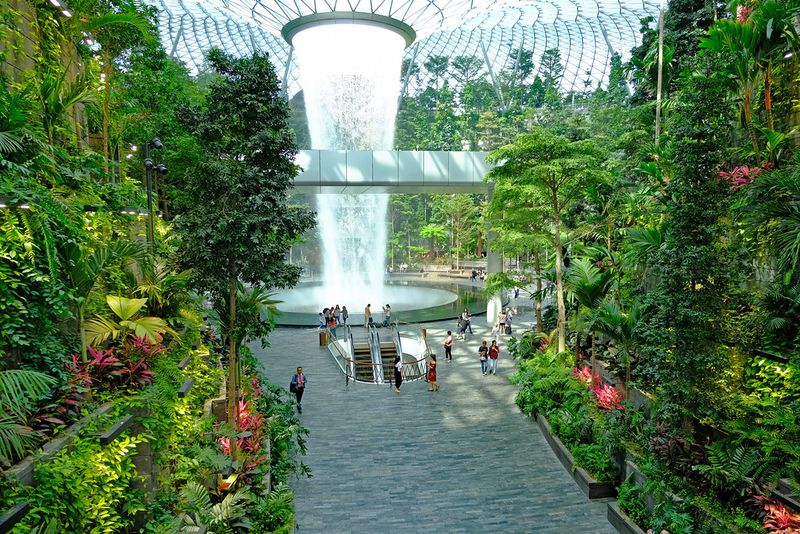
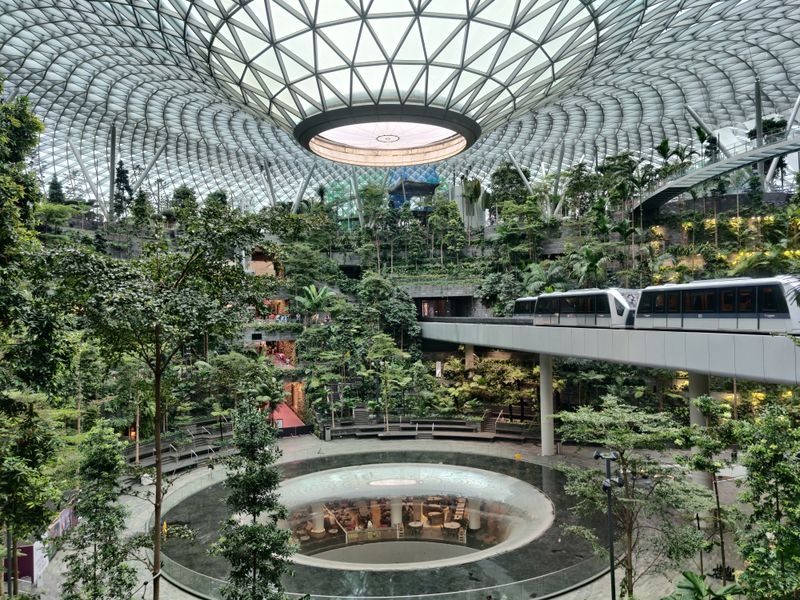
Forest Valley wraps around the base of the Rain Vortex like a living embrace. This multi-level indoor landscape features winding pathways that lead through dense vegetation, past viewing platforms, and around features that blur the line between natural and constructed environments.
Sunlight filters through Jewel’s glass dome, creating the kind of dappled light you’d expect deep in an actual forest.
The design encourages exploration rather than rushing through. Paths split and reconnect, offering different routes through the greenery.
Some lead to quiet spots perfect for sitting and decompressing after a long flight, while others bring you face-to-face with the waterfall or provide elevated views of the entire valley below.
What strikes most visitors is the sensory completeness of the experience. The air feels different here, humid and fresh in a way that’s rare in climate-controlled buildings.
Bird sounds play softly in the background, and the constant rush of water adds to the rainforest ambiance.
Spending time in Forest Valley creates a strange cognitive dissonance. Your brain knows you’re in an airport, yet your senses insist you’ve stepped into nature.
This intentional confusion is part of Changi’s magic, offering travelers a mental reset that few other transit hubs can match.
5. You can ‘do Singapore’ even if you never leave the airport
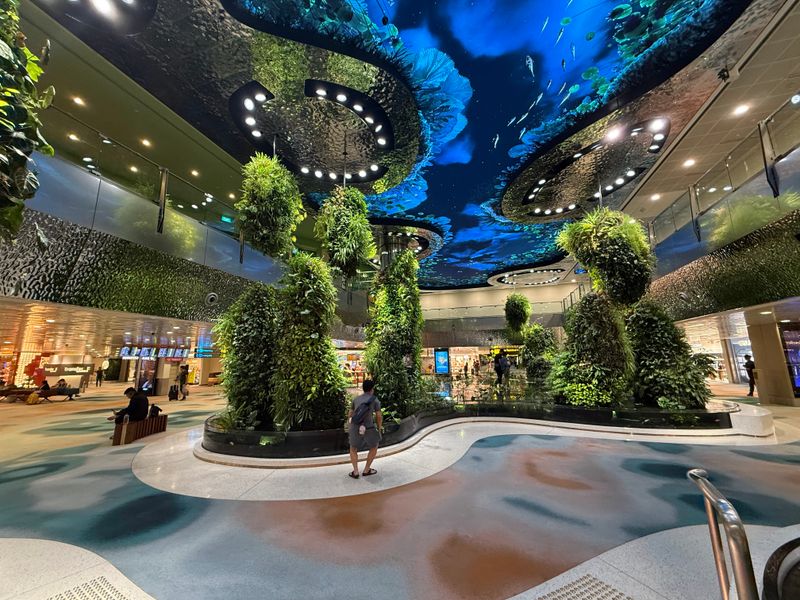
There’s a running joke among frequent travelers that you could experience Singapore’s highlights without ever exiting Changi. While obviously exaggerated, there’s truth to the sentiment.
Between the botanical gardens, world-class dining options, entertainment venues, and architectural marvels, the airport captures much of what makes Singapore special: efficiency, beauty, innovation, and attention to detail.
For travelers on tight layovers or those who prefer not to deal with visa requirements and city transport, Changi offers a satisfying alternative. You can eat excellent local cuisine, experience cutting-edge design, enjoy green spaces, and even shop for Singapore souvenirs without leaving the airport complex.
This self-contained experience appeals particularly to business travelers and those on long-haul routes with extended connections. Instead of feeling trapped in a waiting area, they can treat their stopover as a mini-destination experience.
Some travelers deliberately book longer layovers just to spend more time exploring what Changi offers.
The airport has essentially become a tourist attraction in its own right. Locals visit Jewel on weekends not because they’re flying anywhere, but because it’s a legitimate destination for dining, entertainment, and simply enjoying a beautiful space.
This crossover between transit infrastructure and lifestyle destination represents a fundamental shift in how airports can function within their communities.
6. It’s built for huge numbers without feeling chaotic
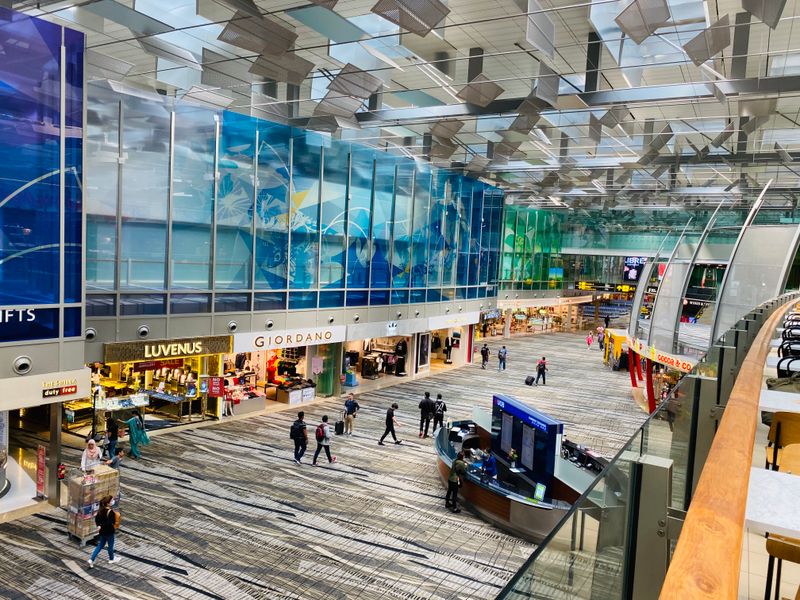
Changi handles volume that would overwhelm most airports. Across Terminals 1 through 4, the facility has an annual capacity of 90 million passengers according to Singapore’s transport ministry.
To put that in perspective, that’s more than the entire population of Germany flowing through the airport each year.
Yet somehow, Changi rarely feels as crowded as airports handling far fewer people. The secret lies in thoughtful design that distributes passenger flow across multiple levels and zones.
Wide corridors, numerous seating areas, and those abundant green spaces prevent the bottleneck feeling common in other major hubs.
Signage is clear without being overwhelming. Processes like check-in, security, and immigration move efficiently thanks to technology integration and sufficient staffing.
The airport anticipates passenger needs, placing amenities where they make sense rather than forcing travelers to backtrack or navigate confusing layouts.
This combination of capacity and calm represents years of planning and continuous improvement. Changi’s management studies passenger flow patterns, identifies pain points, and adjusts operations accordingly.
They’ve recognized that handling millions of people successfully isn’t just about building bigger terminals but about creating spaces where those millions can move, wait, and transfer without feeling stressed or rushed. The abundance of plants contributes to this by making the environment feel more spacious and less institutional.
7. It’s not just famous – it keeps winning the biggest awards
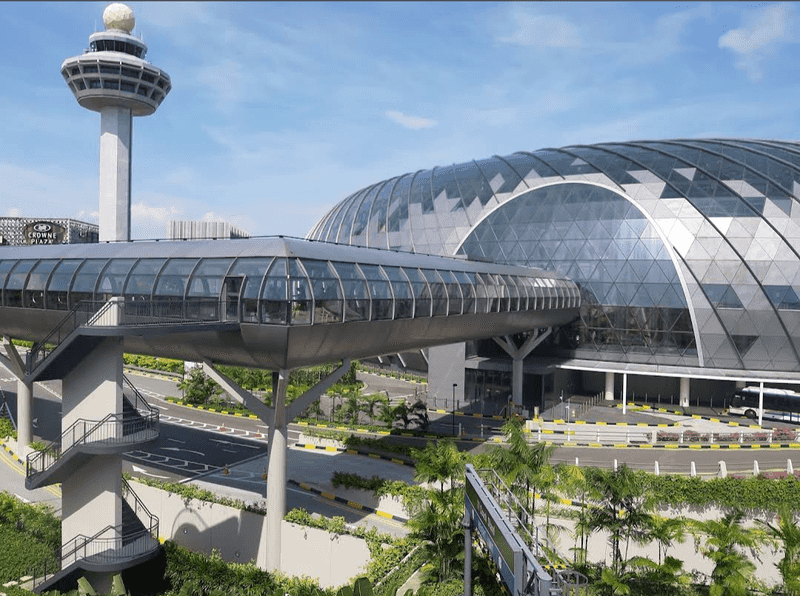
Awards can sometimes feel like marketing fluff, but Changi’s track record speaks to sustained excellence. At the Skytrax World Airport Awards 2025, Changi claimed its 13th title as World’s Best Airport.
That’s not a streak of two or three years; it’s more than a decade of being recognized as the top airport globally by travelers and industry experts.
The airport didn’t stop there. It also won World’s Best Airport Dining and World’s Best Airport Washrooms in the same awards ceremony.
These additional categories highlight how Changi excels across multiple dimensions, not just in one flashy area while neglecting others.
Winning once might be luck or the result of a particularly good year. Winning 13 times demonstrates consistency, continuous improvement, and a commitment to maintaining standards even as passenger numbers grow and competition intensifies.
Other airports have tried to replicate Changi’s success, but few have managed to sustain it.
These awards validate what millions of travelers experience firsthand: Changi operates at a different level. From the moment you arrive until you board your next flight, details are considered and executed well.
The recognition reinforces Singapore’s broader reputation for excellence in infrastructure and public services, making the airport a source of national pride beyond its functional role as a transit hub.
8. The Butterfly Garden is an actual living attraction (not a marketing gimmick)
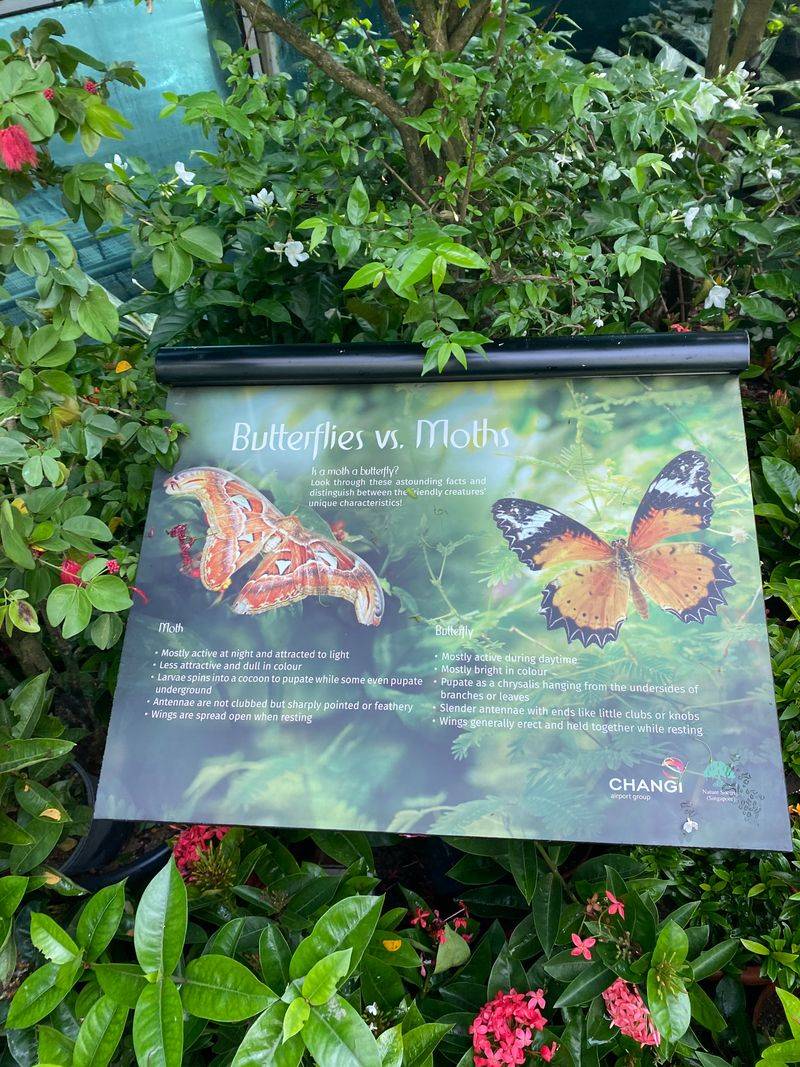
Skepticism is natural when you first hear about an airport butterfly garden. It sounds like the kind of feature that exists primarily for press releases, something you’d glance at briefly before moving on.
But Changi’s Butterfly Garden is the real deal, home to over 1,000 butterflies representing various species, all thriving in a carefully maintained habitat.
This isn’t a small enclosure tucked away in a corner. The garden is described as the first of its kind in an airport, featuring a 6-metre grotto waterfall that creates the humidity and environment butterflies need.
Flowering plants provide nectar, and the space is designed to mimic natural butterfly habitats as closely as possible within an indoor setting.
Visitors can walk through the garden and observe butterflies up close as they feed, rest on plants, and flutter around the space. For children especially, it’s mesmerizing to see these creatures in an environment that’s usually all about planes, gates, and departure boards.
Even adults find themselves pausing longer than expected, drawn into the peaceful rhythm of the garden.
The Butterfly Garden exemplifies Changi’s commitment to creating genuine experiences rather than superficial attractions. It requires ongoing care, expertise in butterfly husbandry, and dedication to maintaining proper conditions.
That the airport invests in this demonstrates how seriously they take their role as more than just a transit point.
9. You can watch movies for free, 24/7
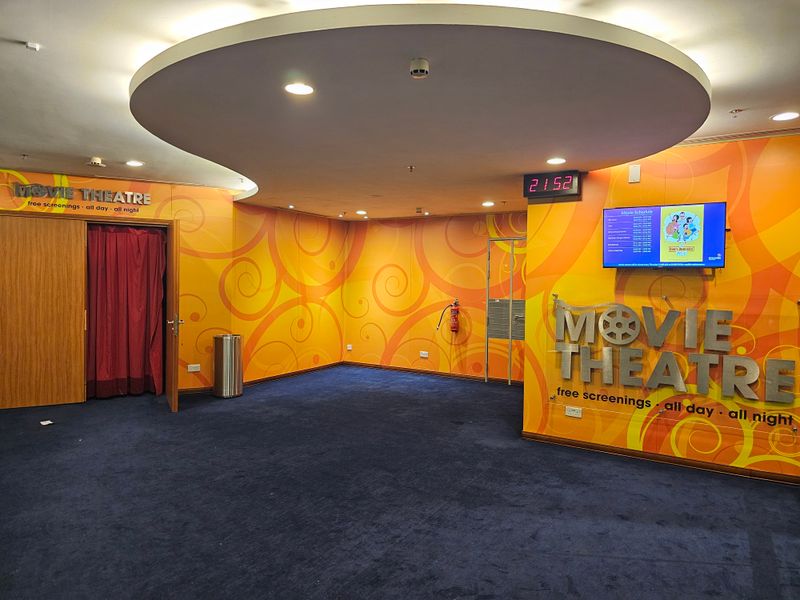
Long layovers usually mean finding uncomfortable seats, scrolling through your phone until your eyes hurt, or overpaying for food just to have something to do. Changi offers a better option: free movie screenings that run 24 hours a day, with only a brief weekly maintenance window when the theatre closes temporarily.
This isn’t streaming on a small screen with questionable audio. The airport maintains an actual movie theatre with proper seating, good sound systems, and a rotating selection of films.
You can settle in, forget about your upcoming flight for a while, and actually enjoy yourself rather than simply enduring the wait.
The 24-hour availability matters more than it might seem. Flight schedules don’t respect normal business hours, and passengers often find themselves stuck at odd times when most airport amenities are closed.
Having entertainment available at 3 AM transforms what could be a miserable experience into something almost pleasant.
For families traveling with children, the movie theatre is particularly valuable. Kids get restless during long waits, and keeping them entertained in a typical gate area is challenging.
A movie gives them something to focus on, makes time pass faster, and can help them relax before the next flight segment. It’s another example of Changi thinking beyond basic airport functions to consider what travelers actually need.
10. Jewel is basically a lifestyle destination attached to an airport

Most airports have shopping areas where you can buy overpriced snacks and last-minute gifts. Jewel is something else entirely.
Calling it a mall doesn’t capture the scope. It’s a destination complex that locals visit even when they have no flights scheduled, which tells you everything you need to know about how it differs from typical airport retail.
The complex combines high-end shopping with casual dining, entertainment attractions, and those stunning gardens all under one roof. You can spend hours here without ever feeling like you’re in an airport.
The architecture, the lighting, the way spaces flow into each other – it all feels intentional and well-designed rather than thrown together to maximize commercial space.
That central waterfall acts as an anchor, but Jewel offers much more. Restaurants serve everything from quick bites to sit-down meals worth planning around.
Shops range from international brands to local artisans. The paid attractions in Canopy Park provide entertainment that goes beyond window shopping.
For Singapore residents, Jewel has become a legitimate weekend destination. They’ll meet friends there for dinner, bring family for an outing, or simply visit to enjoy the space.
This local adoption validates Jewel’s success as something more than airport infrastructure. It’s a community gathering place that happens to be connected to an international transit hub, blurring the boundaries between travel and everyday life.
11. Canopy Park turns your layover into something you’d actually plan for
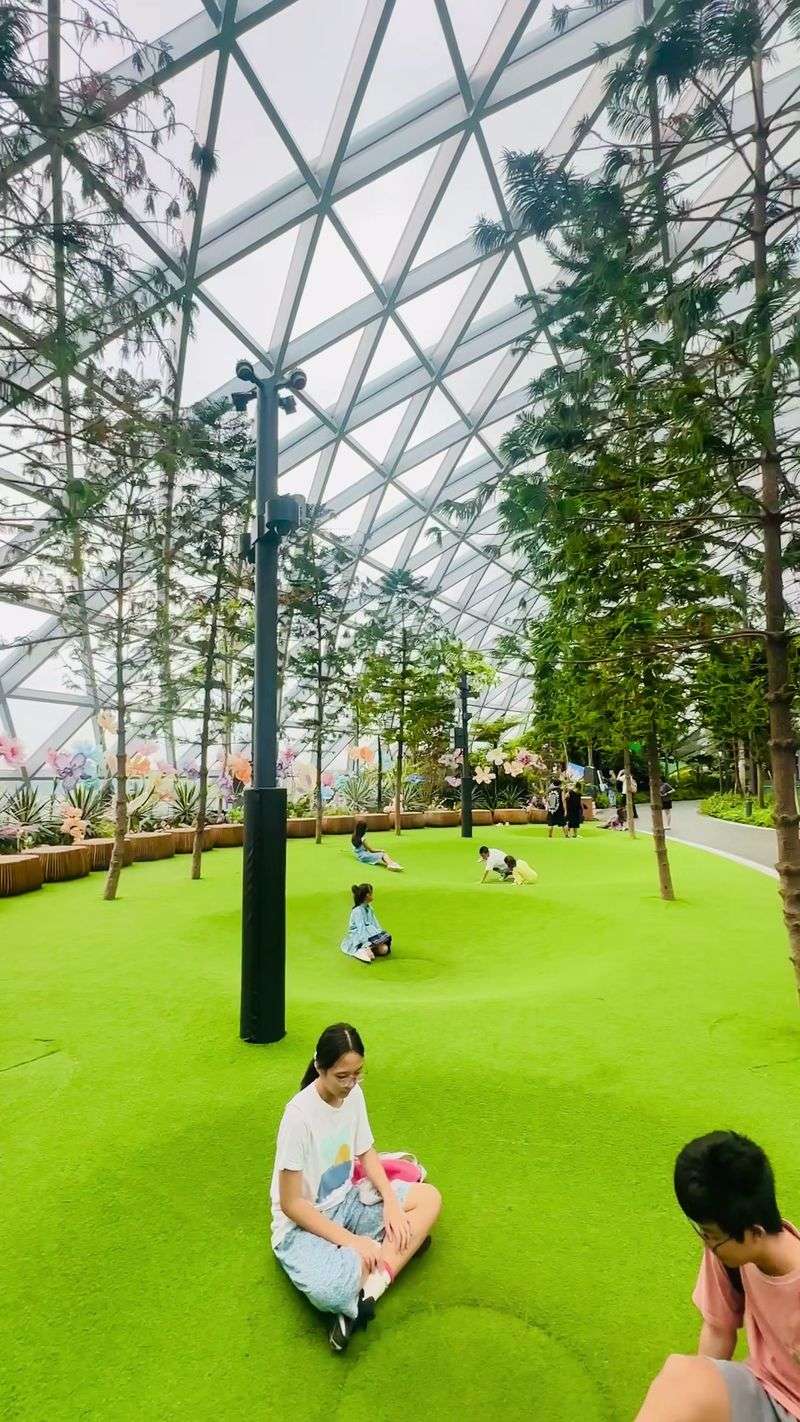
Canopy Park sits atop Jewel like a crown, offering experiences that have nothing to do with flights and everything to do with fun. This isn’t a quiet observation deck where you stare at planes.
It’s an active space with mazes, interactive installations, walking nets suspended above the ground, and other attractions that appeal to the kid in everyone.
For families traveling with children, Canopy Park solves a major problem: how to burn off energy during long layovers. Kids can run, climb, explore, and play in ways that would be impossible in a traditional airport terminal.
Parents can relax knowing their children are entertained and supervised in a safe environment.
But adults enjoy it too. There’s something liberating about bouncing on nets or navigating through mirror mazes when you’re supposed to be in serious travel mode.
It breaks up the monotony and stress of international travel, giving your brain something completely different to focus on before the next flight.
Some travelers now deliberately book longer connections through Singapore just to spend time in Canopy Park and Jewel more broadly. That shift from avoiding layovers to seeking them out represents a fundamental change in how people experience air travel.
When an airport becomes a destination rather than an obstacle, it transforms the entire journey from something to endure into something to enjoy.
12. The airport is connected to an impressive network of global routes
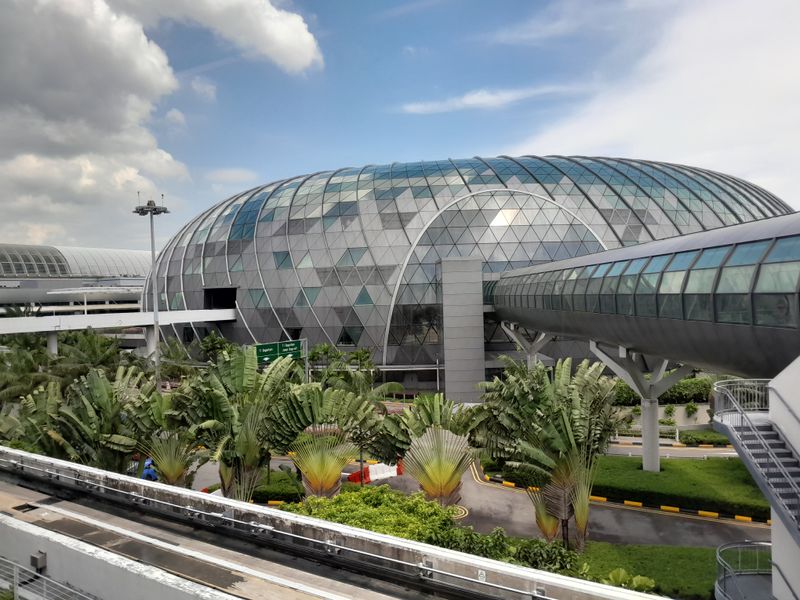
Changi serves as a genuine global hub, connecting over 100 airlines flying to more than 150 cities worldwide. This extensive network means you can reach Changi from almost anywhere and connect to almost anywhere else, making it a natural stopover point for routes between Europe, Asia, Australia, and beyond.
The variety of airlines matters because it provides options. Whether you’re flying budget carriers or premium airlines, you’ll likely find routes through Changi that fit your schedule and budget.
This competition also helps keep prices reasonable and service standards high, as airlines compete for passengers transiting through this major hub.
For travelers, this connectivity has a practical benefit: even if you didn’t originally plan to stop in Singapore, routing through Changi often makes sense logistically. Once you’re there, the airport makes that stopover feel less like an inconvenience and more like a bonus experience.
You might even find yourself extending a layover to explore what the airport offers.
Singapore’s location gives it a natural geographic advantage for connecting Asia with other continents. Changi has leveraged this position brilliantly, building infrastructure and experiences that encourage airlines to add routes and passengers to choose Singapore connections over alternatives.
The result is an airport that truly functions as a crossroads of global travel, handling millions of passengers while maintaining standards that keep people coming back.
13. The numbers are massive and they’re back to (and above) pre-pandemic levels
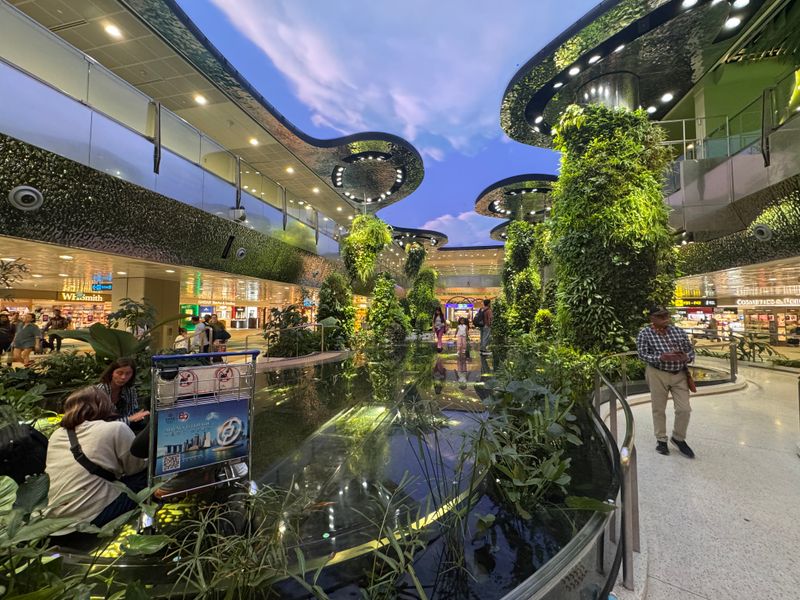
Recovery from the pandemic hit aviation hard, but Changi’s 2024 numbers tell a story of complete rebound. The airport recorded 69.98 million passenger movements, slightly exceeding the 68.3 million recorded in 2019 before COVID-19 disrupted global travel.
This isn’t just recovery; it’s growth beyond previous peaks.
These numbers matter because they demonstrate that Changi isn’t coasting on past reputation. The airport is handling real-world crowds, managing complex logistics, and dealing with all the challenges that come with moving nearly 70 million people annually.
Yet somehow, the experience remains consistently positive for most travelers.
Many airports struggle when passenger numbers surge. Services degrade, wait times increase, and the overall experience suffers under pressure.
Changi proves that high volume doesn’t have to mean low quality. The infrastructure, staffing, and operational systems scale effectively, maintaining standards even as crowds grow.
For travelers planning routes, these statistics provide confidence. You’re not gambling on a boutique airport that only works well because it handles limited traffic.
Changi operates at massive scale while still delivering the gardens, the attractions, the dining, and the overall experience that made it famous. That combination of scale and quality is rare in any industry, let alone in aviation where operational pressures constantly push against customer experience priorities.
14. It’s designed to make you slow down (which is rare in airports)
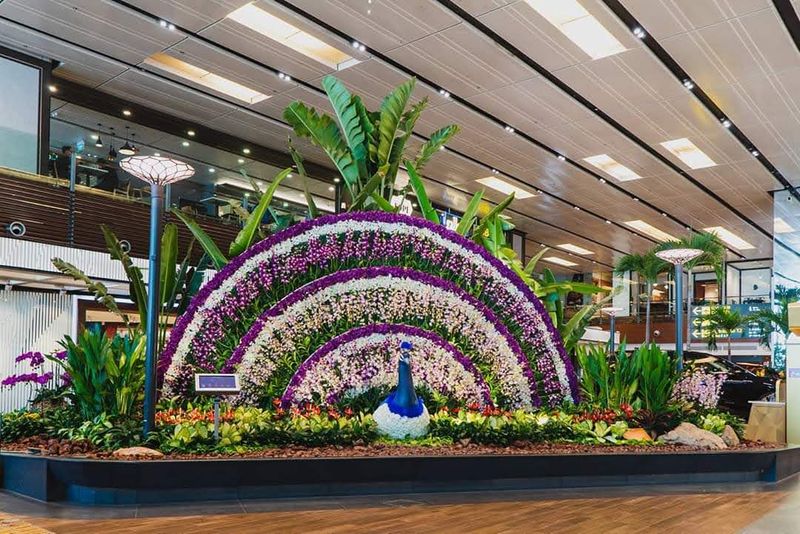
Most airports are designed around urgency. Everything about the layout, signage, and atmosphere pushes you forward: get through security, reach your gate, board your flight.
There’s rarely any encouragement to pause, breathe, or actually experience the space you’re moving through. Changi takes the opposite approach.
The gardens invite wandering. Seating areas are actually comfortable and positioned in places where you might want to sit for reasons other than gate proximity.
Restaurants offer proper dining experiences rather than just grab-and-go options. The overall design communicates that it’s okay to slow down, that you have permission to treat this transit time as something more than dead time between destinations.
This shift in philosophy addresses something many travelers don’t realize they need until they experience it. Air travel is inherently stressful, filled with deadlines, security concerns, and the low-level anxiety of being in unfamiliar spaces.
An environment that encourages you to relax rather than rush provides genuine psychological relief.
When you’re sitting in Forest Valley, listening to water cascade down the Rain Vortex, surrounded by plants and natural light, your body responds differently than it does in a typical gate area. Stress hormones decrease.
Your breathing slows. For a few minutes, you’re not a passenger worried about connections and baggage; you’re just a person in a beautiful space.
That permission to breathe, as simple as it sounds, is a luxury most airports never offer.
15. It changes what you think an airport can be
After spending time at Changi, other airports feel different. Not just worse,though many do by comparison, but fundamentally limited in their vision of what’s possible.
Most airports settle for being functional, efficient if you’re lucky, and occasionally include some nice design touches. Changi asks bigger questions about what role these spaces can play in travelers’ lives.
The waterfall, the butterflies, the half-million plants, these aren’t just features on a checklist. They represent a philosophy that travel infrastructure doesn’t have to choose between function and beauty, between efficiency and experience.
You can handle 70 million passengers and still maintain gardens. You can be a major global hub and still feel peaceful.
This broader vision extends beyond aesthetics. Changi demonstrates that airports can be community assets, places locals actually want to visit even when they’re not flying.
It shows that transit time doesn’t have to feel wasted or stressful, that layovers can become highlights rather than hassles.
For travelers, this shift in perspective changes expectations. Once you’ve experienced an airport that treats you like a human being rather than a processing unit, you start questioning why other airports can’t do the same.
Changi proves that the exhausting, ugly airport experience isn’t inevitable—it’s a choice. And by making different choices, Singapore has created something that transcends its practical function to become genuinely inspiring infrastructure.
Share this story