Georgia has become a powerhouse for Asian cuisine, especially around Atlanta and its suburbs. From hand-pulled noodles to MICHELIN-starred omakase, the metro area offers flavors that keep people coming back week after week.
Whether you’re craving Filipino comfort food or Japanese precision, these fourteen spots have earned their loyal followings for good reason.
1. Mujō (West Midtown, Atlanta)
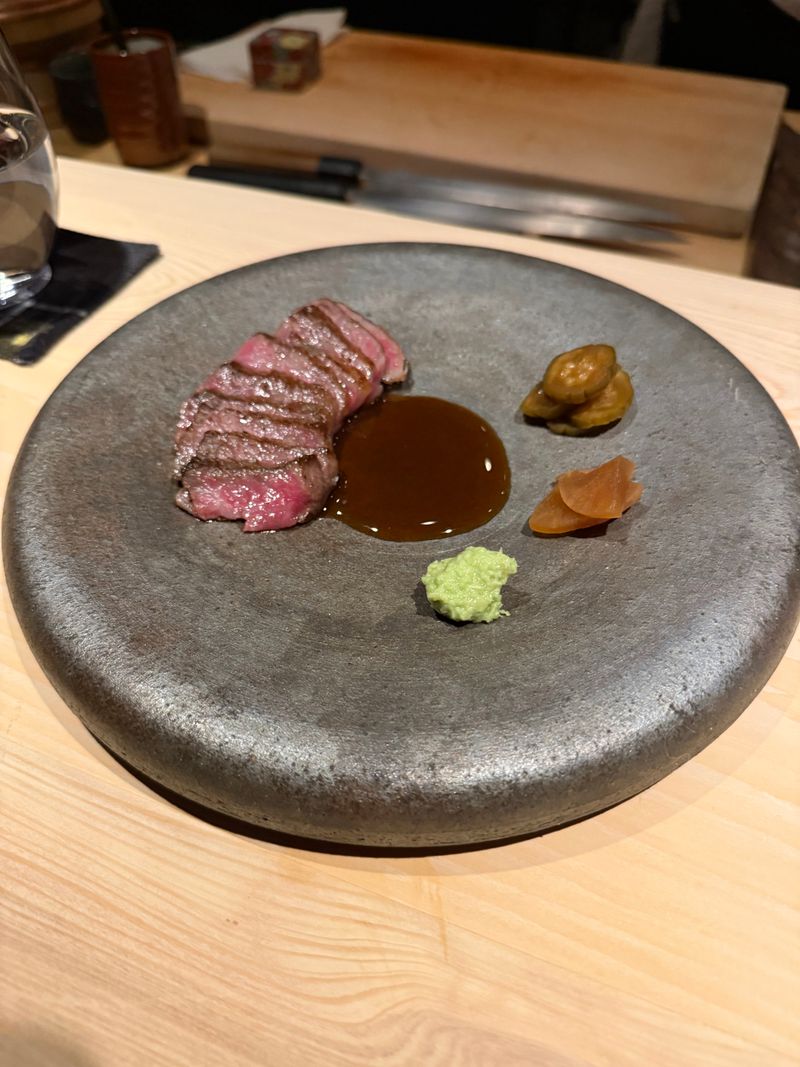
Walking into Mujō feels less like dinner and more like attending a culinary performance. The intimate counter seats you just inches from chefs who orchestrate each piece of nigiri with precision.
That MICHELIN star isn’t just a badge – it’s proof that every detail, from rice temperature to fish sourcing, gets obsessive attention.
Reservations disappear fast because regulars know the menu shifts with the seasons and the catch. You’re not ordering from a laminated list; you’re trusting the team to guide you through flavors you might never encounter elsewhere.
The atmosphere stays hushed and focused, letting the food do all the talking.
First-timers often walk in skeptical about the hype, then leave planning their next visit before they’ve even paid the check. The experience sticks with you – the way a perfect bite of toro melts, the subtle char on grilled fish, the surprise of a course you didn’t expect.
It’s the kind of place that turns a special occasion into a tradition.
If you’re chasing sushi that feels like an event, Mujō delivers every time. Just be ready to book well in advance and come with an open mind.
2. Omakase Table (Atlanta)
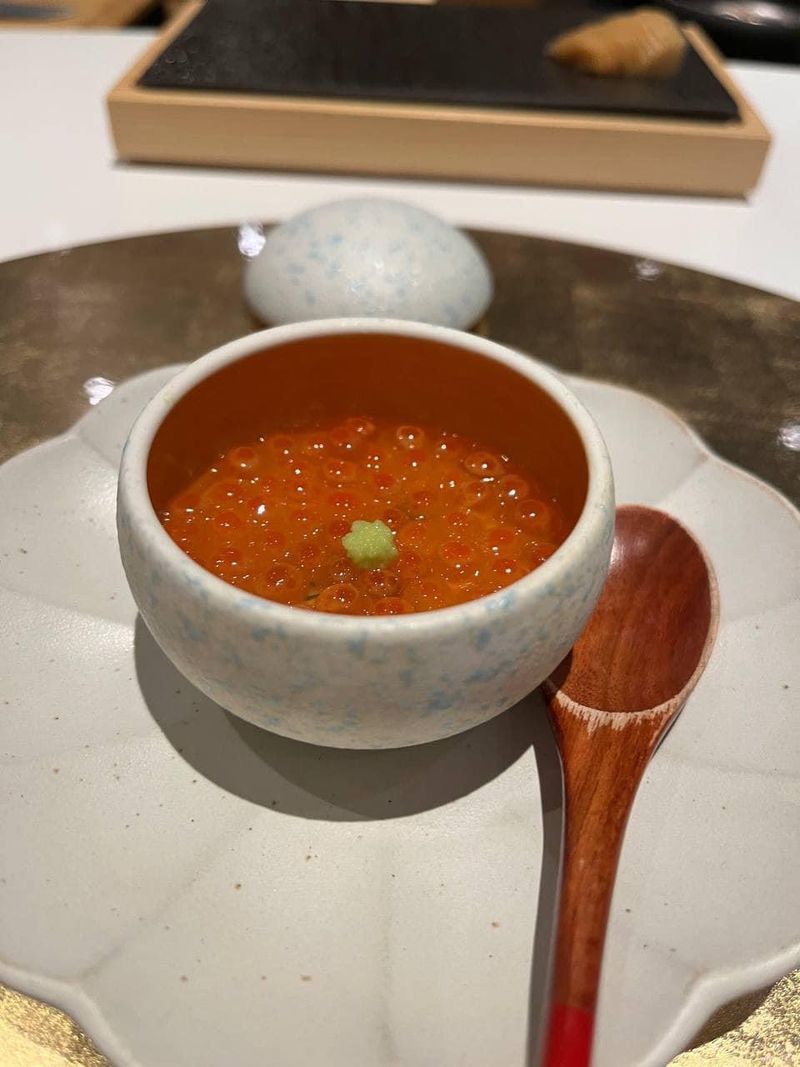
Omakase means “I’ll leave it up to you,” and that philosophy is the whole point here. You surrender control to the chef, who crafts a progression of dishes based on what’s fresh and what tells the best story that night.
The MICHELIN Guide listing signals that this isn’t a gamble – it’s a calculated trust fall into expert hands.
Bookable reservations fill up quickly, which tells you everything about demand. Regulars return not just for the food but for the relationship they build with the chefs over multiple visits.
Each meal feels personal, like you’re being let in on a secret menu that changes with the tides and the seasons.
The space itself stays minimal and focused, stripping away distractions so you can zero in on each course. You’ll taste things you can’t pronounce and ingredients you’ve never heard of, all explained with care.
It’s educational without feeling stuffy, impressive without being intimidating.
First-timers often arrive nervous about what they’re signing up for, but the pacing and hospitality ease those worries fast. By the end, you’re already thinking about when you can come back and see what’s changed.
3. O by Brush (Atlanta)
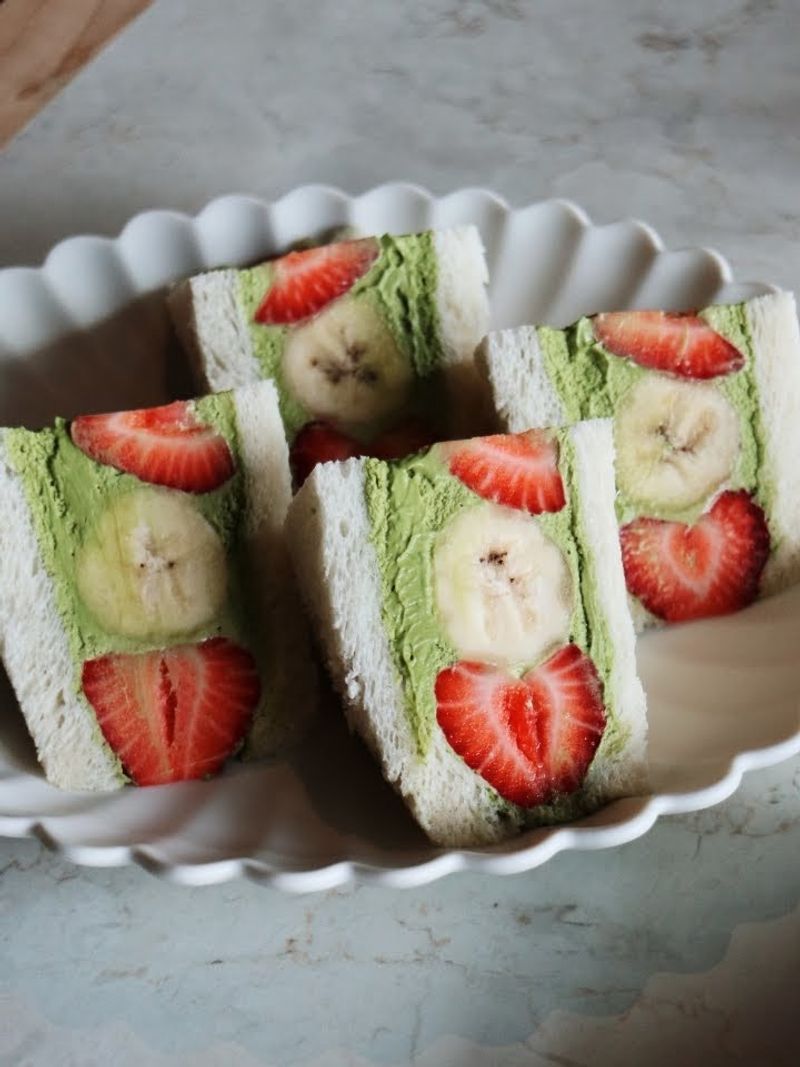
Some restaurants coast on a single menu, but O by Brush thrives on evolution. The fish changes, the techniques shift, and the experience stays razor-sharp every time you return.
That commitment to staying fresh – literally and figuratively – is what keeps regulars booking tables months out.
Chef-driven and detail-obsessed, this spot treats sushi like a living art form. You won’t find the same lineup twice because the sourcing adapts to what’s peak at any given moment.
The chefs remember faces and preferences, building a quiet rapport that makes each visit feel tailored.
First-timers often hear about O by Brush through word-of-mouth, the kind of whispered recommendation that comes with high expectations. The space itself is understated, letting the food command all the attention.
You sit close enough to watch the knife work, the plating, the tiny adjustments that separate good sushi from unforgettable sushi.
What makes people come back isn’t just the quality – it’s the sense that you’re part of something special. The experience feels exclusive without being pretentious, polished without losing warmth.
If you’re serious about sushi, this is where you want to be a regular.
4. Ryokou (Atlanta)
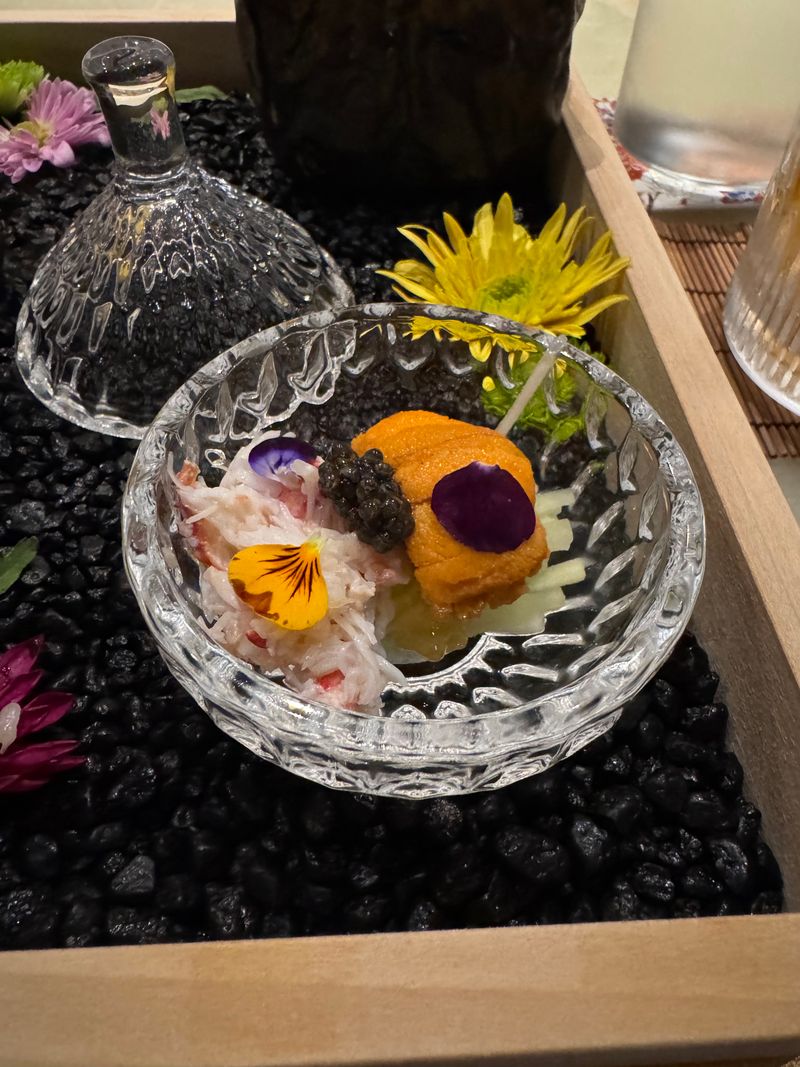
Ryokou proves that Japanese cuisine goes way beyond sushi rolls and sashimi. The MICHELIN Guide recognition signals that this spot takes tradition seriously while still making the food approachable.
You’ll find flavors rooted in izakaya culture—grilled skewers, seasonal small plates, and dishes that pair perfectly with sake.
Regulars love Ryokou because it feels like a neighborhood hang that happens to serve exceptional food. The menu invites exploration, with items you might not recognize but will definitely want to order again.
Chefs here understand balance – salty, sweet, umami, char – and layer those elements into every bite.
First-timers often arrive expecting a typical Japanese restaurant and leave surprised by the depth and variety. The space strikes a comfortable middle ground between casual and refined, making it ideal for both date nights and friend gatherings.
You can hear conversations and laughter without shouting over noise.
What turns people into repeat visitors is the consistency. The kitchen doesn’t phone it in, even on busy nights, and the staff treats you like they’re glad you showed up.
If you’re ready to expand your Japanese food vocabulary beyond the usual suspects, Ryokou is the place to start—and keep coming back to.
5. Tomo (Buckhead, Atlanta)
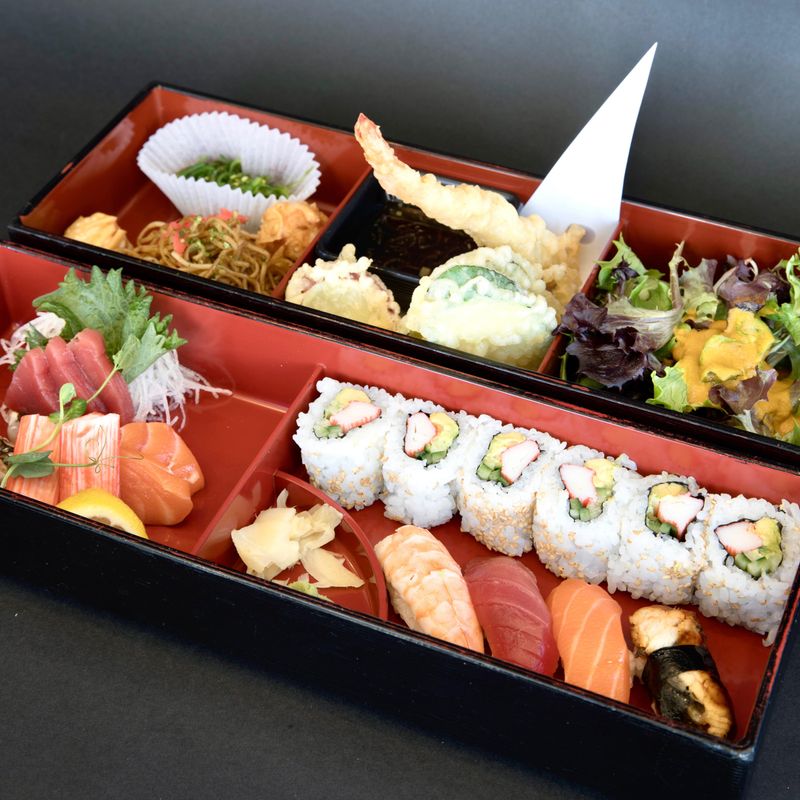
Buckhead has no shortage of upscale dining, but Tomo has carved out a loyal following by doing Japanese cuisine with quiet confidence. The MICHELIN Guide listing and steady reservation flow aren’t accidents—they’re the result of consistency, quality sourcing, and a team that knows how to make guests feel taken care of.
The menu balances sushi and cooked dishes, giving you flexibility whether you’re in the mood for pristine sashimi or something warm and comforting. Regulars appreciate that the kitchen doesn’t chase trends; it sticks to what it does well and executes flawlessly.
The fish is always fresh, the rice properly seasoned, the presentations clean and elegant.
First-timers often choose Tomo for a special occasion and end up returning for regular weeknight dinners. The atmosphere stays polished but not stiff, making it easy to relax and enjoy the meal.
Service strikes the right tone—attentive without hovering, knowledgeable without being condescending.
What keeps people coming back is the reliability. You know what you’re getting, and it’s always good.
In a city full of new openings and closures, Tomo represents stability and quality. If you’re looking for a Japanese restaurant you can count on, this is it.
6. Nam Phuong (Buford Highway, Atlanta)
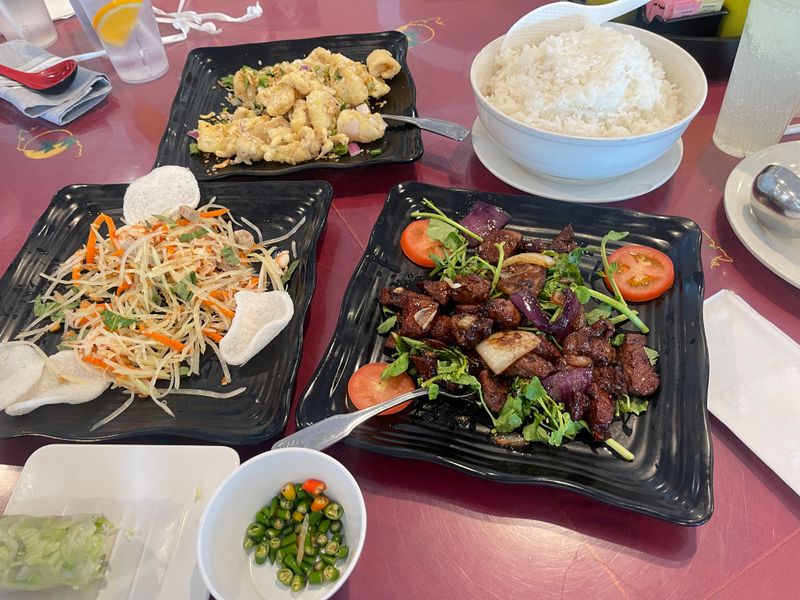
Buford Highway is legendary for Asian food, and Nam Phuong holds its own among stiff competition. Eater highlights the pho and shaking beef, but regulars know the wings are a sleeper hit.
The BYOB policy adds a casual, come-as-you-are vibe that makes it feel like a neighborhood secret worth protecting.
The pho arrives steaming with a broth that’s been simmered for hours, layered with flavors you can’t fake. Shaking beef delivers that perfect contrast of charred edges and tender centers, served with rice that soaks up every drop of sauce.
The wings, meanwhile, hit that sweet-savory-sticky note that keeps you reaching for one more piece.
First-timers often stumble in after hearing recommendations from coworkers or friends, and they leave planning their next visit. The space is no-frills, the kind of place where the food does all the talking and the decor doesn’t try to compete.
You’re here to eat, not to Instagram the wallpaper.
What makes Nam Phuong a repeat destination is the consistency and the prices. You can bring a bottle of wine, order generously, and still leave without breaking the bank.
It’s the kind of spot that becomes part of your regular rotation.
7. Tum Pok Pok (Buford Highway area, Atlanta)
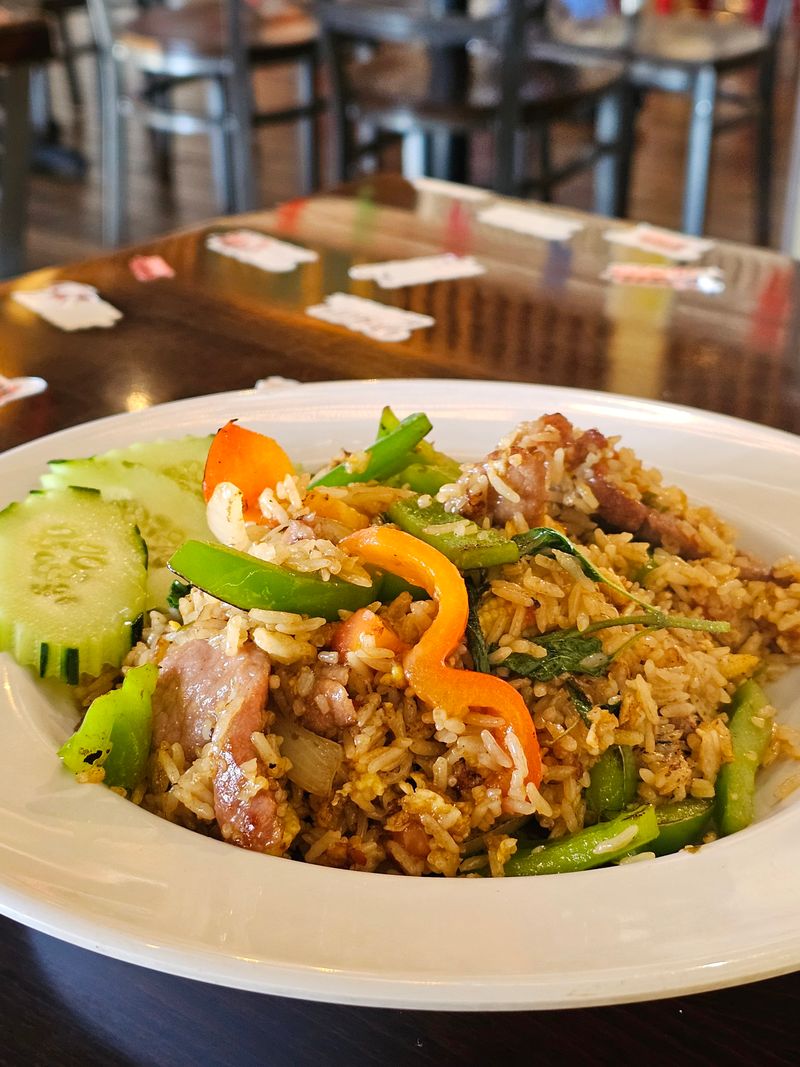
Northeastern Thai food hits different, and Tum Pok Pok knows how to deliver those bold, craveable flavors. Eater flags this spot for papaya salads that pack heat and tang, larbs with toasted rice powder, and grilled meats that come off the fire with char and smoke.
It’s street food elevated just enough to work in a restaurant setting.
Regulars return because the flavors are addictive—sour, spicy, funky, fresh—all balanced in ways that make you want to order everything twice. The papaya salad alone has converted countless people into Thai food devotees.
Larb, with its herbaceous punch and citrus kick, becomes the dish you crave on random Tuesday afternoons.
First-timers often arrive cautious about spice levels and leave with their taste buds buzzing in the best way. The menu offers guidance on heat, but don’t be shy about asking for adjustments.
The staff knows their food and can steer you toward dishes that match your tolerance and curiosity.
The space feels casual and welcoming, the kind of place where you can bring friends or fly solo at the counter. What keeps people coming back is the authenticity and the consistency.
Tum Pok Pok doesn’t water down flavors to chase broader appeal—it stays true to the food, and regulars respect that.
8. Best BBQ (Chamblee)
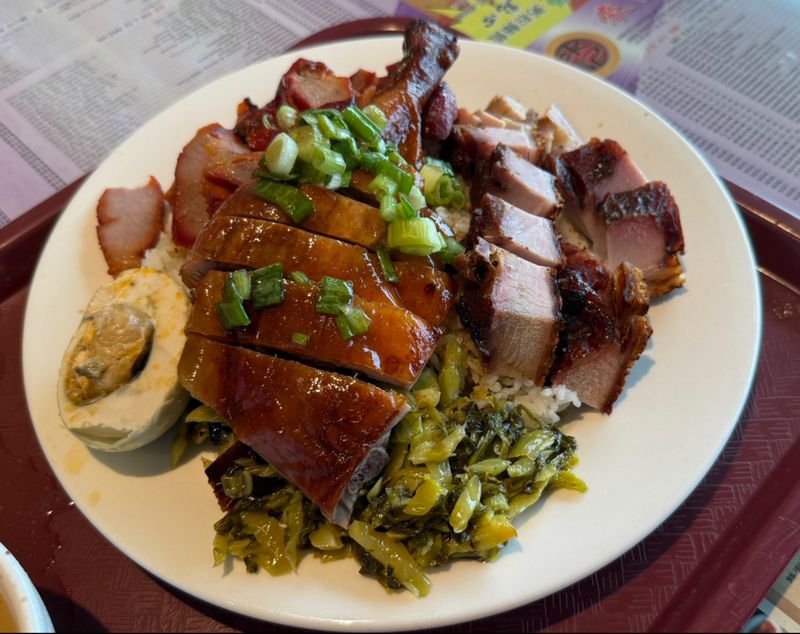
Dim sum carts rolling through a bustling dining room, steam rising from bamboo baskets, the clatter of teacups and chopsticks—Best BBQ brings that classic experience to Chamblee. From har gow and shumai to chicken feet and turnip cakes, the menu covers all the dim sum essentials that keep people coming back week after week.
Regulars know to arrive early on weekends when the selection is fullest and the kitchen is firing on all cylinders. The har gow wrappers are delicate and translucent, the shrimp inside snappy and sweet.
Shumai delivers that perfect pork-and-shrimp combo, and the turnip cakes hit that crispy-soft sweet spot. Even adventurous eaters find something new to try, like chicken feet braised until tender and sticky.
First-timers often feel overwhelmed by the cart system and the sheer number of choices, but the staff is patient and helpful. Point at what looks good, try things you can’t pronounce, and don’t worry about ordering too much—you can always take leftovers home.
The atmosphere is lively and communal, with big tables meant for sharing and conversation.
What makes Best BBQ a rotation staple is the reliability and the variety. You can visit a dozen times and still discover new favorites.
It’s dim sum done right, without pretension or inflated prices.
9. Quoc Huong Banh Mi Fast Food (Buford Highway area)
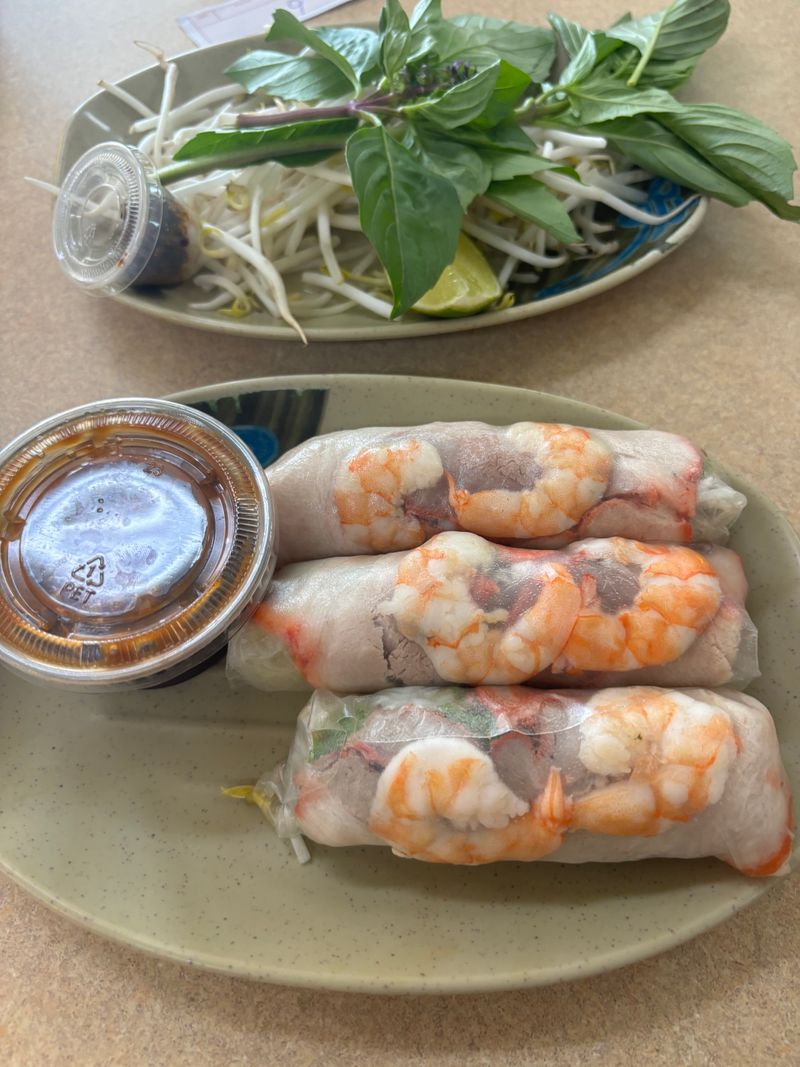
Many Atlantans consider Quoc Huong among the best banh mi spots in the metro, and Eater backs that claim with enthusiasm. The bread is the foundation—crusty outside, airy inside, baked fresh daily.
The fillings are generous, the pickled vegetables crisp and tangy, the herbs bright and fragrant. And the price?
Famously low, making it easy to become a regular without guilt.
The classic banh mi here layers pork, pate, and Vietnamese cold cuts with cucumber, cilantro, and jalapeño, all tucked into that perfect baguette. The bread-to-filling ratio is dialed in, so every bite delivers crunch, richness, and freshness in equal measure.
Vegetarian options hold their own, loaded with tofu and extra pickles that don’t feel like an afterthought.
First-timers often stop in for a quick lunch and leave planning their next order. The space is no-frills, with a counter setup that prioritizes speed and efficiency.
You’re in and out fast, but the sandwich stays with you long after the last bite. Regulars know to grab a few extra to take home or share with friends who haven’t discovered the spot yet.
What keeps people coming back is the combination of quality, value, and consistency. Quoc Huong doesn’t cut corners, even at these prices, and that integrity shows in every sandwich.
10. Northern China Eatery (Doraville)
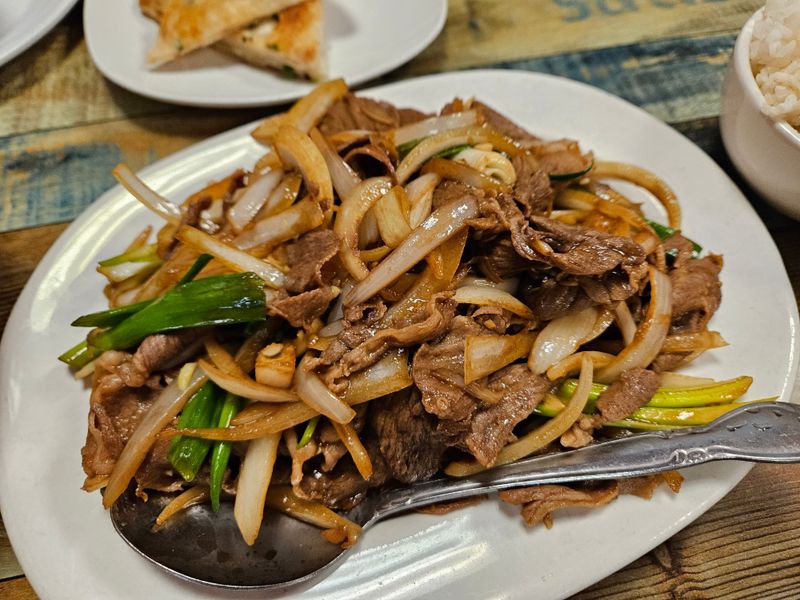
Eater points to soup dumplings, fried dumplings, and even frozen dumplings to take home—a menu strategy that practically builds repeat business into the business model. Northern China Eatery understands that once you taste their xiao long bao, you’ll want to come back for more, and maybe grab a bag of frozen ones to cook at home when cravings hit.
The soup dumplings arrive in steamer baskets, each one a delicate pouch of broth and pork that requires careful handling and quick slurping. The fried dumplings deliver crispy bottoms and juicy centers, perfect for dipping in black vinegar.
The menu goes beyond dumplings, too, with hand-pulled noodles, lamb skewers, and cold appetizers that showcase Northern Chinese flavors.
First-timers often come for the soup dumplings and stay to explore the rest of the menu. The space is casual and family-friendly, with big tables that encourage group dining and sharing.
Service is straightforward and efficient, focused on getting hot food to your table without unnecessary fuss.
What makes Northern China Eatery a regular stop is the quality and the convenience. You can dine in, take out, or stock your freezer for future meals.
The dumplings are that good, and the variety keeps things interesting visit after visit. It’s the kind of place that becomes part of your routine.
11. La Mei Zi (Doraville)
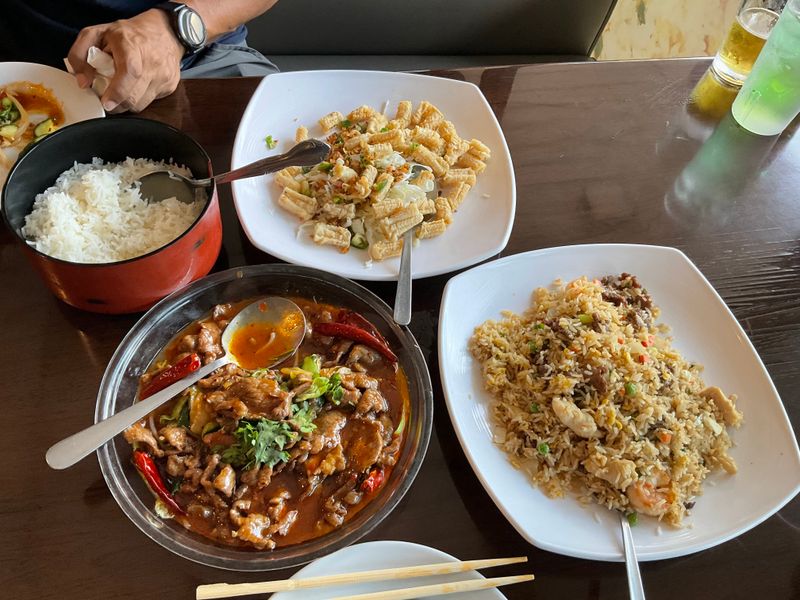
Eater straight-up says La Mei Zi is rarely empty, and that’s all the endorsement you need. The restaurant has earned its packed dining room through dishes like three-cups chicken and dan dan dry noodles—exactly the kind of bold, flavorful food that turns casual diners into devoted regulars.
Three-cups chicken arrives fragrant with basil, ginger, and sesame oil, the sauce clinging to tender pieces of chicken that beg to be eaten over rice. Dan dan dry noodles deliver that addictive combination of nutty sesame paste, chili oil, and Sichuan peppercorns that make your lips tingle.
The menu is deep, covering Sichuan classics and Taiwanese favorites with equal skill.
First-timers often struggle to narrow down their order because everything sounds good—and based on what you see coming out of the kitchen, everything is good. The staff can guide you toward popular dishes or help you navigate spice levels if you’re heat-sensitive.
The atmosphere is lively and bustling, with a constant hum of conversation and the clatter of woks in the background.
What keeps La Mei Zi consistently full is the combination of flavor, value, and variety. You can visit repeatedly and still have new dishes to try.
It’s the kind of place that becomes a go-to for both solo lunches and group dinners, always reliable and always satisfying.
12. LanZhou Ramen (Doraville)
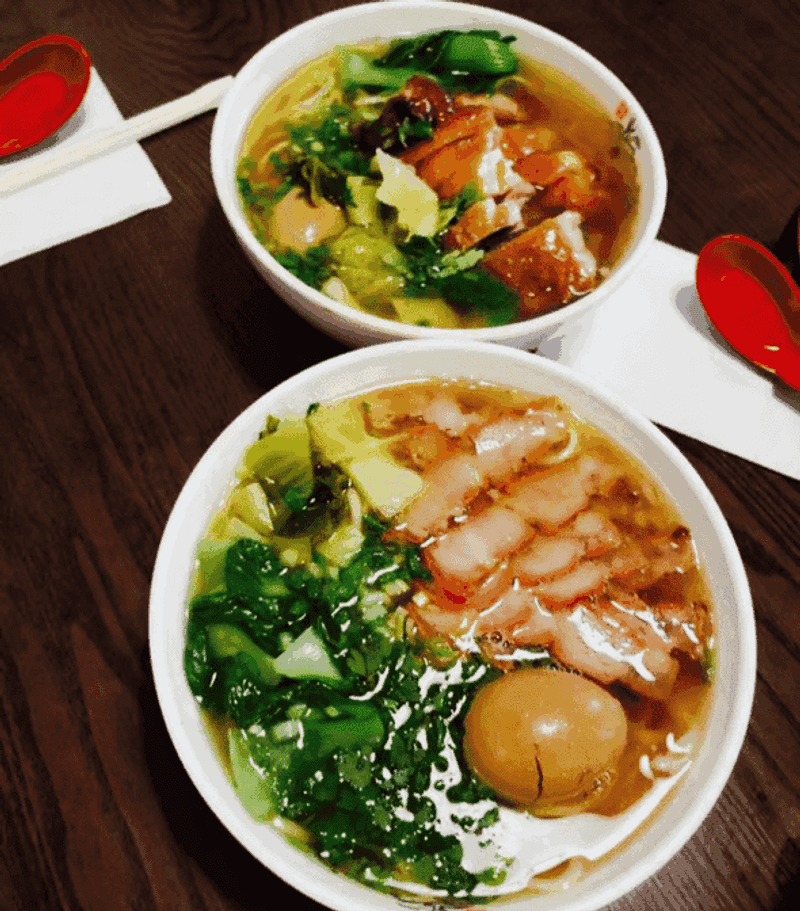
Both MICHELIN and Eater emphasize the hand-pulled noodles, and watching them being made is half the experience. The chef stretches and folds dough into impossibly thin strands, then drops them into boiling water before ladling them into bowls of rich, beefy broth.
It’s the kind of skill that commands respect and keeps people coming back just to watch the process.
The ramen itself is hearty and satisfying, with noodles that have the perfect chew and broth that’s been simmered until deeply flavorful. Toppings include tender beef, radish, cilantro, and a drizzle of chili oil that adds heat without overwhelming.
The portions are generous, making it an ideal comfort meal on cold days or after long workdays.
First-timers often bring out-of-town friends to show off Atlanta’s food scene, then quietly return solo when they need a bowl of noodles and some solitude. The space is simple and focused, with an open kitchen that lets you see the noodle-making magic in real time.
Service is quick and efficient, perfect for lunch breaks or casual dinners.
What makes LanZhou Ramen a repeat destination is the authenticity and the craft. The noodles are made fresh to order, and that level of care shows in every bowl.
It’s the kind of place that earns loyalty through consistency and skill.
13. Kamayan ATL (Doraville)
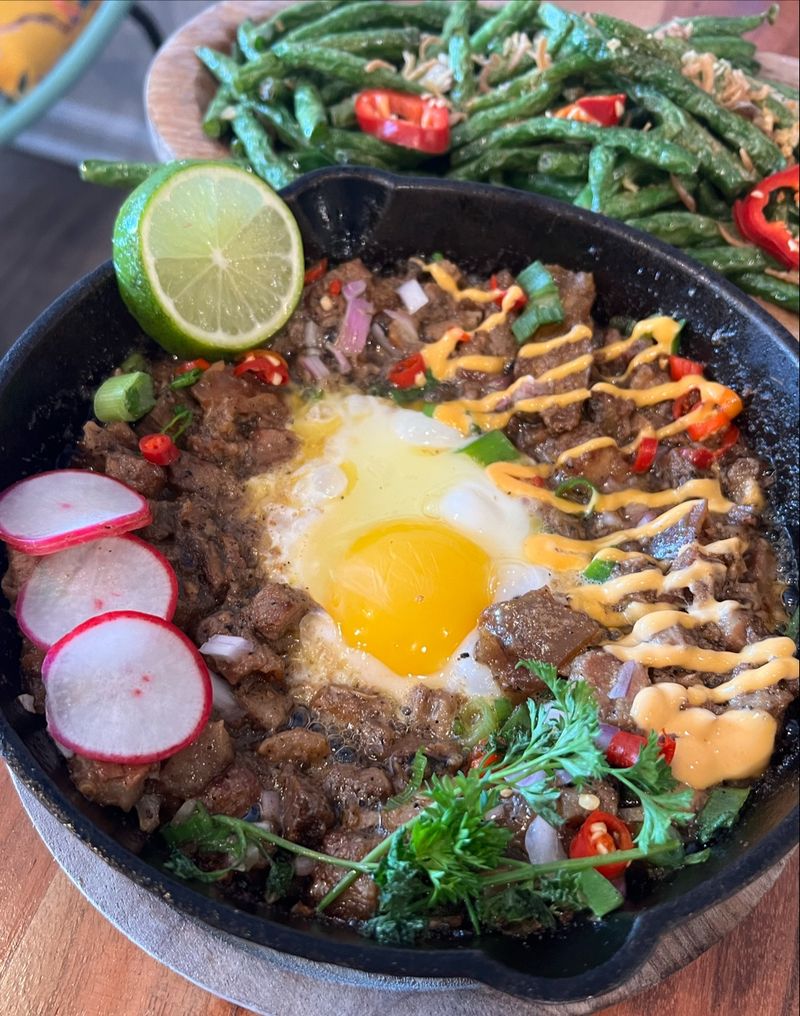
Eater highlights the range of Filipino dishes and notes MICHELIN recommended status—strong “this becomes a tradition” energy. Kamayan ATL brings Filipino comfort food to Doraville with dishes that feel like home cooking elevated just enough for restaurant service.
From adobo and sinigang to lumpia and pancit, the menu covers the classics that Filipino-Americans grew up eating and that newcomers quickly fall in love with.
The namesake kamayan experience—eating with your hands from a banana leaf spread—is available for groups and turns dinner into a communal celebration. Even if you stick to regular plated meals, the flavors deliver.
Adobo comes tangy and savory, the pork or chicken braised until tender. Sinigang offers that signature sour tamarind broth loaded with vegetables and protein.
Lumpia are crispy and addictive, perfect for snacking or sharing.
First-timers often arrive curious and leave planning their next visit, maybe with a bigger group to try the kamayan feast. The space is welcoming and casual, with staff who are happy to explain dishes and make recommendations.
The atmosphere feels like a family gathering, warm and inclusive.
What makes Kamayan ATL a regular stop is the sense of community and the consistent quality. The food is comforting and flavorful, the kind of cooking that sticks with you and calls you back.
It’s more than a meal—it’s an experience that becomes a tradition.
14. Food Terminal (Buford Highway, Atlanta)
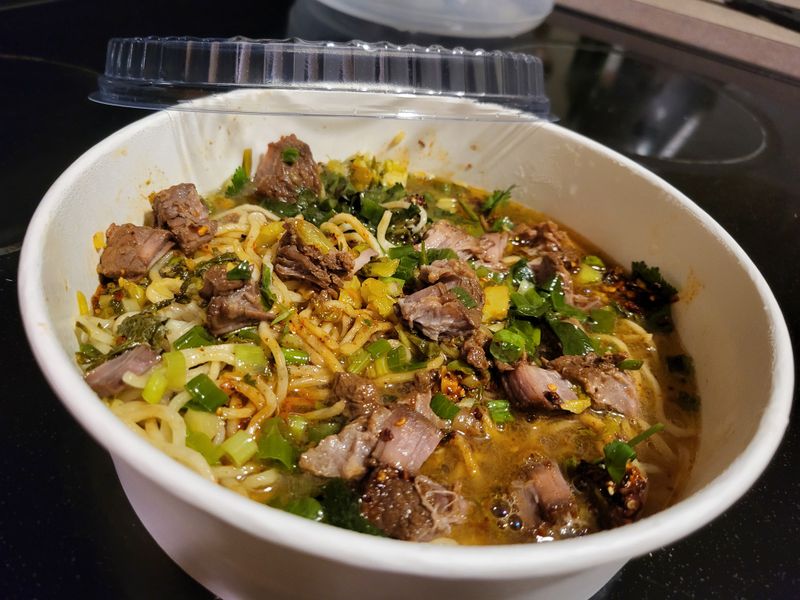
MICHELIN calls out the original Buford Highway location and the huge menu with portions to match—perfect for regulars who want to order something different every time. Food Terminal is a Hong Kong-style cafe that covers breakfast, lunch, and dinner with equal enthusiasm, offering everything from congee and noodle soups to rice plates and baked goods.
The menu is genuinely massive, with dozens of options that span Cantonese classics and Hong Kong cafe favorites. You can order macaroni soup with ham, baked pork chop rice, roast duck over rice, or a simple bowl of wonton noodles.
The portions are generous, often big enough to share or save for later. Regulars love that they can visit repeatedly and still have new dishes to discover.
First-timers often feel overwhelmed by the sheer number of choices, but that’s part of the fun. The staff is patient and can steer you toward popular items or help you navigate the menu if you’re unfamiliar with Hong Kong cafe culture.
The atmosphere is casual and no-frills, with a focus on getting good food to the table quickly.
What keeps people coming back to Food Terminal is the variety and the value. You can eat here every week and never get bored.
It’s the kind of place that becomes a staple in your dining rotation, reliable and endlessly interesting.
Share this story