If your nervous system has been running on “airport mode” for… years… Beaufort, South Carolina is the kind of place that quietly resets you.
This small Lowcountry town (pronounced BYOO-fert, not “BOH-fort”) sits on the water, wrapped in live oaks and salt air, where people still wave at strangers and your “to-do list” starts to feel negotiable. It’s historic without being stuffy, coastal without being spring-break chaotic, and charming without feeling manufactured.
Below are 12 reasons Beaufort makes life feel slower – and genuinely better, with practical takeaways in every section so you can steal a little Beaufort energy even if you’re just visiting for a weekend.
1) The Water Sets The Tempo, Not Your Inbox
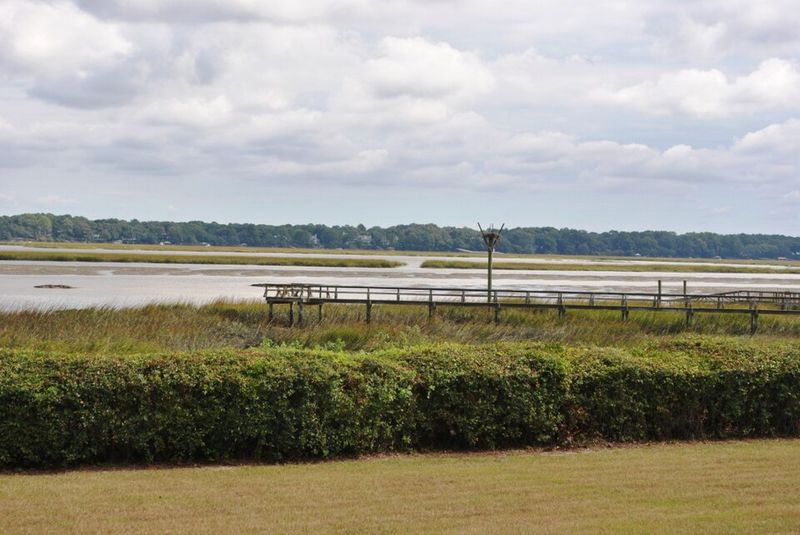
In Beaufort, the Beaufort River is not scenery. It is a metronome.
Tides lift skiffs, creak dock lines, and slow people to a conversational pace. You feel it walking the Henry C.
Chambers Waterfront Park, where mornings open like quiet theater. Coffee cups steam.
Joggers pass without urgency. Pelicans trace the surface.
Real world example: grab a bench and listen to water slap pilings while a local angler swaps weather notes. That unhurried cadence rewires you.
Practical Takeaway: schedule a daily waterfront hour with no phone. Let the tide pick the start time.
Notice three sounds before you speak.
2) Walking The Historic District Feels Like Therapy You Can Afford
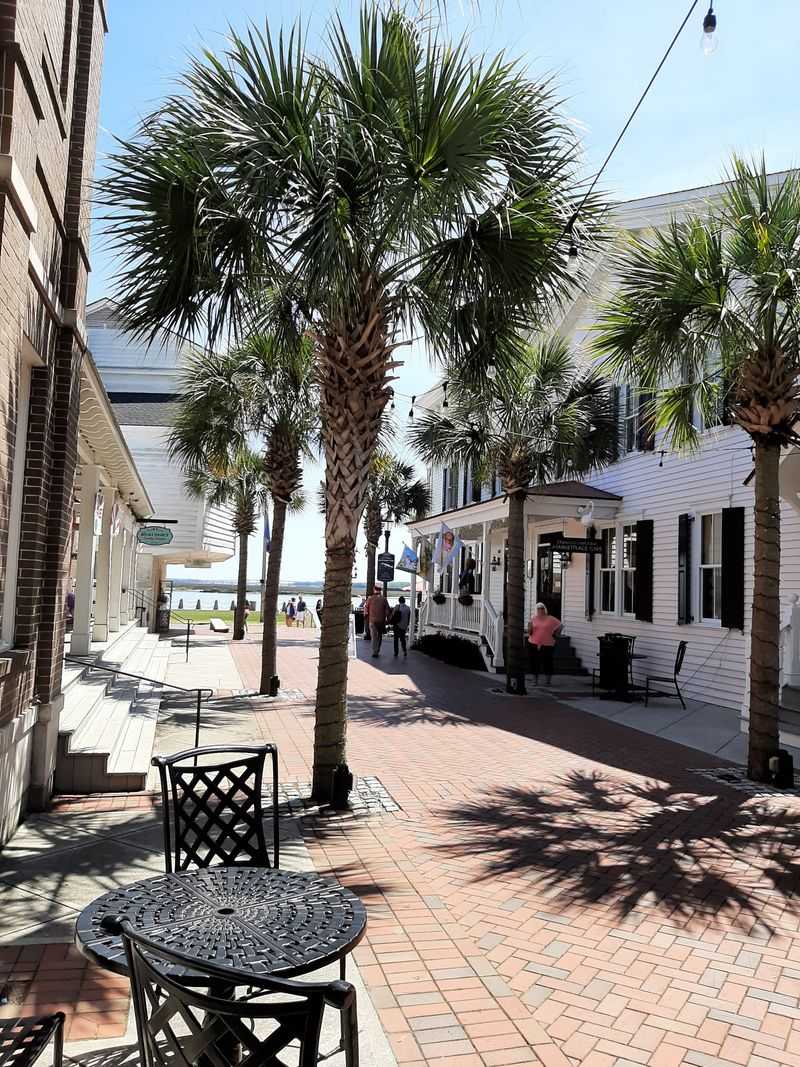
Beaufort’s historic streets make walking feel purposeful. Shade from oaks, breezy porches, and human scale architecture encourage pauses.
You wander Bay Street, slip into side lanes, then loop back to the waterfront feeling lighter. According to Walk Score, central Beaufort earns a mid 60s rating, which tracks with the experience: errands and pleasures both feel doable on foot.
Case study: ditch the car after lunch and discover you chat more, scroll less, and sleep better. Practical Takeaway: plan a no car afternoon.
Route: Waterfront Park to Bay Street to a porch framed side street to a coffee stop, then return by water.
3) Porch Time Is Not Decoration, It Is Infrastructure
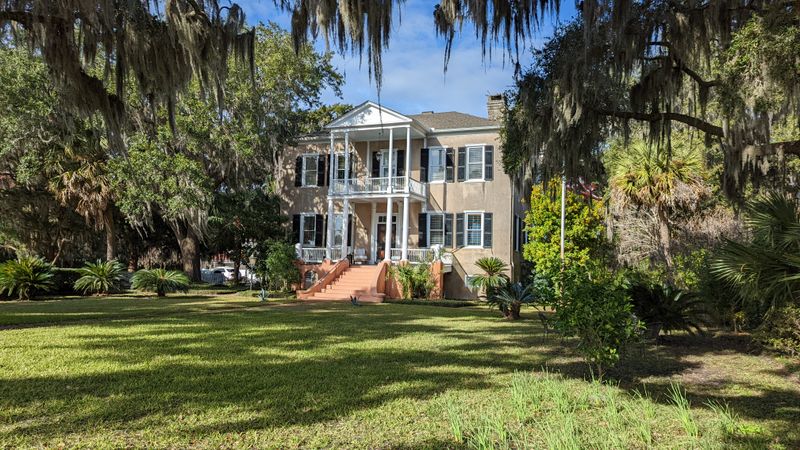
Porches in Beaufort are not performative. They are daily rooms.
Swings arc slowly. Rockers mark the hour better than clocks.
You sit, you wave, you edit your day down to what actually matters. That design language says rest belongs inside the schedule, not after it.
Even rentals and inns seem to understand this.
Scenario: a fifteen minute swing session becomes forty because conversation shows up. You were not waiting for it.
It found you. Practical Takeaway: book lodging with a porch and set a boundary.
Fifteen minutes, no multitasking. At home, recreate with a chair by a breezy window.
4) The Lowcountry Kitchen Rewards Patience And Presence
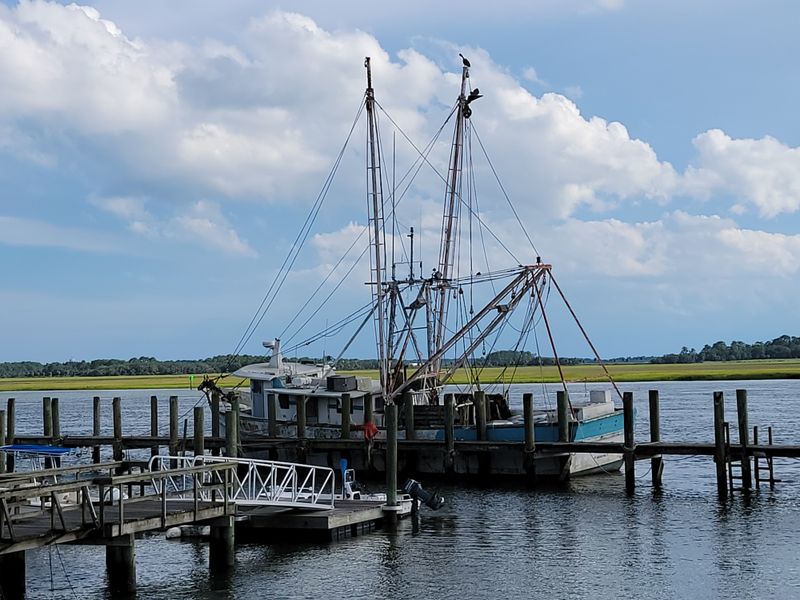
Meals in Beaufort are invitations to linger. Shrimp and grits arrive with a side of story about tides, seasons, and who brought the catch in.
Oysters taste like the map. Even casual spots expect conversation to stretch.
You slow your fork and notice texture. Flavor follows patience here.
It is not a rush culture.
Example: ask what is local today and you will likely hear a fisherman’s name. That changes how you eat.
Practical Takeaway: choose one unhurried dinner. Arrive early, order simply, then walk the waterfront after.
Let digestion, not a reservation app, call the next move.
5) Tourism Supports, But Does Not Swallow, Daily Life
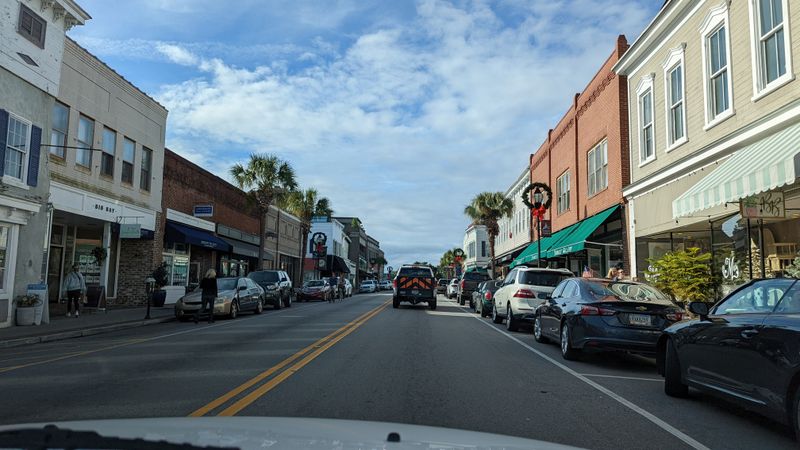
Beaufort welcomes visitors without losing itself. Shops feel independent.
Side streets still belong to neighbors. You can hear your footsteps by late afternoon.
The regional impact is real, yet the core remains livable. In 2024, Beaufort County estimated 3.74 million visitors and about $4.09 billion in economic impact, supporting restaurants, preservation, and year round jobs.
Example: weekday mornings downtown feel like a town, not a theme park. You notice mail carriers, school traffic, and porch hellos.
Practical Takeaway: visit shoulder seasons for maximum calm. If scouting a move, walk beyond Bay Street.
Listen for the rhythms of neighborhood life.
6) History Deepens The Pace And The Conversations
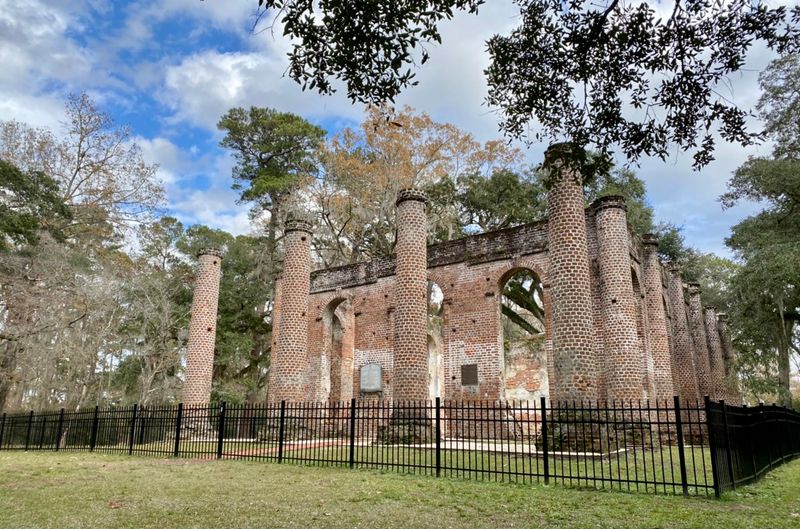
History in Beaufort is layered, not staged. Indigenous roots, Gullah Geechee heritage, maritime economies, and Civil War chapters are stitched into streets and porches.
The John Mark Verdier House Museum offers a tangible doorway into that story. Walk inside and suddenly architecture is context, not ornament.
Depth naturally slows you down.
Scenario: one focused museum hour sparks a conversation on a bench that lingers longer than expected. You leave with names and timelines, not just photos.
Practical Takeaway: choose a single heritage stop and ask one thoughtful question. Depth over coverage.
Let the answer guide your next stop.
7) Sea Islands Nearby Deliver Instant Nervous System Relief
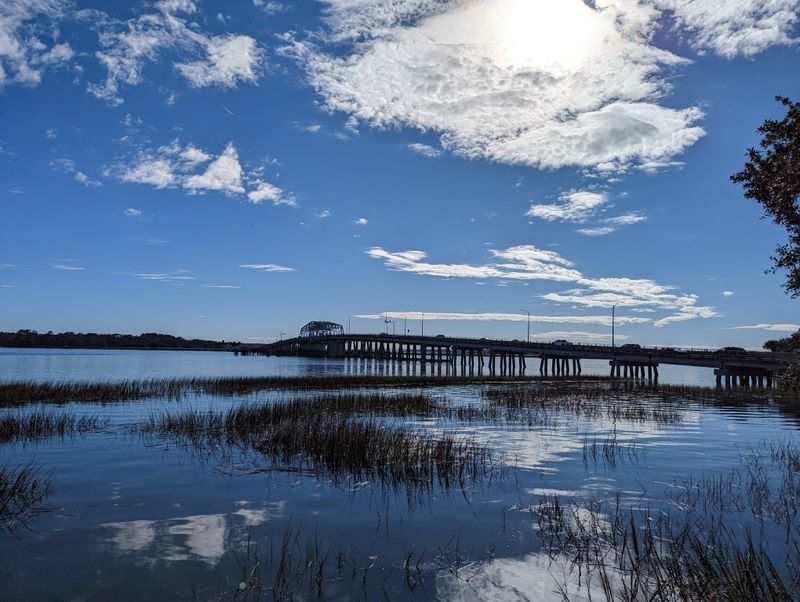
Drive a few quiet miles and your shoulders drop. Marsh grass opens, creeks thread through oyster banks, and the lighthouse at Hunting Island punctuates the horizon.
This is not spectacle. It is medicine.
Sit long enough and your thoughts settle into tide cadence. You start matching the wind, not your inbox alerts.
That reframe sticks.
Example itinerary: beach walk, lighthouse climb, slow picnic facing the water. Pack light and stay longer than planned.
Practical Takeaway: pick one natural place and commit. Bring water, bug spray, something to sit on, and patience.
Do not try to see everything. See one thing deeply.
8) A Different Definition Of Productive

Beaufort reframes productivity as presence, not output. A day might hold a coffee walk, a meaningful errand, lunch outside, one museum hour, and sunset by the water.
Somehow it feels fuller than eight back to back blocks. The mind works better when it has margins.
Here, margins are built in by tide and shade.
Case study: protect two tasks, then guard the space around them. You finish both, feel human, and still catch golden hour.
Practical Takeaway: try a Beaufort day at home. Plan two priorities, then leave white space.
Track energy, not tasks. Notice what gets easier.
9) Architecture That Lowers Your Pulse
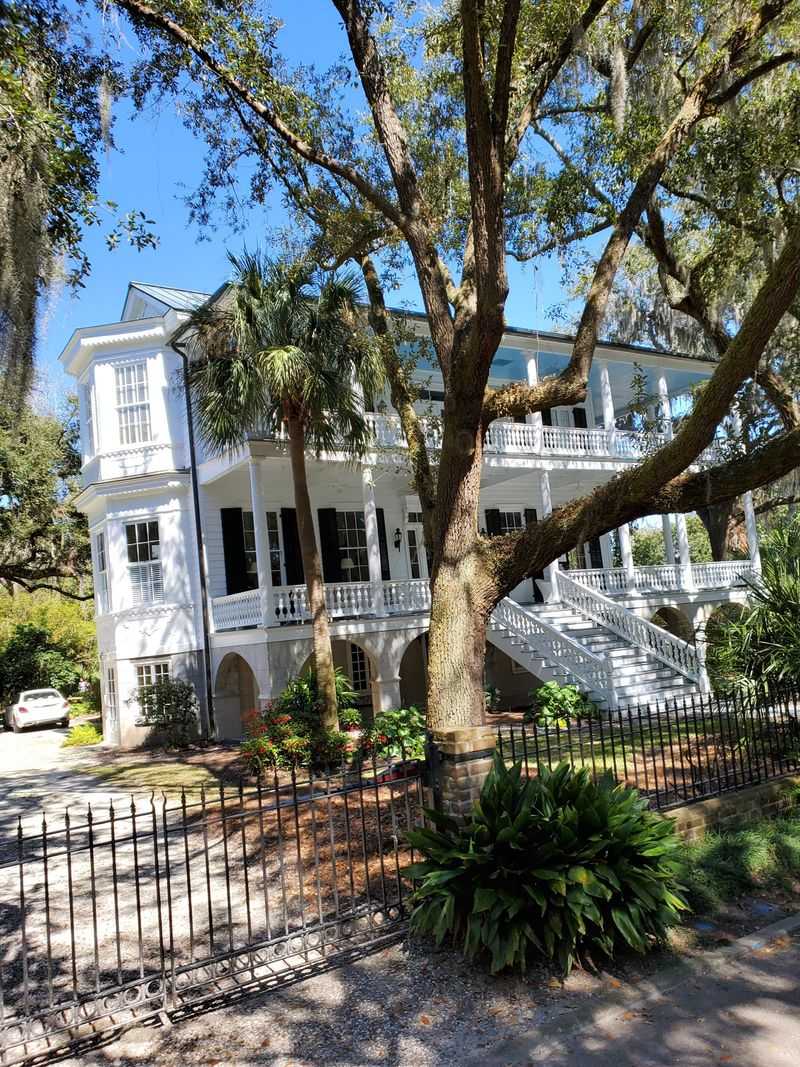
Beaufort’s buildings were shaped by climate and comfort. Wide verandas shade facades.
Tall windows invite cross breezes. Side yards and carriage lanes slow your steps.
It is pretty, yes, but the function matters more: cooler bodies, calmer brains. You walk farther because sidewalks feel kind.
You linger because porches promise relief.
Observation: stress slips when the built environment cooperates. You argue less with the day.
Practical Takeaway: time walks for morning or golden hour. Bring a light layer by the water and a hat for mid day.
Notice how shade lines shape your route choices.
10) Small Talk Works Like Community Velcro
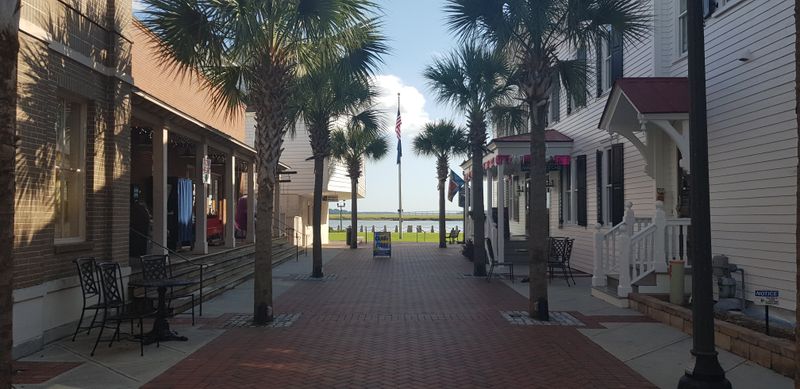
In fast cities, small talk can feel like noise. In Beaufort, it feels like connective tissue.
Checkout lines become micro conversations. Porch waves turn into names.
A dog compliment becomes directions to a favorite overlook. That social ease lowers the friction of daily life.
You remember you are part of something.
Real world moment: asking where to find the best view becomes a five minute story and a hand drawn map. Practical Takeaway: open with one gentle question.
What do you love about living here? Compliment a garden or pup if you are shy.
The town meets you halfway.
11) Perfect Home Base For Bigger Day Adventures, Calm Return Guaranteed
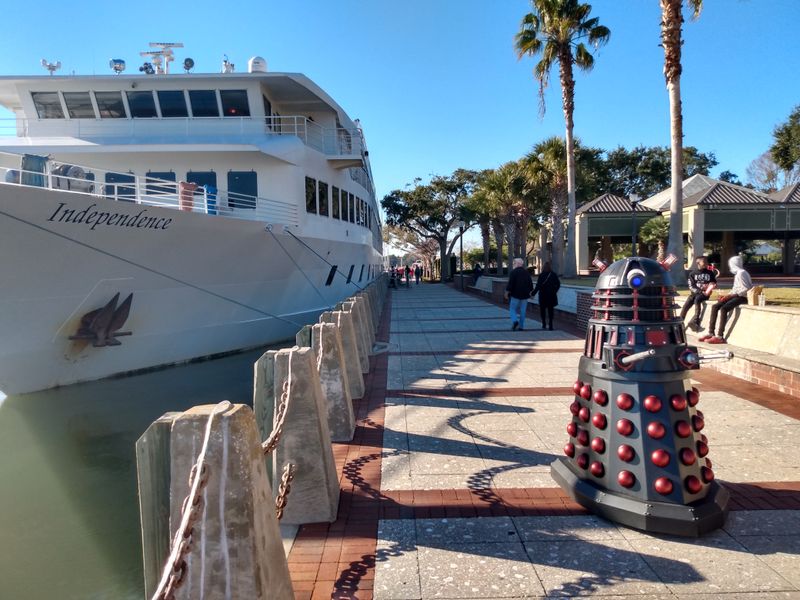
Beaufort sits in a sweet spot on the map. You can chase a lively day in Savannah, deep dive history in Charleston, or sip resort calm on Hilton Head, then come back to Beaufort’s quieter heartbeat.
That contrast is the magic. Big experiences without living inside their pace.
Your nervous system gets a buffer.
Example: morning drive to Savannah, lunch and art, then home by sunset for a Bay Street stroll. Practical Takeaway: base your trip in Beaufort if you crave both variety and rest.
Plan one big outing, not three. Protect the return ritual by the water.
12) Presence Becomes The Souvenir You Actually Keep
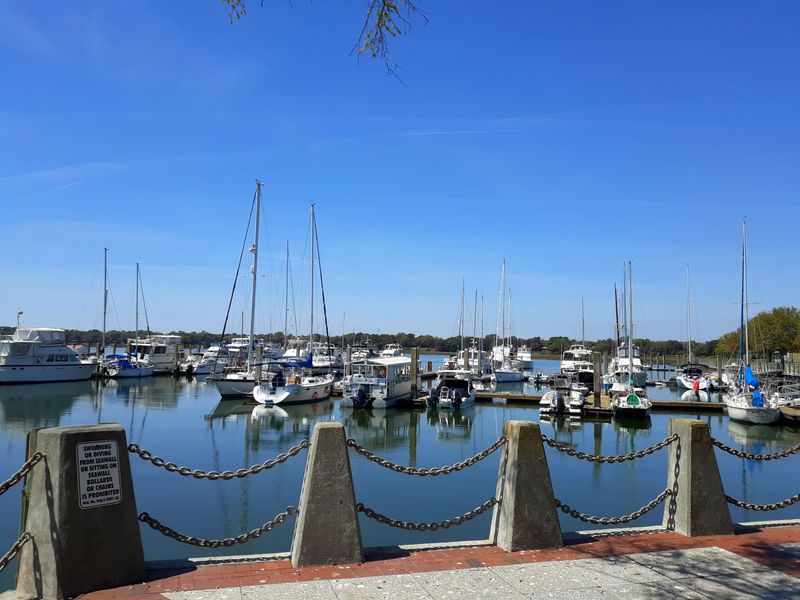
Some places make you collect content. Beaufort makes you collect moments.
A pelican skims low. Marsh grass whispers.
The Woods Memorial Bridge lifts, pauses, and the river resumes its rhythm. You forget to document because your senses are occupied.
The proof is how you sleep later, and how you listen the next day.
Scenario: set a no photo hour and end with one sentence about what felt good. That record lasts longer than a gallery.
Practical Takeaway: repeat a simple sunset ritual. Same bench, same time.
Let the tide decide the soundtrack and call it done.
Share this story