Planning Europe can get messy fast. Too many countries, too many languages, too many tiny details that somehow turn into big problems the moment you land. But not every place makes you work for it.
Some countries are built for travelers. Easy trains, clear signs, safe cities, and the kind of must see spots that are actually simple to reach. If you want the full Europe feeling without the daily stress of figuring everything out as you go, start here.
These are the countries that make your trip feel effortless, whether it’s your first time abroad, you’re solo, or you’re traveling with family.
1. Iceland
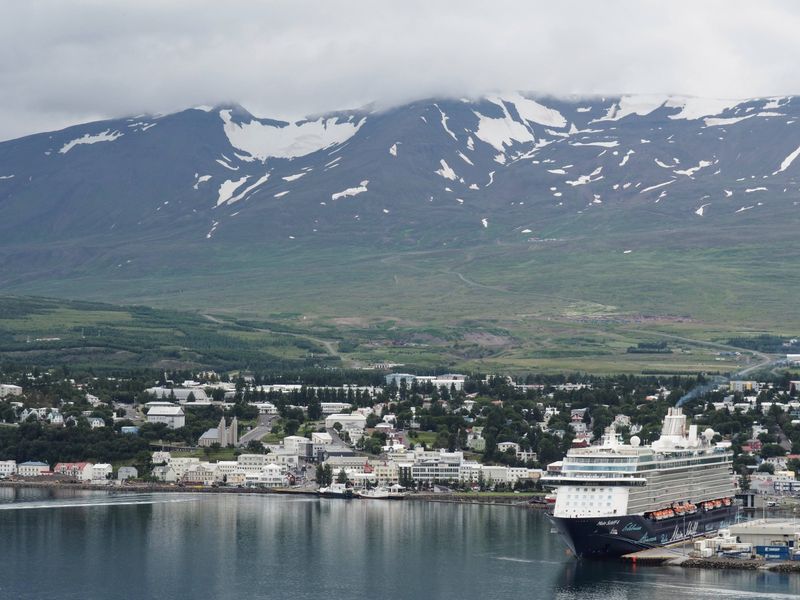
Safety rankings don’t lie, and Iceland consistently tops the charts as one of the planet’s most secure places to visit. The country’s tourism setup feels almost effortless because everything is designed with visitors in mind, from well-marked routes to straightforward booking systems.
You can tackle the Golden Circle, explore black sand beaches, and chase waterfalls without needing a complex itinerary or local connections. The compact nature of must-see attractions means you’re never driving for endless hours between stops.
English is widely spoken, road signs are clear, and even remote areas have decent facilities. The infrastructure supports DIY travel beautifully, so you can rent a car and figure things out as you go without feeling lost.
Weather can be unpredictable, but that’s part of the adventure rather than a safety concern. Accommodations range from budget hostels to luxury lodges, all maintaining high standards.
The country’s small population and strong tourism industry mean locals are accustomed to helping visitors navigate their stunning landscape. Iceland delivers that rare combination of wild natural beauty and modern convenience, making it perfect for travelers who want big experiences without big complications.
2. Denmark
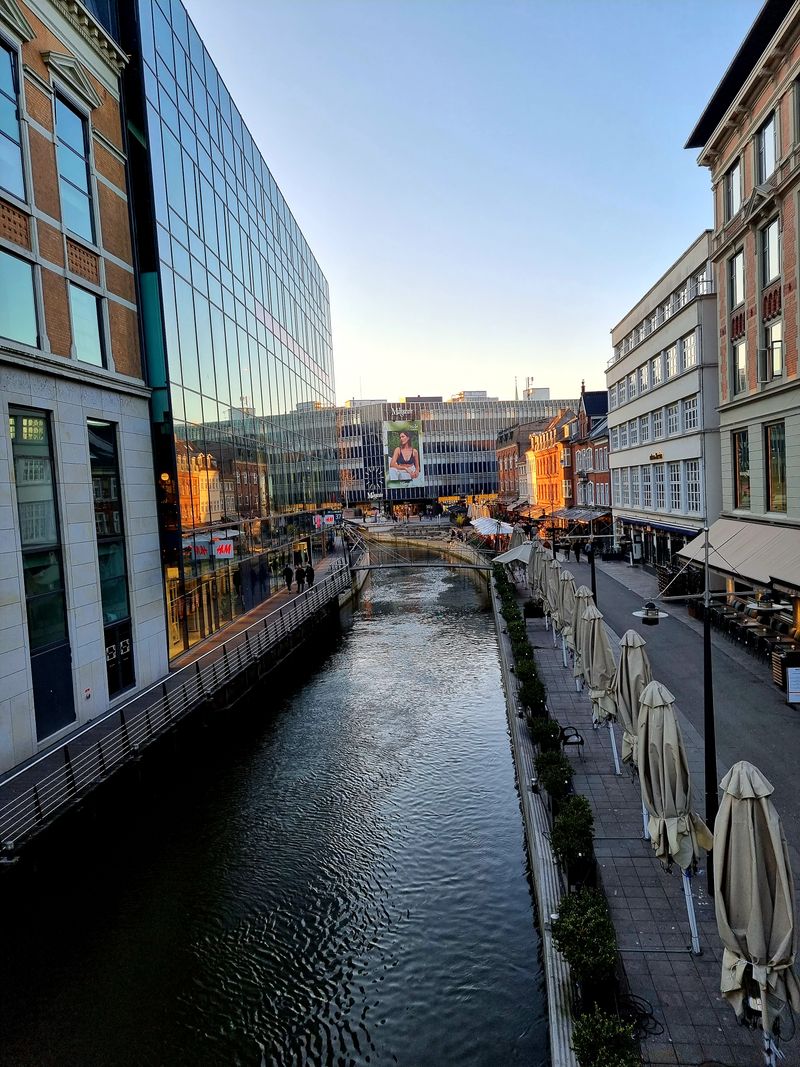
When trains actually arrive on time and signs make immediate sense, you know you’re in Denmark. Copenhagen’s airport connects seamlessly to the city center, and within minutes of landing, you’re already exploring without stress.
The Danish approach to tourism feels refreshingly straightforward. Public transportation operates like clockwork, neighborhoods are clearly defined, and you rarely encounter situations where you’re genuinely confused about where to go next.
Payment systems are modern and cashless options are everywhere, eliminating the awkward currency exchange dance. Even smaller cities maintain this same level of organization, so venturing beyond Copenhagen doesn’t mean sacrificing convenience.
Bike culture is massive here, and the infrastructure supports it beautifully with dedicated lanes and rental systems that actually work. You can cover serious ground on two wheels while feeling completely safe.
English proficiency is remarkably high, so language barriers are virtually nonexistent. The comfort level for first-time European travelers is exceptional because Denmark removes so many of the typical friction points.
Short breaks pack tremendous value since you’re not wasting time figuring out logistics. Everything from museum visits to waterfront strolls flows naturally, letting you focus on enjoying the experience rather than managing it.
3. Netherlands
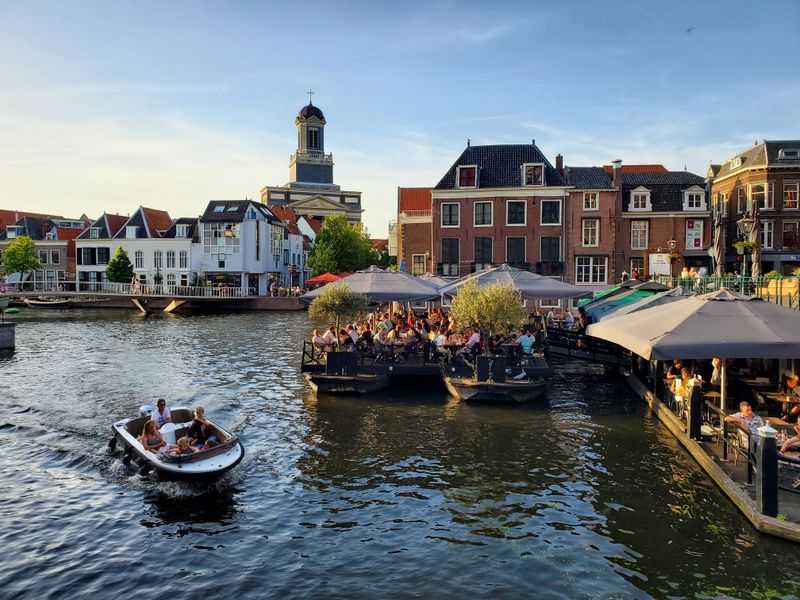
Schiphol Airport might be one of Europe’s busiest hubs, but it’s also one of the easiest to navigate, setting the tone for your entire Dutch experience. Within the Netherlands, moving between cities feels almost too simple thanks to an intuitive rail network.
Amsterdam gets most of the attention, but cities like Utrecht, Rotterdam, and The Hague are equally accessible and far less crowded. You don’t need a car to explore effectively, which eliminates rental hassles and parking headaches.
English is spoken so widely that you’ll rarely encounter communication barriers, even in smaller towns or rural areas. This linguistic accessibility extends to signage, menus, and tourist information, making everything feel immediately understandable.
The flat terrain and extensive bike paths create a unique way to experience the country at your own pace. Canal-side cycling in Amsterdam or countryside routes near windmills offer memorable experiences without requiring athletic prowess.
Dutch cities balance historic charm with modern efficiency, so you get cobblestone streets alongside reliable Wi-Fi and contactless payments. Tourist infrastructure is mature without feeling commercialized or overwhelming.
The compact size means you can visit multiple cities in a single trip without exhausting travel days. Smooth logistics and high comfort levels make the Netherlands ideal for travelers who want cultural richness without constant complications.
4. Portugal
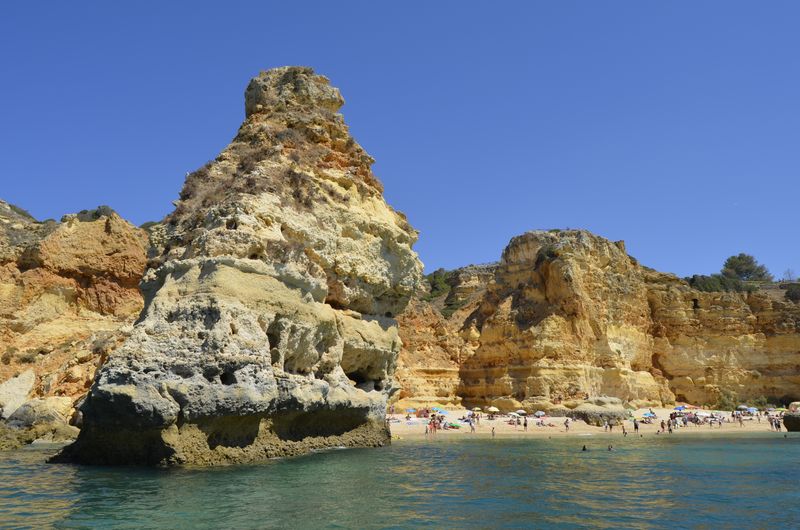
Portugal consistently surprises visitors with how much it delivers relative to effort and expense. Lisbon and Porto feel manageable even during peak season, with neighborhoods that welcome exploration rather than overwhelming you with crowds.
Safety statistics place Portugal among Europe’s most secure destinations, and that translates to a relaxed travel atmosphere. You can wander evening streets, take public transit late, and generally move around without constant vigilance.
Rail and coach connections between major cities work reliably, though schedules aren’t quite as frequent as northern Europe. Still, planning is straightforward, and booking is mostly hassle-free through user-friendly platforms.
The pace here suits travelers who want to actually enjoy their vacation rather than sprint through it. Meals linger, neighborhoods invite aimless strolling, and there’s no pressure to check boxes at breakneck speed.
English is increasingly common in tourist areas, though less so than Scandinavia or the Netherlands. That said, Portuguese warmth and willingness to help bridge any gaps make communication easier than you’d expect.
Value remains exceptional compared to western European neighbors, stretching budgets without sacrificing quality. From accommodation to dining, you get solid experiences at reasonable prices, which reduces financial stress during your trip and lets you focus on soaking up the culture.
5. Switzerland
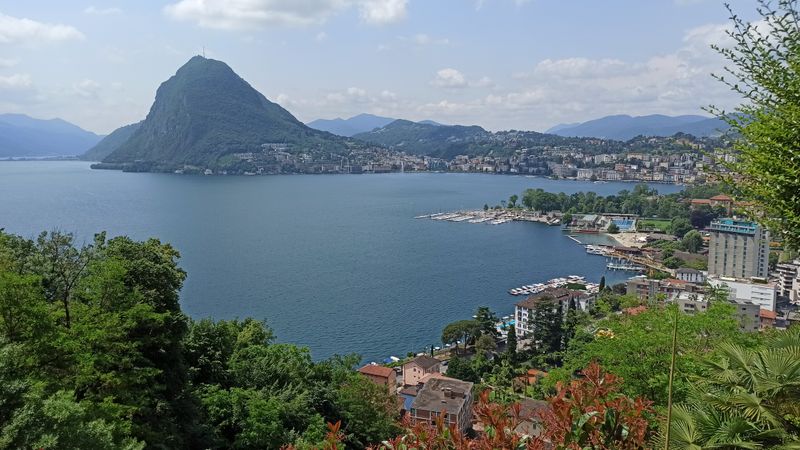
Swiss trains operate with the kind of precision that makes you rethink what public transportation can be. Platforms are clean, connections are seamless, and scenic routes feel specifically designed to maximize your camera’s potential.
The country’s tourism ecosystem ranks among the world’s strongest, which means infrastructure, services, and visitor experiences are all exceptionally well-developed. This isn’t accidental; it’s the result of decades of investment and refinement.
Mountain access is surprisingly straightforward thanks to cable cars, cogwheel trains, and clearly marked hiking paths. What might seem intimidating from photos becomes manageable once you’re actually there with Switzerland’s organized approach.
Cities like Zurich, Lucerne, and Geneva blend international sophistication with Swiss efficiency. You get world-class museums, lakeside promenades, and chocolate shops, all easily navigable on foot or via immaculate public transit.
Costs are notably high, but quality matches the price point. Hotels are spotless, restaurants maintain standards, and services deliver consistently, so you’re rarely disappointed by what you’re paying for.
Multilingual signage and widespread English proficiency remove language anxiety. Even in smaller Alpine villages, you’ll find people accustomed to helping international visitors navigate their stunning but sometimes complex terrain, making Switzerland accessible despite its dramatic landscapes.
6. Austria
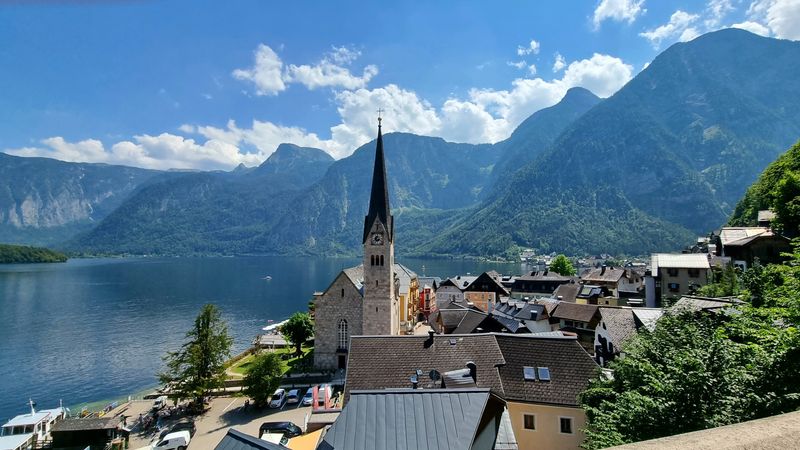
Vienna presents classic European culture without the chaos that sometimes accompanies major tourist cities. Museums, palaces, and concert halls are world-renowned, yet the city never feels impossible to navigate or understand.
The U-Bahn system is clean, frequent, and logical, letting you move quickly between imperial landmarks and modern neighborhoods. This efficient transit means less time underground and more time actually experiencing what you came to see.
Austria’s safety profile is strong, and that stability extends to travel infrastructure. Things work as promised, schedules are reliable, and you’re rarely dealing with unexpected complications that derail your plans.
Coffeehouse culture provides natural breaks where you can regroup without feeling rushed. These aren’t just tourist traps; they’re genuine social institutions where locals and visitors share space comfortably.
Beyond Vienna, cities like Salzburg and Innsbruck offer similar ease with added Alpine scenery. Regional trains connect these destinations efficiently, making multi-city itineraries surprisingly manageable.
English is commonly spoken in tourist areas, though less universally than in Scandinavia. Still, service industry workers are accustomed to international visitors and communication rarely becomes a significant barrier to enjoying your experience or getting help when needed.
7. Ireland
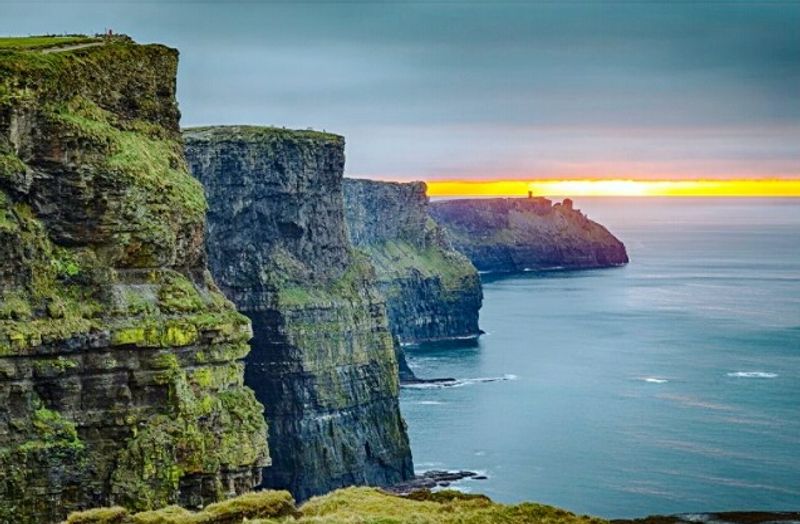
For English speakers, Ireland eliminates the language learning curve entirely, which is a bigger advantage than many realize until they’re actually traveling. Conversations flow naturally, signs are immediately clear, and you never feel linguistically isolated.
The country’s appeal lies in its combination of dramatic coastlines, charming villages, and pub culture that feels authentic rather than manufactured for tourists. You get genuine experiences without needing insider knowledge or local connections.
Ireland ranks near the top globally for peace and safety metrics, creating a relaxed travel environment. Solo travelers and families alike report feeling secure throughout their visits, even in remote rural areas.
Driving is straightforward despite being on the left, and roads connect major sights efficiently. The Ring of Kerry, Cliffs of Moher, and Dublin are all accessible with beginner-friendly itineraries that don’t require advanced navigation skills.
Tourism infrastructure is well-developed but not overwhelming, striking a nice balance between convenience and authenticity. You’ll find good accommodation options, helpful visitor centers, and clear information without everything feeling overly commercialized.
Weather can be unpredictable, so packing layers is essential. But that’s a minor inconvenience compared to the overall ease of exploring a country that combines natural beauty with approachable logistics and a genuinely welcoming atmosphere.
8. Spain
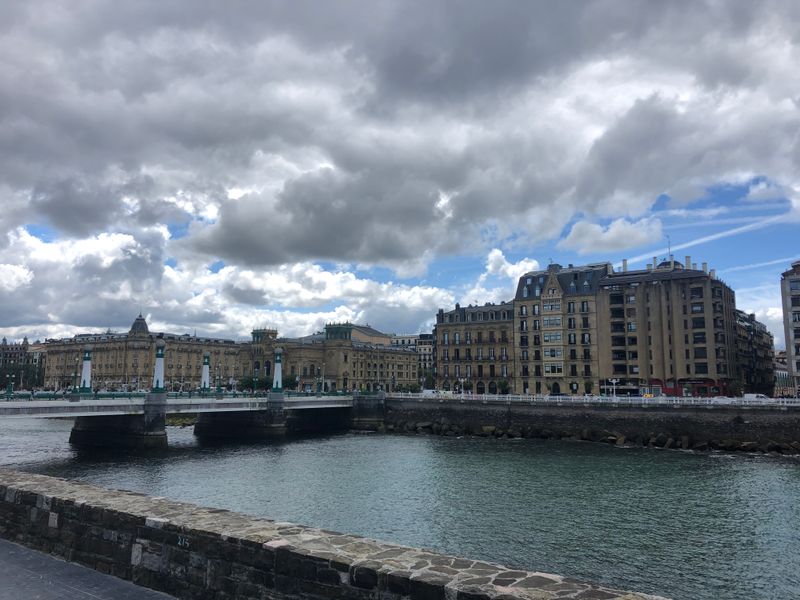
Spain’s position as a global tourism powerhouse isn’t accidental; it’s built on decades of infrastructure investment and service refinement. The country hosts visitors at massive scale while maintaining quality across regions and price points.
High-speed AVE trains connect major cities quickly, turning what could be exhausting multi-city trips into comfortable journeys. Madrid to Barcelona takes under three hours, and southern routes to Seville and Malaga are equally efficient.
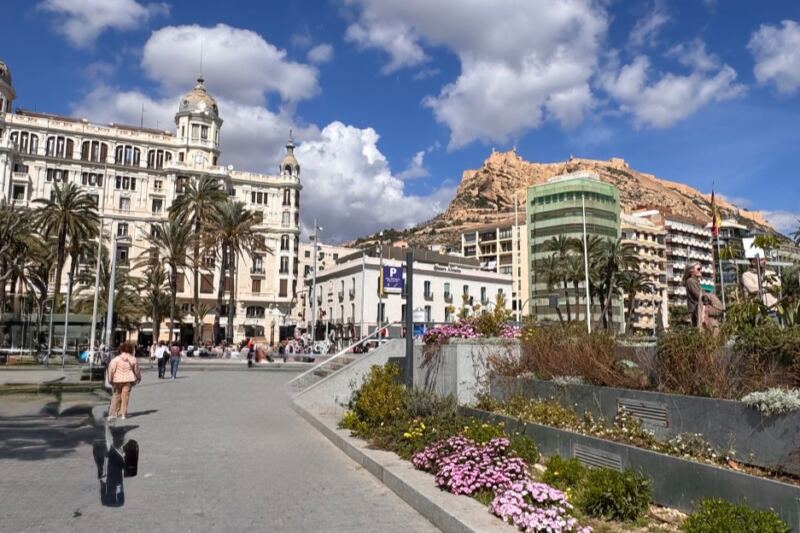
The variety is staggering: Mediterranean beaches, Basque culinary scenes, Andalusian history, Balearic islands, and Pyrenean mountains all within one country. This depth means you can return multiple times and have completely different experiences.
Tourism infrastructure is mature and extensive, so finding accommodation, booking activities, and accessing information is straightforward. English is increasingly common in tourist areas, though less so than northern Europe.
Spanish cities balance historic charm with modern amenities beautifully. You can explore medieval quarters in the morning and enjoy contemporary restaurants and shopping in the afternoon without feeling disconnected from either experience.
The country’s tourism development rankings consistently place it among the world’s top performers, reflecting investment in airports, rail networks, and visitor services. This means fewer headaches and more time enjoying tapas, architecture, and beaches that keep millions returning year after year.
9. France
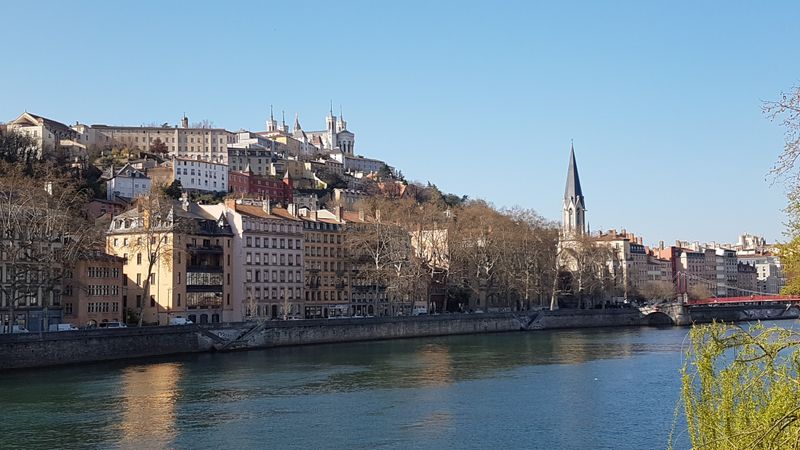
France’s tourism machine operates at enormous scale, handling millions of visitors annually across countless destinations. This volume has produced infrastructure that makes planning surprisingly easy, even for first-timers.
The TGV network connects Paris to Lyon, Marseille, Bordeaux, and beyond at speeds that make day trips feasible. Regional rail fills in gaps, creating a web of options that don’t require rental cars or complex logistics.
Paris dominates attention, but France’s depth extends far beyond the capital. Provence villages, Loire châteaux, Alpine resorts, and Côte d’Azur beaches all maintain strong tourist infrastructure with varying character and atmosphere.
Major airports in Paris, Nice, and Lyon offer extensive international connections, getting you into the country efficiently. From there, well-worn routes make it easy to copy-paste successful itineraries from other travelers.
France consistently ranks among the world’s top countries for tourism development, reflecting investment in transportation, accommodation, and visitor services. This maturity means you’re rarely pioneering new ground or figuring things out completely from scratch.
English proficiency varies but is generally adequate in tourist areas, and the country’s global cultural influence means many visitors arrive with some baseline familiarity. Classic Europe credibility combines with practical infrastructure to deliver experiences that feel both authentic and accessible.
10. Germany
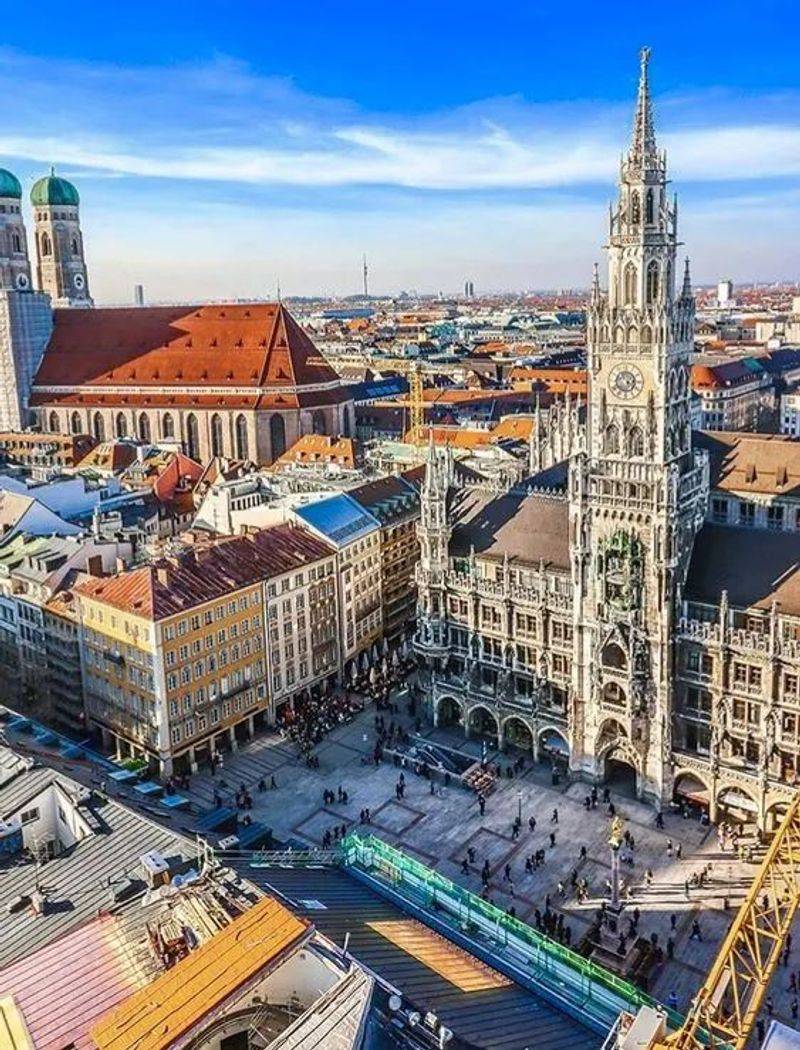
Germany excels when your trip involves movement between cities rather than staying put. The rail network is extensive, frequent, and connects not just German cities but neighboring countries seamlessly.
ICE high-speed trains make Berlin to Munich or Frankfurt to Hamburg quick and comfortable. Regional services fill in smaller destinations, creating flexibility for day trips or spontaneous route changes without major replanning.
Germany’s central European location makes it an ideal hub for multi-country itineraries. You can easily add Prague, Amsterdam, Vienna, or Zurich to a German trip without complicated logistics or excessive travel time.
Cities offer distinct personalities: Berlin’s contemporary edge, Munich’s Bavarian traditions, Hamburg’s maritime culture, and Cologne’s Roman history all provide different flavors within one country. This variety keeps longer trips interesting without feeling repetitive.
Tourism development metrics consistently rank Germany among global leaders, reflecting strong infrastructure investment. Airports are efficient, signage is clear, and booking systems work reliably across platforms.
English is widely spoken, particularly among younger generations and in service industries. Communication is rarely a significant barrier, and Germans generally appreciate direct, efficient interactions that match their cultural approach to travel and hospitality.
11. Italy
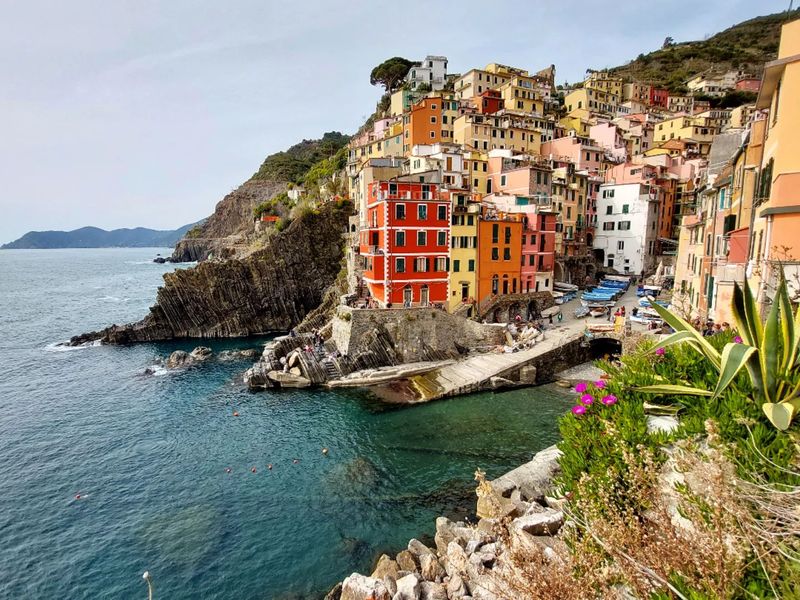
Italy handles tourism pressure that would overwhelm many countries, yet the infrastructure continues functioning because it’s been refined over decades. Major transport corridors, endless accommodation options, and predictable routes make planning manageable despite the crowds.
The Rome-Florence-Venice corridor is so well-trodden that you can find detailed guidance for every step. This isn’t boring; it’s liberating because you’re not constantly troubleshooting logistics when you’d rather be enjoying Michelangelo or espresso.
High-speed Frecciarossa and Italo trains connect major cities efficiently, turning what could be exhausting travel days into comfortable journeys. Regional trains reach smaller destinations, though schedules can be less reliable than northern European counterparts.
Italy’s tourism development rankings place it among the world’s top countries, reflecting massive investment in visitor infrastructure. This means airports, train stations, and tourist sites generally function well despite handling enormous volume.
English proficiency varies but is adequate in major tourist areas. Service workers are accustomed to international visitors, and communication challenges are usually manageable with patience and basic Italian phrases.
The country’s tourism ecosystem is massive, meaning you’ll find solutions to most problems quickly. Need accommodation, restaurant recommendations, or transport help?
Multiple options exist at various price points, giving you flexibility even during busy seasons when advance planning wasn’t perfect.
12. Sweden
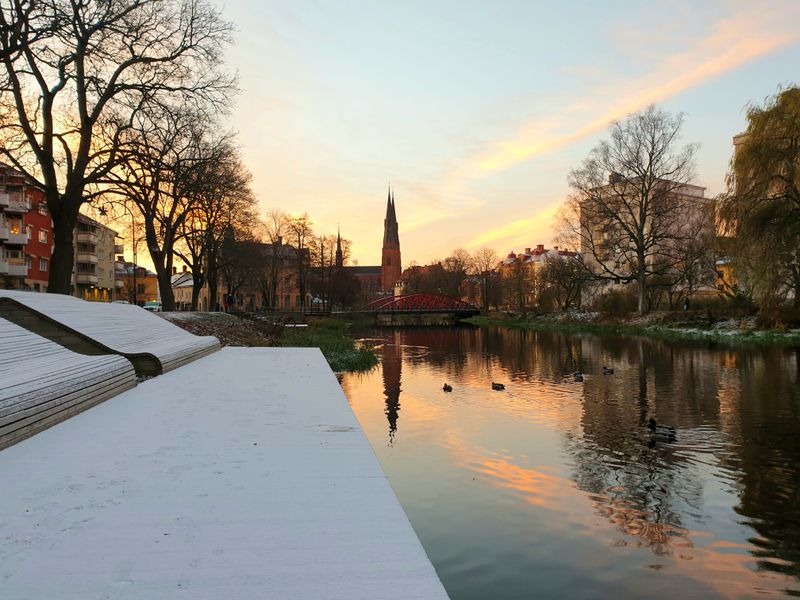
Swedish cities feel designed for comfort, with public spaces that actually invite lingering rather than just passing through. Parks, waterfront areas, and pedestrian zones all maintain high standards that enhance rather than complicate your visit.
Stockholm’s archipelago setting creates natural beauty within the capital itself, while Gothenburg and Malmö offer smaller-scale alternatives with their own character. Transit between these cities is reliable and straightforward.
Safety levels are excellent, contributing to a relaxed travel atmosphere where you’re not constantly monitoring belongings or avoiding certain areas. Solo travelers and families both report feeling secure throughout their Swedish experiences.
Public transportation is clean, punctual, and easy to understand, even for first-time visitors. Contactless payment systems work seamlessly, and English information is readily available across platforms.
Sweden’s natural attractions, from Lapland’s wilderness to southern coastal areas, are increasingly accessible through organized tours and clear infrastructure. What might seem remote becomes manageable with Swedish efficiency applied to outdoor experiences.
English proficiency is remarkably high, eliminating language barriers almost entirely. Swedes are generally comfortable with English in daily interactions, making everything from ordering meals to asking directions straightforward and stress-free throughout your visit.
13. Norway
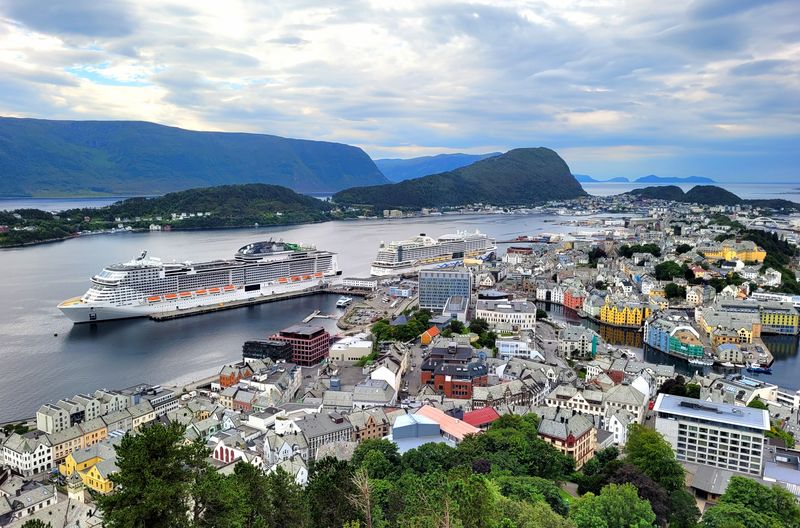
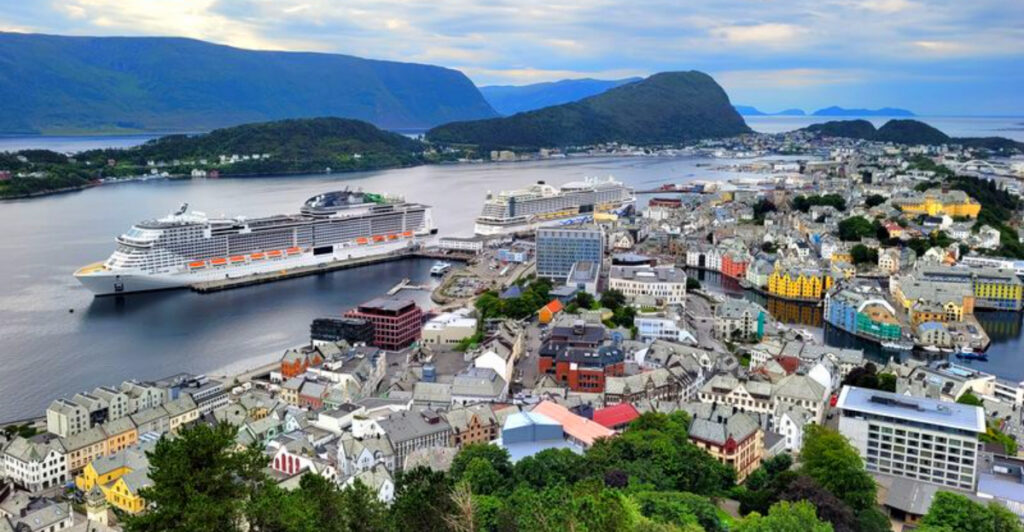
Norwegian fjords look intimidating in photos, but the country has mastered making dramatic landscapes accessible to regular travelers. Ferries, scenic trains, and well-marked viewpoints turn potentially difficult terrain into manageable experiences.
The Flåm Railway, Bergen Railway, and various fjord ferries aren’t just transportation; they’re curated experiences designed specifically for visitors. This intentional approach removes guesswork and lets you focus on the scenery rather than navigation.
Planning is predictable because popular routes are well-established and information is abundant. You’re rarely pioneering new ground, which reduces stress when you’re dealing with unfamiliar landscapes and potentially challenging weather.
Cities like Bergen, Trondheim, and Tromsø balance urban amenities with easy access to nature. You can explore historic waterfronts in the morning and be hiking or fjord-cruising by afternoon without complex logistics.
English is widely spoken, and Norwegians are generally helpful with tourists navigating their country’s geography. This linguistic accessibility extends to signage and booking systems, making independent travel feasible even in remote areas.
Costs are high, similar to Switzerland, but quality matches the price point. Services deliver consistently, infrastructure is well-maintained, and the overall experience feels worth the investment when you’re standing before landscapes that genuinely live up to their photographic reputation.
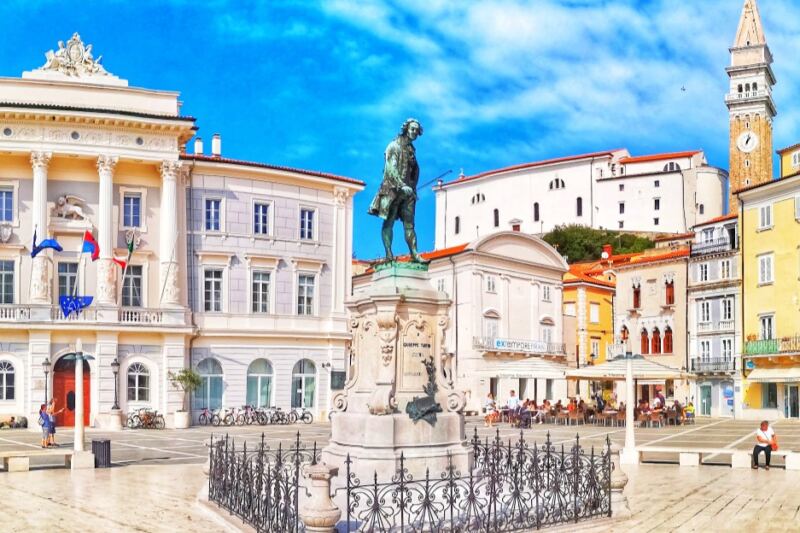
14. Slovenia
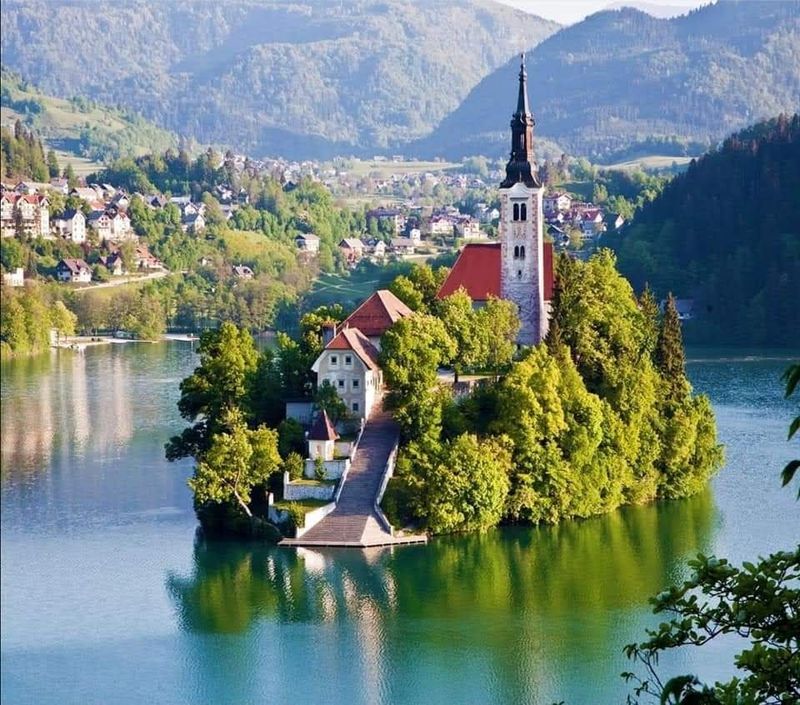
Slovenia’s compact size becomes a massive advantage when you’re trying to see diverse landscapes without spending half your trip in transit. Mountains, lakes, charming towns, and even a small coastline all exist within easy driving distances.
Lake Bled and Ljubljana get deserved attention, but even these popular spots feel calmer than equivalent destinations in neighboring countries. You get the European experience without battling constant crowds or feeling like just another face in an endless tourist stream.
The country ranks among the world’s most peaceful, creating a secure, relaxed travel environment. This stability extends to infrastructure, which functions reliably even if it’s not quite as extensive as larger European nations.
Slovenia often feels like a “best of Europe” sampler: Alpine scenery reminiscent of Austria and Switzerland, Mediterranean influences along the coast, and Central European charm in cities and villages. This variety within a small area maximizes your experience per travel day.
English is increasingly common, particularly in tourist areas and among younger Slovenians. Communication is generally manageable, and locals appreciate visitors who make even basic attempts at Slovenian greetings.
Tourism infrastructure is developing rapidly without overwhelming the country’s natural appeal. You’ll find good accommodation, clear information, and helpful services while still experiencing destinations that feel authentic rather than manufactured specifically for visitors.
15. United Kingdom
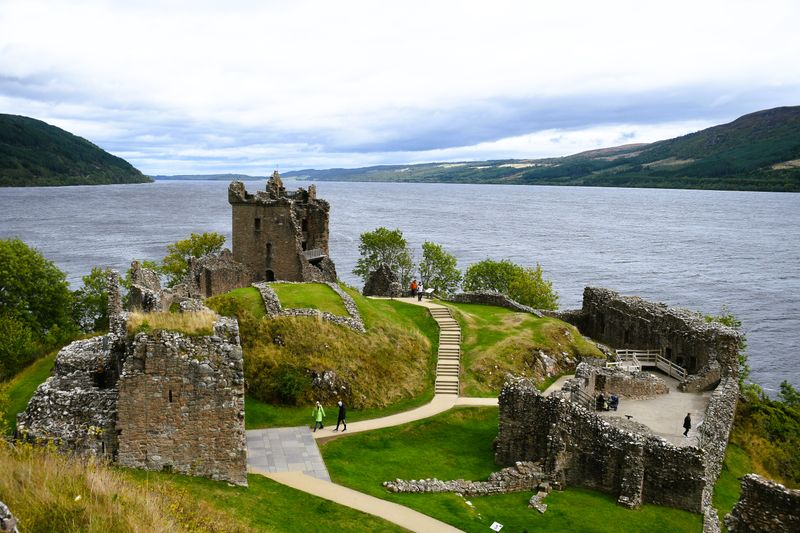
British tourism infrastructure is exceptionally well-developed, reflecting centuries of welcoming international visitors. From airports to attractions, booking systems to transportation networks, everything functions with a maturity that makes planning straightforward.
London dominates but doesn’t define UK travel. Scotland’s Highlands, Wales’ castles, Cornwall’s coastlines, and historic cities like Bath, York, and Edinburgh all offer distinct experiences with solid infrastructure supporting them.
Transportation options are extensive: trains connect major cities, coaches offer budget alternatives, and internal flights reach Scotland and Northern Ireland quickly. The network isn’t always cheap, but it’s comprehensive and relatively reliable.
Language is obviously a non-issue for English speakers, eliminating a significant stress point. For non-English speakers, the UK’s global connections mean multilingual services are often available in major tourist areas.
One important 2026 detail requires attention: the Electronic Travel Authorisation (ETA) requirement for visa-free visitors becomes enforceable February 25, 2026. This adds one extra planning step but isn’t particularly complicated compared to visa requirements elsewhere.
The UK’s tourism infrastructure handles massive volume efficiently, meaning resources, information, and services are readily available. Whether you’re planning independently or joining organized tours, the ecosystem supports various travel styles with minimal friction, making it accessible for first-timers and repeat visitors alike.
Share this story