Controversy and music are longtime companions, pushing culture forward while igniting fierce debate. The artists here shocked censors, rattled institutions, and split fans down the middle, sometimes with a single lyric or one unforgettable moment.
You will revisit protests, bans, lawsuits, and headline-making stunts that reshaped how we talk about art and accountability. Keep reading to see how each figure turned outrage into a defining chapter of music history.
1. Madonna
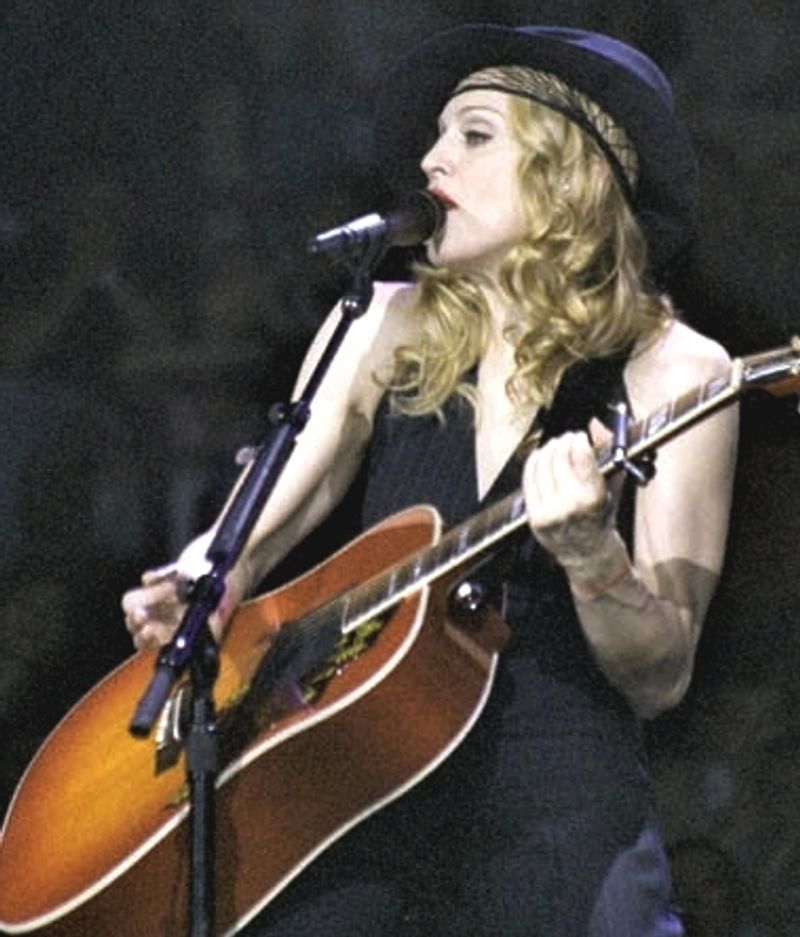
Madonna built a career on provocation, choreographing pop hooks with taboos that rattled censors and clergy alike. You can picture the crucifixes, the dance floors, and the brazen videos that rewired what mainstream pop could express.
She made reinvention a weapon and a shield.
From Like a Prayer backlash to Erotica’s outraged reviews, her controversies sold records while redrawing boundaries. Critics called it calculated; supporters called it liberation.
Either way, the conversation never stopped, and neither did she, proving controversy can be both a marketing engine and a cultural reckoning.
2. Elvis Presley
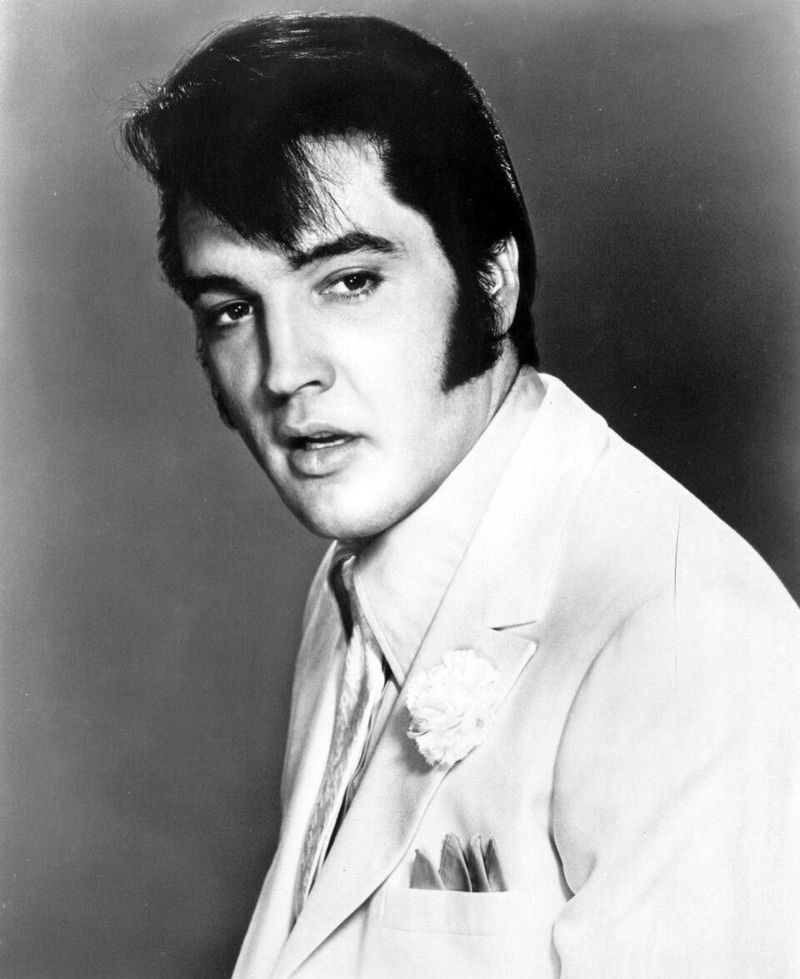
Before outrage was an industry, Elvis’s hips were enough to scandalize America. You can imagine living rooms gasping as television cameras cropped him from the waist up.
Moral guardians fretted over gyrations they claimed corrupted youth, even as jukeboxes declared a new era.
Elvis blended black musical traditions with pop charisma, provoking praise and fury in equal measure. The controversy magnified his myth, transforming a regional sensation into global lightning.
What once seemed indecent looks quaint now, but the seismic shock he caused still echoes through pop history’s fault lines.
3. Sinead O’Connor
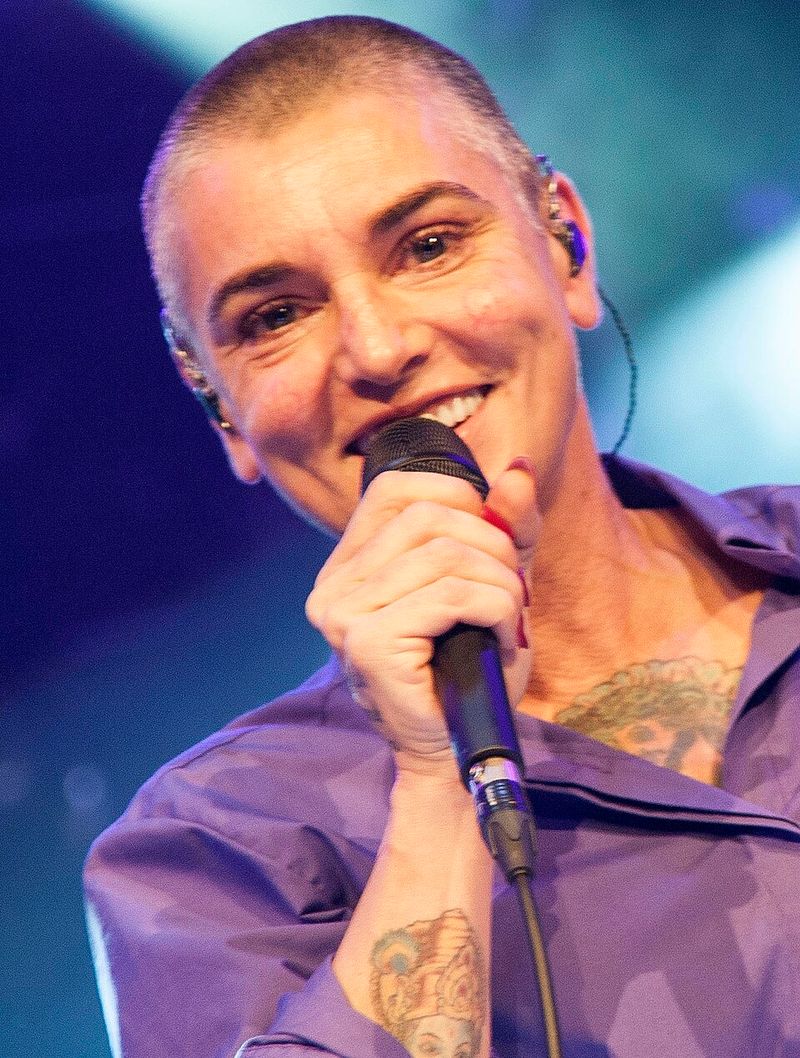
Sinead O’Connor tore up a photo of the Pope live on television, a protest against abuse that scorched her mainstream standing. You can still feel the silence after the rip, followed by boycotts and bans.
She was condemned before many were ready to listen.
Time reframed her act as prescient, but the cost was heavy. Her voice remained fearless, unvarnished, soul-bare.
In that moment, she revealed the gulf between necessary truth and public appetite, and how courage can isolate an artist even as history eventually bends closer to their warning.
4. Eminem
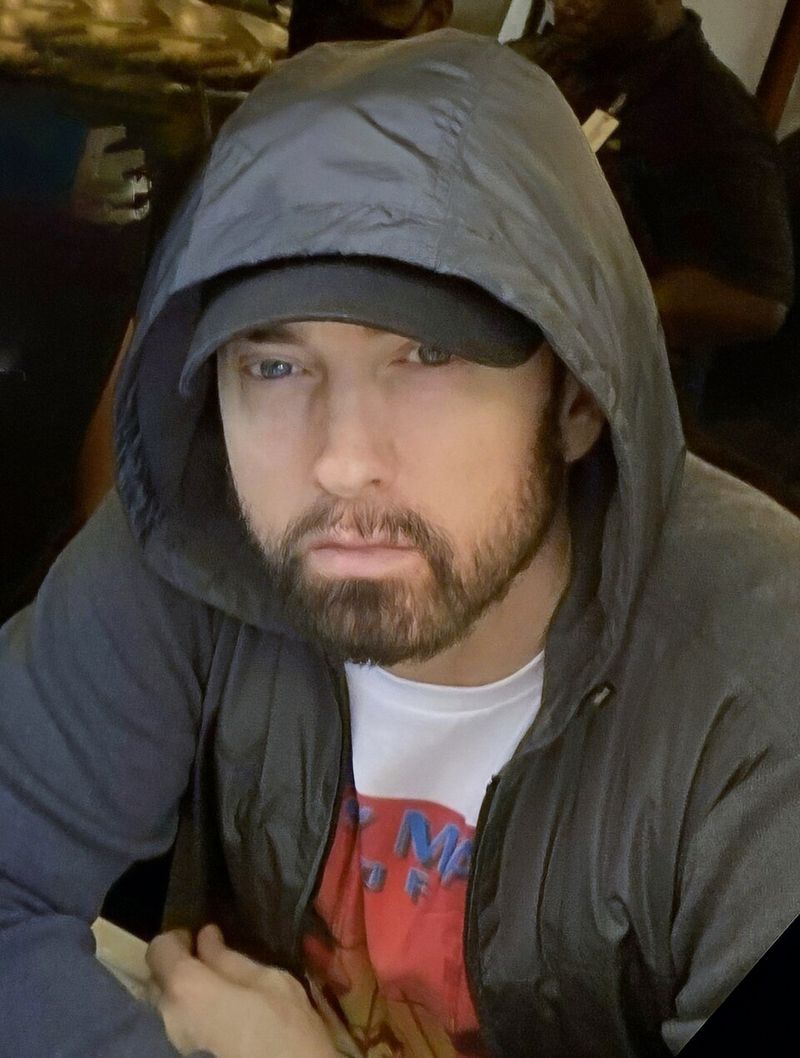
Eminem baited censors with razor-edged verses that skewered celebrities, politics, and his own demons. You remember the moral panics, the lawsuits, the outrage over homophobic and misogynistic lyrics.
His alter egos made it hard to separate character from creator.
And yet, his technical brilliance and brutal self-examination won respect while intensifying debate. Fans argued satire, critics argued harm, and the court of public opinion never adjourned.
Eminem forced hip hop and pop culture to confront freedom of speech’s messy boundaries, all while dominating charts with uncomfortable honesty.
5. Kanye West
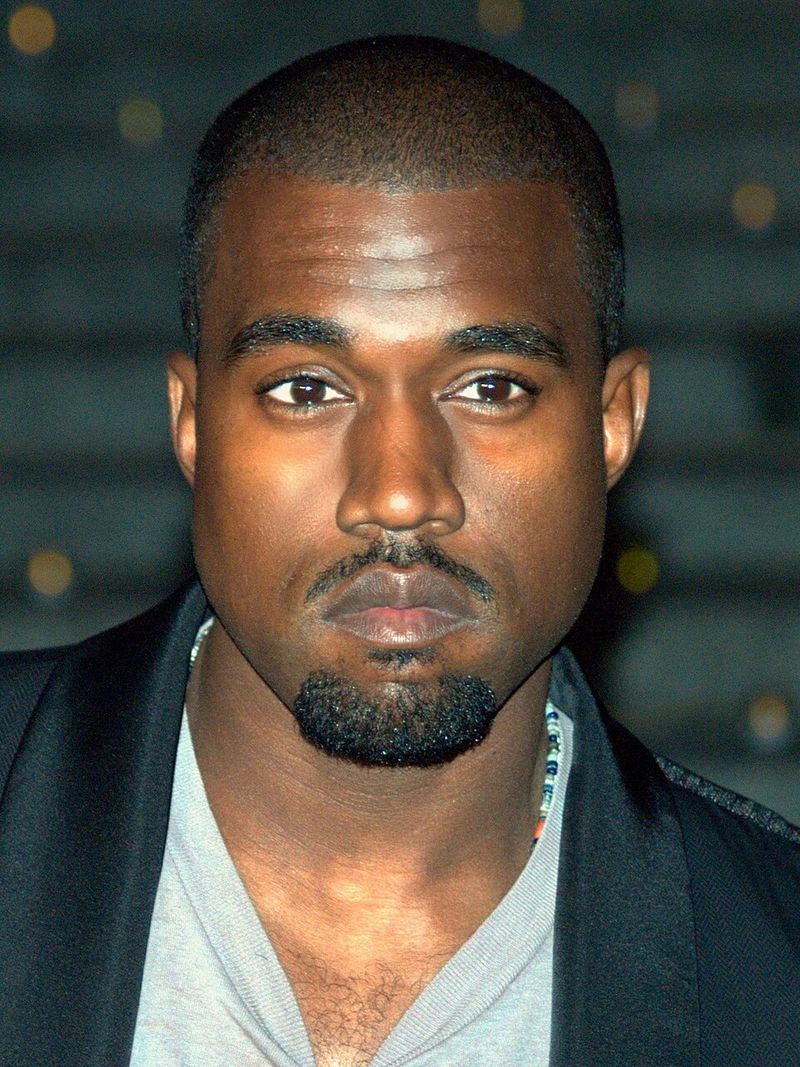
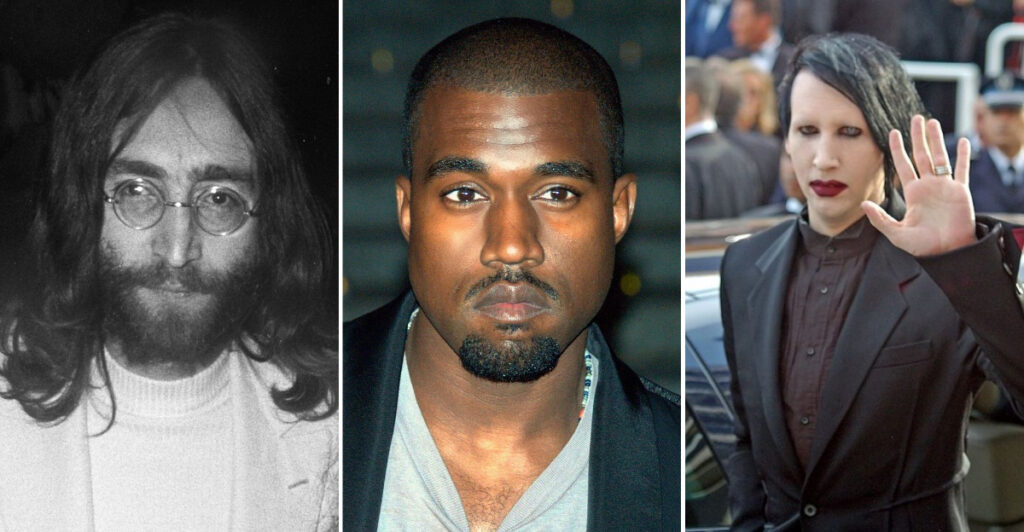
Kanye West turned disruption into an art form, blurring the line between spectacle and statement. You remember the award-show interruptions, the political endorsements, and the raw stream of consciousness spilling across social platforms.
His production genius and genre-bending albums kept critics conflicted, even as headlines flared.
Each era brought reinvention, from soul-sampling brilliance to stadium-filling anthems and polarizing public declarations. Fans debated intention versus impact, while brands and media weighed risk against relevance.
Whether you admire his innovation or recoil at his antics, Kanye’s turbulence redefined modern celebrity and controversy.
6. Marilyn Manson
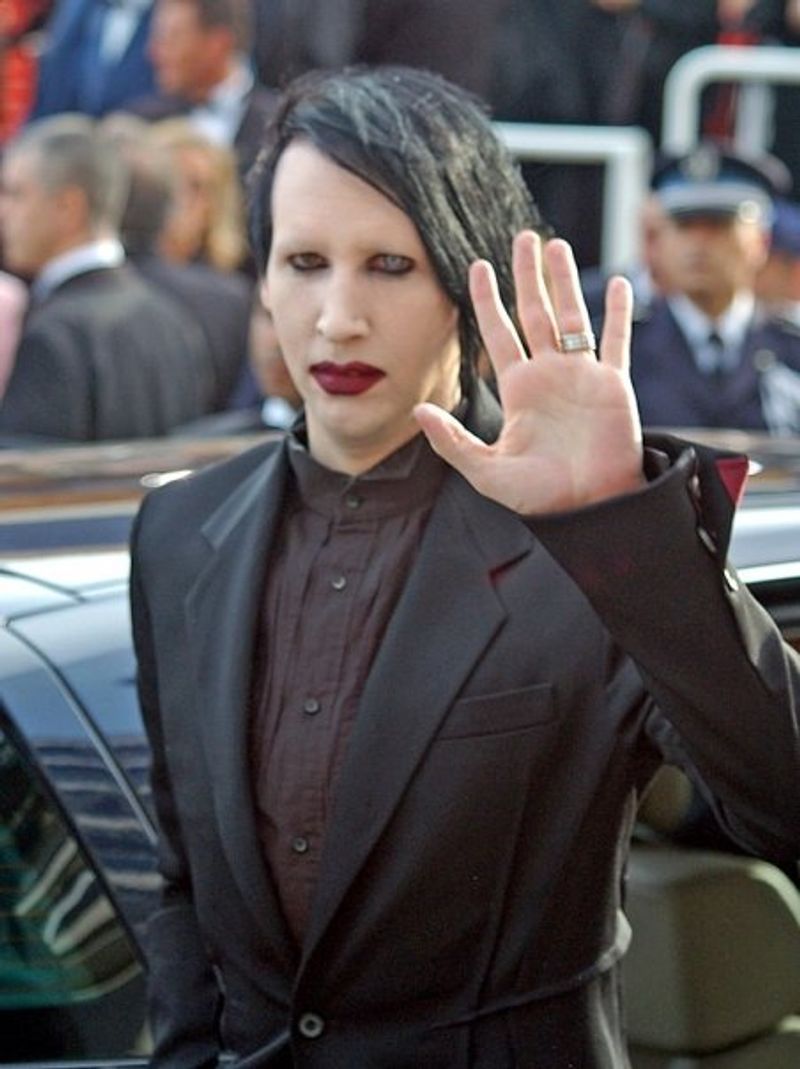
Marilyn Manson weaponized shock, turning industrial rock into a national panic button. You likely remember debates after Columbine, when moral crusaders blamed his imagery for a country’s fear and grief.
He insisted art was mirror, not trigger, but outrage stuck to his name.
His stage sets, religious subversions, and grotesque costumes became symbols in a culture war. Supporters saw satire and catharsis; critics saw corruption.
The spectacle worked, for better or worse, putting Manson at the crossroads of free expression and public accountability throughout the late 1990s and beyond.
7. Ozzy Osbourne
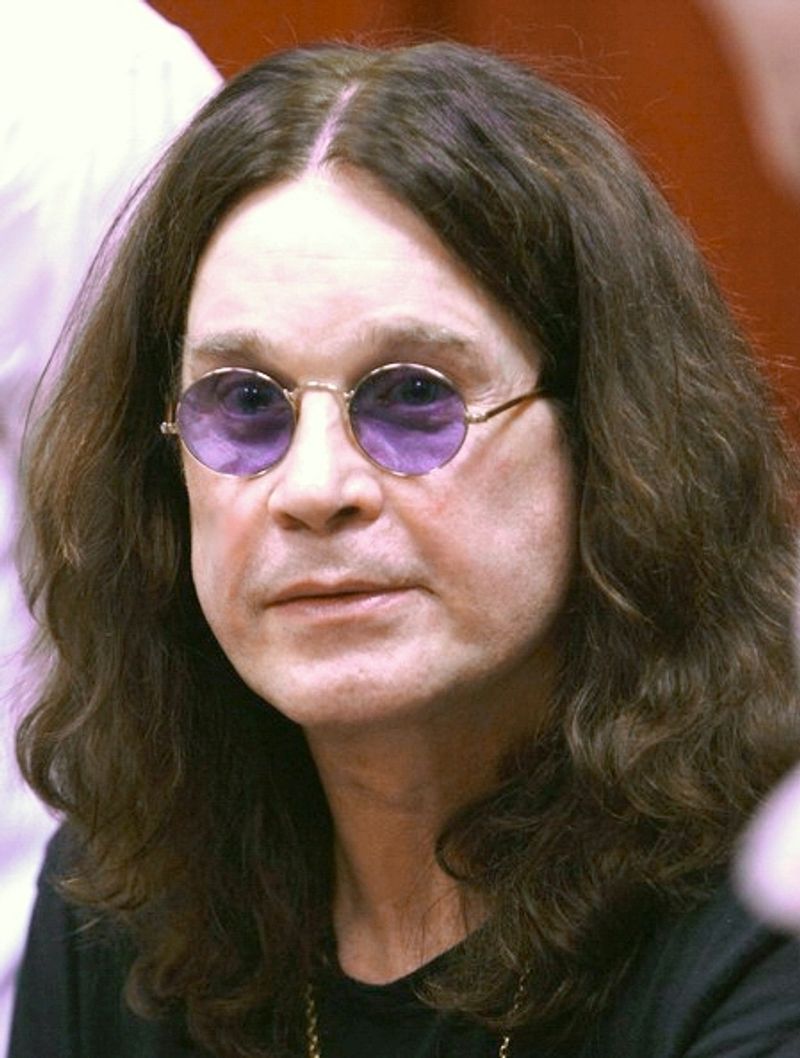
Ozzy Osbourne embraced chaos, from biting a bat onstage to frightening record executives with unfiltered theatrics. You can hear the shock in the crowd, the headlines afterward, the parental warnings that followed his every move.
He became heavy metal’s mascot for mayhem.
Beneath the spectacle, a vulnerable survivor battled addiction and reinvention. Critics charged satanism; fans saw catharsis and humor.
Ozzy walked the razor’s edge between scandal and legend, and in doing so, defined a template for provocative rock stardom that still influences how you picture metal’s wild heart.
8. Michael Jackson
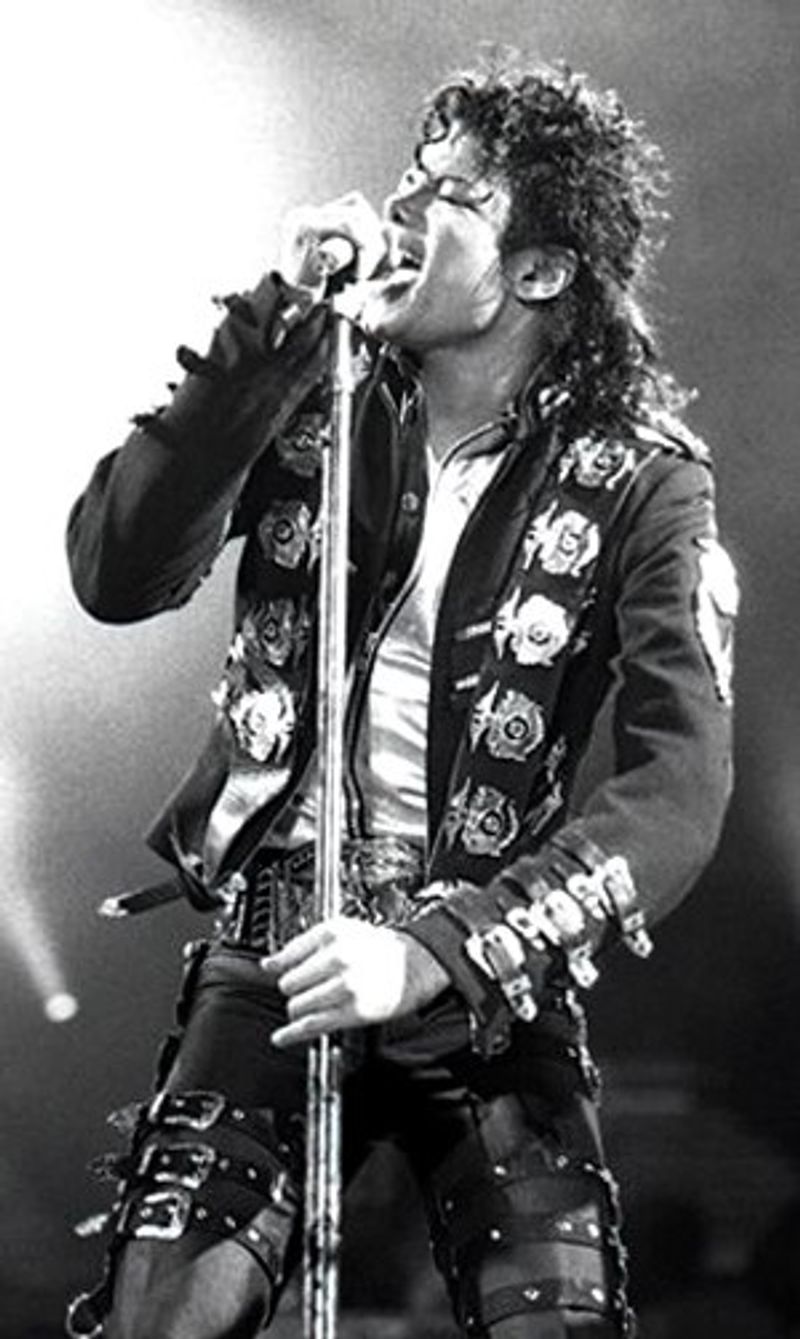
Michael Jackson revolutionized pop performance while living inside relentless scrutiny. You saw him moonwalk across global stages as allegations and trials reshaped public memory.
The split between art and accusations became impossible to resolve cleanly.
His music videos set the gold standard, even as tabloids and courtrooms dominated later years. Some listeners separate legacy from controversy; others cannot.
The debate remains raw, complicated, and deeply personal. Jackson’s story embodies fame’s extremes, where unmatched cultural influence collides with questions that refuse to fade.
9. Miley Cyrus
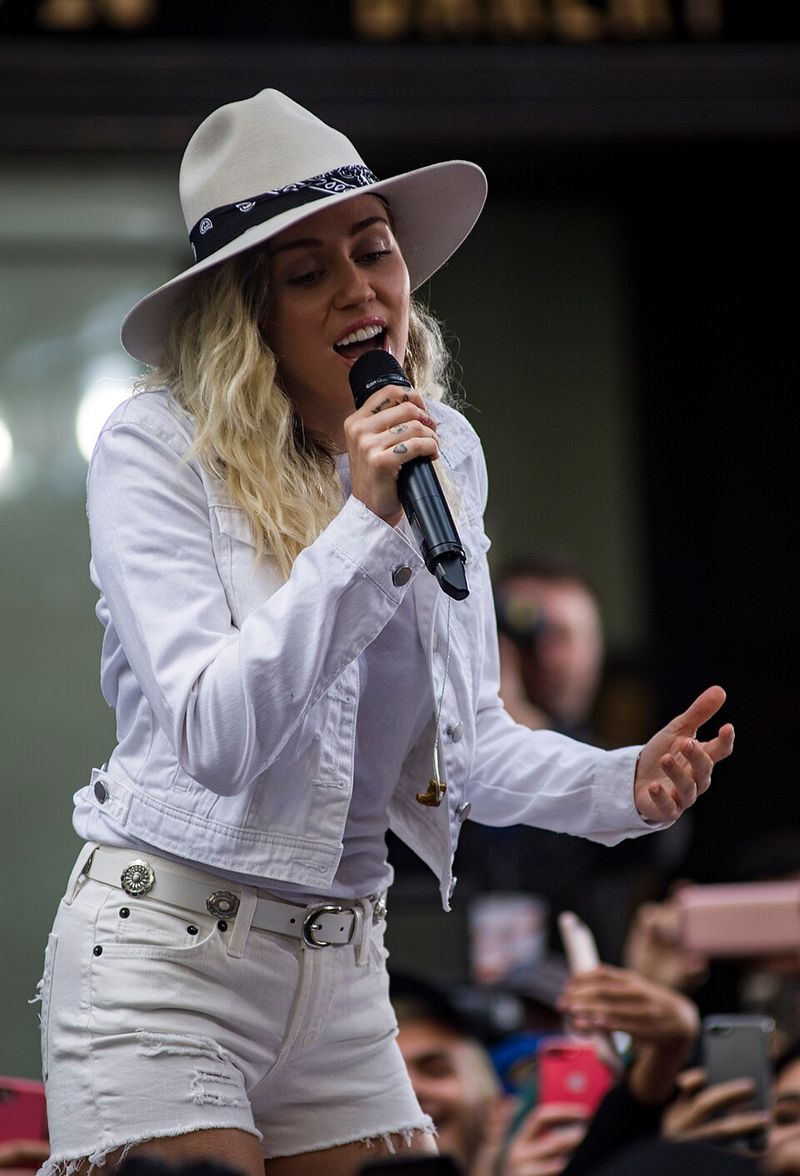
Miley Cyrus shattered her Disney image with shock-pop performances designed to provoke headlines. You remember the VMA twerking, the latex outfits, the tongue-out defiance that set think pieces on fire.
She turned the pivot itself into a spectacle.
Critics argued it was calculated rebellion; supporters saw a woman reclaiming agency in public. Her sound evolved with each reinvention, from country-pop roots to psychedelic pop and beyond.
The debate over empowerment versus exploitation shadowed her rise, making Miley a case study in growing up loudly under the camera’s stare.
10. Lady Gaga
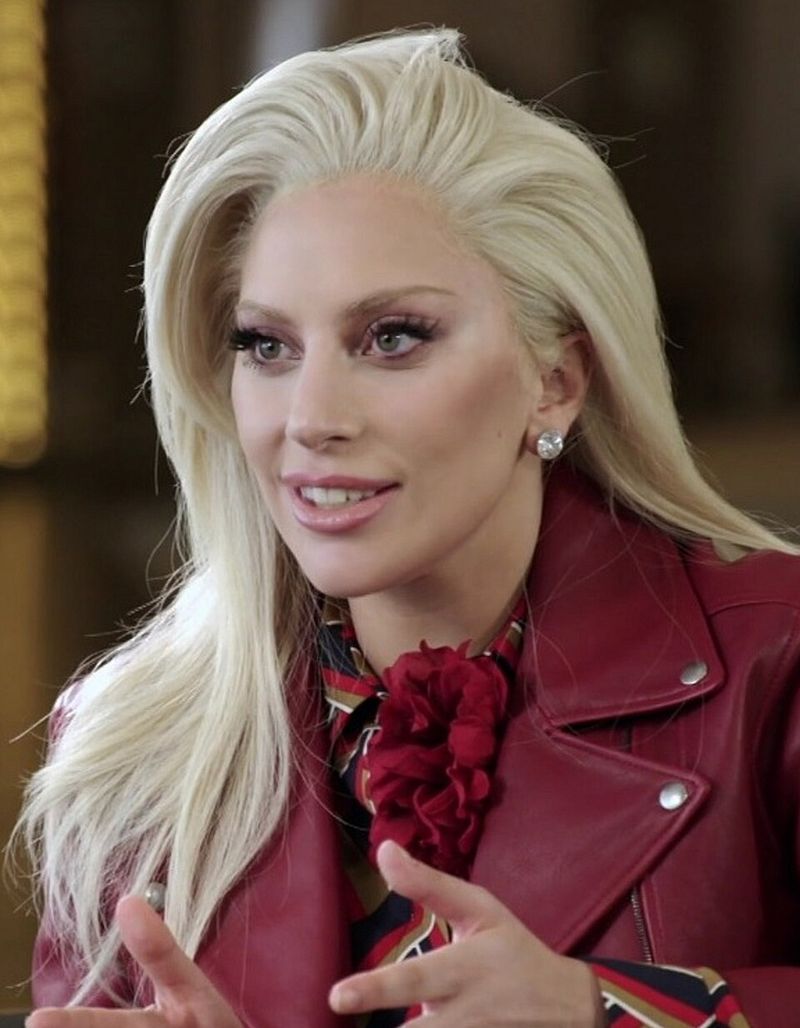
Lady Gaga turned controversy into couture, fusing pop hooks with performance art that sparked endless arguments. You recall the meat dress, the religious imagery, and videos that danced on sacred ground.
She courted discomfort to challenge norms about gender, fame, and spectacle.
Yet behind the provocation sat craft and empathy, with ballads and activism balancing the shock. Gaga showed that intentional weirdness could open conversations rather than just rage.
Her trajectory proves you can be outrageous, deeply musical, and culturally compassionate at once, even when the headlines chase the most provocative frames.
11. R. Kelly
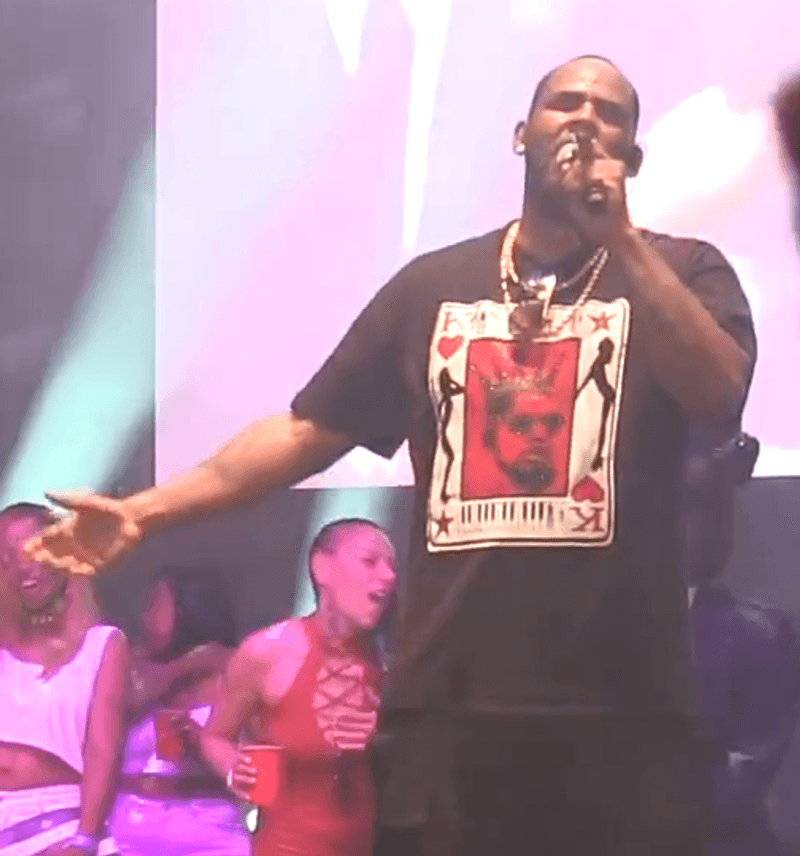
R. Kelly’s catalog once filled weddings and radio rotations, but the scandals consumed everything.
You watched investigations turn into court cases, survivor testimonies, and a public reckoning that redefined accountability in music. Streams dropped, tours collapsed, and institutions distanced themselves.
The conversation shifted from separating art and artist to believing victims and reforming power structures. His downfall became a watershed for how the industry handles abuse allegations.
For many listeners, those songs now carry unbearable weight, marking a cultural line that will not be easily crossed again.
12. Bob Dylan
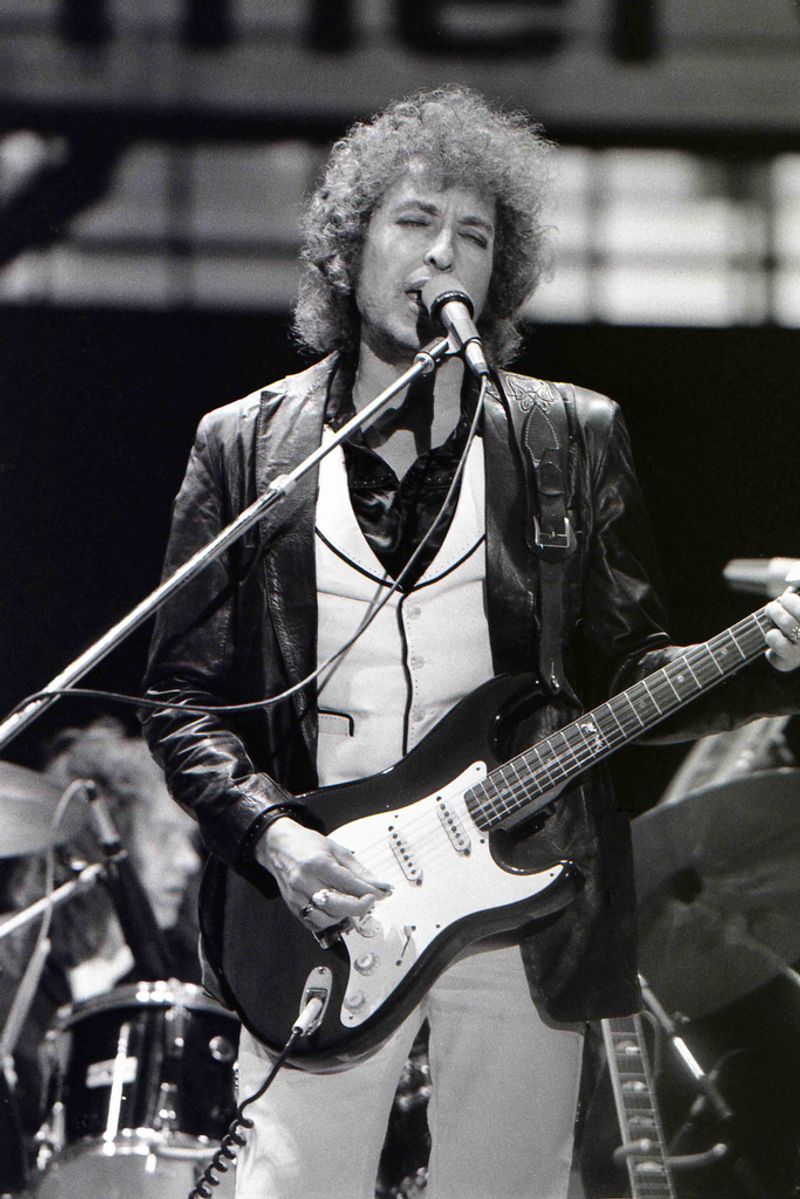
Bob Dylan flipped the switch to electric, and folk purists cried betrayal. You can hear the boos at Newport in 1965, see the shocked faces, feel the ruptured idealism.
That voltage jump changed rock history and split communities that once agreed on every chorus.
Was it heresy or evolution? Time declared it both disruptive and necessary.
Dylan’s refusal to play the role others wrote for him made controversy inseparable from artistic growth. The guitars were louder, but so was the argument, and music was never the same afterward.
13. Courtney Love
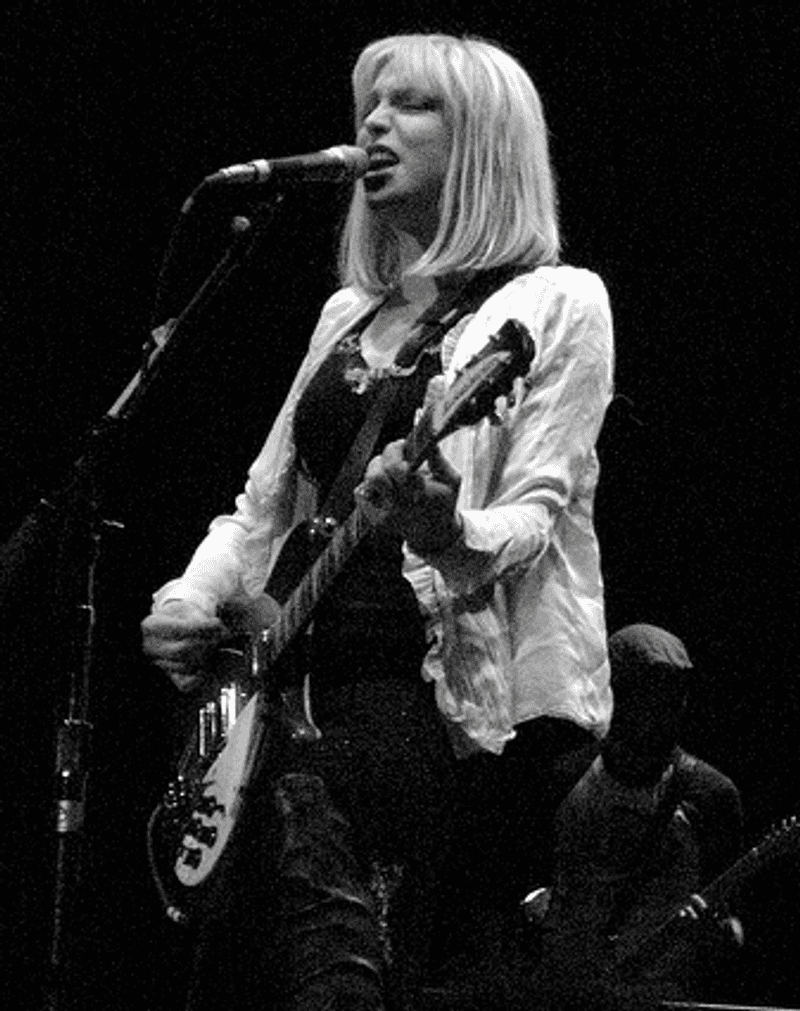
Courtney Love lived in rock’s crossfire, where grief, fame, and fury collided. You remember tabloid storms, public fights, and raw performances that blurred vulnerability with provocation.
Her every move drew judgment, often harsher than her peers faced.
Whether fronting Hole or navigating tragedy, she embodied a messy, magnetic power few could ignore. Supporters praised her bravery and songwriting; detractors questioned stability and intent.
The controversy never fully eclipsed the art, but it sure tried, turning Love into a lightning rod for gendered double standards in rock culture.
14. Chris Brown
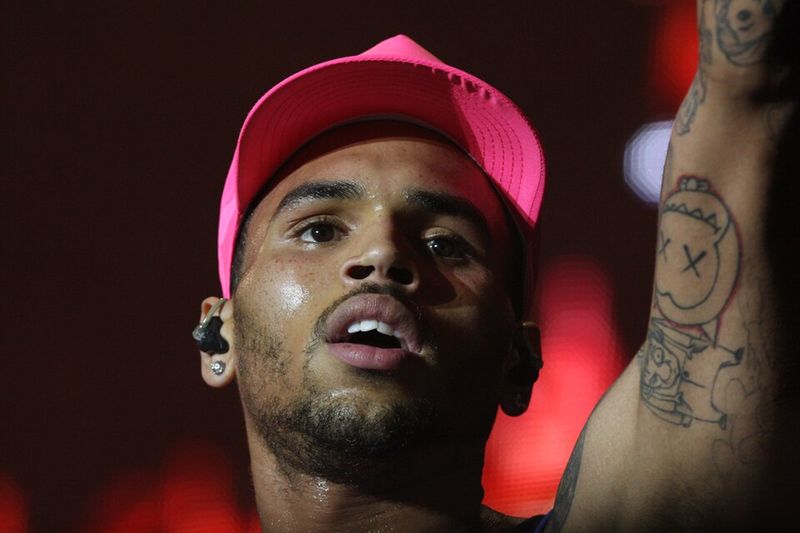
Chris Brown’s career split in two after his assault on Rihanna, a moment that changed how fans and brands saw him. You watched the apologies, community service, and cycles of backlash and chart returns.
The question of redemption never found a simple answer.
He remained a hitmaker while public trust frayed, with new incidents reigniting old wounds. Some listeners separated talent from behavior; others walked away.
The ongoing tension around his music underscores how fame, accountability, and forgiveness collide in real time, with no neat resolution in sight.
15. Morrissey
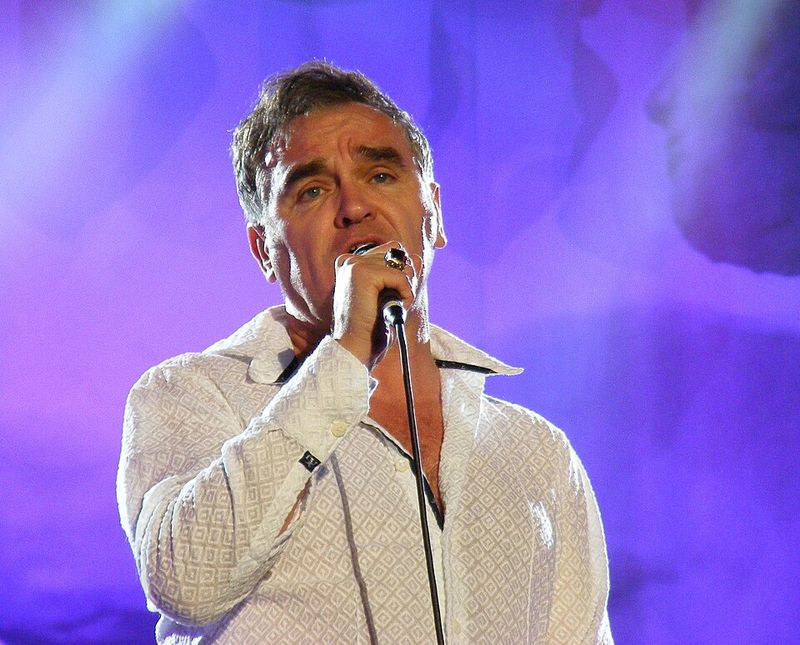
Morrissey turned interviews into battlegrounds, puncturing his romantic croon with polarizing opinions. You might admire The Smiths and still wince at his political barbs and cultural commentary.
The split between artful melancholy and abrasive rhetoric keeps growing.
Shows spark protests, statements trigger boycotts, and fans negotiate love for the catalog with discomfort over the messenger. Morrissey tests the durability of musical devotion when the persona becomes the headline.
The controversy lingers like a chorus you cannot stop hearing, even when you are not sure you should sing along.
16. Ted Nugent
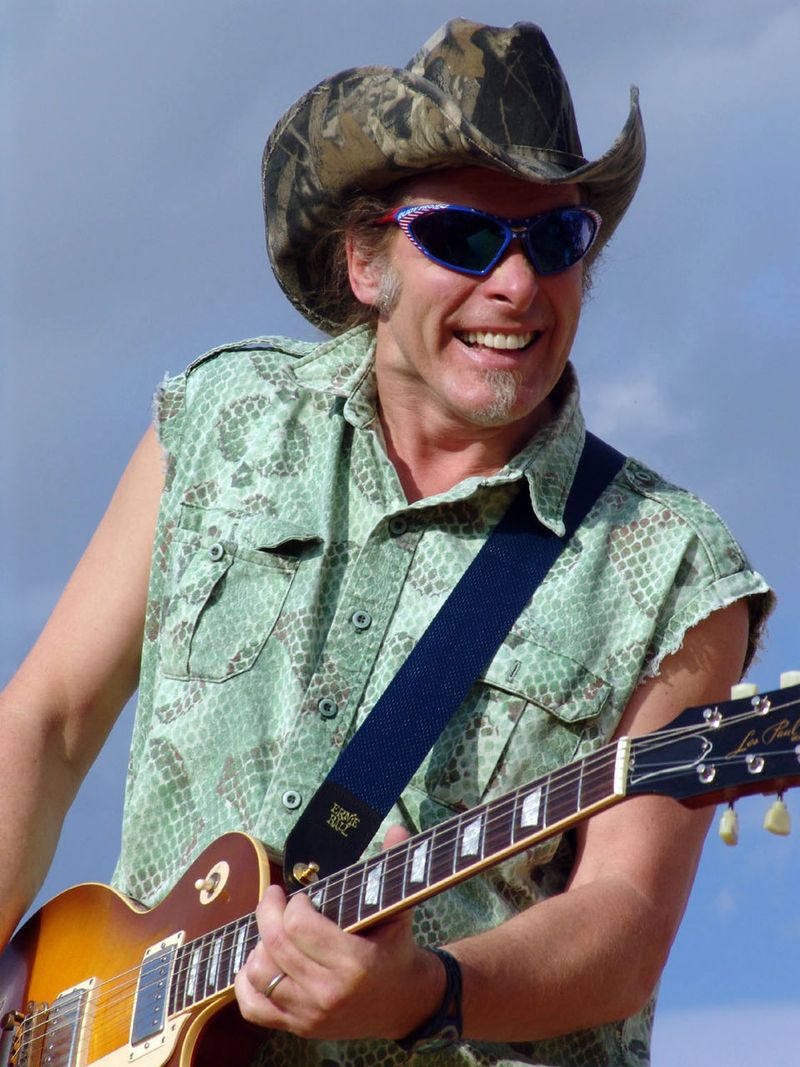
Ted Nugent fused shredding with incendiary politics, turning gigs into battlegrounds. You might expect pyrotechnics and get a stump speech instead, with interviews that escalate the culture war.
Supporters cheer the unapologetic stance; critics recoil at the rhetoric.
His quotes spark headlines, then boycotts, then bigger stages for the next round. Nugent shows how controversy can sustain relevance long after radio has moved on.
The spectacle is half arena-rock nostalgia, half talk-radio theater, and entirely polarizing for anyone within earshot of his microphone.
17. John Lennon
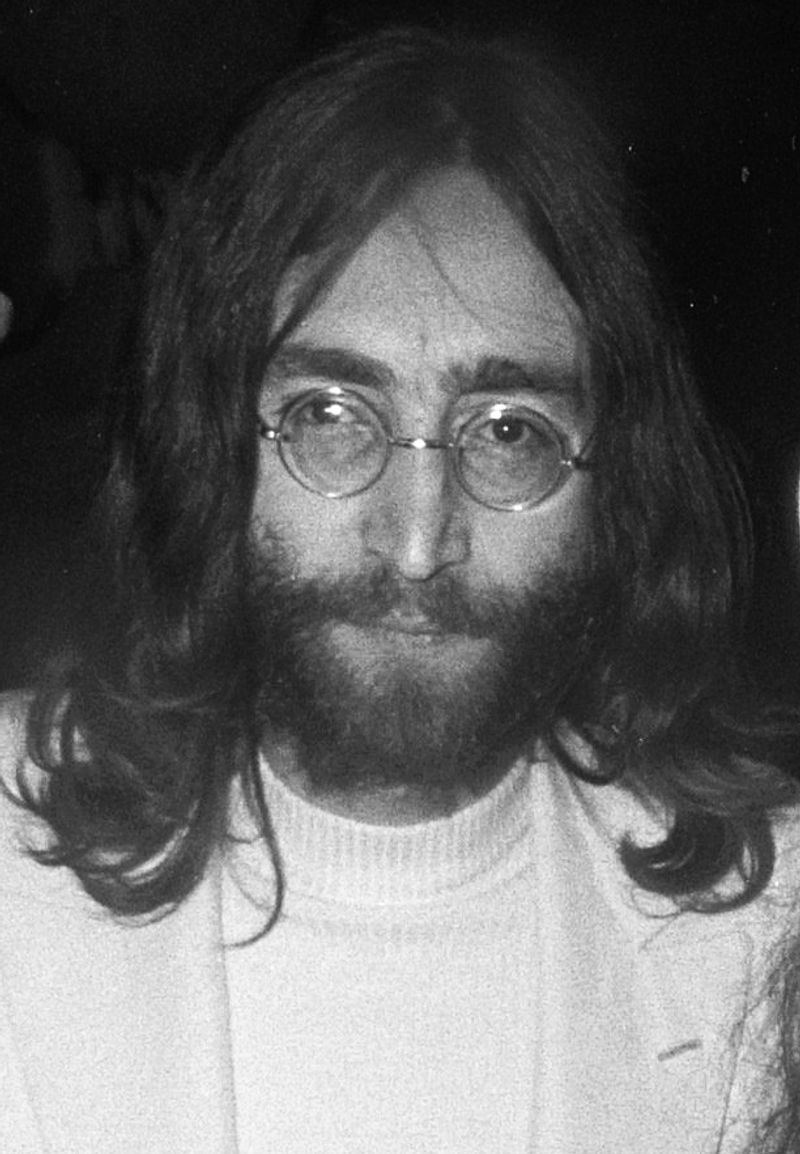
John Lennon’s remark about the Beatles being more popular than Jesus sparked record burnings and canceled shows. You can picture the Southern protests, the radio bans, and the nervous management scrambling.
Lennon apologized, but the fuse was already lit.
The controversy exposed the volatile mix of religion, celebrity, and youth culture in the 1960s. It also revealed how a stray sentence can eclipse even world-changing music.
Lennon’s candor was part of his charm and his curse, ensuring his voice would always rattle the cage it lived in.
18. The Rolling Stones
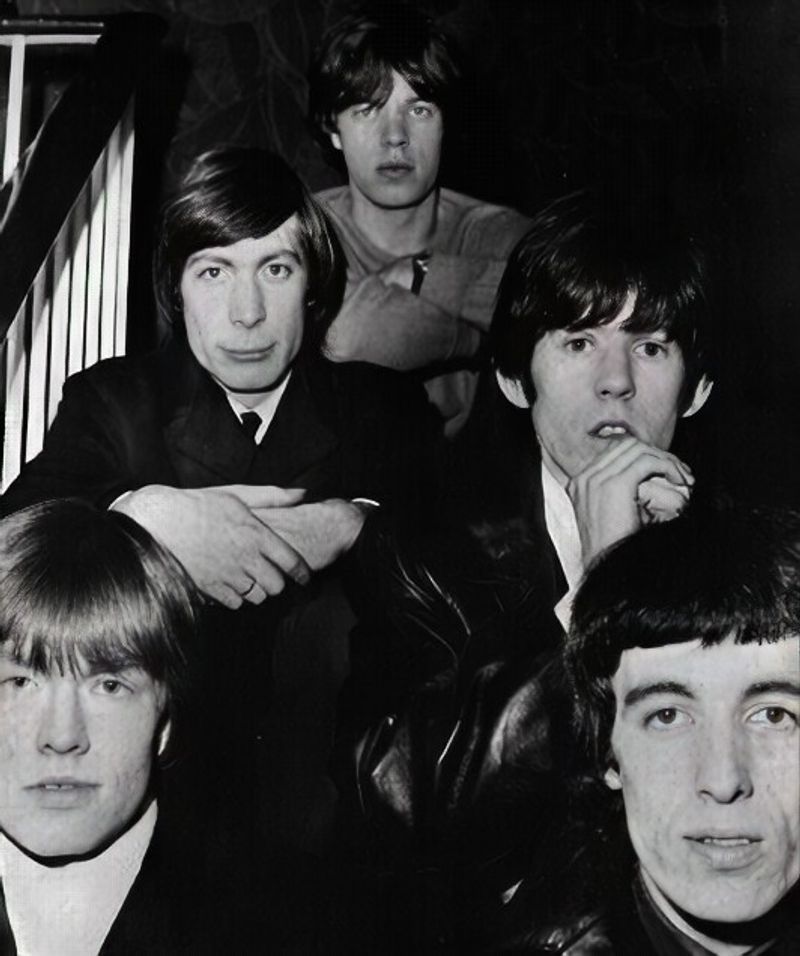
The Rolling Stones’ Altamont Free Concert became a tragic bookend to the 1960s. You remember the myth: a free show meant to echo Woodstock, security by Hells Angels, and a stabbing caught on film.
Peace-and-love turned into dread and disillusionment.
The fallout haunted the band and the era, reminding everyone that utopias need real safety plans. Altamont is less about a song than responsibility and consequences.
The Stones kept rolling, but the dream they soundtracked suddenly had a darker key signature.
19. The Beatles
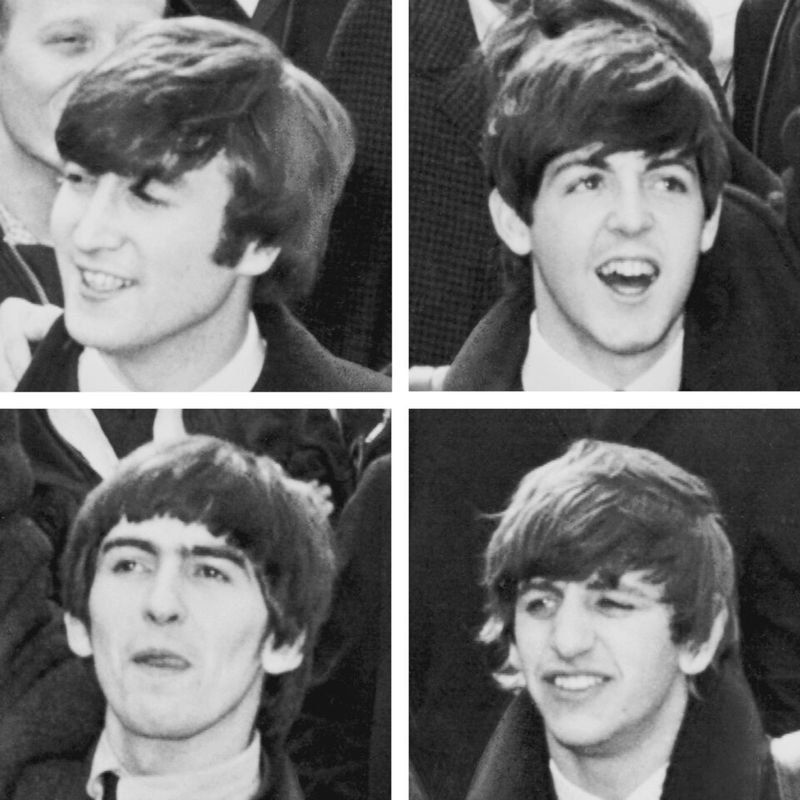
The Beatles’ Butcher cover detonated a PR crisis. You can see them in butcher smocks among dismembered dolls and raw meat, a surrealist jab that confused and horrified retailers.
Capitol recalled the sleeves, birthing one of collecting’s most infamous artifacts.
The image punctured the band’s squeaky-clean myth, hinting at a stranger, sharper edge. It showed how the world’s biggest group could still misjudge public appetite, or intentionally test it.
Either way, the controversy revealed how packaging could provoke almost as much as the music inside.
20. Prince
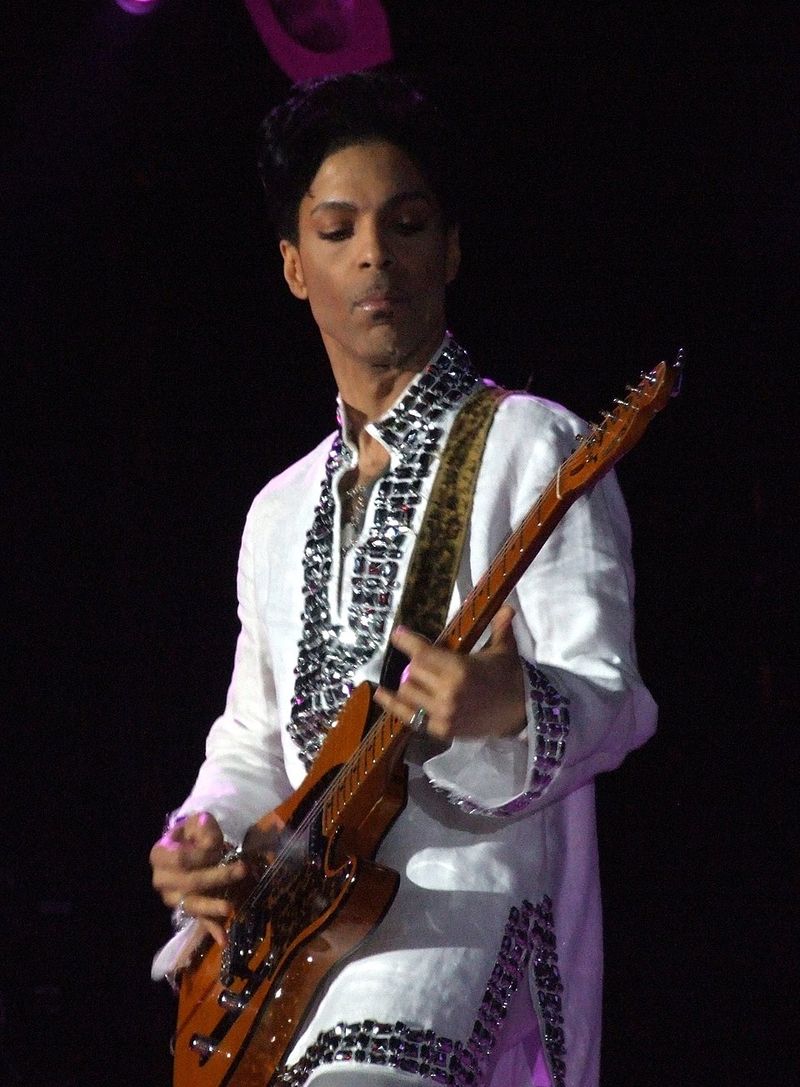
Prince changing his name to an unpronounceable symbol baffled DJs and boardrooms alike. You remember headlines calling him The Artist Formerly Known As Prince, a protest against label control.
It was audacious branding and a blunt contract fight in one gesture.
He wrote slave on his cheek, pressed for ownership, and toured relentlessly to keep momentum. The move complicated marketing but clarified his stance on artistic freedom.
Today, musicians citing masters and independence prove he was early, loud, and absolutely serious about autonomy in an industry that resists it.
21. Ice-T
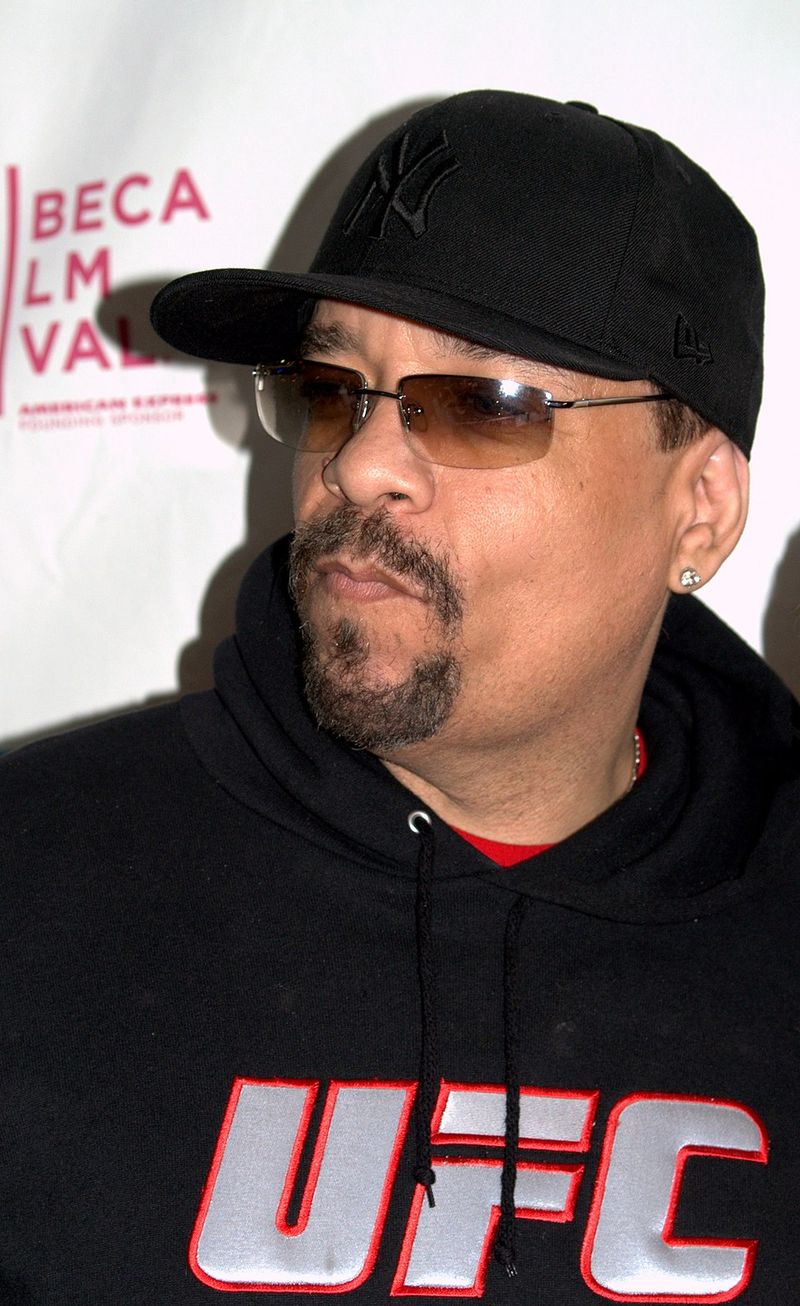
Ice-T’s Cop Killer detonated a national firestorm over art and violence. He defended it as storytelling and protest, a fictional narrative facing real power.
Ultimately, the controversy forced hard questions about policing, censorship, and who decides cultural limits. It also foreshadowed battles hip hop would keep fighting.
Whether you agreed with the message or not, the uproar cemented Ice-T’s role in the free-speech canon of American music.
Share this story