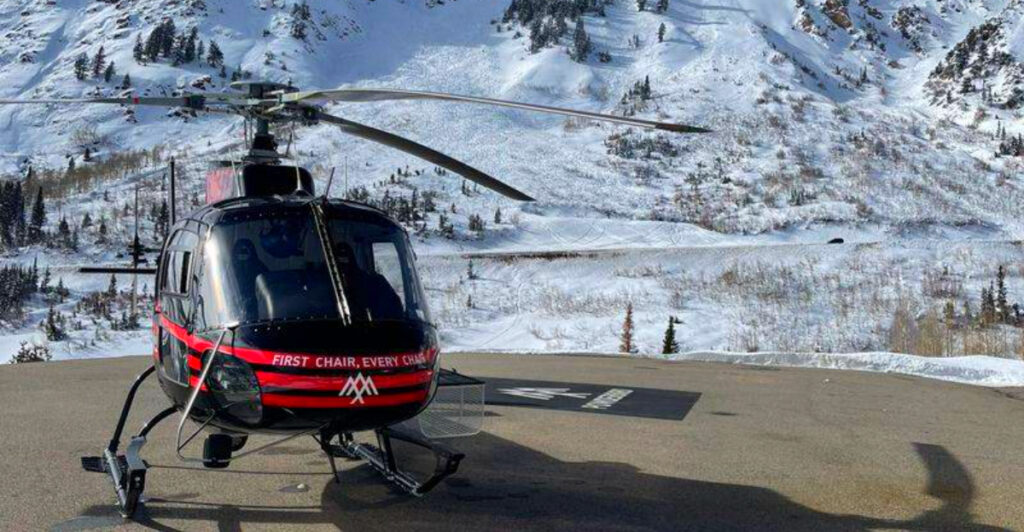
Utah’s resorts are great, but the real magic waits beyond the ropes. Imagine a helicopter setting you gently on a silent ridge, where the only tracks will be yours and the snow feels weightless underfoot.
You trade crowds for stillness, lift lines for unbroken fall lines, and routine for something that genuinely moves you. If you have been craving deeper powder and a story worth telling all winter long, this is your sign to look up.
Utah’s Snow Science Advantage
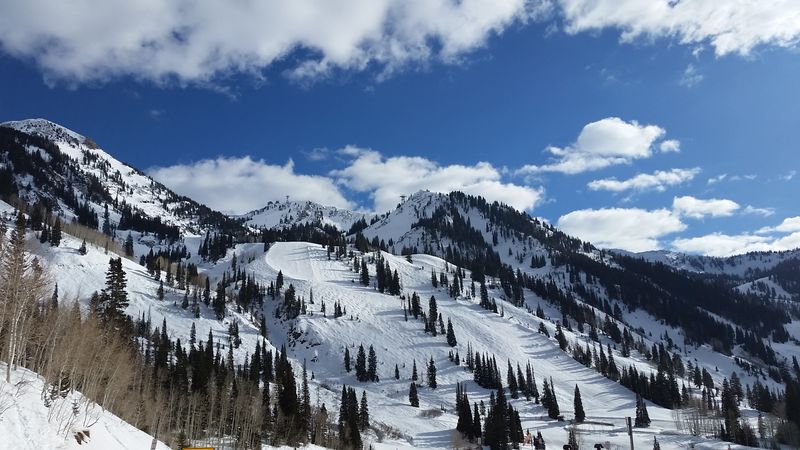
Utah owns a unique recipe: cold desert air, Great Salt Lake influence, and frequent storm cycles that wring moisture into light, low density powder. The result is snow that feels buoyant and forgiving, especially in untracked backcountry zones.
NOAA data puts average annual snowfall in parts of the Cottonwoods well over 500 inches, a staggering canvas.
You notice it in the first turn. Skis plane higher.
Confidence grows. Heli drops magnify this sensation, placing you where storms drift snow gently across bowls and glades.
The science is technical, but the feeling is human, immediate, and addictive.
Practical Takeaway: Time trips for colder weeks and recent storms, watch avalanche forecasts, and prioritize operators who adapt plans to real time snowpack.
Why Helicopters Change Everything
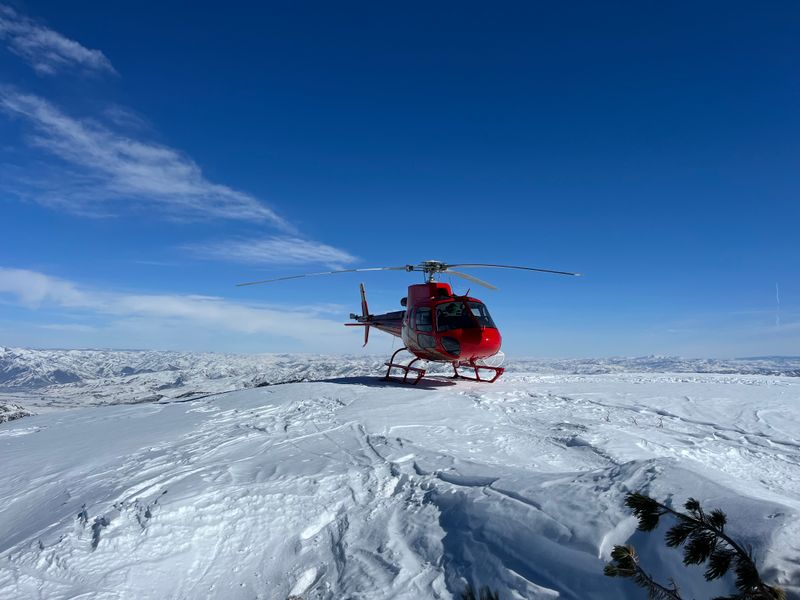
Resorts corral you into patterns. Helicopters break them.
A short flight turns distant ridgelines into reachable art, letting guides stitch together descents that feel composed for your ability, conditions, and daylight. Instead of chasing leftover powder, you enter it first, where each traverse is purposeful and each pitch has room for expression.
Picture a morning: briefing done, you lift, the city winks below, silence returns on the ridge. Your first three turns define the day.
No rope drops. No luck.
Just intention and terrain.
Practical Takeaway: Choose operators with flexible terrain permits, ask about contingency plans, and confirm group ability matching before booking.
The Wasatch and Uinta Backcountry Map
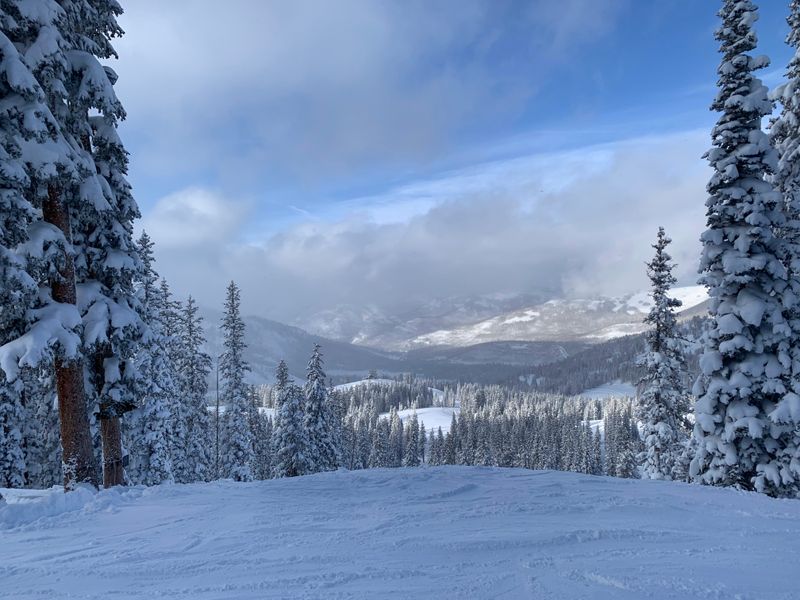
Utah’s heli zones stretch across the Central Wasatch and out toward the broad shoulders of the Uinta Mountains. The Wasatch offers steep, dramatic relief with quick access from the valley.
The Uintas broaden the horizon with long ridges, soft glades, and wind sheltered trees when storms rage.
On a mixed weather day, you might start on leeward tree lines for visibility and stability, then pivot to alpine bowls as skies clear. Guides read the map with lived memory, steering you toward safe, quality snow.
Practical Takeaway: Ask operators how they diversify terrain in variable weather, and discuss your comfort with trees, bowls, and steeps during the morning brief.
A Day In The Heli: Start To Finish
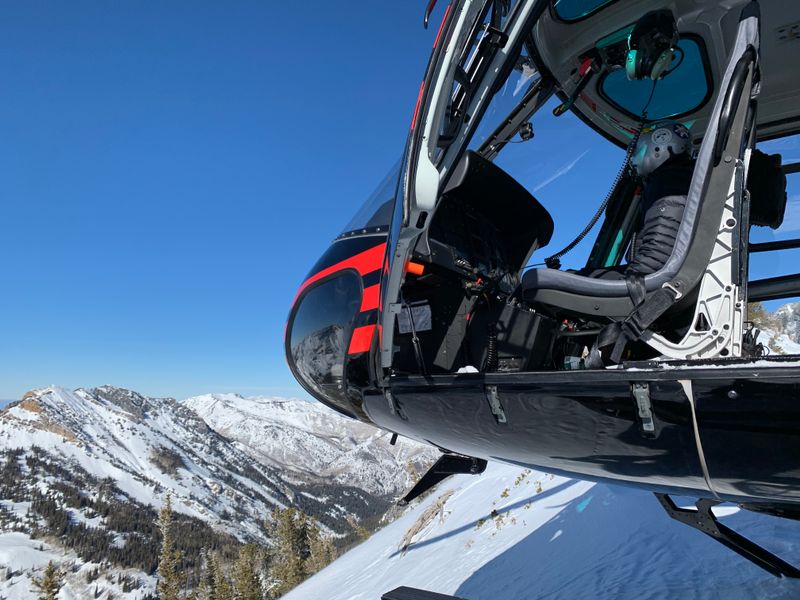
The rhythm begins early. Coffee, gear check, and beacon practice set the tone.
Guides discuss snowpack layers and route options, then match groups by pace and comfort. The first flight is a reset: boots hum, doors slide open, and winter rushes in.
You step out, crouch as the rotor wash fades, then breathe.
Six to eight runs might fill the day if conditions allow. Lunch is simple, views extravagant.
Safety briefings punctuate the fun. By afternoon, legs burn in that satisfying way.
Practical Takeaway: Arrive rested, hydrate, and keep transitions tidy. Efficiency equals more skiing and safer decision making.
Safety Culture You Can Feel
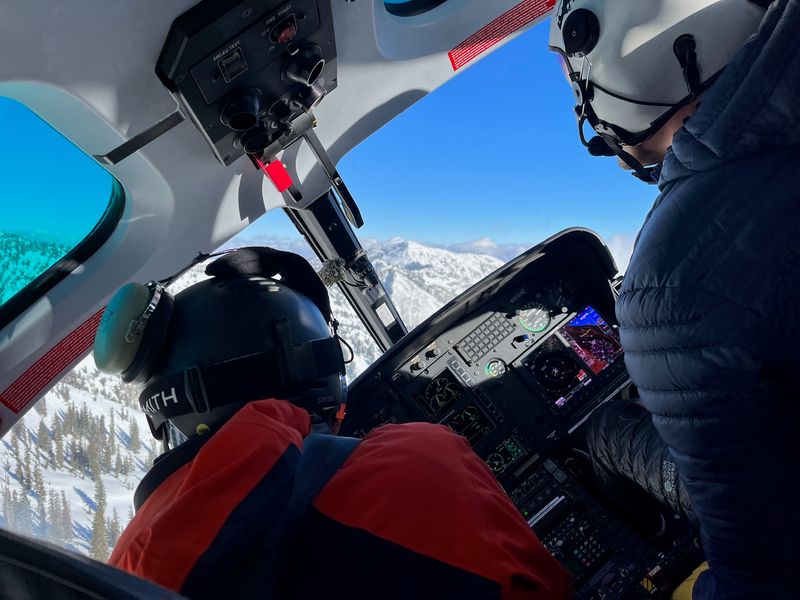
Backcountry skiing lives with consequence, so good operators lead with humility and routine. Morning transceiver checks become muscle memory.
Guides cross reference local avalanche forecasts with their own pit data, then choose aspects and elevations that respect the day’s risks. You are invited into that conversation, not shielded from it.
On one stormy morning, our group rehearsed a companion rescue drill before first flight. Confidence rose, nerves eased, and decisions felt clearer.
Preparation changes psychology.
Practical Takeaway: Before booking, ask about guide certifications, rescue protocols, gear requirements, and whether drills are included. Bring beacon, shovel, probe, and wear a helmet.
Fitness, Skills, And Mindset
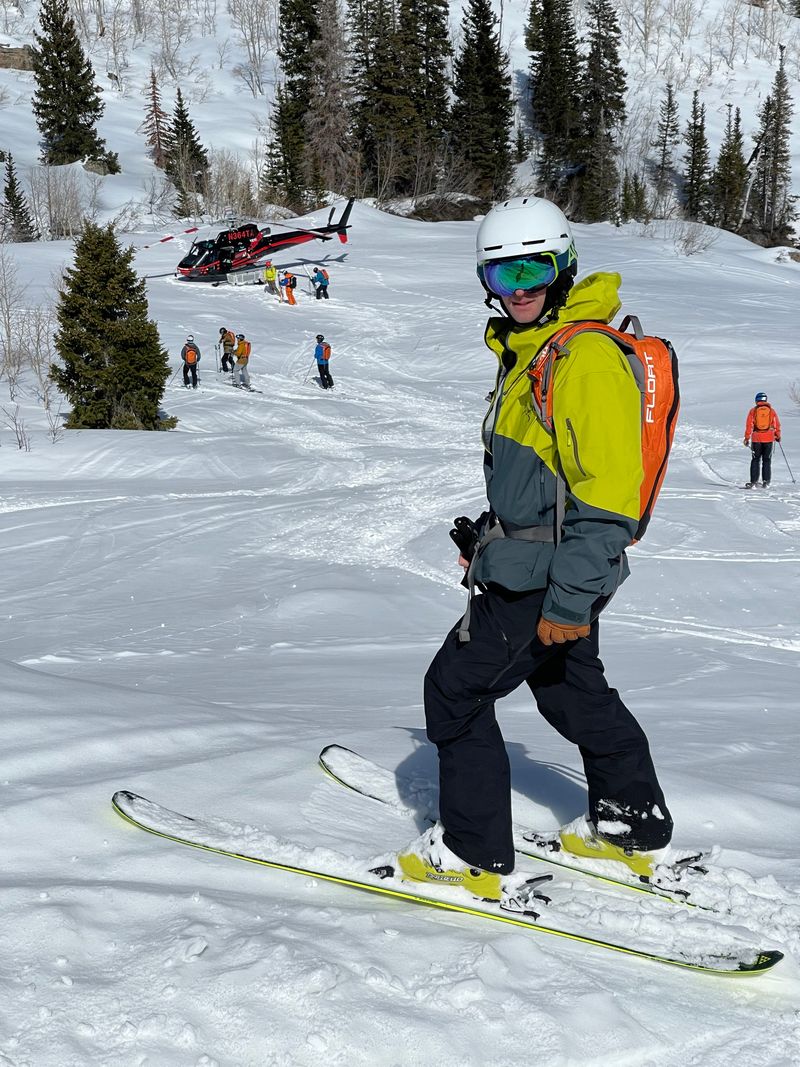
Powder rewards rhythm, not force. Strong legs and cardio help you stay fluid through variable snow and longer pitches.
Short pre trip blocks of squats, lunges, balance work, and interval sessions pay off immediately. Technical comfort matters too: centered stance, soft ankles, and deliberate pole plants calm steep entries.
Mindset seals it. Accept changing plans.
Celebrate small wins. When a guide shifts aspects to avoid wind slab, you do not lose a run, you gain a wiser one.
Practical Takeaway: Train four to six weeks out, practice powder fundamentals at a resort, and communicate your limits so runs match your best skiing.
Operators To Know: Powderbird And Beyond
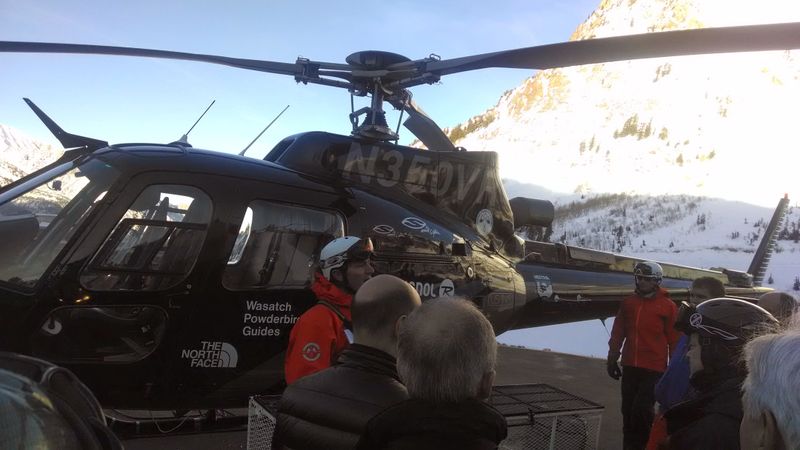
Powderbird, founded in 1973, anchors Utah’s heli scene with vast permitted terrain and deep institutional knowledge. Their teams pivot across Wasatch and Uinta zones, preserving options when weather shifts.
Private ranch operators and cat ski outfits broaden the menu, creating ladder steps for newer powder riders and storm day backups.
When we planned a friends trip, a private group day aligned our abilities, pace, and photography goals. The vibe felt easy because the logistics were intentional.
Practical Takeaway: Compare seat based, semi private, and full buyout options. Ask about down day alternatives like guided resort laps or cats to protect your investment.
Costs, Value, And Honest Budgeting
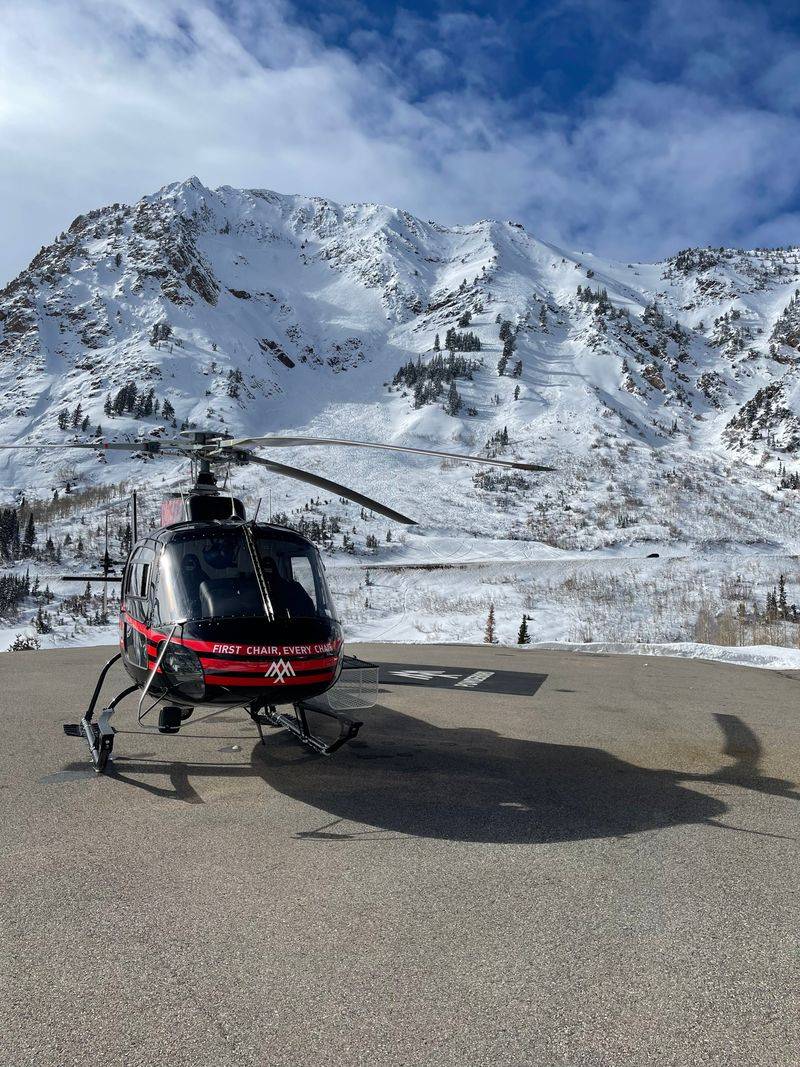
Sticker shock is real, but context helps. Single day seats can run roughly 1200 to 2400 per person, with private days far higher.
Yet you are paying for aircraft time, expert guiding, safety systems, and scarce, prime terrain. Think of it as commissioning a powder day rather than buying a lift ticket.
Quality matters more than quantity. A few immaculate runs can eclipse ten mediocre ones.
You remember silence, space, and edges floating.
Practical Takeaway: Set a trip budget that includes tips, rental gear, travel, and backup activities. Insure the trip and read refund policies tied to weather holds.
Weather Windows And Smart Timing
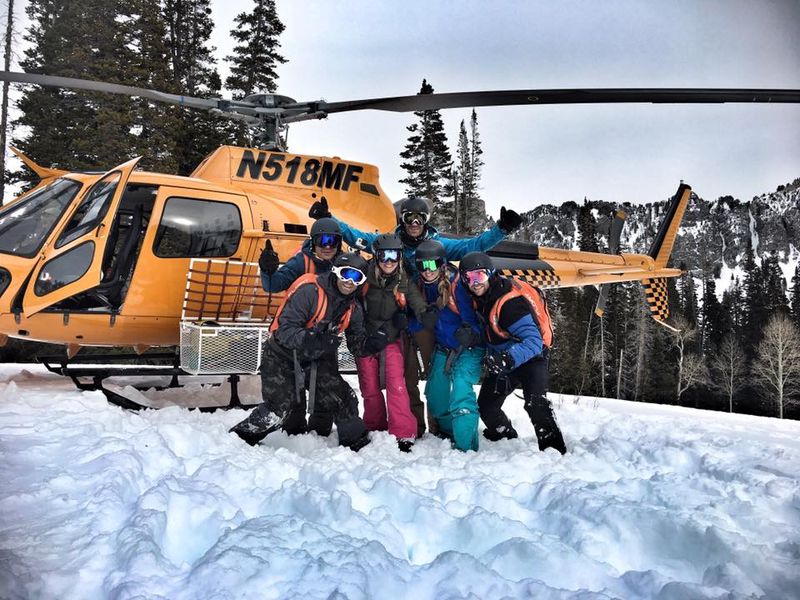
Timing shapes experience. Utah’s prime heli window usually spans late December through March, with mid winter often delivering the coldest, driest snow.
After a storm, cold clear mornings can be magical if winds cooperate. On high hazard days, tree lines and lower angle terrain become the right call, not a compromise.
You will feel the patience game. A short delay can mean safer landings and softer light.
When the door opens, you are rewarded.
Practical Takeaway: Book flexible dates if possible, watch forecast discussions, and trust guide decisions about wind, visibility, and aspect choice.
Gear That Earns Its Keep
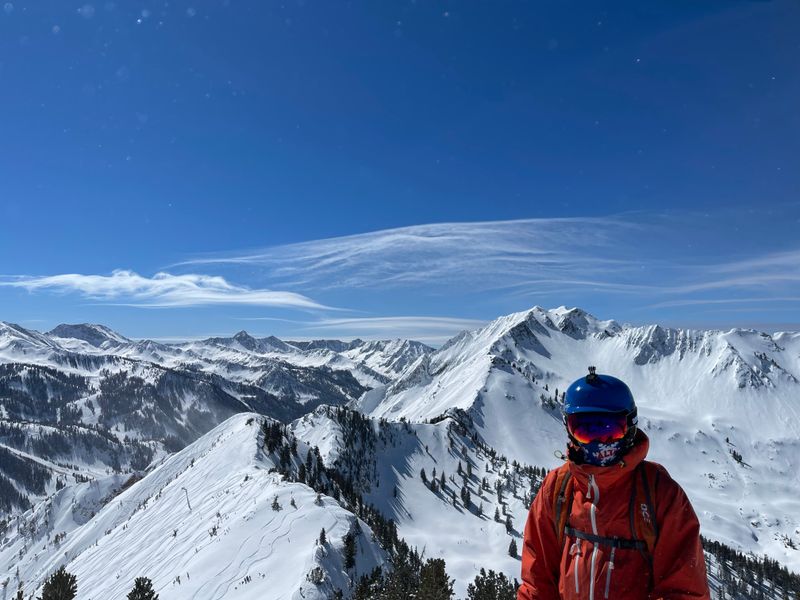
Good gear turns friction into flow. Rockered powder skis sized appropriately keep tips up and turns rhythmic.
Boots you know beat rentals you do not. Avalanche tools and an airbag pack add vital layers of safety when paired with training.
Lenses tuned for flat light reduce guesswork in storm snow.
A small repair kit and snacks save a run more often than you expect. Warm mitts preserve joy.
Your future self thanks you.
Practical Takeaway: Prioritize boots, beacon, shovel, probe, and layered clothing. Demo powder skis locally before the trip, and verify pack weight with essentials only.
Case Study: One Perfect Window
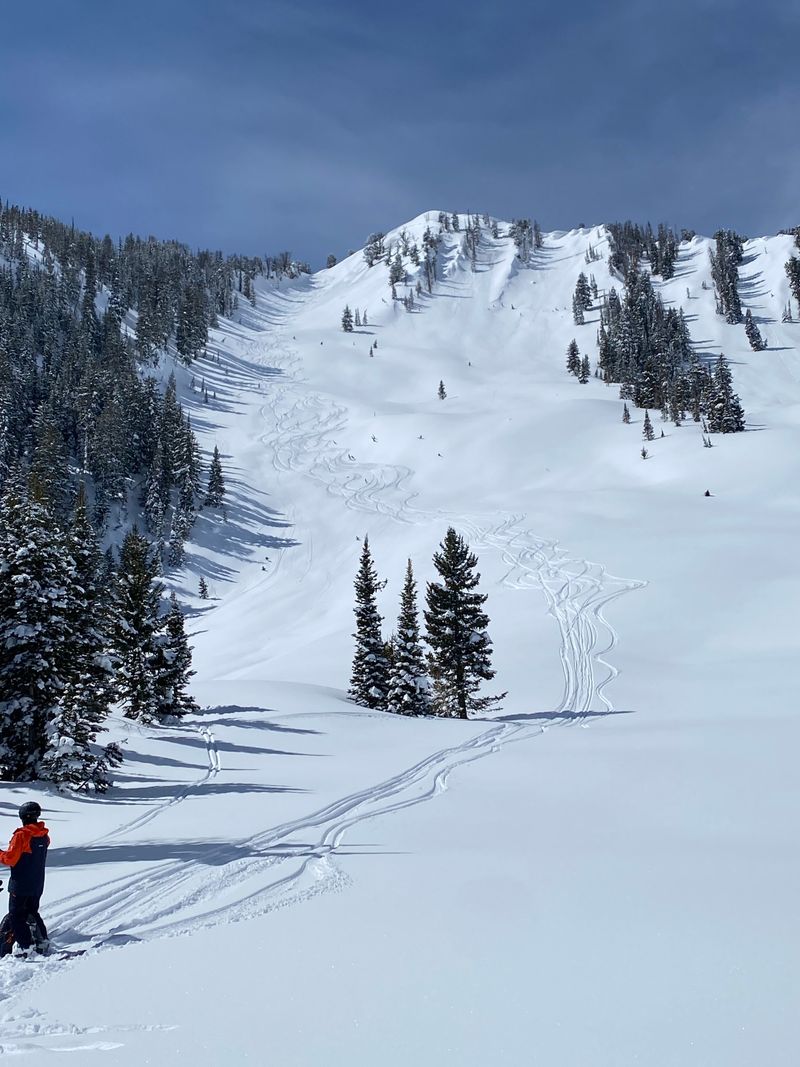
Our group hit a two day window after a midweek storm. Day one stayed in sheltered trees with buttery snow and easy visibility.
Day two dawned clear. A short flight later, we stood above an east facing bowl untouched since the storm.
The first skier floated, laughed, then disappeared in a soft cloud.
We linked three laps with consistent stability tests and conservative route finding. The memory does not fade because it feels earned.
Practical Takeaway: Stack odds by booking midweek, watching storm timing, and trusting trees first if winds linger. Let patience shape the payoff.
Bringing It Home: Meaning Beyond The Turns
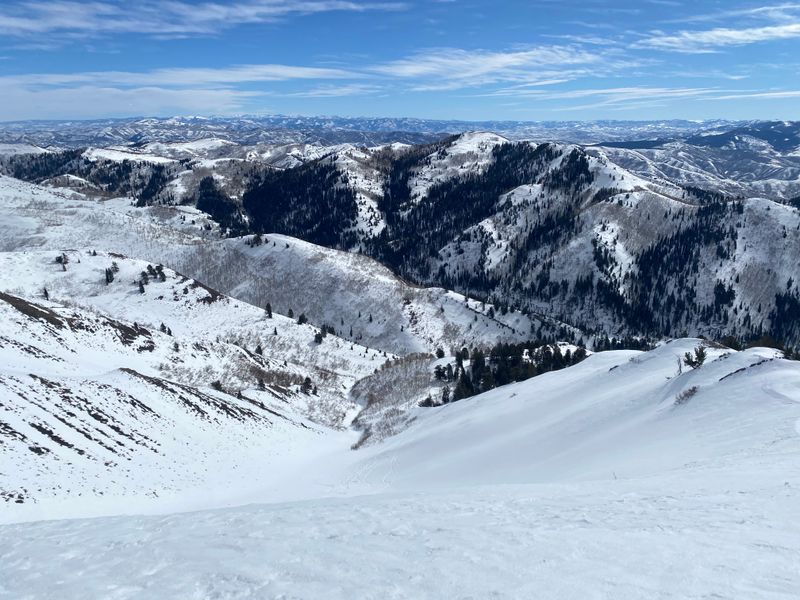
Heli skiing is not just adrenaline. It is perspective.
The scale of winter shrinks your daily noise and expands your attention. You remember how good it feels to learn again, to listen to guides, to move with friends in a place that asks for respect.
The snow becomes a teacher.
Back at the lodge, stories flow and phones stay down. You carry that quiet home, and the season feels fuller for it.
Practical Takeaway: Choose partners you trust, debrief each day, and write a short trip log. The reflection keeps lessons and joy alive long after the last run.
Share this story