Silence is not empty. It is full of details you miss when traffic, alerts, and chatter never stop.
Across the US, there are pockets of deep quiet where your shoulders drop and your breathing slows, where wind and water take back the soundtrack. These sanctuaries invite you to pause, listen closely, and rediscover how restorative true quiet can be.
1. Hoh Rain Forest, Olympic National Park, Washington
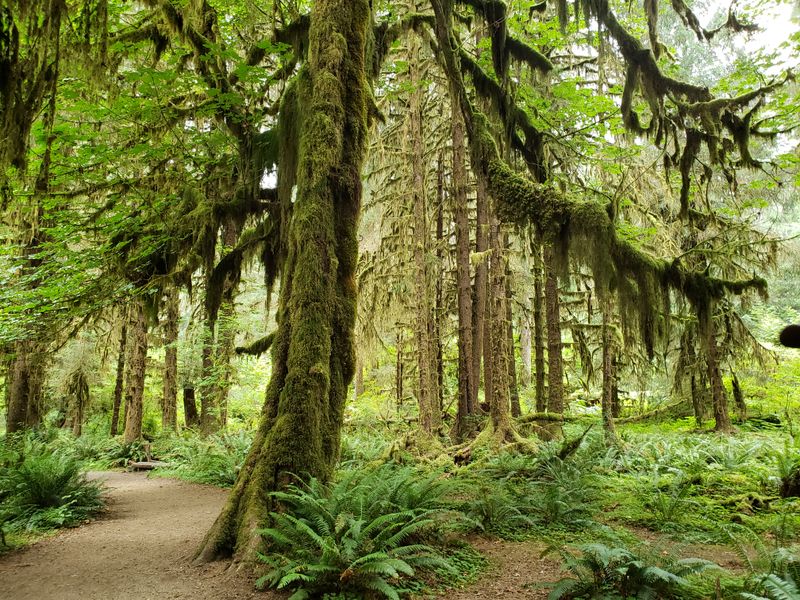
The Hoh wraps you in green silence so dense it feels padded. Moss, duff, and giant trees absorb footsteps until birdsong and river hush rise to the surface.
Follow the Hall of Mosses early and you will hear the forest breathing.
“One Square Inch of Silence” began here to protect natural soundscapes. The calm is not performative, it is functional, restoring frayed attention.
Practical Takeaway: Start at first light, speak softly, and avoid crinkly packaging. Pause beside the river and count seven distinct sounds before moving on.
Your brain will slow to the forest’s pace.
2. Boundary Waters Canoe Area Wilderness, Minnesota
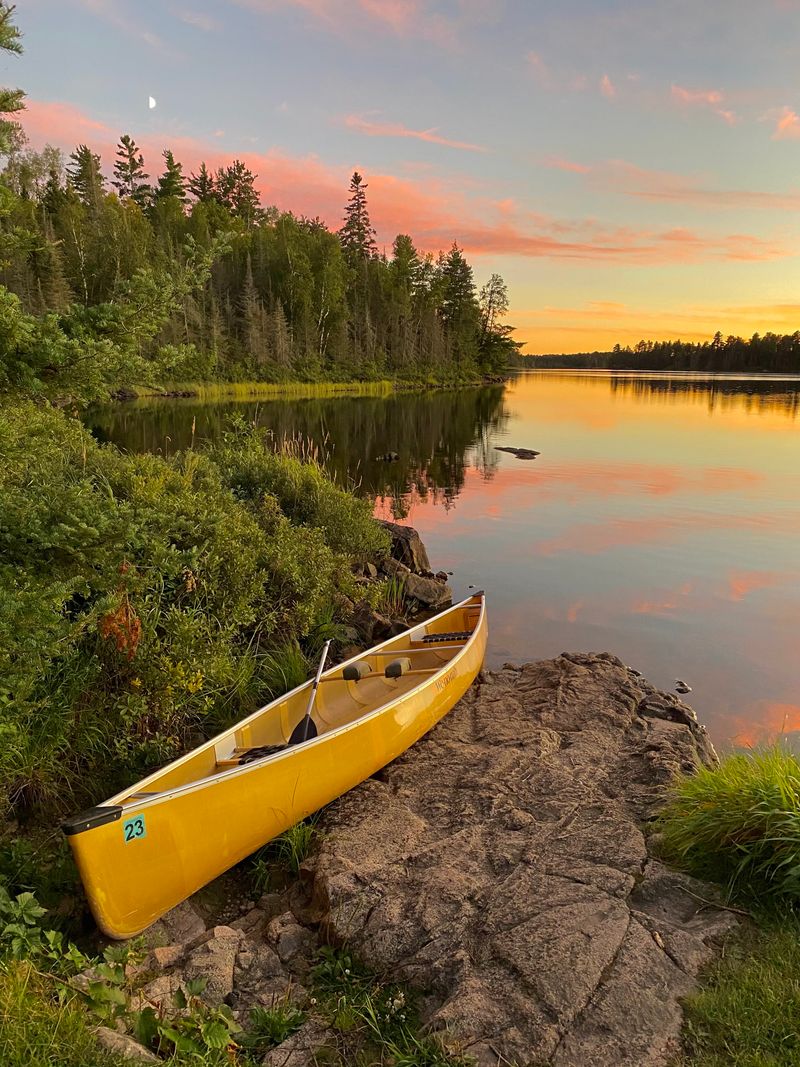
Dip a paddle here and the world narrows to ripples and loon calls. With motorized boats restricted, water carries quiet across bays and portages.
The map feels like an invitation to move slowly, lake to lake, campsite to campsite.
Spanning over a million acres with 1,200 miles of canoe routes, sound has room to travel and dissipate. Nights under northern stars deepen the hush.
Practical Takeaway: Plan short travel days so you can sit still longer. Journal at dusk, listening for the first loon call.
Let the silence edit your thoughts to essentials.
3. 4) Orfield Laboratories Anechoic Chamber, Minnesota
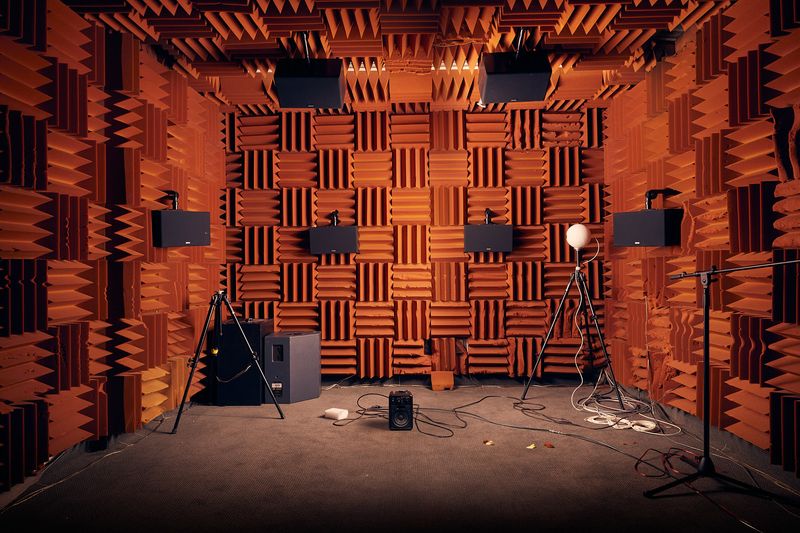
Silence gets clinical here. Step inside the anechoic chamber and external sound disappears so completely that your body becomes the soundtrack.
You hear blood, breath, joints, the tiny mechanics of being alive.
The chamber absorbs 99.9 percent of sound, and background noise registers below human hearing thresholds. Sessions are brief because your inner world grows loud.
Practical Takeaway: Book a timed visit and treat it like a meditation lab. Close your eyes and track what you hear, then notice how ordinary city noise feels different afterward.
It recalibrates your sense of quiet.
4. Gates of the Arctic National Park, Alaska
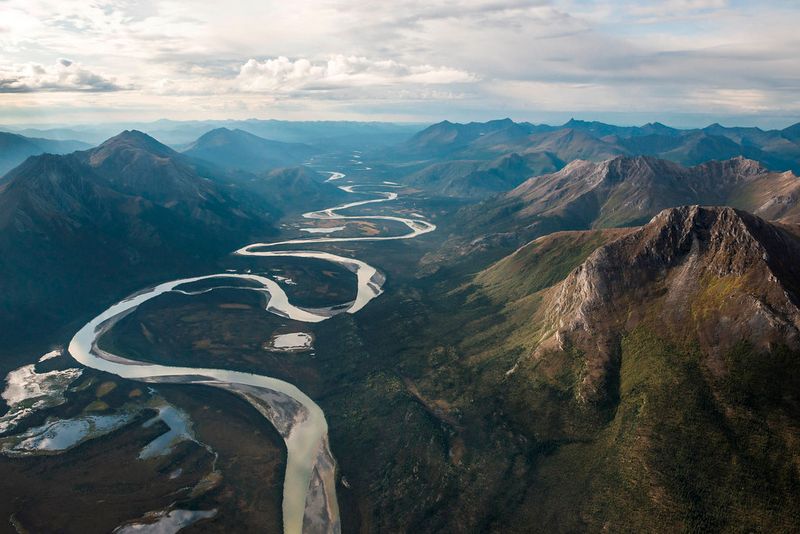
Silence here is braided with distance. No roads, no visitor centers thrumming with chatter, just tundra, braids of river, and the long arc of the Brooks Range.
Your footsteps sound oversized at first, then become part of the land’s meter.
It is among the least visited parks in America, and you feel that in your bones. Weather speaks louder than people.
Practical Takeaway: Work with an experienced guide or pilot, then keep your plans flexible. Hike slowly, stop often, and let the wind decide your pace.
The stillness is spacious, not empty.
5. Haleakala National Park, Hawaii
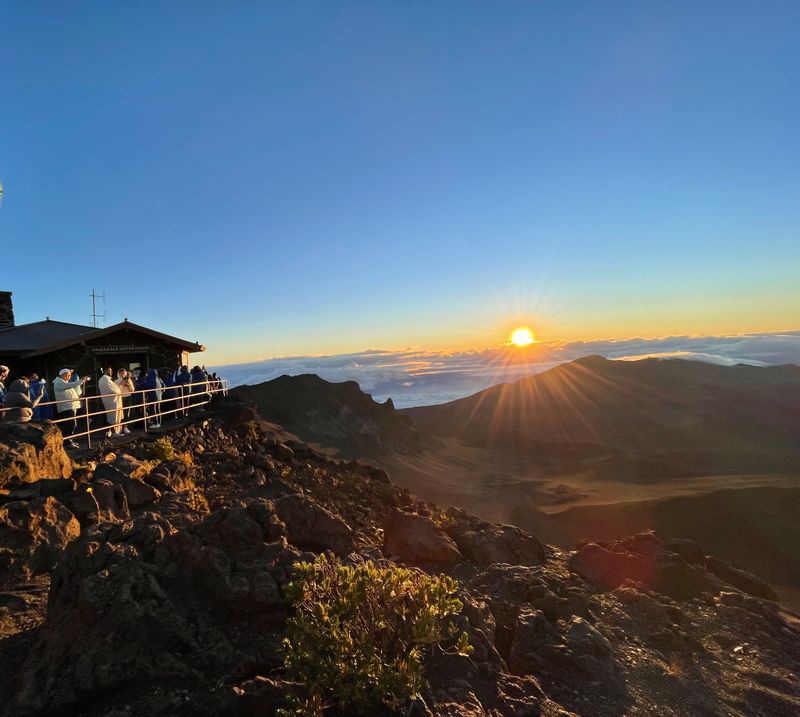
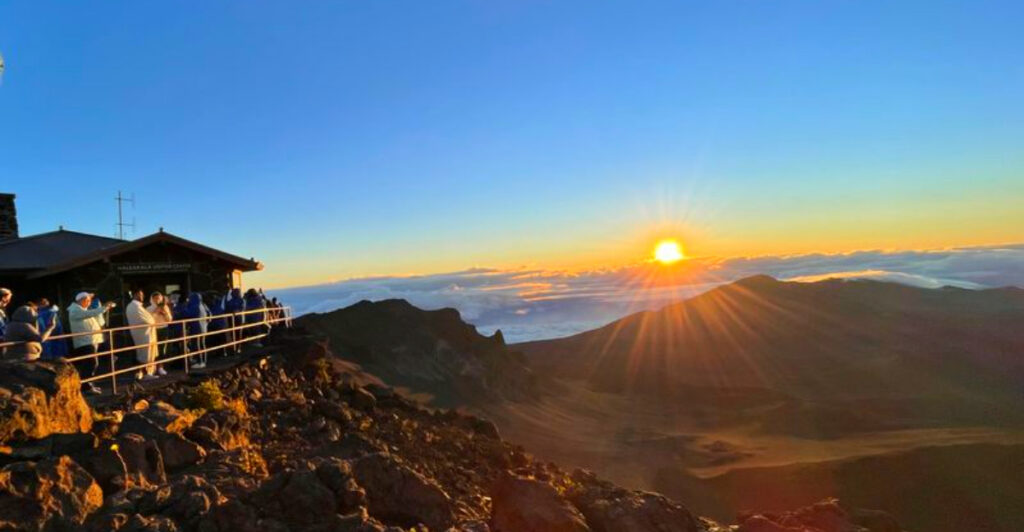
High above the island’s hum, Haleakala’s summit feels like stepping into a quiet sky. The air is thin, the horizon wide, and the crater’s walls seem to swallow stray sounds.
You notice the whisper of your jacket, the soft crunch of cinder, even your heartbeat.
At sunrise, colors bloom slowly, and people instinctively lower their voices. Acoustic ecologists have called it among the world’s quietest high elevation places.
Practical Takeaway: Arrive before dawn, park lower, then walk the final stretch in silence with a warm layer. Give yourself 10 slow breaths at the rim before speaking.
6. Isle Royale National Park, Michigan
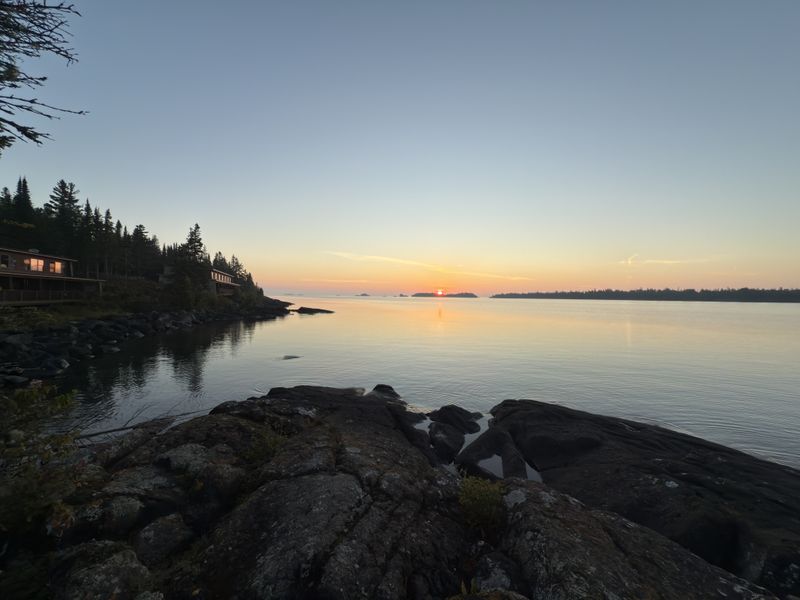
On Lake Superior’s wild island, quiet travels by water and fog. Ferries bring you in, then engines fade and trails take over.
The absence of cars changes everything, including how you measure distance.
Wolves and moose share the soundscape with thrushes and loons. Nights feel tuned to starlight and wave sighs.
Practical Takeaway: Plan for multiple days so your mind can decelerate. Choose a loop with shelter cabins or tent sites, and spend one afternoon doing nothing but listening near a cove.
Let the lake’s breath set your tempo.
7. 7) Great Basin National Park, Nevada
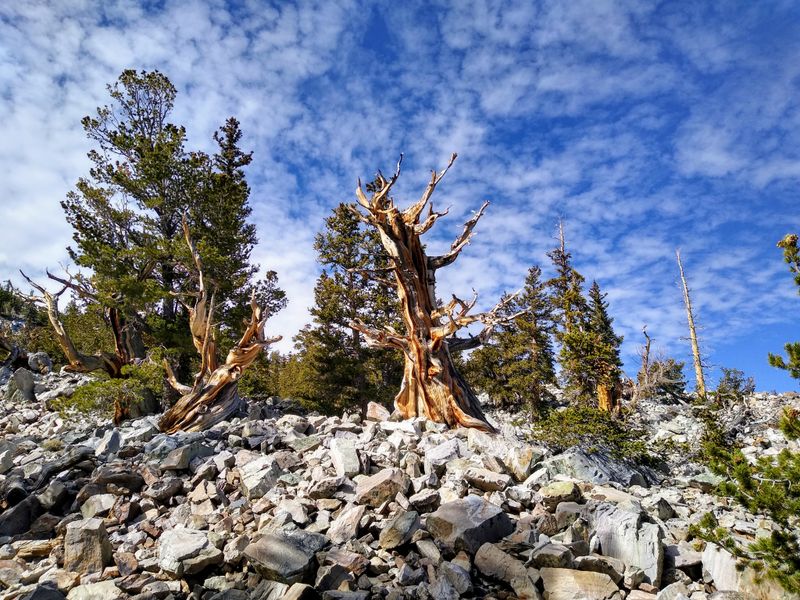
Great Basin’s quiet feels like altitude and time stitched together. Among ancient bristlecones, wind threads needles through millennia of wood.
Away from highways, background levels can drop below 20 decibels, far quieter than urban norms.
Dark skies deepen the sensory reset, as if silence has a visible dimension. Walk a bristlecone loop and breathe with the trees.
Practical Takeaway: Visit on a weekday, aim for early or late shoulder seasons, and carry layers. Pause where the wind falls away behind a ridge and let your ears adjust for a full minute.
The hush will bloom.
8. Great Sand Dunes National Park and Preserve, Colorado
Sand drinks sound. Climb a ridge at dawn and your breath is the loudest thing, until wind lays a soft note along the crest.
The dunes turn footsteps into whispers and invite a slower stride.
Backcountry bowls feel like private amphitheaters for silence and stargazing. Even on busy days, solitude hides in the folds.
Practical Takeaway: Choose off peak seasons and hike one ridge farther than the crowd. Sit on the leeward slope where wind is gentler.
Close your eyes and notice the granular hush of sand sliding under your palms.
9. 9) Linville Gorge Wilderness, North Carolina
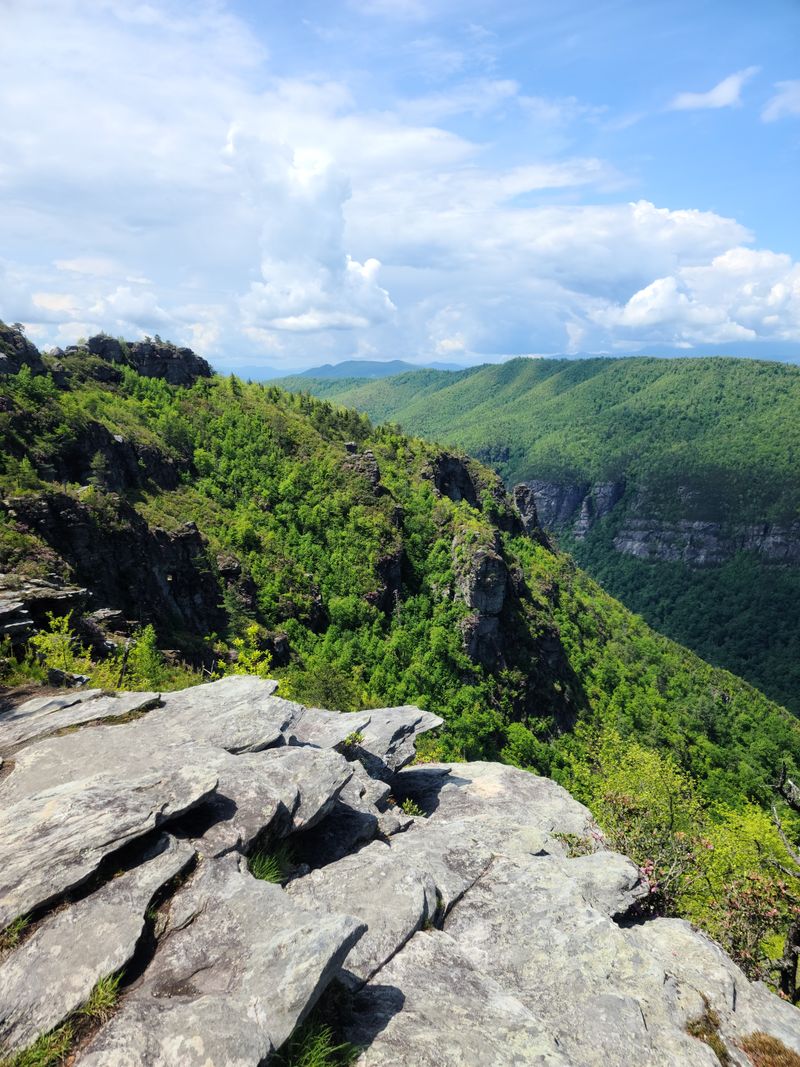
Here, steep walls muffle distant roads and turn the river into a steady metronome. Trails are rugged enough to thin crowds, which amplifies the sense of earned quiet.
Camps tucked on benches above bends feel tucked away from the world.
The hush gathers at overlooks when wind rests. Even your stove hisses seem bold.
Practical Takeaway: Enter midweek, pick a lower traffic trailhead, and store food properly so bears stay uninterested. Camp near a curve where the river’s white noise softens thoughts without stealing silence.
Wake early for blue hour stillness over the gorge.
10. Fort Niobrara Wilderness, Nebraska
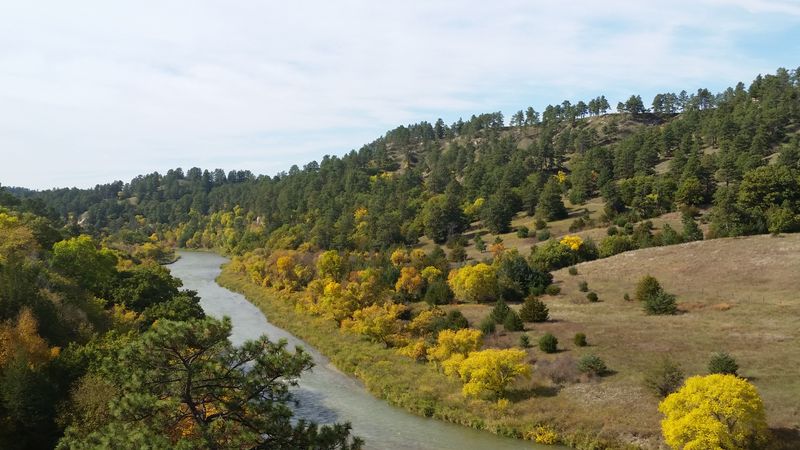
Prairie quiet is horizontal. Grasses brush your legs and the sky feels like a ceiling removed.
Bird calls travel cleanly, and the Niobrara slides past with a steady, calming murmur.
Bison may appear as slow moving punctuation on the horizon. With few people, the soundscape is mostly wind and wings.
Practical Takeaway: Start with a half day wander and keep your phone tucked away. Sit on a river bluff for fifteen minutes without talking, then notice how your hearing expands.
Pack layers, because open country can shift quickly.
11. Lewis Fork Wilderness, Virginia
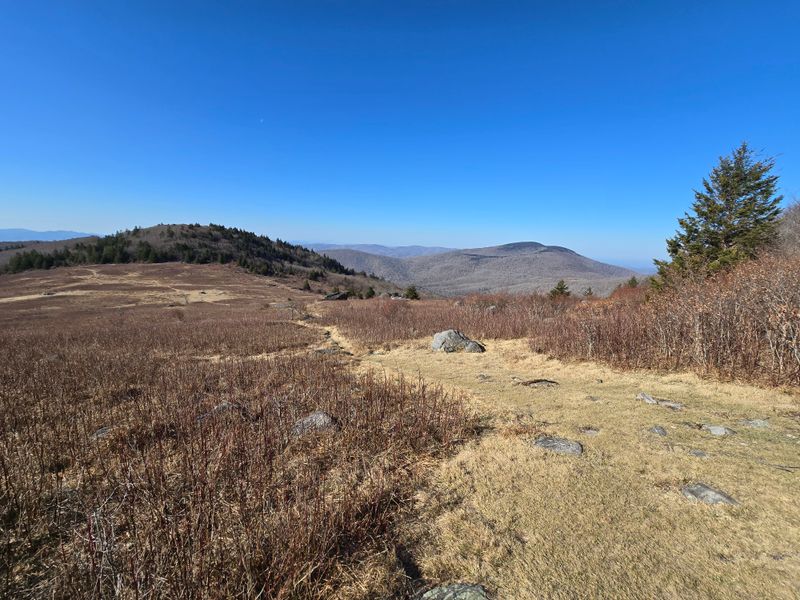
On Mount Rogers’ flanks, the forest turns down the volume knob. Rhododendron tunnels soak up footsteps, and springs add a quiet metronome to the morning.
You notice tiny forest dramas again, like a nut rolling under leaves.
Limited signage and modest traffic keep the vibe protected. Dawn is the hour when quiet settles like dew.
Practical Takeaway: Park at a less popular access and start before sunrise. Bring a simple breakfast and eat beside a spring without conversation.
Let birds, not a watch, call you back to the trail.
12. Voyageurs National Park, Minnesota
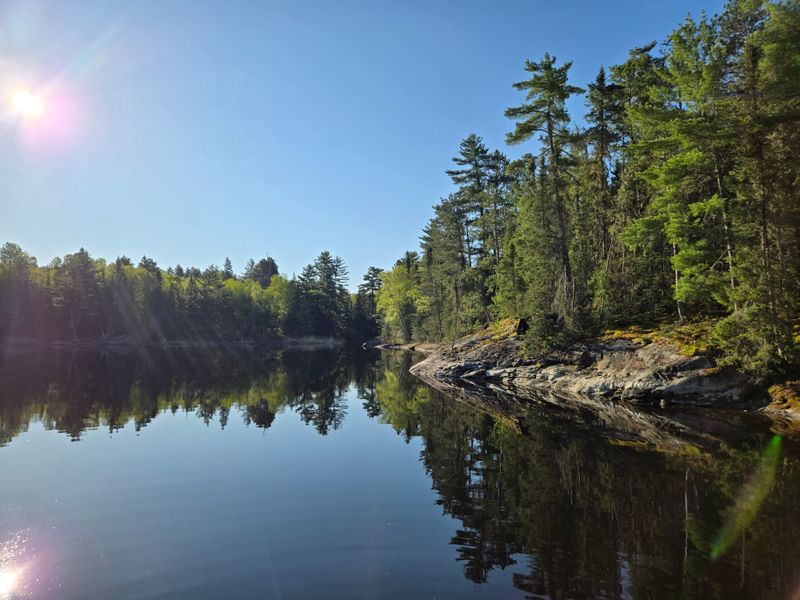
Voyageurs is a park of pauses. Water routes spread visitors thin, so even busy seasons feel gentle away from marinas.
Slide a kayak across glassy water and your paddle drip becomes percussion.
Nights here are dark and generous, perfect for listening to the space between sounds. Quiet rides the surface like mist.
Practical Takeaway: Launch at sunrise for the calmest water and fewest engines. Choose small coves and island leewards where sound pools softly.
Pack a thermos and linger mid lake as dawn reshapes your thoughts.
13. Death Valley National Park, California and Nevada
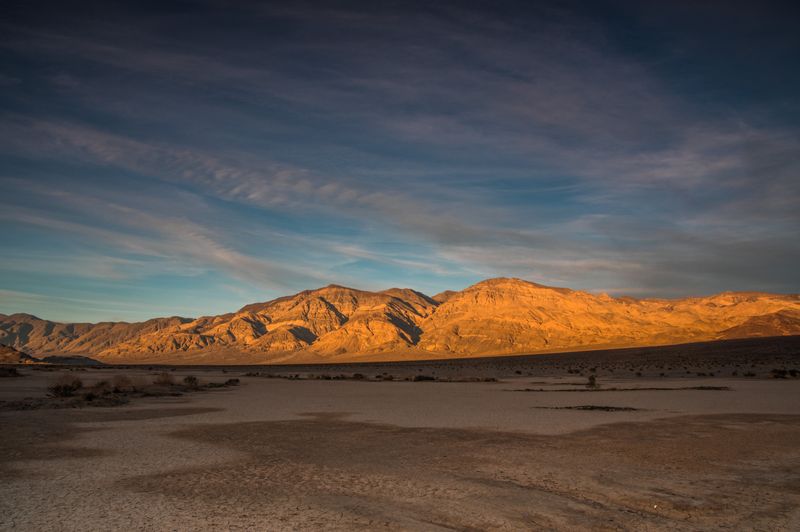
Death Valley’s silence feels extraterrestrial. Salt flats, canyons, and dunes scatter and swallow sound in different ways, teaching your ears new rules.
Wind becomes the main narrator, with long intervals of nothing at all.
Scale makes human noise feel far away. Cooler months open wide windows for slow wandering.
Practical Takeaway: Aim for sunrise or sunset and keep routes conservative. Stand still for a full minute on the salt and then walk ten paces to notice how texture changes the acoustics.
Bring more water than seems reasonable and let the quiet lead.
14. Big Bend Ranch State Park, Texas
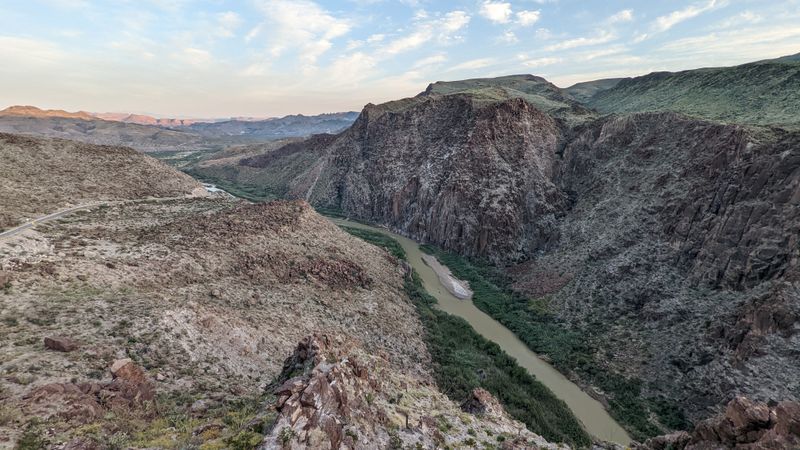
West Texas quiet is big sky medicine. This under visited park gives you hours without engines or crowds.
Canyons and mesas hold stillness like a basin, and nights erupt with stars that seem to make their own soft sound.
Hikes unfold in deliberate beats under desert sun. Even conversation feels optional.
Practical Takeaway: Camp away from main corridors and turn headlamps off for a few minutes to let darkness settle. Walk at dawn when air is coolest and sound travels clean.
Let the desert’s patient rhythm tune your day.
Share this story