If your ideal vacation trades crowds for quiet streets and lingering sunsets, these small Spanish towns belong on your list. Each offers a soothing rhythm, authentic flavors, and a sense of place that invites you to slow down.
You will find hilltop vistas, secret coves, and historic lanes that feel made for unhurried wandering. Let this guide help you pick the perfect escape and breathe a little easier.
Frigiliana
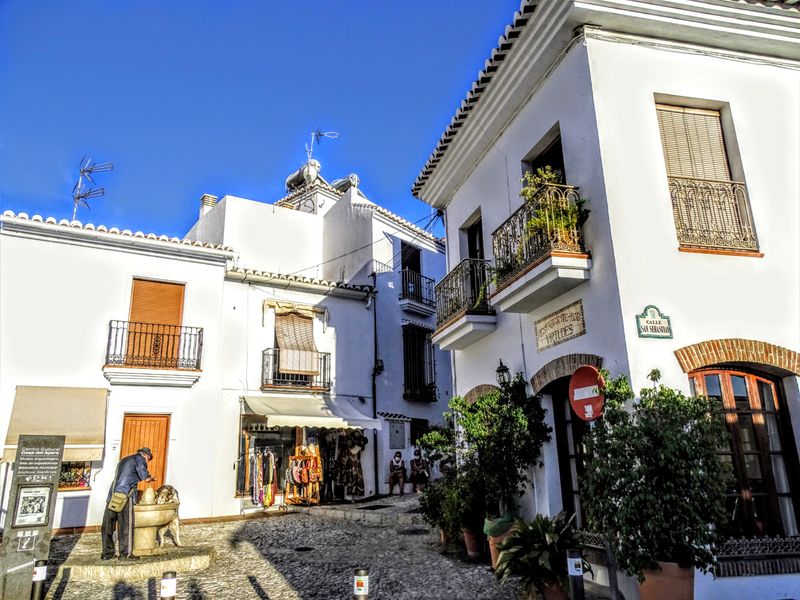
Frigiliana welcomes you with sunlit whitewashed alleys that rise and twist like a calm labyrinth. Bougainvillea spills over balconies, and the scent of jasmine lingers as you wander cobblestones polished by centuries of footsteps.
You can pause in shaded plazas for chilled vermouth and tapas, then continue exploring without the rush found in larger cities.
Views stretch toward the Mediterranean, and Burriana Beach sits close enough for an easy afternoon by the water. Artisans sell ceramics, leatherwork, and local delicacies, including prized sugarcane honey that sweetens pastries and cheeses.
If your timing is right, the annual honey festival fills streets with music, tastings, and storytelling.
Frigiliana’s pace encourages lingering conversations and unplanned moments. Stop to photograph painted tiles that narrate local history, or slip into a tiny bodega for regional wines.
When sunset warms the hilltops, you can follow lantern-lit lanes back to a terrace and watch the town glow.
Cudillero
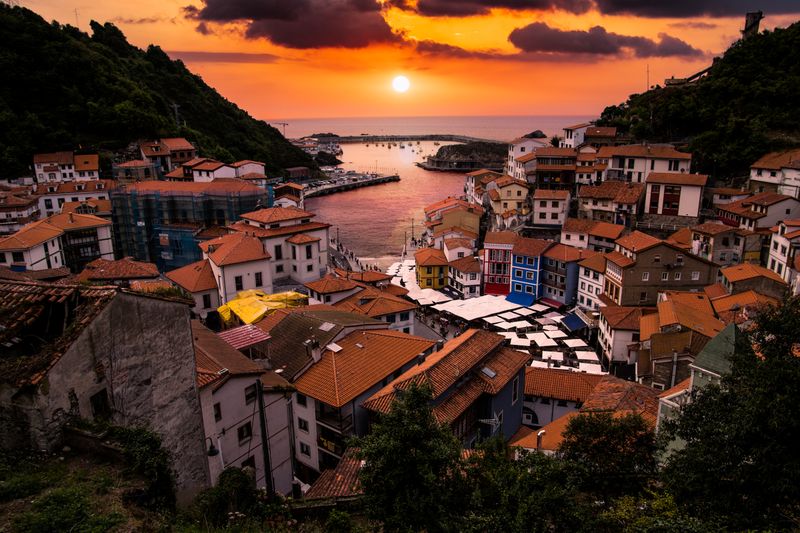
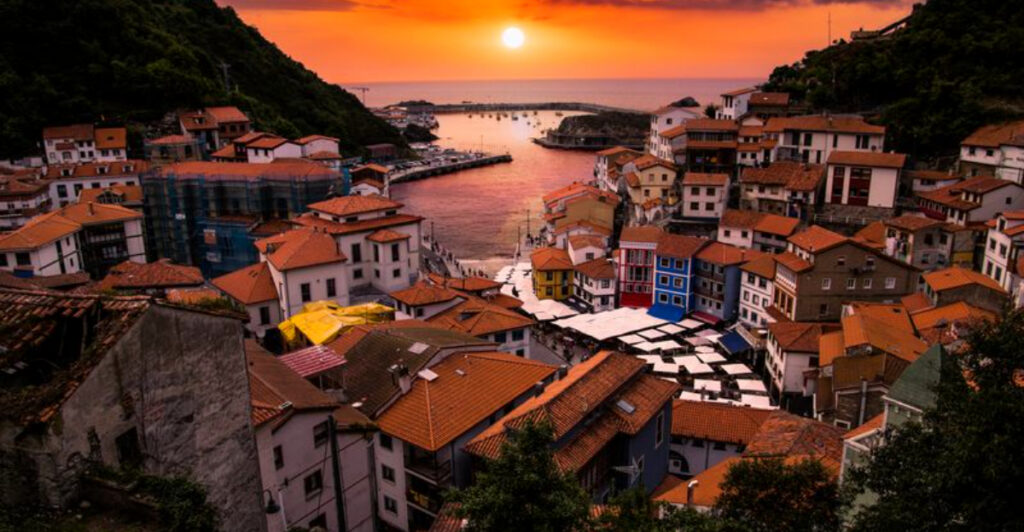
Cudillero unfolds like a painted amphitheater, with houses stacked in cheerful colors above a quiet harbor. You can wander up narrow stairways to balconies where geraniums spill over railings and gulls wheel over the Atlantic.
Down below, fishing boats sway gently, and the day’s catch lands at tiny restaurants with chalkboard menus.
The village feels unhurried, and viewpoints reward you with sweeping coastal panoramas. Cape Vidio, just a short drive, offers cliffside walks and dramatic sunsets that you may have mostly to yourself.
Order grilled hake or squid while listening to soft conversations and the rhythmic clink of masts.
Evenings invite a slow stroll along the quay as the sky dims to lavender. The glow from tavern windows makes the streets feel cozy and timeless.
If you crave a soothing seaside pause, Cudillero delivers with color, flavor, and the sound of waves.
Ronda
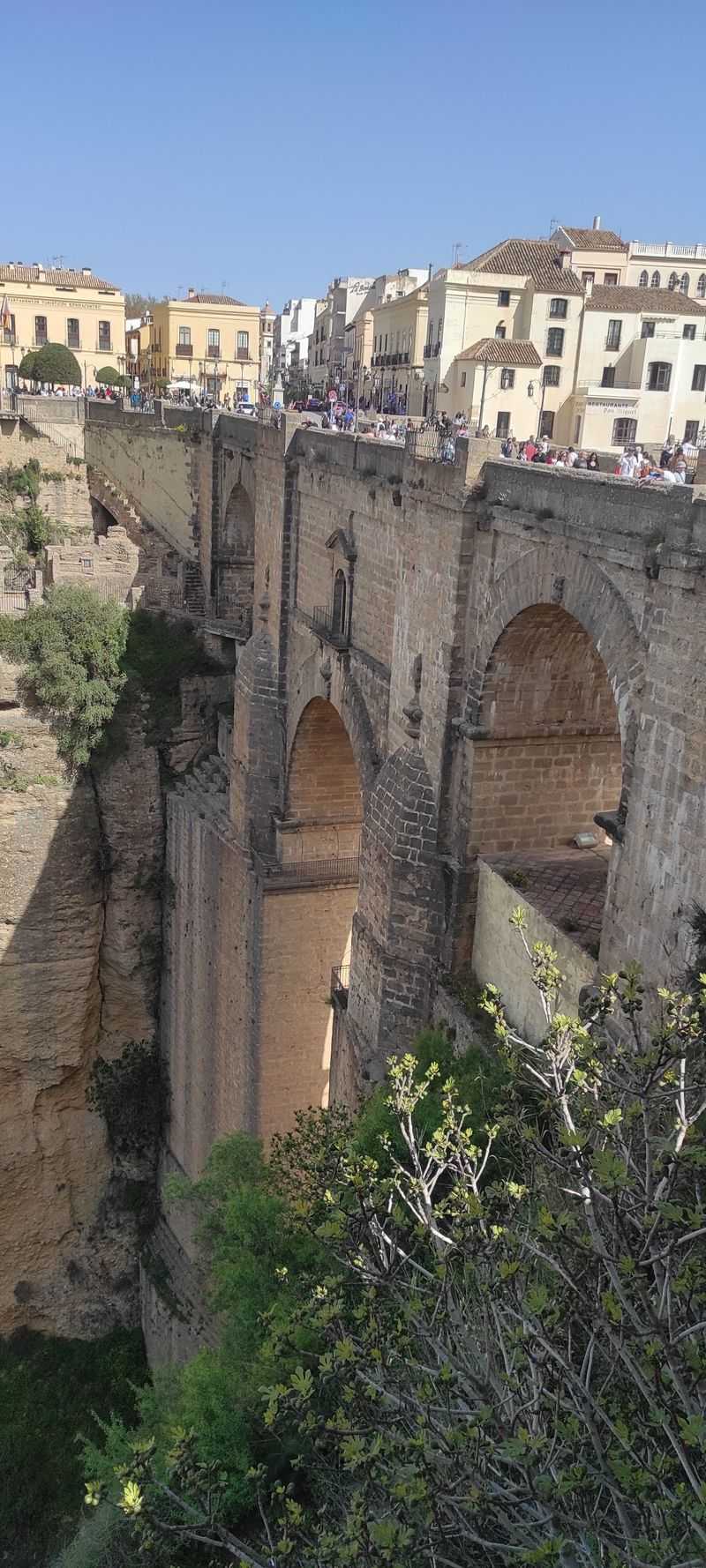
Ronda balances on the edge of El Tajo gorge, where the Puente Nuevo bridges time and landscape. Stand at the parapet and watch shadows deepen across the chasm, then drift into lanes lined with stone facades and iron balconies.
The pace slows naturally here, encouraging you to sit with a coffee and let the view do the talking.
History is everywhere, from Arab baths to quiet churches that carry centuries of devotion. Small museums and leafy plazas offer soft landings between strolls along cliffside paths.
If you visit at sunrise or sunset, light turns the walls honey-gold and the gorge breathes cool air.
Evenings may lead to tapas with local wines as the town settles into a hush. You can trace the contours of the Sierra in the distance and feel time stretch.
Ronda suits travelers seeking scenery, story, and serenity in equal measure.
Albarracín
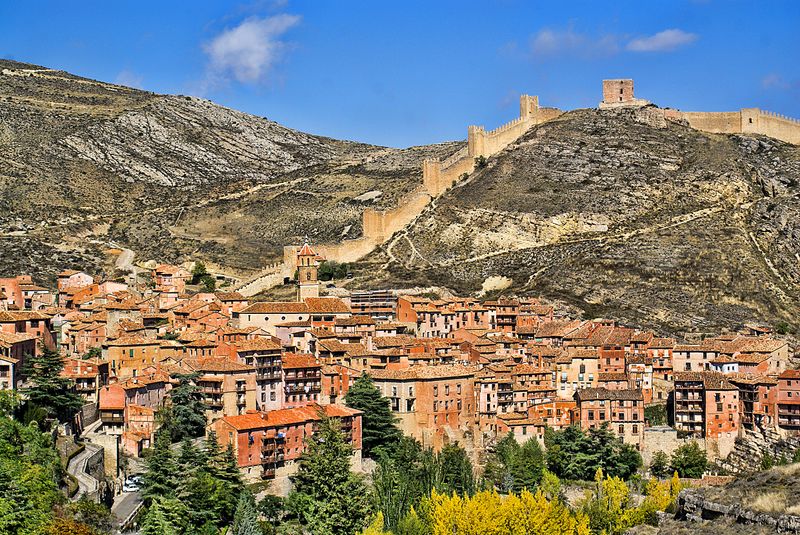
Albarracín rises from a bend in the river like a terracotta mirage. Medieval walls loop over the ridge, and narrow streets tilt and twist between timbered houses.
You can hear footsteps echo under stone arches as the town wakes slowly to mountain light.
This is a place for gentle wandering and long looks. The air carries pine and earth, and viewpoints reveal roofs layered like scales.
Local cafés serve hearty Teruel dishes, perfect after a mild hike along the river or up to the ramparts.
History feels close enough to touch, yet the atmosphere is soothing rather than solemn. You will find artisans crafting leather and carved wood, and small museums that reward curiosity.
Albarracín’s quiet makes space for thought, offering mountain calm and stories in every corner.
Peñíscola
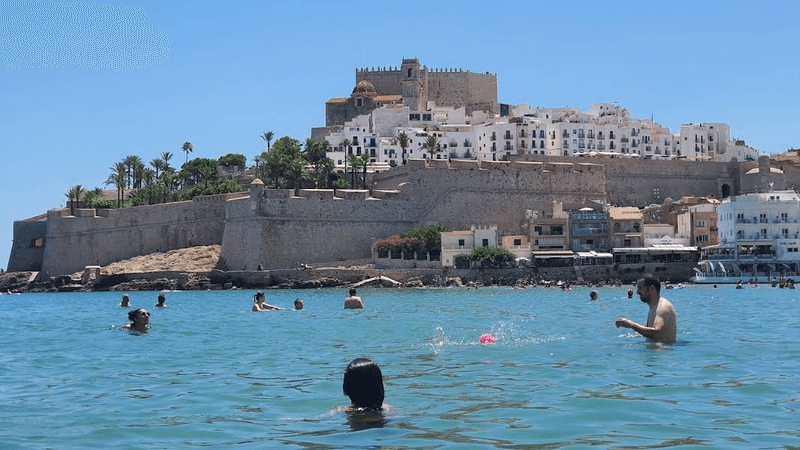
Peñíscola perches on a rocky headland where a Templar castle surveys the sea. White lanes climb toward the fortress, opening to balconies with glittering water views.
You can wander the ramparts, then meander down to broad beaches that invite naps, swims, and aimless reading.
On the promenade, the breeze smells of salt and sunscreen, and cafés put out plates of anchovies and olives. The old walls glow softly at night, making a slow walk feel like a scene from a film.
Families and couples gather without hurry, and conversation replaces noise.
When you want both heritage and seaside ease, this town supplies a perfect balance. Spend mornings sightseeing and afternoons settling into sand.
As stars appear, order seafood paella and listen to waves lap beneath the castle.
Altea
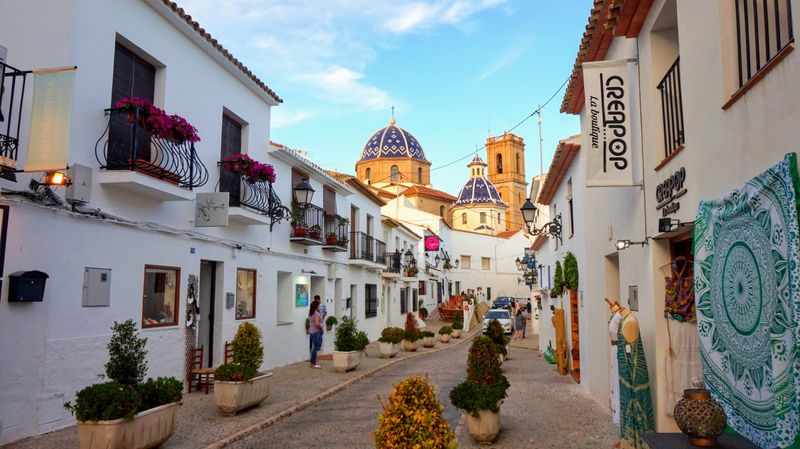
Altea’s white old quarter rises toward a blue-domed church that catches the light. Mosaic streets curl past studios, and balconies bloom with potted geraniums.
You can linger over sangria on a terrace while the Mediterranean shimmers below.
Walk slowly and peek into small galleries where artists chat about color and coastlines. The waterfront is close for a swim, a sail, or simply a nap with waves as soundtrack.
Even in summer, you can find quiet corners and breezy viewpoints.
Altea offers a restorative rhythm that rewards unplanned afternoons. Choose seafood rice, watch the sky soften, and let conversations stretch.
When church bells ring, they mark time gently, reminding you this is a town for unwinding.
Cadaqués
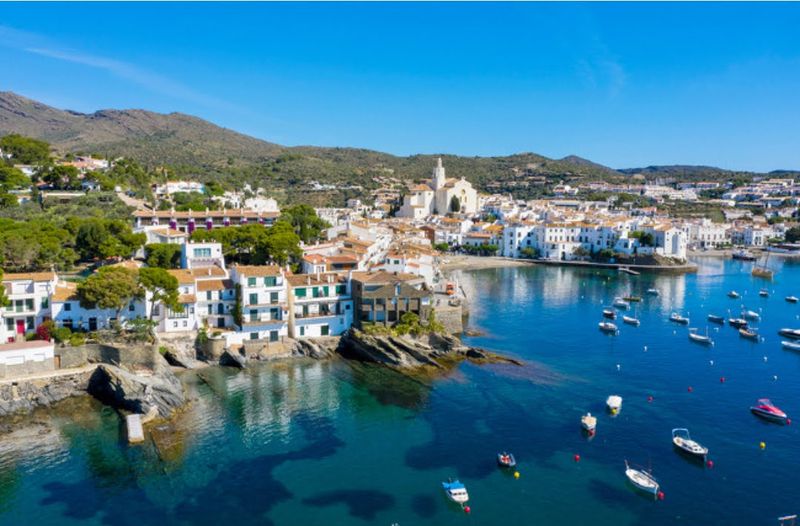
Cadaqués settles around a bright bay where boats rock like punctuation marks. White houses reflect the sea’s light into narrow lanes that invite quiet wandering.
You can sit by the water sketching, reading, or simply soaking in that famous Costa Brava clarity.
Art trails lead to galleries and to nearby Portlligat, where Dalí found endless inspiration. Coastal paths curl to hidden coves perfect for a swim and a picnic.
Cafés serve crisp seafood and local wines that pair with salty breezes.
Evenings carry guitar notes and soft conversation across the harbor. As the sky turns violet, the town feels suspended between sea and imagination.
Cadaqués gives you space to breathe and to let ideas drift.
Patones de Arriba
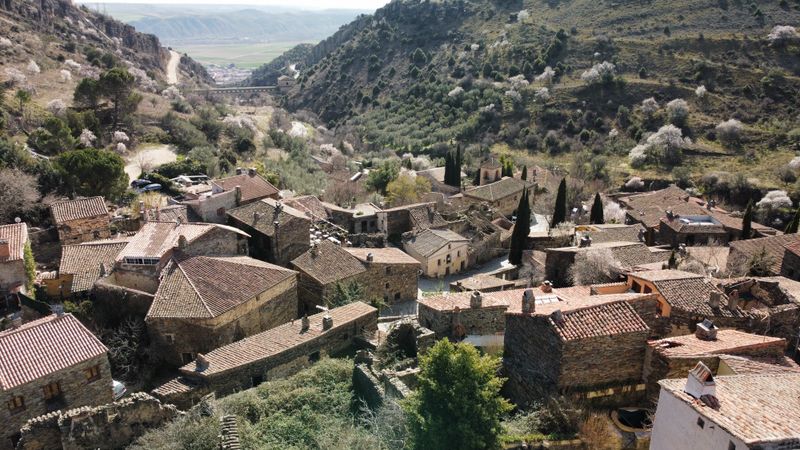
Patones de Arriba is a hillside hamlet built from slate, its houses blending into the landscape. Narrow alleys step upward, revealing terraces made for slow lunches and long looks.
You can hike gentle trails that thread through olive trees and wild herbs.
The village keeps a timeless quiet even on weekends. Rustic restaurants specialize in roasts and local cheeses, and terraces hang above a green valley.
The mountain air feels clean, and the views unspool for miles.
If you want a quick escape from Madrid, this is an easy, satisfying choice. Park below and climb at your pace, stopping for photos of slate textures and blooming thyme.
By afternoon, you will feel like you have been away much longer.
Roncal
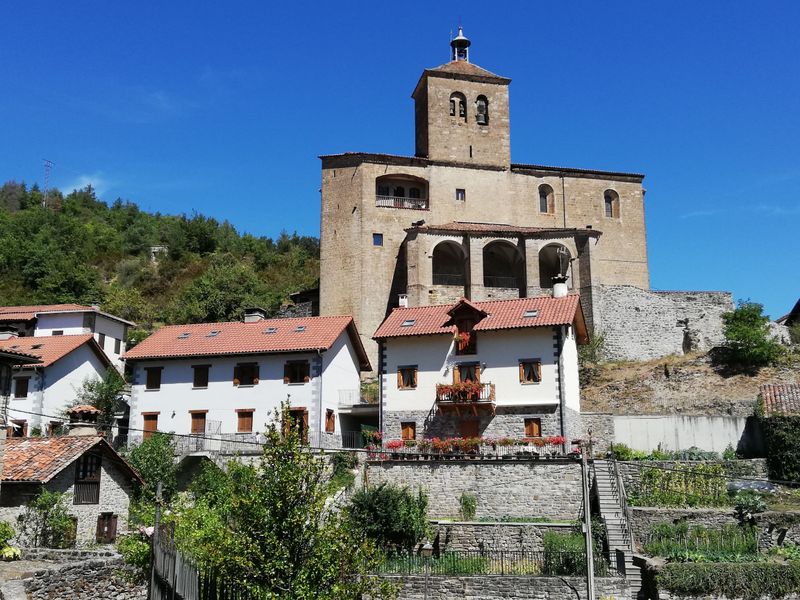
Roncal rests in a lush Pyrenean valley where forests meet stone houses with carved balconies. Cobbled lanes wind past fountains, and bells mark the hour with gentle certainty.
You can wander to small chapels and sit with coffee while watching clouds snag on peaks.
Autumn paints the slopes in copper and gold, turning every viewpoint into a postcard. Local cheeses, especially Roncal DOP, make simple lunches feel special.
Trails along the river offer leisurely walks that smell of pine and wet earth.
Even in high season, the village keeps its composure and calm. Afternoons pass easily, and evenings bring soft conversations in lamplight.
Roncal is a retreat for travelers who want nature, heritage, and quiet in one place.
Lastres
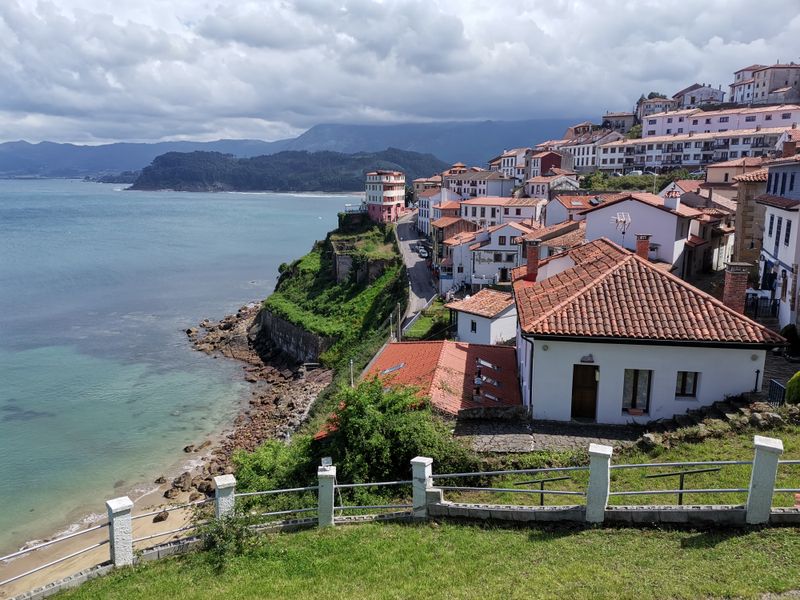
Lastres tumbles toward the Cantabrian Sea in gentle tiers of pastel facades. From the Mirador de San Roque, you can watch tides trace silver lines across the bay.
Down by the harbor, fishing boats idle and gulls annotate the sky.
The town rewards slow strolling with corners that reveal old stonework and painted doors. Restaurants serve cider with grilled fish, and servers move at the village’s unhurried rhythm.
The scent of salt and eucalyptus drifts through streets after rain.
Sunset wraps everything in a tender blue, and conversations soften with the light. Choose a bench and let the view do its work.
Lastres is a coastal hush that stays with you long after you leave.
La Isleta del Moro
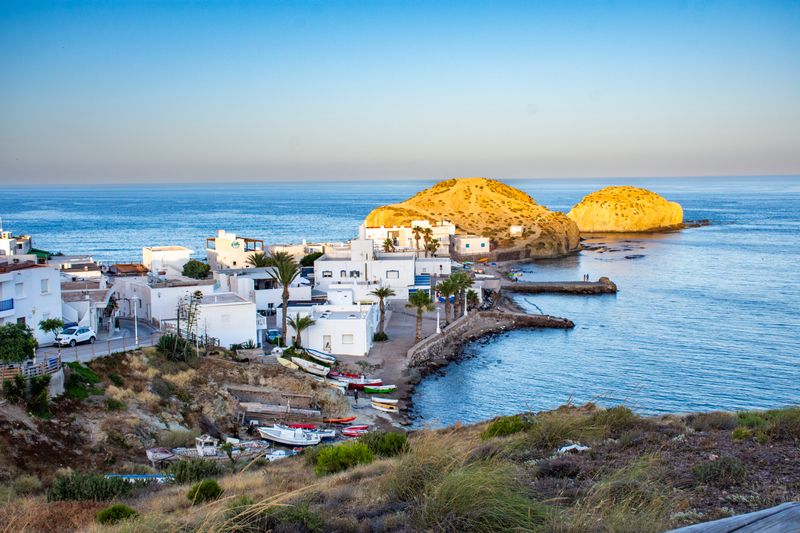
La Isleta del Moro is a quiet curve of white cottages tucked into Cabo de Gata’s volcanic shore. The water is startlingly clear, and coves shelter swimmers, kayakers, and daydreamers.
You can step from a seafood lunch straight into the sea.
Afternoons slide by as boats nod at their moorings and the horizon hums with heat. Trails climb brown headlands for views that stretch across jade and cobalt.
The village keeps its fishing soul, and nights are for stargazing and soft talk.
If crowded beaches exhaust you, this place restores balance. Bring a mask for snorkeling and a book you might not finish.
With simple pleasures and wide sky, La Isleta makes slowing down effortless.
Aýna

Aýna clings to a canyon in the Sierra del Segura, its terraces stepping toward a green river. Locals call it Manchegan Switzerland for mountain views that fold and refold into distance.
You can trace switchbacks to overlooks where hawks ride thermals.
Morning mist lifts slowly, revealing orchards, gardens, and tiled roofs. Cafés spill onto small squares where time feels elastic and conversations unhurried.
Trailheads start near town, so a scenic walk may begin just after breakfast.
As the day cools, you can settle into a balcony seat and watch pink light slide across limestone. Regional stews and grilled meats taste especially good after miles of fresh air.
Aýna’s quiet is confident and deep, perfect for a reset.
Piornedo
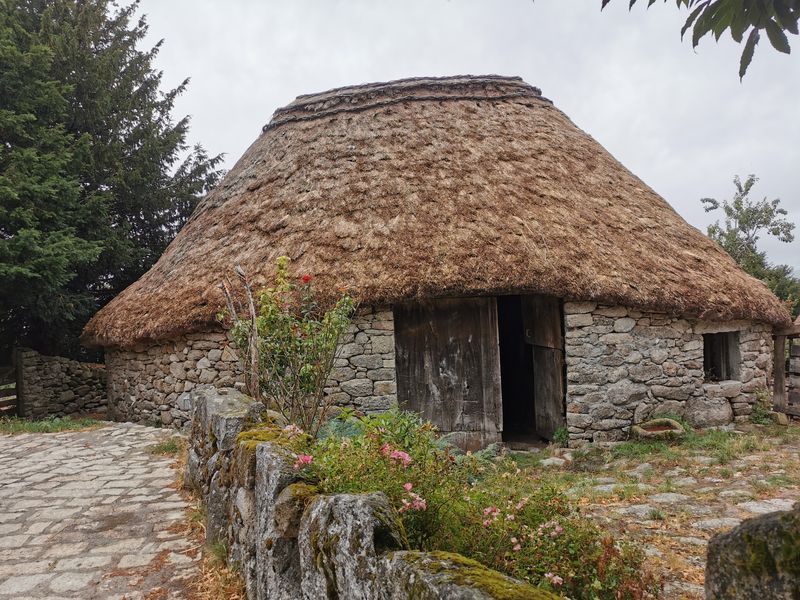
Piornedo preserves a cluster of thatched pallozas, their curves shaped by centuries of weather. Stone paths connect homes and barns as meadows slope into dark forests.
You can feel the Ancares mountains gather around you like a calm embrace.
Hikes lead through ferny hollows and ridgelines where wind sings in the grass. Afterward, sit with caldo, cheeses, and bread that taste of the landscape.
Locals share stories that move as slowly as the clouds.
Without hurry or spectacle, Piornedo gives you quiet plus culture. Photograph textures of straw and slate, then let the camera rest.
Evening fog may drift in, and the village becomes a soft, lantern-lit circle.
Vejer de la Frontera
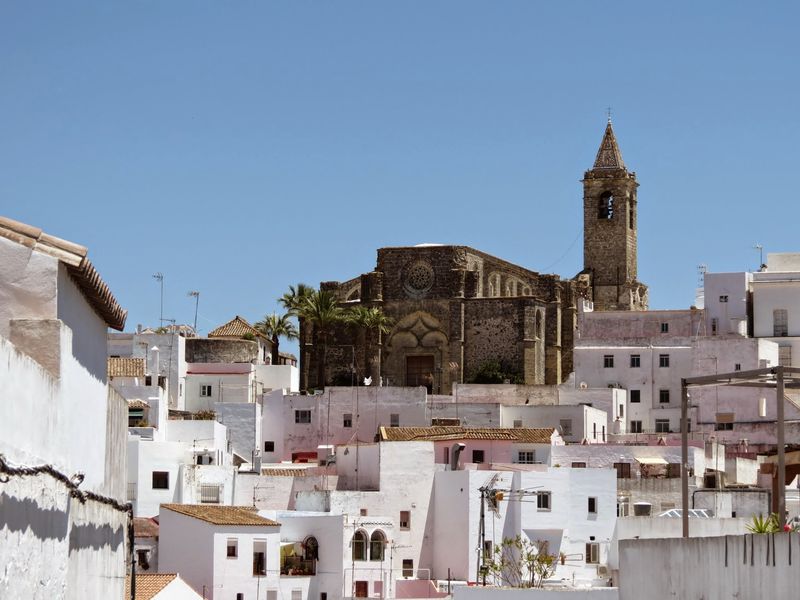
Vejer de la Frontera crowns a hill in a sweep of white that glows at sunset. Moorish arches and patios open to lanes that loop and climb in playful patterns.
You can drift from viewpoint to viewpoint, catching glimpses of the Atlantic and fields below.
Small restaurants serve tuna from nearby Almadraba and fragrant stews that invite lingering. Citrus trees perfume courtyards, and boutiques sell woven baskets and ceramics.
Windmills watch from surrounding hills like quiet sentinels.
The town’s calm is deeply felt in late afternoon, when shadows sharpen and the breeze cools. Choose a terrace, order mint tea or sherry, and let time loosen.
Vejer offers relaxation braided with history and light.
Besalú
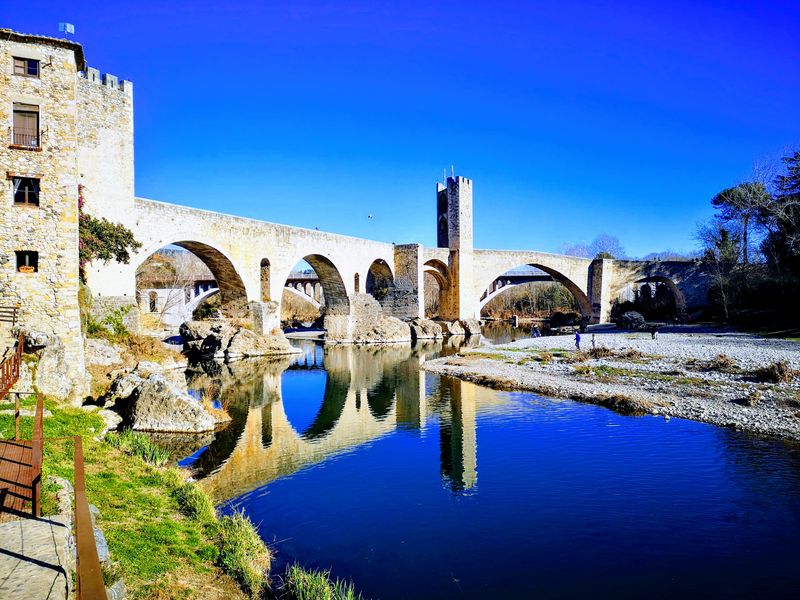
Besalú greets you with a stone bridge that seems to float above its own reflection. Romanesque arcades, chapels, and courtyards unwind in a compact, walkable center.
You can step from a museum into a sunlit square and feel centuries settle.
The town favors gentle exploration over checklists. Cafés edge the river with tables that invite second coffees and unplanned sketches.
Antique shops and bakeries sit side by side, and everything moves at a considerate pace.
At dusk, the bridge glows and the river stills to a mirror. Find a bench and listen to water slip past old stones.
Besalú offers quiet discovery, one measured step at a time.
Share this story