History often pivots on objects you might pass without a second glance. A crate, a cap, even a sheet of paper can punch above its weight when timing, technology, and human ambition collide.
As you read, you will see how ordinary things became launchpads for revolutions, wars, and cultural earthquakes. The lesson is simple and a little thrilling: small objects can change everything, including how you see your own world.
1. A Wooden Crate in Sarajevo
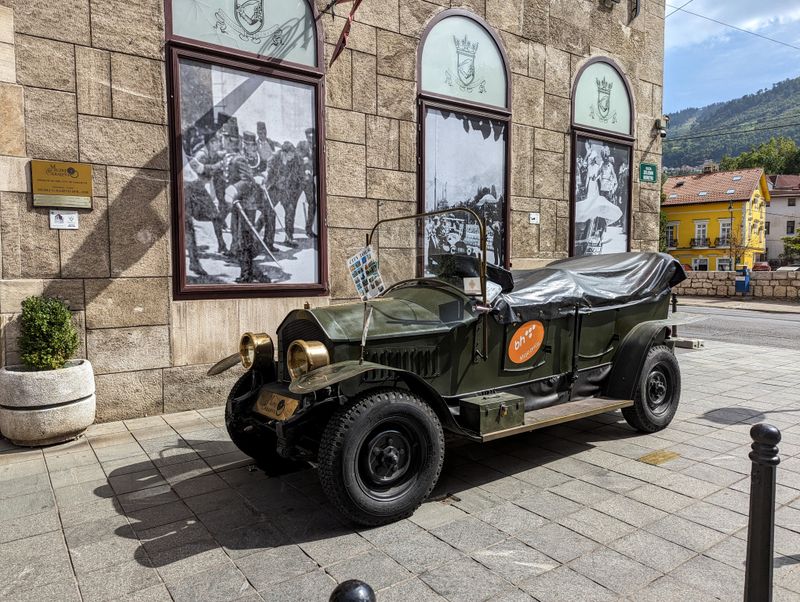
You picture an unremarkable wooden crate. Inside, a pistol slipped through city shadows, ultimately landing in the hands of a nervous young assassin on a crowded Sarajevo street.
When shots rang out, Archduke Franz Ferdinand fell, and the world tilted.
The crate did not choose history, but it carried it. Those weapons turned Balkan intrigue into a global war, as alliances snapped into action like loaded springs.
The practical takeaway for you: logistics decide outcomes. Track how small channels move big power, and you will understand why supply lines, smuggling routes, and overlooked containers often write the first draft of history.
2. A Printing Press
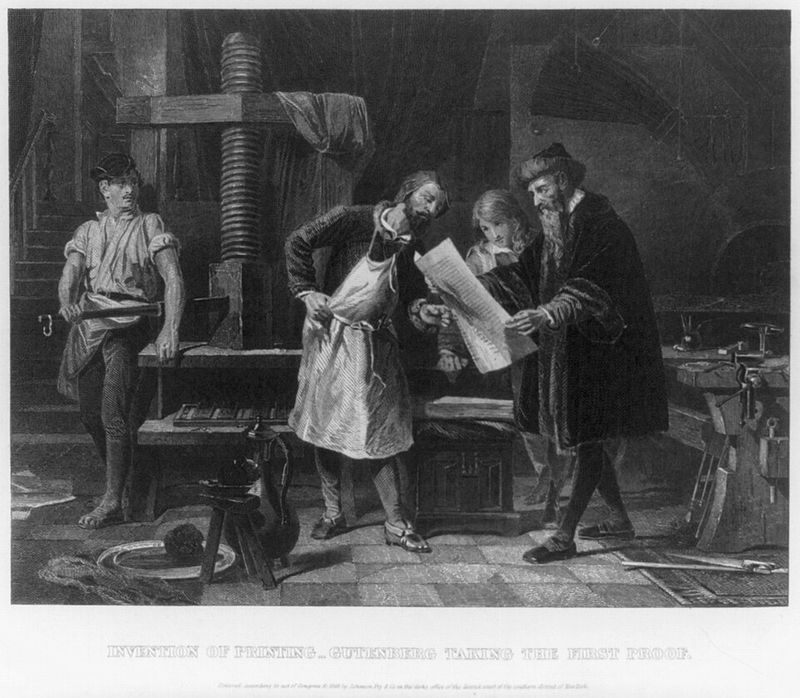
What looks like a creaky machine of levers and lead became the loudest voice in Europe. Gutenberg’s press multiplied words, lowered costs, and pushed ideas beyond church pulpits and royal courts.
When Luther’s theses spread, readers found themselves holding arguments once reserved for elites.
Cheap pages became political accelerants. Within decades, literacy rates rose in urban centers, guilds funded pamphlets, and power began to shift from the few to the many.
For you, the lesson is distribution. If you control how fast ideas move, you influence who wins debates, builds coalitions, and converts curiosity into change.
3. A Piece of Bread
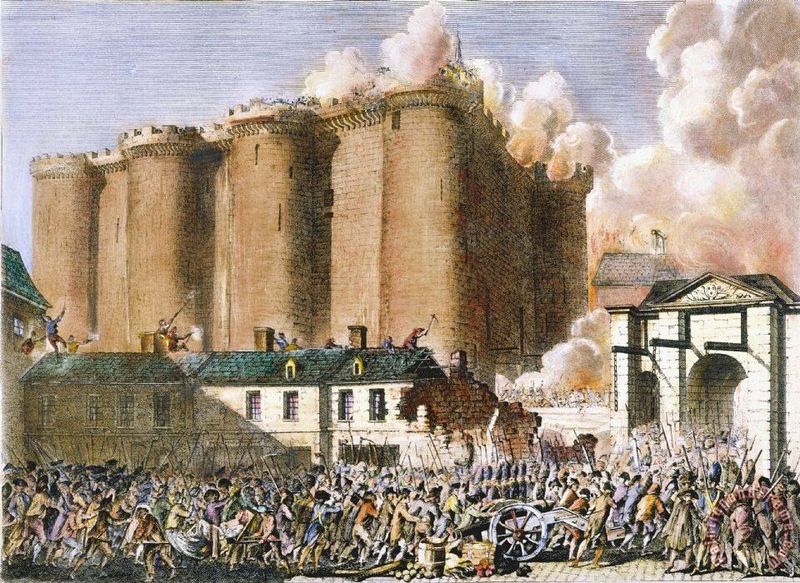
Bread should comfort, not combust. Yet rising prices in late 18th-century France turned loaves into lit matches.
Housewives watching flour costs spike did not need pamphlets to understand injustice. Hunger wrote its own manifesto.
Food markets became forums where rumors and outrage mixed. When scarcity met scandal, crowds surged, and the monarchy’s distance felt lethal.
For you, the signal is everyday price pain. When a staple turns volatile, politics turns kinetic.
Track food inflation and you can forecast unrest. In 2023, the FAO Food Price Index still showed volatility, reminding leaders that calories carry more than energy.
They carry legitimacy.
4. A Typewriter
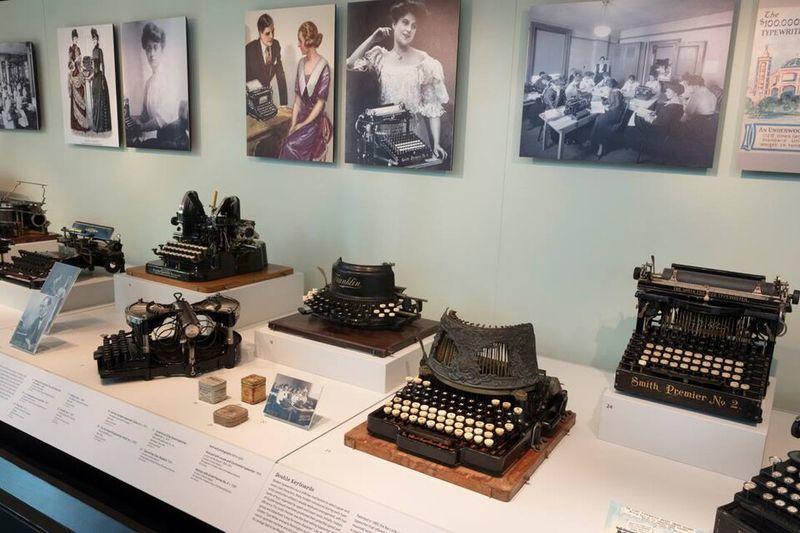
A typewriter looks like efficiency, and it was. Keystrokes standardized letters, quickened memos, and multiplied records.
Governments and corporations scaled because sentences could finally march in formation across thousands of desks.
Clerical labor changed too. Women entered offices by the millions, gaining paychecks and public presence while navigating ceilings made of policy and habit.
Your takeaway is that tools rewrite org charts. Any device that standardizes text will centralize power and accelerate compliance.
Today’s templates and AI transcription echo that arc. The question for you is always the same: who sets the format, and who gains from faster paper trails?
5. A Broken Radio
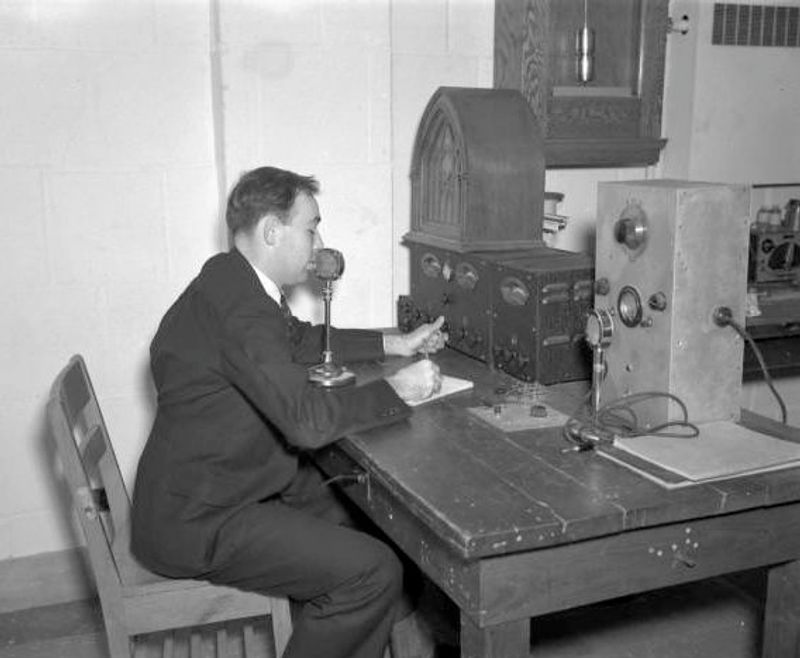
A radio promises clarity until it crackles. During the 1938 Munich Crisis, misinformation and technical failures deepened dread, letting rumor sprint faster than facts.
In living rooms, static sounded like danger breathing.
Broadcasts can unify or unravel. When transmitters falter, audiences invent the missing pieces, and leaders feel cornered by public fear.
For you, the lesson is redundancy. Critical messaging needs backup channels, plain language, and verification loops.
According to UNESCO, radio still reaches billions worldwide, which means errors still scale. If your crisis plan hinges on one device, you are planning to improvise when it matters most.
6. A Telegraph Wire
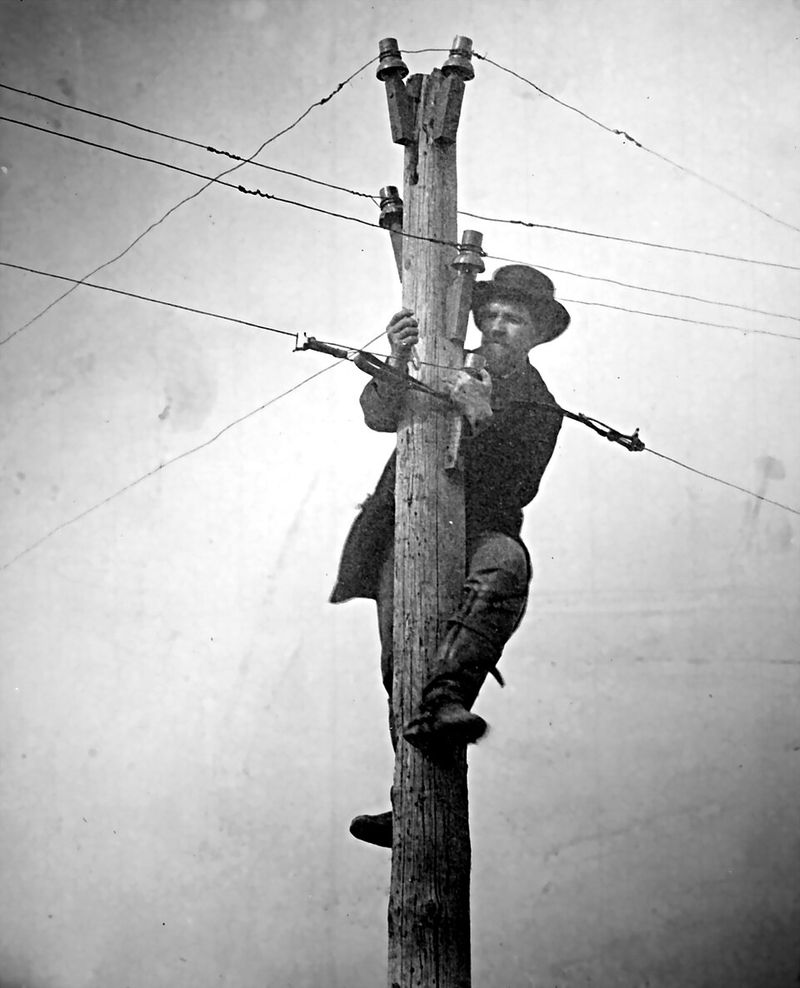
A wire can carry whispers or wars. In the American Civil War, telegraph lines let commanders coordinate faster than couriers could ride.
Speed became a weapon, and the side that held the lines held the initiative.
Cut a wire and you cut a plan. Protect a wire and you protect momentum.
Your takeaway is obvious yet often ignored: communication infrastructure is strategy, not scenery. In every industry, the shortest line between decision and action becomes the strongest lever.
Trace the cables, literal or digital, and you will find where power travels and where it stalls.
7. A Tea Crate
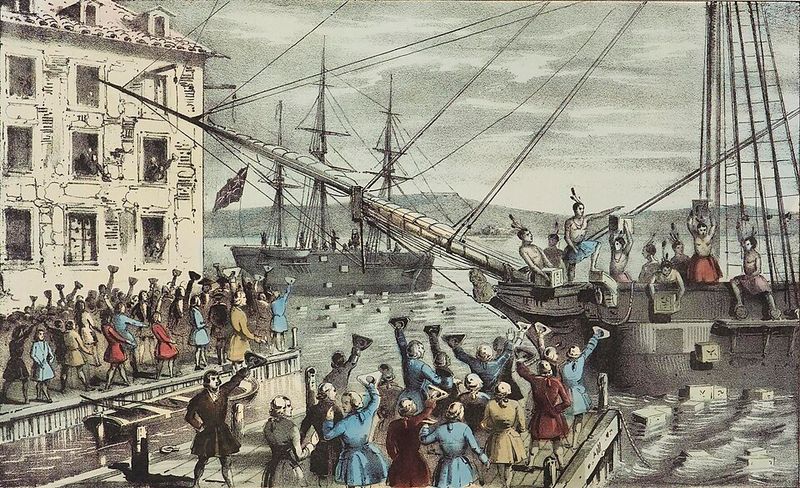
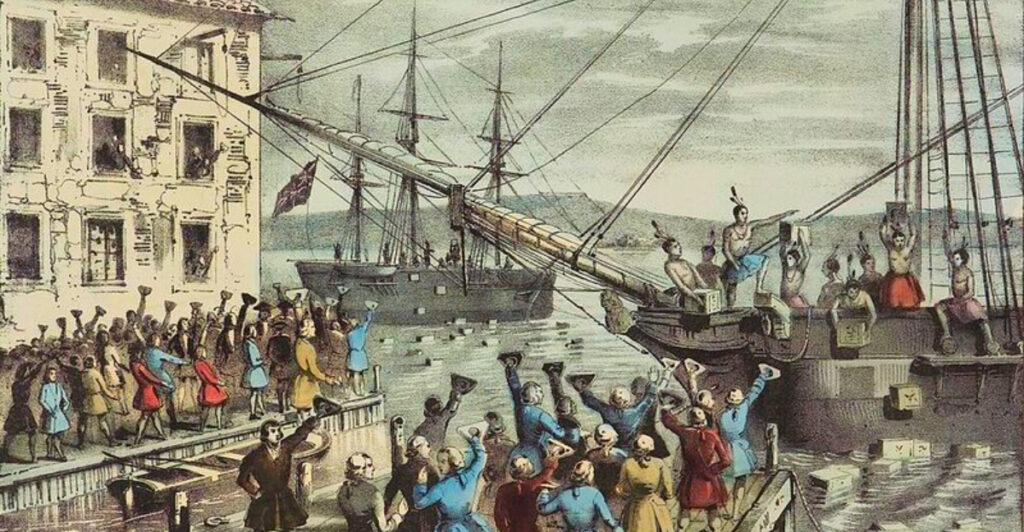
A wooden tea crate is not inherently rebellious. But lift the lid in Boston, and you get a tariff symbol that colonists could hoist, smash, and broadcast.
When tea hit the harbor, protest turned tactile, and Britain suddenly heard water.
The act was logistics theater. By making trade goods the stage, organizers made taxation feel personal in every cup.
Your takeaway is framing. When an issue is invisible, attach it to an object people touch daily.
Policy becomes palpable, grievances spread mouth to mouth, and the crowd that shrugs at essays will move when their routines are stirred.
8. A Simple Bicycle
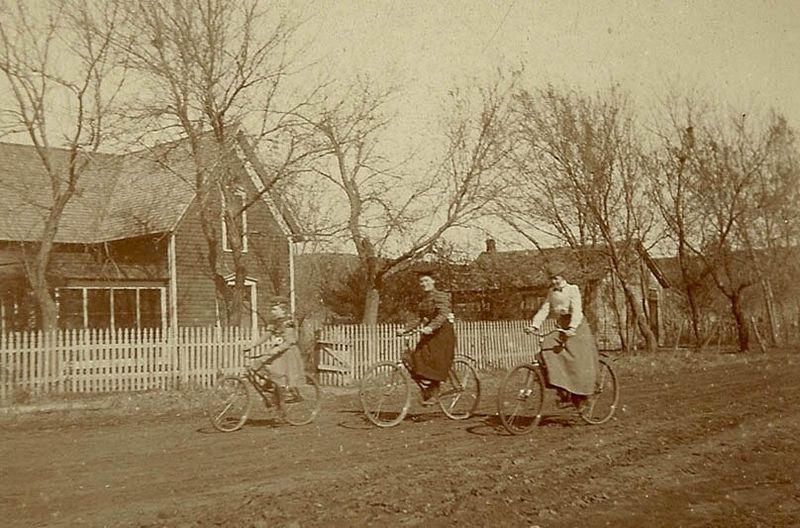
A bicycle gave wind to a movement. With two wheels and a chain, women moved without chaperones, shortened distances, and loosened corsets along with customs.
Susan B. Anthony called it a freedom machine for good reason.
Mobility changes expectations. When you can go where you want, you start asking why you cannot vote, study, or lead.
Your takeaway is to track transportation and rights together. New modes make new norms.
Every time everyday movement gets easier, laws feel older. If you want to predict the next social shift, watch what people ride, share, or step onto without asking permission.
9. A Tin Can
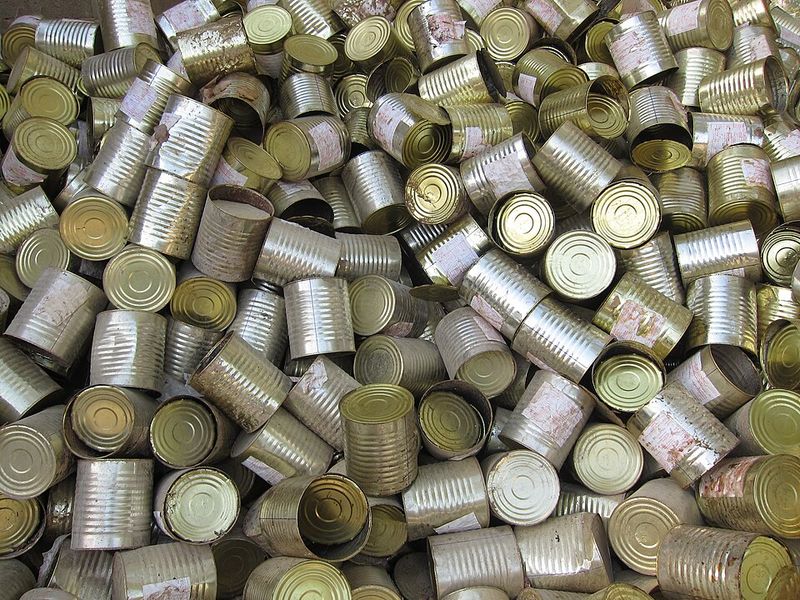
A tin can is strategy in disguise. Napoleon’s prize for food preservation sparked canning advances that stretched armies across hostile distances.
Well-fed soldiers fight longer, and campaigns outrun harvest cycles when calories ride in crates.
Industrialized war needed industrialized meals. The same sealed metals later stocked polar expeditions and disaster relief.
Your takeaway: logistics win quietly. If you want to gauge a force’s staying power, skip the speeches and inspect the rations.
Shelf life equals shelf confidence. In your world, supply resilience and packaging innovation still decide whether bold plans survive the second week.
10. A Passport
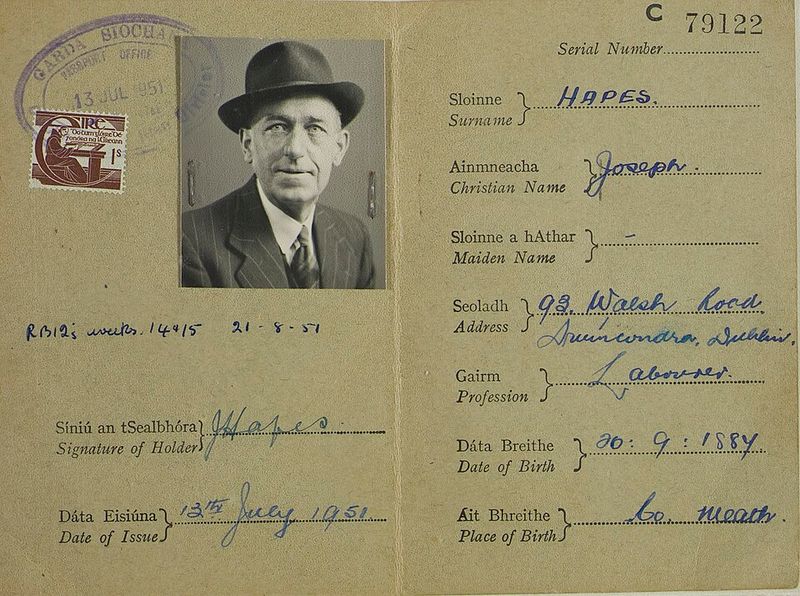
A passport once felt optional. World War I turned it into a gatekeeper carrying inked borders inside your pocket.
Governments standardized papers, and crossing lines became less about courage and more about credentials.
Travel data then became power. States learned to sort, restrict, and define identity at scale.
Your takeaway is that security crises harden soft practices into hard rules. Once a document governs movement, it shapes economies, migration flows, and even belonging.
When you hand over a booklet today, you are participating in a century of policy made tangible and stamped.
11. A Cotton Gin
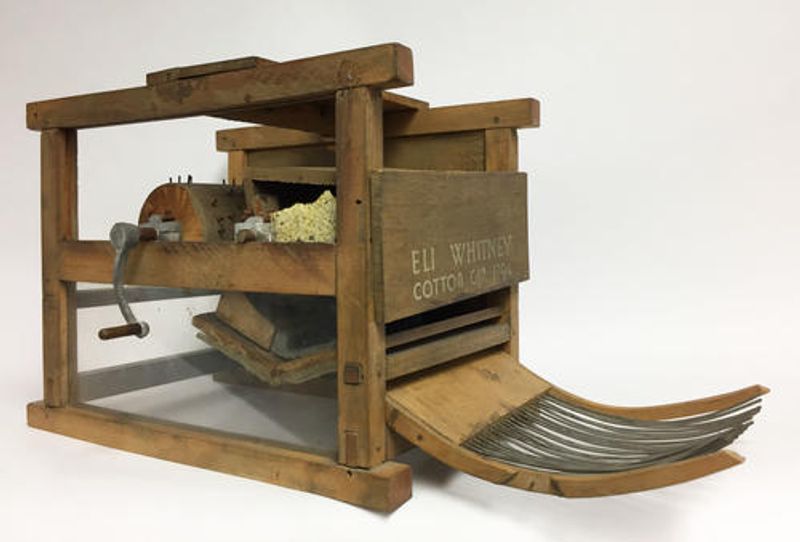
Efficiency can entrench injustice. Eli Whitney’s cotton gin multiplied output, but instead of making slavery obsolete, it made enslaved labor more profitable.
Plantations expanded, and the nation’s contradictions grew louder and deadlier.
Technology is not neutral when profit meets policy. By lowering processing time, the gin magnified demand and tightened chains.
Your takeaway: if incentives reward harm, innovation will scale harm. Always ask who benefits when friction disappears.
In markets and ethics alike, faster is not freer unless rules direct the gain toward people, not just production.
12. A Sheet of Paper
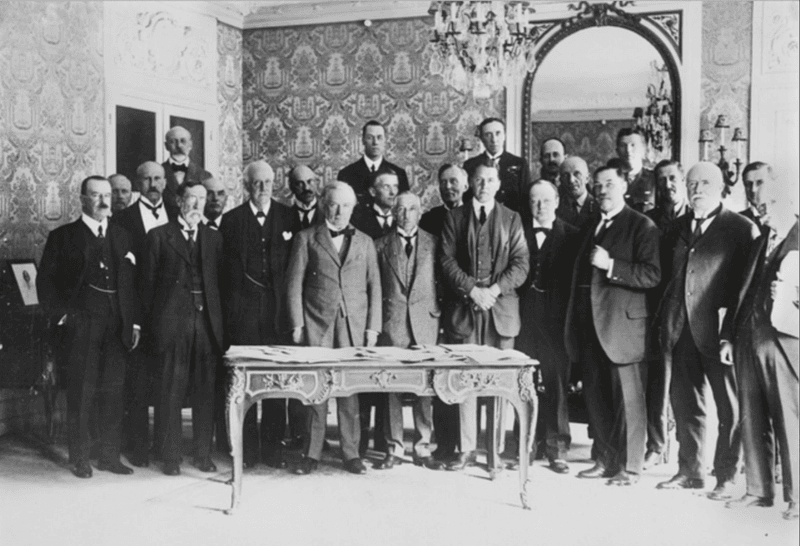
A sheet of paper can carry the weight of continents. The Treaty of Versailles ended one catastrophe while seeding another, its signatures converting anger into policy.
Reparations, borders, and blame all lived between margins.
Words bound to paper outlast speeches. In the years that followed, economic shocks and political resentment found ready justifications.
Your takeaway is to read the fine print in peace as seriously as you read it in war. Documents are devices.
They set incentives that people will follow exactly, even when the outcomes surprise the signers.
Share this story