Some fortresses outlast wars, rulers, and even the empires that built them, quietly keeping watch over changing centuries. These castles tell stories of siege smoke, royal ambition, and masterful restoration that refused to let stone be forgotten.
You will step through gates that guarded trade routes, crown jewels, and entire nations. Keep reading to see where resilience is carved into every battlement and tower.
Windsor Castle — England’s Continuously Inhabited Fortress
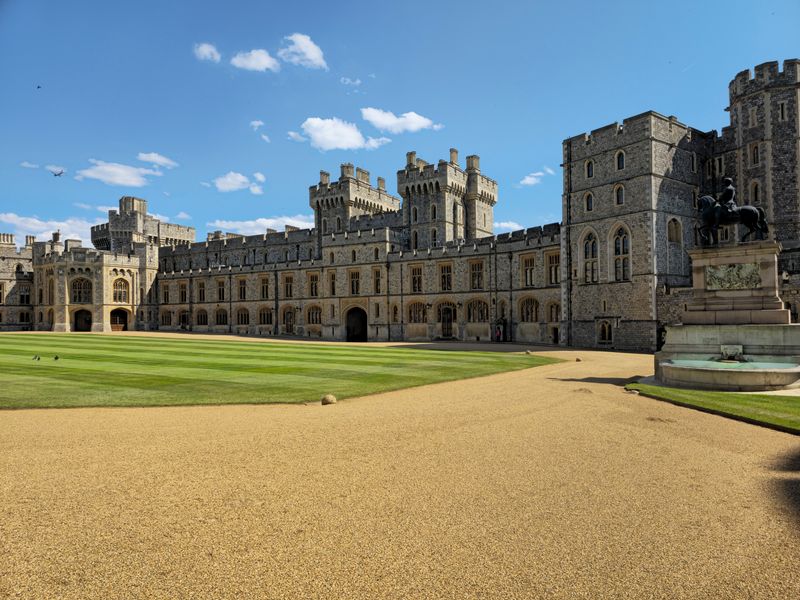
Windsor Castle rises above the Thames as a timeline you can walk through. Founded by William the Conqueror, the fortress adapted from Norman earthworks to a stone stronghold, then to a palatial residence without losing defensive purpose.
You feel continuity in the Round Tower’s silhouette and the hush inside St George’s Chapel where history still breathes.
Through civil wars, German air raids, and a devastating 1992 fire, resilience defined the place. Engineers reinforced structures, artisans repaired vaulting, and conservation teams learned from each crisis, ensuring centuries of use.
The castle’s plan evolved with artillery age insights, redirecting vulnerabilities while honoring ceremony.
Today it remains an active royal home and working institution, not a frozen exhibit. You witness guards change, services echo, and archives guard national memory.
That living function is why Windsor has survived more than time, because purposeful care and strategic redesign kept it useful and loved.
Edinburgh Castle — Scotland’s Strategic Stronghold
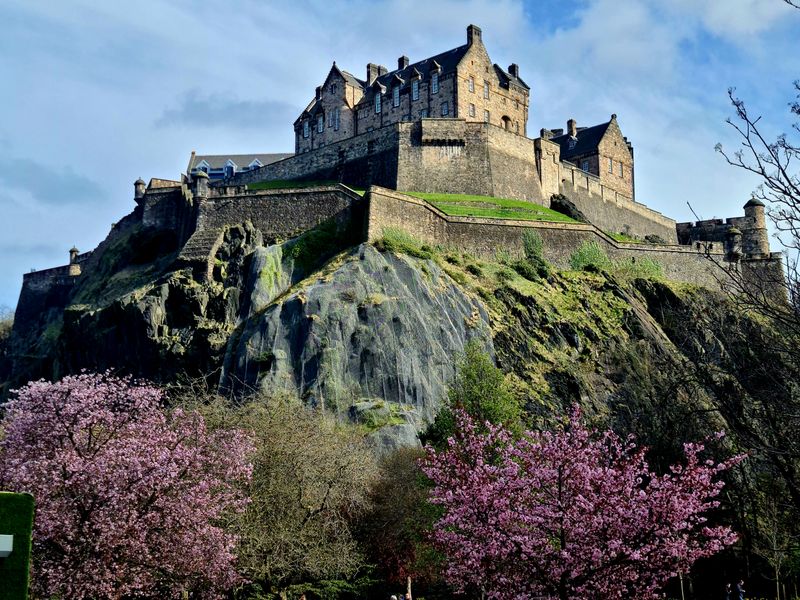
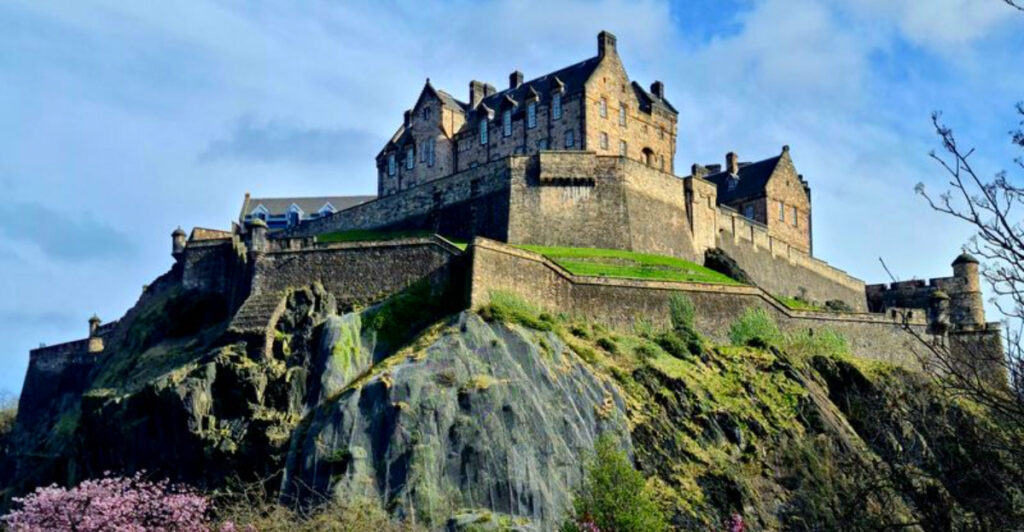
Edinburgh Castle dominates the skyline from a volcanic plug that once belched fire but now anchors Scottish memory. Its position controlled routes between Highlands and Lowlands, making it a prize in wars with England and internal conflicts.
When you climb the esplanade, those cannon lines and thick walls explain why so many sieges failed.
Rebuilds followed bombardments, yet the fortress kept its role, shifting from royal residence to military garrison to national symbol. The Crown Room preserves the Honours of Scotland, protected even when politics burned hot.
Architecture reflects artillery adaptation, from angled batteries to thickened curtain walls.
Today, the castle hosts the One O’Clock Gun and the National War Museum, teaching you how martial necessity became cultural identity. Views sweep across the city, while the chapel of St Margaret whispers medieval continuity.
Survival here is not luck but geology, strategy, and steady stewardship that never let the rock or the story crumble.
Château du Haut-Koenigsbourg — Fortress of the Vosges
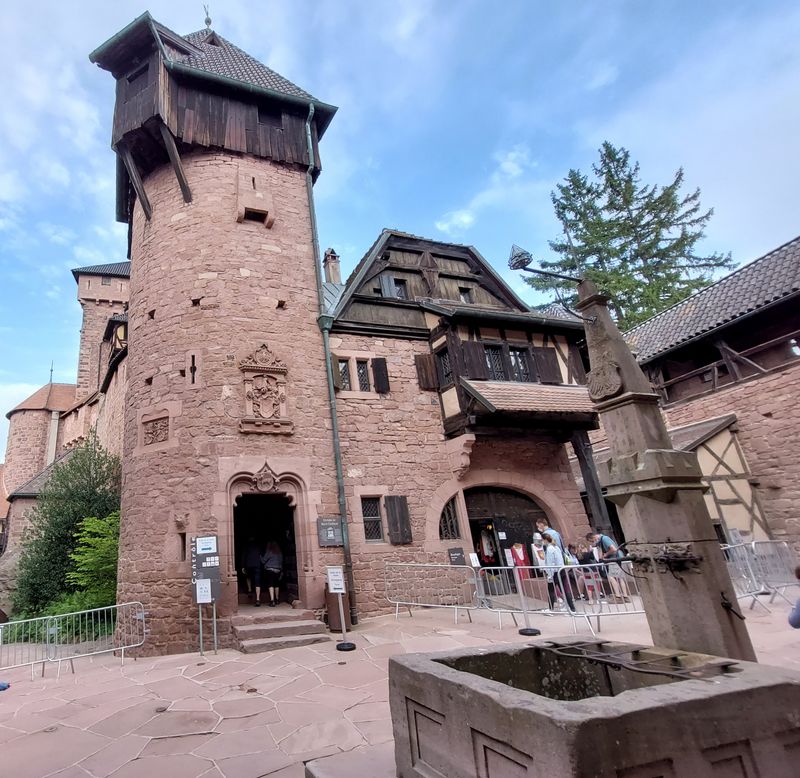
Perched on a rocky spine above Alsace, Château du Haut-Koenigsbourg reads like a map of European conflict. Its watchtowers surveyed trade routes and invasion corridors, shaping fortunes during the Hundred Years’ War and later strife.
Walking its drawbridge, you sense how cliffs turned into allies and walls into instruments of power.
After the Thirty Years’ War, the castle fell silent, abandoned to weather and ivy. Early twentieth century restoration revived it with scholarly zeal, reconstructing roofs, hoists, and artillery platforms to interpret late medieval warfare.
Critics debated authenticity, yet the project saved a remarkable defensive complex.
Today, you orbit bastions that show cannon placements, climb through spiral stairs, and look over vineyards to the Rhine. The result teaches that survival is sometimes a pause followed by careful rebirth.
Haut-Koenigsbourg stands because people chose memory over ruin and stitched a fortress back into the landscape.
Pfalzgrafenstein Castle — Island Gatekeeper of the Rhine
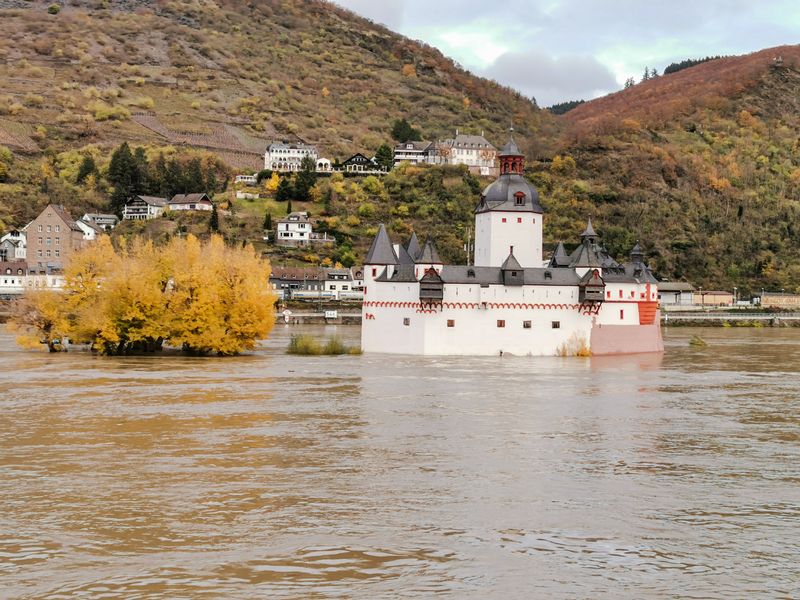
Pfalzgrafenstein stands midstream on a Rhine islet, a tollbooth with teeth. Built in 1326, its pentagonal tower rises right from the water, turning the river itself into a moat.
When you approach by boat, walls seem to grow from the current, daring any ship to test authority.
It endured sieges during the War of the Succession of Landshut and survived occupation in the Thirty Years’ War. Because attackers lacked space to mass artillery, the fortress held.
Its garrison controlled chains and signals that trapped evaders, proving a small castle can wield oversized power.
Today the tower remains remarkably intact, whitewashed against vineyards and steep hills. You wander tight corridors, touch ironwork, and feel the cold breath of the river.
This sentinel survived by mastering geography, not just masonry, and still keeps silent watch over a historic trade artery.
Ventspils Castle — Livonian Stronghold in Latvia
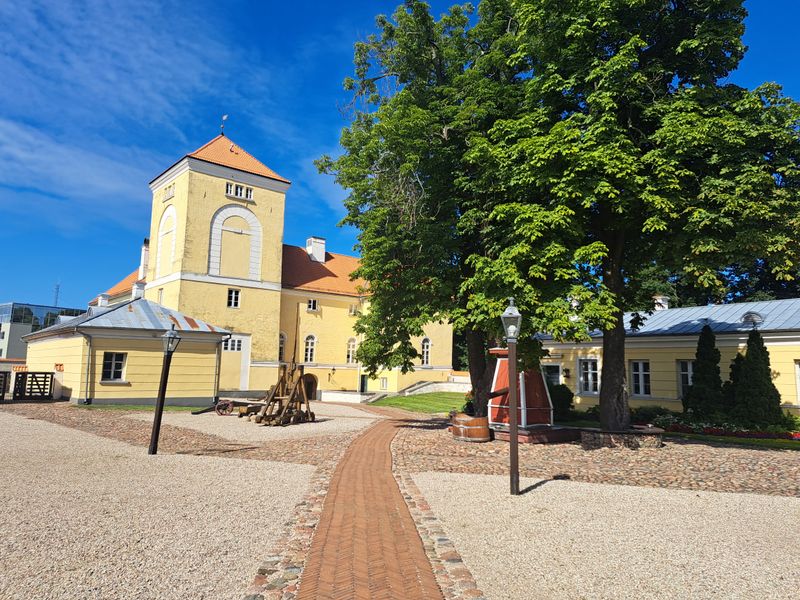
Ventspils Castle began as a Livonian Order fortress in the late thirteenth century, securing Baltic trade and Christian rule. Its quadrangular plan and towered corners speak the language of discipline and patrol.
When you enter, you trace a line from crusading knights to modern civic life.
Wars battered these walls, notably during the Polish-Swedish War, but reconstruction followed function. The castle became barracks, prison, then municipal offices, each layer leaving hardware and scars.
Such reuse preserved the fabric even when prestige waned, a quiet strategy that outlasted flames and shifting borders.
Now restored as a museum, it interprets maritime heritage and regional identity with clear, grounded exhibits. You move from chapel to storeroom to lookout, sensing how architecture managed fear, faith, and freight.
Ventspils shows how a fortress survives by doing new work while keeping old bones intact.
Himeji Castle — Japan’s White Heron That Weathered Centuries
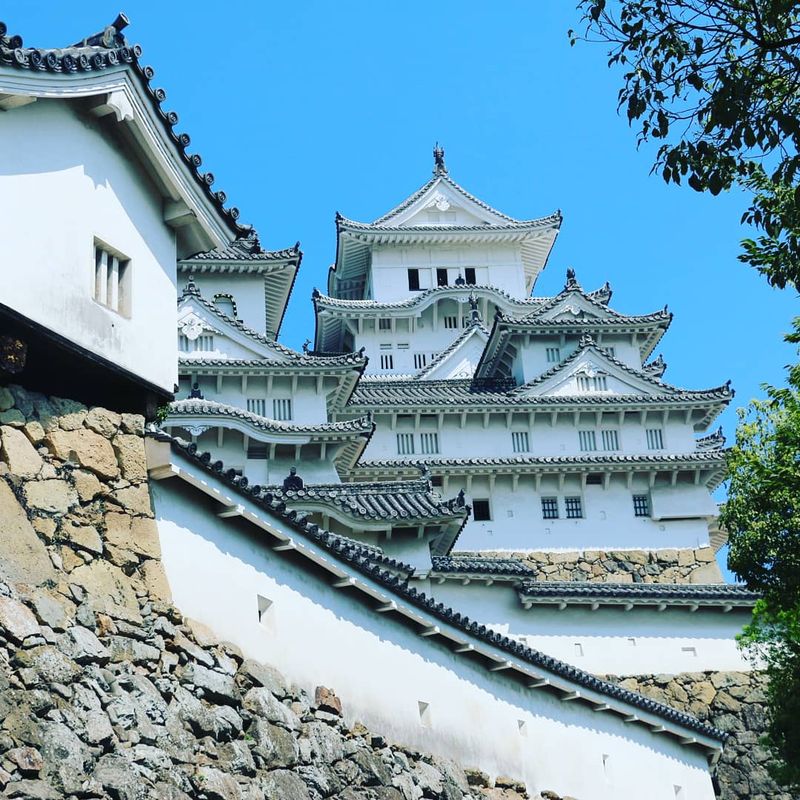
Himeji Castle seems to float above its stone base, white wings poised for flight. Beneath that grace lies a lethal maze of gates, baileys, loopholes, and confusing paths that trap invaders.
You learn quickly that elegance here is armor, and beauty is strategy rendered in plaster and timber.
Bombing raids in World War II scorched the city but spared the keep, almost miraculously. The 1995 Great Hanshin earthquake rattled the region, yet structural integrity held thanks to ingenious joinery.
Careful restorations strengthened beams, refreshed plaster, and kept the White Heron luminous without losing authenticity.
Walking the corridor of concealed windows, you glimpse how samurai defense worked, from firing angles to stone-dropping chutes. The main keep’s view ranges over moats and cherry trees that soften steel-hard planning.
Himeji survives because it marries craft with foresight, turning fragility into a resilient art.
Alcázar of Segovia — Spain’s Towering Citadel
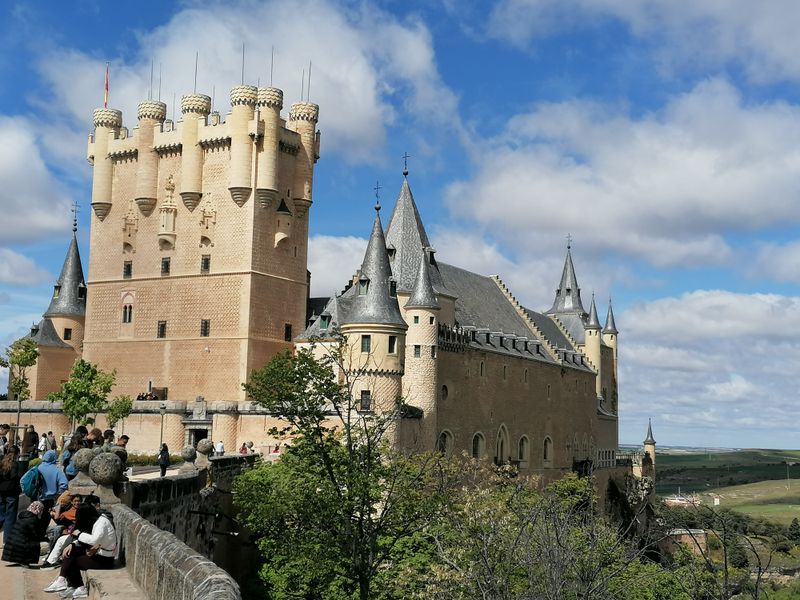
The Alcázar of Segovia pierces the sky with slate spires as if a ship’s prow cut through stone. Set on a rocky point above two rivers, it guarded approaches to Castile while hosting monarchs who shaped Spain.
You read authority in the blend of fortress foundations and palace refinement.
Sieges, fires, and political upheaval scarred then remade the complex. Restorations stabilized vaulting and refreshed the royal halls without erasing military bones.
Cannon emplacements and thick walls still tell their tale, even as gilded rooms soften the edges.
Visitors climb the Tower of John II for a panorama that makes strategy visible. Streets, bridges, and fields align like lines on a chessboard.
The Alcázar endured by balancing strength and splendor, inviting care because it inspired pride, and surviving because it always mattered.
Carcassonne — The Double-Walled Stronghold of France
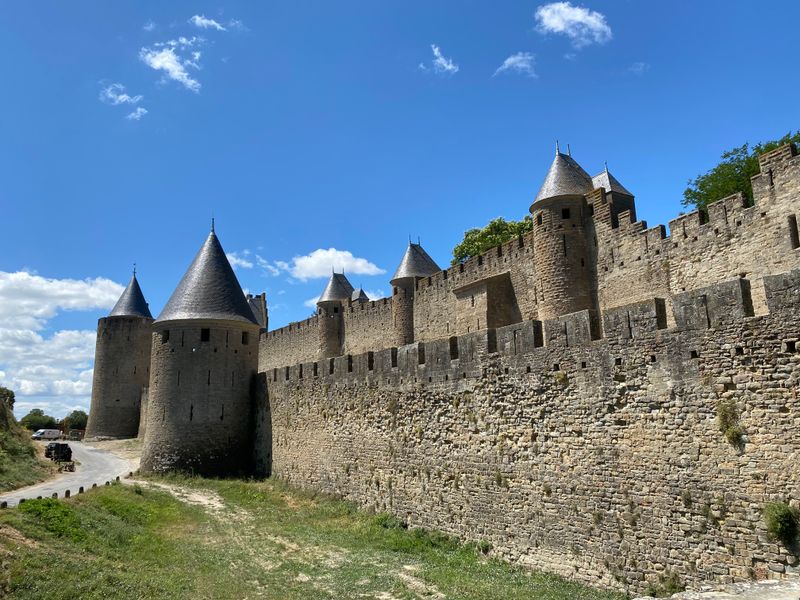
The Cité de Carcassonne wears two belts of stone like armor, towers pricking the horizon in rhythmic sequence. Medieval engineers nested defenses so attackers faced killing zones layer by layer.
When you walk the ramparts, geometry of war becomes a beautiful, sobering promenade.
By the nineteenth century, decay threatened collapse, but Viollet-le-Duc’s restoration rallied national will. His choices stirred debate over medieval accuracy, yet they saved the ensemble and reanimated a fortress city.
Masonry was reset, roofs recapped, and gateways sharpened into a cohesive narrative.
Now, festivals and families fill the lanes, but the portcullis still feels heavy under your glance. The double walls teach redundancy, the secret of longevity in dangerous times.
Carcassonne survived by making defense an art and by persuading a later age to love that art enough to preserve it.
Bran Castle — Transylvanian Legend and History
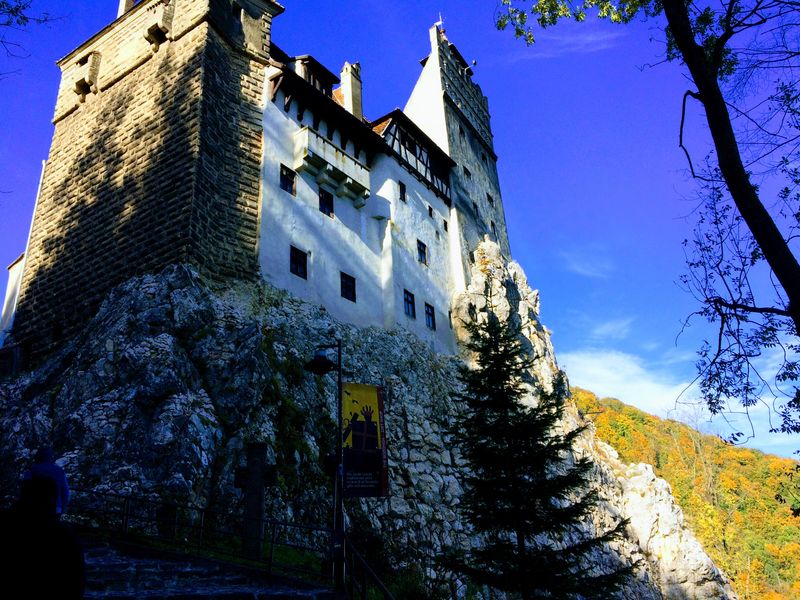
Bran Castle rises above a strategic pass between Transylvania and Wallachia, where traders and armies once threaded the mountains. Popular culture calls it Dracula’s castle, but the true story is tolls, garrisons, and border vigilance.
You come for myth and stay for masonry, timber galleries, and narrow stairs.
Centuries of shifting rule and regional wars pressed hard, yet the castle endured with repairs and adaptive reuse. Royal residency and later museum stewardship stabilized fragile sections while keeping character intact.
Folklore became a protective cloak, drawing attention and funds that conservation can use.
From the battlements, forests roll like a dark sea, and you sense the watchfulness baked into design. Arrow slits, courtyards, and steep approaches remind you survival is deliberate.
Bran stands because it guarded what mattered, then protected its own legend until history caught up.
Château de Chambord — Renaissance Grandeur Against Time
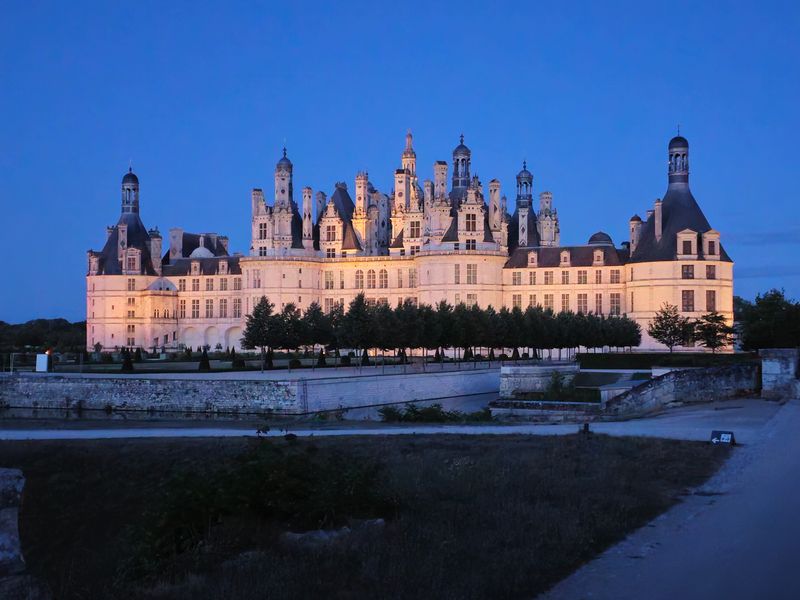
Chambord looks like a dream of geometry turned into limestone, a Renaissance palace that nods to fortress ancestry. Commissioned by Francis I, it balanced display with controlled defensibility while the hunting park served royal theater.
You wander halls where a double-helix staircase choreographs movement like court music.
Wars rolled over France, yet the château’s stature spared it from ruin. Caretakers maintained roofs, drained wetlands, and stabilized foundations, converting vulnerability into stewardship.
It sheltered art in crises and welcomed restorers who understood grandeur needs maintenance as much as myth.
Today canals reflect the crowded roofline of chimneys and domes, a skyline of ambition surviving centuries. You feel time soften edges but not intentions.
Chambord endures because beauty can command protection, and because careful planning kept stone and story aligned through upheaval.
Dunrobin Castle — A Windsor-Era Home Still Alive
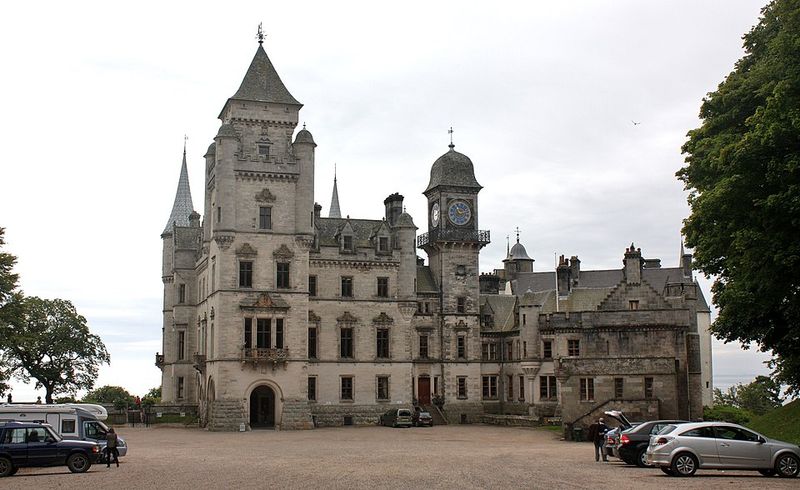
Dunrobin Castle traces roots to the fourteenth century and remains inhabited, which is a survival tactic as old as stone. Continuous use keeps roofs tight, windows repaired, and stories breathing.
You see the French-inspired turrets and formal gardens speaking a later language over medieval bones.
Wars and rebellions brushed this coast, but adaptation was constant. The house expanded in the nineteenth century, while earlier defensive elements shifted to prestige and comfort.
That evolution preserved structure by giving it purpose when towers no longer needed arrows.
Visiting today, you move from armory displays to sea views that once warned of trouble. The living residence feels less like a museum and more like a conversation across centuries.
Dunrobin survives because people never stopped living here, proving habitation is conservation.
Arundel Castle — Ancestral Power Preserved
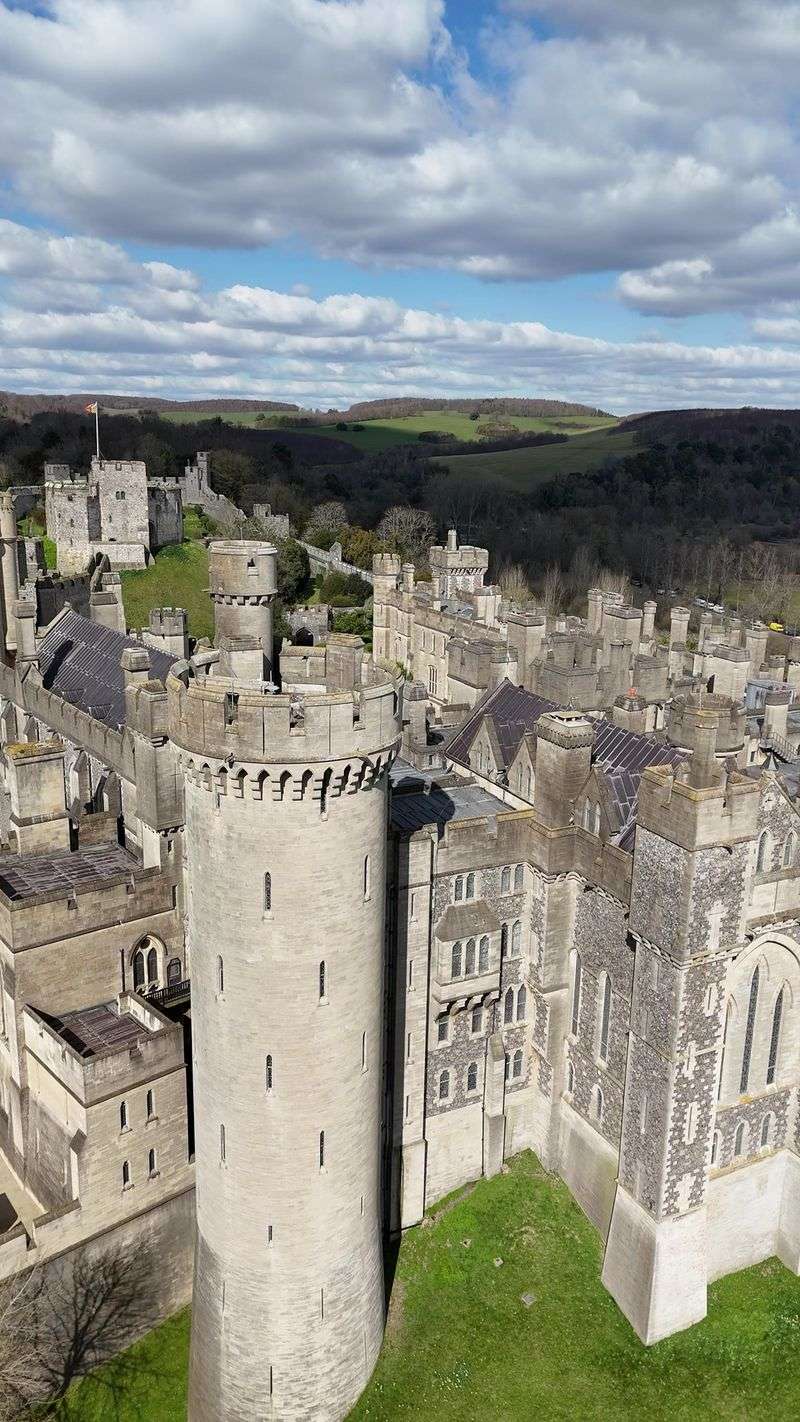
Arundel Castle began as a Norman motte-and-bailey and grew into a seat of enduring aristocratic power. You can still read that early earthwork logic beneath later stone and Gothic revival flourishes.
Its silhouette announces authority, yet its survival rests on constant repair and relevance.
Conflicts from medieval baronial wars to the English Civil War tested its fabric, bringing damage and rebuilds. Nineteenth century restorations reimagined grandeur while consolidating weak walls and modernizing services.
The result is a fortified home that never slid into picturesque decay.
Walking the keep, you feel the gradient from defense to domesticity. Collections, chapels, and gardens make a case for living heritage rather than static monument.
Arundel endures because it remained useful to its stewards, who invested in stone with each generation.
Edinburgh’s Citadel Above Time — The Castle Revisited
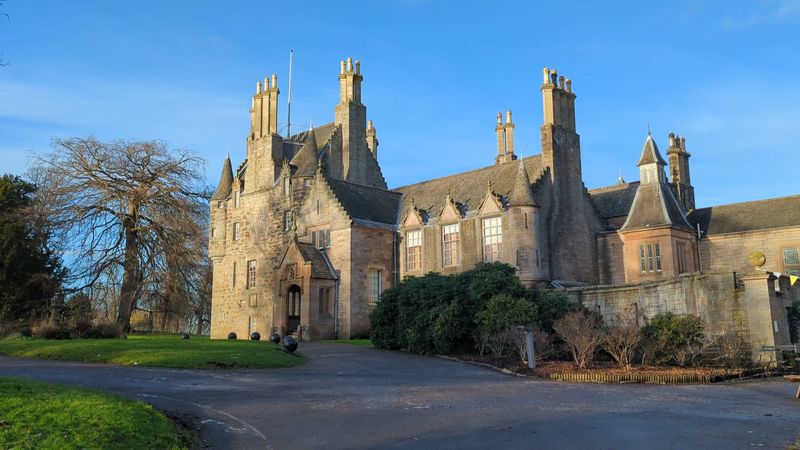
Return to Edinburgh’s heights and you notice how the rock dictates every decision. Batteries perch like claws gripping basalt, and Mons Meg recalls the arms race between walls and guns.
You read centuries of redesigns in parapets that thicken where fire once struck hardest.
The castle shifted roles from royal court to armory to national stage without breaking stride. That agility explains its survival better than any miracle tale.
You hear it in the One O’Clock Gun and see it in careful masonry pointing that seals out weather.
Stand at the Half Moon Battery and watch the city spool outward. The fortress still commands attention, not through fear but through presence.
Edinburgh’s citadel survived because it learned to be many things while remaining unmistakably itself.
Český Krumlov Castle — Bohemian Legacy
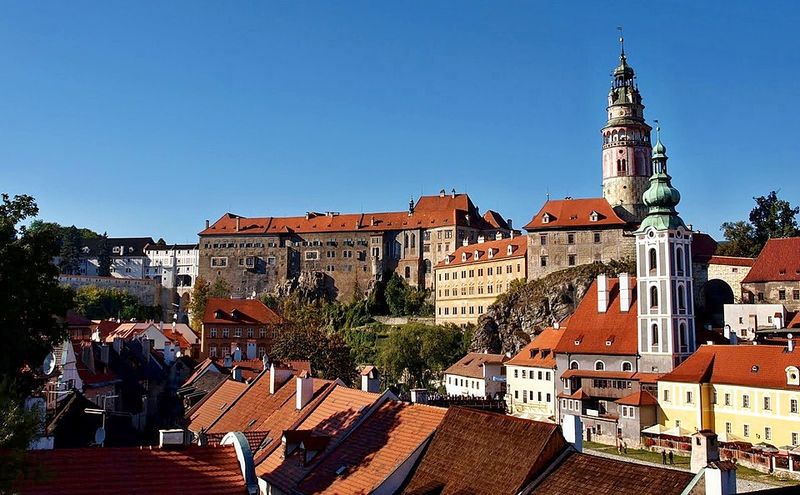
Český Krumlov Castle unfolds in terraces over a river loop, a layered record of Bohemian nobility. Gothic roots evolved into Renaissance grace, then Baroque flourish, each era leaving rooms and rhythms.
You cross a high bridge where void and view conspire to lift you into history.
Through political shifts and wars, stewardship kept interiors and gardens remarkably intact. The Baroque theatre survives with original machinery, a rarity that turns stagecraft into archaeology.
Careful conservation favors patina over polish, letting time speak without shouting.
From the tower, roofs ripple in reds and ochres while the Vltava curls below. You feel how culture and defense once shared walls, guarding both grain and grace.
The castle endures because communities defended memory as diligently as nobles defended gates.
Bled Castle — Alpine Fortress Over a Lake
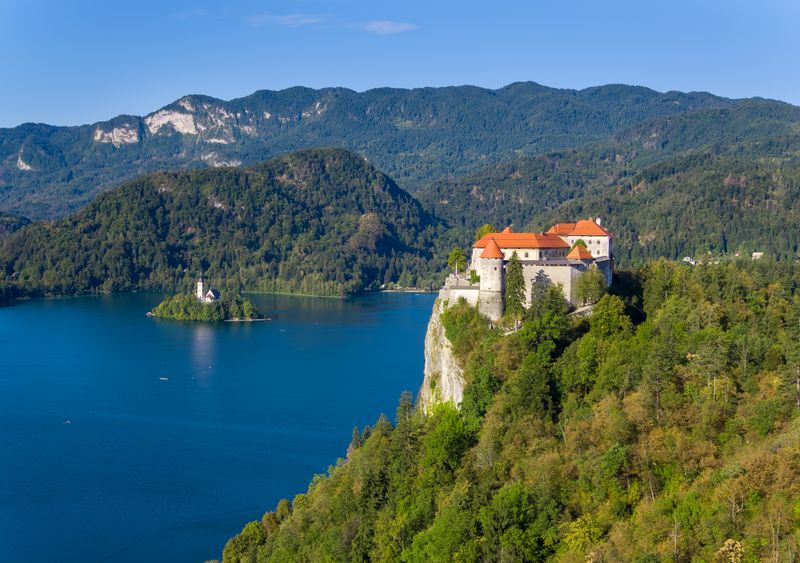
Bled Castle grips a cliff like a hawk’s talon, surveying a lake that looks painted every morning. Early medieval foundations grew into a layered stronghold that watched trade and pilgrimage.
When you stand by the chapel, the Alps sharpen the sense of vigilance and wonder.
Conflicts came and went, but this high perch and continued upkeep kept damage limited. Restorations respected ruggedness, leaving stone honest and views unobstructed.
Exhibits trace printing, wine, and local crafts, linking everyday life to battlements overhead.
From the terrace, you read water, island, and shore like a defensive diagram. The setting is poetry, but the plan is practical, and that mix breeds longevity.
Bled survives because it married geography with duty, then welcomed visitors to keep the cycle going.
Paphos Castle — Mediterranean Stronghold Through Centuries
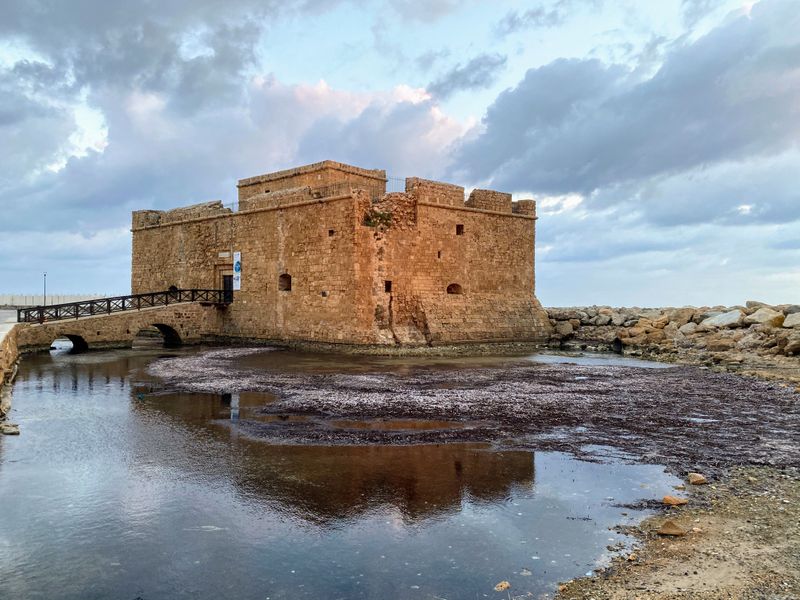
Paphos Castle keeps its vigil at the harbor, a compact limestone block that once chained the entrance against raiders. Byzantine origins met Crusader rebuilding and later Ottoman refortification, each phase practical and spare.
You feel salt on the stones and a working waterfront humming around it.
Earthquakes and regime changes could have erased such a modest structure. Instead, administrators reused and repaired, proving survival is not just for grand palaces.
The castle’s rooms held garrisons, stores, and even prisons, adapting function as rulers rotated.
Today you step onto the roof and scan sea lanes that still matter. The fort’s blunt geometry explains a Mediterranean truth: simple, sturdy, and well sited beats ornate.
Paphos survives because it never tried to be more than necessary, and necessity ages well.
Share this story