History is not just something you read about in textbooks. It is etched into stone, echoed in amphitheaters, and whispered through palace corridors you can still walk today.
This guide gathers the world’s most stirring historic sites so you can stand where empires rose, ideas spread, and legends were born. Ready to plan a trip that changes how you see time itself?
Great Pyramids of Giza — Egypt
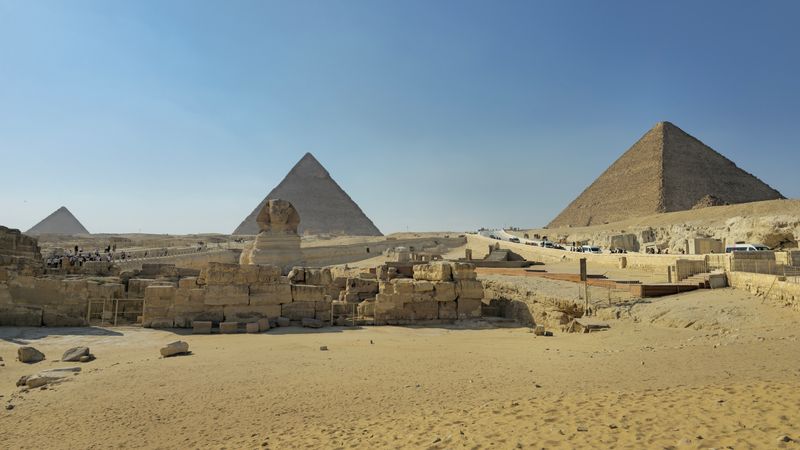
Stand before the Great Pyramids of Giza and your sense of time stretches across millennia. These monumental tombs, rising from the desert like geometric mountains, reveal astonishing precision in their alignment and construction.
As you trace the edges of limestone blocks, the scale of human ambition feels almost otherworldly.
Walk along the plateau and you will glimpse the Sphinx watching with inscrutable calm. Guides point out burial shafts, boat pits, and the remnants of ancient causeways that once choreographed sacred processions.
It is easy to imagine priests, workers, and royalty moving through this stark landscape under the same relentless sun.
The Great Pyramid of Khufu anchors the complex, a feat of engineering that still fuels debate and research. Nearby, the pyramids of Khafre and Menkaure form a commanding triad, set against Cairo’s advancing skyline.
Arrive early or near sunset for softer light and quieter paths.
You will want to pair your visit with the Grand Egyptian Museum or the Solar Boat Museum to deepen context. Even a short camel ride offers a different vantage over the dunes.
Bring water, patience, and curiosity, because the site rewards deliberate pacing and attentive eyes.
Machu Picchu — Peru
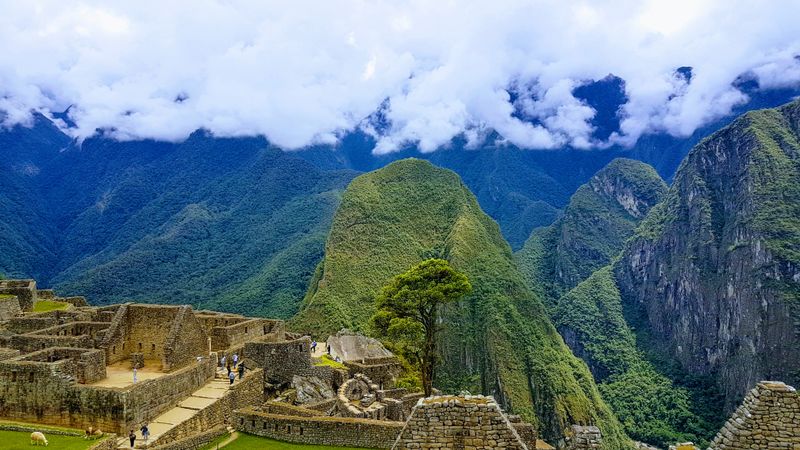
Machu Picchu appears like a dream when the clouds lift, terraces stepping down from stone temples to lush green. The Inca mastery of masonry is everywhere, with precisely fitted blocks that have endured centuries of rain and tremors.
As you follow narrow paths, the Andes surge like ocean waves around the citadel.
Arriving at the Sun Gate at dawn, you watch light spill across Intihuatana and the Temple of the Condor. Guides reveal how celestial events shaped architecture and ceremony here.
Llamas graze quietly, reminding you this mountaintop city still breathes.
Whether you take the classic Inca Trail or ride the train to Aguas Calientes, the final ascent feels spiritual. The site layout encourages you to slow down, pause, and look for astronomical alignments.
Every terrace and channel shows a civilization carefully tuned to climate and terrain.
Pack layers, water, and respect for altitude. Entry times are regulated, so book well ahead and consider hiring a licensed guide.
Leave with hundreds of photos, but also with a deeper respect for Indigenous knowledge and the land that sustains it.
The Colosseum — Italy
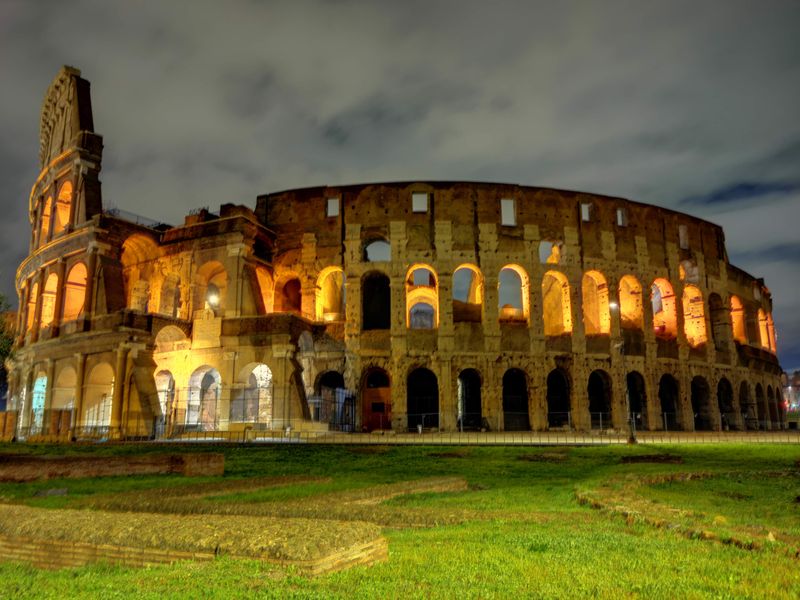
Step inside the Colosseum and you can almost hear the roar of crowds carried on the Roman wind. This amphitheater, an icon of imperial spectacle, showcases engineering that balanced awe with logistics.
Arches stack into graceful tiers, framing the city that grew around them.
Descend to the hypogeum and the theater of backstage life comes into focus. Trapdoors, cages, and corridors once choreographed animals, fighters, and illusions of sudden appearance.
You see how entertainment relied on discipline, hydraulics, and carefully timed drama.
From the upper levels, Rome unfurls in terracotta roofs and church domes. The view ties the Colosseum to the Forum and Palatine Hill, a living map of power.
Visit early morning or late afternoon for softer light and fewer lines.
Reserve skip-the-line tickets and consider a combined archaeological pass. Comfortable shoes are a must since ancient stone can be slick.
Leave with a renewed understanding of how public spectacle shaped politics, identity, and the Roman imagination.
Angkor Wat — Cambodia
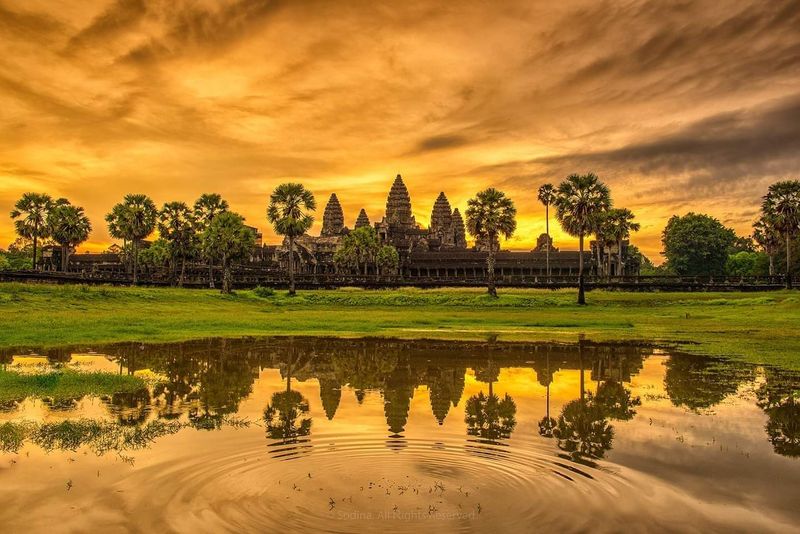
Angkor Wat greets you at dawn with mirrored towers rippling in lotus ponds. As the sky shifts from indigo to coral, carvings emerge, telling epics of gods, battles, and cosmic order.
The temple’s axial symmetry feels like a compass for the soul.
Walk the galleries and fingertips brush centuries of sandstone made soft by time. Bas reliefs of the Churning of the Ocean of Milk stretch like ancient storyboards.
Monks pass quietly, folds of saffron moving like small flames in the shade.
Venture beyond the main causeway to less crowded corners. You will find devatas smiling through lichen and doorways framing jungle vines.
Sunrise draws crowds, but midday light reveals textures and shadow patterns that are equally mesmerizing.
Angkor is a sprawling complex, so pace yourself and hydrate often. A knowledgeable guide knits myth, history, and Khmer artistry into a coherent narrative.
Leave feeling you have walked through a living intersection of faith, empire, and rainforest.
Petra — Jordan
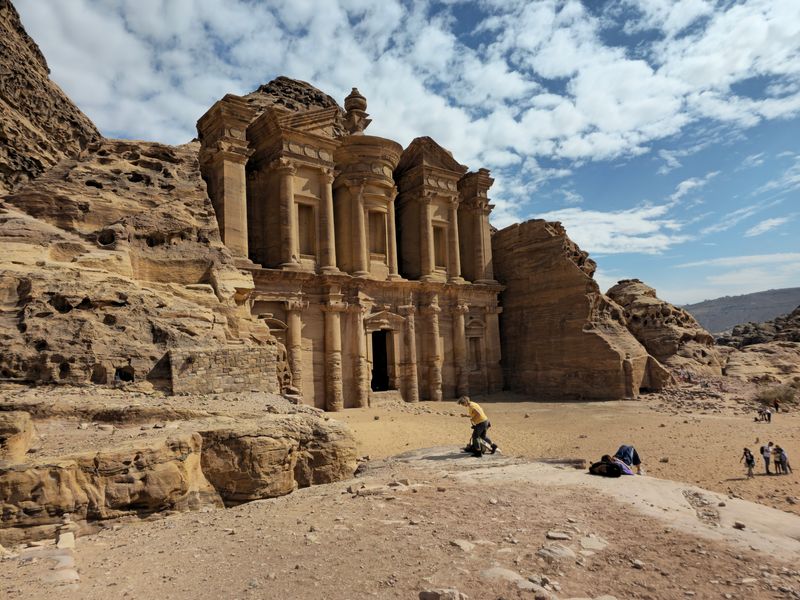
Petra begins as a whisper inside the Siq, a slot canyon that twists and glows with rose and amber light. Then the Treasury appears, sudden and theatrical, like a curtain pulled back.
The Nabataeans carved commerce and culture straight into the cliffs.
Walk deeper and the city unfolds in tombs, theaters, and pathways worn smooth by centuries. You will see water channels that turned desert into opportunity.
The Royal Tombs climb like stacked stories against the sky.
Hike to the Monastery for sweeping views and quiet perches. Each step makes the sandstone shift from pink to gold to violet.
If you time it right, you will have alcoves almost to yourself.
Carry water and give yourself a full day or more, since distances are longer than maps suggest. Evenings sometimes feature candlelit paths that transform the approach into something intimate.
Petra rewards curiosity with corners where wind and chisel kept their pact.
The Acropolis & Parthenon — Greece
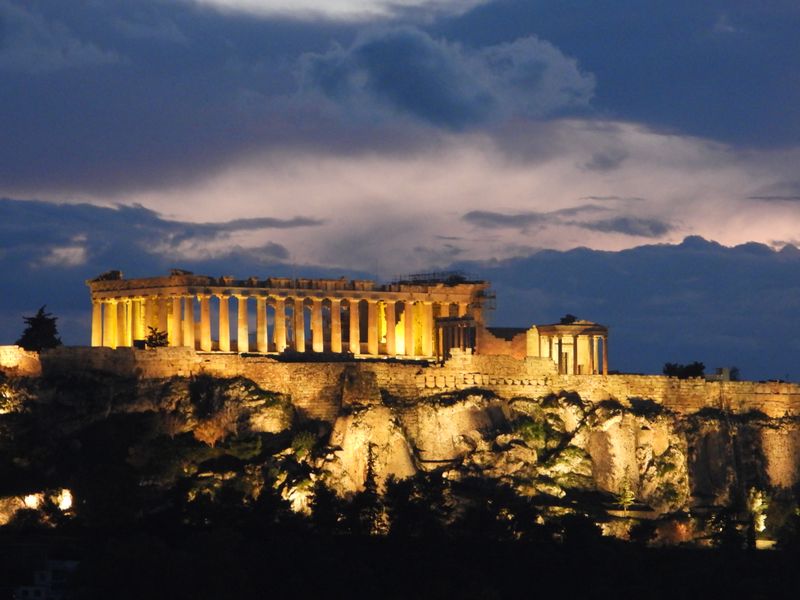
Climb the Acropolis and Athens unfurls in white and blue beneath you. The Parthenon stands in luminous marble, its columns subtly curved to correct the eye.
Every angle rewards a pause, revealing how classical ideals shaped civic life.
Walk past the Erechtheion and its Caryatids, poised like guardians of memory. Fragments of friezes hint at processions, gods, and daily scenes.
The wind carries city sounds upward, blending present with ancient debate.
From the hilltop, democracy feels tangible despite the centuries. You trace foundations and imagine workshops, philosophers, and festivals pulsing through the Agora below.
Late afternoon light warms the stone and softens the crowds.
Pair your visit with the Acropolis Museum to see original sculptures up close. Wear sturdy shoes and allow time to linger on viewpoints.
You leave with a renewed respect for proportion, reason, and the messy beauty of public life.
Taj Mahal — India
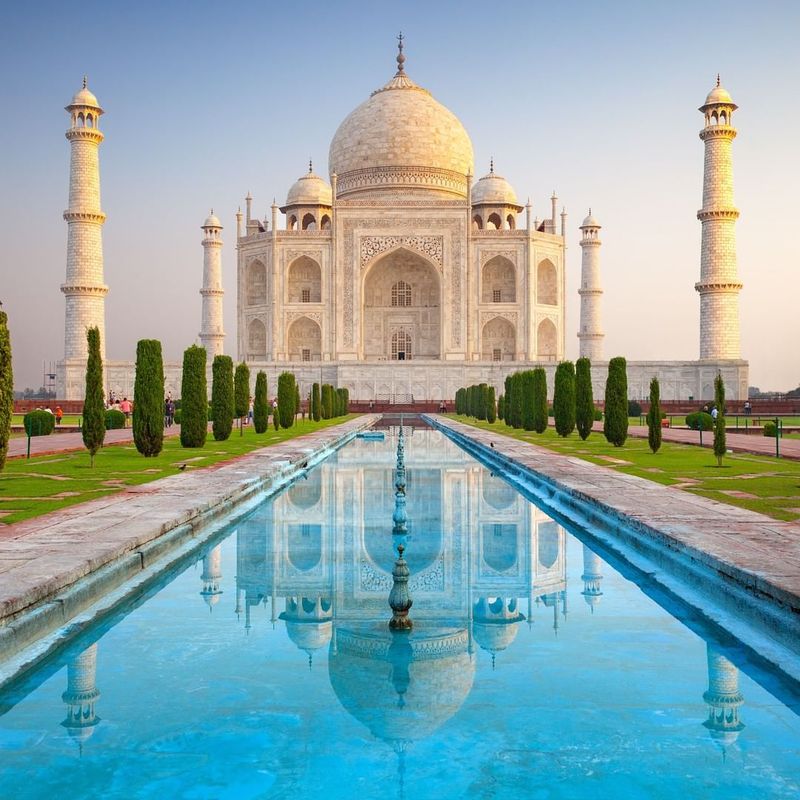
At first sight, the Taj Mahal feels like a breath held in marble. The symmetry draws your gaze inward, from entry gate to the mirrored pool and luminous dome.
You sense devotion carved into every pietra dura flourish.
As the sun rises, color washes across the stone, shifting from silver to warm honey. Birds flicker over gardens laid with precise geometry.
Step closer and floral inlays bloom under your fingertips, delicate yet enduring.
Inside, the cenotaphs carry a hush that slows conversation to a whisper. The Yamuna drifts beyond, tying palace and river into one serene composition.
The monument’s balance turns grief into grace, and architecture into poetry.
Arrive at dawn to avoid lines and catch the softest light. Dress modestly and plan extra time for security checks.
You leave with photographs, yes, but also with a quiet steadiness that lingers long after.
Great Wall of China — China
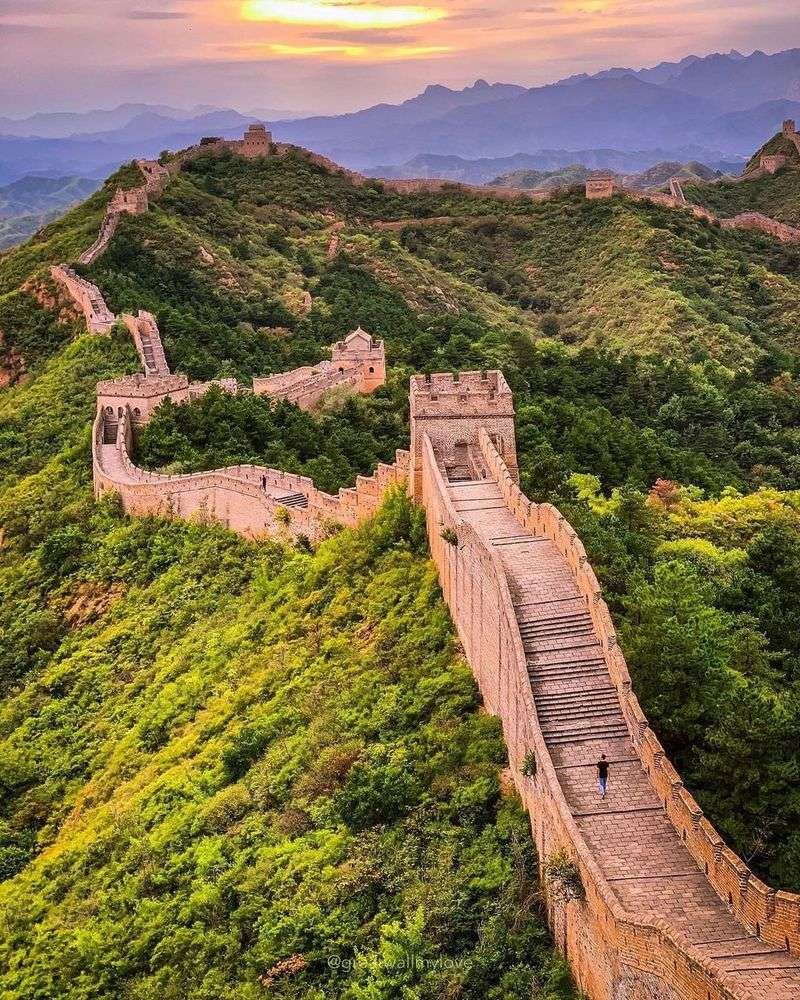
The Great Wall rides the ridgelines like a stone dragon chasing horizons. From each watchtower, the landscape opens into waves of mountains and farmland.
You walk and feel centuries compress beneath your feet.
Different sections reveal different moods and challenges. Mutianyu offers restored walls and family friendly gradients.
Jinshanling and Jiankou test stamina with wild stretches and dramatic drops.
Weather changes quickly, shifting from bright sun to gusty mist. Carry layers, water, and a sense of pacing as stairs tilt steeply and endlessly.
Every crest rewards you with a view that keeps pulling you forward.
Choose your access point based on time and comfort, and avoid peak crowds if you can. A cable car can help on longer routes, while sunset hikes paint the stones gold.
The Wall makes endurance feel like a conversation with the land.
Stonehenge — England
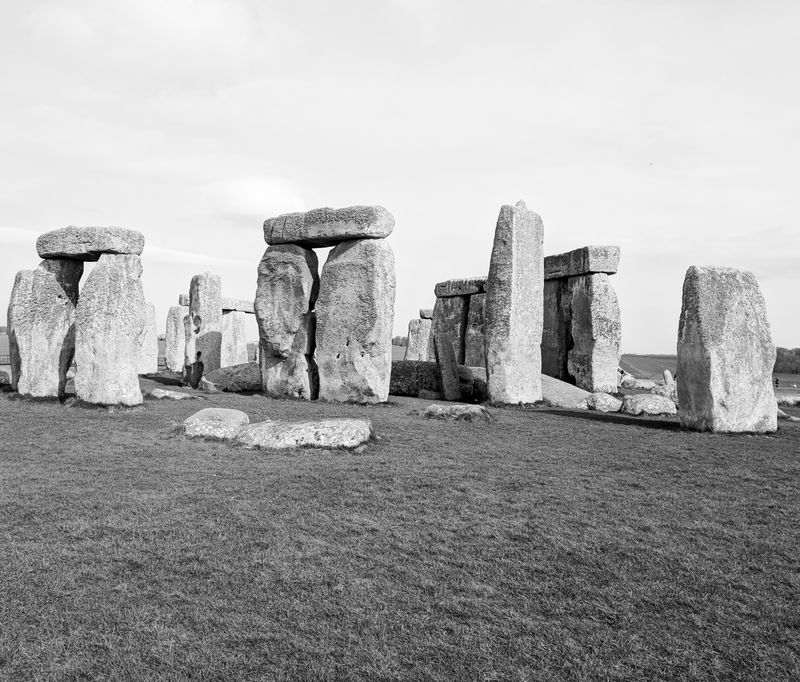
Stonehenge rises from Salisbury Plain as a ring of silence interrupted by wind and birds. The megaliths carry lichen and myth in equal measure.
You circle slowly and realize how scale shifts as clouds skim overhead.
Archaeology lays out a timeline of construction, movement, and alignment. Solstice events anchor debates about purpose, ritual, and astronomy.
The visitor center fills gaps with artifacts, models, and a sense of long patience.
A shuttle takes you near the stones, but a special access visit brings you inside the circle. There, every groove and trilithon lintel becomes personal.
You feel how prehistoric design framed sky and season.
Bring layers against plain winds and plan time for nearby barrows. Early morning or late day light sculpts the stones with shadow.
You leave both satisfied and curious, which is exactly Stonehenge’s quiet power.
Chichén Itzá — Mexico
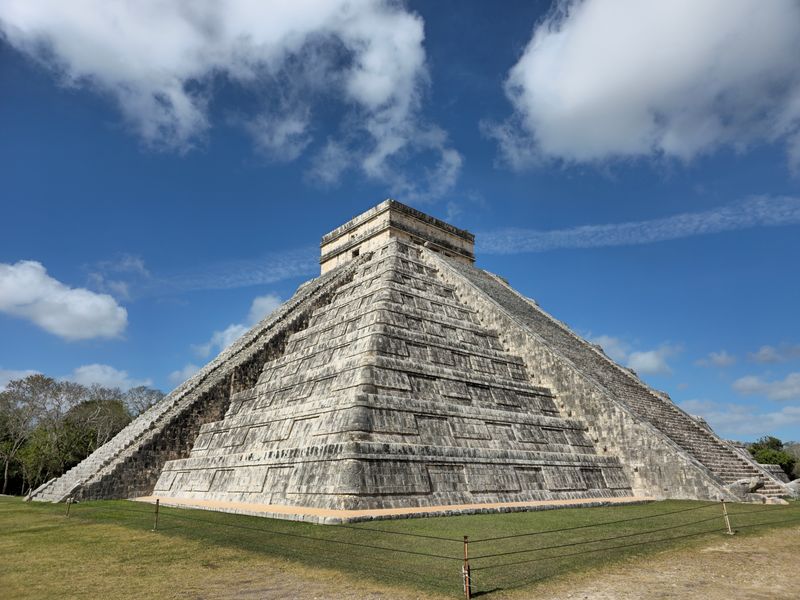
El Castillo commands the plaza with precise steps that measure both space and time. During equinox, a serpent of shadow slides down the pyramid’s flank, a cosmic performance in stone.
You stand there and feel the Maya conversation with the sky.
Nearby, the Great Ball Court stretches with acoustics that bounce whispers across distance. Carvings detail ritual, power, and celestial order.
Cenotes on the site tie ceremony to water and the underworld.
Arrive early to beat heat and crowds, then wander to lesser visited temples. Guides decode astronomical alignments, calendar cycles, and engineering.
You will notice how geometry binds myth and measurement.
Hydrate, wear a hat, and respect restricted areas that preserve fragile carvings. Pair the visit with Valladolid or Ik Kil cenote for context and cool relief.
You leave understanding that precision can be spiritual as well as practical.
Pompeii — Italy
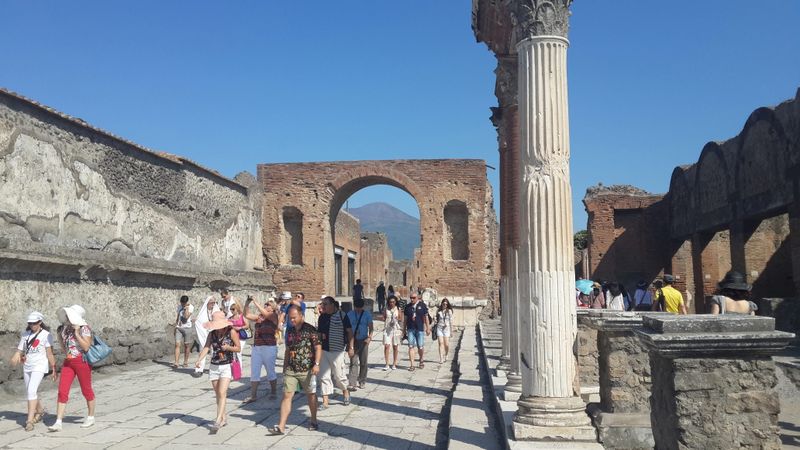
Pompeii freezes a day in 79 AD with startling intimacy. Streets, bakeries, and courtyards sit as if residents just stepped out.
Frescoes still glow with color that survived fire and ash.
Walk the ruts of cart wheels and peer into villas where mosaics map myths and sea creatures. Plaster casts bring human stories into sharp relief without spectacle.
You feel the ordinary made sacred by time and tragedy.
From the amphitheater to the forum, daily life reassembles in your mind. Wine bars, bathhouses, and gardens speak of routines interrupted.
Vesuvius looms, a quiet reminder of geology’s timetable.
Wear sturdy shoes and plan for a full day, since distances surprise. A guided route helps connect neighborhoods and themes.
You leave with empathy sharpened, aware that history lives in kitchens as much as in palaces.
Borobudur — Indonesia
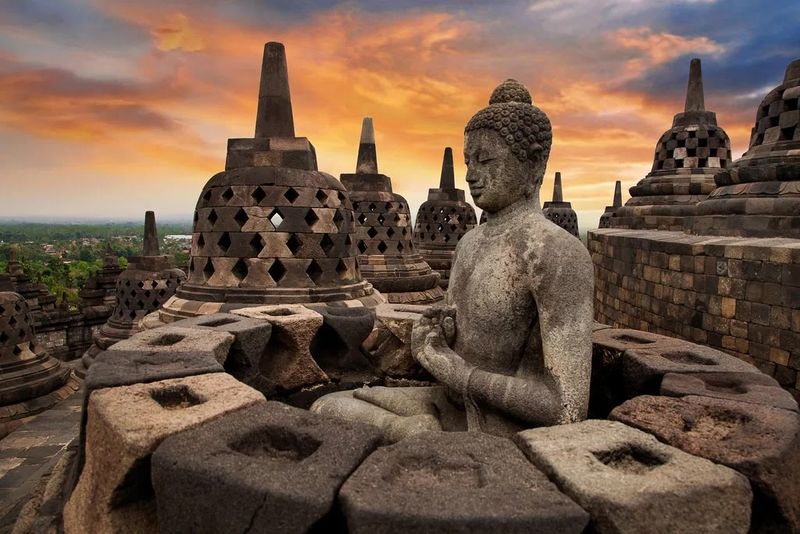
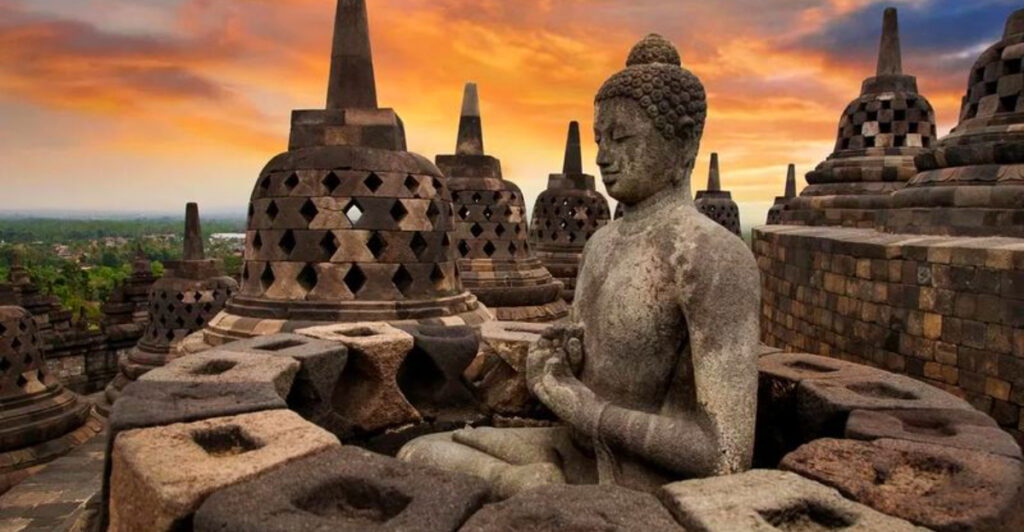
Borobudur rises like a stone mandala from the Kedu Plain. At dawn, stupas become silhouettes against layered mist and distant volcanoes.
The ascent spirals through reliefs that read like carved scripture.
Each terrace narrows your focus until the summit opens into quiet space. You move from narrative to meditation, from detail to horizon.
Bells shelter Buddha statues that peer outward with calm.
Guides trace the path of enlightenment encoded in levels and relief cycles. The stone feels warm by mid morning, and shadows shift in lacework patterns.
Surrounding forests add birdsong to the experience.
Arrive early for a sunrise ticket if available, then visit nearby Pawon and Mendut temples. Dress modestly and be mindful on slick steps.
You leave centered, as if the temple lent you a steadier breath.
The Forbidden City — China
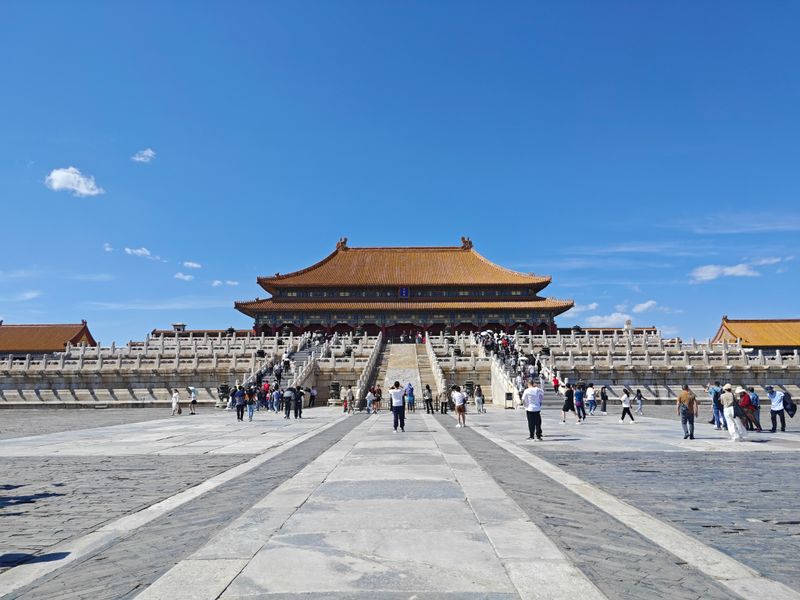
Enter the Forbidden City and space unfolds in measured courtyards and ritual axes. Vermilion walls and gilded roofs guide you through a choreography of power.
Every threshold feels deliberate, shaping how you move and see.
Hall after hall reveals dragons, imperial seals, and lacquered textures. The throne rooms carry stillness edged with ceremony.
Living quarters hint at private rhythms inside a very public life.
From Meridian Gate to the Palace of Supreme Harmony, the scale instructs humility. You read history in rooflines and stone balustrades.
The museum collections deepen context with scrolls, ceramics, and jade.
Buy timed tickets in advance and plan a route to avoid backtracking. Pair the visit with Jingshan Park for a panorama over golden tiles.
You leave sensing how architecture can script authority and intimacy.
Alhambra — Spain
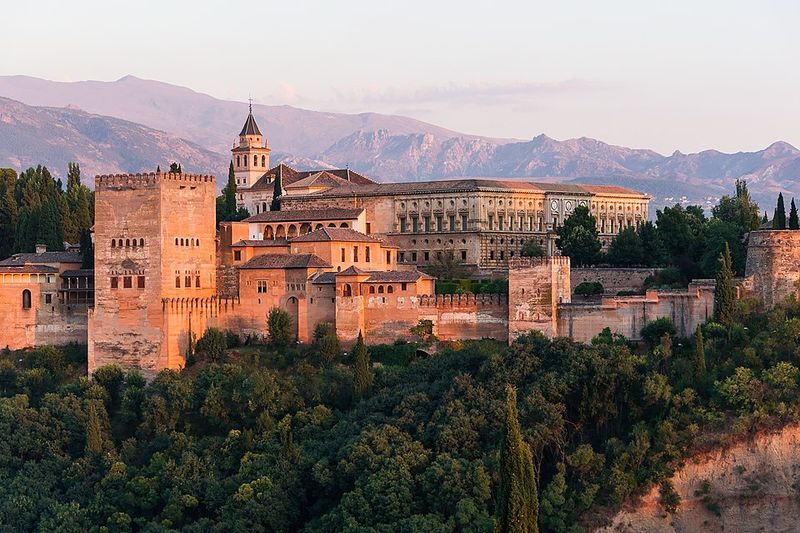
The Alhambra blends fortress, palace, and garden into a single flowing poem. In the Nasrid Palaces, stucco turns to lace and light makes patterns dance.
Courtyards mirror arches so perfectly that water seems like architecture.
Walk past muqarnas ceilings and cedar carvings to the whisper of channels in the Generalife. Geometry, calligraphy, and garden fragrance braid together into calm.
You feel how design taught rulers to listen to water and wind.
From ramparts, Granada spreads toward the Sierra Nevada. Evening light warms walls to amber and invites lingering.
Each doorway frames a story layered by conquest and coexistence.
Reserve well ahead because entry windows are strict. Choose a night visit if offered, when silence sharpens detail.
You leave with the sense that beauty can be strategic and merciful at once.
Roman Forum — Italy
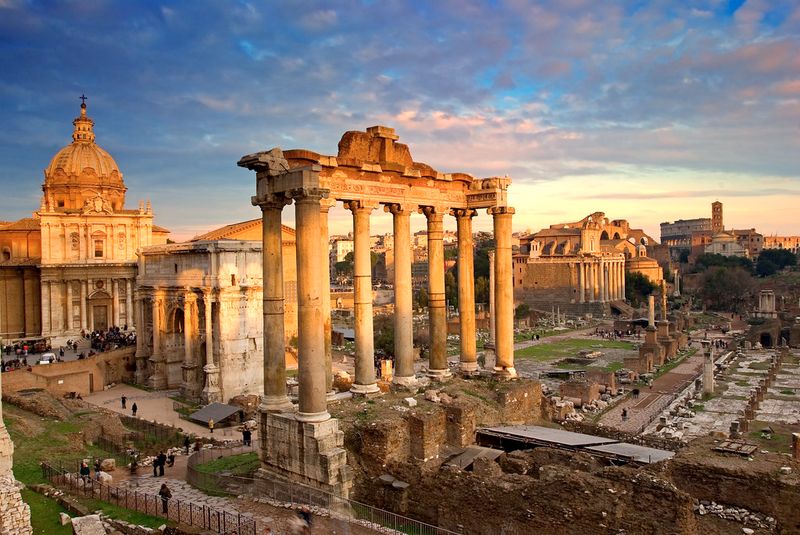
The Roman Forum unfolds like a city paused mid sentence. Temples, basilicas, and arches rise as fragments that still speak clearly.
Walk the Via Sacra and imagine processions threading through marble and dust.
Columns catch evening light and turn pale gold. The Curia hints at debates that shaped law and empire.
From the Palatine, you glance down and stitch politics, religion, and commerce into one tapestry.
Signage and guides help reconstruct floor plans in your mind. It becomes easier to see roofs, statues, and banners where now there are outlines.
The ruins reward patience and a willingness to connect dots.
Bundle a combined ticket with the Colosseum and Palatine Hill. Comfortable shoes and water make the experience kinder.
You leave with Rome under your skin, a chorus of voices still negotiating the future.
Share this story