Some bands had the songs, the chops, and the vision, yet fate nudged them off the main stage. You know the hits, but the deeper catalogs are where the real stories live.
Industry shakeups, timing quirks, and misaligned marketing often mattered more than pure talent. Stick around and you will leave with new favorites, data to back the hype, and practical ways to explore their music today.
1. Badfinger
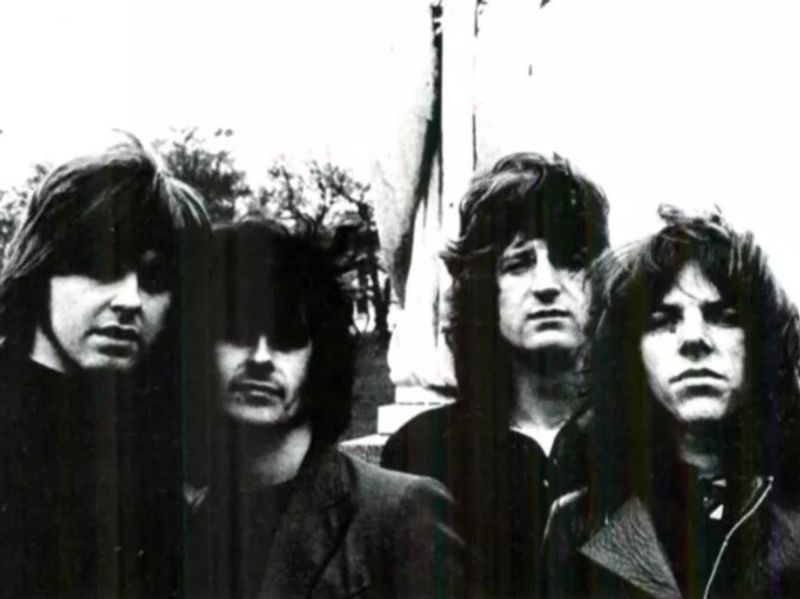
Badfinger had everything on paper: Beatles mentorship, Apple Records backing, and airtight power pop hooks. You hear “Baby Blue” and “No Matter What” and wonder how fate missed them.
The answer is brutal mismanagement and financial abuse that gutted momentum just as they were peaking.
For you, the takeaway is to explore Straight Up front to back, then dive into the demos to feel the spark. Case study: despite gold-level potential, legal chaos stalled touring and radio support.
Today, streaming gives them fresh ears, proving great songs can outlast industry storms.
2. Big Star
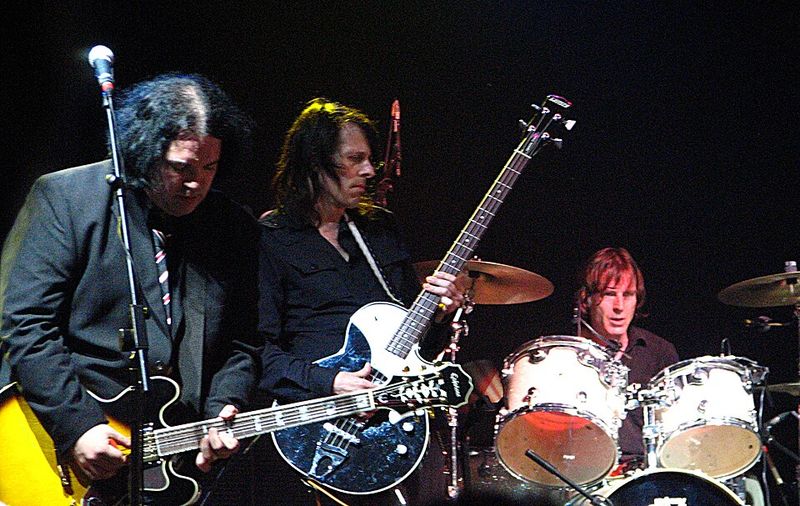
Big Star wrote the manual for power pop, but almost nobody bought it in real time. Distribution snafus at Stax and label turmoil strangled #1 Record and Radio City.
Meanwhile, the songs taught future generations how to shimmer, ache, and stick in your head.
If you love melody, start with “September Gurls,” then let Third sink in. Data point: streams of Big Star’s catalog have climbed steadily across the last decade as Gen Z discovers them via playlists.
Influence beats charts sometimes. You can hear them in R.E.M., The Replacements, and Teenage Fanclub.
3. Thin Lizzy
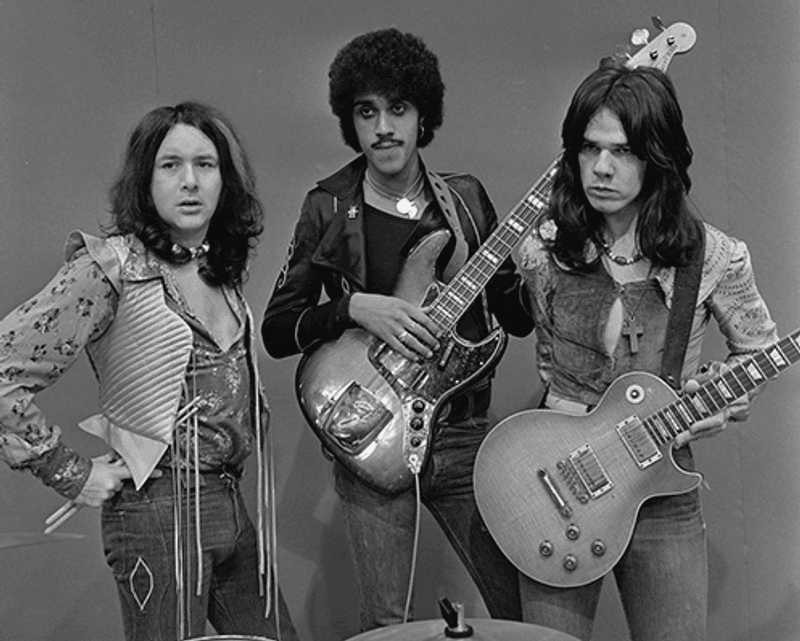
Thin Lizzy’s twin-guitar harmonies practically define hard rock elegance. Yet in the U.S., they were reduced to one timeless anthem.
Phil Lynott’s romantic street poetry, delivered with swagger, made even the toughest riffs feel human and cinematic.
Put on Jailbreak and Black Rose for a masterclass in melody meeting muscle. Radio fragmentation and touring setbacks muted their rise stateside.
Practical tip: trace their influence through Iron Maiden’s harmonized leads. When you revisit “The Boys Are Back in Town,” listen past nostalgia for the arrangement craft.
It is a blueprint many bands kept studying.
4. UFO
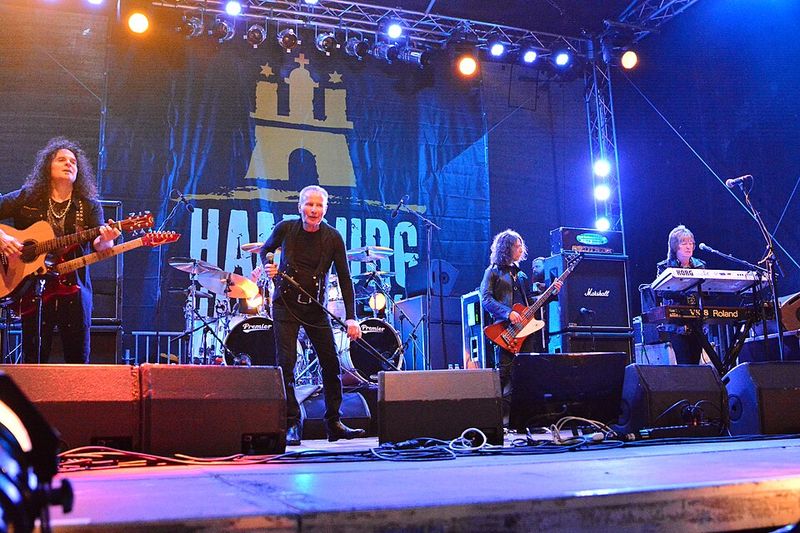
UFO bridged hard rock and early metal with finesse, especially during the Michael Schenker years. Strangers in the Night remains a live album yardstick for tone, timing, and attack.
Yet they hovered just below arena omnipresence while later bands ran with their blueprint.
If you want riffs with lift, cue “Doctor Doctor” and “Lights Out.” Touring instability and lineup turbulence kept momentum uneven. Practical takeaway: study their arrangements to hear how space makes heavy music heavier.
Their legacy survives in Maiden’s melodic architecture and countless guitarists who learned phrasing from Schenker’s surgical bends.
5. Faces
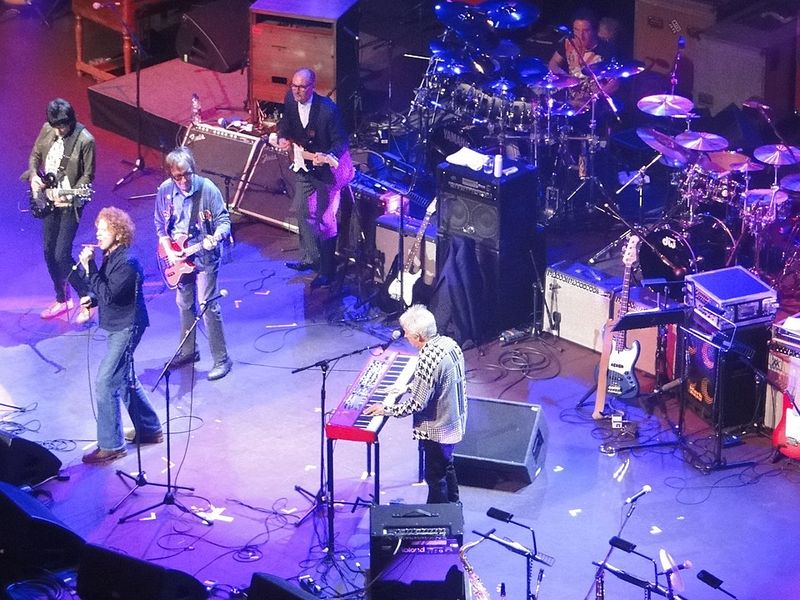
Faces made swagger sound like your best night out. Loose grooves, piano splashes, and singalong choruses felt effortless, which sometimes hid the craftsmanship underneath.
Rod Stewart’s solo fame complicated the band’s identity just as they were tightening up.
Spin A Nod Is as Good as a Wink for proof that casual can be classic. Career lesson: brand clarity matters when stars orbit multiple projects.
You will hear their DNA in barroom rock and Britpop’s cheeky strut. Start with “Stay With Me,” then dig into the deeper cuts for the soul beneath the grin.
6. The Replacements
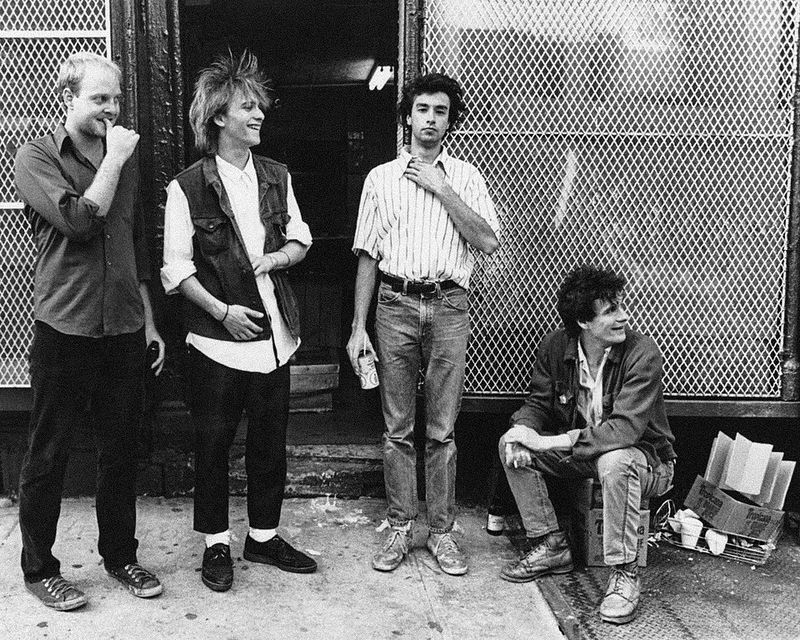
The Replacements could write a tearjerker and torch a stage in the same breath. That volatility thrilled fans but rattled gatekeepers.
Albums like Let It Be and Tim proved they could be messy and magnificent simultaneously, a dangerous combo for mainstream radio programmers.
Tour stories of sabotage overshadowed the songwriting for years. Today, you can trace their DNA through every earnest indie band chasing catharsis.
Try “Unsatisfied” at night with headphones and let it level you. Industry lesson: consistency sells, but lightning inspires.
They chose lightning, and you benefit every time you press play.
7. Blue Oyster Cult
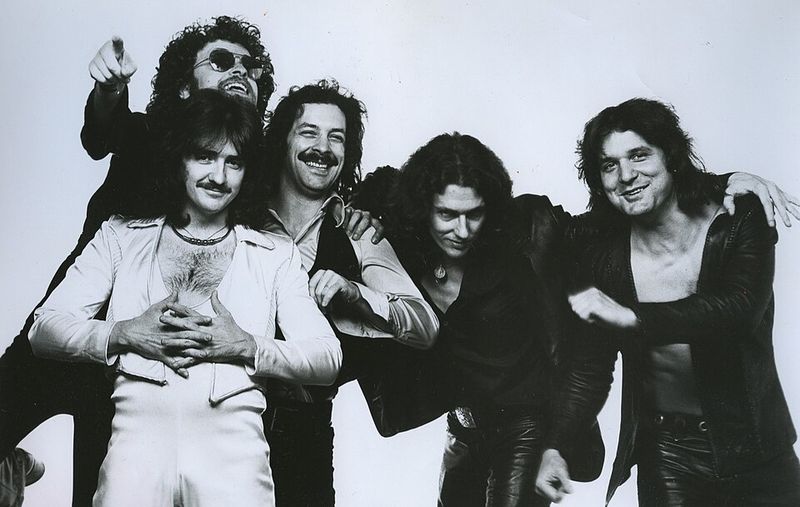
Blue Oyster Cult get reduced to a cowbell joke, but the catalog is stacked with smarts and menace. Their lyrics flirt with sci-fi, noir, and metaphysics while the riffs stay radio-ready.
Agents of Fortune and Secret Treaties prove heavy music can be literate without losing bite.
Try “Burnin’ for You” and “E.T.I.” for hooks that still hit. Longevity sometimes obscures innovation when one song dominates memory.
Data point: classic rock catalog streams have grown double digits annually in recent years, and BOC benefits from discovery playlists. You will find a universe beyond one spectral reaper.
8. The Zombies
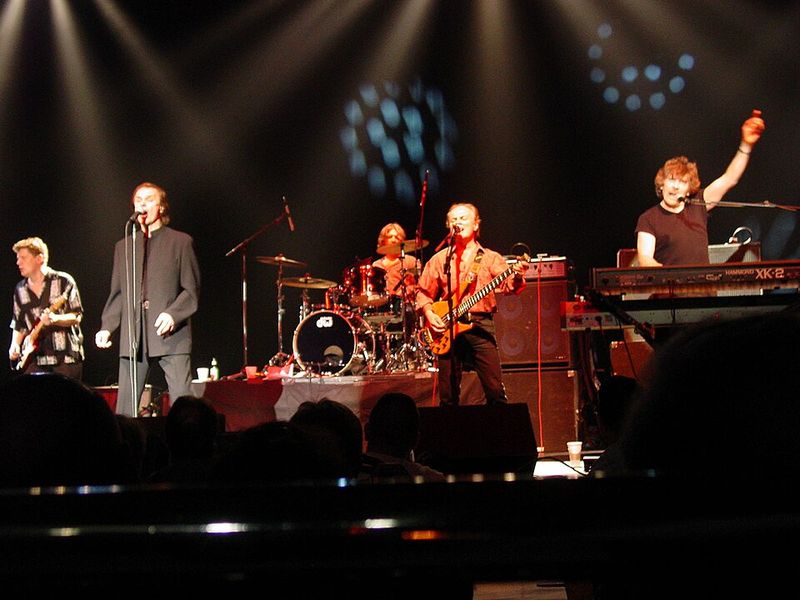
The Zombies crafted pop with baroque sparkle and heartbreaking restraint. Odessey and Oracle sank on release, then bloomed into a canonical masterpiece. “Time of the Season” hit after the breakup, which meant success arrived with no band to tour it.
Your move: play “Care of Cell 44” to hear bittersweet joy disguised as a letter home. Marketing misfires and timing quirks, not talent, limited their runway.
Case study: delayed recognition can still rewrite a narrative when critics and fans align. Today, their melodies feel evergreen, a testament to arrangement and harmony discipline.
9. Love
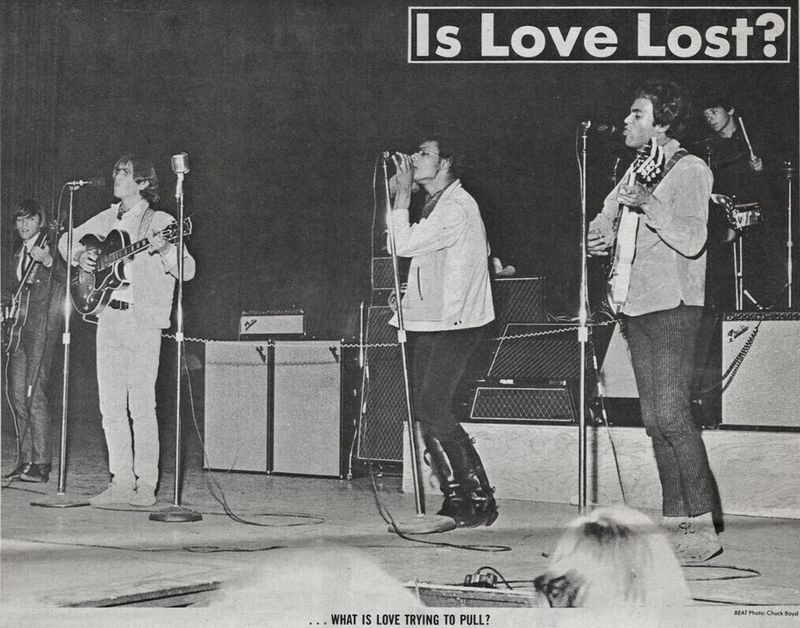
Love made psych-folk that felt like a city’s heartbeat. Forever Changes captured paranoia and beauty with chamber-pop finesse, yet promotion lagged while internal friction worsened.
Arthur Lee’s brilliance came with volatility, and opportunities slipped away.
Put on “Alone Again Or” and notice how arrangements elevate the writing. Industry lesson: cohesion offstage feeds sustainability onstage.
For you, exploring mono and stereo mixes can be revelatory, proving production choices shape emotional pull. Their influence stretched quietly into indie and folk-rock, making Love a touchstone for artists who want delicacy without losing edge.
10. T. Rex
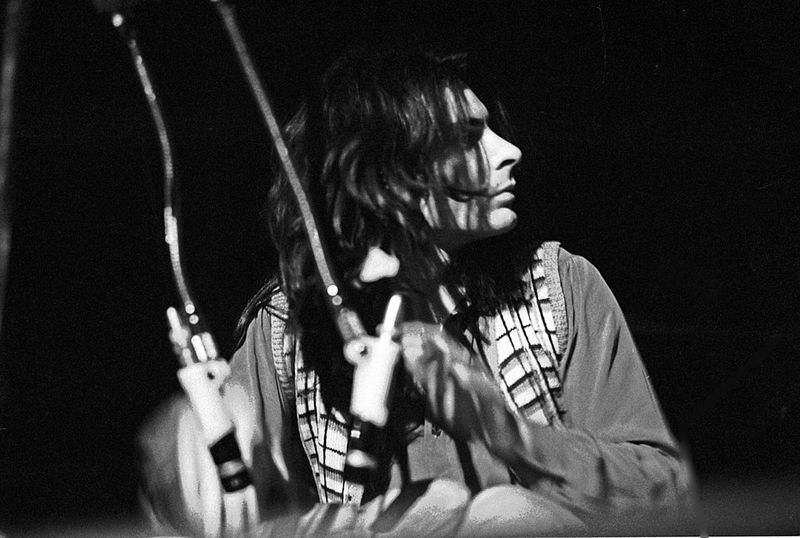
T. Rex were titans in the UK but oddly under-scaled in the U.S.
Marc Bolan’s hooks and swagger lit the glam fuse for Bowie and beyond. “Bang a Gong” survived, yet the deeper cuts reveal economy and groove that predicted punk’s brevity and pop’s bounce.
Spin Electric Warrior front to back and count how many choruses lodge instantly. Cultural translation issues and label priorities hampered their stateside push.
Practical tip: listen for percussion layers that make the riffs dance. You will hear why entire scenes borrowed their glitter and grind.
11. The Jayhawks

The Jayhawks helped sketch the alt-country map before the term caught on. Harmonies float, lyrics ache, and guitars ring without showboating.
Hollywood Town Hall and Tomorrow the Green Grass should have put them on bigger stages, but radio formats siloed genres and blunted crossover.
If you love storytelling, try “Blue” and “Waiting for the Sun.” Practical takeaway: restraint can travel farther than flash when songs are built to last. Their influence threads through Wilco and contemporary Americana, making the Jayhawks a quiet cornerstone you will keep revisiting.
12. The Move
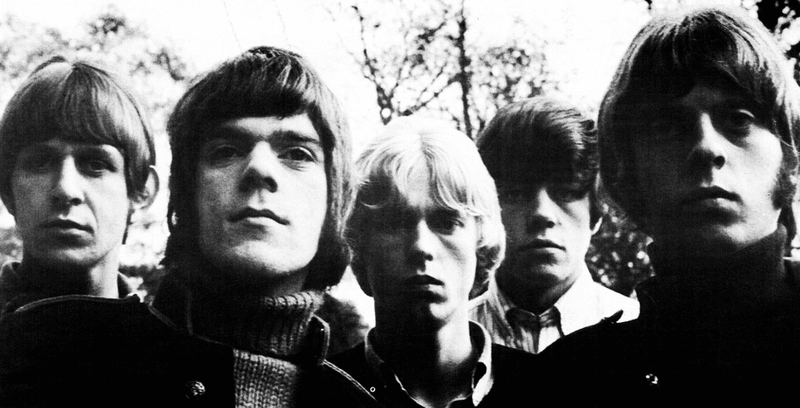
The Move were restless shape-shifters, toggling between heavy riffs and technicolor pop. Jeff Lynne’s arrival hinted at future ELO grandeur, yet constant lineup churn undercut momentum.
The songs were sharp, theatrical, and built for international breakout that never arrived.
Start with “Blackberry Way” and “Do Ya” to feel the spectrum from melancholy to muscle. Management missteps and market timing kept them a domestic phenomenon.
For you, tracing arrangements into early ELO becomes a mini musicology course. The Move prove invention does not guarantee escape velocity without stability behind the curtain.
13. Manic Street Preachers

In Britain, the Manics are institutions. In the U.S., they are a question mark deserving an exclamation.
Everything Must Go and The Holy Bible show two poles: widescreen catharsis and razor-edged critique. American radio never solved where to place them, which limited reach despite arena-caliber songs.
Try “A Design for Life” for an anthem with steel in its spine. Practical note: their documentary-style lyrics reward close listening and context.
If you want rock that argues with the world and still soars, the Manics should be in heavy rotation.
14. X
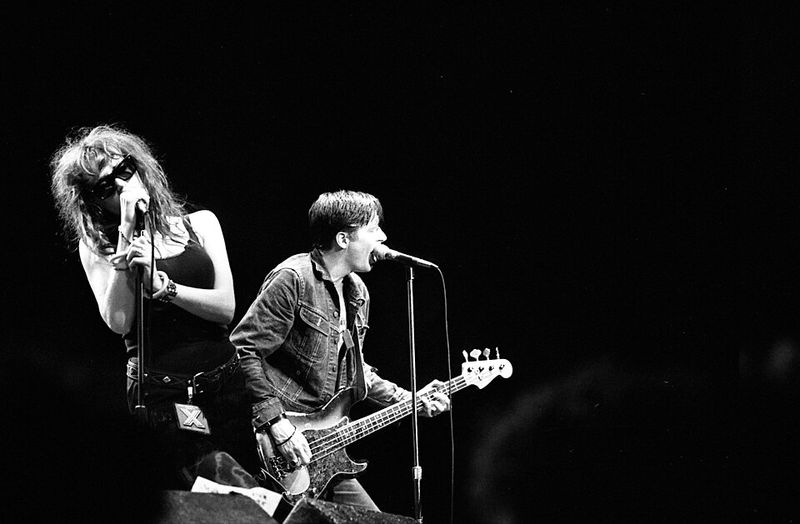
X welded punk urgency to rockabilly swing and poetic grit. Exene Cervenka and John Doe’s entwined vocals felt like a barroom argument sung in harmony.
Los Angeles and Wild Gift sound timeless now, but radio shied away from edges that did not sand down easily.
Start with “The New World” and notice how storytelling drives the tempo. Scene-building matters: X anchored a community that influenced film, fashion, and future bands.
For practical listening, compare live takes to studio cuts to hear their controlled chaos. It is punk that knows its history.
15. Television
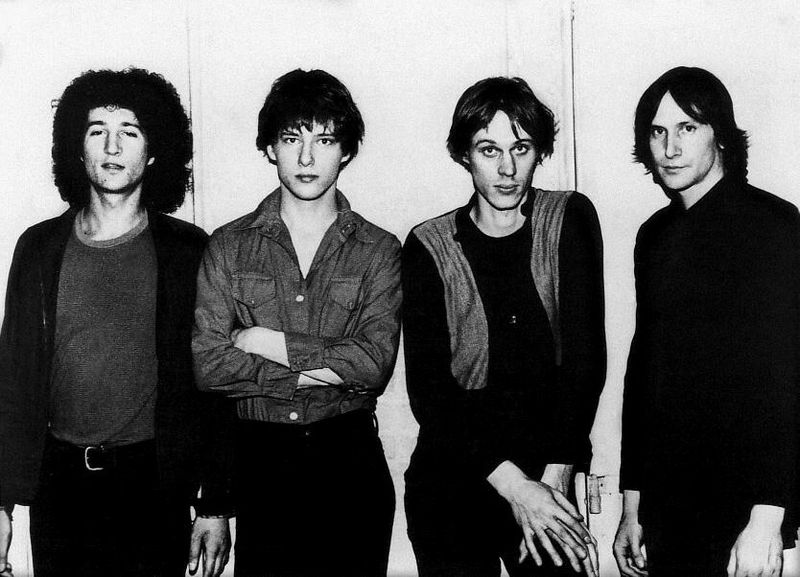
Television’s Marquee Moon rewired guitar rock with precision and patience. Two guitars converse rather than compete, creating tension that feels like city lights stretching down a wet avenue.
In a punk moment obsessed with speed, their spacious complexity confused markets.
Play the title track and count how many melodies hide inside the solo. Case study: critics loved it, but commercial charts lagged.
Recent catalog consumption shows classic albums often grow as discovery algorithms reward deep listening. If you crave artful interplay and lyrical ambiguity, Television delivers a masterclass.
16. The Go-Betweens
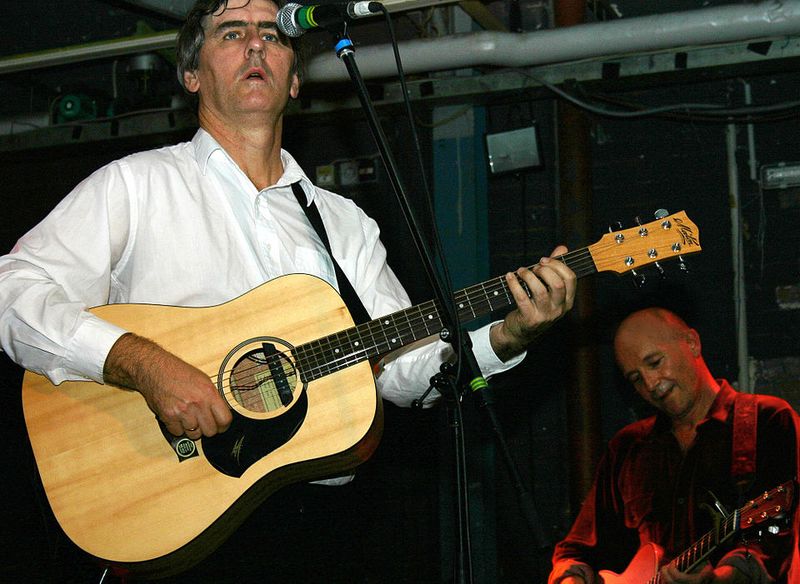
The Go-Betweens wrote literate pop that whispers until it lives in your head. 16 Lovers Lane is a front-porch record disguised as a city diary: intimate, economical, unforgettable. They earned critics, not charts, in a decade chasing spectacle.
Begin with “Streets of Your Town,” then backtrack to the darker corners. Practical takeaway: arrangement restraint can feel luxurious when every instrument serves the line.
Their influence trails into indie’s soft power, the proof that subtlety can last longer than noise. You will return for the writing, then stay for the warmth.
Share this story