Some of music’s greatest moments happened by accident. Record labels tucked away certain tracks on the flip side of singles, never imagining they’d become legendary.
Yet radio DJs, club spinners, and passionate fans had other ideas. They discovered these hidden gems and turned them into cultural phenomena that overshadowed the songs meant to be hits.
1. Rock Around the Clock – Bill Haley & His Comets
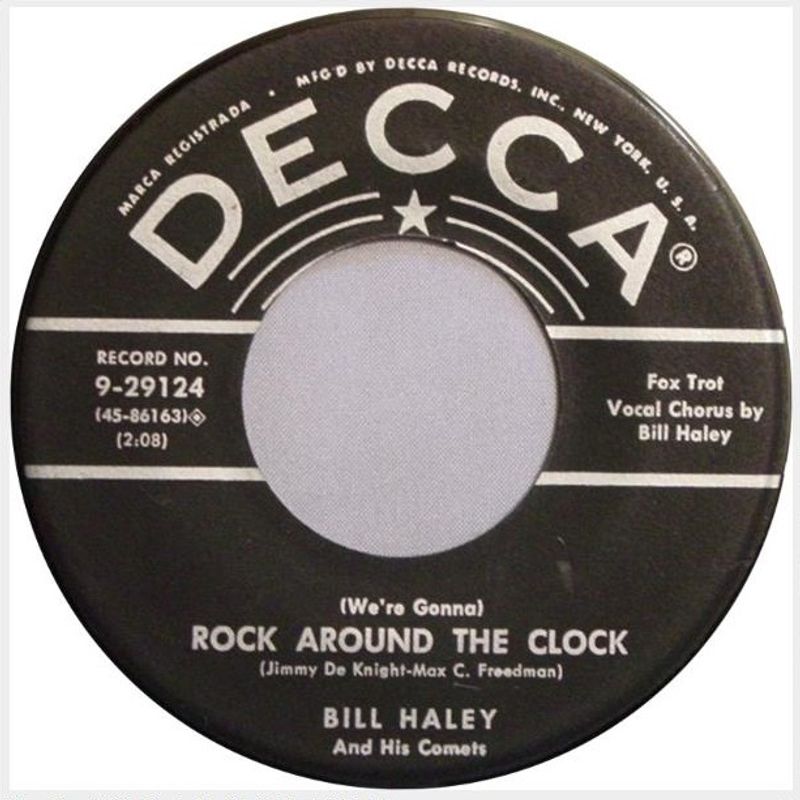
When this track first landed as a B-side in 1954, nobody predicted it would ignite a musical revolution. Bill Haley and his crew were just another group trying to make it in the early days of rock and roll.
The song sat quietly on the back of “Thirteen Women” until a savvy music supervisor chose it for the opening credits of “Blackboard Jungle” in 1955.
That movie moment changed everything. Teenagers across America rushed to buy the record, flipping it over to hear the wild, driving rhythm that spoke directly to their rebellious spirits.
The track shot to number one and became the anthem of a generation.
Today, music historians point to this as the textbook example of a B-side eclipsing its A-side. It sold over 25 million copies worldwide and essentially launched rock and roll into mainstream consciousness.
Not bad for a throwaway track.
2. Maggie May – Rod Stewart
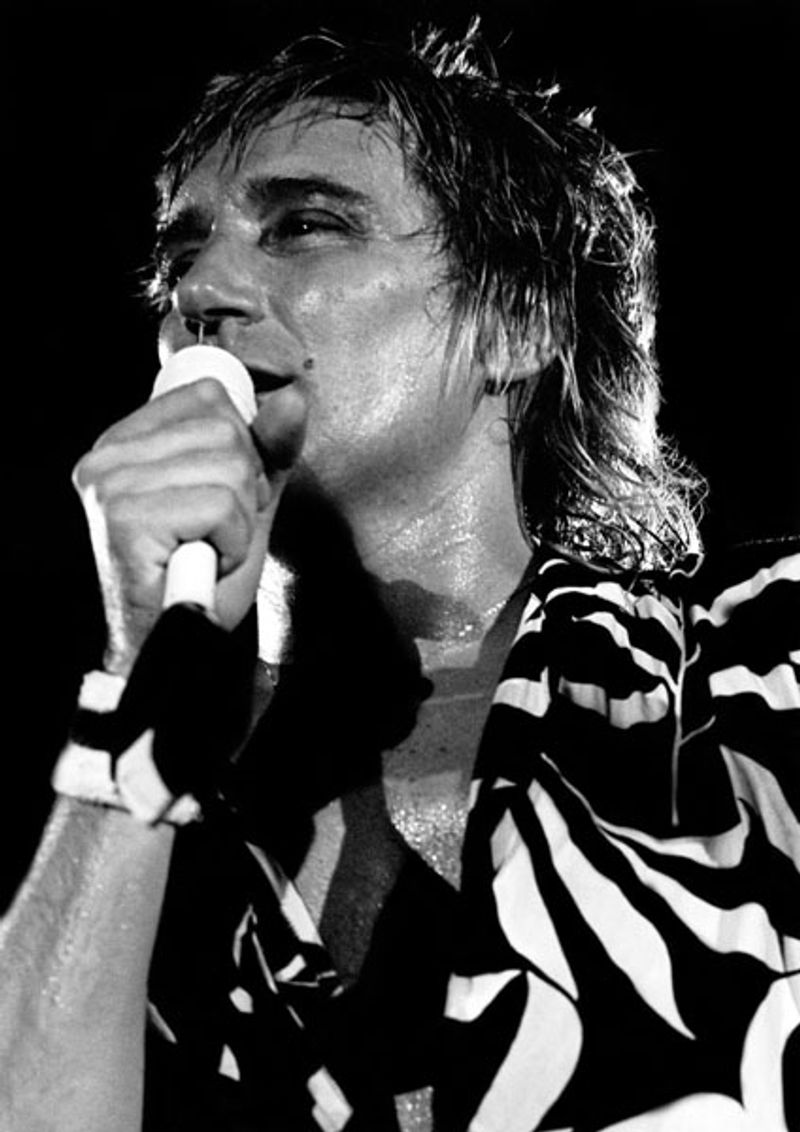
Rod Stewart’s record label had zero faith in this autobiographical tale about an older woman and a younger man. They pressed it as the B-side to “Reason to Believe,” expecting the folk cover to climb the charts.
Radio DJs had different plans entirely.
Station programmers kept flipping the single over, drawn to the raw emotion and mandolin-driven melody that felt fresh and authentic. Listeners called in requesting it constantly.
Within weeks, the label had no choice but to acknowledge what was happening.
The song rocketed to number one in both the US and UK, becoming Stewart’s signature hit. It launched him into superstardom and proved that sometimes the suits don’t know what they’ve got.
The acoustic guitar work and storytelling connected with audiences in ways the safer A-side never could. Pure magic emerged from what was supposed to be filler material.
3. I Will Survive – Gloria Gaynor
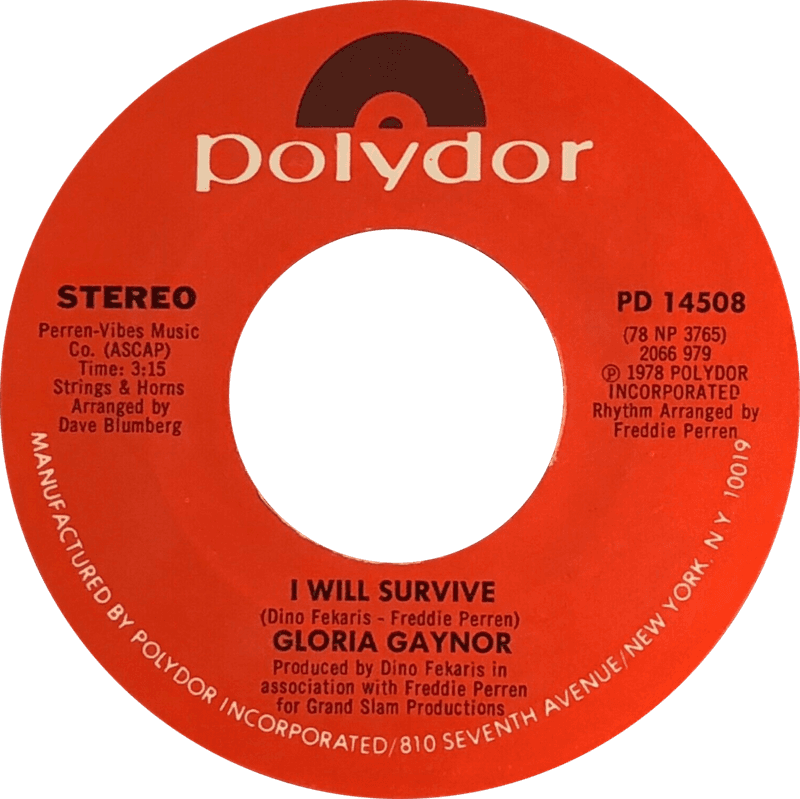
Club DJs discovered this empowerment anthem before anyone else recognized its potential. Originally tucked away as a B-side to “Substitute,” the track started getting serious play in discos across New York City.
Dancers couldn’t get enough of the defiant lyrics and driving beat.
The response was so overwhelming that the label quickly reversed course and promoted it as the lead single. Smart move.
The song became a worldwide phenomenon, winning a Grammy and cementing itself as the ultimate breakup anthem.
What makes this story remarkable is how organic the rise felt. Nobody manufactured this success through marketing campaigns or radio promotion.
Real people in real clubs made it happen by demanding to hear it over and over. The song’s message of resilience resonated across demographics, transcending the disco genre entirely.
It remains a cultural touchstone decades later.
4. Unchained Melody – The Righteous Brothers
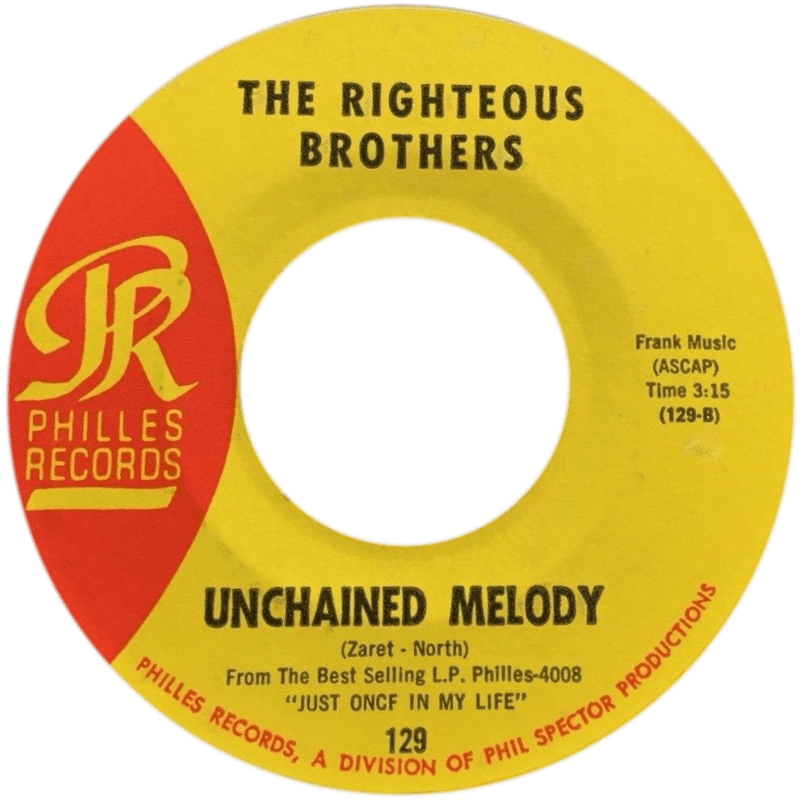
Few people remember “Hung on You,” the A-side that this masterpiece accompanied in 1965. The Righteous Brothers recorded this Phil Spector-produced ballad almost as an afterthought, never suspecting it would become their most enduring legacy.
Radio stations immediately gravitated toward the emotional depth and soaring vocals.
The song climbed to number four on the charts, far surpassing its companion track. But the real magic happened over time.
Each subsequent decade brought renewed interest, with the 1990 film “Ghost” introducing it to an entirely new generation.
Bobby Hatfield’s vocal performance remains one of the most powerful in pop music history. The restraint in the verses building to that explosive chorus creates genuine goosebumps.
Record executives learned an important lesson here about trusting artistic instinct over commercial calculation. Sometimes the song that moves hearts matters more than the one designed to sell records.
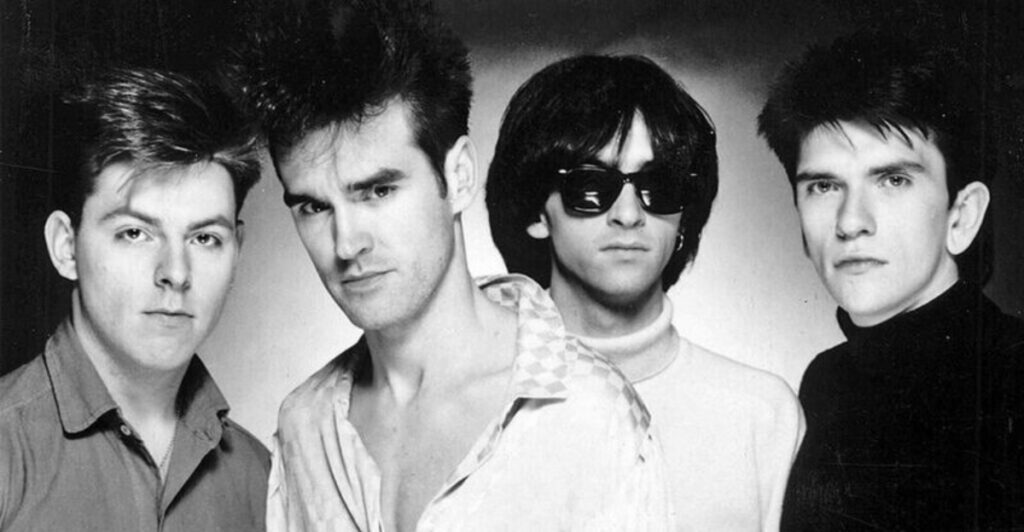
5. How Soon Is Now? – The Smiths
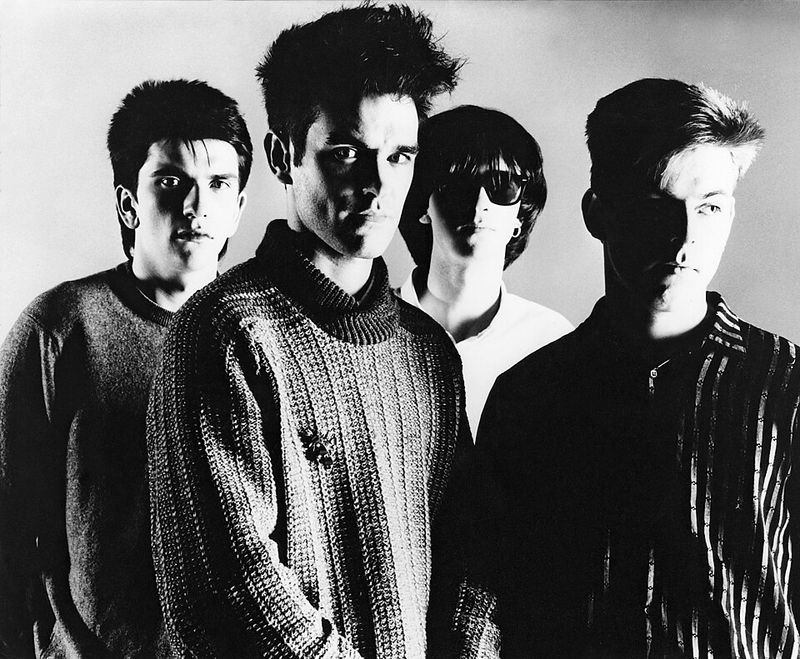
Johnny Marr’s shimmering, tremolo-drenched guitar work on this track created something entirely new in 1984. The Smiths buried it as a B-side to “William, It Was Really Nothing,” treating it as an experimental piece rather than potential hit material.
College radio stations across America and UK alternative clubs disagreed strongly.
The hypnotic guitar loop and Morrissey’s lyrics about loneliness struck a chord with outsiders everywhere. DJs played it relentlessly despite its lack of official single status.
The band eventually recognized what they had and included it on the US version of “Meat Is Murder.”
This track became The Smiths’ calling card, their most recognizable song to casual listeners and die-hard fans alike. It’s appeared in countless films and TV shows, introducing new generations to the band’s brilliance.
The irony of their most famous song starting as a throwaway B-side wasn’t lost on the notoriously self-aware group.
6. God Only Knows – The Beach Boys
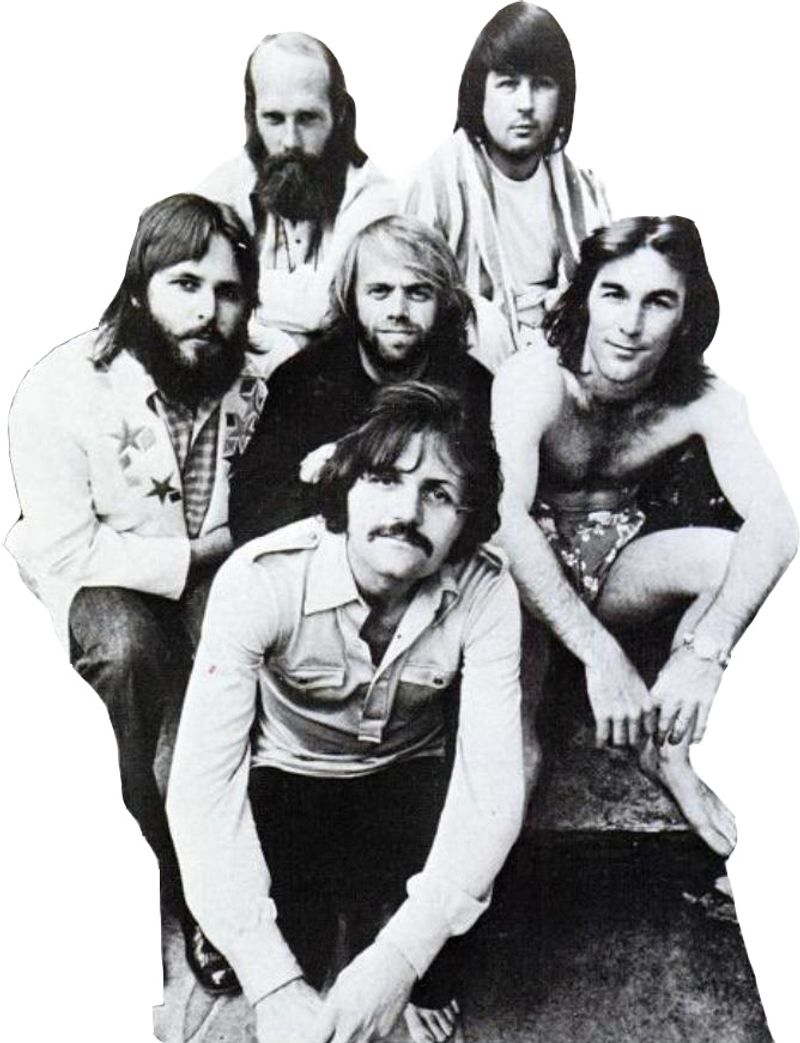
Brian Wilson considered this his finest composition, pouring sophisticated harmonies and unconventional instrumentation into every measure. Capitol Records looked at the US market in 1966 and decided “Wouldn’t It Be Nice” should lead.
They relegated Wilson’s masterpiece to B-side status domestically, though the UK wisely flipped the arrangement.
Critics immediately recognized the genius on display. The song’s structure defied pop conventions, with no traditional chorus and a key change that somehow felt completely natural.
Paul McCartney later called it the greatest song ever written.
Over time, this track has been vindicated completely. Music scholars study its arrangement in universities.
Artists across genres have covered it reverently. The emotional honesty in the lyrics combined with the lush production created something timeless.
Wilson’s vision proved more enduring than any marketing department’s strategy ever could. The song stands as proof that true artistry eventually finds its audience.
7. You Can’t Always Get What You Want – Rolling Stones
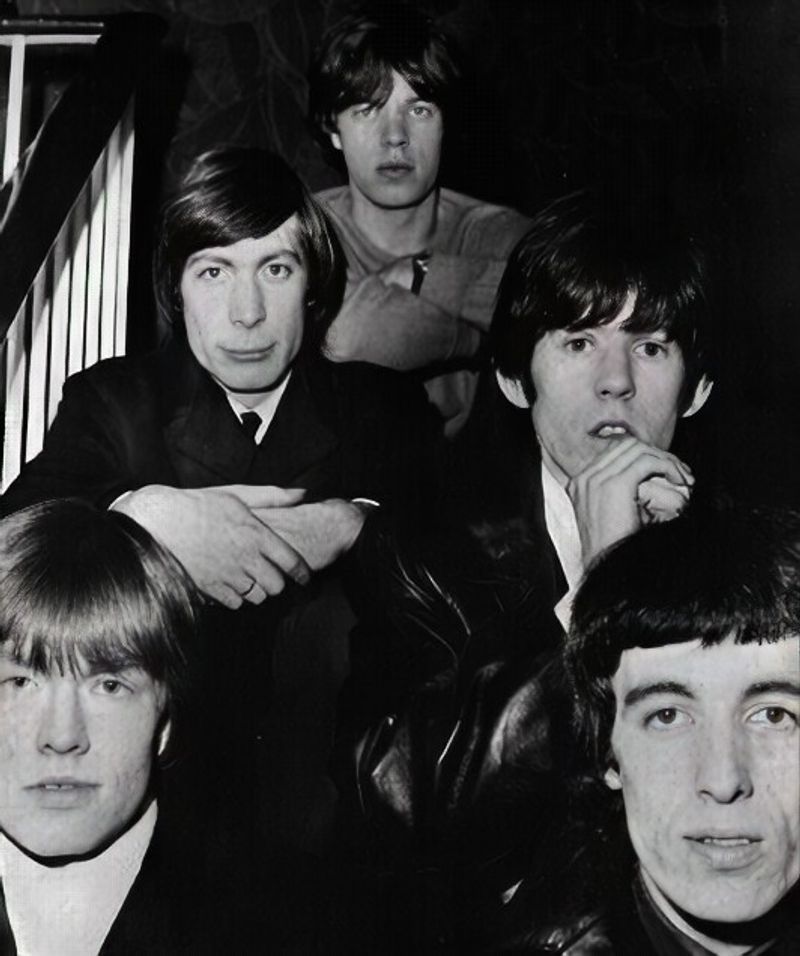
Mick Jagger and Keith Richards crafted this philosophical epic with a children’s choir, French horn, and gospel-infused vocals. The Rolling Stones tucked it behind “Honky Tonk Women” in 1969, assuming the bluesy rocker would dominate.
FM radio stations had other ideas about which track deserved airplay.
The song’s message about accepting life’s disappointments while finding what you need resonated deeply during turbulent times. DJs appreciated the ambitious arrangement and lyrical maturity.
It became a staple of album-oriented rock formats, played far more frequently than its A-side partner.
The track has appeared at pivotal cultural moments, from political campaigns to movie soundtracks. Its seven-minute runtime never deterred listeners who appreciated the journey from quiet reflection to full-band celebration.
The Stones themselves recognized its importance, closing concerts with it for decades. What started as a B-side became a defining statement about life’s complexities and small victories.
8. Silver Springs – Fleetwood Mac
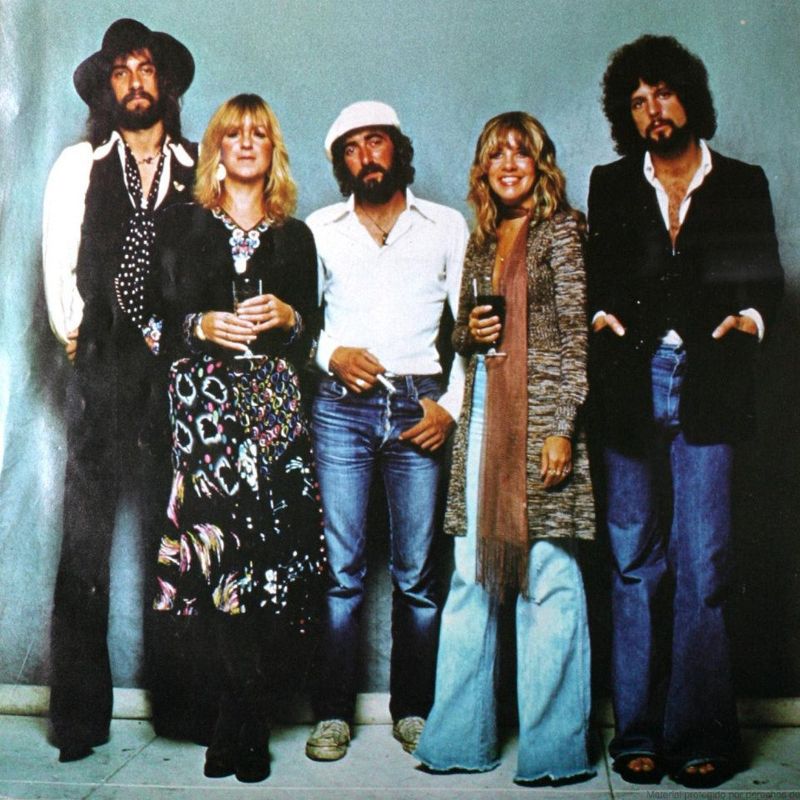
Stevie Nicks poured her heartbreak over Lindsey Buckingham into this haunting ballad, creating one of her most emotionally raw performances. The band cut it from “Rumours” due to time constraints, then used it as a B-side to “Go Your Own Way” in 1977.
Fans who discovered it felt like they’d found buried treasure.
The song’s intensity came from real pain, with Nicks delivering lines about betrayal directly to her ex-bandmate. Live performances became legendary, with visible tension between the former couple adding electricity to every note.
Bootleg recordings circulated widely among devoted followers.
When “The Dance” reunion concert aired in 1997, the performance of this song became the most talked-about moment. Nicks stared down Buckingham while singing, creating television gold.
The track finally got official album release, vindicated after two decades. Its journey from rejected album cut to beloved classic proves that some songs refuse to stay hidden.
9. Don’t Let Me Down – The Beatles
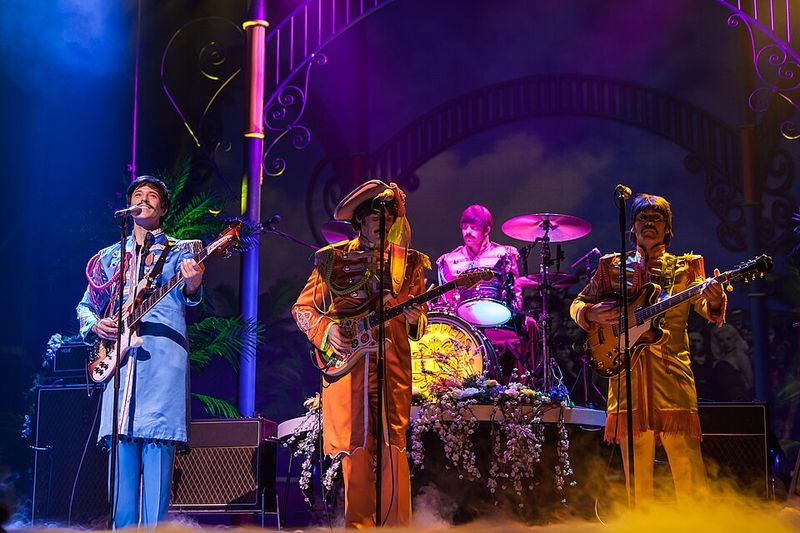
John Lennon wrote this pleading love song for Yoko Ono during a creatively fertile but personally chaotic period. The Beatles recorded it during the “Get Back” sessions, capturing a raw, bluesy energy.
When they released “Get Back” as a single in 1969, this powerful track rode along as the B-side.
The performance showcased on their famous rooftop concert revealed the song’s emotional punch. Lennon’s vocal desperation felt genuine and unguarded.
Billy Preston’s electric piano added soulful depth. Many fans considered it the stronger of the two songs.
The track’s reputation grew steadily over the years, with critics praising its honesty and musical tightness. It appeared on compilation albums and greatest hits collections, finally getting proper recognition.
The Let It Be film footage showed the band at their most human and vulnerable. What the label treated as secondary material became essential Beatles listening, proof that even their throwaway tracks contained more magic than most bands’ best work.
10. As Time Goes By – Dooley Wilson
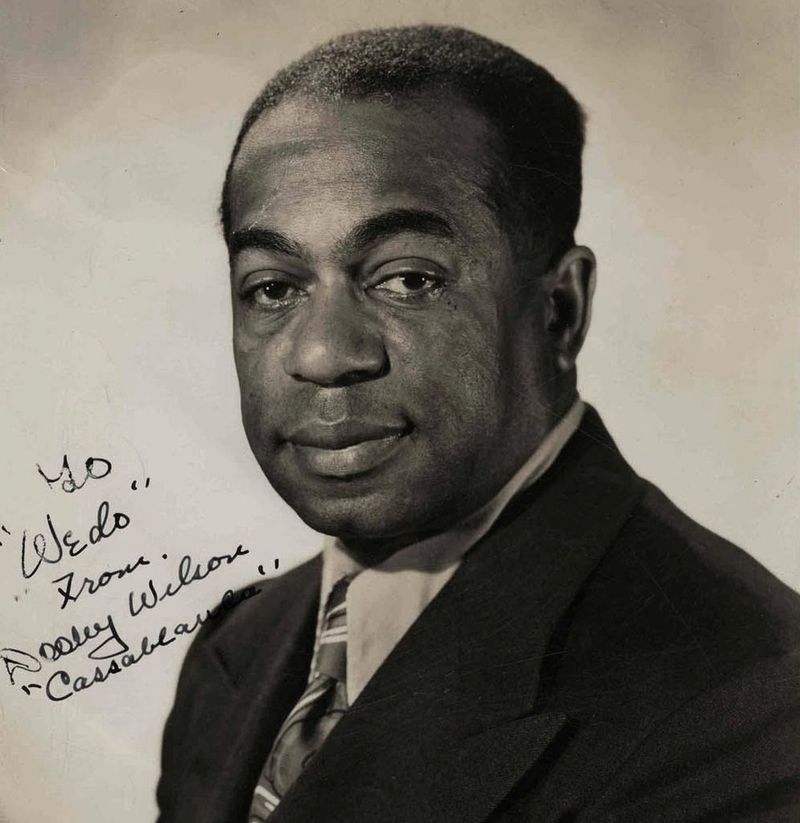
This song existed in relative obscurity for over a decade before finding immortality. Written in 1931, it appeared as a B-side on various recordings throughout the 1930s.
Dooley Wilson performed it in “Casablanca” in 1942, and suddenly everyone needed to hear it again.
The problem was Wilson couldn’t actually play piano and had recorded his version years earlier as album filler. When the movie became a phenomenon, his old B-side recording became one of the most requested songs in America.
Record stores couldn’t keep it in stock.
The romantic nostalgia captured in both the lyrics and Wilson’s warm vocal delivery struck the perfect chord during wartime. Couples separated by war adopted it as their anthem.
The song transcended its humble origins to become a standard, covered by countless artists across generations. Cinema gave it new life, but the song’s timeless quality about love and memory ensured it would never fade away again.
11. Hound Dog – Elvis Presley
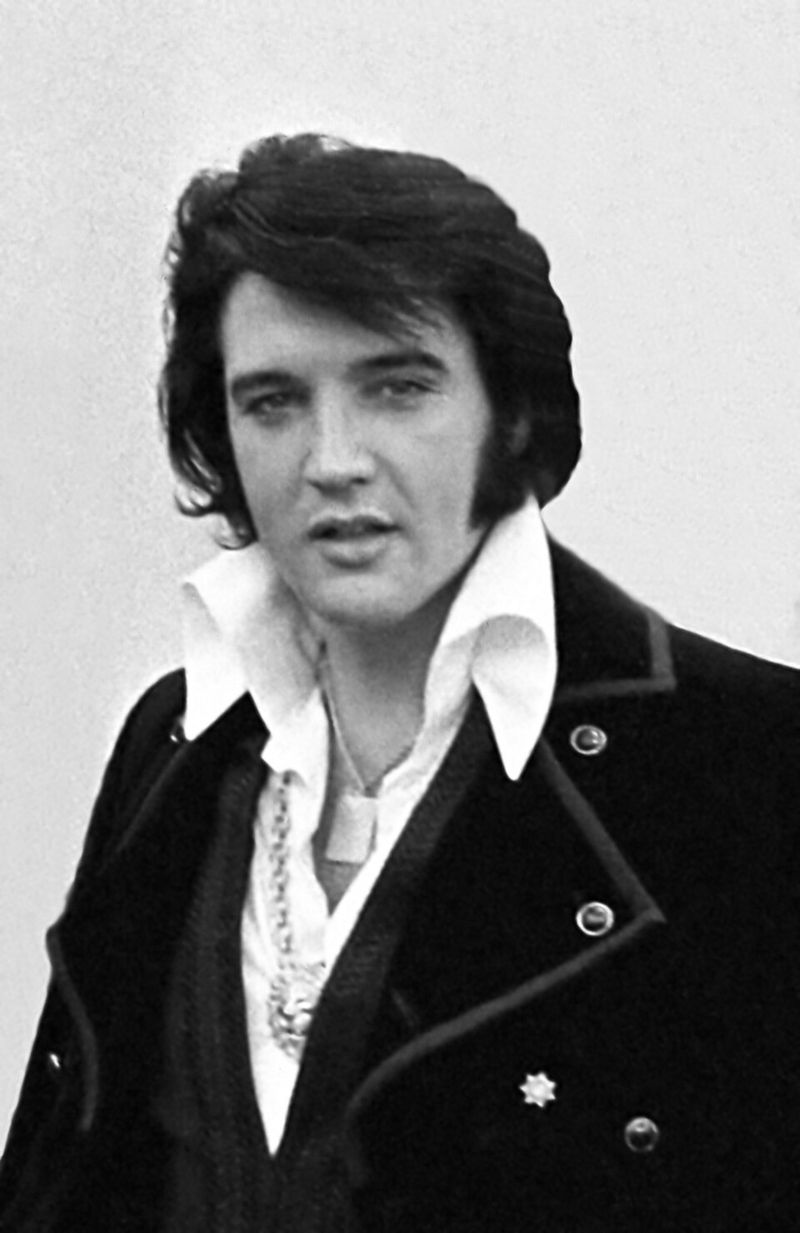
Elvis recorded both sides of this single in the same legendary 1956 session that produced some of his most explosive work. RCA Victor chose “Don’t Be Cruel” as the A-side, figuring its pop sensibility would dominate.
They underestimated the raw power of Elvis attacking Big Mama Thornton’s blues number with rockabilly fury.
Both songs shot to number one simultaneously, an almost unprecedented feat. But “Hound Dog” captured something primal and rebellious that defined Elvis’s early appeal.
His hip-shaking performances on television scandalized parents while thrilling teenagers. The song became synonymous with rock and roll revolution.
The track’s success proved Elvis could take any material and make it his own. His version bore little resemblance to the original, transforming a woman’s putdown of a lazy man into a teenage declaration of independence.
Music history remembers both sides of this single, but “Hound Dog” became the cultural lightning rod that changed popular music forever.
12. Into the Groove – Madonna
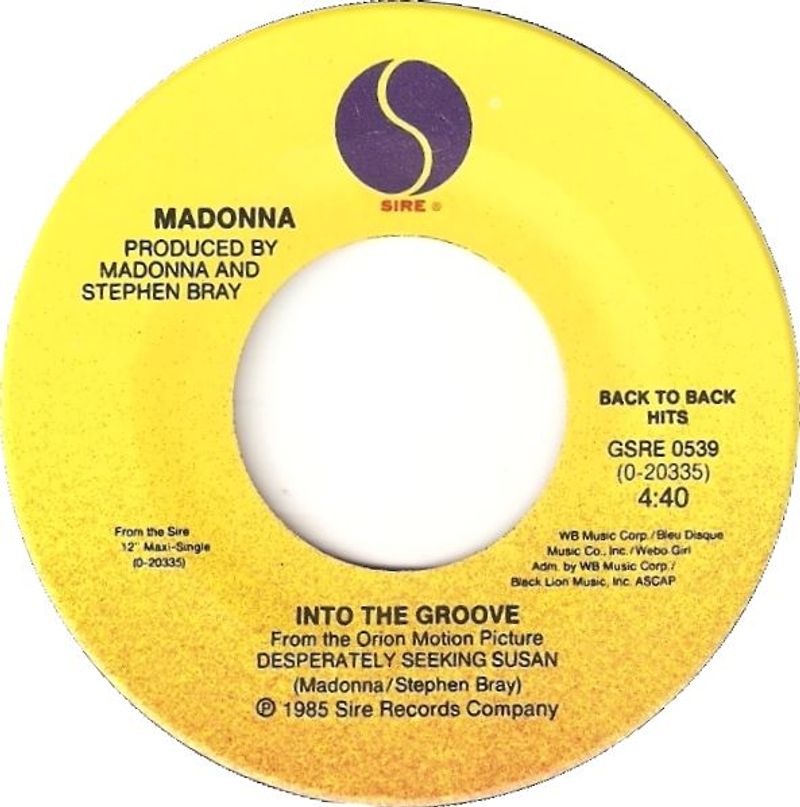
Madonna recorded this infectious dance track specifically for the film “Desperately Seeking Susan” in 1985. Her US label Sire Records made a puzzling decision, releasing it only as the B-side to “Angel” rather than as its own single.
European labels recognized the hit potential immediately and gave it proper single treatment abroad.
American DJs ignored the label’s intentions and played it constantly anyway. The bass line, handclaps, and Madonna’s breathless vocals created perfect dancefloor energy.
Clubs packed whenever it came on. Fans bought “Angel” just to get the flip side.
The song eventually appeared on various compilation albums, finally getting official recognition in the US market. It became one of Madonna’s signature tracks, embodying the carefree spirit of mid-80s pop.
The music video, with Madonna dancing through New York streets, captured a moment of pure joy. Record executives learned you can’t suppress a genuine hit, even when you try to hide it on the B-side.
Share this story