What if crossing a border didn’t just change the language on street signs – but the century you’re standing in? Around the world, a handful of border crossings do exactly that.
Step over these invisible lines and modern life can dissolve into Cold War standoffs, medieval town centers, or ancient trade routes once guarded by empires. These boundaries aren’t just political divisions on a map – they’re living time capsules, where history, culture, and atmosphere collide so sharply that the transition feels almost unreal.
From frozen relics of the 20th century to gates that have stood for thousands of years, these extraordinary borders make you pause, look around, and wonder whether you’ve traveled farther than geography alone could ever explain.
1. Baarle-Hertog and Baarle-Nassau (Belgium and Netherlands)
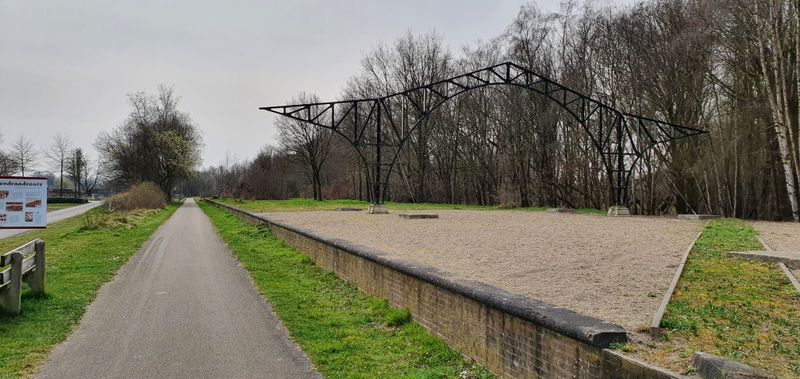
Walking through this town feels like navigating a geographical puzzle that shouldn’t exist in modern times. Border lines zigzag through living rooms, restaurants serve customers in two countries simultaneously, and residents might sleep in Belgium while their kitchen sits in the Netherlands.
The complexity dates back to medieval land agreements that nobody bothered to simplify. White crosses painted on sidewalks mark where one nation ends and another begins, sometimes just meters apart.
Shop owners display dual flags, and locals carry stories of needing two different internet providers for opposite ends of their homes.
This isn’t just administrative curiosity. The town operates under two separate legal systems, tax codes, and even pandemic regulations that once meant one side of a street followed different lockdown rules than the other.
Visiting here means experiencing how medieval territorial disputes created a living museum of European complexity, where every step might technically require crossing an international boundary.
2. Tijuana and San Diego (Mexico and USA)
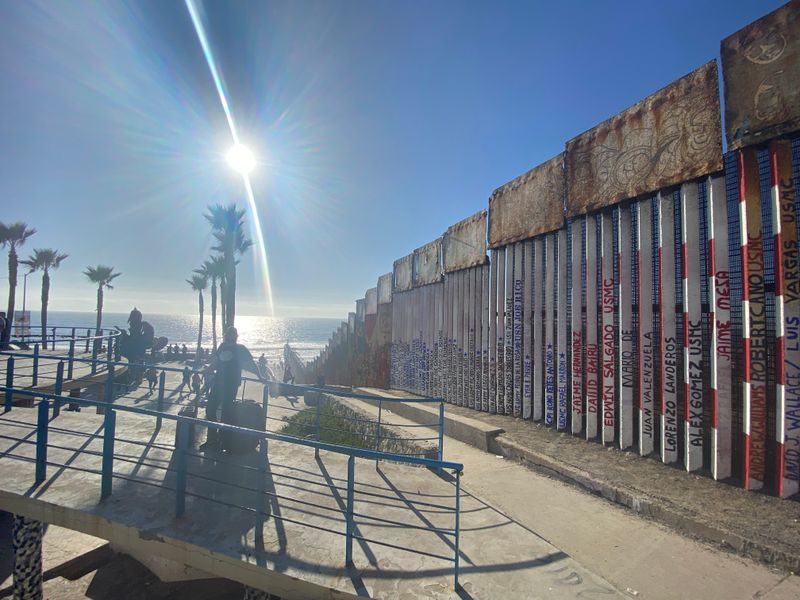
Few steps on Earth pack more cultural transformation per meter than this crossing. Within minutes, you transition from bustling Mexican mercados with mariachi echoes to pristine California boulevards lined with coffee chains and tech billboards.
The sensory shift hits immediately. Spanish street calls give way to English signage, peso vendors disappear behind dollar transactions, and the architectural palette switches from vibrant painted concrete to sleek glass and steel.
Even the air smells different as taco cart smoke fades into ocean breeze mixed with car exhaust from different fuel standards.
What makes this border feel like time travel isn’t just cultural difference but economic contrast visible in real time. Crossing northward, infrastructure suddenly modernizes, roads smooth out, and building codes shift visibly.
Southward, history layers differently as colonial Spanish influences mix with indigenous traditions absent on the American side. This isn’t just two countries meeting but two developmental timelines intersecting at a fence, making every crossing feel like moving between parallel versions of North America.
3. Gibraltar and Spain Border
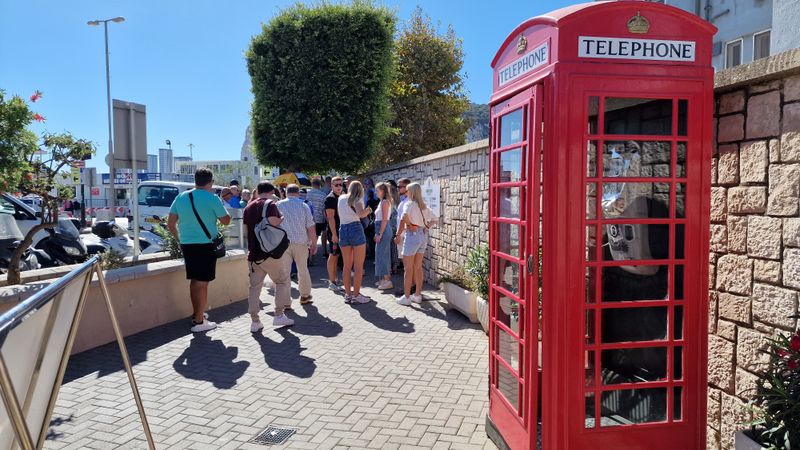
Stepping from Spain into Gibraltar means walking straight into a peculiar British enclave that time seems to have preserved in amber. Red telephone boxes stand incongruously against Mediterranean sunshine, pubs serve fish and chips within sight of Spanish tapas bars, and bobbies patrol streets where the architecture screams Iberian Peninsula.
The Rock itself looms as a geological reminder of why this tiny territory mattered so much historically. British sovereignty since 1713 created this bizarre cultural island where pounds replace euros mid-stride and Spanish gives way to English accents that sound transplanted from London suburbs.
Traffic even switches to driving on the right approaching the border, then back to the left inside Gibraltar proper.
What amplifies the time travel sensation is how both cultures remain stubbornly authentic rather than blending. You’re not experiencing fusion but abrupt juxtaposition, as if someone cut a piece of Britain from the 1950s and dropped it onto Spanish soil without asking permission.
The airport runway crosses the main road, requiring traffic to stop for planes, adding another layer of surreal displacement to this geographical anomaly.
4. Raxaul and Birgunj (India and Nepal Border)
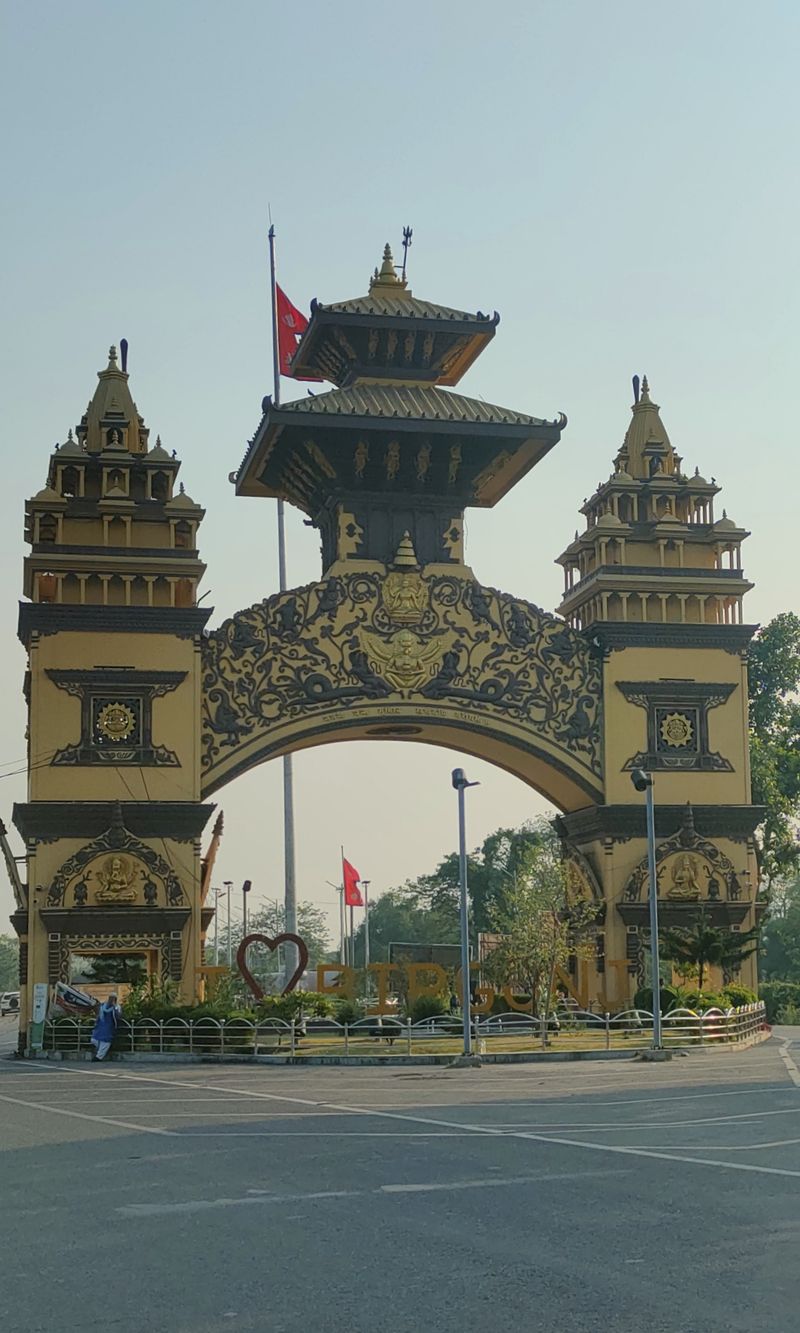
Unlike fortress borders elsewhere, this crossing operates on trust and tradition that feels ancient. Citizens wander freely between nations as they have for generations, making the boundary feel more like a neighborhood division than an international frontier.
Markets straddle both sides with vendors accepting rupees from two different countries interchangeably. The languages shift subtly, Hindi mixing with Nepali in conversations that flow as seamlessly as foot traffic.
Architecture changes gradually rather than abruptly, with Indian concrete structures giving way to Nepali building styles without fanfare or formal announcement.
What creates the time travel effect here isn’t dramatic contrast but the preservation of pre-modern border concepts. Before nations obsessed over passports and checkpoints, people moved freely based on kinship and commerce, exactly as they still do here.
Walking this border means experiencing how humans naturally organized territory before bureaucracy intervened. The casual crossing, the blended commerce, the familial connections spanning the line all evoke an era when borders marked cultural shifts rather than legal barriers, making every step feel like moving backward into simpler geopolitical times.
5. Moreh and Tamu (India and Myanmar Border)
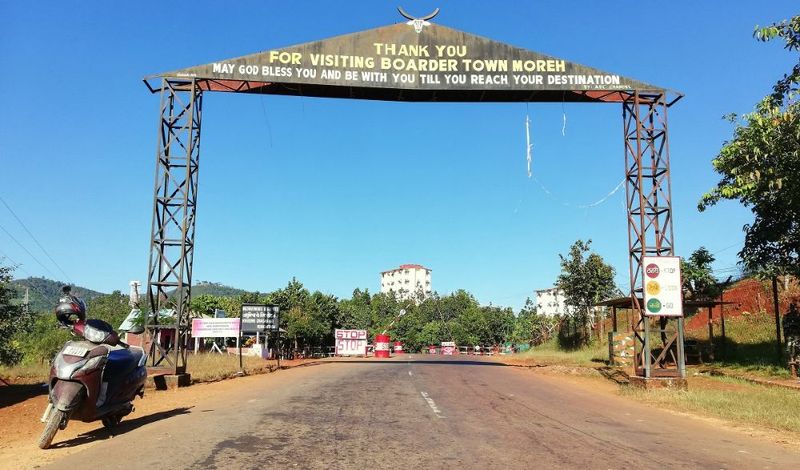
Traditional commerce thrives at this crossing where India meets Myanmar in ways that modern borders rarely permit. Markets buzz with traders speaking multiple languages, selling goods that reflect both South Asian and Southeast Asian traditions simultaneously.
Crossing here means watching daily life shift in subtle but unmistakable ways. Indian chai stalls transition to Burmese tea shops, curry spices change composition, and clothing styles morph from Indian textiles to Burmese longyis within blocks.
The pace of life adjusts too, with Indian hustle mellowing into Myanmar’s more measured rhythm.
What makes this border feel temporally dislocated is how it preserves trading traditions that predate modern nations. These weren’t always separate countries, and the border itself feels like an administrative afterthought imposed on organic cultural gradients.
Vendors maintain relationships spanning decades, families keep homes on both sides, and the crossing operates more on mutual understanding than strict enforcement. Experiencing this border means glimpsing how commerce and culture naturally blended before colonialism drew arbitrary lines, then watching those organic patterns persist despite official boundaries trying to separate what history had joined.
6. Demilitarized Zone (North and South Korea)
Standing at Dora Observatory feels like peering through a window into 1953, frozen and militarized. The Demilitarized Zone isn’t just a border but a time capsule preserving Cold War tensions that elsewhere dissolved decades ago.
Through binoculars, you can see into North Korea where development stopped when the world moved on. Propaganda villages sit empty, roads remain unpaved, and the landscape appears suspended in mid-century isolation.
Meanwhile, behind you, South Korea buzzes with technological advancement and prosperity, creating a contrast so stark it defies comprehension within such short distance.
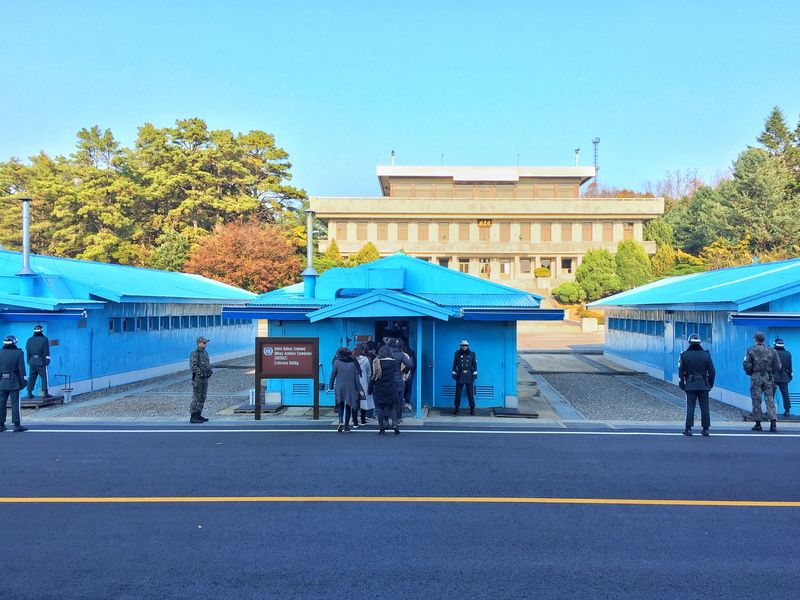
The surreal quality intensifies in the Joint Security Area where soldiers from both sides stand meters apart in perpetual standoff. Buildings straddle the border, conference tables mark where negotiations happen with participants literally sitting in different countries.
Visiting requires military escort, strict photography rules apply, and the tension remains palpable despite decades without shots fired. This border doesn’t just separate nations but ideologies, development levels, and entire historical trajectories, making every moment here feel like witnessing parallel universes that diverged seventy years ago and never reconciled.
7. Three-Country Cairn (Sweden, Norway, and Finland)
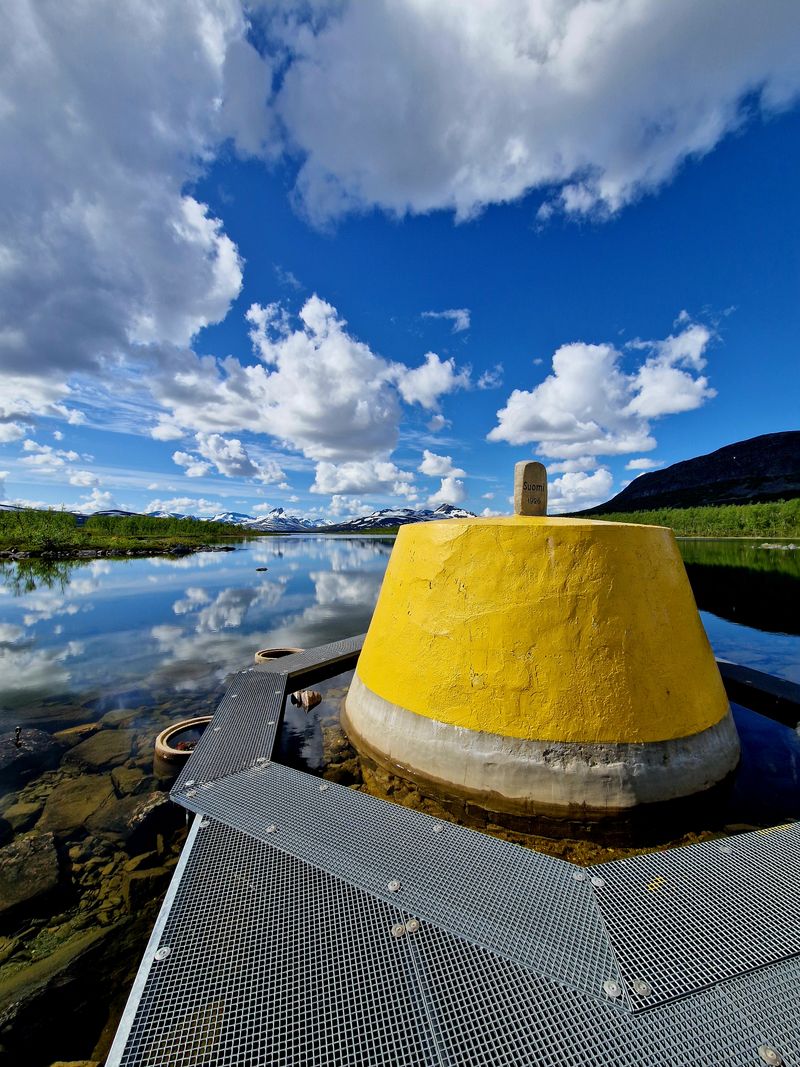
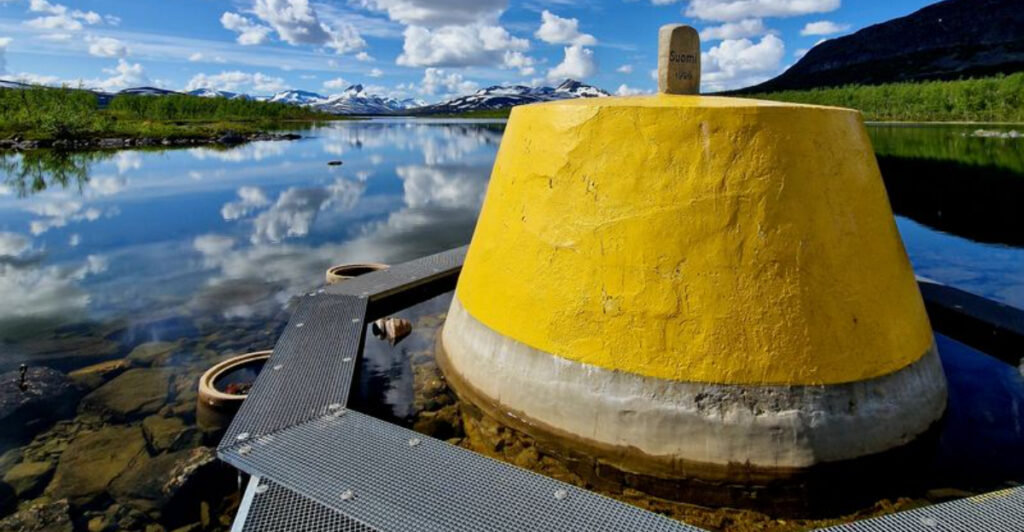
A simple yellow cairn marks where three Nordic nations converge, yet the atmospheric shifts radiating from this point feel disproportionate to the subtle geographical changes. Each direction carries distinct cultural weight despite the landscape looking similar.
Sweden stretches in one direction with its particular brand of organized modernity. Norway extends another way with oil wealth visible in infrastructure quality.
Finland opens toward the third compass point with its unique linguistic and cultural identity. Standing at the convergence point means occupying three nations simultaneously, a geographical quirk that feels metaphysically impossible.
The time travel sensation here comes from how borders carved up what nature made continuous. These weren’t always separate kingdoms, and the tripoint represents centuries of treaties, wars, and negotiations that created modern Scandinavia.
Indigenous Sami people crossed these areas freely for millennia before nations claimed them. Touching the cairn means standing where arbitrary human decisions intersected with ancient migratory paths, where modern national identities meet older territorial concepts, creating a spot where multiple timelines of Nordic history converge in a single stone marker surrounded by wilderness that predates them all.
8. Peace Arch (Blaine and Surrey, USA and Canada)
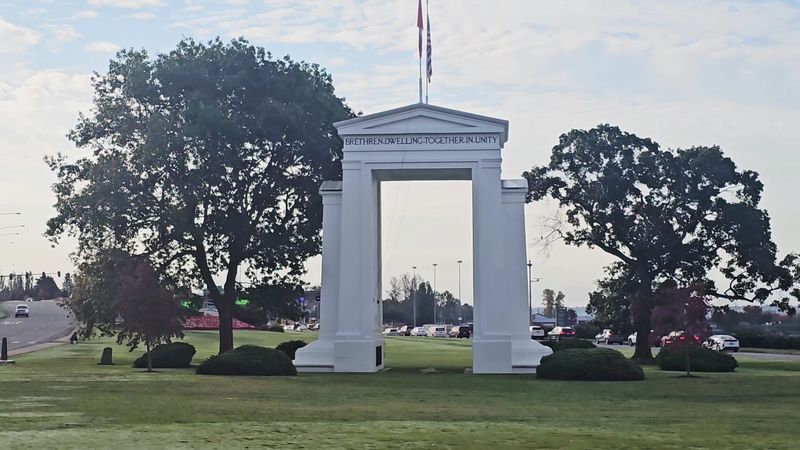
Built directly atop the border in 1921, this monument celebrates something increasingly rare: a boundary defined by cooperation rather than conflict. Walking through Peace Arch Park means experiencing an idealistic vision of international relations that feels almost quaint by modern standards.
The arch itself bears inscriptions proclaiming perpetual peace between neighbors, sentiments that seem transported from a more optimistic era. Families gather here in a unique international space where both countries’ laws apply simultaneously, creating a legal gray zone managed through mutual trust rather than strict enforcement.
What makes this crossing feel like time travel is how it embodies post-World War I hope that nations could simply choose friendship. The architecture reflects 1920s optimism about international cooperation before later decades taught harder lessons.
Standing beneath the arch means occupying a physical monument to idealism, a place where borders were reimagined not as barriers but as meeting points. The casual mixing of Canadian and American visitors, the relaxed security compared to other crossings, and the celebration of open boundaries all evoke an earlier vision of what borders could be, making every visit feel like stepping into a more innocent geopolitical moment.
9. Darial Gorge (Georgia and Russia Border)
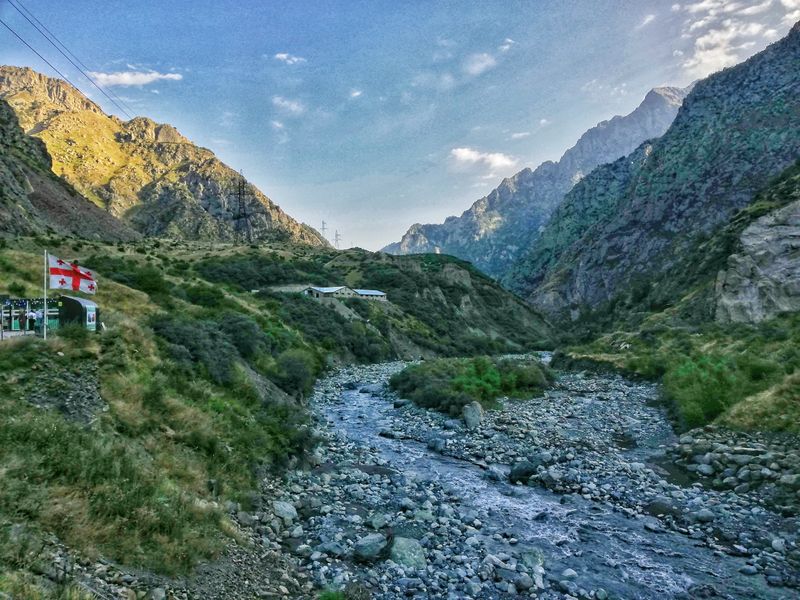
Ancient chroniclers called this the Caucasian Gates, and standing in the gorge today still evokes the strategic importance that made empires fight over these cliffs for millennia. Steep walls channel traffic through a natural chokepoint that armies have contested since Persian times.
Ruins of fortifications cling to rock faces, reminders of when controlling this pass meant controlling trade and invasion routes between Europe and Asia. The gorge itself looks unchanged from descriptions in classical texts, creating an eerie continuity with ancient military campaigns.
Modern asphalt roads follow paths worn by Roman legions, Persian cavalry, and Mongol hordes.
The time travel effect intensifies because geopolitical importance persists despite technological change. This border still matters strategically, still channels traffic between regions, still carries historical weight in Russian-Georgian relations.
Passing through means following a route that Julius Caesar’s contemporaries knew about, that medieval traders feared, that Soviet planners fortified. The gorge physically connects you to every era that recognized these mountains as a frontier between worlds, making the drive through feel like traversing not just geography but centuries of human conflict over the same strategic stone corridor.
10. Derby Line and Stanstead (USA and Canada Border)
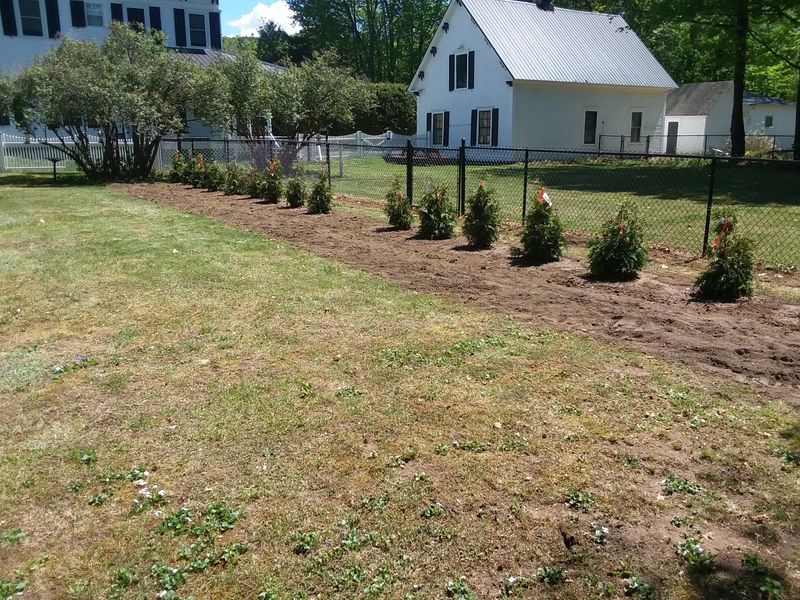
The Haskell Free Library and Opera House presents an architectural impossibility: a building deliberately constructed across an international boundary. A black line on the floor marks where Vermont ends and Quebec begins, running through the middle of the reading room.
Built in 1904 when borders felt more like suggestions than barriers, the library embodies an era of casual international relations now mostly extinct. Audience members watching opera performances might sit in Canada while performers sing from an American stage.
Books shelved in one country can be read at tables in another without technically crossing customs.
What creates temporal displacement here is how the building operates on pre-security-state logic. No customs agents monitor which side people occupy.
No passports required to move between nations within the walls. The architecture assumes goodwill and common sense rather than enforcement and surveillance.
Visiting means experiencing how borders functioned before modern anxieties transformed them into militarized zones. The casual binational existence of this library, the trust it represents, and the architectural audacity of building it across a boundary all transport visitors to a time when international lines divided maps more than they separated people.
11. Presidio and Ojinaga (USA and Mexico Border)
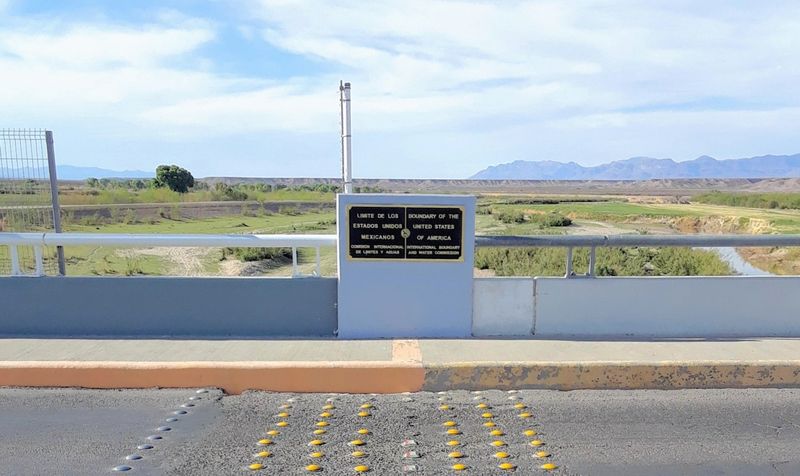
Far from the chaos of major crossings, this remote border town pairing preserves a quieter version of border culture where everyone knows everyone and crossing feels almost neighborly. The Rio Grande separates nations but not necessarily communities.
Presidio and Ojinaga function almost as one town split by geopolitics. Families maintain homes on both sides, businesses depend on cross-border commerce, and daily life requires regular crossing that urban checkpoints would make impossible.
The pace here feels decades behind busier borders, with personal relationships mattering more than bureaucratic procedures.
The time travel sensation comes from experiencing border life as it existed before security became paramount. Crossings happen with recognition and waves rather than lengthy inspections.
Local knowledge matters more than official documentation. The towns share economies, schools, and social networks in ways that modern border policy theoretically prohibits but rural isolation still permits.
Walking between Presidio and Ojinaga means glimpsing how borders functioned when they marked cultural transitions rather than security perimeters, when crossing meant greeting familiar faces rather than presenting papers, evoking an era of border life that survives here precisely because remoteness kept modern enforcement at bay.
12. Tijuana Airport Cross Border Xpress (USA and Mexico)
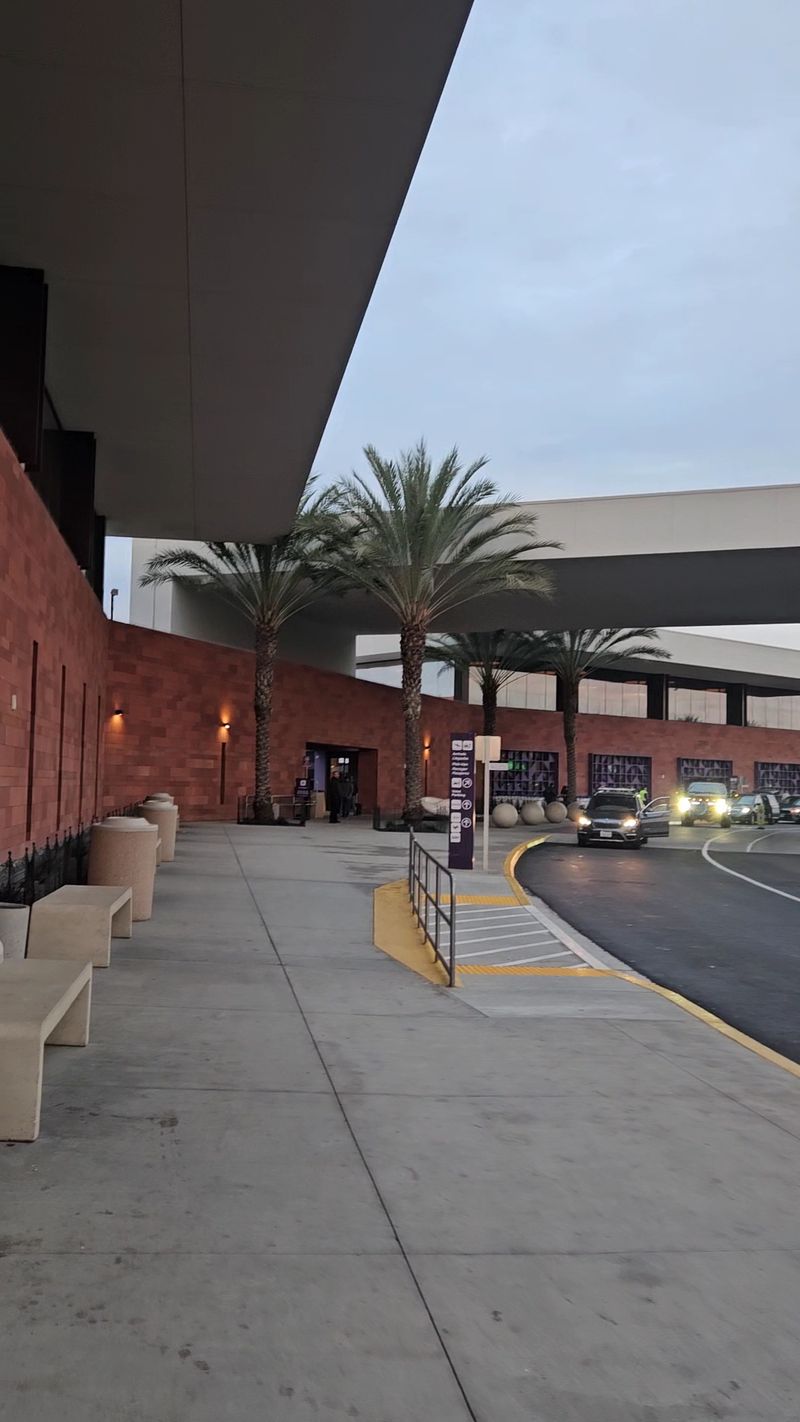
This crossing defies normal border logic by letting travelers check into flights on one side of an international boundary while the airport sits entirely on the other. The pedestrian bridge connecting San Diego to Tijuana Airport creates a unique temporal paradox in travel logistics.
You stand in California, walk through a terminal building, cross an elevated bridge over the border fence, and emerge directly into a Mexican airport without ever going through traditional customs. The experience reverses normal sequences, letting you handle American exit procedures before entering Mexico, or vice versa depending on direction.
Time zones even shift mid-bridge during certain seasons.
What makes this feel like time travel is how it fractures the usual spatial logic of international travel. You’re simultaneously in transit and crossing borders, inside an airport yet between countries, processed but not yet arrived.
The bridge exists in a legal limbo where normal rules suspend. Travelers experience border crossing as an airport amenity rather than a separate ordeal, collapsing procedures that normally happen sequentially into overlapping simultaneous processes.
This architectural solution to binational travel creates a physical space where the linear progression of international journey gets scrambled into something that feels temporally and spatially impossible.
13. Mödlareuth (Germany, Former East and West Border)
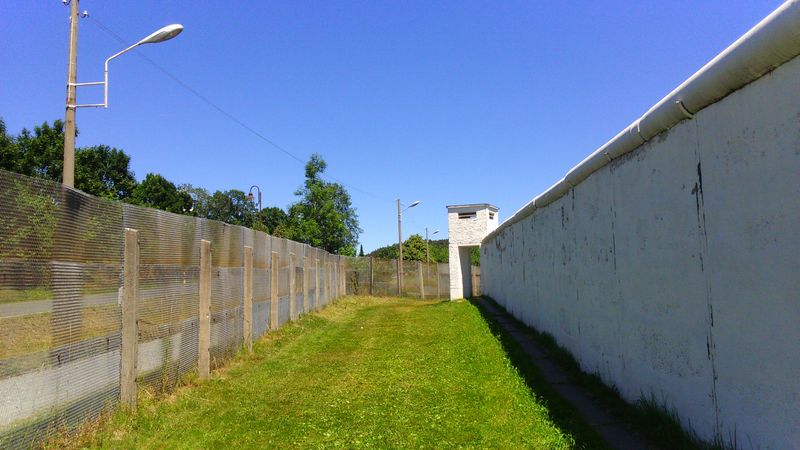
Nicknamed Little Berlin, this tiny village preserves Cold War division at intimate scale. A concrete wall still bisects the settlement, watchtowers loom over farmhouses, and the border fortifications remain exactly as they stood when families were separated by ideology rather than just meters.
The village was split not by strategic importance but by arbitrary post-war boundary drawing that happened to cut through this particular cluster of homes. For decades, neighbors on opposite sides couldn’t visit despite living within shouting distance.
The preserved barriers now serve as a museum where the absurdity of division becomes visceral in ways Berlin’s scattered remnants cannot match.
Walking through Mödlareuth creates powerful temporal dislocation because the scale is domestic rather than geopolitical. This wasn’t a checkpoint between sectors but a wall through someone’s neighborhood.
The preserved state lets visitors experience Cold War paranoia at human scale, seeing how global ideology manifested in preventing people from crossing a village lane. The contrast between current free movement and visible barriers creates a before-and-after effect compressed into single location, making history feel simultaneously distant and immediate as you step freely across lines that once meant imprisonment or death.
14. Checkpoint Charlie (Berlin, Historical Border)
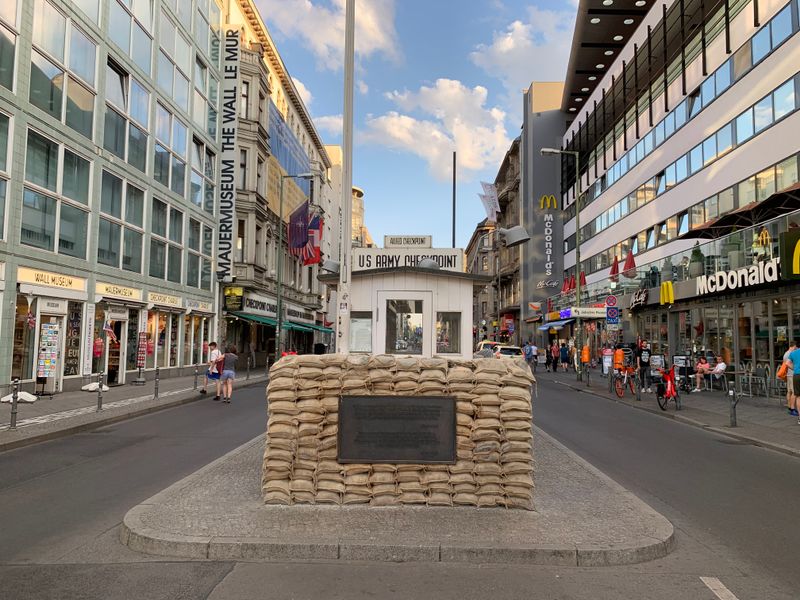
Perhaps no border crossing carries more symbolic weight per square meter than this Cold War flashpoint. Checkpoint Charlie wasn’t just where East met West but where capitalism confronted communism, where families were divided, and where spies traded secrets in scenes straight from thriller novels.
The replica guard house stands where tanks once faced off during the 1961 standoff that nearly sparked World War III. Tourists now photograph themselves at a spot where crossing once required courage, connections, or both.
The surrounding museum preserves escape attempts, surveillance methods, and the everyday paranoia of living beside a militarized boundary through a city.
What creates the time travel effect here is how completely the context has vanished while the location remains. Modern Berlin has erased most physical traces of division, making Checkpoint Charlie feel like a stage set from another reality.
Standing here requires imaginative effort to conjure the fear, the restrictions, and the ideological certainty that made this crossing legendary. The site functions as a portal not through physical preservation but through historical weight, where knowing what happened here transforms an ordinary intersection into a place where you can almost hear the echoes of a conflict that defined generations before evaporating almost overnight when the wall fell.
15. Old City Jerusalem Gates (Israel and Palestine)
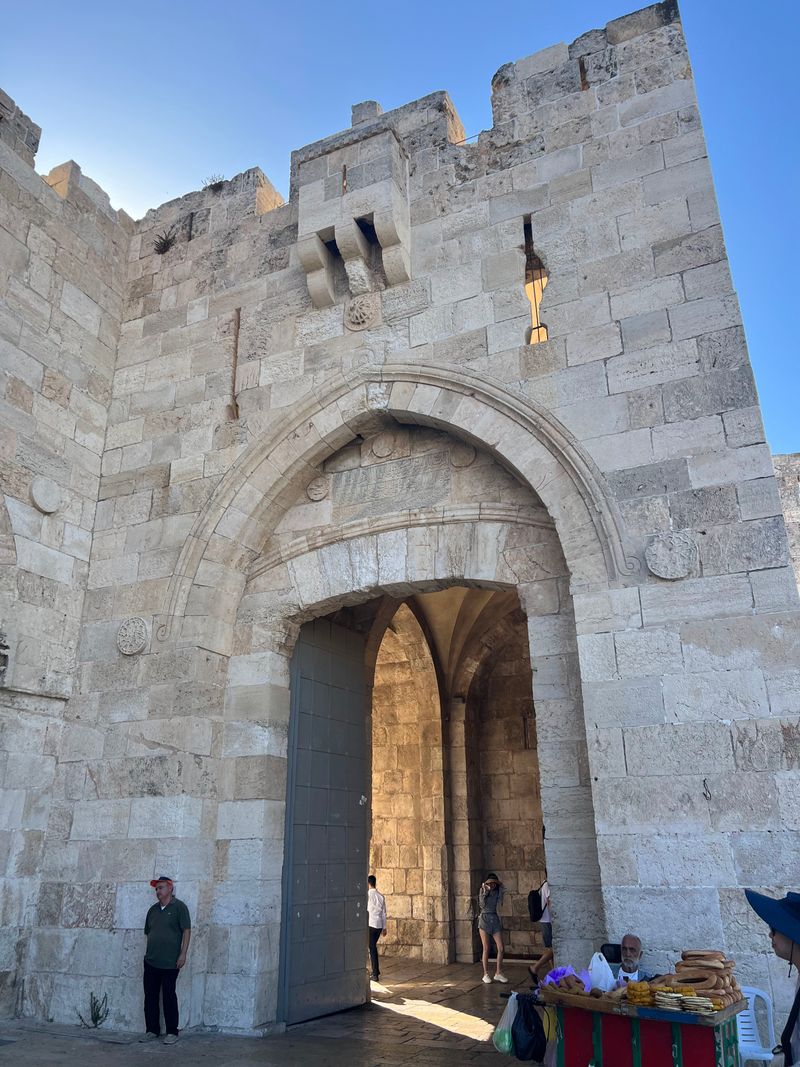
Passing through gates into Jerusalem’s Old City means walking through layers of civilization stacked impossibly deep. Each stone bears witness to empires, religions, and conflicts spanning millennia, creating a palimpsest of human history compressed into less than one square kilometer.
The Jaffa Gate alone opens onto streets where Roman soldiers marched, Crusaders fought, Ottoman administrators governed, and British mandatory forces patrolled before current divisions took shape. Within minutes of entering, you can traverse Christian, Muslim, Jewish, and Armenian quarters, each preserving distinct identities while occupying the same ancient footprint.
Architecture from different centuries stands side by side, sometimes literally built into earlier structures.
The time travel here isn’t metaphorical but literal in the sense that you physically move through strata of history still actively inhabited. Churches occupy Crusader foundations built over Byzantine ruins constructed atop Roman temples.
Shops sell modern goods from medieval buildings along streets following routes older than recorded history. The political sensitivity adds another temporal layer, as current conflicts echo ancient ones over the same sacred ground.
Every step through these gates means occupying space that has meant everything to someone across three thousand years of continuous human occupation, making the Old City perhaps the most temporally dense location on Earth.
Share this story