The 1970s delivered a gallery of unforgettable faces whose charisma defined film, music, and pop culture. These men shaped style, attitude, and what audiences called irresistible, from rugged stoicism to glamorous flair.
As you move through the list, you will feel the decade’s magnetism in full color, with icons who still influence fashion and performance today. Get ready to revisit the looks, sounds, and star power that made the 70s a golden era of allure.
Robert Redford
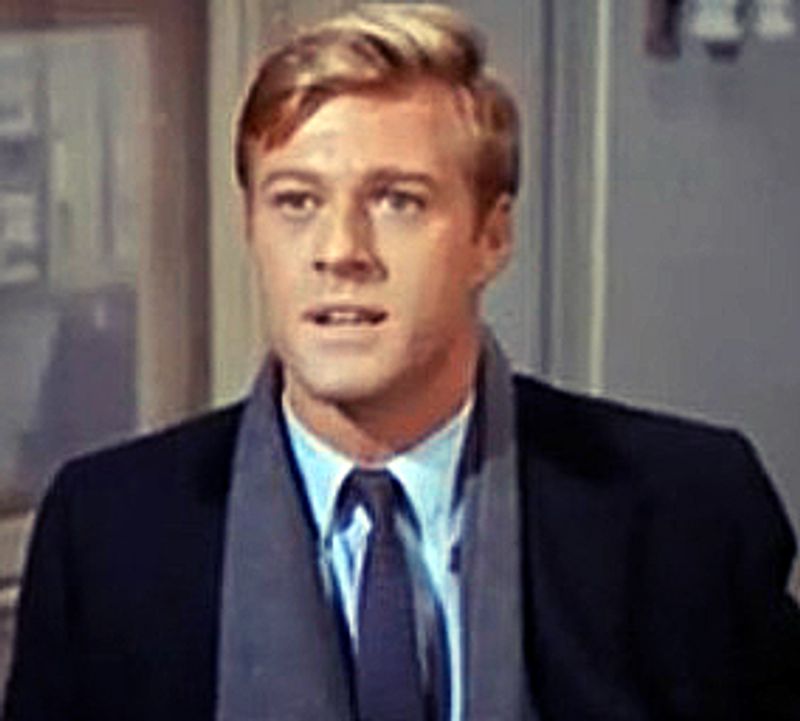
Robert Redford personified 1970s Hollywood magnetism with sun-kissed hair, quick-draw charisma, and the relaxed confidence of a star who knew exactly when to flash a grin. You remember the twinkle in Butch Cassidy and the Sundance Kid and the slick confidence of The Sting, where charm met strategy.
His appeal felt effortless, the kind of good looks that paired rugged edges with a gentleman’s polish.
He became shorthand for aspirational cool without bravado, the country-club sweater one day and dusty trail coat the next. Redford wore the decade’s styles lightly, making them feel personal rather than costumed.
Even off-screen, his environmental advocacy and directorial ambitions added depth that fans felt in the work.
What made Redford magnetic was not only symmetry and smile, but sensitivity behind the gaze. You could believe the con artist with a conscience, the outlaw with a code, the romantic who listened.
That blend set a benchmark for leading men that lingered long after the 70s closed.
Clint Eastwood
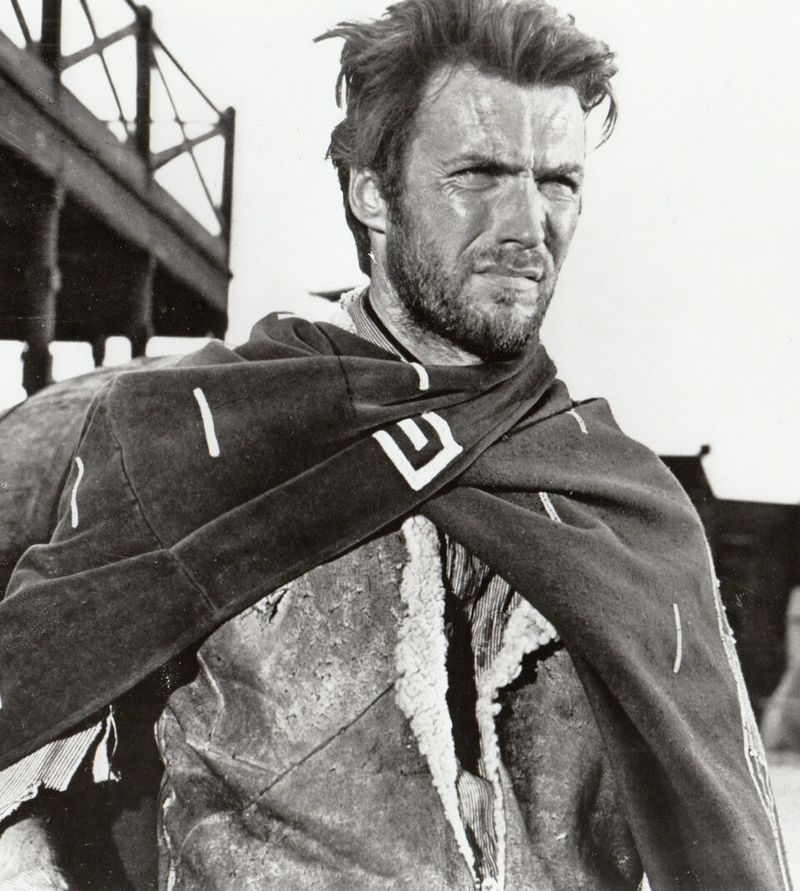
Clint Eastwood’s face told stories before a line was spoken, and in the 1970s those stories carried steel. You could read the desert dust of The Man With No Name and the hard city glare of Dirty Harry in every squint.
His presence relied on patience, stillness, and a coiled readiness that never needed decoration.
He redefined cool as economy, choosing few words and purposeful movement. The style was equally restrained: clean jackets, unfussy shirts, a silhouette that signaled function over flash.
That aesthetic, paired with an unwavering stare, turned minimalism into allure.
What drew you in was control, the sense that chaos would break before he did. Eastwood made toughness humane by letting quiet moments breathe between decisive acts.
The result was a timeless standard for screen masculinity that still shapes how strength looks and sounds.
Al Pacino
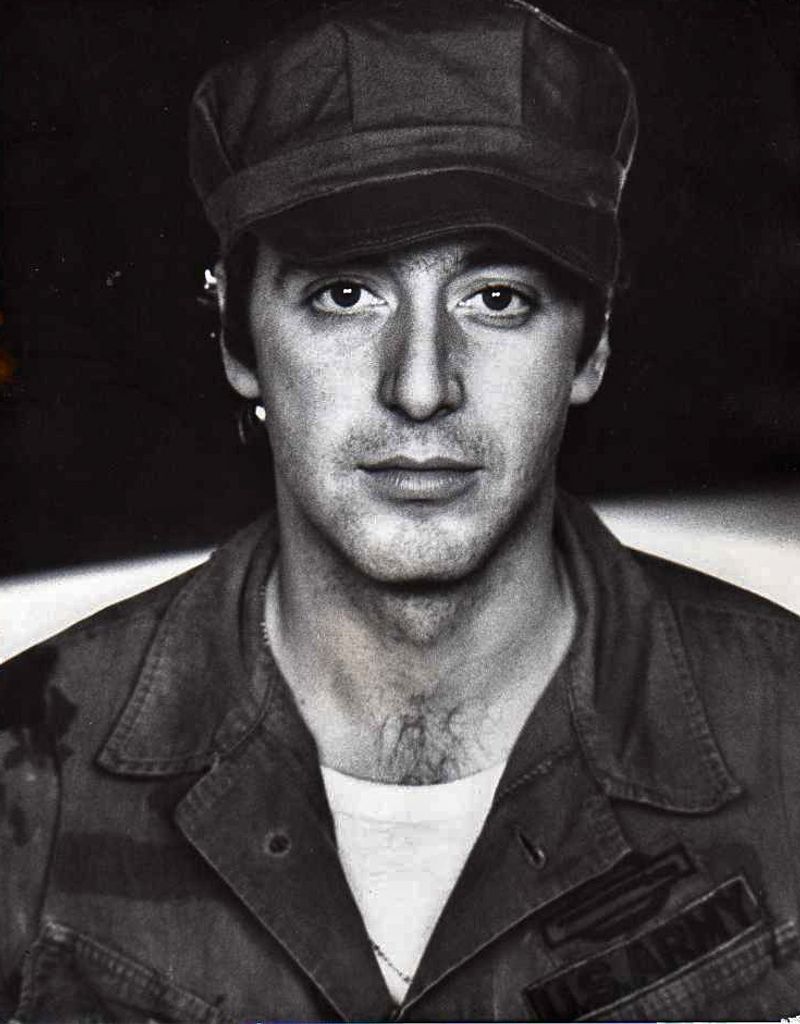
Al Pacino radiated heat from the eyes outward, a simmer that the 1970s urgently wanted. You could feel his pulse in The Godfather films, where a whisper carried threat and sorrow together.
Hands slender, frame lean, he moved like a violin line, expressive and taut.
His appeal was never surface-only, though the cheekbones were unmistakable. It was emotion made visible, a human seismograph recording ambition, guilt, and love.
That depth felt intimate, inviting you to lean closer and decode the silence.
Pacino’s looks became inseparable from his urgency, an intensity that sharpened suits and shadowed rooms. He bridged the gap between classic leading man and modern antihero with irresistible gravity.
In an era craving authenticity, he provided it with raw, electrifying precision.
Richard Roundtree
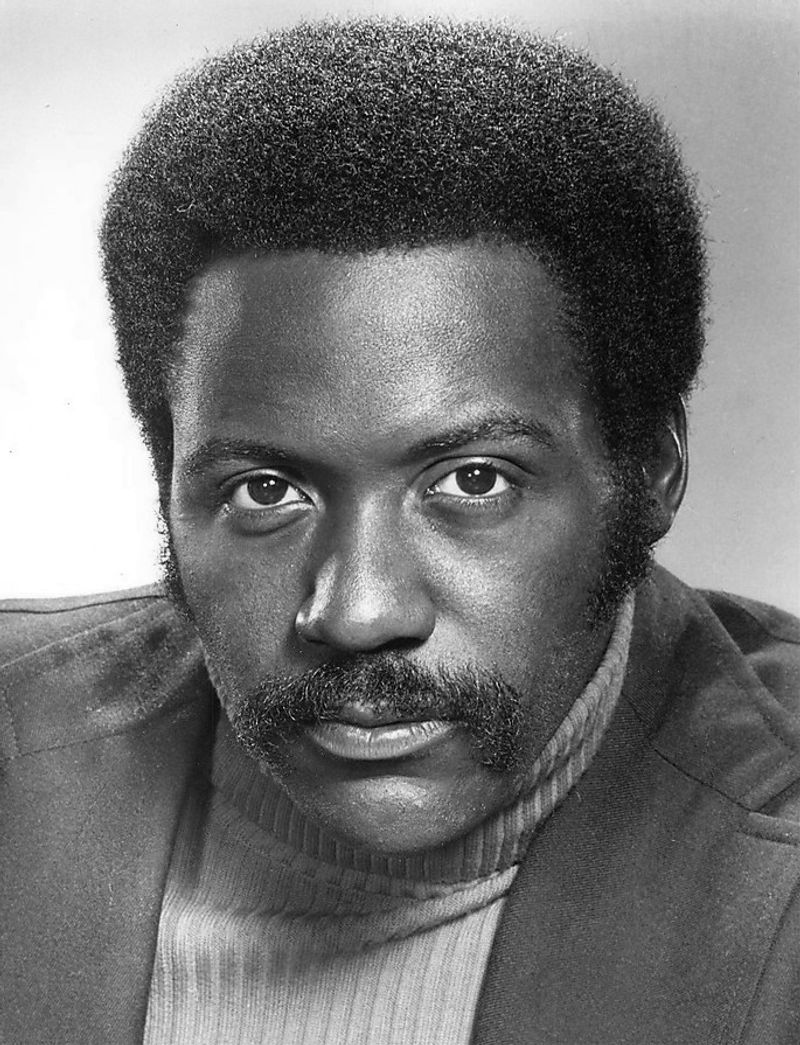
Richard Roundtree exploded onto screens as John Shaft and instantly reset the thermostat on cool. The leather, the side-eye, the stride that said the city belonged to him too.
You felt power in the pauses as much as in the chase scenes.
He brought a confident elegance that looked tailored to movement, not just style. The turtleneck, the trench, the polished boots turned sidewalks into runways.
That wardrobe communicated authority without a shout, a language of lines and fit.
Roundtree’s presence broadened what leading-man beauty could mean, centering Black masculinity with grace and command. He made charisma practical, functional, and street-smart.
Decades later, the silhouette stays iconic because the attitude still works in any era.
Rod Stewart
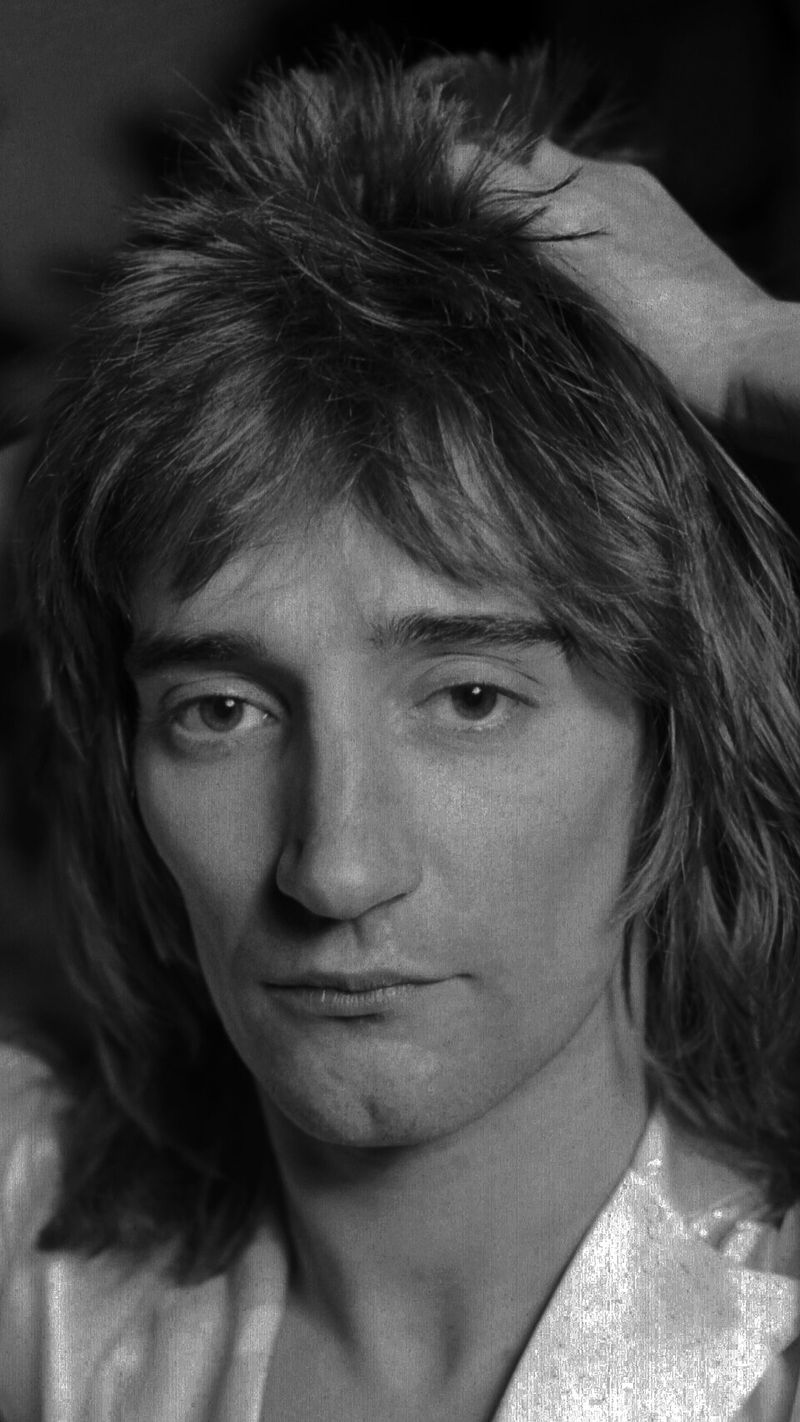
Rod Stewart looked like a late-night story you wanted to hear and maybe survive. The hair, the scarf, the louche posture did as much as the voice to sell the mood.
You felt mischief and romance sometimes in the same verse.
Onstage he played to the back row with easy confidence, then winked to the front with a grin. The bohemian tailoring leaned narrow and playful, jackets that moved when hips did.
He made rock look casual, as if lightning could be worn like a blazer.
What hooked you was the sincerity under the swagger, a raspy tenderness that kept the glam grounded. Stewart’s appeal mixed pub warmth with runway angles.
That combination turned radio hits into faces you could not forget.
Elton John
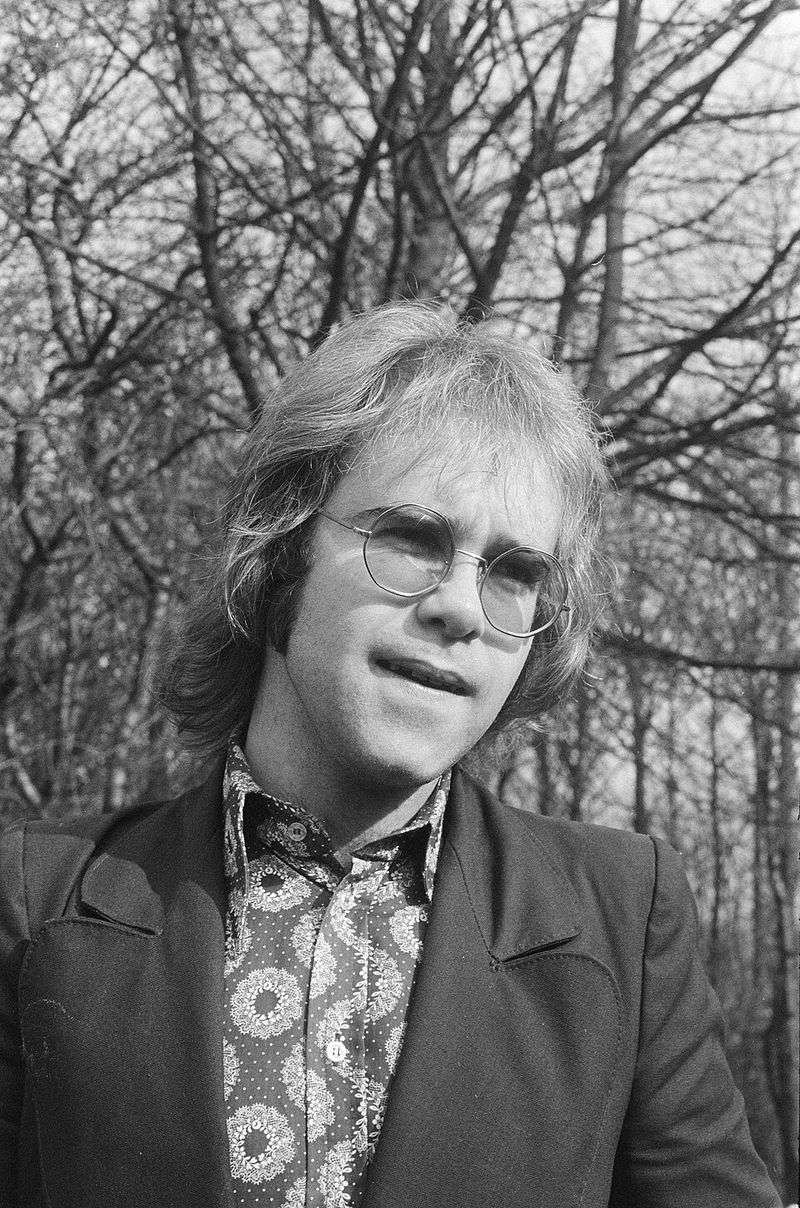
Elton John arrived in feathers, lenses, and melodies that stuck like glitter on skin. You watched the piano become a runway, each chord strutting in costume.
The look was fearless, a colorful permission slip to be loud and true.
His showmanship gave beauty a new dimension: theatrical, witty, and unapologetically fun. Sequins and satin did not hide vulnerability, they framed it.
You felt joy as performance art, an inclusive carnival where everyone shined.
The charisma worked because the songs were undeniable, from Rocket Man to Your Song. Behind the glasses sat direct emotional communication that made spectacle feel intimate.
Elton turned glamour into a form of kindness, and audiences kept returning for the glow.
Stevie Wonder
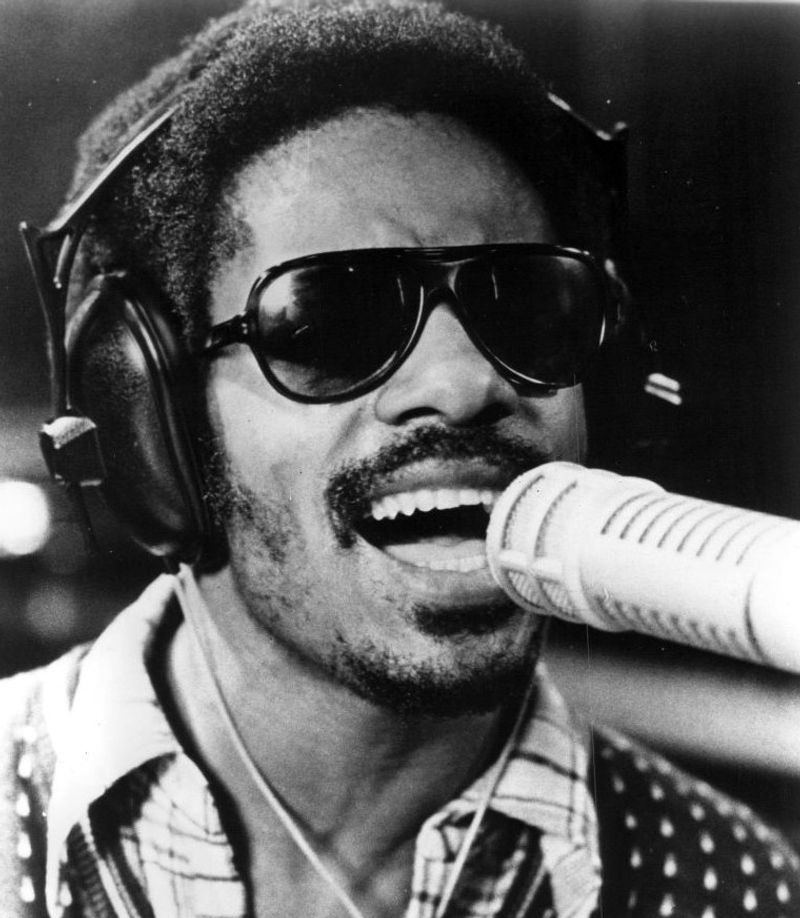
Stevie Wonder’s smile felt like a chorus before a note even landed. When the groove hit, you understood why joy could be considered beautiful.
The sunglasses and braids became part of an instantly recognizable silhouette.
His presence radiated warmth, the kind that drew you into Songs in the Key of Life like a living room gathering. You heard optimism fold into complexity, tenderness paired with rhythmic intelligence.
That balance created a magnetism deeper than looks.
Stevie made audiences feel seen, loved, and invited to move. The stage became community, and his voice built the architecture.
Beauty, in his case, was expression made generous, proof that charisma can sound like sunlight.
Paul McCartney
Paul McCartney carried Beatle brightness into the 1970s and let it mellow into warmth. The boy-next-door look matured, but the eyes kept their open invitation.
With Wings, he crafted melodies that felt like handshakes.
His style leaned unfussy: soft jackets, denim, the occasional knit that looked ready for travel. You sensed approachability, fame worn lightly and sincerely.
That friendliness made fans feel close even from the cheap seats.
McCartney’s appeal lived in small gestures, a smile during a bridge or a nod to bandmates. He gave romance an everyday accent without losing sparkle.
In a decade of extremes, he stayed breezy and steadfast, and that steadiness was handsome.
Barry White
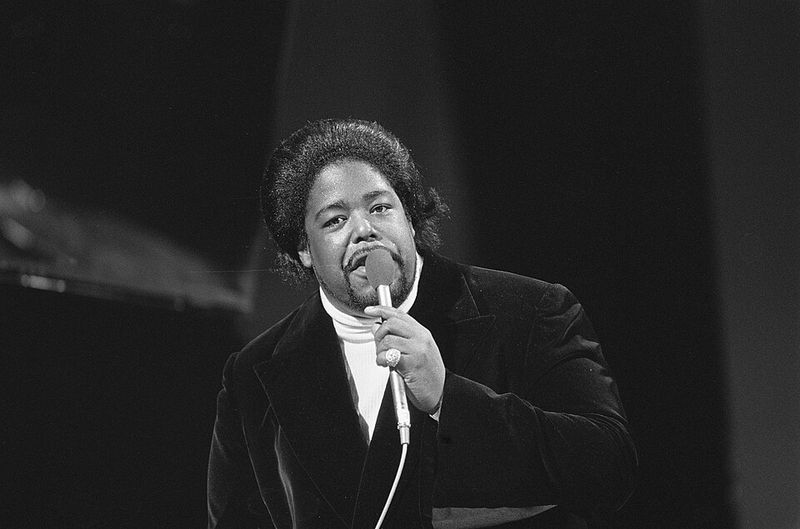
Barry White’s voice descended like velvet curtains and the look matched the sound. Suits glowed, rings flashed, and the room’s temperature rose by instinct.
You heard intimacy and saw it mirrored in satin lapels and measured smiles.
He projected assurance without rush, romance as a practiced craft. The baritone turned simple lines into invitations, a masterclass in restraint.
Even still photos seemed to hum at a lower frequency.
White’s attraction was immersive, a full-sensory signature that joined elegance with sincerity. You felt cared for by the arrangement, by the pause between notes.
The result was a symbol of soul sophistication that remains endlessly persuasive.
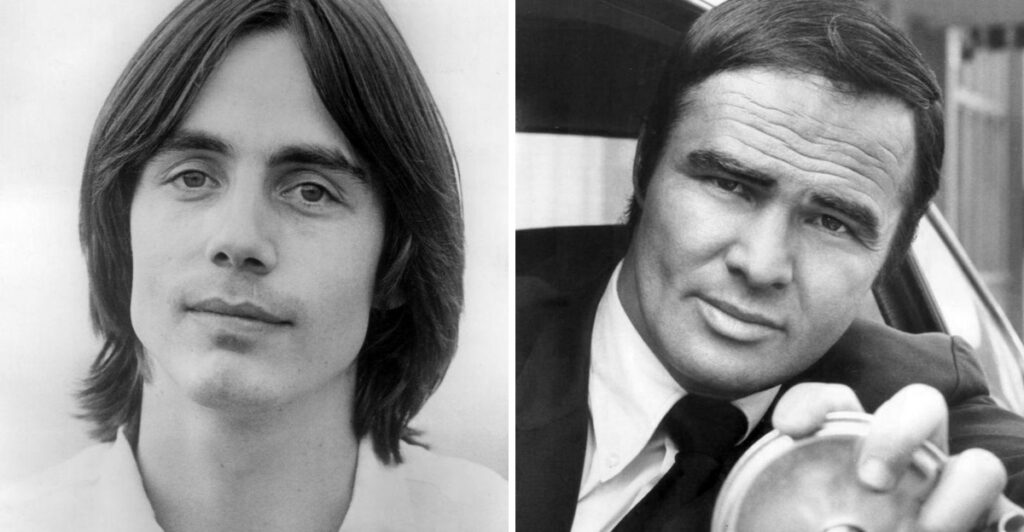
Jackson Browne
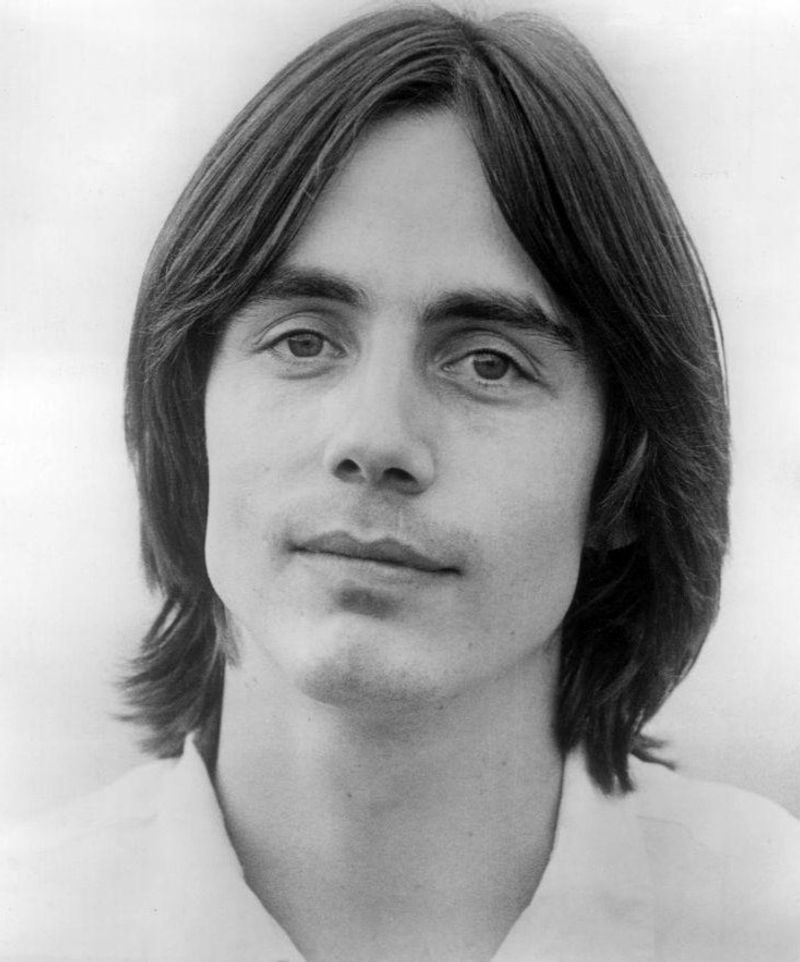
Jackson Browne wore introspection like a favorite jacket, and audiences recognized the fit. The eyes looked inward but invited you along, gentle without losing clarity.
Running on Empty framed motion as meditation.
His style was understated: denim, earth tones, a songwriter’s utility rather than costume. That simplicity made the face and the words the focal points.
You leaned in to hear the quiet thoughts take shape.
Browne’s appeal was the calm presence of someone parsing life in real time. He made sincerity attractive, melodies carrying the weight of honesty.
In a loud decade, his quiet confidence felt like truth and looked like grace.
Eric Clapton
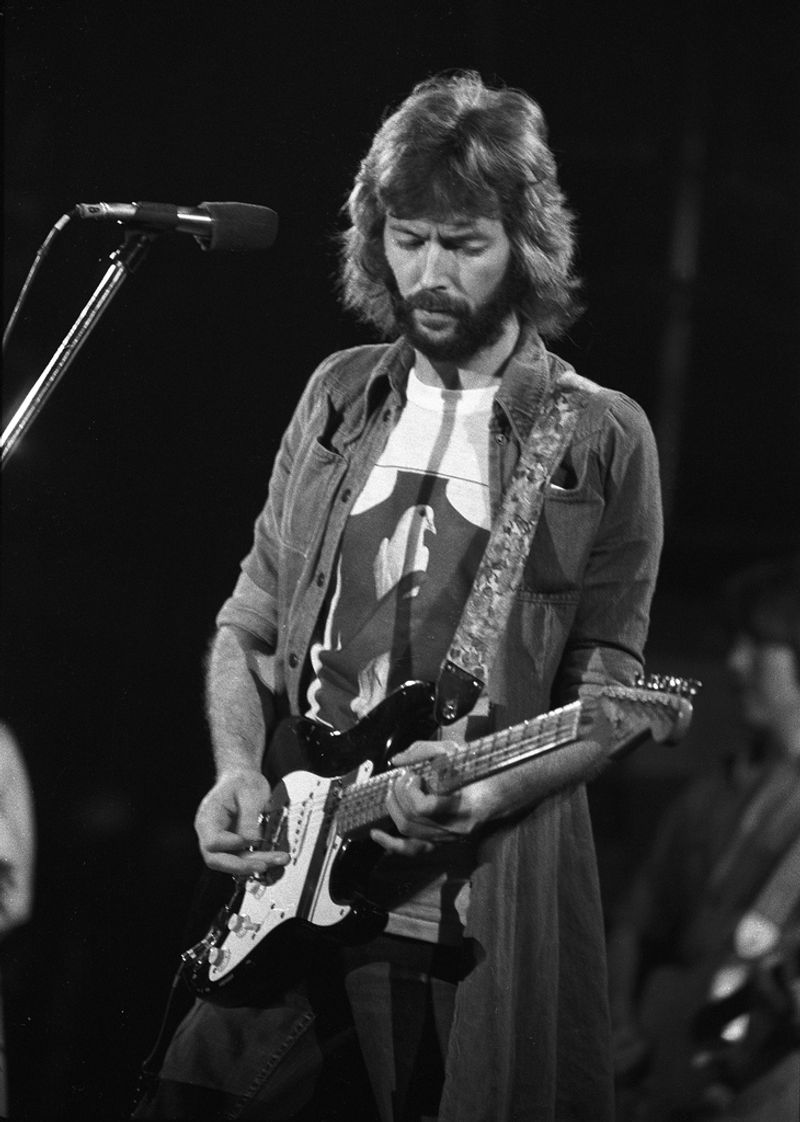
Eric Clapton’s blue-eyed cool paired precision with ease, a craftsman’s elegance translated into posture. Guitar in hand, he seemed to edit the air until only feeling remained.
The Slowhand aura communicated patience, not passivity.
Wardrobe choices kept to texture and tone: denim, velvet, a jacket that framed rather than shouted. You noticed the hands first, then the gaze, then the understated smile.
It was confidence that refused spectacle unless the solo called for it.
Clapton’s appeal was competence turned beautiful, a steady pulse behind emotional peaks. He stood still so the notes could travel farther.
That restraint became its own charm, one that listeners kept returning to for clarity.
Billy Joel
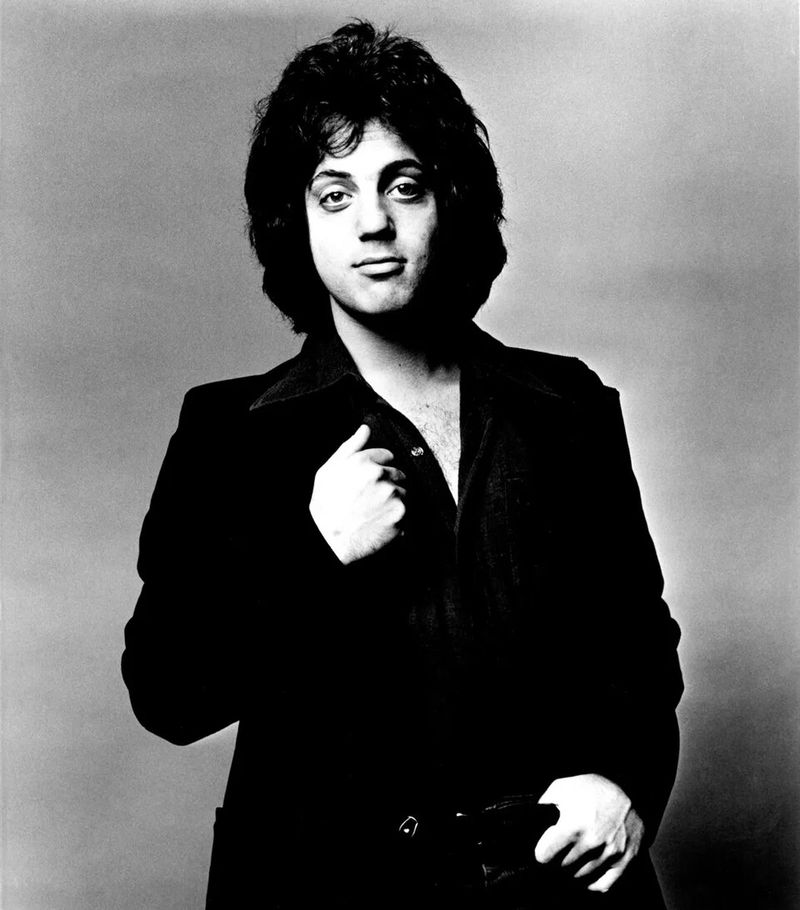
Billy Joel looked like the guy who could turn your corner bar into a Broadway balcony. The loosened tie, the smudged romance in his voice, felt familiar and inviting.
Piano Man gave every face in the crowd a verse and a chorus.
His style favored city textures: charcoal jackets, rolled sleeves, a pragmatic charm. You trusted the smile because it arrived with hard-won stories.
He made ordinary moments glow without pretending they were gilded.
Joel’s attractiveness lived in relatability and craft, hands dancing while the eyes kept contact. You got sincerity without sentimentality, warmth without sugar.
In the 70s tapestry, he embroidered a classic, approachable masculinity.
Al Green
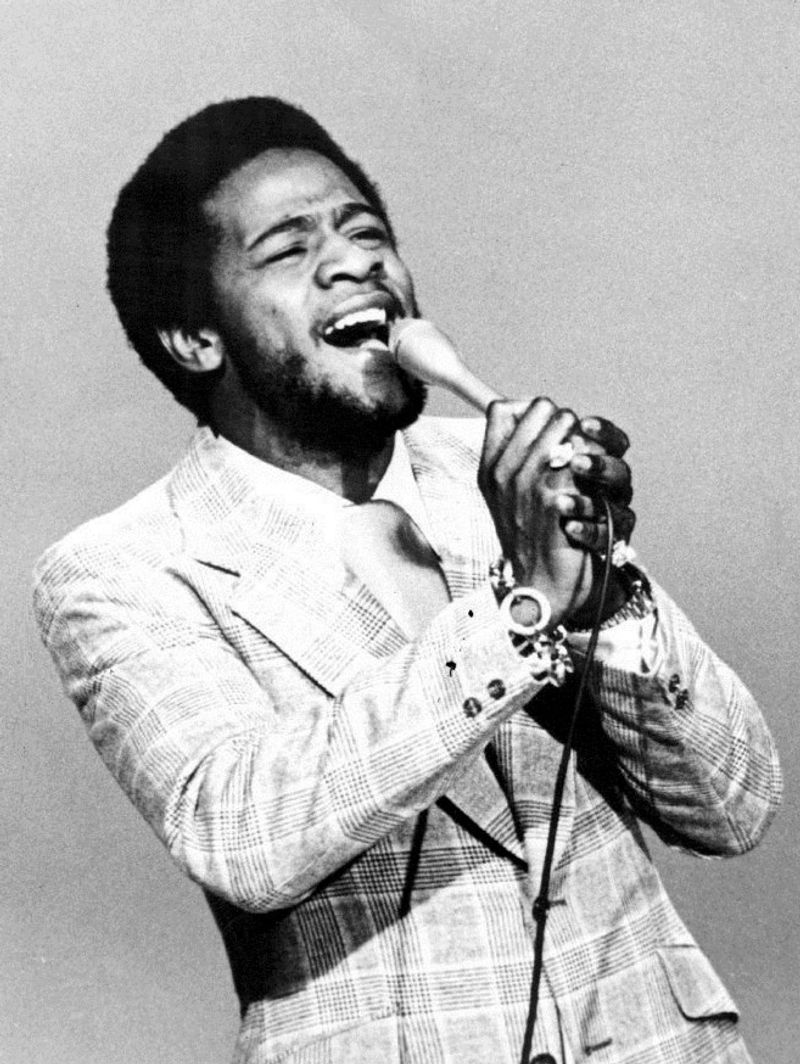
Al Green sang like a promise kept and dressed like romance had a tailor. The smile sparkled before the falsetto even arrived, softening hearts at tempo.
You felt tenderness that never lost its playful edge.
Stage wear leaned pristine and fluid, fabrics that moved as easily as the phrasing. A tilt of the head, a lifted hand, and the room leaned forward.
It was intimacy designed for thousands yet aimed at you.
Green’s allure came from emotional precision and kindness, the sense that desire could be gentle. He made love songs feel sincere rather than scripted.
The combination of velvet voice and classic style remains a blueprint for soulful charm.
James Brown
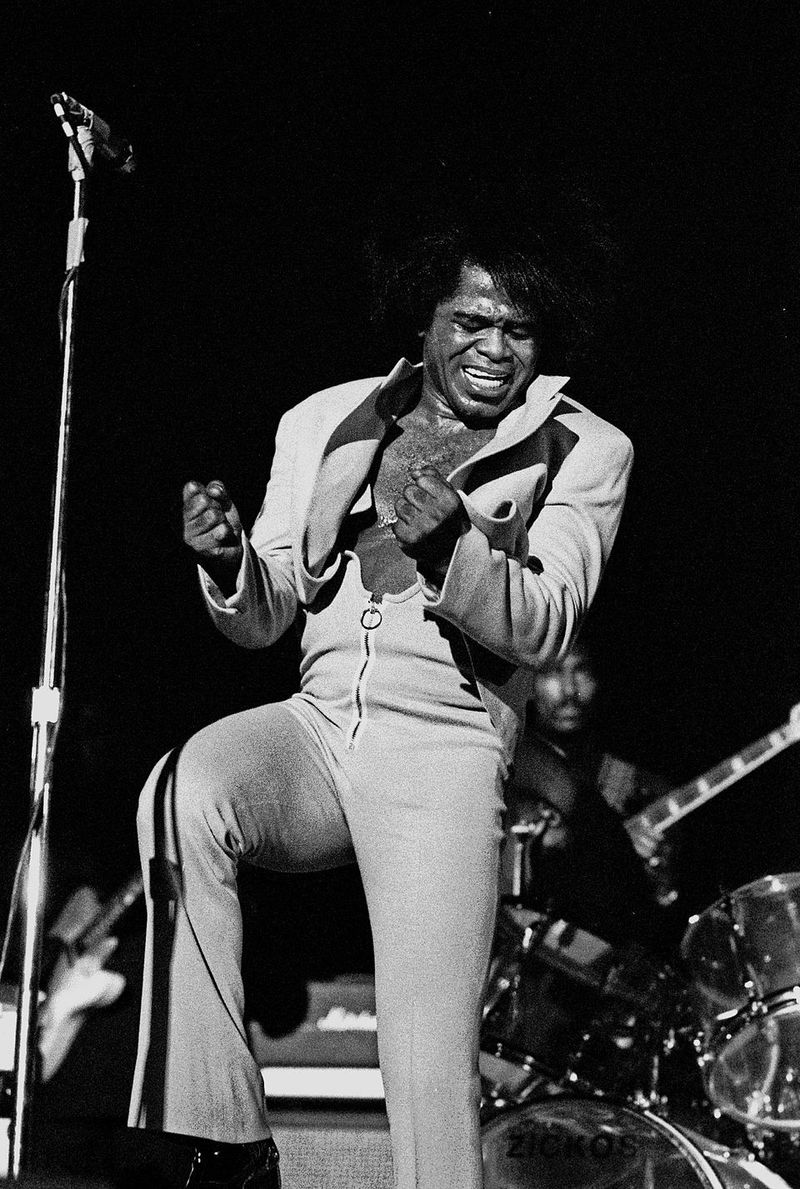
James Brown charged stages like electricity searching for ground. The cape, the spins, the splits turned rhythm into athletic spectacle.
You saw charisma made kinetic, sweat shining like proof of devotion.
His features held grit and determination, eyes locked on the band and the crowd. Suits and jumpsuits amplified motion, sequins catching beats like sparks.
The mic stand bowed to the momentum and sprang back alive.
Brown’s attractiveness lived in dominance of the moment, a furnace of focus and funk. He pushed audiences to meet the energy and then raised it again.
The look was command, and the command felt irresistible.
Freddie Mercury
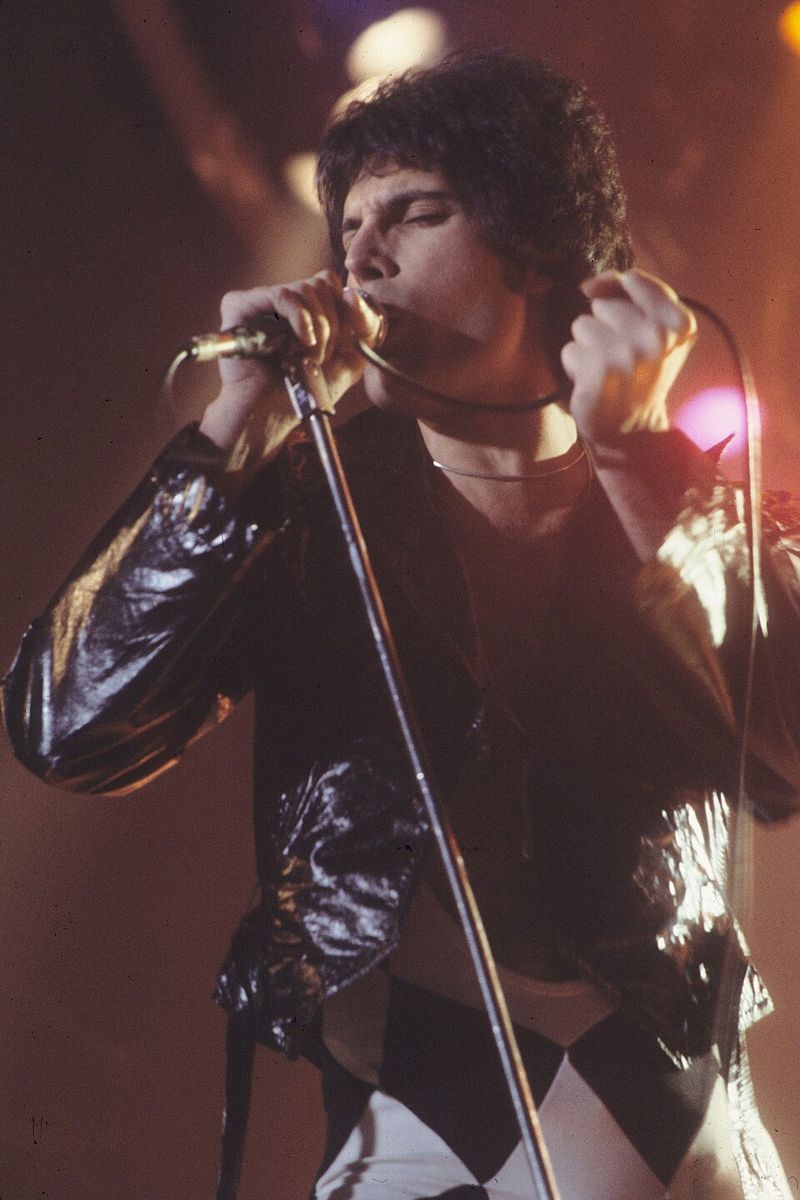
Freddie Mercury made the stage a kingdom and the crowd his willing chorus. He wore power like a costume and authenticity like a heartbeat.
Every gesture had architecture, building cathedrals out of choruses.
The looks shifted from glam sparkle to athletic minimalism, each choice deliberate. You saw confidence sharpened by playfulness, daring that never felt distant.
His voice carved light through the room and left a gleam on faces.
Mercury’s allure fused virtuosity with vulnerability, a wink followed by a high note that stunned. He expanded what rock beauty could be, welcoming drama without apology.
The result was unforgettable presence that still defines big-stage charisma.
Burt Reynolds
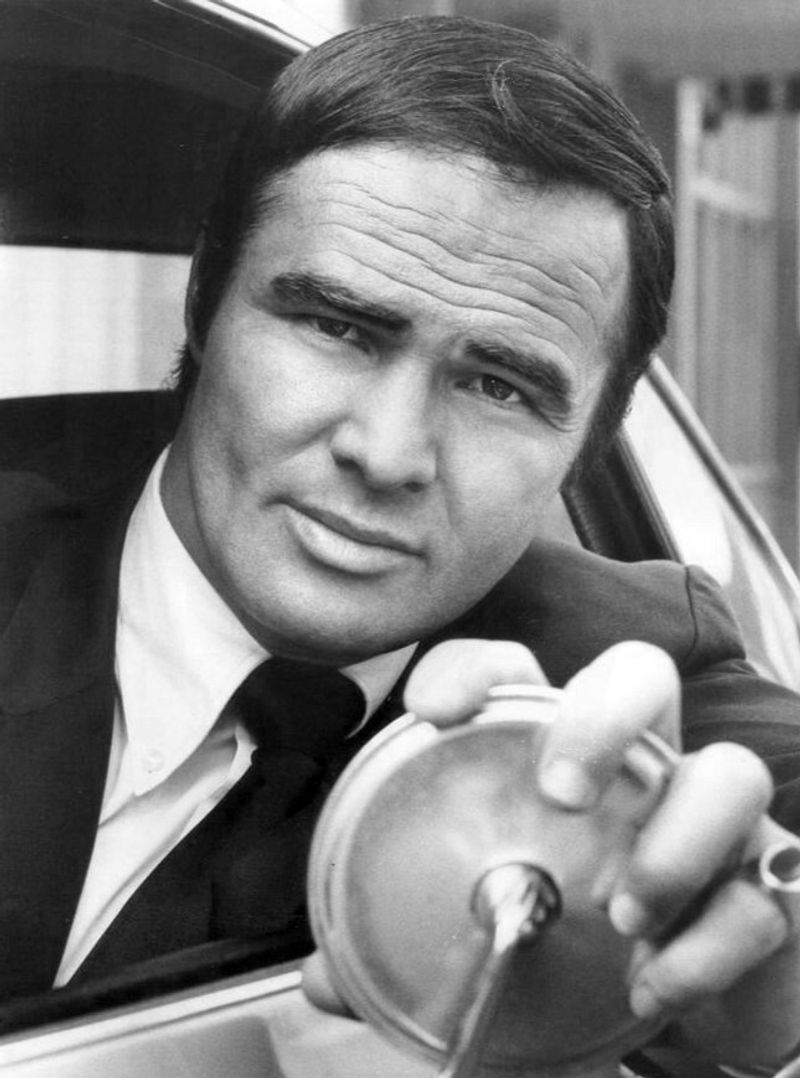
Burt Reynolds made mischief look premium with a mustache that deserved billing. The grin promised fun and a little trouble, balanced by a stuntman’s swagger.
Smokey and the Bandit stamped that attitude into pop memory.
His style sat between athletic and rakish: open collars, fitted shirts, easy denim. You believed he could drive fast, flirt faster, and still be home for dinner.
The camera loved the twinkle because it read as genuine.
Reynolds embodied a brand of playful macho that felt inviting rather than imposing. He let charm do the heavy lifting while the jokes landed.
The overall effect was American charisma rendered in horsepower and heat.
Donald Sutherland
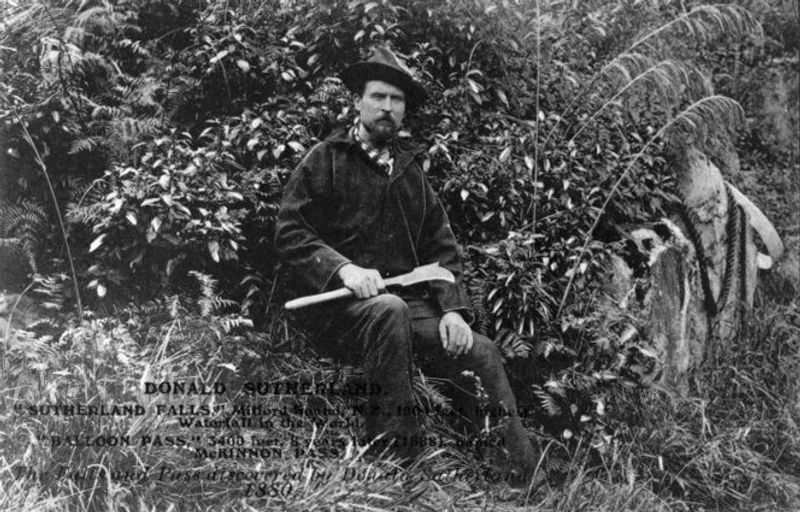
Donald Sutherland projected intelligence like a spotlight softened by fog. The features were unconventional, yet the camera leaned in closer.
You sensed wit beneath restraint, curiosity behind the calm.
His wardrobe favored textured coats and earth tones, thoughtful rather than flashy. That palette let expressions carry the scene.
He wore complexity well, and audiences recognized the depth.
Sutherland’s appeal lived in nuance and time, the pleasure of watching thought flicker across a face. He offered mature charm with a conspiratorial glint.
In a decade big on volume, he proved quiet could seduce.
Mick Jagger
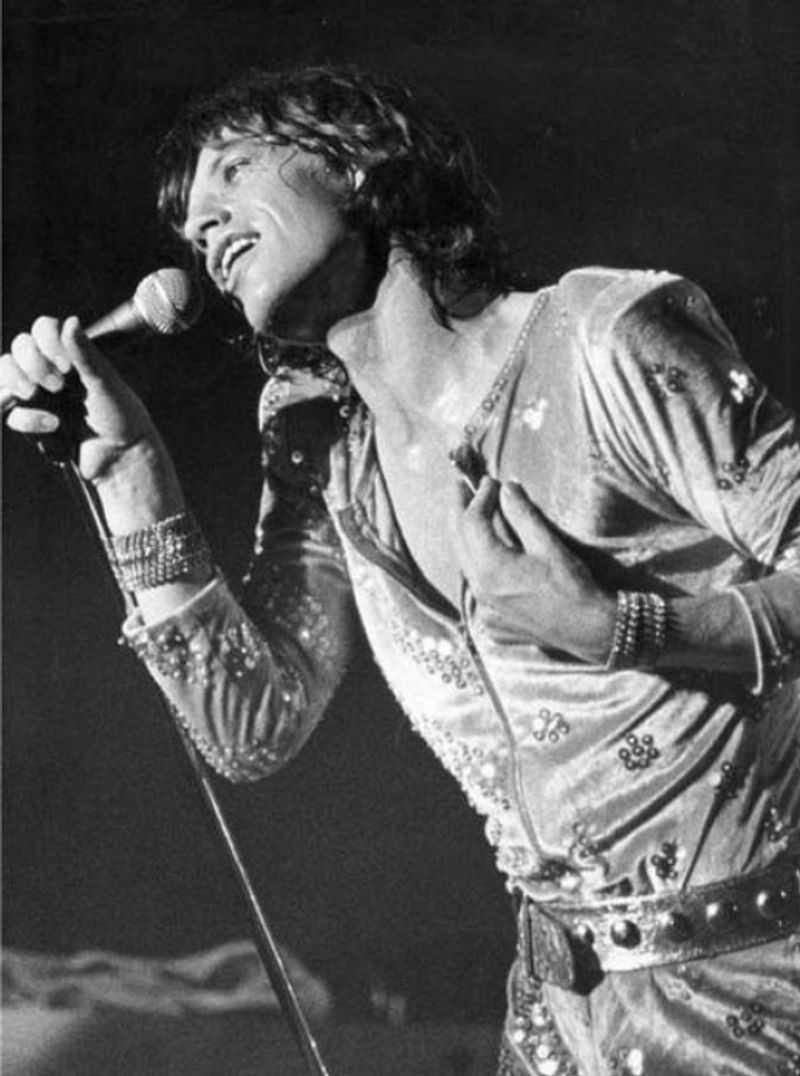
Mick Jagger turned motion into signature, a body language fluent in heat and tease. The grin said trouble, the lips sealed the deal, and the hips closed negotiations.
With the Stones roaring, he set the decade’s swagger tempo.
Clothes clung and shimmered, emphasizing angles and velocity. An open shirt matched the open secret that charisma favors the bold.
Every step rewrote the rules for frontmen while the crowd memorized the lines.
Jagger’s allure was kinetic confidence, a fearless claim on attention that felt earned. He did not just sing the songs, he inhabited them.
The result remains a living definition of rock sex appeal.
Share this story