Getting around a city can be easy or exhausting, depending on where you live. Some places have amazing trains, buses, and trams that run like clockwork, while others leave commuters stuck in traffic for hours.
Public transport shapes how people work, study, and spend their free time, making it a crucial part of daily life. Here are 10 cities with outstanding transit systems and 10 that still have a long way to go.
1. Hong Kong – Frequently ranked #1 globally for public transport efficiency, affordability, coverage, and multimodal integration
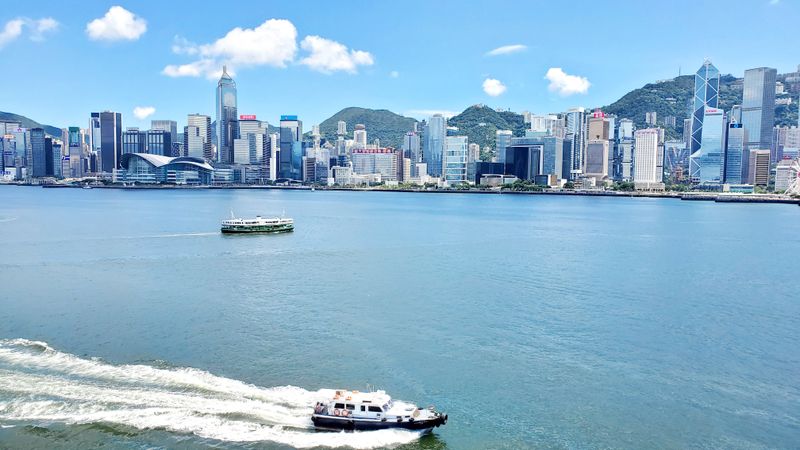
Hong Kong consistently tops global rankings for public transport excellence. The MTR metro system connects nearly every corner of the city with speed and precision.
Trains arrive every few minutes, and stations are spotless, safe, and easy to navigate.
Affordability is another major strength. Fares remain reasonable even for daily commuters, and the Octopus Card makes payment seamless across buses, ferries, and trains.
This integration means switching between different modes of transport is effortless.
The system handles millions of passengers daily without breaking a sweat. Punctuality is nearly perfect, and breakdowns are rare.
For residents and tourists alike, getting around Hong Kong is simple, fast, and reliable, setting the gold standard for urban transit worldwide.
2. London, UK – One of the world’s largest transit networks, connecting the city and suburbs through rail, tube, and buses
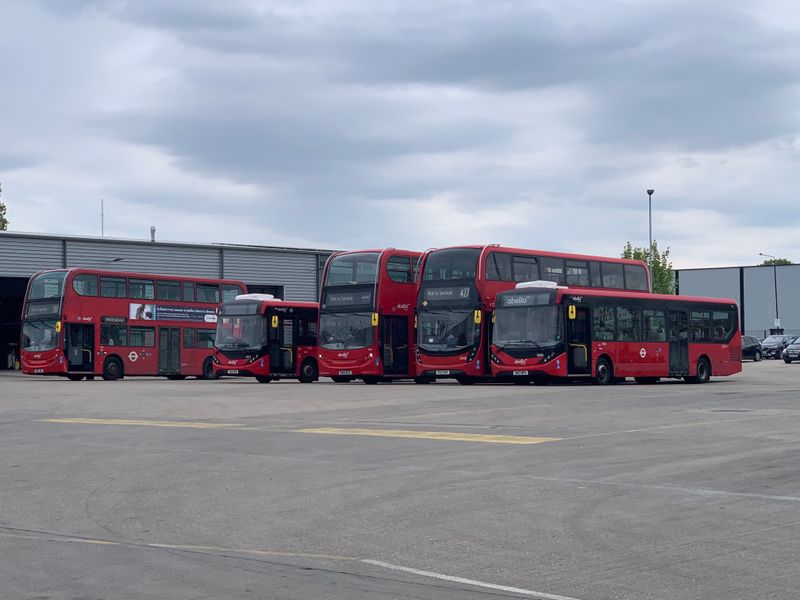
London’s transport network is legendary in size and reach. The Underground, known as the Tube, has been moving Londoners since 1863 and now spans hundreds of stations.
Add in buses, overground trains, and river services, and you have a system that touches nearly every neighborhood.
The Oyster Card and contactless payment make travel straightforward. Buses run frequently, even through the night, ensuring people can get home safely.
The Tube might get crowded during rush hour, but its reliability keeps millions moving every day.
Expansion continues with projects like the Elizabeth Line, which added even more capacity. While not perfect, London’s transit remains a model of connectivity and scale, proving that massive cities can still keep people moving efficiently.
3. Prague, Czech Republic – Exceptional tram and metro coverage with some of the highest public transport usage rates in Europe
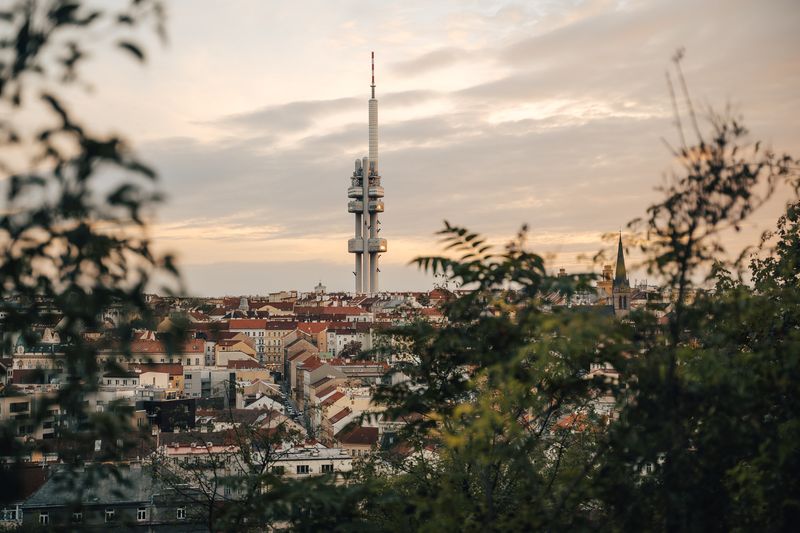
Prague’s tram system is a thing of beauty. Vintage-style trams glide through historic streets, connecting neighborhoods with charm and efficiency.
The metro complements this with three main lines that crisscross the city, making transfers easy.
Usage rates here are among Europe’s highest because the system simply works. Trams run frequently, even late at night, and tickets are affordable for residents.
Tourists love it too, as routes pass major landmarks without requiring a car.
Maintenance is taken seriously, keeping vehicles clean and schedules reliable. The combination of trams, metro, and buses creates a dense web of coverage.
Praguers rarely need to drive, and the city’s air quality benefits as a result, proving that historic charm and modern transit can coexist beautifully.
4. Singapore – Ultra-reliable, spotless, and highly integrated rail and bus systems with smart ticketing
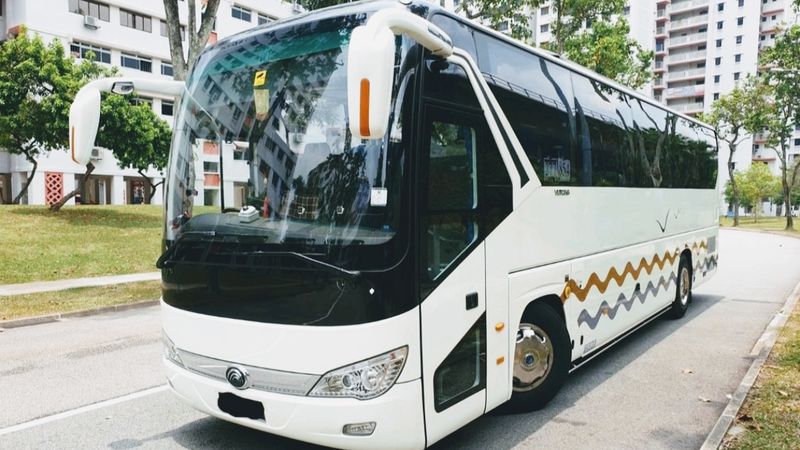
Singapore’s MRT is a masterclass in modern transit. Trains arrive on time, stations gleam with cleanliness, and air conditioning makes the tropical heat bearable.
The system connects residential areas, business districts, and tourist spots with impressive efficiency.
Smart ticketing through EZ-Link cards integrates buses and trains seamlessly. Transfers are quick, and the network is designed for ease of use even for first-time visitors.
Fines for eating or littering keep standards high, and passengers respect the rules.
Expansion plans continue to add new lines, ensuring the system grows with the city. Reliability is so strong that delays are newsworthy events.
Singapore proves that with proper planning and investment, public transport can be both world-class and user-friendly for everyone.
5. Tokyo, Japan – Legendary punctuality and massive rail coverage move tens of millions daily with precision
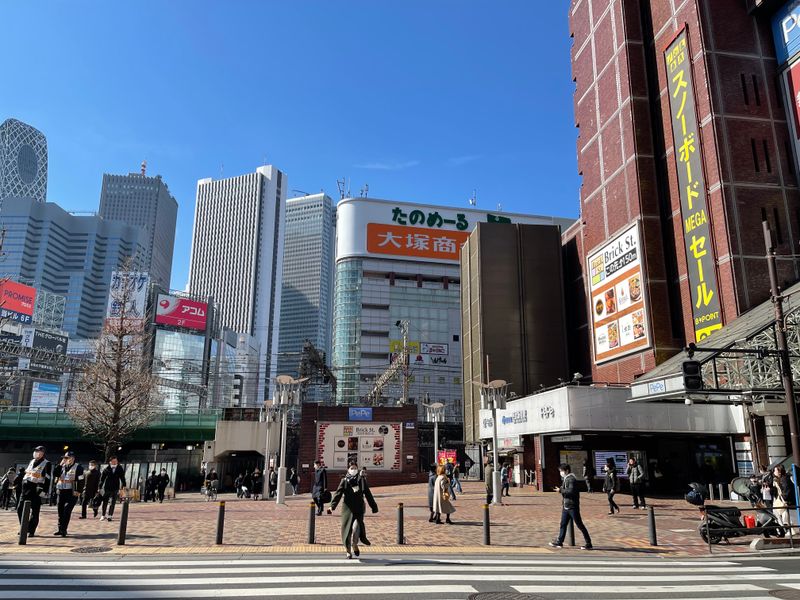
Tokyo’s rail network is a marvel of engineering and discipline. Trains run on time down to the second, and delays are so rare that companies issue apology certificates when they happen.
The sheer scale is staggering, with multiple operators moving tens of millions of people daily.
Navigating can be overwhelming at first, but signage in English helps tourists. The system covers the entire metropolitan area, from downtown to distant suburbs.
Rush hour can be intense, with professional pushers helping people board, but trains keep moving regardless.
Cleanliness and safety are priorities. Stations are well-maintained, and crime is virtually nonexistent.
Tokyo shows that even in a megacity, public transport can remain efficient, reliable, and respectful of passengers’ time and comfort.
6. Stockholm, Sweden – Clean, efficient, and well-coordinated transit across land and water
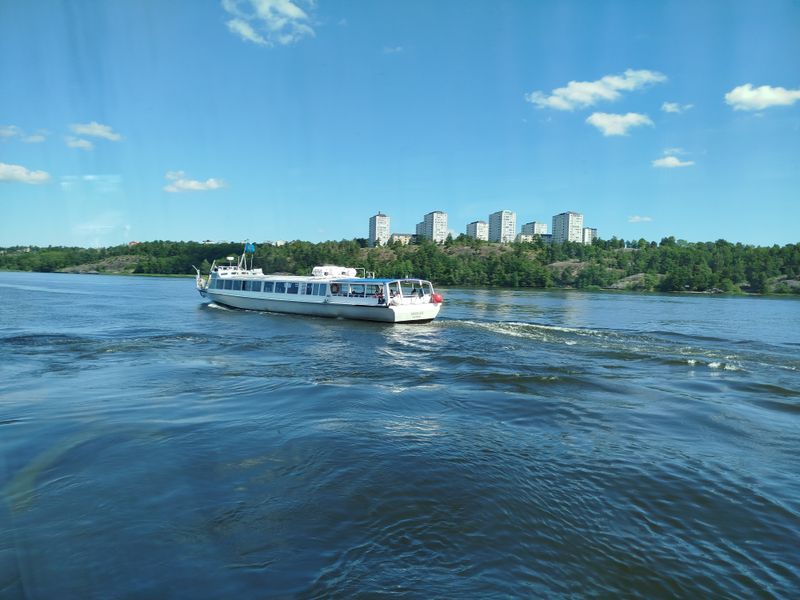
Stockholm’s transit system is as beautiful as it is functional. Metro stations double as art galleries, with colorful murals and sculptures brightening underground spaces.
Trains, buses, and ferries work together seamlessly, connecting the city’s many islands.
The SL Access card simplifies payment across all modes of transport. Buses run frequently, and metro trains arrive with clockwork regularity.
Ferries add a scenic element, making commutes feel less like chores and more like mini-adventures.
Environmental consciousness drives many decisions. Electric buses and clean energy power much of the system, reducing carbon footprints.
Stockholm proves that public transport can be efficient, eco-friendly, and aesthetically pleasing all at once, setting an example for cities worldwide.
7. Paris, France – One of the densest metro networks in the world, supported by regional RER lines
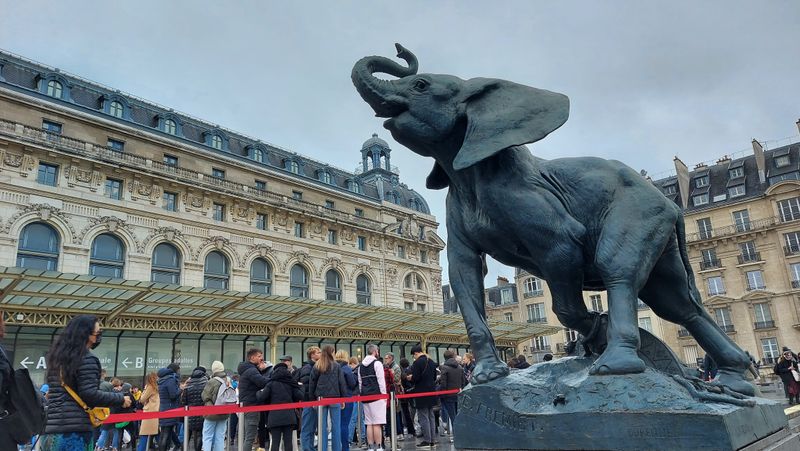
Paris Metro is dense, historic, and absolutely essential. With hundreds of stations packed into a relatively small area, you’re never far from a metro entrance.
The iconic Art Nouveau signs add charm, and the system has been moving Parisians since 1900.
The RER lines extend reach into the suburbs, connecting major destinations like Versailles and Disneyland Paris. While rush hour can be crowded and hot, trains run frequently enough to keep things moving.
Navigo passes make unlimited travel affordable for regular users.
Some stations need updating, but renovations are ongoing. Despite occasional strikes, the system remains a lifeline for millions.
Paris shows that even century-old infrastructure can still serve a modern city effectively with proper maintenance and expansion.
8. Berlin, Germany – Extensive U-Bahn, S-Bahn, tram, and bus networks provide near-complete city coverage
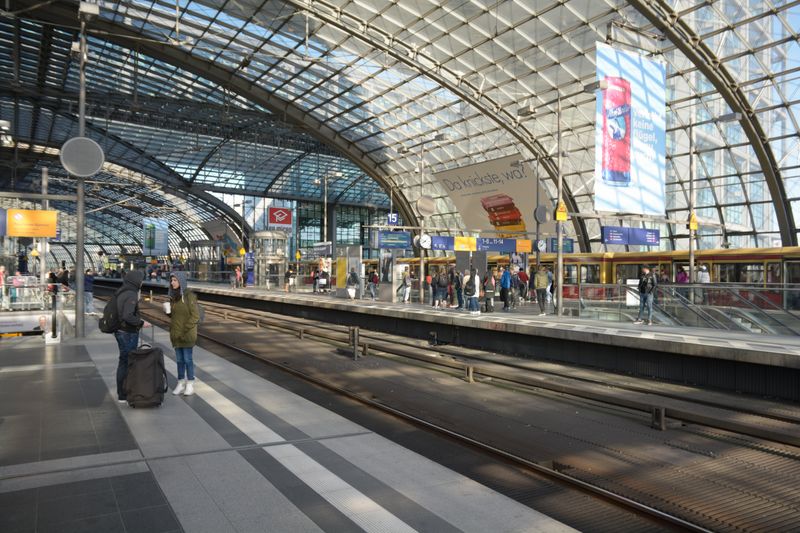
Berlin’s transport network is incredibly comprehensive. The U-Bahn and S-Bahn rail systems crisscross the city, while trams and buses fill in the gaps.
Together, they create near-complete coverage, meaning almost anywhere is reachable without a car.
The system runs late into the night, with some lines operating 24/7 on weekends. Tickets are valid across all modes, making transfers simple.
Stations are generally clean, though some older ones show their age.
Berlin’s history is visible in the transit map, with lines reunited after the Wall fell. Despite this complex past, the system functions smoothly today.
Affordable monthly passes encourage regular use, and the city’s commitment to public transport keeps Berlin moving efficiently day and night.
9. Zurich, Switzerland – Exceptionally punctual and seamless integration between trains, trams, and buses
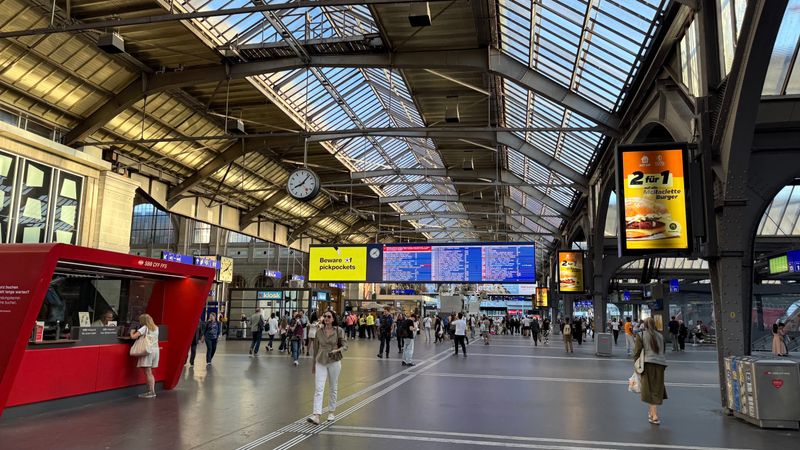
Swiss punctuality is no myth in Zurich. Trains, trams, and buses run like clockwork, with connections timed to the minute.
Miss your train, and the next one arrives shortly, making delays practically nonexistent.
The ZVV network integrates all modes seamlessly. A single ticket works on trams, buses, trains, and even boats on the lake.
The system is so reliable that locals set their watches by it, and tourists quickly learn to trust the schedules.
Cleanliness and comfort are standard. Vehicles are modern, stations are well-maintained, and staff are helpful.
Zurich’s transport proves that precision and passenger experience can go hand in hand, creating a system that feels almost too good to be true.
10. Vienna, Austria – Affordable fares, dense coverage, and reliable service make it one of Europe’s most user-friendly systems
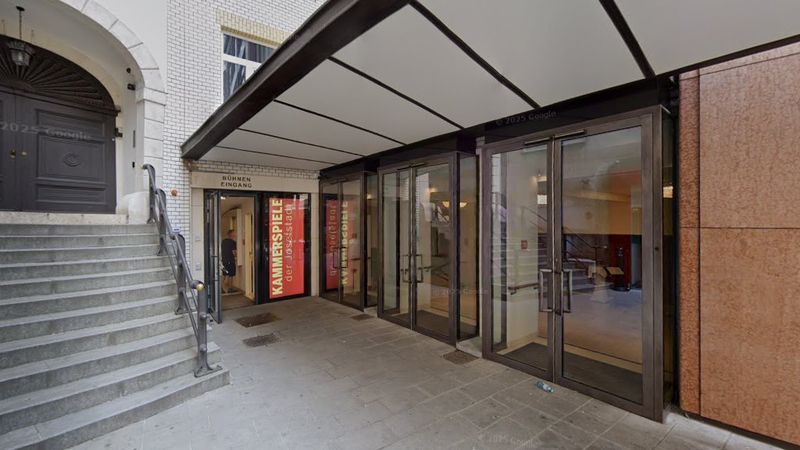
Vienna’s public transport is refreshingly affordable. An annual pass costs less than a monthly pass in many other cities, making it accessible to everyone.
This commitment to affordability encourages high usage rates and reduces car dependency.
Coverage is excellent, with trams, buses, and the U-Bahn reaching nearly every corner of the city. Vehicles are clean and modern, and the system runs reliably throughout the day and into the night.
Transfers are smooth, and the network is easy to understand.
Vienna proves that great public transport doesn’t have to be expensive. The city prioritizes accessibility and convenience, creating a system that residents genuinely love.
It’s a model of how to balance quality service with fair pricing for all income levels.
1. Metro Manila, Philippines – Consistently ranked among the worst globally for transport efficiency, overcrowding, and lack of integration
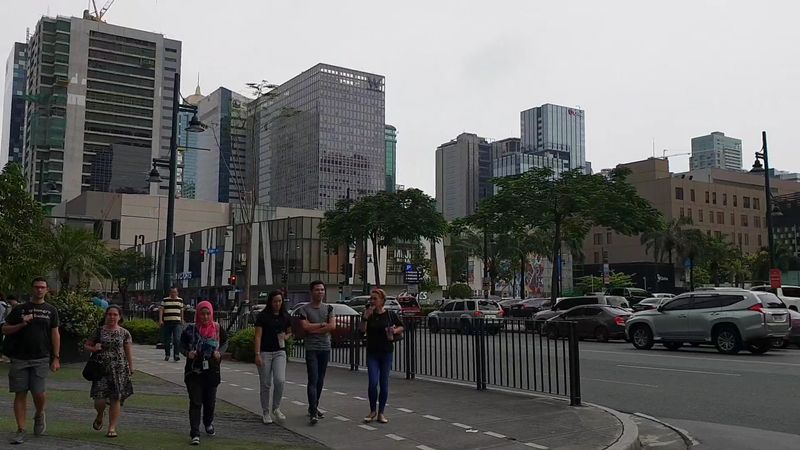
Metro Manila’s public transport is a daily struggle for millions. Trains are overcrowded to dangerous levels, with passengers literally pushing each other in during rush hour.
Breakdowns are common, and delays can turn a 30-minute commute into a two-hour ordeal.
The system lacks integration. Different rail lines don’t connect well, and buses operate chaotically without clear routes or schedules.
Traffic congestion makes road-based transport equally painful, trapping commuters in gridlock for hours.
Government efforts to improve infrastructure have been slow and fragmented. While some new projects are underway, they haven’t kept pace with the city’s rapid growth.
Manila residents deserve better, but until major investments and planning improvements arrive, the transport nightmare continues unabated.
2. Dhaka, Bangladesh – Among the world’s most congested cities, with extremely long commute times and limited mass transit capacity
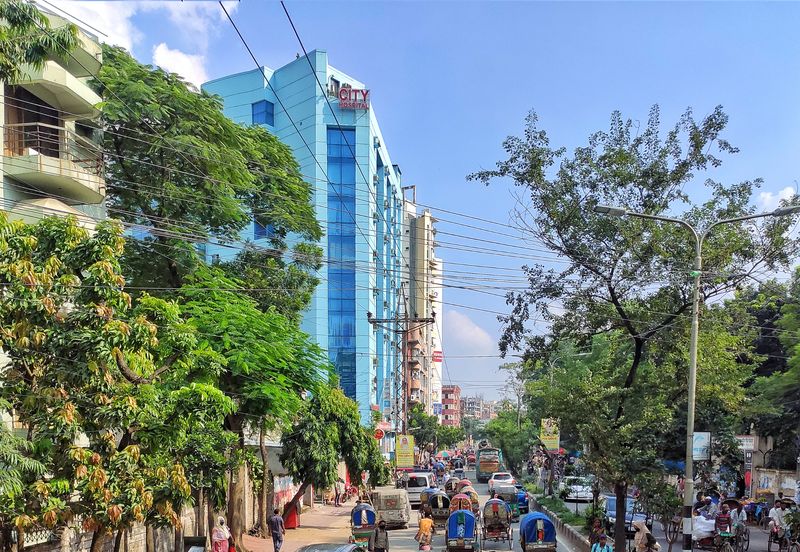
Dhaka’s traffic is legendary for all the wrong reasons. Commutes that should take 20 minutes often stretch to two hours or more.
The city lacks a proper metro system, leaving millions dependent on overcrowded buses and rickshaws.
Buses are often old and poorly maintained. They stop randomly to pick up passengers, adding to congestion rather than relieving it.
Rickshaws fill gaps but can’t handle the volume of people needing to move across this sprawling city.
A metro line is under construction, offering hope for the future. However, until it’s fully operational and expanded, Dhaka residents face daily transport misery.
The economic cost of lost productivity is enormous, highlighting the urgent need for comprehensive transit solutions.
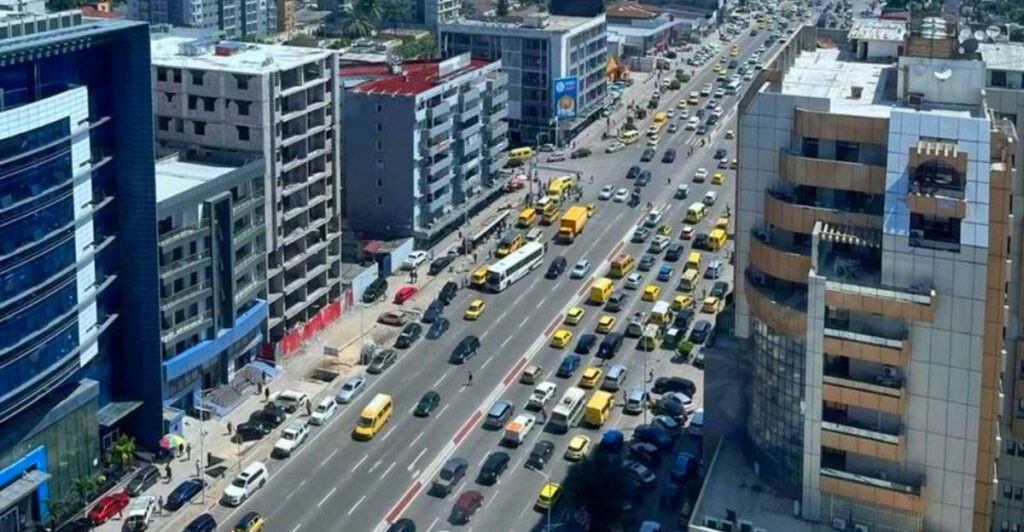
3. Kinshasa, DR Congo – Limited paved roads and lack of formal transit infrastructure severely restrict urban mobility
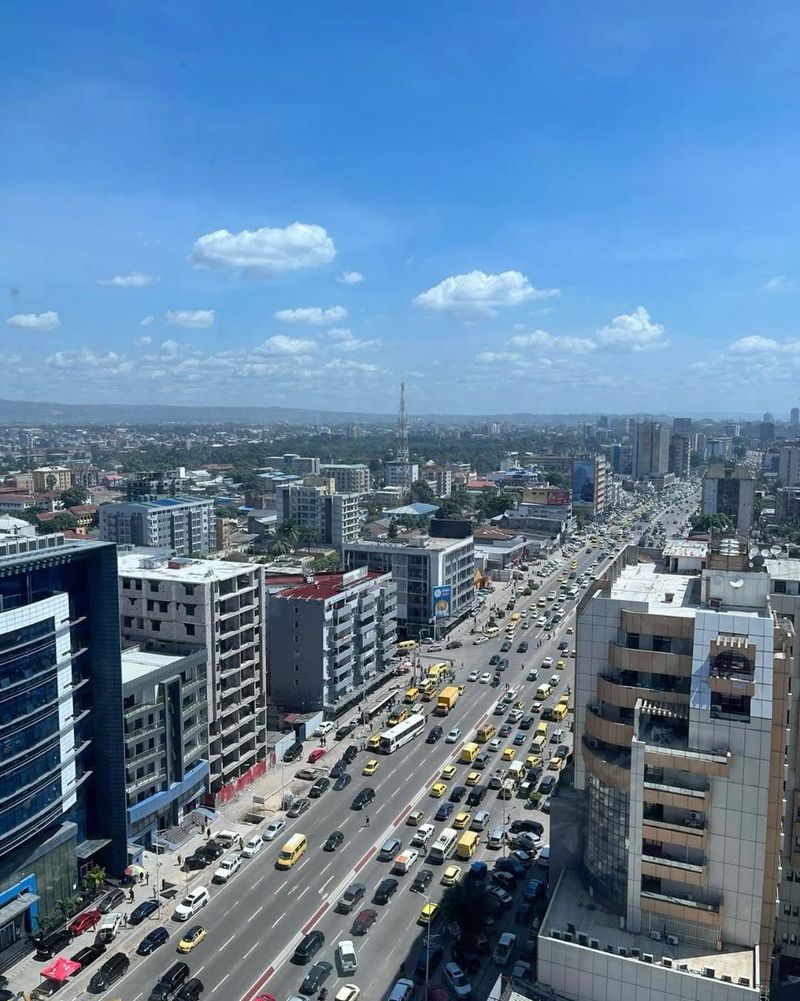
Kinshasa’s transport challenges are fundamental. Many roads remain unpaved, turning to mud during rainy season and making travel difficult.
Formal public transport barely exists, leaving residents to rely on informal minibus taxis that operate without fixed routes or schedules.
These taxis are often overcrowded and poorly maintained. Safety standards are minimal, and breakdowns are frequent.
Walking long distances becomes necessary when no transport is available, consuming hours of people’s days.
The city’s rapid growth has far outpaced infrastructure development. With limited government resources and competing priorities, transport improvements remain slow.
Kinshasa’s residents show incredible resilience, but the lack of basic mobility infrastructure holds back economic development and quality of life significantly.
4. TransMilenio (Bogotá, Colombia) – Once a global model, now plagued by overcrowding, delays, and declining user satisfaction
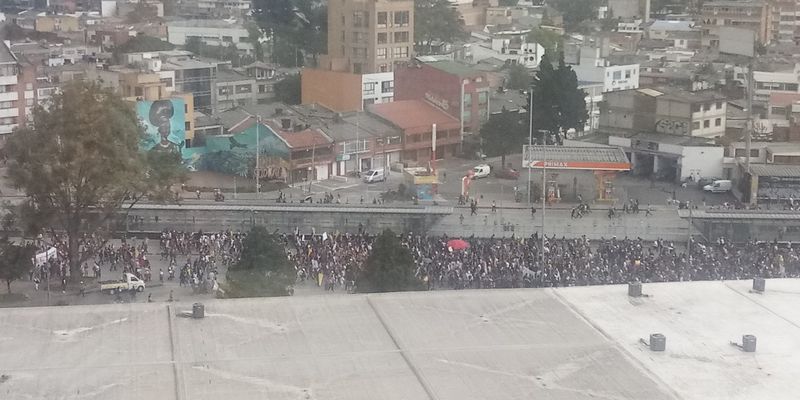
TransMilenio was once celebrated worldwide as an innovative bus rapid transit solution. Dedicated lanes and high-capacity buses promised efficient, affordable transport for Bogotá.
For a while, it worked brilliantly, inspiring similar systems in other cities.
Today, the story is different. Overcrowding has become severe, with passengers packed so tightly that boarding feels like a battle.
Delays are common, and maintenance has declined. User satisfaction has dropped sharply as the system struggles to meet demand.
Expansion hasn’t kept pace with the city’s growth. Routes are overloaded, and infrastructure shows its age.
While TransMilenio still moves millions daily, it needs serious investment and expansion to reclaim its reputation. Bogotá’s residents deserve the world-class system they were promised.
5. Transjakarta (Jakarta, Indonesia) – Dedicated bus lanes exist, but enforcement problems and inconsistent service reduce effectiveness
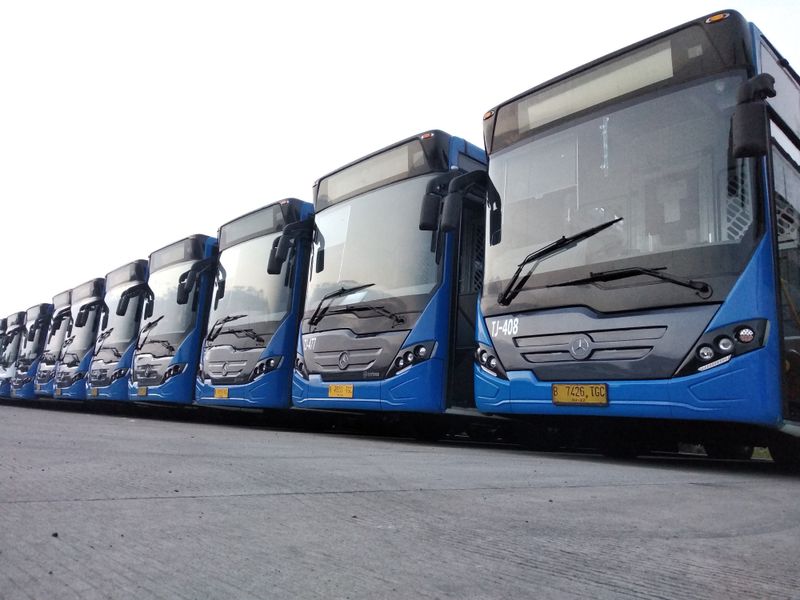
Transjakarta has dedicated bus lanes, which should make service fast and reliable. Unfortunately, enforcement is weak.
Private vehicles and motorcycles frequently invade the lanes, slowing buses to a crawl and defeating the entire purpose.
Service is inconsistent. Buses sometimes arrive in bunches after long waits, leaving passengers frustrated.
Overcrowding during peak hours makes travel uncomfortable, and stations aren’t always well-maintained.
Jakarta’s massive population and sprawling geography make transport challenging. While Transjakarta represents progress, it needs stronger enforcement and better management to reach its potential.
A new metro system offers additional hope, but until all elements work together effectively, Jakarta’s commuters will continue facing daily transport struggles and lengthy journey times.
6. Belgrade, Serbia – Europe’s largest capital without a metro system; long-delayed projects and overcrowded buses remain major issues
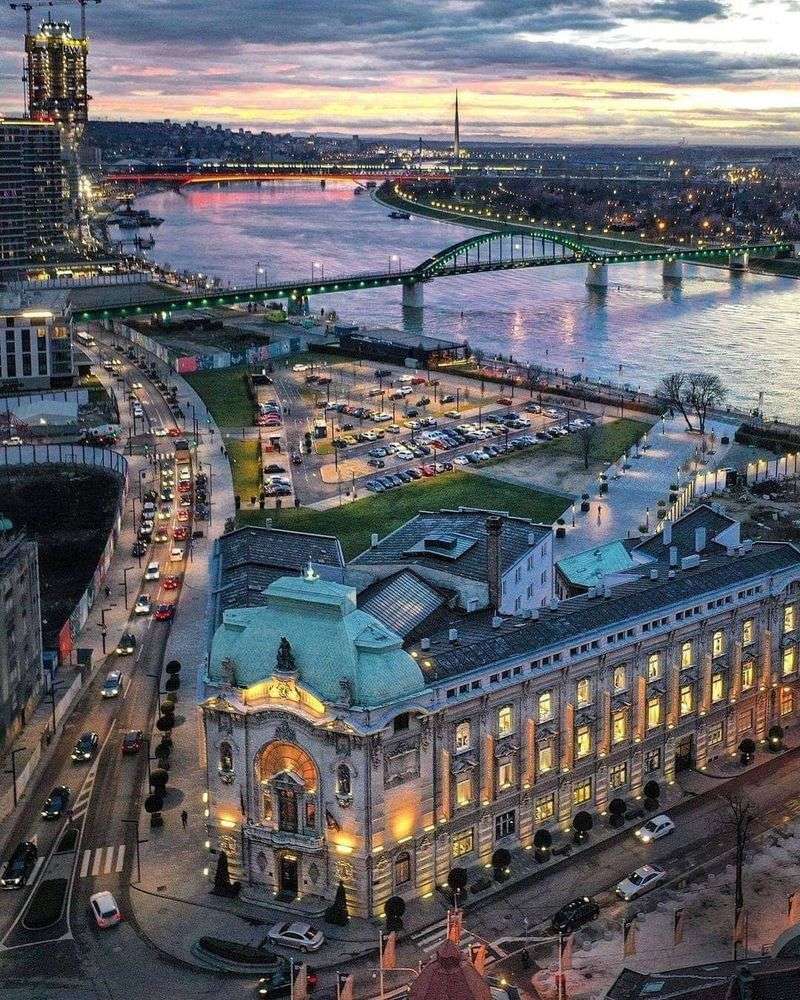
Belgrade holds an unfortunate distinction as Europe’s largest capital without a metro system. Plans have been discussed for decades, but construction keeps getting delayed.
Meanwhile, the city relies entirely on buses and trams that can’t handle the growing population.
Buses are frequently overcrowded, especially during rush hours. Routes don’t cover all areas effectively, forcing many residents to use cars and adding to traffic congestion.
Trams serve some neighborhoods but are old and slow.
Without underground rail, Belgrade’s transport options remain limited. The lack of progress on metro construction frustrates residents who see other cities modernizing their systems.
Until serious investment arrives, Belgrade will continue struggling with inadequate public transport for a capital of its size.
7. Los Angeles, USA – Despite recent investments, sprawl and long travel times still make public transport inconvenient for most commuters

Los Angeles is infamous for car culture, and public transport still struggles to compete. The city’s massive sprawl means destinations are far apart, and the Metro system, while expanding, doesn’t reach many neighborhoods.
Most people still need cars for daily life.
Recent investments have added new rail lines, showing commitment to improvement. However, buses often get stuck in the same traffic as cars, making them slow and unreliable.
Long travel times discourage people from choosing public transport.
Changing decades of car dependency takes time. LA is making progress, but the system needs much more coverage and frequency to become truly useful.
Until then, most Angelenos will stick with their cars, perpetuating the traffic jams everyone loves to hate.
8. Atlanta, USA – Heavy car dependency, limited rail reach, and weak regional coverage keep transit usage low
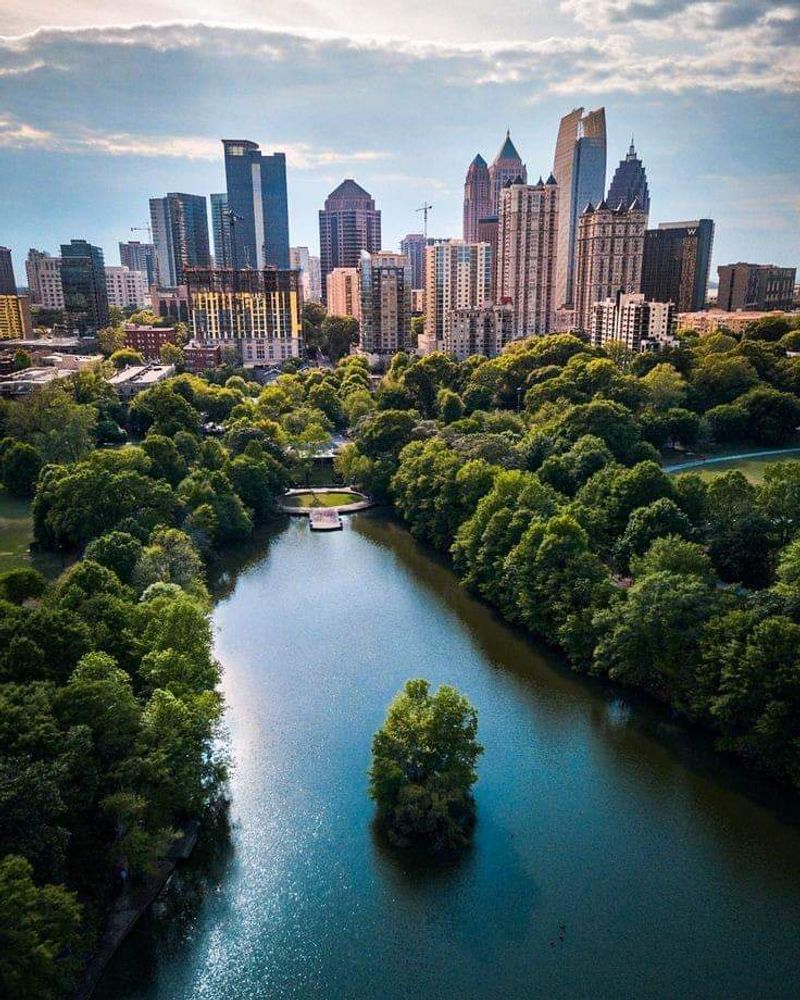
Atlanta’s MARTA system covers only a fraction of the metropolitan area. Many suburbs aren’t connected at all, forcing residents to drive.
The city’s sprawling layout makes expanding rail expensive and complicated, leaving gaps in coverage.
Car culture dominates here. Wide highways encourage driving, while transit options remain limited.
Buses fill some gaps, but routes are infrequent and don’t connect well with rail. Low ridership creates a cycle where poor service discourages use.
Regional cooperation has been weak, with surrounding counties refusing to fund MARTA expansion. This fragmentation keeps the system small and ineffective.
Until Atlanta commits to comprehensive regional transit planning and investment, most residents will remain stuck in traffic on congested highways daily.
9. Detroit, USA – Sparse routes, low frequency, and funding issues make public transport unreliable for many residents

Detroit’s public transport system has suffered from decades of underfunding. Bus routes are sparse, covering only main corridors and leaving many neighborhoods without service.
Frequency is low, with long waits between buses discouraging riders.
The city’s population decline reduced the tax base, making it harder to fund improvements. Meanwhile, car manufacturing’s dominance historically prioritized highways over transit.
This legacy leaves Detroit with inadequate options for residents without cars.
A new streetcar line offers limited help downtown, but it doesn’t address broader needs. Reliable funding and comprehensive planning are essential for real improvement.
Until Detroit invests seriously in public transport, many residents will struggle to access jobs, healthcare, and education without personal vehicles.
10. Lagos, Nigeria – Rapid population growth has far outpaced transport infrastructure, leading to chronic congestion and limited formal transit options

Lagos is one of Africa’s fastest-growing cities, but transport infrastructure hasn’t kept up. Millions of people need to move daily, yet formal transit options are severely limited.
Traffic congestion is legendary, with commutes taking hours for journeys that should be quick.
Informal danfo buses and okada motorcycle taxis fill the gap, but they’re unregulated and often unsafe. Roads are poorly maintained, and traffic enforcement is weak.
The combination creates chaos that frustrates residents and visitors alike.
A new rail line offers hope, but it’s just a start. Lagos needs massive investment in roads, rail, and buses to handle its growing population.
Without urgent action, transport will continue limiting economic growth and quality of life in this vital African megacity.
Share this story