 Unearth The Voyage
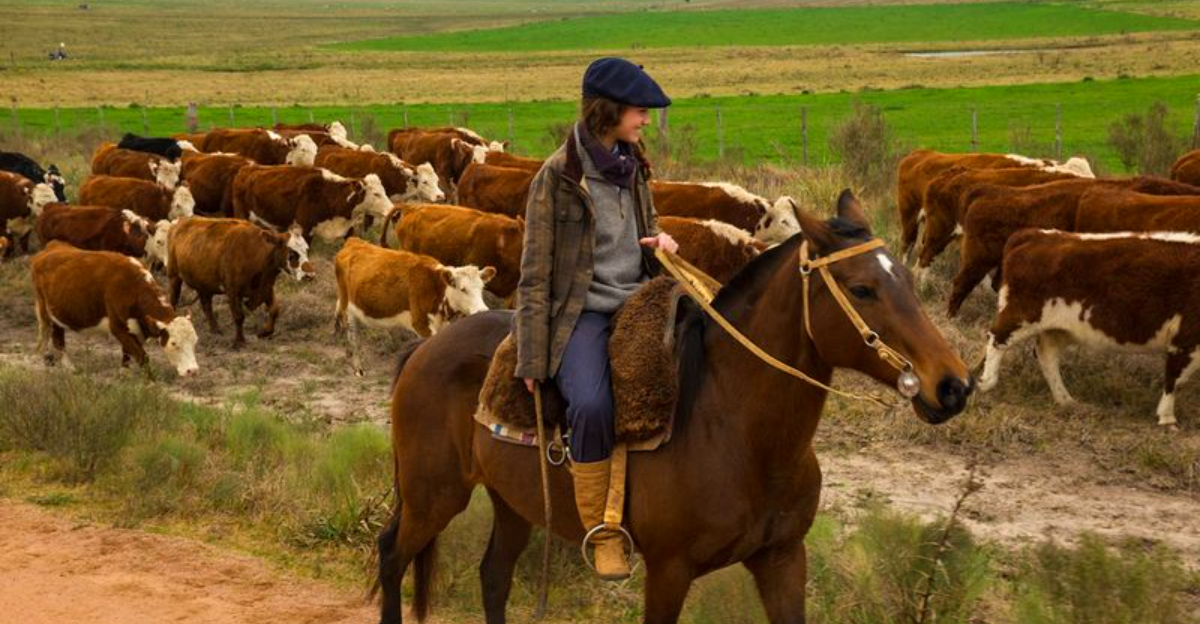
Uruguay doesn’t look like a powerhouse on a map, but don’t let the size fool you. This country dominates two worlds that rarely share the spotlight: football and beef.
It’s the kind of place where national pride lives in stadium chants and open fields, with so many cattle that the numbers sound made up. And once you see how those two obsessions shaped Uruguay, the country makes a lot more sense.
1. Uruguay is ‘small’, but strategically placed
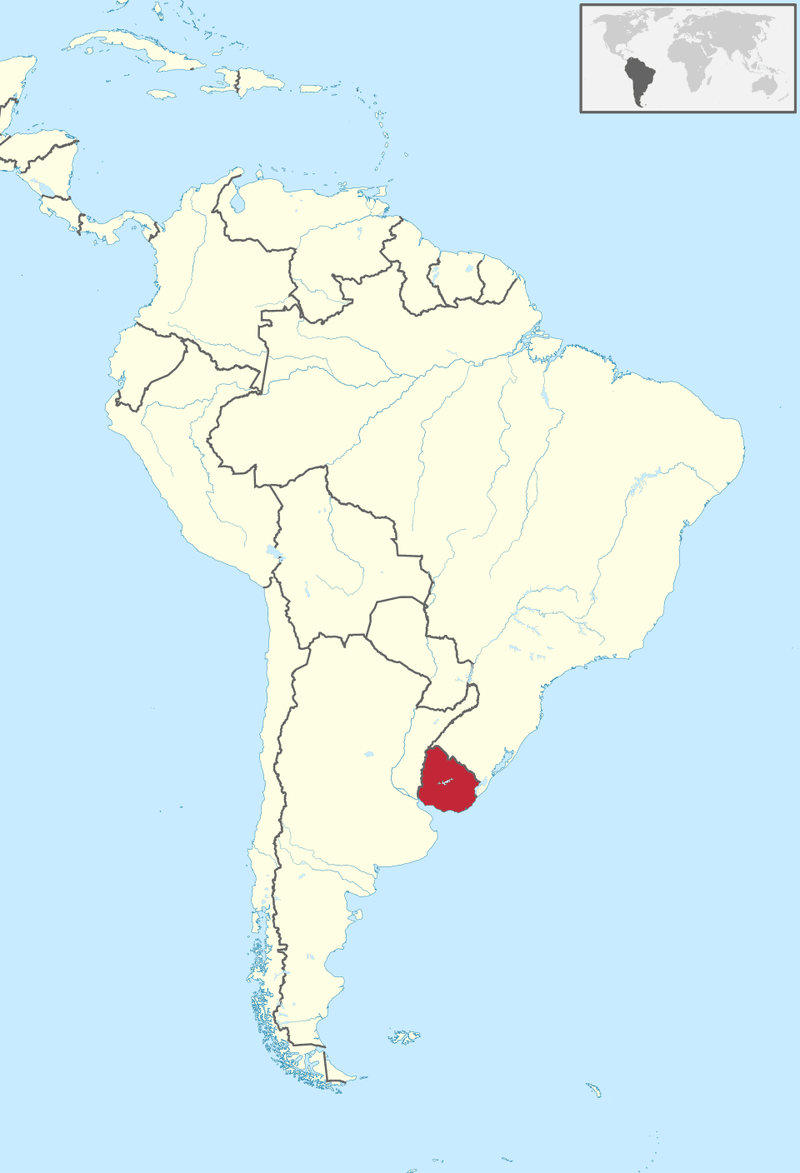
Nestled between Argentina and Brazil, Uruguay occupies a sweet spot that most countries would envy. Its geography acts as a peaceful bridge between two South American powerhouses, creating natural advantages that shaped its entire economic story.
That strategic location opened doors to robust trade relationships on both sides. Rivers, ports, and proximity to major markets meant Uruguay could ship products efficiently while maintaining independence.
The country didn’t need massive size to compete; it just needed smart positioning.
This geographical advantage became the foundation for an export-driven economy that thrives on quality over quantity. When you’re sandwiched between giants, you learn to specialize in what you do best.
For Uruguay, that meant creating premium agricultural products that could command attention in global markets.
The calm buffer zone status also brought political stability, which matters enormously for long-term economic planning. Investors and trading partners value predictability, and Uruguay delivered exactly that.
Cattle ranching requires patience, consistency, and reliable systems, all of which flourished in this stable environment.
Perfect conditions emerged for scaling beef production into a national signature. Geography handed Uruguay the opportunity; the country turned it into a competitive edge that still defines its economy today.
2. The headline statistic is real: more cows than people
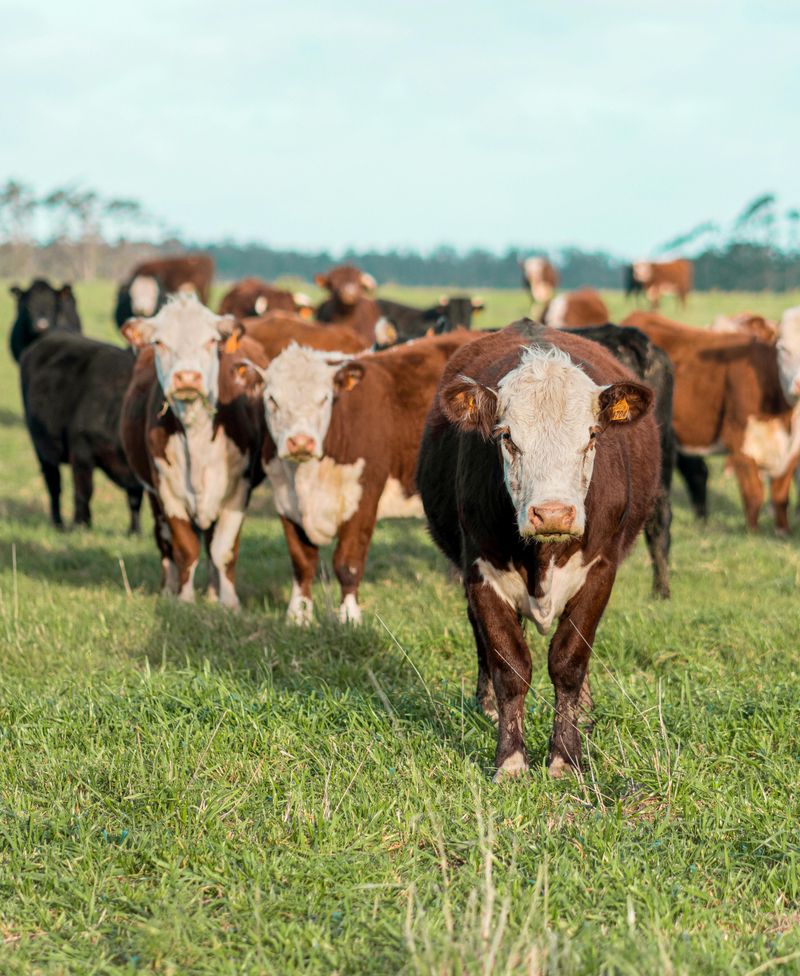
Around 12 million cattle and 3.5 million people: that’s the rounded snapshot everyone quotes, and it’s not marketing hype. More technical tracking puts the cattle herd fluctuating between roughly 11.4 and 11.85 million in recent years, but either way, the livestock vastly outnumber the humans.
This isn’t a quirky fun fact that barely holds up under scrutiny. The numbers are tracked, verified, and reported through official agricultural systems.
Uruguay genuinely operates as a country where cattle are the dominant large mammal by a huge margin.
Think about what that means in practical terms. Drive outside Montevideo, and you’ll see why the statistic feels real: pastures stretch endlessly, dotted with grazing herds that seem to go on forever.
The landscape doesn’t lie.
For comparison, most countries have far more people than livestock. Uruguay flips that script entirely, creating a rural economy where cattle production isn’t just an industry but the industry.
The infrastructure, logistics, and even cultural priorities reflect this unusual demographic balance.
The headline grabs attention because it sounds almost impossible for a modern nation. Yet Uruguay proves it’s not only possible but profitable, turning what could be a bizarre trivia answer into a serious economic strategy that works year after year.
3. The ‘three cows per person’ ratio is the point – not the exact decimal
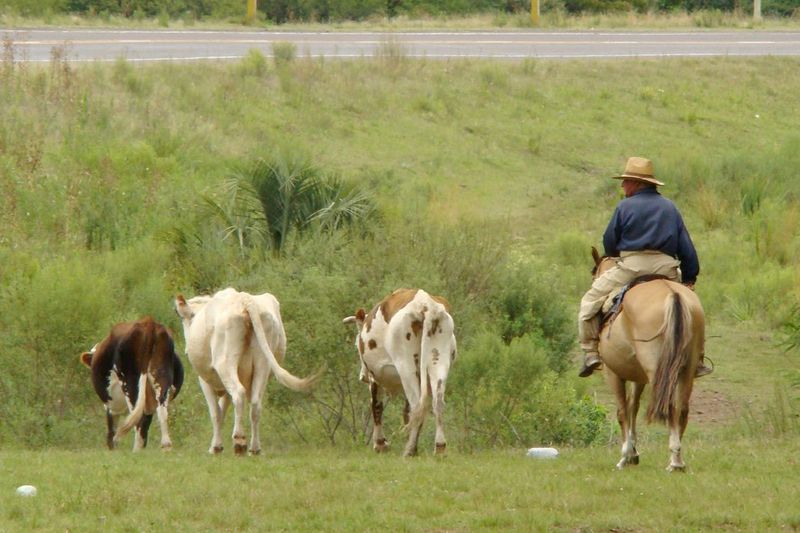
Whether the precise ratio lands at 3.2 or 3.6 depending on annual herd fluctuations, the core story remains unchanged. Uruguay ranks among the planet’s most cattle-dense nations per capita, and that concentration is what truly matters, not decimal-point precision.
This ratio isn’t just a number; it’s a lens for understanding how the country actually functions. Outside urban centers, you encounter cattle everywhere: crossing roads, filling transport trucks, dominating farm schedules, and shaping local economies.
The ratio becomes visible reality.
Politically, this density gives the livestock sector enormous influence. When millions of animals underpin export earnings and rural employment, policies naturally bend toward protecting and expanding that advantage.
The three-to-one ratio translates directly into political weight.
Globally, only a handful of countries can claim similar per-capita cattle dominance. Uruguay shares this exclusive club with places like New Zealand and parts of Australia, where livestock outnumber people by comfortable margins.
That puts Uruguay in rare company.
The takeaway isn’t about obsessing over exact counts that shift with births, slaughter cycles, and exports. Instead, it’s recognizing that Uruguay built an entire national strategy around maintaining a massive cattle population relative to its human residents, creating a demographic balance that defines everything from land use to cultural identity.
4. Grasslands do the heavy lifting
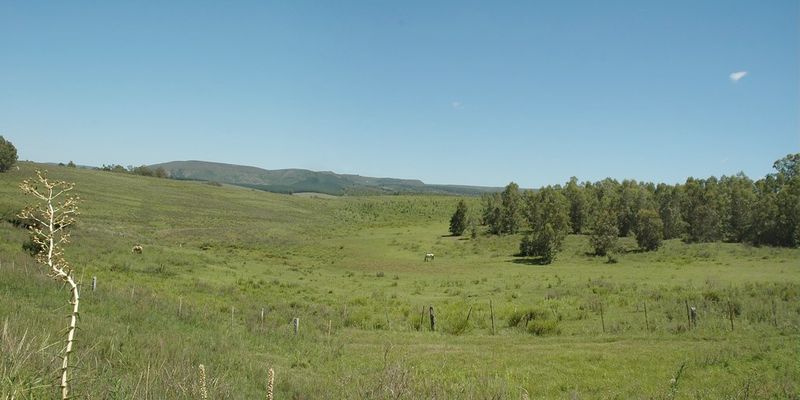
Natural grasslands blanket Uruguay’s landscape, creating a foundation for cattle production that most countries can’t replicate. These pastures support open grazing as the default system, not some expensive alternative approach.
Geography handed Uruguay a built-in advantage that reduces costs and shapes the entire production model.
This matters enormously because it eliminates dependence on intensive feedlot operations. While other beef-producing nations invest heavily in grain feeding and confined facilities, Uruguay’s cattle spend most of their lives eating grass outdoors.
The land does the work naturally.
Pasture-based production also affects beef quality and marketing. Grass-fed beef commands premium prices in many international markets, and Uruguay can deliver that product at scale without fundamentally changing its systems.
What works for the land also works for the brand.
Environmental considerations enter the equation too. Open grazing on natural grasslands generally has a lighter ecological footprint than industrial feedlots, though sustainable management still requires careful attention.
Uruguay’s landscape makes the more environmentally favorable approach the economically logical one.
The grasslands aren’t just scenery; they’re infrastructure. They reduce input costs, support animal health, and enable production methods that align with global consumer trends toward natural and pasture-raised products.
Uruguay’s cattle industry succeeds partly because the land makes it almost too easy not to.
5. Cattle aren’t just an industry – they’re culture
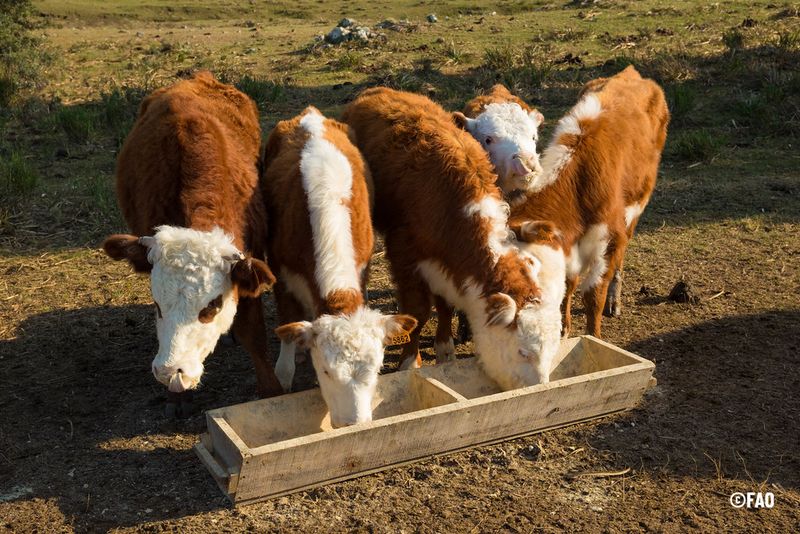
Beef runs deeper than economics in Uruguay; it’s woven into the national identity itself. Rural ranch life, the cherished tradition of asado, and a food culture that treats steak like a universal language all reflect how livestock shaped the country’s soul, not just its GDP.
When millions of animals spread across a relatively small territory, livestock becomes part of everyday existence rather than some distant agricultural sector. Kids grow up seeing cattle, families gather around grilled beef, and ranching traditions pass through generations like family heirlooms.
The asado isn’t just a meal; it’s a social ritual that brings people together around slow-cooked beef, conversation, and shared identity. This tradition reinforces the connection between land, livestock, and community in ways that transcend simple consumption.
Food becomes cultural glue.
Even urban Uruguayans maintain strong ties to this cattle culture. Weekend trips to family ranches, meat-centric cuisine in city restaurants, and national pride in beef quality all demonstrate how deeply livestock is embedded in collective consciousness.
You can’t separate modern Uruguay from its cattle heritage.
This cultural dimension also protects the industry politically and economically. When cattle represent identity and tradition, policies that threaten the sector face resistance beyond just economic arguments.
Culture and commerce reinforce each other, creating a feedback loop that keeps cattle at the center of national life.
6. Beef is one of Uruguay’s export superpowers
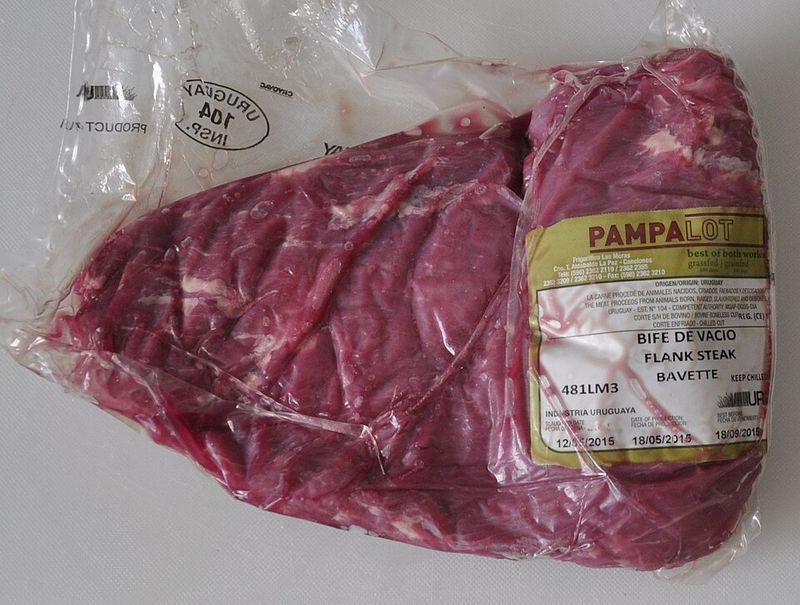
Livestock and related products consistently rank as a top export category, generating approximately US$4 billion in export income during 2023 according to sector classifications. That’s massive revenue for a country of Uruguay’s size, and it explains why cattle numbers receive protection like a strategic national asset.
This export strength isn’t accidental or recent. Uruguay spent decades building reputation, relationships, and systems that deliver consistent quality to demanding international buyers.
The investment paid off with market access that many competitors envy, turning beef into reliable foreign currency earnings.
China, the European Union, and the United States all purchase Uruguayan beef, diversifying risk across multiple major markets. That geographic spread protects against shocks in any single region while maximizing opportunities to capture premium prices wherever demand spikes highest.
The economic multiplier effect extends far beyond ranches. Processing plants, logistics companies, veterinary services, and countless related businesses all depend on the cattle sector’s health.
When beef exports thrive, ripple effects boost employment and activity throughout the economy.
For context, Uruguay’s total population equals roughly one medium-sized city in neighboring Brazil. Yet this tiny nation competes globally in beef markets through focus, quality, and strategic advantages that bigger countries can’t easily replicate.
Export earnings from cattle justify the national obsession with maintaining and protecting the herd.
7. Uruguay built trust with traceability – before it was trendy
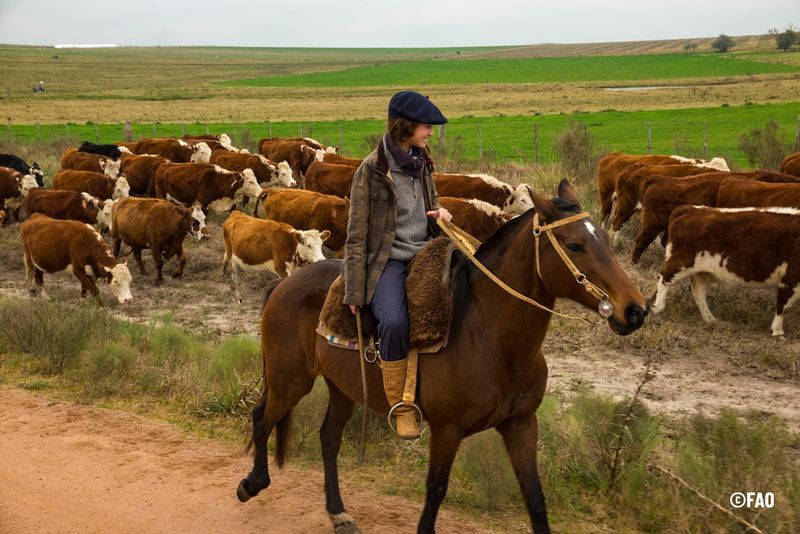
Mandatory livestock traceability became law in Uruguay back in 2006, when most countries still treated animal tracking as optional or experimental. Parliament established individual electronic identification requirements for bovines, creating a system that monitors animals throughout the entire production chain.
That early commitment gave Uruguay a competitive edge that still pays dividends.
Traceability serves multiple critical functions. Disease control becomes far more precise when you can track every animal’s movements and contacts.
If health issues emerge, authorities can quickly identify affected herds and prevent wider spread, protecting both animal welfare and market access.
Buyer confidence represents another huge benefit. International customers purchasing Uruguayan beef can verify origin, production methods, and health status with unusual precision.
That transparency commands premium prices and opens doors to markets that demand rigorous documentation.
The system required significant investment in technology, training, and enforcement infrastructure. Producers had to adapt to new reporting requirements, and the government needed robust data systems to manage millions of animal records.
The upfront costs were substantial but strategic.
Today, traceability feels like table stakes for serious beef exporters, but Uruguay was ahead of the curve. That early adoption built institutional knowledge and technical systems that newer programs struggle to match, giving Uruguay a lasting advantage in credibility and market positioning that competitors still chase.
8. The herd size is also managed through formal national reporting
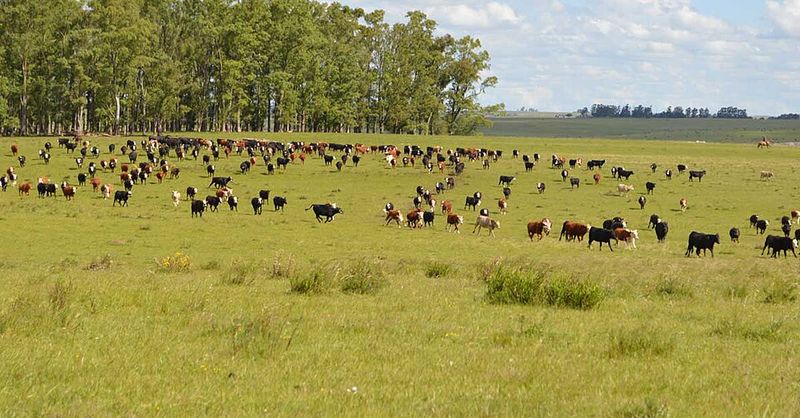
Cattle numbers aren’t guesswork or rough estimates based on vibes. Official reporting systems track the national herd through producer declarations, integrated databases, and coordinated information platforms that compile data across the entire sector.
This formal monitoring supports everything from export planning to internal resource allocation.
Producers must report births, deaths, movements, and slaughter through established channels. That creates a constantly updated picture of herd size, distribution, and trends.
The data flows into national systems that government agencies, industry groups, and researchers all use for decision-making.
This level of tracking might sound bureaucratic, but it’s essential for a country where cattle represent such enormous economic value. Accurate herd data informs vaccination campaigns, feed supply planning, processing capacity needs, and export quota negotiations.
Bad data would cascade into bad decisions across the entire value chain.
The reporting infrastructure also supports Uruguay’s traceability claims to international buyers. When the country promises comprehensive tracking, the underlying data systems need to actually work.
Formal national reporting provides the backbone that makes individual animal tracing credible and verifiable.
Technology continuously improves these systems, with digital platforms replacing older paper-based processes. The investment in data infrastructure reflects how seriously Uruguay takes cattle management, treating herd monitoring as critical national infrastructure rather than optional record-keeping that someone should probably handle eventually.
9. Uruguay’s football story begins with literally the first World Cup
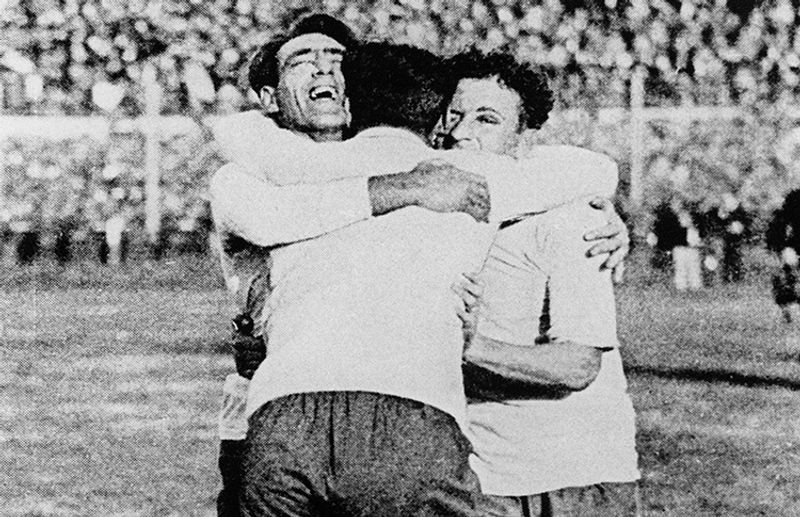
Hosting and winning the inaugural FIFA World Cup in 1930 wasn’t just a nice achievement for Uruguay; it was the founding moment of the country’s football mythology. Then, defying expectations, Uruguay shocked the world again by claiming victory in 1950.
For a nation of Uruguay’s size, those titles became permanent fixtures in national identity.
The 1930 tournament established Uruguay as a football power when the sport’s global structure was still taking shape. Winning on home soil created a legacy that transcended sports, becoming a source of national pride that still resonates nearly a century later.
Small countries don’t usually write the first chapter of global sporting history.
The 1950 victory in Brazil added dramatic flair to the story. Defeating the hosts in front of a massive crowd at the Maracanã Stadium created one of football’s most legendary upsets.
That triumph reinforced Uruguay’s reputation for punching above its weight when stakes run highest.
These early World Cup successes shaped how Uruguayans see themselves and how the world views their football. The tiny nation that could compete with and defeat much larger countries became a core narrative.
Those championships aren’t ancient history; they’re living proof that size doesn’t determine success.
The psychological impact still matters today. Uruguayan teams carry the weight and confidence of those historic victories, approaching major tournaments with belief rooted in actual achievement rather than empty hope.
10. Those famous ‘four stars’ aren’t random decoration
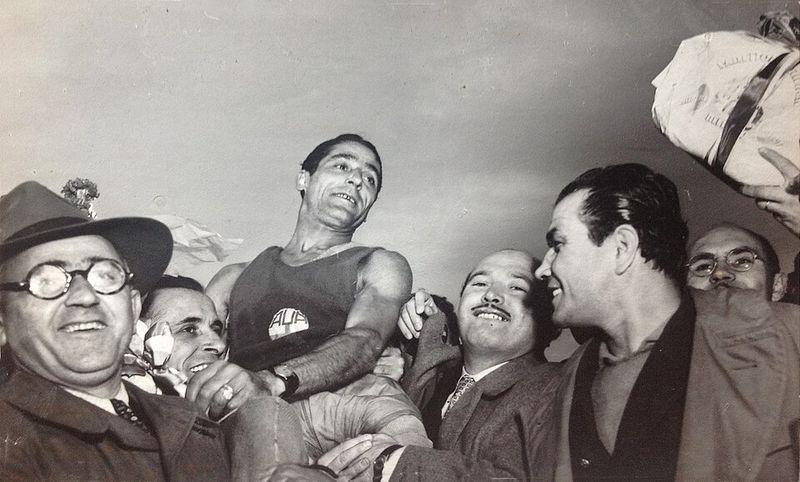
Four stars adorn Uruguay’s football shirt, and each one carries specific historical weight. Two represent the World Cup victories in 1930 and 1950, achievements that need no explanation.
The other two connect to Olympic-era titles from 1924 and 1928, when the Olympics effectively served as the world’s premier international football competition.
FIFA has acknowledged Uruguay’s early Olympic dominance within the broader context of international tournament history. Before the World Cup existed, the Olympics provided the only truly global football competition, and Uruguay won it twice in succession.
Those victories established the foundation for Uruguay’s football reputation.
The four-star tradition reflects how Uruguay views its complete championship history, not just FIFA World Cup wins. While some might debate whether Olympic titles deserve equal billing with World Cups, Uruguay makes no apologies.
The stars represent genuine international supremacy during different eras of the sport’s development.
This creates an interesting contrast with larger football nations that might have more recent success but fewer historical touchstones. Uruguay’s shirt tells a story of early dominance that predates most modern football structures.
The stars aren’t marketing; they’re historical record.
For a small country, those four stars carry enormous symbolic power. They remind everyone, including opponents, that Uruguay has been defeating bigger nations since before most current football powers even had organized leagues.
The decoration makes a statement about legacy and legitimacy that goes beyond simple trophy counting.
11. Copa América: legendary success – just not “record” anymore

Uruguay claims 15 Copa América titles, an extraordinary achievement that dominated the competition’s history for decades. However, a crucial update changes the record books: Argentina now holds the outright record with 16 titles after winning the 2024 edition.
Uruguay remains one of the two most historically dominant teams but no longer stands alone at the summit.
This shift matters for accuracy, even though it doesn’t diminish Uruguay’s Copa América legacy. Fifteen championships still represent incredible consistency and quality across multiple generations.
The country’s success rate in South America’s premier tournament remains remarkable by any measure.
The rivalry between Uruguay and Argentina adds extra drama to the record situation. These neighboring nations have battled for regional supremacy throughout football history, making Argentina’s move ahead in Copa América titles particularly significant.
The competition between them continues to define South American football.
Uruguay’s Copa success demonstrates sustained excellence rather than brief golden periods. Winning across different eras, with different players and coaches, proves the depth of football culture and development systems.
One or two titles might be luck; fifteen requires institutional strength.
Even without holding the outright record, Uruguay’s Copa América performance cements its status as a regional powerhouse. For a nation of 3.5 million people to compete consistently with countries ten times larger speaks to something fundamental about how football is prioritized, developed, and celebrated in Uruguayan society.
12. How does such a small population keep producing elite players?
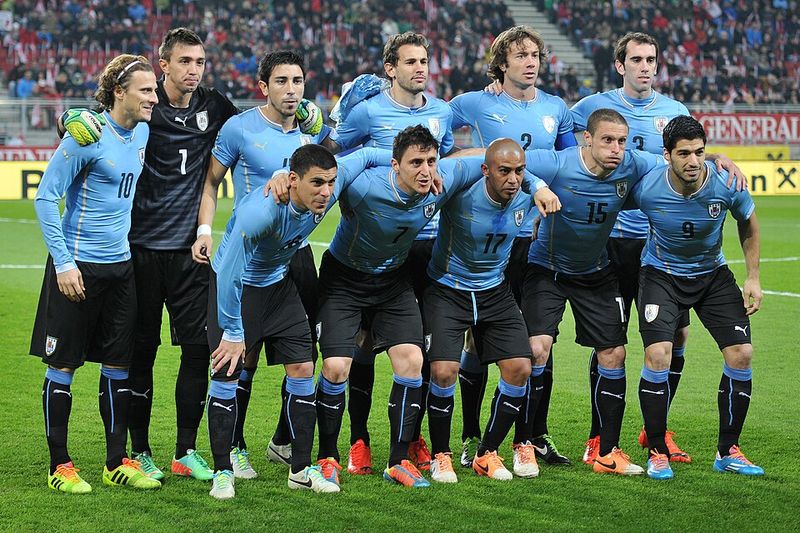
Population size becomes irrelevant when efficiency, culture, and systems align perfectly. Uruguay’s small numbers force the country to maximize every ounce of talent through tight scouting networks, strong club culture, early competitive intensity, and a national obsession that makes football the default childhood activity.
When the pathway from street to professional is visible and proven, talent pipelines become surprisingly reliable.
Scouting in Uruguay operates with unusual thoroughness precisely because missing talent is unaffordable. Clubs can’t rely on sheer population volume to produce stars, so they hunt harder, look deeper, and develop more carefully.
Every promising player receives attention that might get lost in larger countries with more casual approaches.
Club culture emphasizes technical development and tactical understanding from young ages. Players learn to think about the game, not just run around fields.
That early emphasis on football intelligence produces players who can compete mentally with anyone, even when physical advantages favor opponents from bigger nations.
The competitive intensity starts early too. Young players face meaningful pressure and consequences, preparing them psychologically for professional demands.
By the time Uruguayan players reach international levels, they’ve already navigated high-stakes situations that would overwhelm less battle-tested athletes.
National obsession completes the equation. When football dominates conversation, media, and cultural attention, talented kids naturally gravitate toward the sport.
Uruguay doesn’t compete with ten other major sports for youth attention; football is the overwhelming priority, concentrating talent development in one direction.
13. The mindset matches the landscape: tough, disciplined, unromantic

Uruguayan football carries a distinctive identity: resilience, tactical grit, and a stubborn refusal to panic when situations turn difficult. That mentality isn’t random; it mirrors rural Uruguay’s approach to cattle production, where success comes from steady, practical systems that work year after year, not flashy shortcuts or unrealistic optimism.
Pasture-based ranching requires patience, discipline, and acceptance that some things can’t be rushed. You manage land carefully, monitor herds consistently, and trust processes that don’t deliver instant gratification.
Those same qualities show up in how Uruguayan teams approach matches, especially against supposedly superior opponents.
The unromantic part matters too. Uruguay doesn’t often play beautiful, flowing football that wins style points.
Instead, teams focus on what works: solid defense, tactical awareness, and capitalizing ruthlessly on opponent mistakes. It’s effective rather than elegant, results-oriented rather than artistic.
This mentality creates teams that are extremely difficult to break down or discourage. Opponents might dominate possession or create more chances, but Uruguay keeps fighting with disciplined structure until opportunities emerge.
The psychological toughness becomes a competitive weapon.
Rural landscapes shaped national character in ways that extend beyond agriculture into sports. When your economy depends on systems that reward patience and consistency over decades, those values seep into other domains.
Uruguay’s football identity reflects the same practical, resilient approach that makes the cattle industry work despite the country’s small size and limited resources.
14. If you visit, you’ll feel both worlds in one day

Montevideo pulses with football energy: stadiums, street games, jersey-wearing fans, and conversations that inevitably circle back to the latest match or legendary past glories. The capital captures Uruguay’s sporting obsession in concentrated form, making the country’s football heartbeat impossible to miss.
Drive just outside the city, though, and the landscape transforms completely. Cattle dominate the horizon as far as you can see, grazing peacefully across endless grasslands that stretch toward distant borders.
The rural reality hits immediately: this is fundamentally a cattle country, regardless of urban football passion.
That contrast creates Uruguay’s unique character. Few nations blend such different identities so seamlessly within such small geographic space.
You can experience world-class football culture and one of the planet’s most cattle-dense landscapes without traveling far or choosing between them. Both exist simultaneously, equally authentic.
The experience reveals how national brand isn’t just marketing spin in Uruguay’s case. The football legacy is real, verified by trophies and history.
The cattle dominance is real, visible in every direction outside cities. Both shape the country’s economy, culture, and self-image in ways that go far beyond surface-level stereotypes.
Visitors often find this duality surprising and compelling. Uruguay doesn’t fit neat categories or match expectations for how small countries should operate.
Instead, it succeeds dramatically in two completely different arenas, creating a national story that’s as physically visible in the land as it is emotionally loud in the stadium.



