The world is moving at breakneck speed, and a lot of Baby Boomer traditions are getting left behind without anyone really noticing. Remember when music felt like an event, not background noise. When you waited for a letter because it actually meant something.
When little everyday rituals made life slower, warmer, and more human. Now those once normal habits are quietly disappearing, replaced by convenience, screens, and nonstop noise. And once they’re gone, they’re not coming back. Here are the Boomer era traditions that are fading fast, and why we miss them more than we admit.
1. Classic Rock and Roll

Rock and roll once ruled the airwaves with a raw energy that defined rebellion and freedom. Bands like The Rolling Stones, Led Zeppelin, and The Who created anthems that spoke to an entire generation’s spirit.
Guitar solos echoed through stadiums, and music fans gathered by the thousands to experience the magic live.
Today’s music landscape has shifted dramatically toward electronic beats and digital production. Streaming algorithms favor shorter songs and instant hits over the epic album experiences that made classic rock legendary.
Fewer young musicians pick up guitars, opting instead for laptops and synthesizers to create their sound.
Radio stations that once played nothing but classic rock are converting to different formats or disappearing altogether. The guitar heroes who inspired millions are aging, and their concerts have become nostalgic farewell tours.
Music education programs in schools have cut back on teaching traditional instruments, focusing instead on modern production techniques.
While classic rock will never truly die, its dominance in popular culture continues to fade. Younger generations discover these legendary bands through their parents’ playlists rather than experiencing them as the cutting edge of music.
The era when rock and roll was the soundtrack of youth is becoming a cherished memory rather than a living, breathing cultural force.
2. Vinyl Records & Record Stores

Walking into a record store used to be an adventure where you could spend hours flipping through album covers and discovering new artists. The smell of cardboard sleeves mixed with incense, and knowledgeable staff could recommend hidden gems based on your taste.
Every purchase felt special because you were investing in a physical piece of art that included liner notes, lyrics, and stunning cover designs.
Vinyl made a brief comeback among collectors and audiophiles, but independent record stores continue closing their doors. Rent costs and declining foot traffic make it nearly impossible for these small businesses to survive.
The younger generation streams music instantly on their phones, never experiencing the ritual of carefully placing a needle on a spinning record.
Major chains like Tower Records and Sam Goody have vanished completely from shopping malls. The few remaining independent shops cater to a niche market of dedicated collectors willing to pay premium prices.
What was once a weekly social activity has become a rare hobby for enthusiasts.
Digital streaming offers convenience that physical media simply cannot match. You can access millions of songs without leaving your couch or worrying about storage space.
The tactile pleasure of holding an album and reading credits while listening has been replaced by scrolling through playlists on tiny screens.
3. Handwritten Letters & Postcards
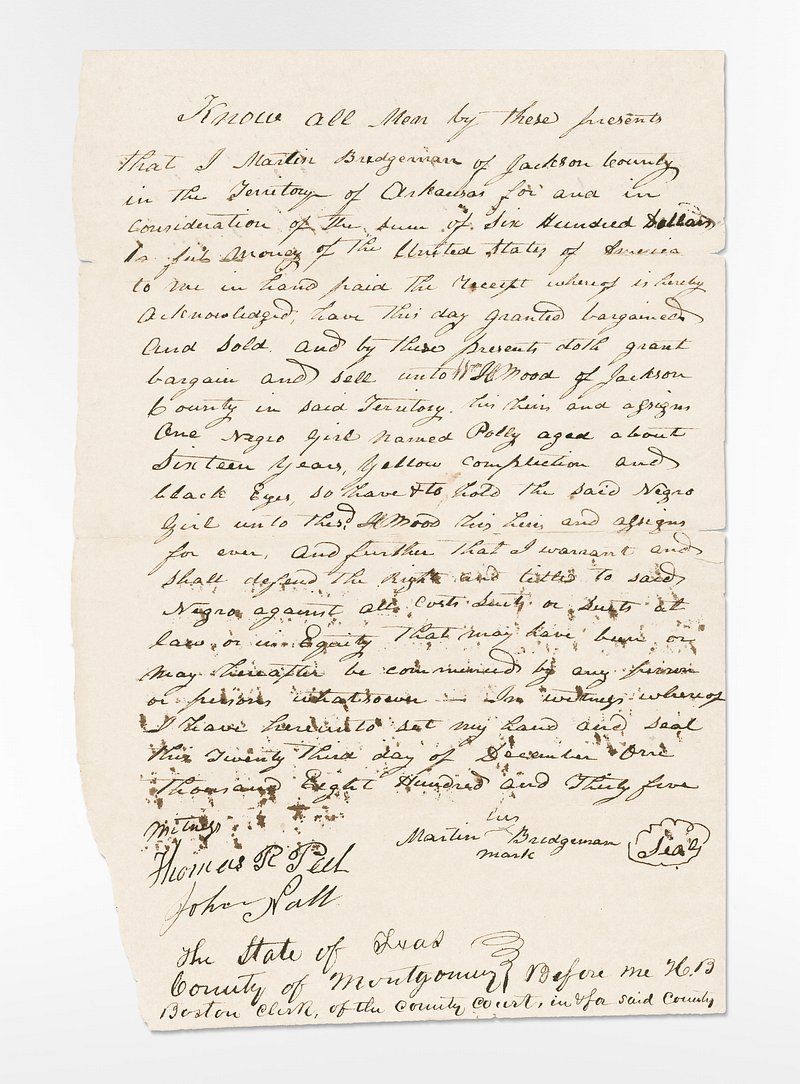
Receiving a handwritten letter in the mailbox once brought genuine excitement and a personal connection that emails can never replicate. People carefully chose their words, knowing each sentence mattered because there was no delete button.
The handwriting itself conveyed personality, and keeping letters created tangible memories you could hold years later.
Text messages and emails have made written correspondence nearly instant but also impersonal. Autocorrect fixes our mistakes, and we fire off messages without much thought.
The art of letter writing, with its careful composition and thoughtful expression, has become almost extinct among younger generations.
Postcards from vacation destinations used to be a tradition, arriving weeks after the sender returned home. They served as little windows into someone’s travels, complete with hastily scribbled updates and scenic images.
Now, people share vacation photos instantly on social media, making postcards feel redundant and slow.
Cursive writing is no longer taught in many schools, meaning future generations might struggle to read handwritten letters from their grandparents. Stationery stores have closed or shifted focus to wedding invitations and greeting cards.
The deliberate slowness of letter writing, once valued as thoughtful communication, now feels frustratingly outdated in our instant-gratification world.
4. Family Recipes & Home-Cooked Meals

Grandma’s kitchen was once the heart of family life, where recipes passed down through generations filled homes with mouthwatering aromas. Sunday dinners brought everyone together around a table laden with dishes that took hours to prepare.
These meals weren’t just about food but about preserving family history and creating bonds through shared traditions.
Busy schedules and the convenience of takeout have dramatically reduced home cooking in many households. Meal delivery services and restaurant apps make it easier to order dinner than to cook it yourself.
Young adults often leave home without learning basic cooking skills, relying instead on pre-packaged meals and dining out.
Recipe cards written in a grandmother’s shaky handwriting are being lost as older generations pass away. Many families never thought to preserve these culinary treasures, and now those secret ingredients and techniques are gone forever.
Online recipe databases offer thousands of options, but they lack the personal stories and memories attached to family recipes.
Fast-paced lifestyles mean fewer families eat together regularly, let alone spend time cooking elaborate meals from scratch. Cooking shows are popular entertainment, yet actual home cooking continues to decline.
The knowledge of how to make a proper roast or bake bread without a mix is becoming increasingly rare among younger generations.
5. Retro Diners & Drive-Ins
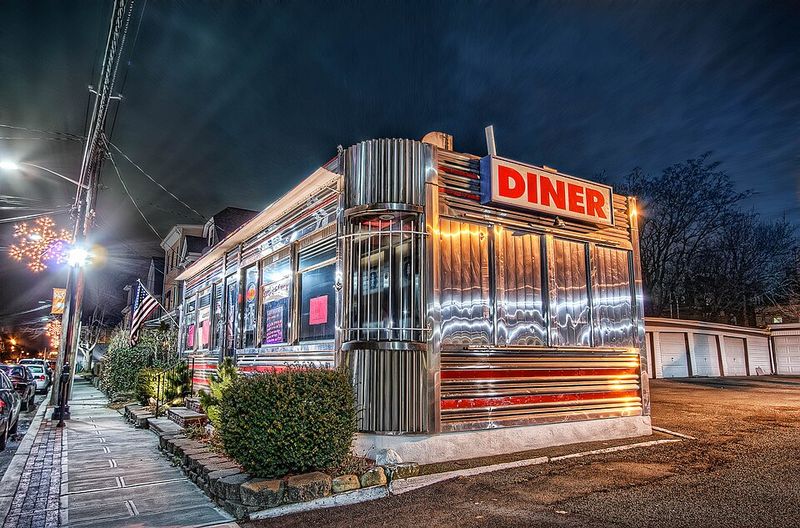
Chrome-trimmed diners with jukeboxes at every booth once dotted America’s highways, serving as community gathering spots where everyone knew your name. Waitresses in poodle skirts poured endless coffee refills while short-order cooks worked the grill behind sparkling counters.
Drive-in restaurants let families eat in their cars, served by roller-skating carhops who delivered burgers and milkshakes on window trays.
Rising property costs and changing consumer preferences have forced many classic diners to close permanently. Corporate chain restaurants offer predictable menus and faster service, drawing customers away from independently owned establishments.
The unique charm of these retro spots cannot compete with the marketing budgets and convenience of modern fast-food franchises.
Drive-in theaters and restaurants have nearly vanished from the landscape, replaced by shopping centers and parking lots. The few remaining authentic diners have become tourist attractions rather than everyday dining options.
Younger generations visit them for Instagram photos rather than as regular hangouts where they build lasting memories.
The personal service and community atmosphere that made diners special feels outdated in today’s rushed society. People grab food quickly and eat alone in their cars or at their desks.
The leisurely experience of sitting in a vinyl booth, chatting with neighbors, and savoring a slice of homemade pie has become a nostalgic rarity.
6. Analog Photography

Photography used to require patience and skill because you had only 24 or 36 shots per roll of film. Every click of the shutter mattered, making photographers think carefully about composition and lighting.
Developing film in a darkroom was almost magical, watching images slowly appear in chemical baths under a red glow.
Digital cameras and smartphones have made photography instant and unlimited, eliminating the need for film and darkrooms. You can take hundreds of photos, delete the bad ones immediately, and share the good ones worldwide within seconds.
This convenience has made analog photography seem unnecessarily complicated and expensive to most people.
Film processing labs have closed by the thousands, and finding replacement parts for vintage cameras grows harder each year. The younger generation has never experienced the anticipation of waiting days to see how their photos turned out.
They cannot imagine living without the ability to preview, edit, and retake shots until they’re perfect.
Professional photographers who built careers on film expertise have had to adapt or retire. Art schools no longer teach darkroom techniques as core curriculum, treating them instead as specialized electives.
The tactile experience of handling negatives and making physical prints has been replaced by scrolling through digital galleries on screens, losing something intangible but precious in the process.
7. Old-School TV & Radio Shows

Families once gathered around a single television set at specific times to watch their favorite programs together. There was no pausing, rewinding, or binge-watching entire seasons in one sitting.
Radio dramas captivated listeners’ imaginations before television existed, and people scheduled their evenings around broadcast times for beloved shows.
Streaming services have completely transformed how we consume entertainment, offering thousands of options available anytime. The shared cultural experience of everyone watching the same show at the same time has fragmented into personalized viewing habits.
Water cooler conversations about last night’s episode have been replaced by spoiler warnings for people watching on different schedules.
Classic variety shows, game shows, and family sitcoms that once dominated primetime have mostly disappeared. Modern audiences find the pacing too slow and the humor outdated compared to today’s fast-paced, edgier content.
Reruns of these old programs air on niche cable channels that fewer people subscribe to each year.
Radio’s golden age of storytelling and live performances has given way to podcasts and satellite radio with endless specialized channels. Local radio personalities who became community celebrities have been replaced by nationally syndicated programming.
The appointment viewing and listening that created shared cultural moments has dissolved into an on-demand entertainment landscape where everyone watches and listens to different things.
8. Face-to-Face Storytelling
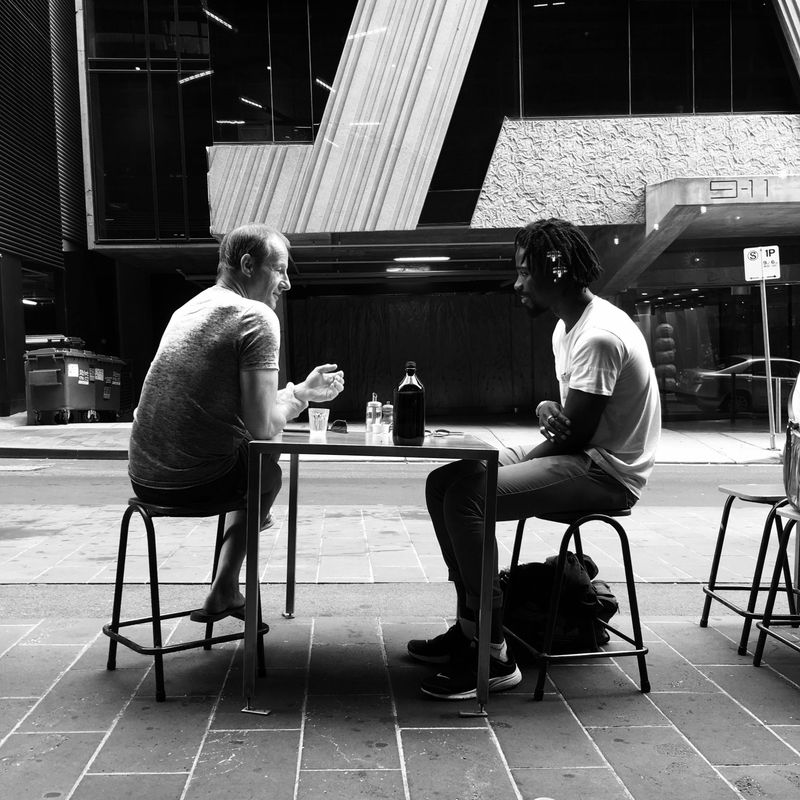
Grandparents used to be living history books, sharing stories from their youth that connected younger generations to their family’s past. Children sat spellbound listening to tales of hardship, adventure, and everyday life from decades ago.
These oral traditions passed down values, lessons, and cultural heritage in ways that written words could never fully capture.
Modern families spend less time together in person, with members often in different rooms staring at individual screens. When they do gather, conversations compete with notifications, texts, and the constant pull of digital distractions.
The art of storytelling requires undivided attention that few people are willing to give anymore.
Video calls connect distant relatives but lack the warmth and intimacy of sitting together in the same room. Younger generations would rather watch YouTube videos or TikToks than listen to their elders’ stories.
The patience required to listen to a meandering tale without visual stimulation feels unbearable to kids raised on rapid-fire entertainment.
As older generations pass away, their stories disappear with them unless someone thought to record them. Many families regret not asking questions or preserving these oral histories while they had the chance.
The tradition of passing down wisdom through personal narrative is being replaced by Google searches and Wikipedia articles that provide facts without the human connection and emotional depth.
9. Classic Cars
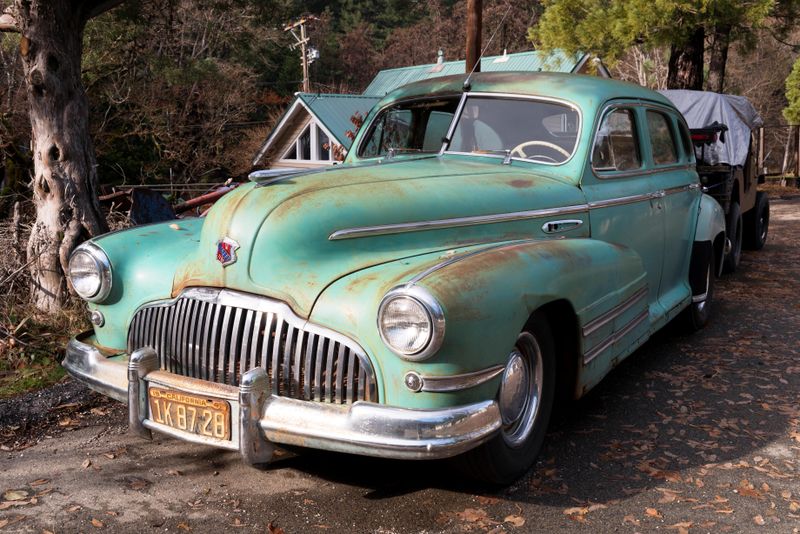
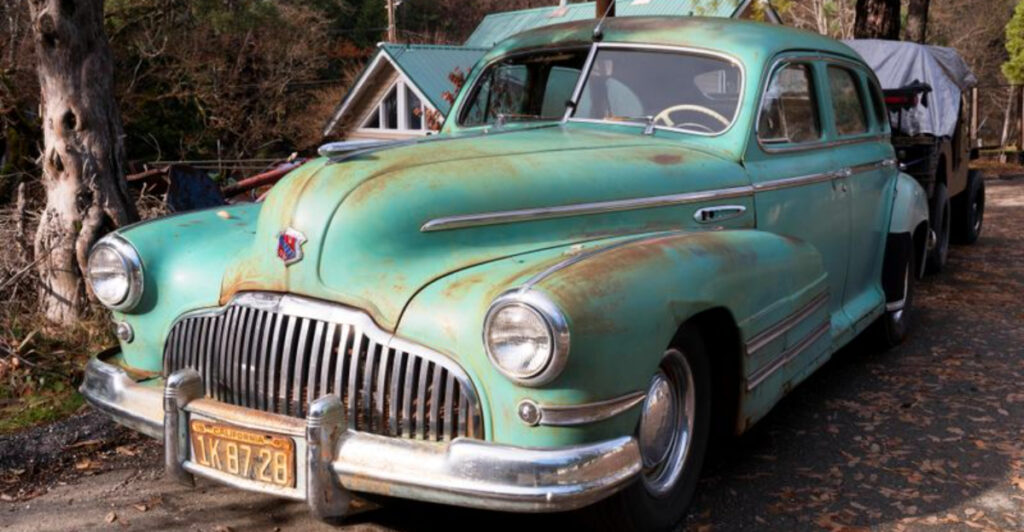
American muscle cars and classic automobiles once represented freedom, style, and mechanical artistry that owners could actually work on themselves. Chrome bumpers, distinctive tail fins, and powerful V8 engines made each model instantly recognizable and desirable.
Car culture brought communities together at drive-ins, car shows, and weekend cruises down Main Street.
Modern vehicles prioritize fuel efficiency, safety features, and computer systems over the raw power and distinctive styling of classic cars. Environmental regulations have pushed automakers toward electric and hybrid vehicles that lack the rumbling exhaust notes enthusiasts love.
Younger generations view cars as transportation appliances rather than symbols of personal identity and freedom.
The skills needed to maintain and restore classic cars are disappearing as experienced mechanics retire. Replacement parts become harder to find, and the cost of restoration has skyrocketed beyond most people’s budgets.
Insurance and fuel costs make driving these gas-guzzling beauties impractical for daily use, relegating them to weekend toys for wealthy collectors.
Car shows still attract devoted enthusiasts, but attendance skews heavily toward older generations who remember these vehicles in their prime. Young people grow up with ride-sharing apps and see car ownership as an unnecessary expense.
The emotional connection between driver and machine that defined car culture for decades is fading as vehicles become increasingly automated and indistinguishable from one another.
10. DIY & Handyman Skills

Knowing how to fix things around the house was once considered essential knowledge that fathers passed down to their children. Garages were workshops filled with tools where people built furniture, repaired appliances, and tackled home improvement projects themselves.
Self-reliance and the satisfaction of working with your hands were valued skills that saved money and built confidence.
YouTube tutorials have made information accessible but haven’t translated into actual hands-on competence for most people. Many homeowners would rather hire professionals or replace broken items than attempt repairs themselves.
The younger generation often lacks basic tool knowledge, unable to distinguish between different screwdrivers or properly use a hammer.
Cheap imported goods make replacement more economical than repair in many cases, discouraging people from developing fix-it skills. Modern appliances and electronics are designed to be disposable, with sealed cases and proprietary parts that prevent user repairs.
Home improvement stores still exist, but many customers hire the store’s contractors rather than buying materials for DIY projects.
Shop classes have been eliminated from most school curriculums, replaced by computer courses and standardized test preparation. The pride of building something with your own hands has been lost in a culture that values convenience over craftsmanship.
As older generations who possessed these skills pass away, fewer people remain who can teach practical knowledge about repairs, maintenance, and creation.
11. Physical Media Libraries

Personal libraries once showcased someone’s interests and intellectual journey, with shelves displaying beloved books, music collections, and movie libraries. Visitors could browse your shelves and discover shared interests, sparking conversations and recommendations.
The weight of a hardcover book and the ritual of selecting something to read from your own collection created a special relationship with physical media.
E-readers and streaming services have made physical media seem wasteful and space-consuming to many people. You can carry thousands of books on a tablet and access millions of songs without owning a single CD.
Digital libraries take up no physical space and move with you effortlessly when you relocate.
Bookstores and video rental chains have closed in massive numbers, unable to compete with online retailers and streaming platforms. Libraries still exist but have transformed into community centers offering digital resources and internet access.
The new generation borrows e-books remotely rather than browsing physical stacks and discovering unexpected treasures.
Collectors worry about what happens when streaming services remove content or e-book licenses expire after purchase. Physical media offers true ownership that digital formats cannot guarantee, yet this argument fails to persuade most consumers.
The sensory pleasure of turning pages, reading liner notes, and arranging shelves has been sacrificed for the convenience of accessing everything through glowing screens that offer no tangible connection.
12. Personalized In-Store Shopping

Small-town shopkeepers knew their customers by name and remembered their preferences, creating shopping experiences built on personal relationships. You could ask for recommendations and receive thoughtful advice from someone who genuinely cared about your satisfaction.
Trying on clothes meant interacting with helpful salespeople who brought you different sizes and offered honest opinions.
Big-box retailers and online shopping have prioritized low prices and selection over personal service and community connections. Self-checkout lanes replace human cashiers, and algorithms suggest purchases based on data rather than genuine understanding.
The convenience of shopping in pajamas from your couch has made the effort of visiting physical stores feel unnecessary.
Independent shops cannot compete with Amazon’s inventory or Walmart’s prices, forcing them to close despite offering superior customer service. The salespeople who remain are often underpaid and undertrained, unable to provide the expertise customers once expected.
Shopping has become a solitary, transactional activity rather than a social experience that strengthens community bonds.
Younger shoppers have never experienced the personalized attention that made shopping enjoyable rather than just efficient. They compare prices on their phones while standing in stores, treating physical locations as showrooms before buying online.
The human element that made shopping a pleasure has been engineered out in favor of speed and cost savings that benefit corporations more than communities.
13. Authentic Social Interactions

Conversations used to happen without the constant interruption of buzzing phones and the temptation to check notifications. When friends met for coffee, they gave each other undivided attention, making eye contact and listening actively.
Social skills developed through countless face-to-face interactions that required reading body language and responding to emotional cues in real time.
Smartphones have fundamentally altered how people interact, creating a culture of partial attention where everyone is physically present but mentally elsewhere. Group dinners feature people scrolling through feeds instead of engaging with those across the table.
The fear of missing out on what’s happening online makes it nearly impossible to be fully present in actual moments.
Social media offers the illusion of connection while actually increasing loneliness and isolation for many users. People curate perfect online personas that bear little resemblance to their real lives, making authentic vulnerability increasingly rare.
Younger generations communicate primarily through texts and snaps, losing the ability to have difficult conversations or express complex emotions face-to-face.
Dating has moved to apps where people swipe through potential partners like shopping catalogs, reducing human complexity to a few photos and sentences. The spontaneity of meeting someone organically has been replaced by algorithmic matching and carefully crafted profiles.
Deep friendships that once formed through shared experiences and time spent together now compete with hundreds of shallow online connections that demand constant maintenance.
14. Community Gatherings & Block Parties
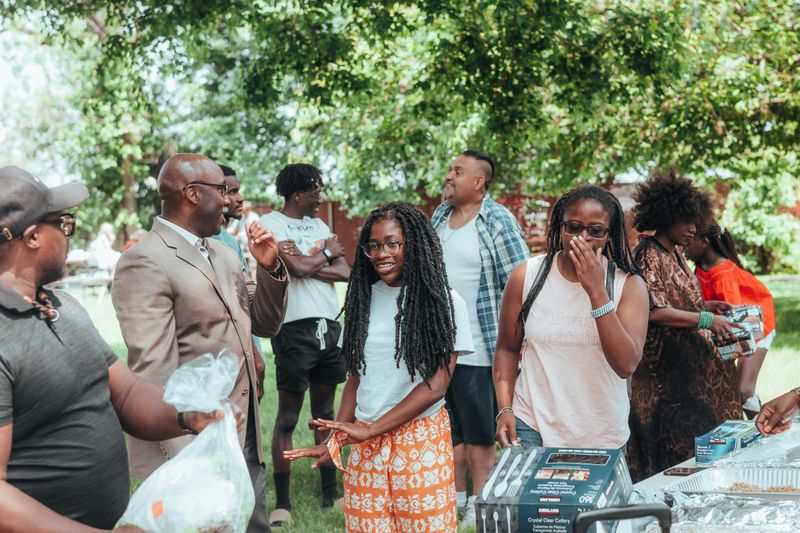
Neighborhoods once buzzed with activity as families gathered for block parties, potlucks, and impromptu front-yard conversations. Kids played outside until streetlights came on while adults socialized and looked out for each other’s children.
These gatherings built tight-knit communities where people knew their neighbors and felt connected to the place they lived.
Modern life keeps people isolated inside their homes, with garage door openers allowing them to come and go without ever encountering neighbors. Busy schedules make it difficult to coordinate community events, and fear of strangers has replaced the trust that once existed.
Many people don’t know the names of those living next door, let alone feel comfortable joining neighborhood gatherings.
Social media groups have replaced actual community involvement, with people posting complaints online rather than talking to neighbors directly. Homeowners associations enforce rules but don’t foster the genuine connections that voluntary gatherings once created.
The effort required to organize a block party seems overwhelming when everyone prefers staying inside with their entertainment systems.
Suburban design prioritizes privacy over community interaction, with tall fences and homes oriented away from the street. Children rarely play outside unsupervised, robbing them of the chance to form neighborhood friendships naturally.
The sense of belonging and mutual support that came from knowing your neighbors has been replaced by anonymous suburban living where people coexist without truly connecting.
15. Traditional Mentorship & Life Lessons

Young people once learned their trades and professions through apprenticeships and mentorships that lasted years. Experienced workers took newcomers under their wing, teaching not just technical skills but also professional ethics and life wisdom.
These relationships created bonds that lasted lifetimes and ensured knowledge passed down through generations.
Corporate restructuring and frequent job changes have disrupted the stability needed for long-term mentoring relationships to develop. Young professionals switch jobs every few years, never staying long enough to receive or provide deep mentorship.
Online courses and YouTube videos offer information but cannot replace the personal guidance and accountability that human mentors provide.
The gig economy treats workers as interchangeable parts rather than valued team members worth investing in for the long term. Older workers are often pushed out before retirement, taking their institutional knowledge and wisdom with them.
Companies prioritize immediate productivity over developing talent, viewing training as an expense rather than an investment.
Younger generations seek advice from influencers and online personalities rather than experienced elders in their actual lives. The humility required to admit you need guidance and the patience to learn gradually have given way to expectations of instant expertise.
Traditional mentorship required mutual respect and commitment that today’s transactional culture no longer values or supports, leaving everyone poorer for the loss.
16. Typewriters & Handwritten Documents

The rhythmic clacking of typewriter keys once filled offices and newsrooms as writers pounded out letters, reports, and manuscripts. Each keystroke was permanent, requiring careful thought before committing words to paper.
Mistakes meant using correction fluid or starting over completely, making the writing process more deliberate and considered.
Word processors and computers have made typewriters completely obsolete except as decorative antiques or collector’s items. The ability to edit endlessly before printing has changed how people write, encouraging revision but also enabling procrastination.
Younger generations have never experienced the finality and intentionality that typewriters demanded from every sentence.
Carbon paper allowed making copies by typing hard enough to transfer ink through multiple sheets, a process that seems absurdly inefficient now. Important documents were typed by professional secretaries who possessed impressive speed and accuracy.
The specialized skill of touch-typing on a manual typewriter has been replaced by hunt-and-peck keyboard use that autocorrect makes acceptable.
Typewritten letters and documents possessed a distinctive character that revealed the writer’s touch and the machine’s quirks. Collectors seek vintage typewriters for their mechanical beauty and nostalgic appeal, but they serve no practical purpose in modern life.
The satisfying physicality of pressing keys and hearing the bell signal the end of a line has been lost to silent, effortless typing on devices that correct our mistakes before we even notice them.
17. Timeless Decor & Analog Clocks
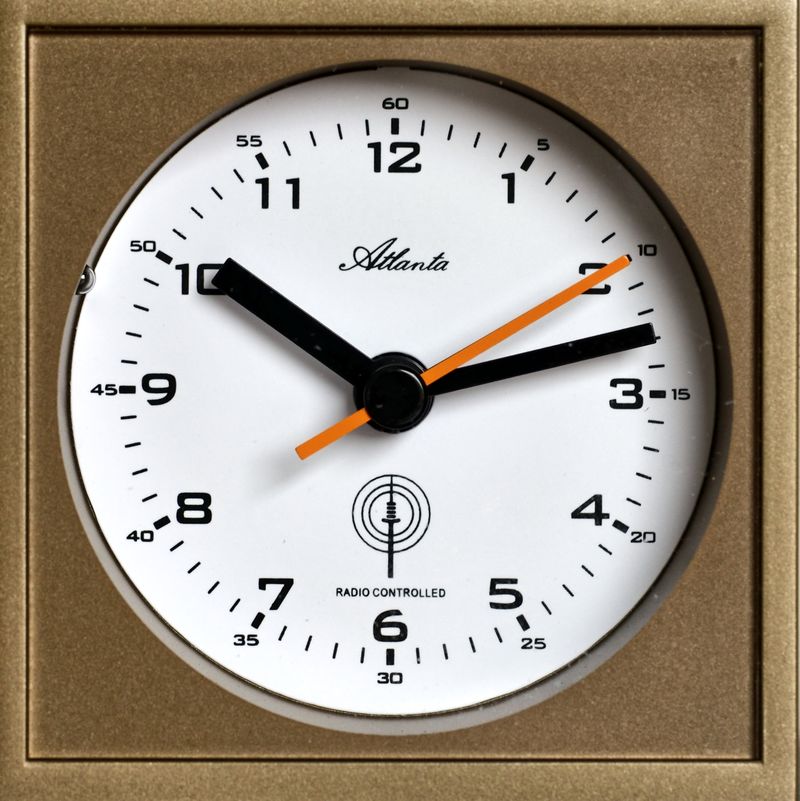
Grandfather clocks and ornate wall clocks served as both functional timepieces and beautiful focal points in homes for generations. The gentle ticking and periodic chimes created a comforting rhythm to daily life.
These heirloom pieces were passed down through families, representing continuity and the passage of time in a tangible, elegant way.
Digital clocks and smartphones have made decorative timepieces unnecessary in most homes, with people checking the time on devices they carry constantly. Younger generations never learned to read analog clock faces properly, struggling with the concept when they encounter them.
The craftsmanship and mechanical complexity of traditional clocks hold no appeal for those who value minimalism and functionality over tradition.
Mid-century furniture and classic decor styles are being replaced by modern minimalist aesthetics that prioritize clean lines over character. Antique shops overflow with beautiful pieces that nobody wants because they don’t fit contemporary tastes or small apartment living.
The quality construction and timeless design of vintage furniture cannot compete with cheap, trendy items from big-box stores.
Home decor trends change rapidly now, driven by social media and the desire for Instagram-worthy spaces. People redecorate frequently rather than living with the same pieces for decades.
The concept of buying furniture and decor meant to last a lifetime seems wasteful when personal style evolves constantly and moving frequently makes heavy, permanent pieces impractical.
Share this story