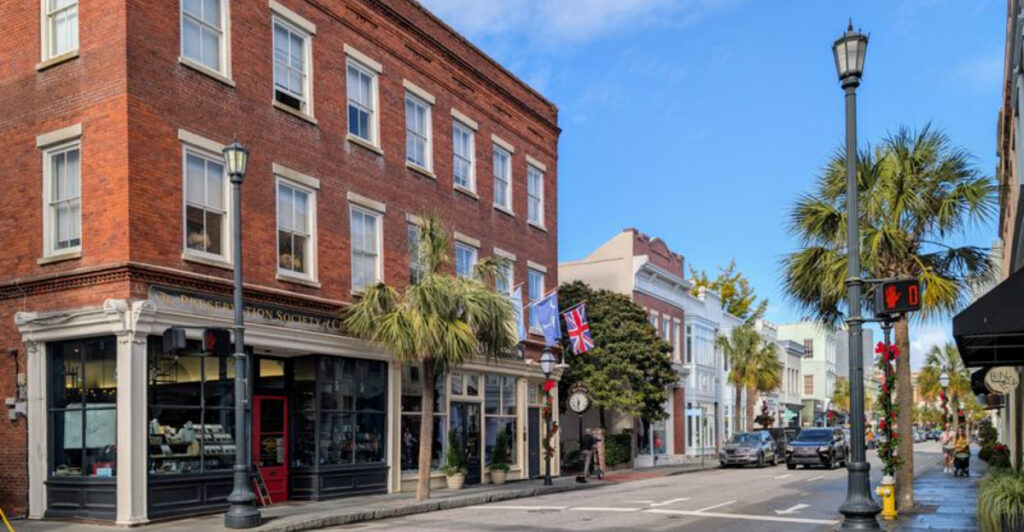
Charleston’s past is never out of sight, from church steeples guiding ships to cobblestones that remember every step. If you want history that you can touch and feel, this city delivers it on every block.
You will hear hard truths alongside beautiful architecture, and that honesty is what makes Charleston unforgettable. Ready to find the stories behind the scenery and see how they still shape today’s city?
Charleston Museum
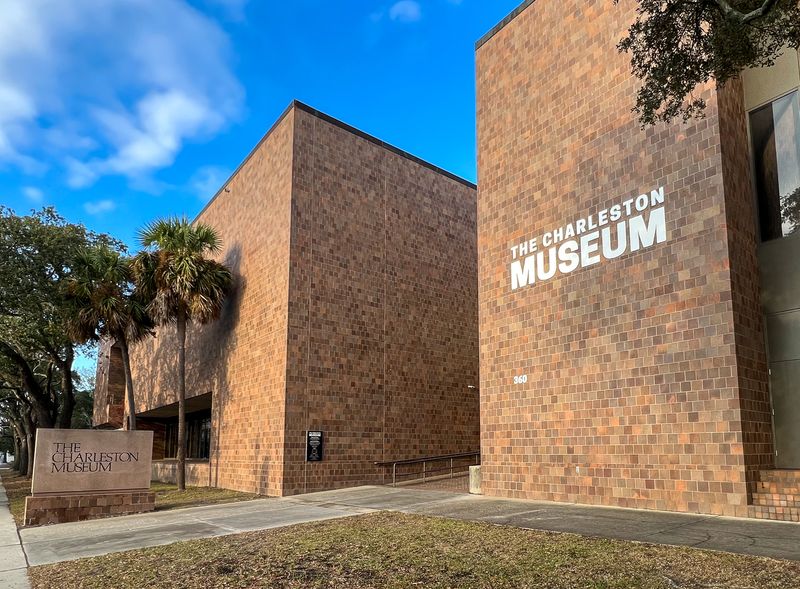
Start where the city’s story begins. The Charleston Museum claims the title of America’s first museum, and it still feels like a compass for understanding the Lowcountry.
You move from fossils and coastal ecosystems to furniture, fashion, and everyday objects that trace local life across centuries. It is the clearest big picture you can get in one place.
Exhibits connect nature and culture, showing how tides, trade, and rice shaped fortunes and futures. Decorative arts galleries reveal craftsmanship and class, while curated narratives address enslavement and its legacy.
You leave seeing patterns across neighborhoods and plantations, not isolated facts.
Visit early to avoid crowds and give yourself time to linger. Audio guides and labels make complex topics approachable without watering them down.
When you step back outside onto Meeting Street, the rest of Charleston’s sites feel like chapters you are ready to read.
Fort Sumter National Historical Park
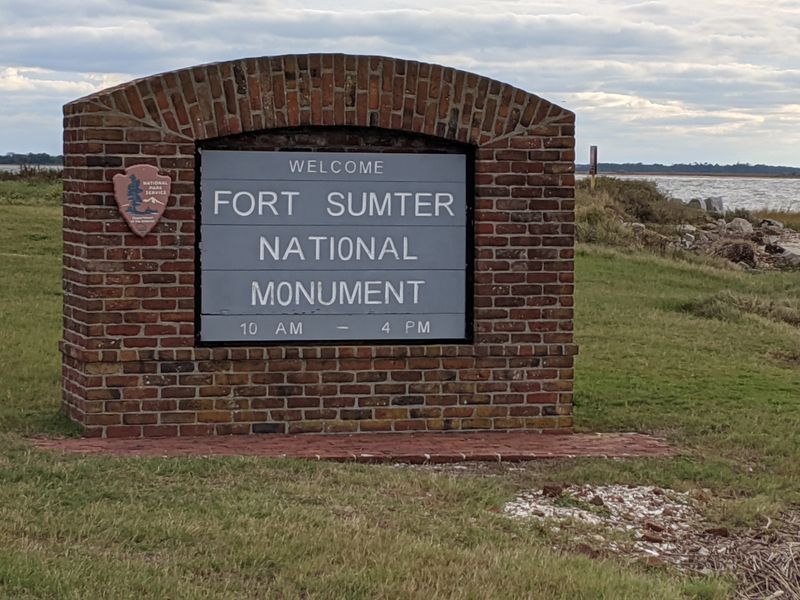
You reach Fort Sumter by boat, and the ride itself sets the tone. Harbor wind, gulls, and skyline pull you into the moment before the cannons do.
Here the first shots of the Civil War exploded in 1861, and the brick casemates still bear scars. You can stand where soldiers watched the harbor ignite.
Rangers frame the conflict’s stakes and Charleston’s role at the epicenter. Exhibits keep the narrative grounded in people, not just artillery and strategy.
You come away sensing how decisions made here rippled nationwide.
Time your trip for an early or late sailing for softer light and fewer crowds. Bring questions, because staff field them with respect and candor.
On the return, the skyline feels different, as if the city’s silhouette carries both triumph and tragedy across the water.
Historic Charleston City Market
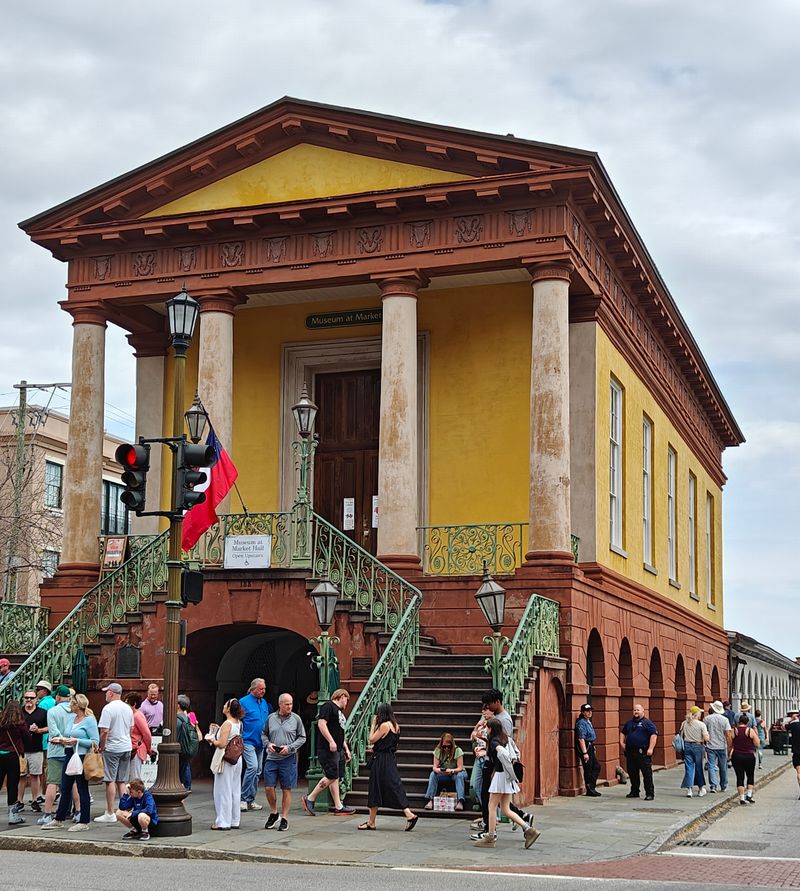
This market has traded stories and goods since the late 1700s. Walk the long sheds and you will hear the soft rustle of sweetgrass as basket makers coil and stitch.
Their craft carries Gullah Geechee traditions forward, turning the market into a living classroom. History is not behind glass here.
Vendors sell everything from local art to small bites, but the deeper lessons sit beside the wares. Talk with artisans about techniques passed down through generations.
You will learn about materials, symbolism, and how coastal landscapes shaped the craft.
Go early for a slower pace and time to observe without pressure. If you buy, ask about caring for sweetgrass to honor the work.
Step outside and the surrounding streets tie commerce, port life, and cultural heritage into a single thread you can follow across town.
Old Slave Mart Museum
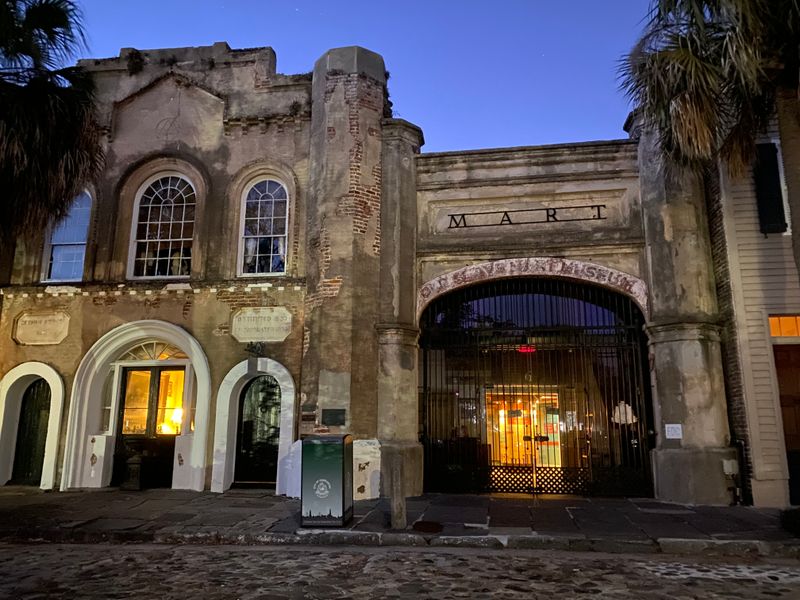
History turns difficult and necessary at the Old Slave Mart Museum. The building once facilitated human sales, and the exhibits make that reality undeniable.
You read bills of sale, hear voices, and face the business structures that fueled immense suffering. It is a sobering stop that changes how you read the rest of Charleston.
Interpretation focuses on the domestic slave trade, personal narratives, and the systems that profited from it. Staff handle questions with care, giving room for reflection.
Photos and documents link names and lives, refusing to let the past blur.
Expect quiet when you leave, and give yourself time to process. This is not a check-the-box visit, but a necessary grounding.
When you walk back onto Chalmers Street, every brick feels heavier, and that weight is part of learning here.
Aiken-Rhett House Museum
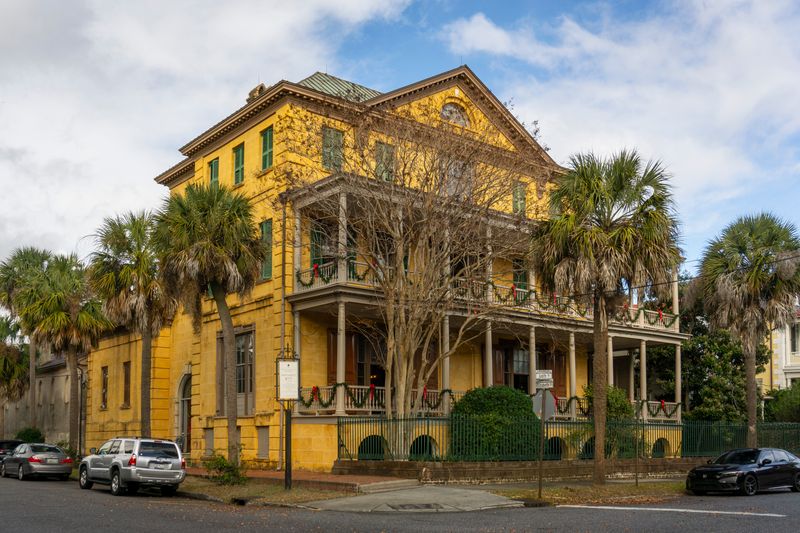
The Aiken-Rhett House is preserved, not polished. Peeling paint and worn floors keep time visible, and that honesty makes the house unforgettable.
You walk from grand rooms into service spaces and outbuildings where enslaved people lived and labored. The contrasts speak louder than any plaque.
An audio tour guides you through context without crowding your thoughts. You learn how wealth functioned as a system, not just a style.
The property’s preservation philosophy lets you meet the past with fewer filters, seeing materials and choices as they were.
Take your time in the yard to imagine daily rhythms. Light, heat, and distance between rooms tell their own stories about power and work.
When you finish, the city’s elegant facades feel more complicated, and that complexity deepens your understanding of Charleston.
Nathaniel Russell House
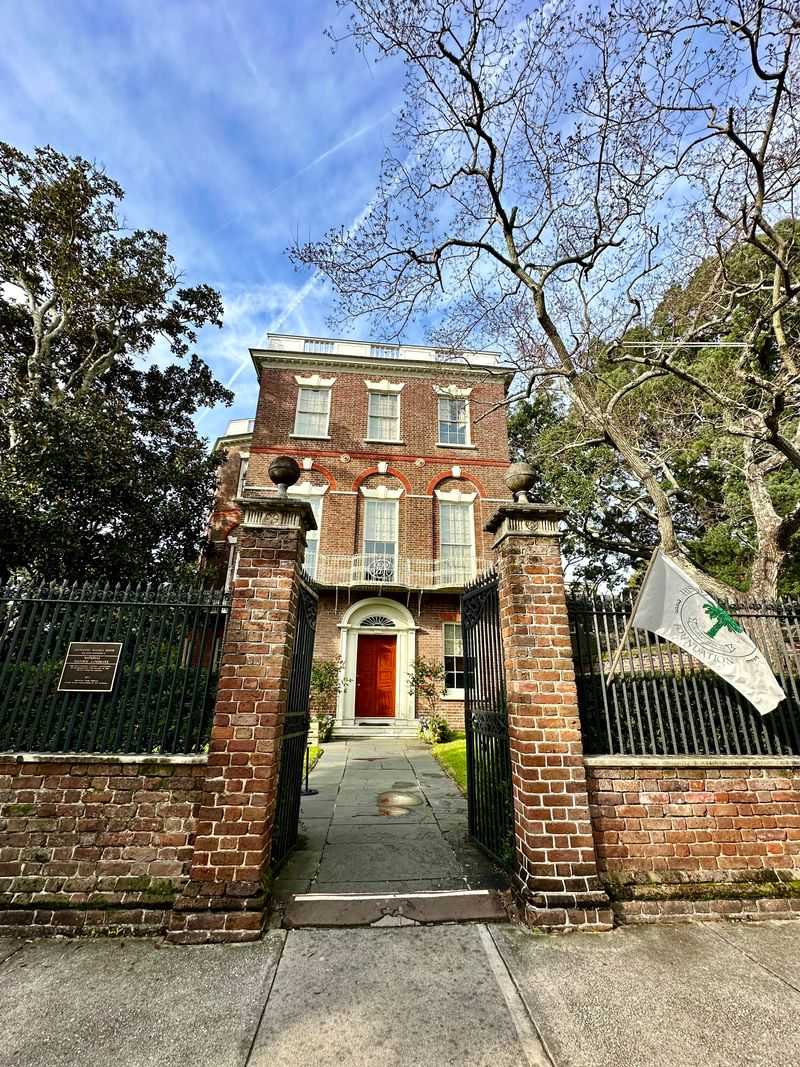
If you love architecture, the Nathaniel Russell House will stun you. The free-flying staircase is a spiral of elegance that seems to float.
But the tour balances beauty with truth, introducing the enslaved people whose work sustained the household. Style and labor share the same narrative.
Period rooms showcase Federal style details, imported goods, and precise craftsmanship. Guides explain how status was staged through design and daily ritual.
Then you step into service areas, where logistics and human toll become visible.
Pause in the garden to breathe and think about what remains unsaid by ornament alone. The house provides a fuller picture when you let both halves speak.
You leave appreciating the architecture and the responsibility that comes with admiring it in a city shaped by forced labor.
The Battery & White Point Garden
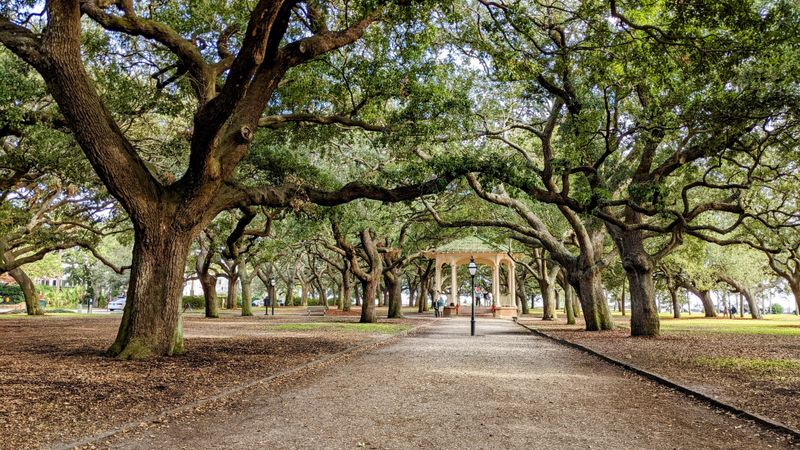
Walk the Battery and you will feel layers at every turn. Mansions line the seawall like a gallery of eras, while cannons and monuments sit in the shade of palmettos.
Hurricanes, blockades, and quiet afternoons have all passed this point. The harbor pulls your attention outward to history across the water.
White Point Garden brings military artifacts into a neighborhood park. You can read plaques, then watch dolphins surface, a reminder that life goes on around memory.
The blend of domestic and defensive tells Charleston’s story in one frame.
Go at sunrise for soft light on clapboard and stucco. Or choose golden hour, when shadows lengthen and the city glows.
Benches invite lingering, and every bench has a different view of the past.
St. Michael’s Church
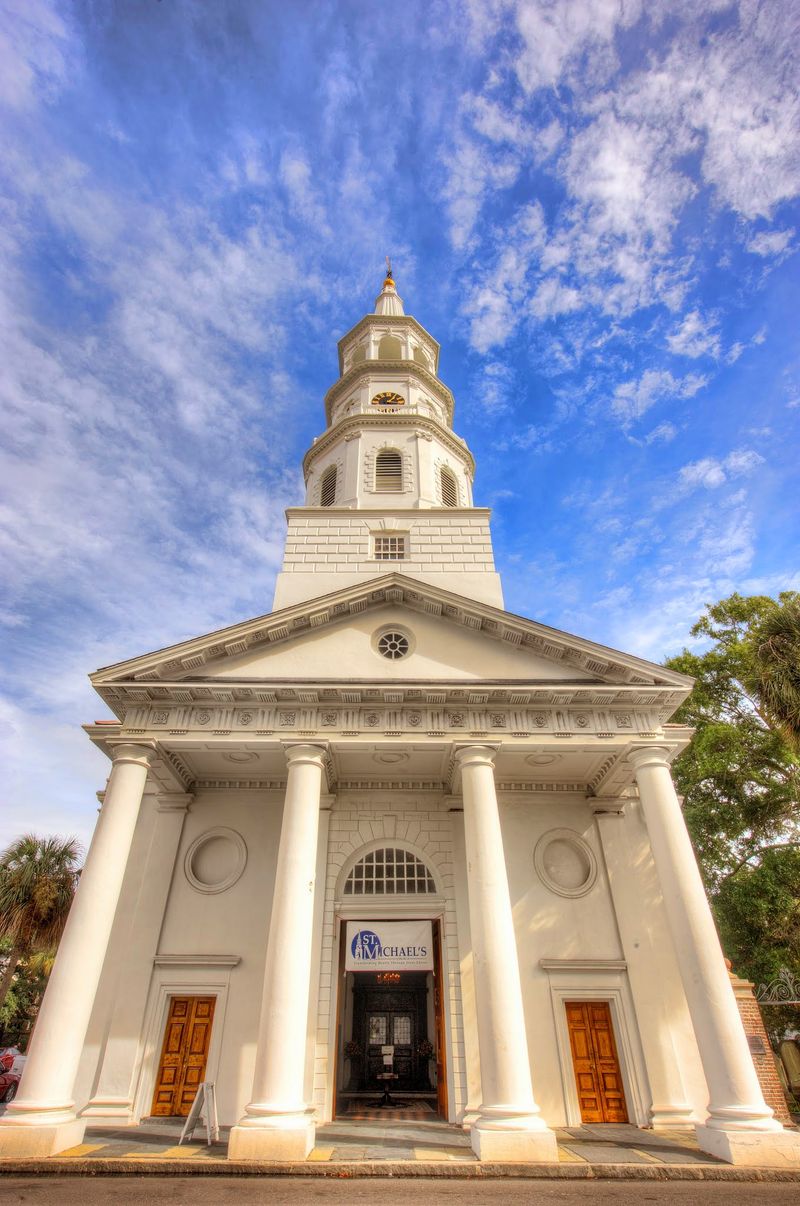
St. Michael’s rises above the corner with a steeple that has guided sailors for centuries. Step inside and the woodwork, light, and hush feel timeless.
Built in the 1750s, it is the oldest surviving church building in Charleston, carrying the city’s religious, civic, and maritime history in one silhouette.
Outside, the graveyard names read like a condensed textbook of the Revolutionary era. You can trace politics, trade, and personal loss in the inscriptions.
Each stone adds a human dimension to the headlines of history.
Visit when bells ring if you can. The sound frames your walk down Broad Street with a sense of continuity.
Take a slow lap around the churchyard, and let the city’s bustle fade while you read the past in peace.
Magnolia Plantation & Gardens
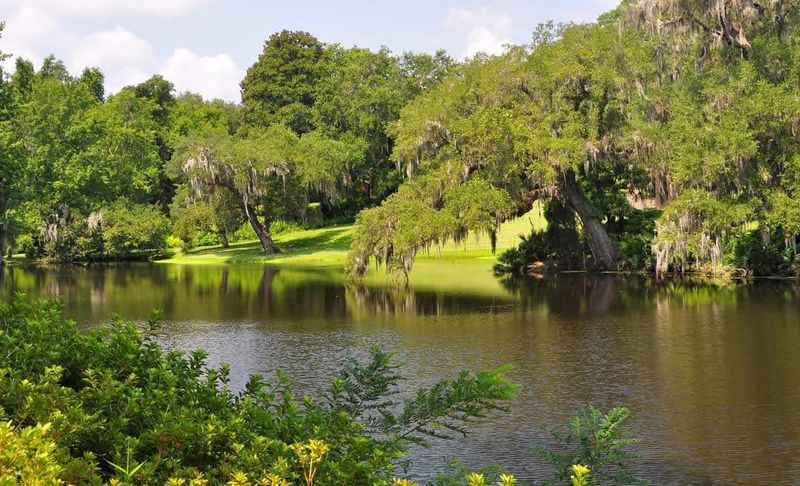
Magnolia Plantation blends beauty with responsibility. Founded in 1676, it is one of the South’s oldest plantations, and its romantic gardens draw you in.
Recent interpretation centers the lives of enslaved people through reconstructed cabins and guided storytelling. You are asked to hold both splendor and truth at once.
Trails wind past reflective ponds and ancient oaks draped in moss. The house tour connects family history to regional and national events.
Guides weave ecology, horticulture, and labor into a narrative that respects complexity.
Give yourself time for the Cabin Project to hear voices too often muted. Then walk the gardens with those stories in mind.
The landscape becomes a document, and each bloom feels different when you understand whose hands shaped it.
McLeod Plantation Historic Site
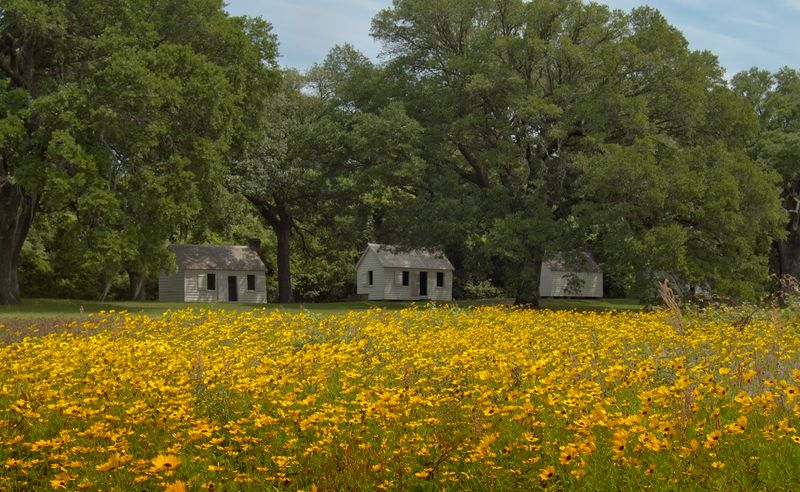
McLeod Plantation places interpretation where it belongs, centering enslaved and freed communities. Tours take you into homes, workplaces, and landscapes shaped by Gullah Geechee culture.
You hear about family, resilience, and change after emancipation. It is a site that asks you to slow down and listen.
Buildings and fields are presented without heavy polish, which keeps the perspective grounded. Guides tie individual stories to larger systems of agriculture and power.
By the end, the plantation narrative reads very differently from traditional tours.
Walk the oak avenue and let the scale sink in. Voices in the programming are clear and contemporary, connecting past to present.
If you want the most honest conversation about plantations in Charleston, this is where to have it.
Dock Street Theatre
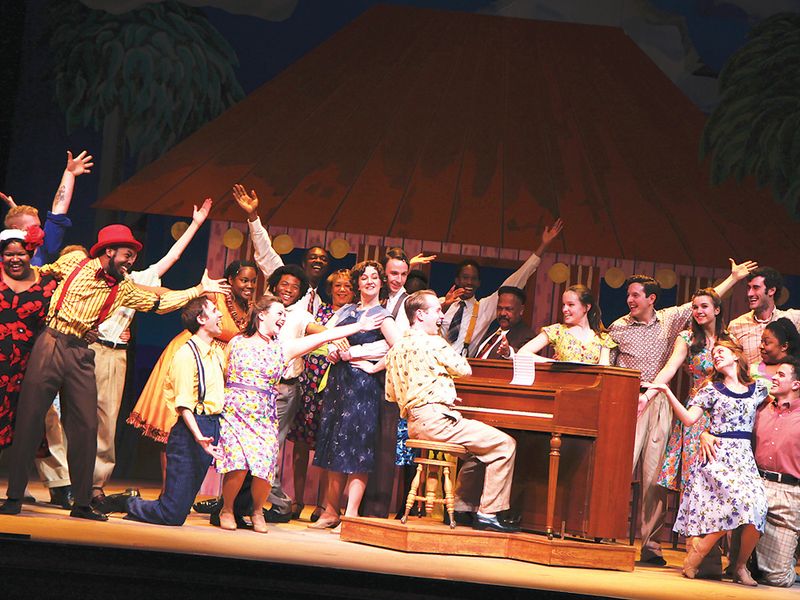
Dock Street Theatre lets you sit where early audiences once gathered. Often cited as America’s first theatre, it captures Charleston’s cultural ambitions with a working stage.
The current building incorporates historic elements, so performances unfold inside layered time. You feel history when the lights dim.
Take a tour or catch a show to see the balconies and woodwork in action. Staff share stories that link opera, drama, and city life since the 18th century.
The neighborhood around it completes the scene with cobblestones and galleries.
Arrive early to wander the French Quarter and take exterior photos at dusk. The glow on the facade sets the mood before the curtain rises.
Even if you are not a theater person, the atmosphere sells the significance.
Charleston County Courthouse & Washington Square
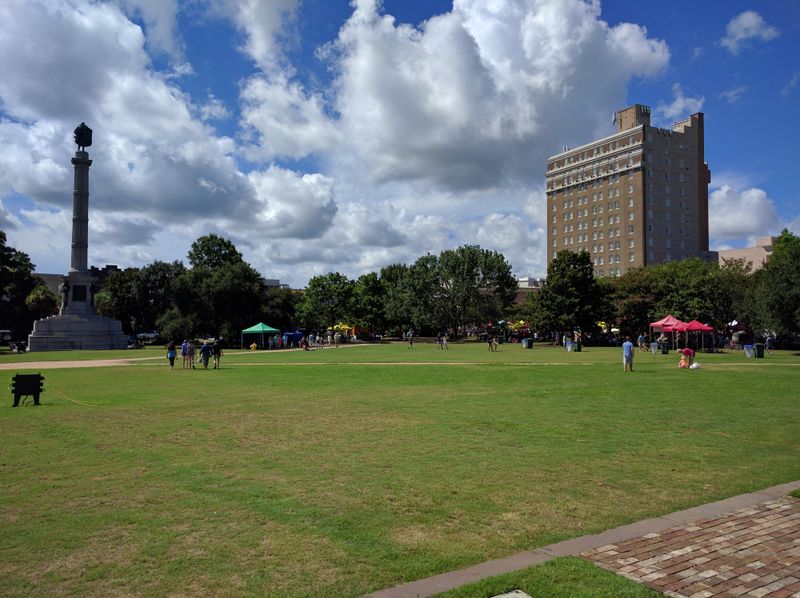
Washington Square has served Charlestonians as a public room for generations. Sit beneath the oaks and you can imagine speeches, protests, and quiet lunches across centuries.
Around the corner, the Charleston County Courthouse reflects legal and civic life from British colony to American city.
Monuments and plaques here invite short, meaningful pauses. They tie cases, elections, and public decisions to the wider arc of local history.
The square’s scale makes it easy to digest compared to larger sites.
Bring coffee and read a plaque or two before exploring nearby buildings. The setting helps you map Charleston’s civic evolution onto real streets and faces.
You leave feeling how governance, law, and community shaped the city’s daily rhythm.
Gibbes Museum of Art
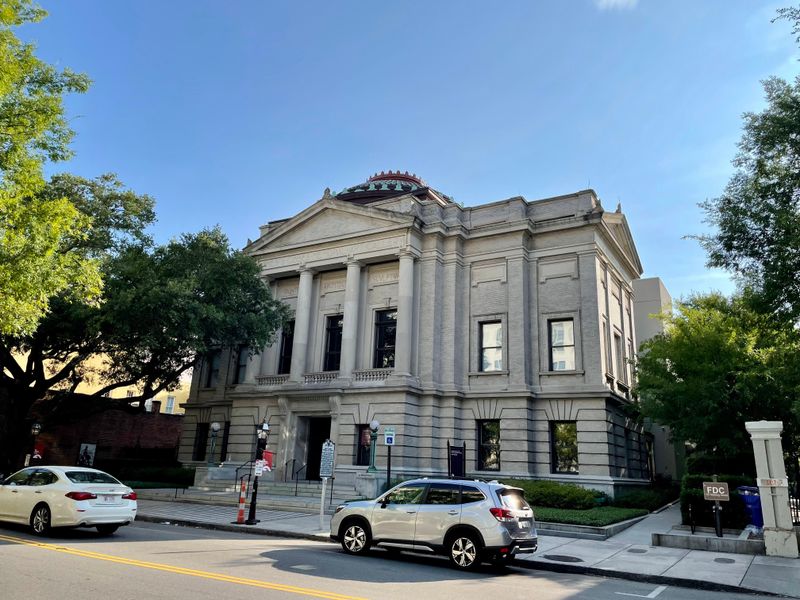
At the Gibbes, art doubles as a historical record. Portraits, landscapes, and city scenes reveal what people valued and how they wanted to be seen.
You can trace Charleston society from the colonial era to today by studying faces, fashions, and views. The galleries feel like time capsules with open lids.
Curators spotlight artists who documented local change, from prosperity to upheaval. Labels connect images to social and economic realities, including slavery and Reconstruction.
You learn to read beyond the surface beauty.
Save time for special exhibitions that often amplify underrepresented voices. The museum shop and courtyard offer a gentle decompression.
When you step back onto Meeting Street, the city looks newly framed, composition and context in balance.
The Heyward-Washington House
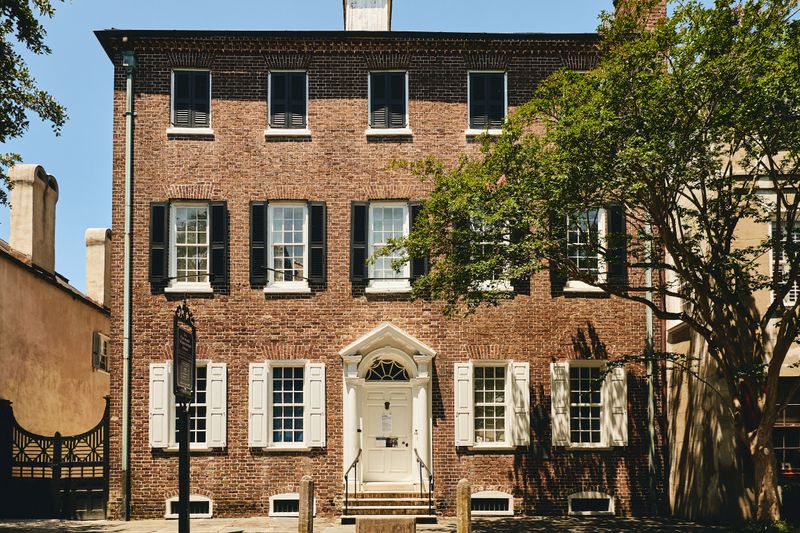
This Georgian home links Charleston to the Revolutionary era with vivid detail. Thomas Heyward Jr., a signer of the Declaration, once lived here, and George Washington lodged during his 1791 visit.
Rooms are furnished to reflect the period, while the kitchen house and workspaces tell the rest of the story.
Guides balance political fame with domestic realities, including the labor that kept the household running. You will hear names and roles, not just dates and titles.
The garden adds a graceful frame around complicated history.
Look closely at hardware, textiles, and joinery to see craftsmanship up close. Then step into the kitchen yard to consider who maintained that polish.
The contrast makes the Revolutionary ideals feel both inspiring and incomplete.
Preservation Society of Charleston
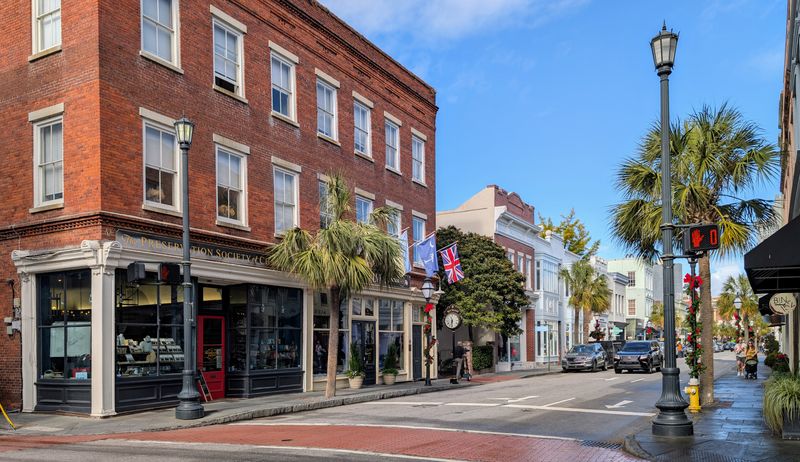
Charleston’s beauty is not an accident. The Preservation Society, founded in 1920, helped save streetscapes and standards that define the city today.
Their advocacy explains why so much historic fabric survived development pressures. You can learn how policy and passion protect ordinary blocks, not just landmarks.
Stop by for maps, context, and insight into current efforts. Staff and materials connect architectural details with zoning, incentives, and community voices.
You leave seeing preservation as a living practice rather than a frozen look.
Walk the surrounding streets and spot preservation plaques that trace the work. It is rewarding to recognize patterns the Society champions, from setbacks to shutters.
You will notice how thoughtful rules keep history in daily life, not only in museums.
Why Charleston’s History Feels Different
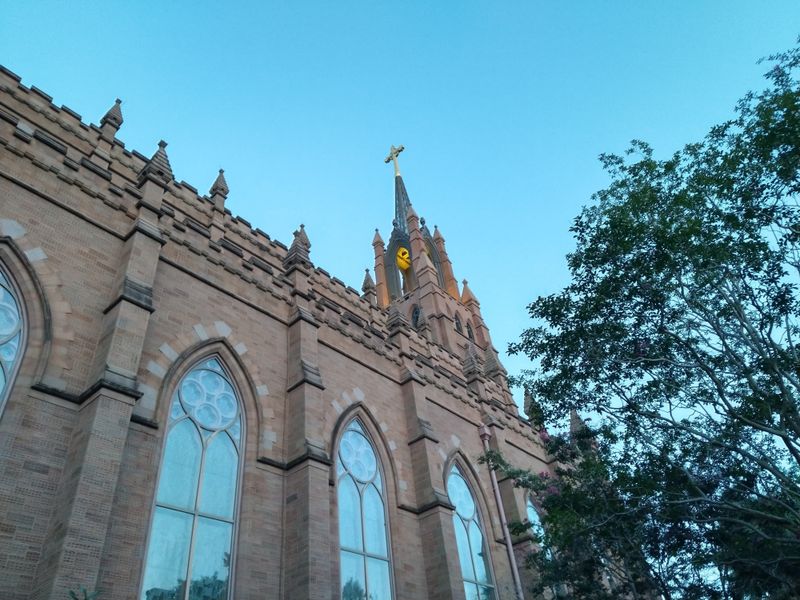
Charleston does not keep history at arm’s length. You walk brick and shell, not replicas, and the street grid still follows colonial logic.
Churches, houses, and markets function in the present while telling the past. The effect is intimate and sometimes unsettling, especially around slavery and war.
To truly understand the city, do more than read plaques. Listen to guides, talk with artisans, and notice what is preserved and what is missing.
Hard conversations here are part of responsible travel. They help beauty share space with honesty.
If you want, this can become a deeper plan. Ask for themed itineraries, from Civil War sites to architecture or Gullah Geechee heritage.
Or request an SEO rewrite suited for travel blogs or a tight print guide. Your walk through Charleston can be purposeful and informed.
Share this story