Milan has a way of messing with your expectations. One minute you’re staring up at the Duomo like you’ve time-traveled, the next you’re sipping an aperitivo by the Navigli canals while the city hums around you.
It’s not just fashion and fancy storefronts. It’s bold history, slick modern life, and food that makes you slow down on purpose. If you’re planning a Europe trip in 2026 and want a city that feels iconic without feeling exhausting, Milan should be high on your list.
Here’s exactly why it deserves your time, your budget, and a prime spot on your itinerary.
1. Fly smart: aim for deals (especially if you can be flexible)

Getting to Milan doesn’t have to drain your wallet before the trip even starts. Airlines often release their best fares months in advance, so setting up price alerts and checking regularly can score you serious savings.
Midweek flights, especially Tuesdays and Wednesdays, tend to cost less than weekend departures.
Milan has three airports, and knowing the difference matters. Malpensa is the main international hub, but Bergamo (officially Orio al Serio) is where budget carriers like Ryanair fly in.
It’s about 45 minutes from the city center by bus, but the trade-off in ticket price often makes it worth the extra travel time.
Linate is the closest to downtown Milan, but flights there usually cost more. If you’re traveling light and value convenience, it might be your pick.
Otherwise, Bergamo offers the sweet spot between affordability and accessibility.
Flexibility is your best friend when hunting for deals. Shifting your dates by even a day or two can sometimes cut your fare in half.
Use comparison tools, sign up for fare alerts, and don’t be afraid to mix and match airlines if it saves you money without adding too much hassle.
2. Start at the heart of the city: Piazza del Duomo
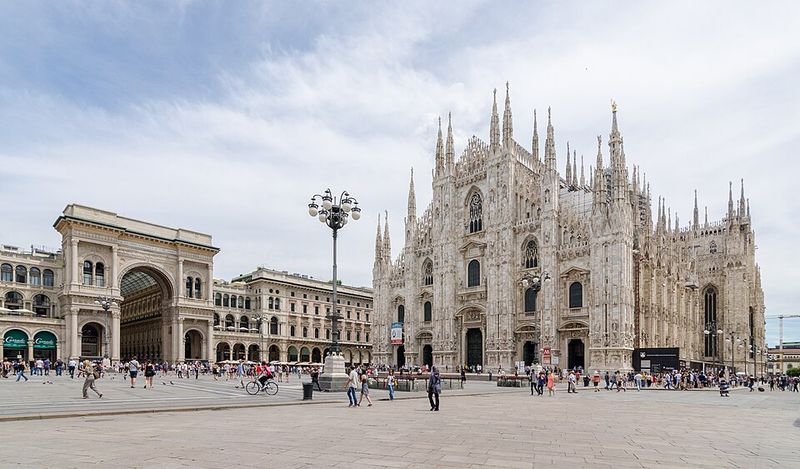
Stepping into Piazza del Duomo feels like walking onto a movie set. The massive square buzzes with life—street performers, pigeons swooping overhead, tourists snapping photos, and locals cutting through on their way to work.
It’s chaotic in the best way, and it gives you an instant sense of Milan’s rhythm.
The Duomo itself dominates the view, but the square is worth soaking in on its own. Cafés line the edges, historic buildings frame the space, and there’s always something happening.
It’s also the perfect starting point for exploring the city on foot since so many major attractions are within walking distance.
Early morning is the quietest time to visit if you want fewer crowds and softer light for photos. By midday, the square is packed, but that’s part of the charm.
Watching the city wake up or wind down from a bench here is a free experience that feels priceless.
From this spot, you can easily reach the Galleria, La Scala, and the shopping streets beyond. Think of Piazza del Duomo as your home base—a place to return to, regroup, and remember why you came to Milan in the first place.
3. Duomo di Milano + rooftop views (worth planning around)
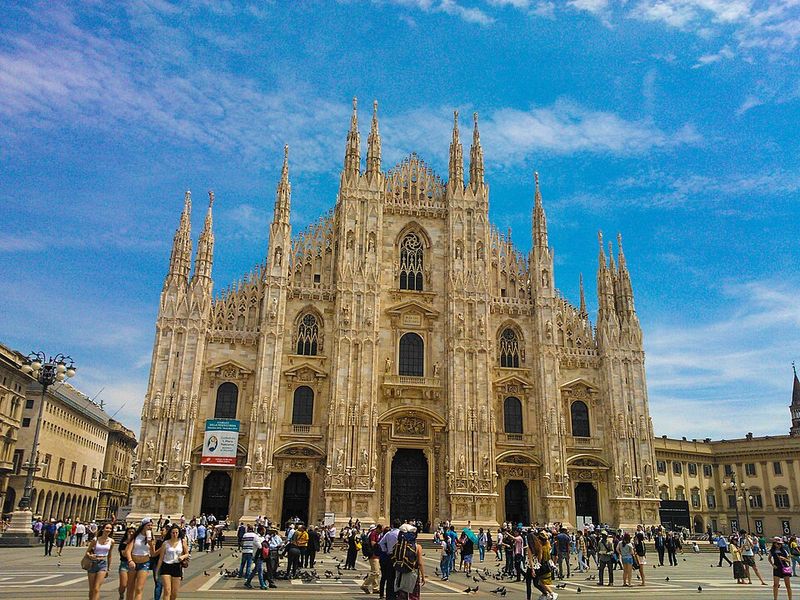
There’s famous, and then there’s the Duomo di Milano. This Gothic masterpiece took nearly six centuries to complete, and every inch of it shows incredible craftsmanship.
But while the interior is stunning, the real magic happens when you climb to the rooftop.
Walking among the spires feels surreal. You’re surrounded by intricate marble details, statues of saints, and views that stretch across the entire city.
On clear days, you can even spot the Alps in the distance. It’s one of those moments that makes you stop scrolling through your phone and just be present.
Booking ahead is essential, especially during peak travel months. Tickets sell out fast, and showing up without one means you might miss out entirely.
Choose between taking the stairs or the elevator—the stairs are cheaper and give you a better sense of the cathedral’s scale, but the elevator saves time and energy.
Sunrise and late afternoon offer the best light for photos and smaller crowds. Midday can get packed and hot, especially in summer.
Give yourself at least an hour up top to explore, take photos, and soak in the view without rushing.
4. Walk through Galleria Vittorio Emanuele II (without spending a cent)
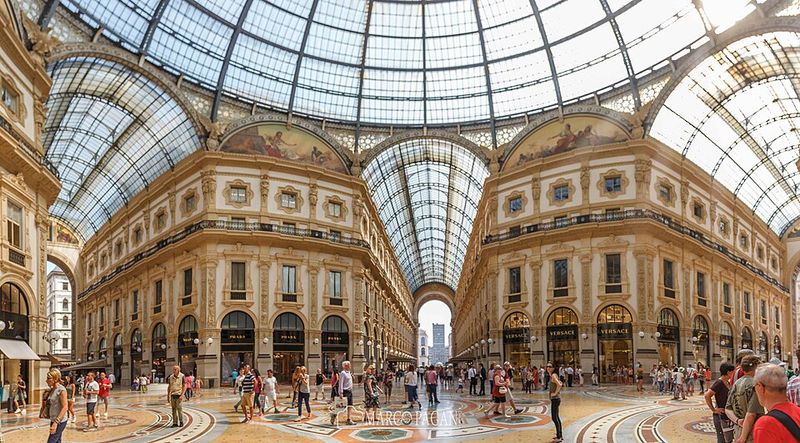
Luxury shopping meets architectural wonder in this stunning 19th-century arcade. The Galleria connects Piazza del Duomo to Piazza della Scala, and even if your budget doesn’t match the price tags inside, walking through is completely free and absolutely worth it.
Look up, and you’ll see a massive glass dome that floods the space with natural light. The floor features intricate mosaics, including the famous bull symbol—spin on its mosaic three times for good luck, a tradition that’s worn a visible dent into the floor.
The storefronts showcase brands like Prada and Louis Vuitton, but window shopping here feels like visiting a museum.
Cafés line the arcade, and while they’re pricey, grabbing a coffee at a standing bar can be surprisingly affordable. It’s a chance to people-watch in one of the most elegant settings in Europe.
Street musicians sometimes perform under the dome, adding to the atmosphere.
The Galleria also serves as a useful shortcut between landmarks, so you’ll likely pass through it multiple times during your trip. Each visit reveals new details—architectural flourishes, hidden symbols, or just the way light changes throughout the day.
5. See Leonardo’s Last Supper (but treat it like a ‘book-first’ priority)
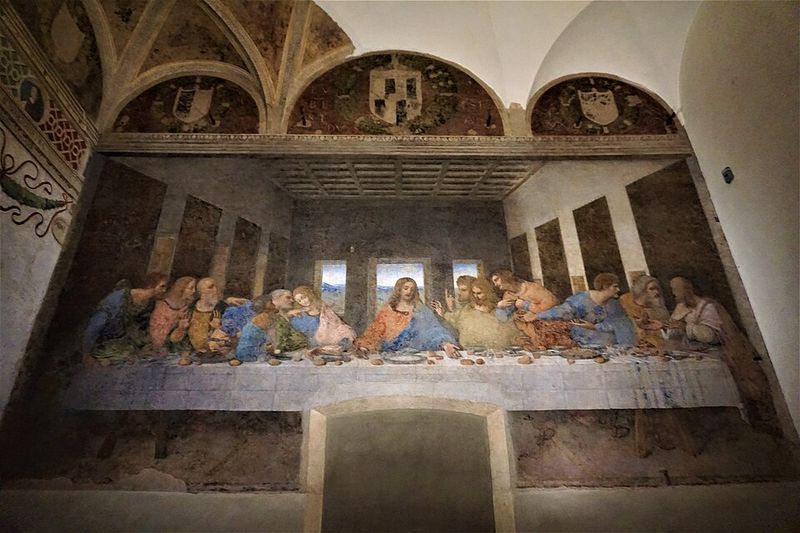
Leonardo da Vinci’s masterpiece isn’t hanging in a museum—it’s painted directly onto the wall of a church dining hall. That makes it fragile, rare, and absolutely unforgettable.
The painting shows Jesus and his disciples at the moment he announces one of them will betray him, and the emotion captured in each face is remarkable.
Here’s the catch: only small groups are allowed in at a time, and visits are limited to 15 minutes. Tickets are released months in advance and disappear fast, especially during high season.
If you wait until you arrive in Milan to book, you’ll likely be out of luck.
The church itself, Santa Maria delle Grazie, is beautiful and worth exploring even if you don’t see the painting. But missing The Last Supper after traveling all the way to Milan is a regret you don’t want to carry home.
Treat this like concert tickets—book early, confirm your time slot, and show up a few minutes ahead.
Tours are available if you want context and history, but even viewing it solo is powerful. The colors, the composition, the sheer scale of it—it’s one of those experiences that stays with you long after you leave.
6. Teatro alla Scala: go beyond the ‘just a photo’ moment
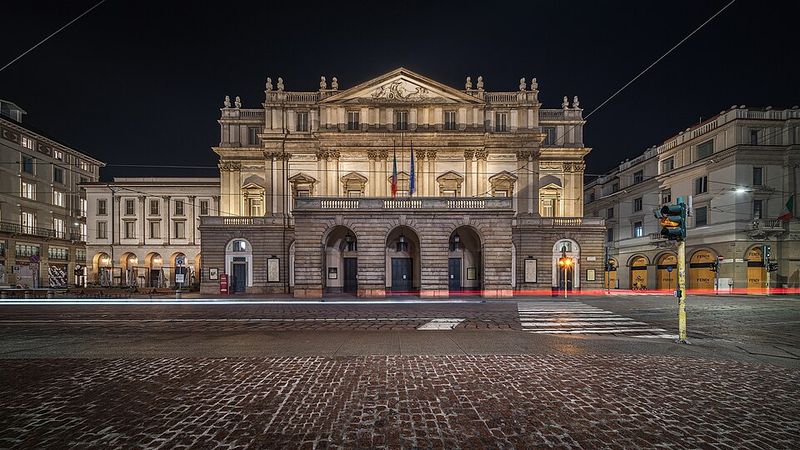
Opera lovers know La Scala as one of the world’s most prestigious theaters. But even if opera isn’t your thing, this place holds a special spot in Milan’s cultural heart.
The building itself is a work of art, and the history inside its walls is legendary.
Attending a performance is unforgettable if your timing and budget align. Tickets range from affordable upper balcony seats to premium orchestra spots, and the experience of watching a show here is unlike any other theater.
The acoustics, the atmosphere, the tradition—it all adds up to something magical.
If you’re not catching a performance, the museum offers a behind-the-scenes look at costumes, set designs, and the theater’s storied past. You can sometimes peek into the auditorium itself, which gives you a sense of the grandeur without committing to a full evening.
The museum ticket is budget-friendly and well worth an hour of your time.
Check the schedule before your trip. Sometimes there are daytime tours or special events that make visiting easier.
Even standing outside and soaking in the building’s presence connects you to centuries of artistic excellence. La Scala isn’t just a theater—it’s a living piece of Milan’s identity.
7. Brera district: Milan’s most charming ‘slow-walk’ neighborhood
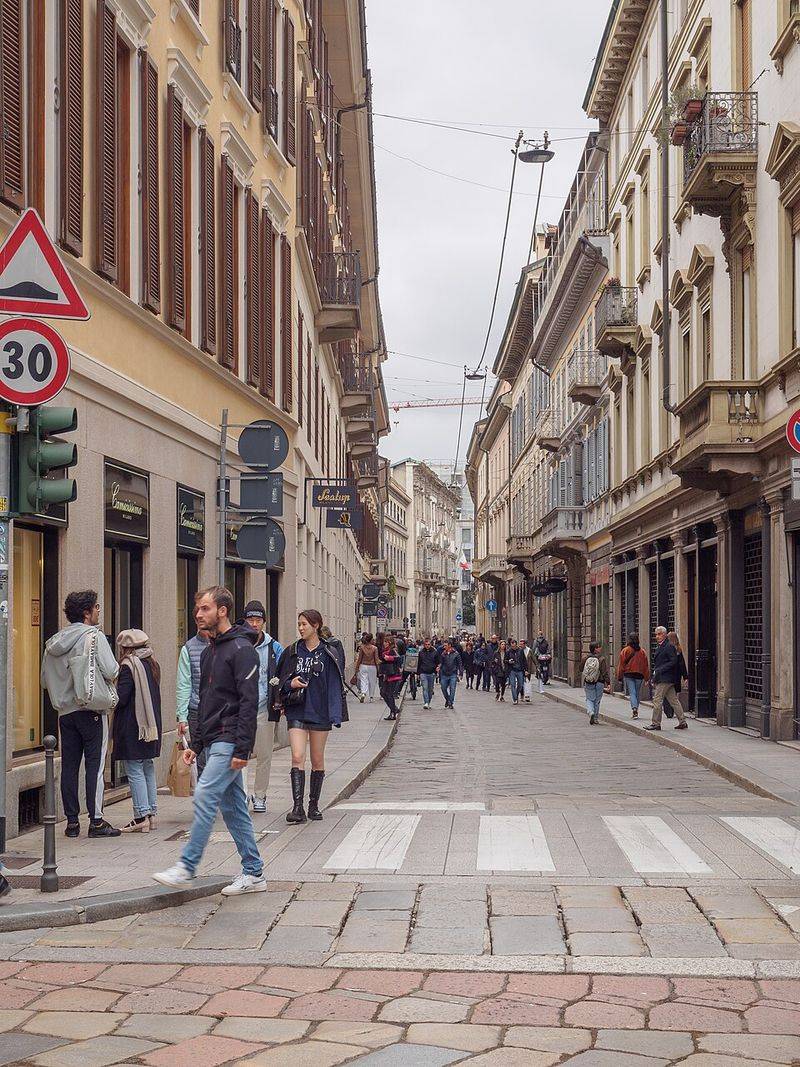
After the grandeur of the Duomo and the crowds of the main square, Brera feels like a breath of fresh air. This neighborhood is where Milan slows down, where narrow cobblestone streets wind past art galleries, antique shops, and cozy cafés that beg you to sit and stay awhile.
Artists and intellectuals have long called Brera home, and that creative energy still lingers. Street musicians play on corners, local designers display their work in tiny storefronts, and the whole area just feels more intimate and lived-in than the tourist-heavy zones.
It’s the kind of place where you can get pleasantly lost and not mind at all.
The Orto Botanico di Brera, a small botanical garden tucked behind the Academy of Fine Arts, offers a peaceful escape if you need a quiet moment. Entry is usually free, and it’s a lovely spot to rest your feet and clear your head.
Brera is also ideal for lunch or an afternoon coffee. The restaurants here tend to be more local-focused, with menus that change seasonally and prices that feel fairer than the spots near major landmarks.
Wander without a map, follow your instincts, and let Brera show you its secrets.
8. Pinacoteca di Brera: a top-tier art stop that feels truly Milanese
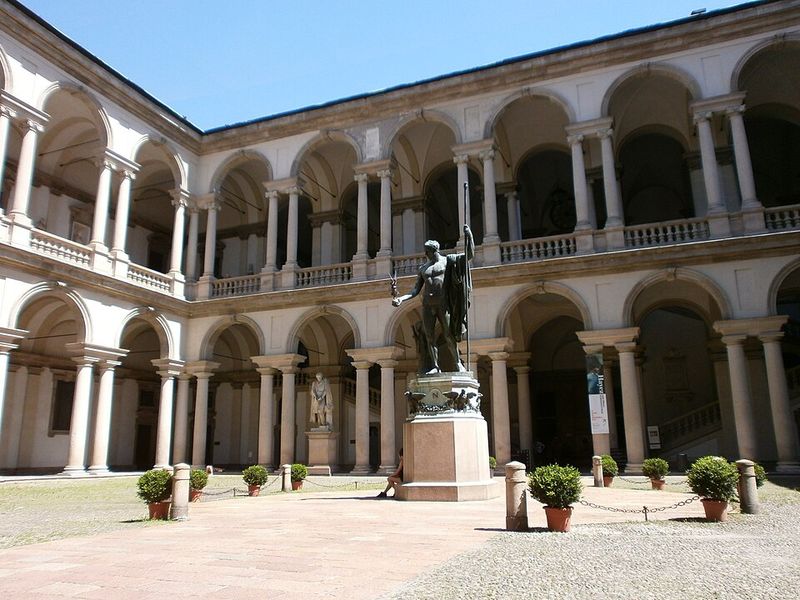
Milan’s art scene doesn’t stop at The Last Supper. The Pinacoteca di Brera holds one of Italy’s finest collections of paintings, with works by Raphael, Caravaggio, and Mantegna among the highlights.
It’s a museum that rewards slow exploration, not rushed photo ops.
The building itself is a former monastery, and walking through its halls feels both grand and intimate. Unlike some massive museums that overwhelm you with sheer size, Brera is manageable in a few hours.
You can actually absorb what you’re seeing without feeling like you need to sprint through galleries.
Rainy days are perfect for a visit here. The museum offers a calm, climate-controlled escape where you can lose yourself in centuries of artistic brilliance.
The courtyard is also a beautiful spot to pause before or after your visit, especially if the weather’s nice.
Entrance fees are reasonable, and the museum is rarely as crowded as other major attractions. If you’re an art lover, this is non-negotiable.
If you’re just art-curious, it’s still worth a stop to see masterpieces up close and understand why Milan has always been a cultural powerhouse beyond fashion and finance.
9. Castello Sforzesco: history + ‘big scenery’ without needing a full day
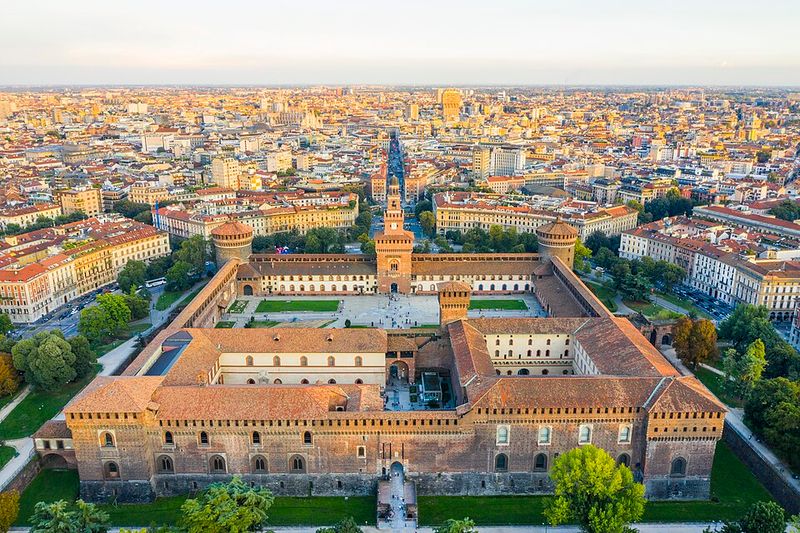
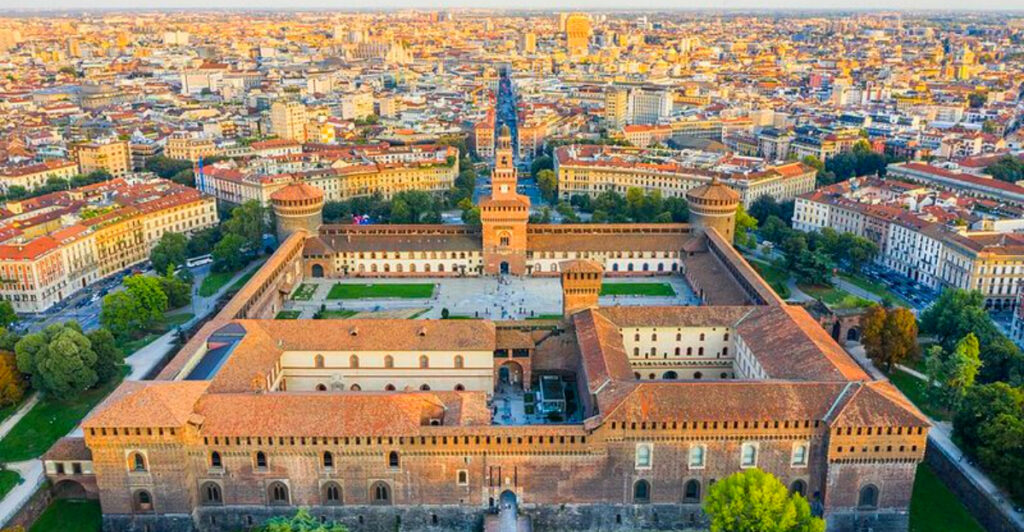
This massive fortress complex has stood guard over Milan since the 15th century. Built by the Sforza family, it’s seen wars, renovations, and centuries of history, and today it houses several museums and art collections.
But you don’t need to be a history buff to appreciate it.
The outer courtyard is open to the public and free to explore. The sheer scale of the castle walls and towers makes for impressive photos, and the space itself is perfect for a leisurely stroll.
Kids love running around the open areas, and there are often events or exhibits happening in the courtyards.
Inside, the museums cover everything from ancient Egyptian artifacts to Renaissance sculpture. Michelangelo’s unfinished Pietà Rondanini is here, and seeing it in person is a powerful experience.
You can pick and choose which exhibits interest you most, or skip the interiors entirely and just enjoy the architecture.
The castle sits right at the edge of Parco Sempione, making it easy to combine both in one visit. Spend an hour exploring the grounds, snap some photos, and then wander into the park for a completely different vibe.
It’s a satisfying stop that doesn’t demand your entire day.
10. Parco Sempione: your built-in “reset button”
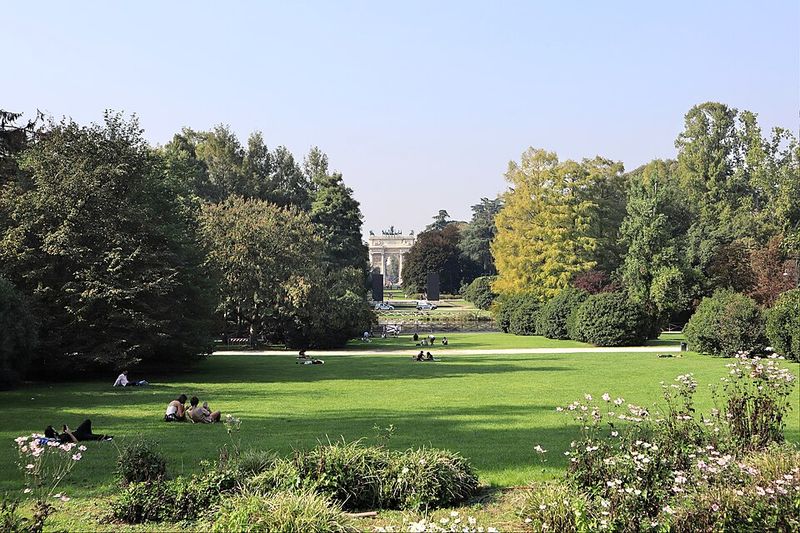
Right behind Castello Sforzesco, this green oasis offers exactly what you need after hours of walking and sightseeing: space to breathe. Locals come here to jog, picnic, read, or just lie in the grass and watch the world go by.
Tourists quickly realize it’s the perfect antidote to museum fatigue.
The park is large enough to feel peaceful but compact enough that you won’t get lost. Tree-lined paths lead to open lawns, small ponds, and the striking Arco della Pace (Arch of Peace) at the far end.
The arch is a monument worth walking to—it’s beautiful, historic, and makes for great photos without the crowds of other landmarks.
Grab a gelato or a sandwich from a nearby shop and have an impromptu picnic. There are benches scattered throughout, but sitting on the grass feels more authentic.
Families, couples, solo travelers—everyone finds their own corner of the park and settles in.
If you’re traveling in summer, the park sometimes hosts outdoor concerts or events. Even if nothing’s scheduled, it’s still a valuable part of your Milan experience.
Cities need green spaces, and travelers need them even more. Let Parco Sempione be your pause button.
11. Navigli at sunset: canals, atmosphere, and the easiest evening plan
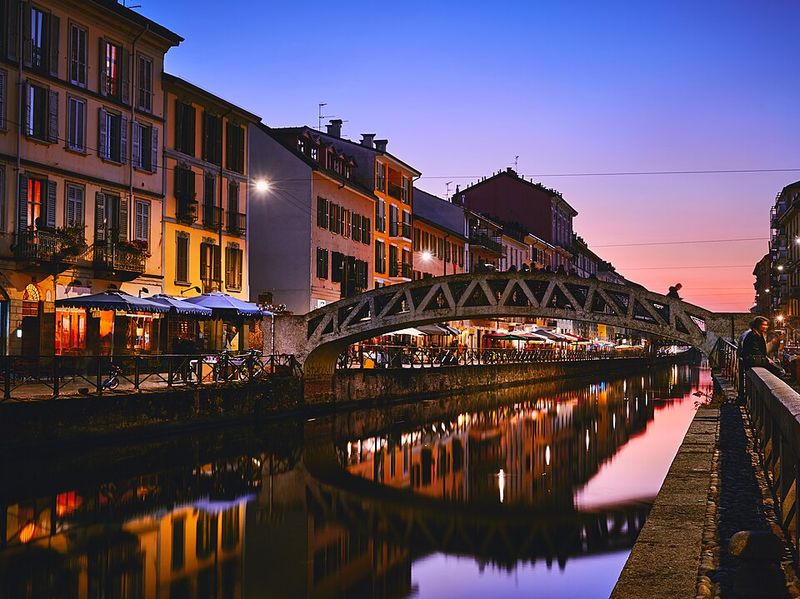
Milan might not be Venice, but its canal district has a charm all its own. Navigli comes alive as the sun starts to set, when the light turns golden and the neighborhood shifts from quiet to buzzing with energy.
It’s the kind of place where you don’t need a plan, just show up and let the vibe guide you.
Two main canals, Naviglio Grande and Naviglio Pavese, form the heart of the area. Walking along the water, you’ll pass vintage shops, art studios, and countless bars and restaurants with outdoor seating.
The atmosphere is laid-back, creative, and decidedly more local than the tourist-heavy center.
Arrive an hour or so before dinner to explore without feeling rushed. The walk itself is the main attraction—bridges, reflections in the water, street art, and the general hum of people enjoying themselves.
It’s one of those experiences that feels effortlessly Italian.
Weekends can get crowded, especially Saturday nights, but that’s part of the fun. On weekdays, you’ll find a quieter, more intimate version of Navigli that’s equally appealing.
Either way, this neighborhood delivers a side of Milan that feels authentic, artistic, and impossible not to love.
12. Do aperitivo the Milan way (it can be dinner if you do it right)
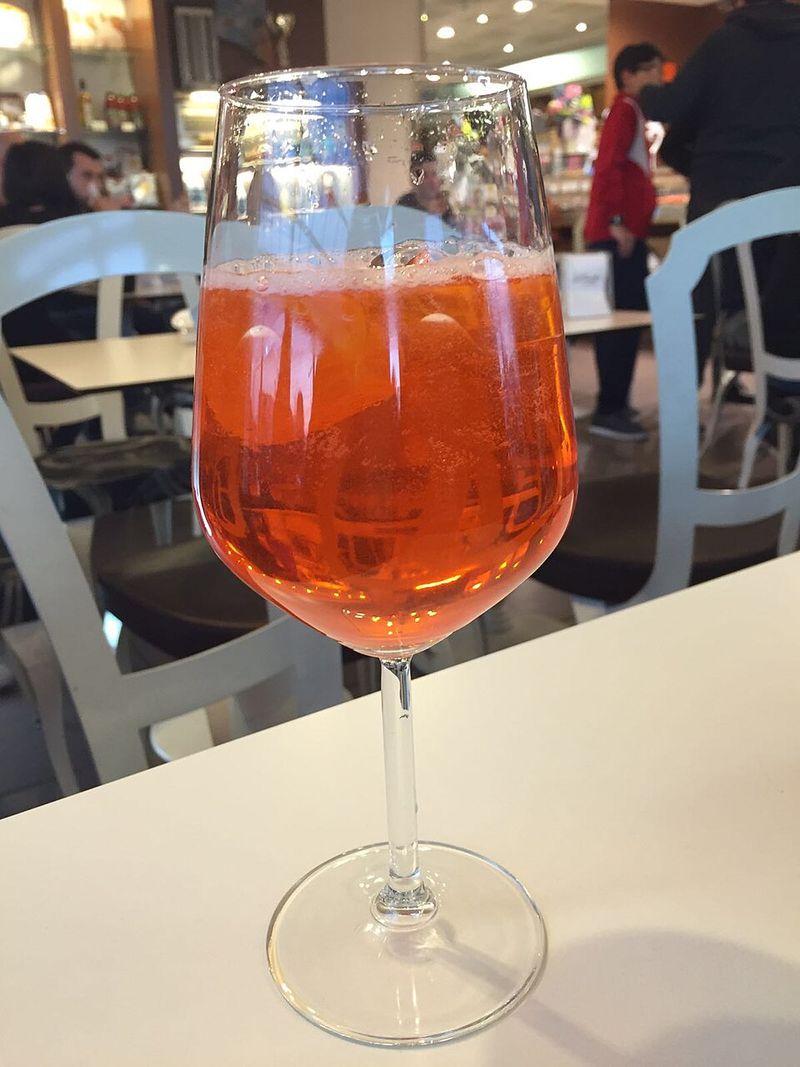
Aperitivo isn’t just a drink, it’s a ritual, a social event, and sometimes your entire dinner strategy rolled into one. The concept is simple: order a cocktail (usually between 6 and 9 PM), and the bar serves complimentary snacks alongside it.
But in Milan, those “snacks” can range from chips and olives to full buffets of pasta, pizza, and salads.
The key is knowing where to go. Some places offer minimal nibbles, while others practically serve a meal.
Ask locals or check reviews to find spots known for generous spreads. For the price of one or two drinks, you can fill up on quality food and soak in the social atmosphere.
Aperol Spritz is the classic choice, but Negronis and Prosecco are also popular. The drink itself almost doesn’t matter—it’s the excuse to slow down, chat with friends or strangers, and enjoy the early evening before committing to a full dinner reservation.
Navigli is aperitivo central, but you’ll find great spots in Brera, Porta Venezia, and near Corso Como too. The tradition is deeply Milanese, and participating in it makes you feel like you’ve tapped into the city’s rhythm.
It’s budget-friendly, delicious, and genuinely fun.
13. Eat the classics: risotto, cotoletta, ossobuco
Milan’s food scene isn’t just about trendy restaurants and Instagram-worthy dishes. The city has deep culinary roots, and trying the local classics is a must.
These aren’t dishes you’ll find everywhere in Italy—they’re specifically Lombard, and they tell the story of Milan’s agricultural and cultural history.
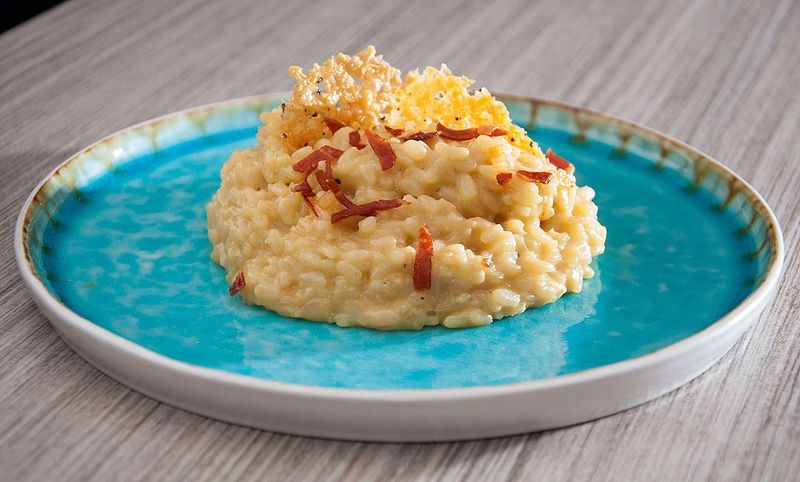
Risotto alla milanese is creamy, golden, and flavored with saffron. It’s rich without being heavy, and when done right, it’s comfort food at its finest.
Some restaurants serve it as a side dish with ossobuco, which is traditional, but it also stands beautifully on its own.
Cotoletta alla milanese is Milan’s take on the breaded cutlet—think a thinner, crispier version of schnitzel. It’s simple, satisfying, and pairs perfectly with a squeeze of lemon and a cold beer.
Don’t expect fancy presentation; this is straightforward, delicious cooking.
Ossobuco, slow-cooked veal shank, is the heartiest of the three. The meat falls off the bone, and the marrow inside is considered the best part.
It’s usually topped with gremolata (a mix of lemon zest, garlic, and parsley) that brightens the rich flavors.
Order these dishes at traditional trattorias for the most authentic experience. They’re not light meals, so pace yourself and savor every bite.
14. Use public transport strategically (and save your steps for the best streets)
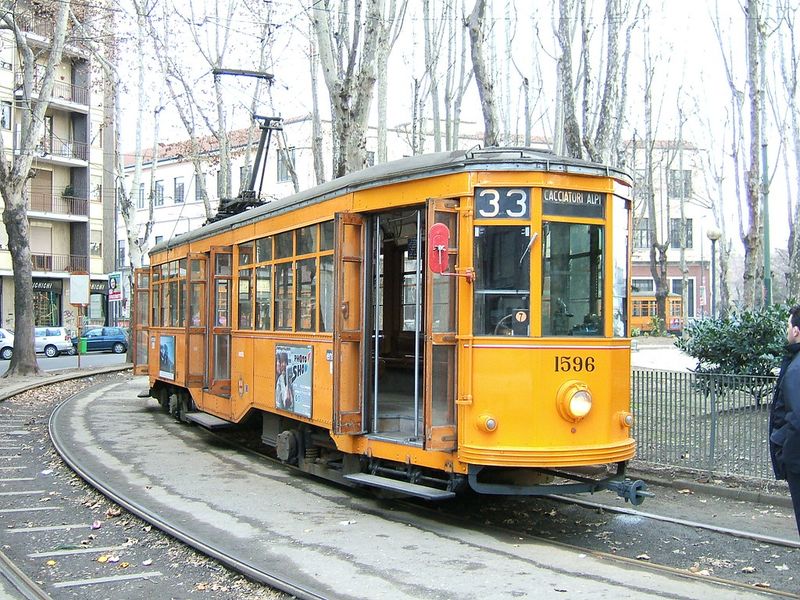
Milan’s city center is walkable, but trying to do everything on foot will wear you out fast. The metro, trams, and buses are efficient, affordable, and easy to navigate even if you don’t speak Italian.
Learning how to use them strategically makes your trip smoother and less exhausting.
The metro has four color-coded lines that connect all major neighborhoods and landmarks. A single ticket costs just a few euros and is valid for 90 minutes across all public transport.
You can hop on and off as much as you want within that window, which is perfect for clustering your sightseeing by area.
Trams are iconic and charming, especially the older wooden ones still running certain routes. They’re slower than the metro but offer street-level views and a more relaxed pace.
If you’re not in a rush, trams add character to your journey.
Download a transit app or use Google Maps to plan routes. Stations are well-marked, and trains run frequently, so you’re rarely waiting long.
Validate your ticket when you board—inspectors do check, and fines are steep.
Save your walking energy for neighborhoods like Brera and Navigli where wandering is the whole point. Let public transport handle the longer distances so you arrive fresh and ready to explore.
15. Add one ‘modern Milan’ moment: Porta Nuova + Bosco Verticale vibes
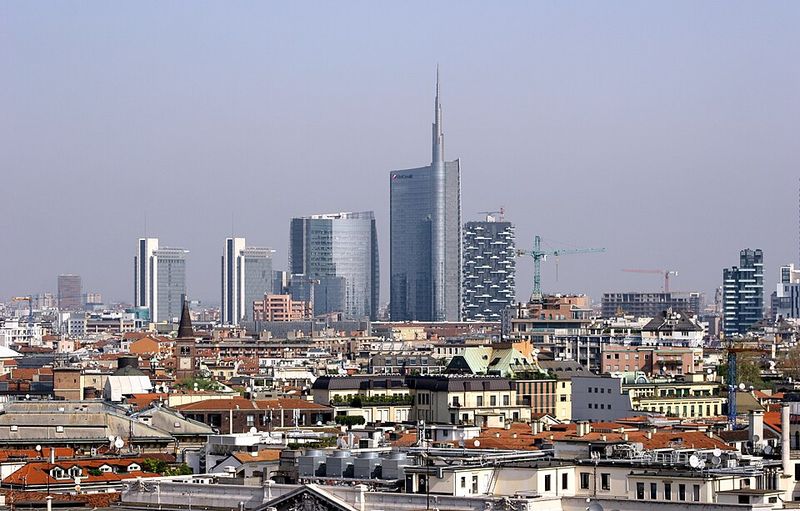
Milan isn’t all historic cathedrals and Renaissance art. The city has a cutting-edge modern side, and nowhere is that more visible than in the Porta Nuova district.
Sleek skyscrapers, innovative architecture, and public spaces designed for the 21st century create a striking contrast to the old-world charm elsewhere in Milan.
The Bosco Verticale (Vertical Forest) is the star of this area—two residential towers covered in trees and plants that change with the seasons. It’s a bold statement about sustainable urban living, and it’s become one of Milan’s most photographed modern landmarks.
You can’t go inside unless you live there, but viewing it from street level is impressive enough.
The surrounding area features pedestrian-friendly plazas, contemporary art installations, and upscale shops and restaurants. It feels more like a business district than a tourist zone, which is refreshing.
Seeing how Milan is evolving and embracing the future adds depth to your understanding of the city.
This is also a great spot for architecture and design enthusiasts. The buildings here represent some of the best contemporary work in Europe, and the attention to public space shows a city investing in quality of life for its residents.
Spend an hour or two exploring, grab a coffee at a modern café, and appreciate Milan’s ability to honor its past while boldly building its future.
Share this story