Grandma didn’t need trendy superfoods or pricey imports to make food that hit you right in the heart. Her pantry was full of cheap basics that sat quietly on the shelf for months, then somehow turned into the kind of meals you still think about years later.
And here’s the best part: those same “boring” staples can still save you serious money today while making dinners that feel warm, filling, and ridiculously satisfying. Let’s break down what they were and why they worked so well.
1. All-Purpose Flour
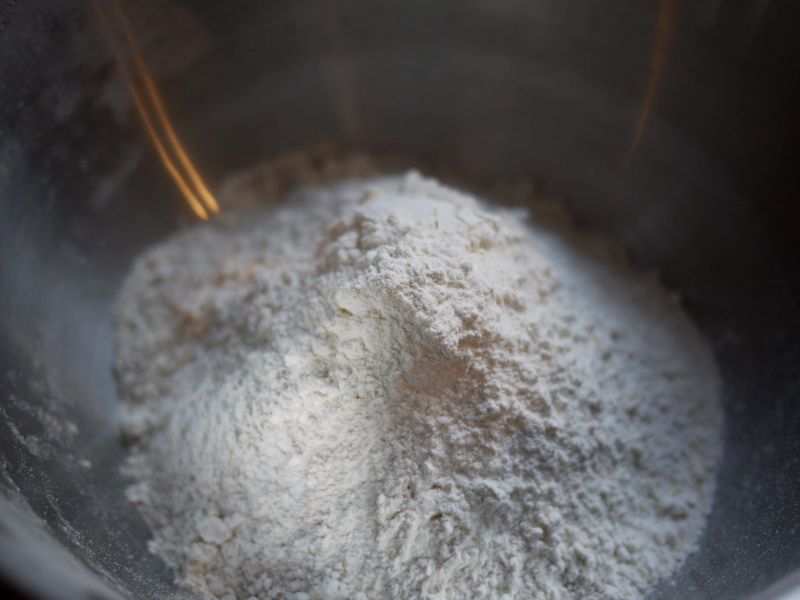
Every grandmother worth her salt kept a large tin of flour within arm’s reach. This single ingredient became the foundation for biscuits at breakfast, dumplings in stew, gravy for Sunday roast, and cookies for the grandchildren.
Flour was never just flour in grandma’s hands.
She knew exactly how much water to add by feel, never needing measuring cups for her famous pie crusts. The same bag that made birthday cakes also thickened soups when the family budget ran thin.
Grandmothers understood that flour mixed with a little creativity could fill hungry bellies without emptying wallets.
Biscuits made from scratch cost mere cents per batch, yet they turned simple beans into a feast. Homemade noodles required nothing more than flour, eggs, and patience.
Even bread, that staple of every meal, came together with flour, yeast, and time rather than money.
Modern cooks often overlook how versatile this humble ingredient remains. A five-pound bag costing just a few dollars can produce dozens of meals, from pancakes to pasta.
Grandma never bought expensive mixes when flour could do the same job better and cheaper, and that wisdom still holds true today in any kitchen seeking to maximize value.
2. Sugar
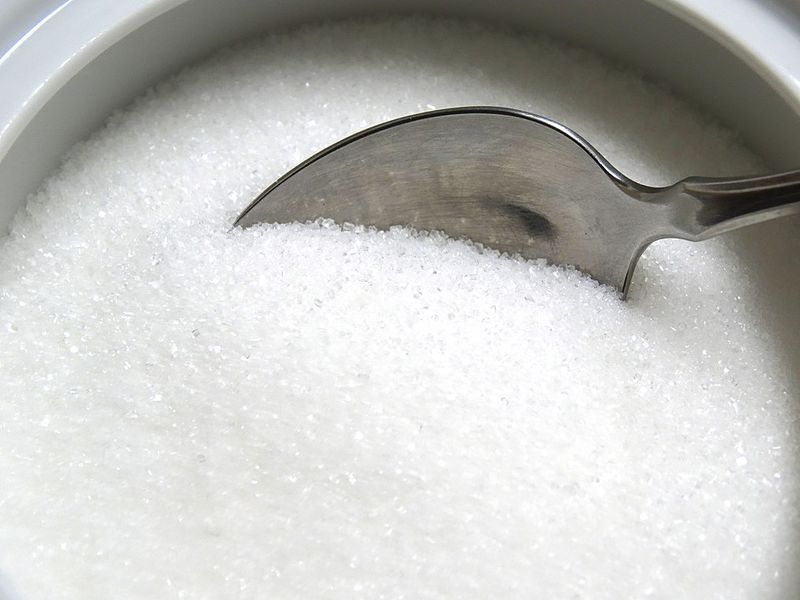
Sugar wasn’t just for sweetening tea in grandmother’s day. She transformed this inexpensive crystal into preserves that lasted all winter, candied fruits that became special treats, and desserts that made birthdays memorable.
A single five-pound bag stretched remarkably far when used wisely.
Grandmothers knew that sugar mixed with fruit and patience created jams without buying expensive store versions. They caramelized it into toppings for simple cakes, making ordinary desserts feel extraordinary.
Sugar also balanced the acidity in tomato sauces and brought out flavors in savory dishes that might otherwise taste flat.
The magic wasn’t in using lots of sugar, but in knowing exactly where a little bit made the biggest difference. A spoonful in bread dough helped yeast work faster.
A pinch in vegetables brought out their natural sweetness. Grandma never wasted sugar on things that didn’t need it.
She also understood that homemade sweet treats cost a fraction of bakery prices. Cookies made from scratch with sugar, flour, and butter provided affordable joy during tough times.
Sugar water became homemade soda for children. Even simple syrup for preserving fruit required nothing more than equal parts sugar and water, creating pantry staples that lasted months and saved money throughout the year.
3. Canned Tomatoes
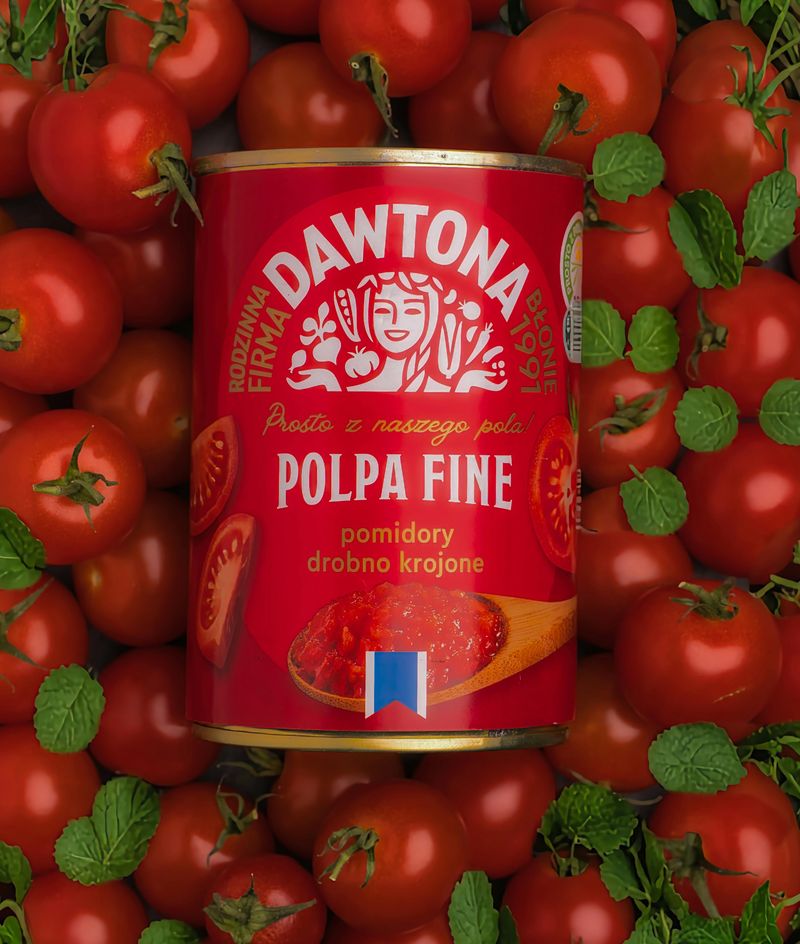
Open any grandmother’s pantry and you’d find rows of canned tomatoes, either store-bought or put up from the summer garden. These ruby-red treasures became the base for countless meals that fed families without breaking the bank.
Tomatoes in a can meant having summer’s flavor available year-round.
Grandma knew that one can of tomatoes could become spaghetti sauce, vegetable soup, chili, or the braising liquid for tough cuts of meat. She’d add herbs from her windowsill and transform a simple can into something that tasted like it simmered all day.
The acidity of tomatoes also helped tenderize cheaper meat cuts, making them delicious and economical.
Unlike fresh tomatoes that spoiled quickly, canned versions sat patiently on shelves until needed. This meant grandmothers could buy them when prices dropped and stock up for months.
A single case of canned tomatoes purchased on sale could provide the foundation for family dinners throughout an entire season.
She never needed fancy ingredients to make tomato-based dishes shine. Salt, pepper, maybe some onion, and those canned tomatoes created meals that satisfied everyone at the table.
Whether crushed, diced, or whole, canned tomatoes offered consistent quality and flavor that made meal planning easier and grocery bills smaller while still delivering the comfort food families craved.
4. Dried Beans
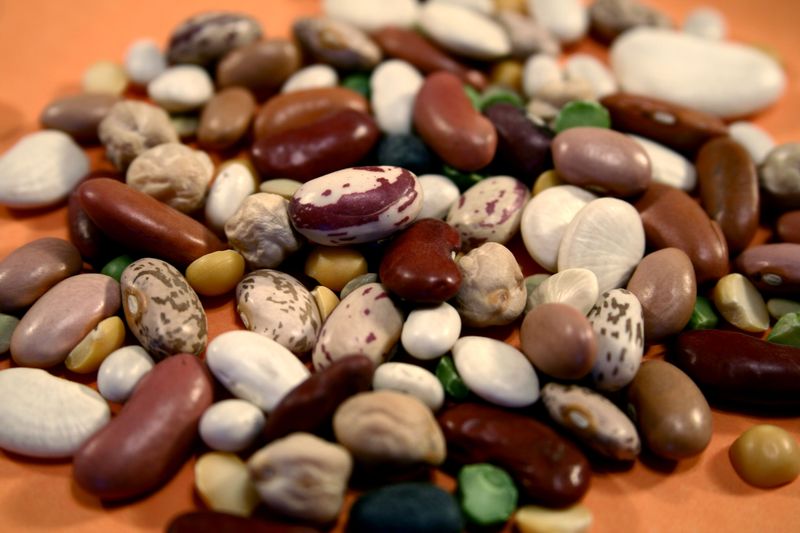
Grandmothers understood that dried beans represented one of the most economical protein sources available. A single pound of dried beans, costing less than a dollar, would swell to feed a family for multiple meals.
Pinto beans, navy beans, black beans, lima beans – each variety brought different flavors and possibilities to the table without demanding much from the budget.
Soaking beans overnight and simmering them slowly required patience rather than money. Grandma would start a pot in the morning, letting them bubble gently while she did other chores.
By dinnertime, those humble beans had transformed into something creamy and satisfying, ready to be seasoned with whatever she had on hand.
Beans stretched meat further too. A small ham bone or piece of salt pork could flavor an entire pot of beans, making expensive protein go much further.
Leftover beans became refried beans the next day, or got mashed into bean cakes, or even went into soups where they added body and nutrition.
Unlike canned beans that cost more and often contained unnecessary sodium, dried beans gave grandmothers complete control over flavoring and texture. She could make them spicy or mild, soupy or thick, depending on what her family needed.
Beans never went to waste in her kitchen, and they never failed to fill empty stomachs affordably.
5. Rice
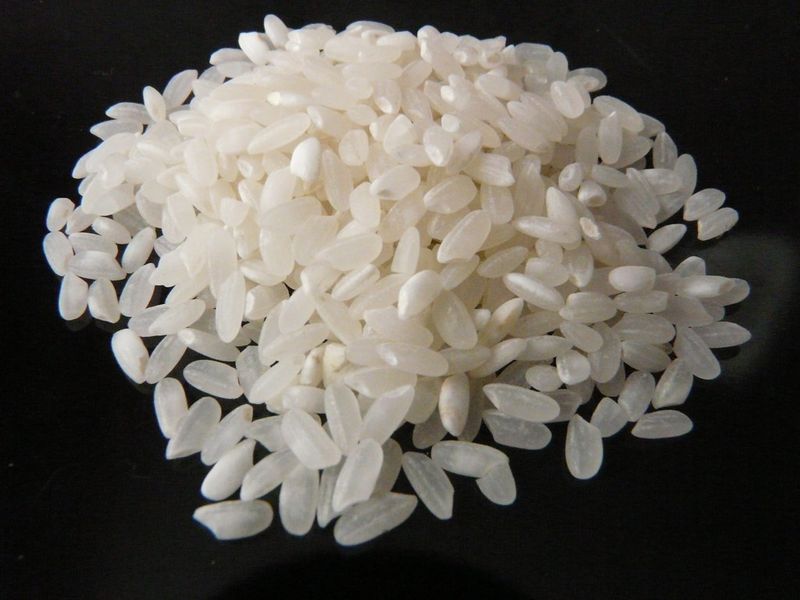
Ask any grandmother about stretching a meal, and she’d point to her rice container. This grain absorbed flavors beautifully while turning small amounts of other ingredients into complete meals.
Whether long-grain white rice or short-grain varieties, rice offered filling, satisfying dishes that cost pennies per serving.
Grandma cooked rice in chicken broth instead of water, instantly elevating it from side dish to something special. She stirred in leftover vegetables, transforming odds and ends into fried rice that tasted intentional rather than improvised.
Rice pudding used up milk before it spoiled, creating dessert from pantry staples.
A ten-pound bag of rice lasted for weeks, sometimes months, making it one of the most economical purchases a household could make. Grandmothers knew that rice paired with beans created a complete protein, providing nutrition without needing expensive meat.
Rice also soaked up gravies and sauces, ensuring nothing got wasted.
She never needed fancy recipes to make rice delicious. Salt, butter, and proper water ratios produced fluffy, perfect rice every time.
Leftover rice never got thrown away either – it became tomorrow’s breakfast porridge or got formed into rice cakes. In grandmother’s kitchen, rice wasn’t just a side dish; it was a budget-stretching miracle that kept families fed through good times and lean ones alike.
6. Lard or Shortening
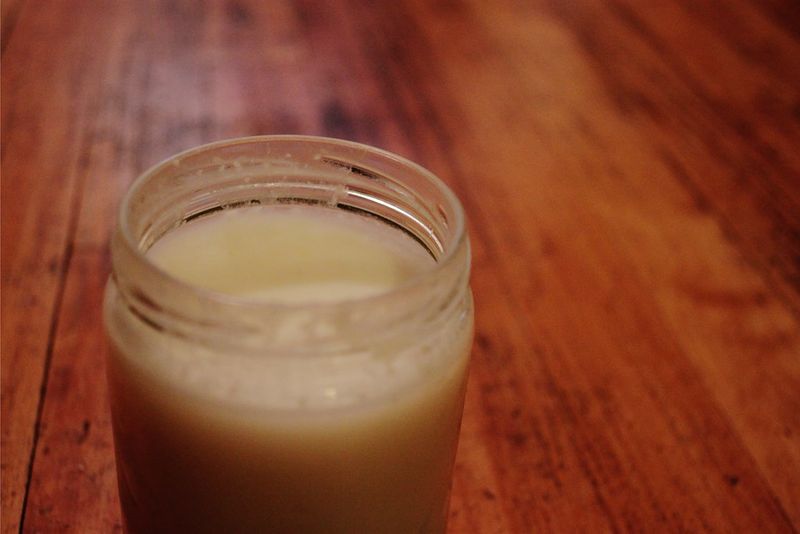
Modern cooks might wrinkle their noses at lard, but grandmothers knew this rendered fat created the flakiest pie crusts and crispiest fried chicken imaginable. A can of shortening or container of lard lasted for months and cost far less than butter, making it the practical choice for everyday cooking and baking.
Grandma used lard for everything from greasing pans to making biscuits that practically melted in your mouth. She knew that pie crust made with lard had a texture butter simply couldn’t match.
Shortening creamed beautifully with sugar for cakes, and it never burned when frying foods like butter sometimes did.
These fats also had incredibly long shelf lives compared to butter, which meant grandmothers could buy in bulk when prices dropped. A single can might last through an entire season of baking and cooking.
Lard rendered from butchering a pig provided free cooking fat for families who raised their own livestock.
She never worried about fancy oils or expensive butter substitutes. Lard and shortening did everything needed in her kitchen reliably and affordably.
Fried potatoes got wonderfully crispy, cookies stayed soft and tender, and biscuits rose high and fluffy. Grandmothers understood that these humble fats, often dismissed today, were actually kitchen workhorses that made delicious food possible on the tightest budgets imaginable.
7. Vinegar
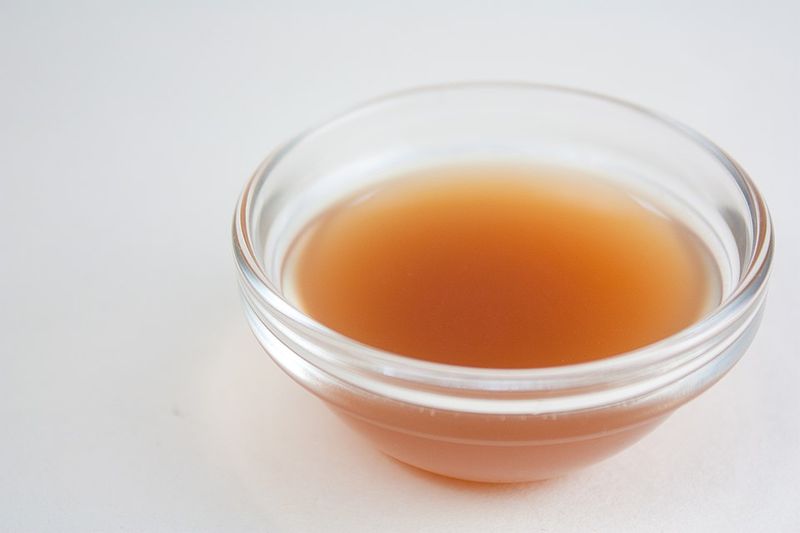
Vinegar sat in every grandmother’s pantry, not just for cooking but for cleaning, preserving, and even home remedies. This inexpensive liquid became a kitchen multitasker that earned its space through sheer versatility.
A single gallon jug cost little but solved countless problems.
Grandmothers used vinegar to pickle vegetables from the garden, extending their harvest for months. Cucumbers became pickles, beets gained tangy sweetness, and green beans stayed crisp in vinegar brine.
These preserved vegetables provided variety during winter when fresh produce was scarce or expensive. Vinegar also tenderized tough meat and added brightness to heavy, rich dishes.
Beyond food, grandma cleaned her windows with vinegar and water. She rinsed vegetables in diluted vinegar to remove dirt and potential bacteria.
Some grandmothers even used it for soothing upset stomachs or sore throats, though modern medicine offers better options now.
In cooking, vinegar balanced flavors that tasted too sweet or too rich. A splash in greens cut through their bitterness.
Vinegar in pie crust made it tender. She used it in salad dressings, marinades, and sauces without needing expensive specialty vinegars.
White vinegar, apple cider vinegar – both had their places, and both cost very little while delivering tremendous value. Grandma never ran out of vinegar because she knew how many ways it would save her time and money.
8. Baking Soda
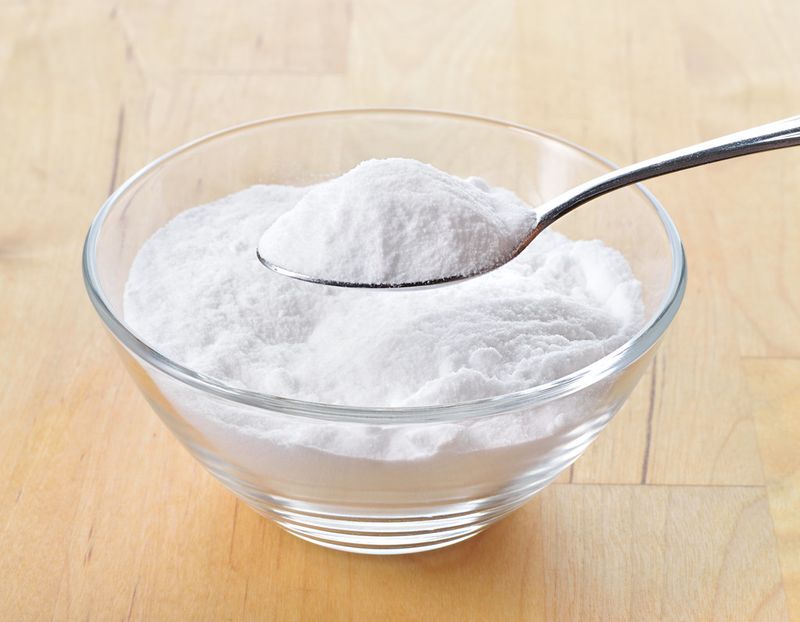
That small yellow box of baking soda did far more work in grandmother’s kitchen than most people realize. Beyond making cakes rise, baking soda cleaned pots, freshened refrigerators, and even soothed bee stings.
For just pennies, this powder solved problems throughout the entire house.
Grandma knew exactly how much baking soda her biscuits needed to rise perfectly. Too much created a metallic taste; too little left them flat and dense.
She combined it with buttermilk or vinegar to create the chemical reaction that made pancakes fluffy without needing expensive baking powder. Her chocolate cakes got their deep color partly from baking soda reacting with cocoa.
She also kept an open box in the refrigerator to absorb odors, replacing it every few months. That used baking soda then went down drains to keep them fresh and clear.
Burned pots soaked in baking soda paste came clean without harsh chemicals or scrubbing until her arms ached.
Baking soda even had uses outside the kitchen. Grandma made toothpaste from it, used it to relieve heartburn, and sprinkled it in shoes to eliminate odors.
This single inexpensive ingredient replaced multiple specialized products, saving money while working just as effectively. She never bought fancy cleaners or expensive leavening agents when baking soda sat ready to handle both jobs beautifully and affordably.
9. Salt
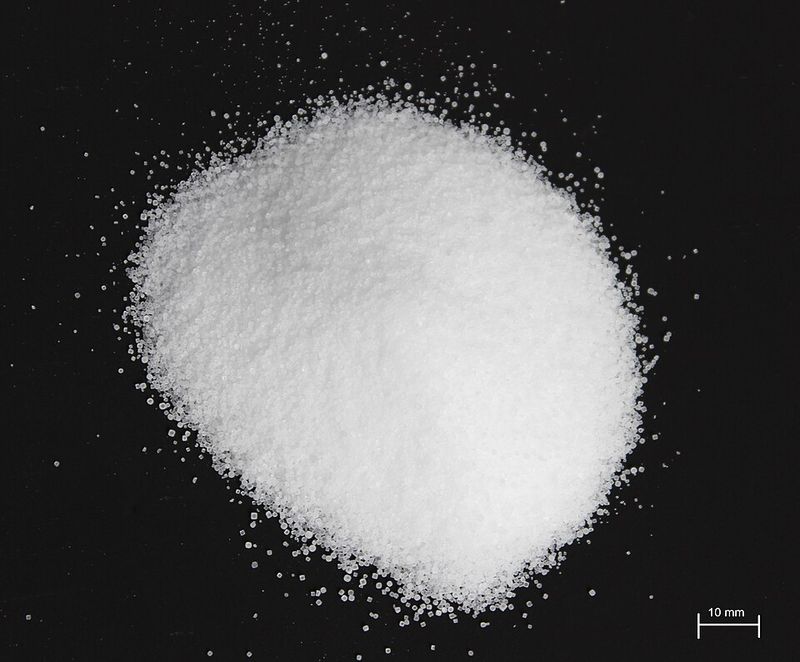
Salt preserved food before refrigeration existed, and grandmothers never forgot this essential ingredient’s importance. Beyond seasoning, salt cured meats, preserved vegetables, and even cleaned cast iron skillets.
A container of salt was among the most critical items in any grandmother’s pantry.
She knew that proper salting made the difference between bland food and delicious meals. Grandma salted her pasta water generously, understanding that underseasoned food couldn’t be fixed later.
She also knew when to add salt during cooking – early for soups and stews where it helped extract flavors, later for vegetables to prevent them from becoming mushy.
Salt pork and salt-cured ham provided protein throughout winter when fresh meat wasn’t available. Grandmothers rubbed salt into fresh pork, transforming it into preserved meat that lasted months without refrigeration.
They made salt brine for pickling, ensuring cucumbers and other vegetables stayed crisp and edible long after harvest season ended.
She never bought expensive specialty salts when plain table salt or coarse kosher salt did everything necessary. Salt enhanced sweetness in desserts, balanced bitterness in vegetables, and brought out the natural flavors in every ingredient.
Grandma understood that good cooking started with proper seasoning, and salt remained the foundation of that principle. This humble, inexpensive mineral made everything taste better while preserving food and stretching the family budget further.
10. Oats
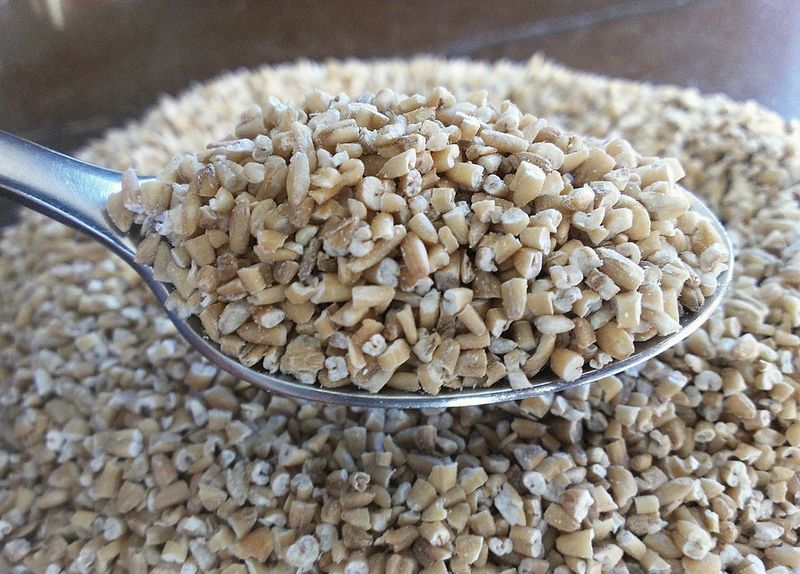
Rolled oats represented breakfast, comfort, and economy all in one cylindrical container. Grandmothers bought oats in bulk because they knew this grain provided filling, nutritious meals for very little money.
A large container of oats fed the family for weeks, starting each day with warm, satisfying porridge that cost pennies per bowl.
Oatmeal wasn’t just breakfast in grandmother’s kitchen. She added oats to meatloaf, stretching expensive ground beef further while keeping the texture moist and tender.
Oatmeal cookies used less flour and more oats, creating chewy treats that satisfied sweet cravings affordably. She even made her own granola before it became trendy, mixing oats with a little honey and whatever nuts or dried fruit she had available.
Grandma cooked oats slowly on the stovetop, creating creamy porridge that stuck to ribs on cold mornings. She topped it with cinnamon and a drizzle of milk, or stirred in apples from the cellar.
Leftover oatmeal never went to waste – it got added to bread dough or formed into patties and fried for another meal.
Steel-cut oats, rolled oats, quick oats – grandmothers used whatever type they could get cheapest. All of them provided fiber, nutrition, and satisfaction without demanding much from the grocery budget.
Oats proved that healthy, filling food didn’t require expensive ingredients, just a grandmother’s wisdom about making simple things delicious.
11. Powdered Milk
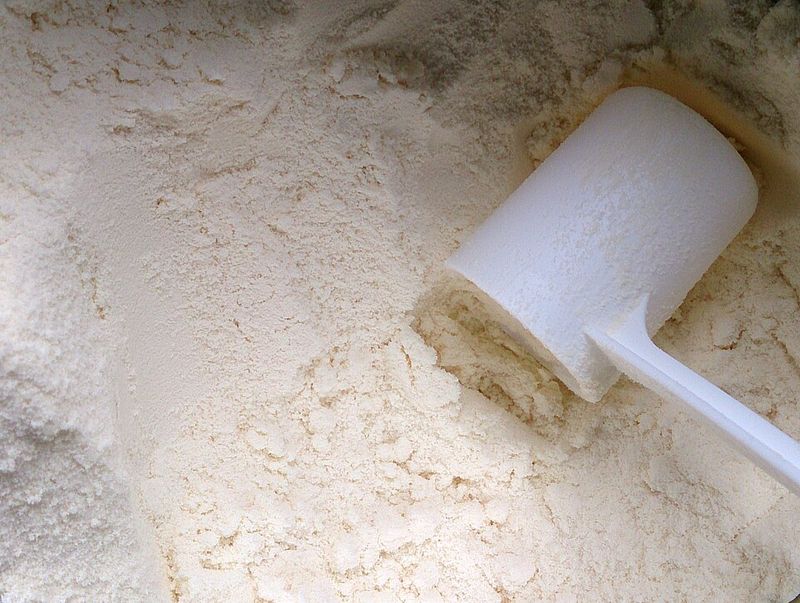
Before every household had reliable refrigeration, powdered milk solved the problem of keeping milk fresh. Grandmothers relied on this shelf-stable powder to provide milk for cooking, baking, and drinking without worrying about spoilage.
A box of powdered milk lasted for months and cost significantly less than buying fresh milk constantly.
Grandma mixed powdered milk for her children to drink, though most kids preferred it in recipes rather than in glasses. She used it in mashed potatoes, creating creamy texture without needing to keep fresh milk on hand.
Powdered milk went into biscuits, pancakes, and cakes, working just as well as fresh milk in baked goods.
She also made her own sweetened condensed milk by mixing powdered milk with sugar and a little water, then cooking it down until thick. This homemade version cost a fraction of store-bought cans and worked perfectly in her dessert recipes.
Powdered milk in hot cocoa provided comfort on winter evenings without requiring a trip to the store.
Many grandmothers even mixed powdered milk with fresh milk to stretch it further, making expensive fresh milk last longer. During tough economic times, powdered milk ensured children still got calcium and nutrition even when money was tight.
This unsexy pantry staple never won popularity contests, but it kept families fed and healthy when budgets couldn’t accommodate fresh dairy products regularly.
12. Jars of Homemade Jam
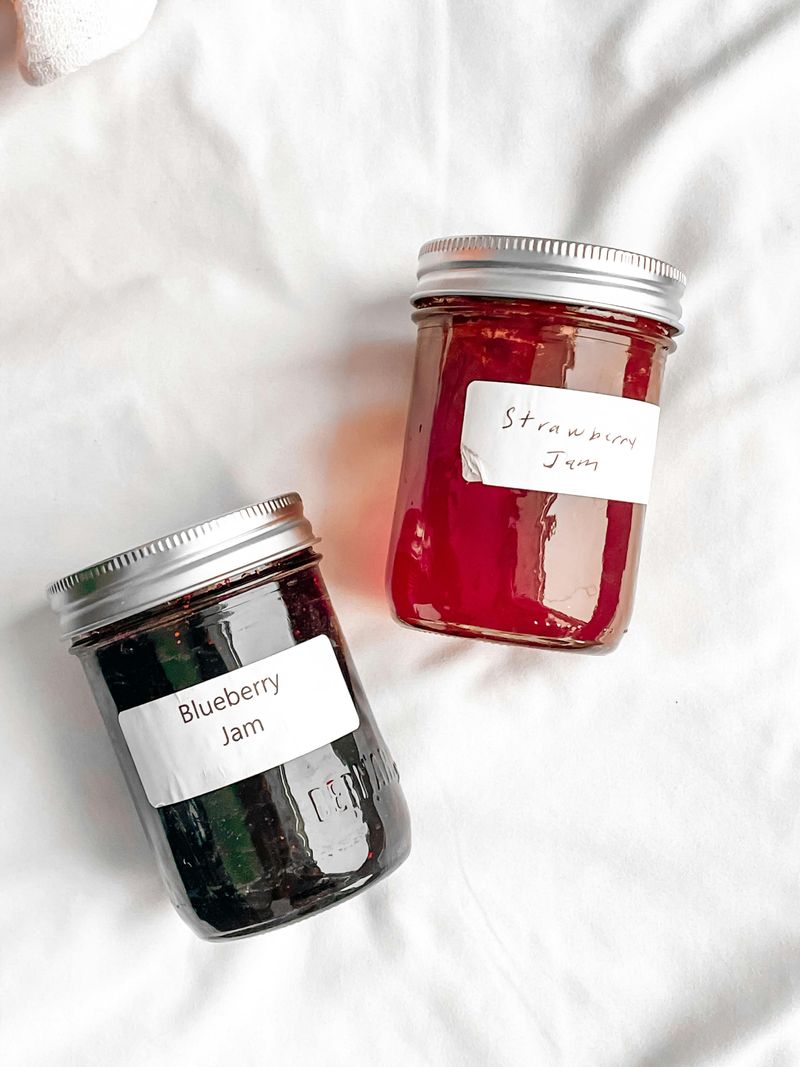
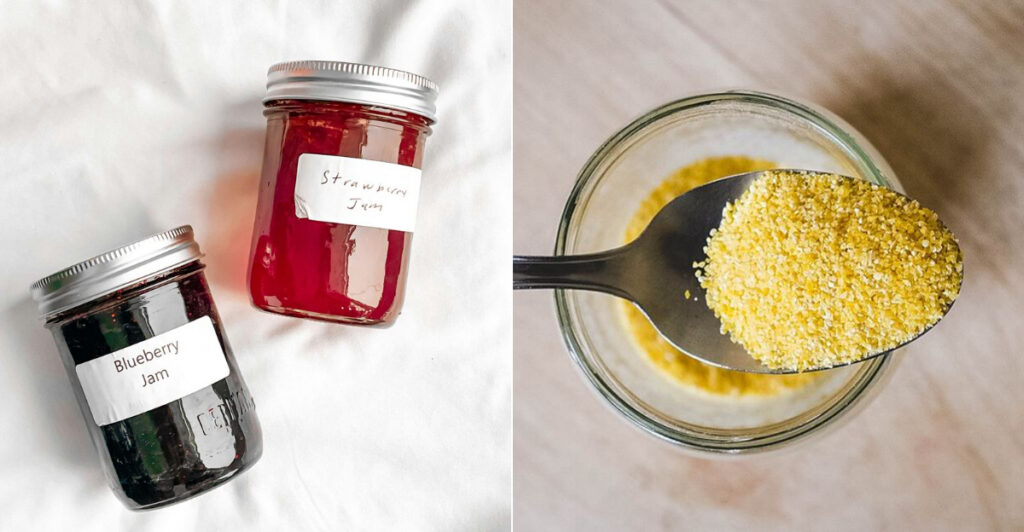
Rows of jewel-toned jam jars lined grandmother’s pantry shelves like edible treasures. She made these preserves during summer when fruit was abundant and cheap, then enjoyed them all winter long.
Strawberry, raspberry, grape, peach – whatever fruit came into season got transformed into jam that lasted for months.
Making jam required fruit, sugar, and patience, but not much money. Grandmothers often used fruit from their own trees or bushes, making jam essentially free except for the sugar.
Even when buying fruit, they purchased it at peak season when prices dropped, then preserved it for year-round enjoyment. A few hours of work in summer provided breakfast spreads for the entire family until the next harvest.
Homemade jam tasted infinitely better than store-bought versions. Grandma controlled the sweetness and could add special touches like vanilla or lemon zest.
Her jam spread on homemade bread created simple but deeply satisfying breakfasts. She also used jam as cake filling, stirred it into oatmeal, or dolloped it onto biscuits for dessert.
Those jars represented more than just preserved fruit. They showed resourcefulness and planning, taking advantage of abundance to prepare for scarcity.
Grandmothers never wasted fruit or let it rot when it could become jam. This preserved sweetness brightened winter mornings and reminded families that careful planning and hard work today created comfort and savings tomorrow.
13. Cornmeal
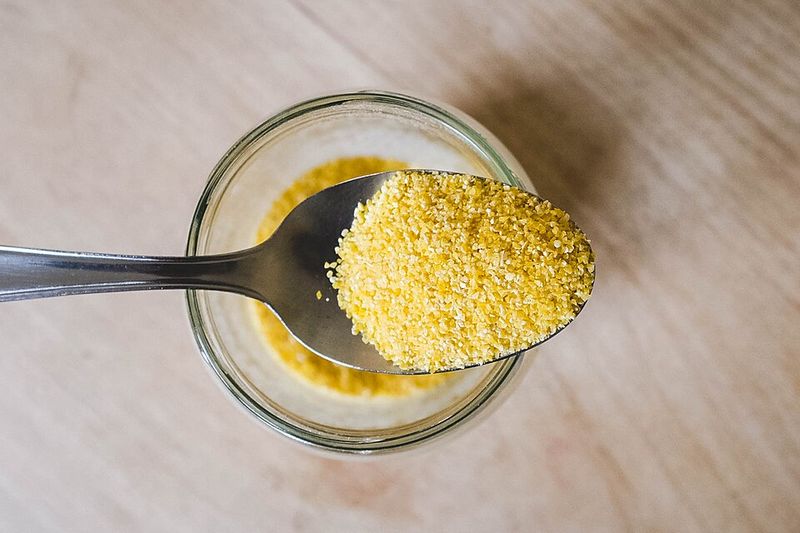
Cornmeal brought Southern comfort to tables across the country, though grandmothers everywhere found uses for this inexpensive ground grain. A bag of cornmeal cost very little but produced countless meals, from cornbread to mush to coatings for fried foods.
Yellow or white, coarse or fine, cornmeal earned its place in every frugal kitchen.
Grandma’s cornbread appeared at nearly every meal in some households, baked in a cast iron skillet until the edges got crispy and the center stayed tender. She made cornbread dressing for holidays, extending expensive ingredients with cheap cornmeal.
Hush puppies, corn muffins, and johnnycakes all started with cornmeal and cost pennies per serving.
Cornmeal mush, cooked until thick and then sliced and fried, became breakfast when money ran tight. She dusted fish or chicken with cornmeal before frying, creating crispy coatings without needing expensive breadcrumbs.
Polenta, though she might not have called it that, used cornmeal to create filling dishes that stretched small amounts of cheese or meat into complete meals.
She stored cornmeal in airtight containers to prevent it from going rancid, making sure this valuable ingredient stayed fresh for months. Grandmothers never needed fancy grains or expensive flours when cornmeal could fill bellies and satisfy appetites so affordably.
This humble grain proved that delicious, comforting food didn’t require costly ingredients, just knowledge passed down through generations of practical cooks.
14. Dried Herbs (Especially Sage, Thyme, and Bay Leaves)
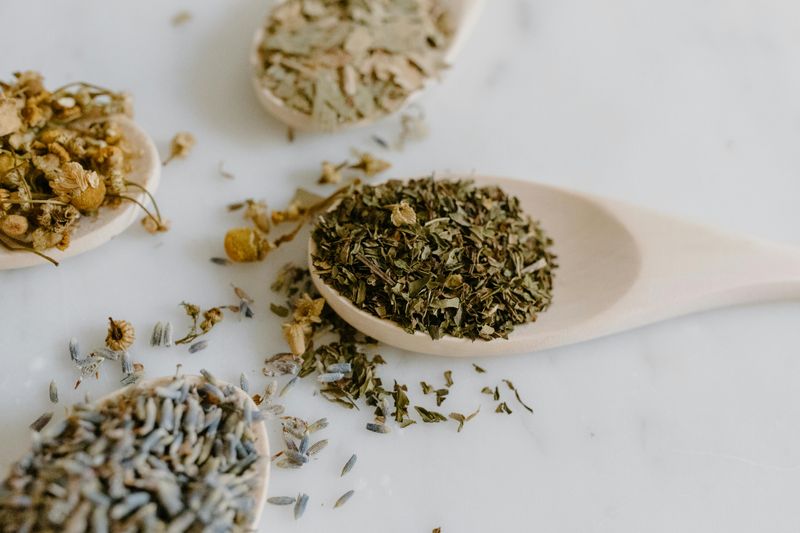
Grandmothers grew their own herbs when possible, then dried them for winter use. Sage, thyme, and bay leaves cost very little even when purchased, but these three herbs transformed simple dishes into something memorable.
A small jar of dried herbs lasted for months, making them incredibly economical flavor enhancers.
Sage went into her Thanksgiving dressing and pork dishes, its earthy flavor complementing rich meats perfectly. Grandma knew exactly how much sage to use – enough to taste it but not so much that it overwhelmed everything else.
She rubbed dried sage between her palms before adding it to recipes, releasing the oils and intensifying the flavor.
Thyme flavored her soups, stews, and roasted vegetables. This versatile herb worked in nearly any savory dish, adding depth without calling attention to itself.
Bay leaves went into every pot of beans, soup, or sauce that simmered on her stove. She always remembered to fish them out before serving, teaching grandchildren that bay leaves flavored food but weren’t meant to be eaten.
These dried herbs cost far less than fresh ones and didn’t spoil quickly. Grandmothers understood that proper seasoning made cheap ingredients taste expensive.
A pot of beans became special with the right herbs. Simple chicken soup tasted like it simmered for hours when seasoned correctly.
Dried herbs delivered maximum flavor for minimum cost, proving that good cooking relied more on knowledge than expensive ingredients.
15. Chicken Bouillon or Broth Powder
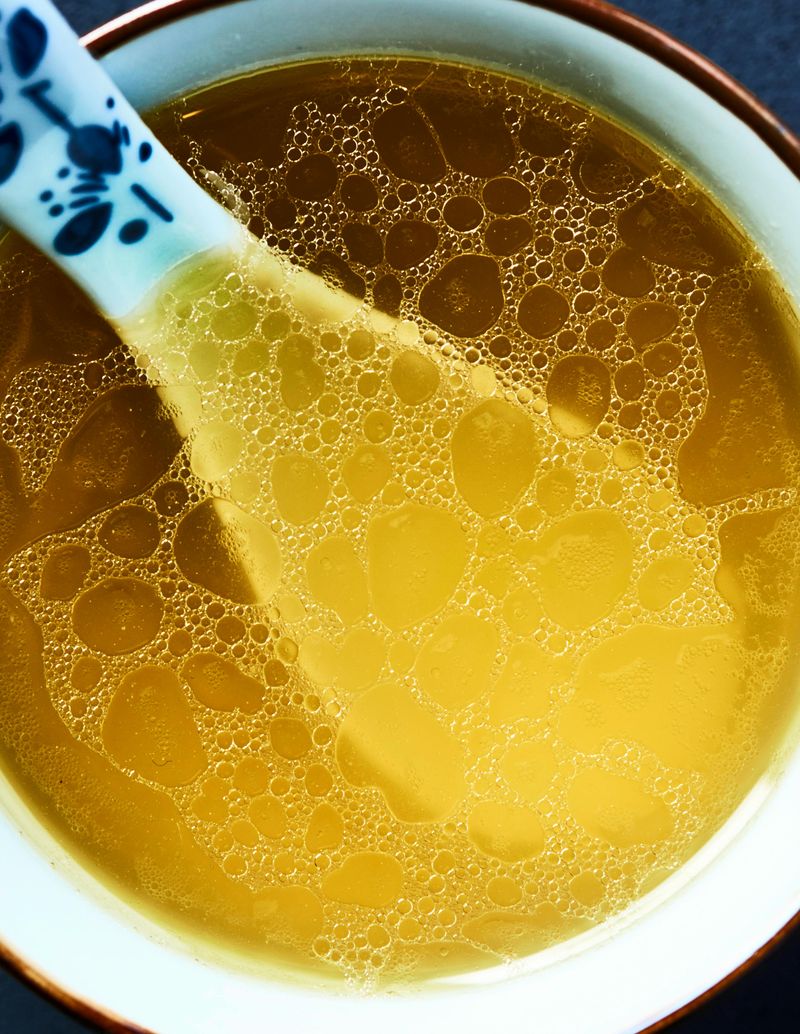
Chicken bouillon cubes or powdered broth concentrate gave grandmothers instant access to chicken flavor without needing to simmer bones for hours. These inexpensive flavor boosters dissolved in hot water to create broth for soups, or got mixed into gravies, rice, and casseroles to add depth.
A single jar or box lasted for months and cost just a few dollars.
Grandma always kept bouillon on hand for emergencies and everyday cooking alike. When someone felt sick, she quickly made chicken broth by dissolving a cube in hot water, creating comfort in minutes.
She added bouillon to her rice instead of cooking it in plain water, transforming a simple side dish into something more flavorful. Gravies got richness from bouillon without needing homemade stock.
While she sometimes made stock from chicken bones, bouillon provided convenience when time was short. She understood that homemade stock tasted better, but bouillon worked perfectly well for everyday meals.
Casseroles gained savory depth with a little bouillon mixed into the sauce. Even vegetables tasted better when cooked in broth made from bouillon cubes.
Grandmothers never wasted money on expensive cartons of pre-made broth when bouillon cubes or powder cost so much less. They took up minimal pantry space and never went bad.
This concentrated chicken flavor proved that convenience and economy could coexist, helping grandmothers create delicious meals quickly and affordably even during their busiest days.
16. Evaporated Milk
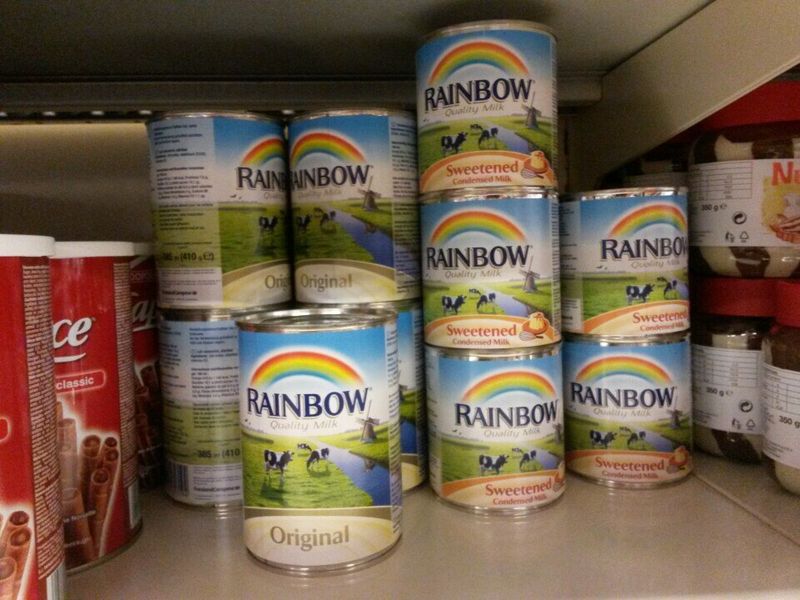
Those small cans of evaporated milk held concentrated dairy that grandmothers used in countless ways. Unlike powdered milk, evaporated milk had a creamy richness that worked beautifully in both sweet and savory dishes.
Canned evaporated milk never spoiled until opened, making it perfect for keeping on hand when fresh milk wasn’t available.
Grandma used evaporated milk in her pumpkin pies, creating silky filling that tasted richer than regular milk could produce. She made creamy soups by adding evaporated milk at the end of cooking, avoiding the curdling that sometimes happened with fresh milk.
Mashed potatoes got extra creaminess from a splash of evaporated milk. Her fudge recipe called for evaporated milk, creating candy with perfect texture.
She also diluted evaporated milk with water to use as drinking milk when fresh milk ran out. While not identical to fresh milk, it worked in a pinch and saved trips to the store.
Evaporated milk in coffee created a rich, slightly sweet flavor without needing cream. She made her own sweetened condensed milk by adding sugar to evaporated milk and heating it until thick.
These cans cost little but delivered versatility that made them essential pantry items. Grandmothers bought evaporated milk by the case when it went on sale, stocking up on this shelf-stable dairy product.
Whether making desserts, enriching soups, or simply having milk available when needed, evaporated milk proved its worth repeatedly in frugal kitchens everywhere.
17. Canned Fruit
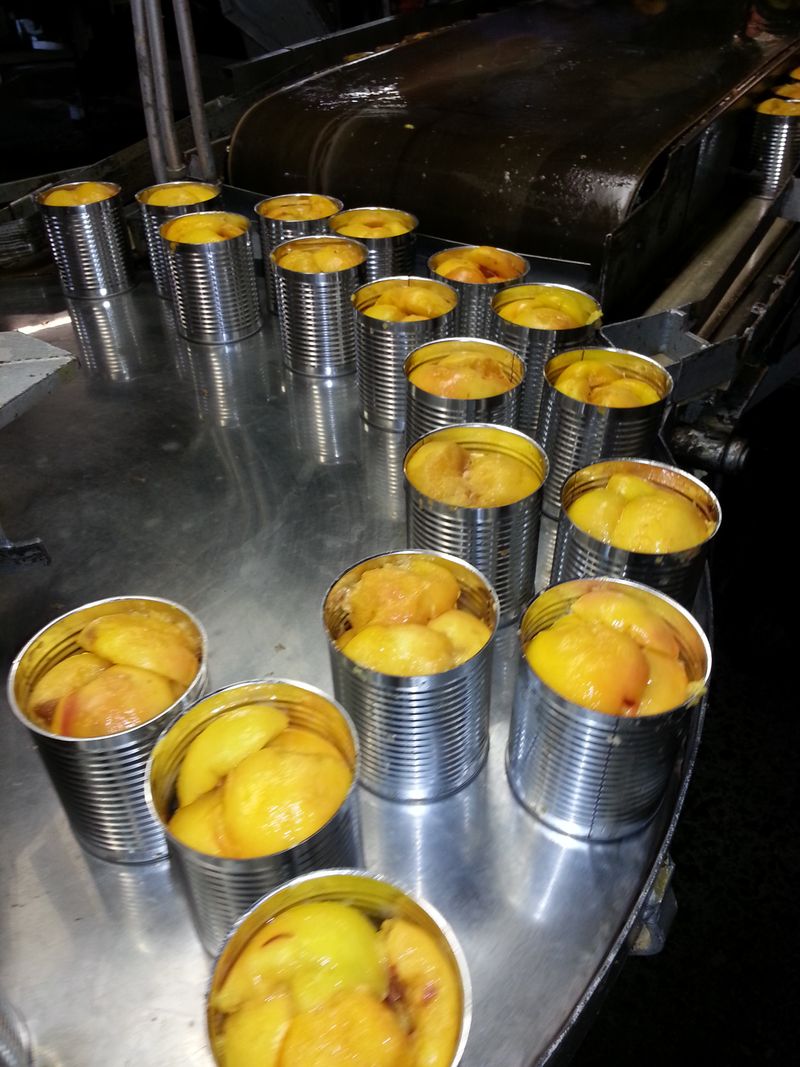
Canned peaches, pears, and fruit cocktail brightened winter meals when fresh fruit was scarce or expensive. Grandmothers either canned their own fruit during summer or bought it when stores had sales.
Either way, these sweet preserves provided dessert, breakfast toppings, and snacks without breaking the budget.
Grandma opened a can of peaches and suddenly had dessert without any effort. She drained the syrup and served the fruit over cake or ice cream when company came.
Canned pears got diced into Jell-O salads for potlucks. Fruit cocktail mixed into yogurt or cottage cheese created quick, satisfying breakfasts.
The syrup from canned fruit never went to waste – she used it in baking or mixed it with gelatin.
Home-canned fruit tasted even better than store-bought versions. Grandmothers spent summer days canning peaches, pears, and cherries when fruit was abundant and cheap.
Those jars lined their pantry shelves, representing hours of work that paid off all winter long. Each jar held not just fruit but also the satisfaction of providing for her family.
Even store-bought canned fruit cost far less than fresh fruit in winter. Grandmothers watched for sales and stocked up, ensuring their families enjoyed fruit year-round without spending a fortune.
Canned fruit proved that eating well on a budget required planning and taking advantage of preservation methods that made summer’s bounty available during every season.
18. Instant Coffee or Tea Bags
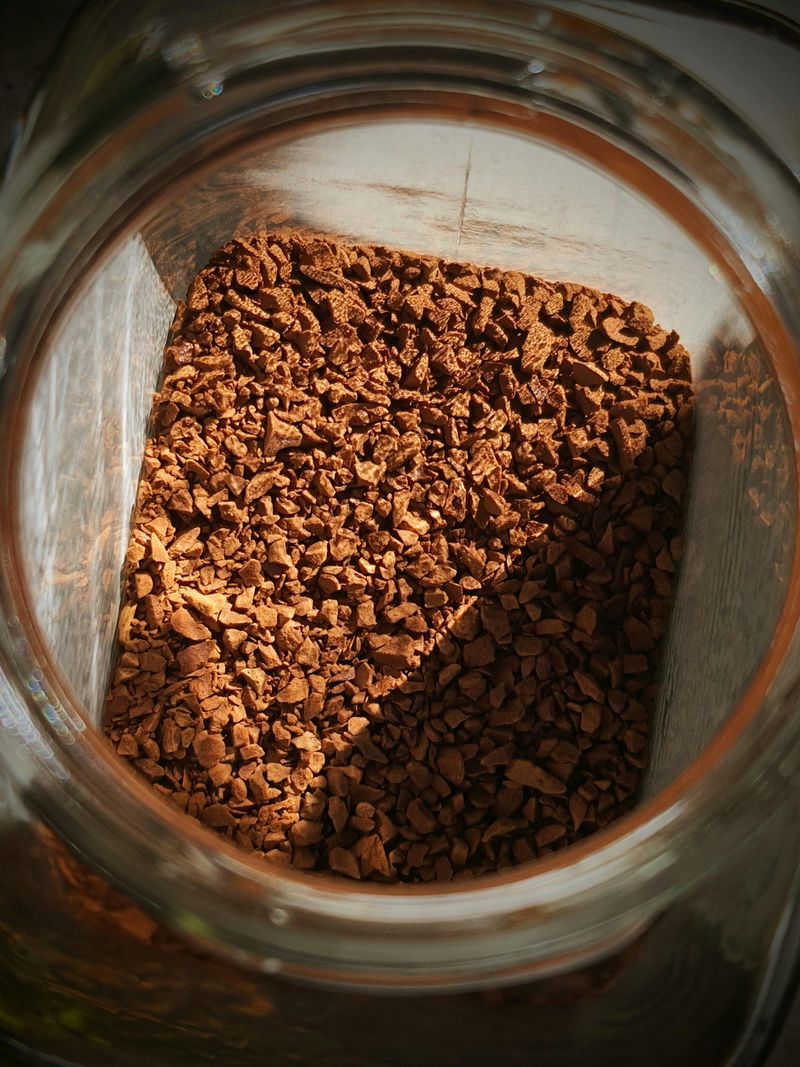
Grandmothers kept instant coffee and tea bags on hand for quick cups of comfort throughout the day. While some preferred percolated coffee, instant coffee provided convenience and economy that couldn’t be beat.
Tea bags offered variety and soothing warmth for very little money. Both beverages cost pennies per cup and lasted for months in the pantry.
Instant coffee dissolved quickly in hot water, perfect for busy mornings or afternoon breaks. Grandma added it to cake and cookie recipes, enhancing chocolate flavor without making things taste like coffee.
She made coffee milk for grandchildren by mixing a little instant coffee with sugar and milk, creating a special treat. Coffee also went into her pot roast gravy occasionally, adding depth that nobody could quite identify.
Tea bags provided comfort when someone felt under the weather. Grandma steeped tea for upset stomachs, sore throats, or simply for the ritual of sitting down with a warm cup.
She made sun tea in summer, setting a jar of water and tea bags outside to brew naturally. Sweet tea cooled hot afternoons without costing much at all.
Neither instant coffee nor tea bags required special equipment or skills. Grandmothers appreciated simplicity and economy, and these beverages delivered both.
They provided daily comfort and hospitality without demanding much from the grocery budget, proving that life’s small pleasures didn’t need to be expensive to be meaningful.
19. Crackers or Saltines
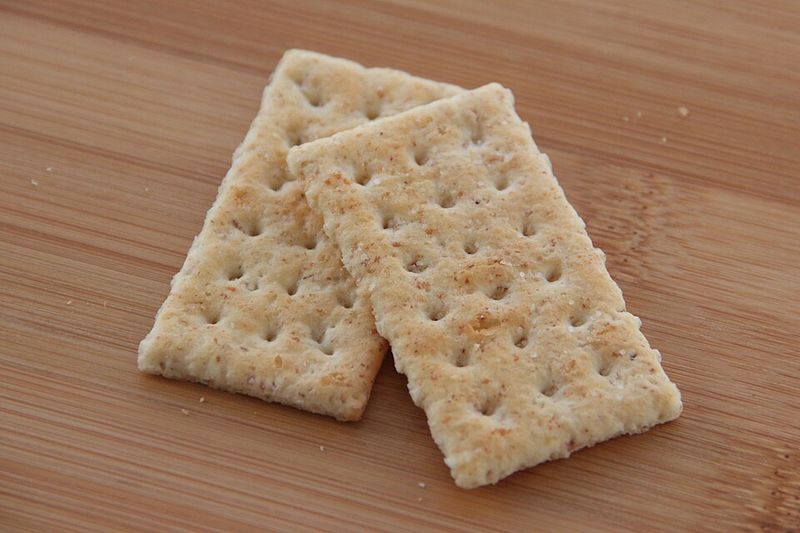
A box of saltine crackers solved multiple problems in grandmother’s kitchen. These simple, inexpensive crackers settled upset stomachs, stretched soup into a more filling meal, and became breading for casseroles.
Saltines cost very little but proved surprisingly versatile for such a humble food.
Grandma crushed saltines into fine crumbs for topping casseroles, creating crispy golden layers without needing expensive breadcrumbs. She mixed crushed crackers with butter and used them as pie crusts for icebox desserts.
Saltines went into meatloaf along with oats, stretching ground beef further. She even made mock apple pie during the Depression, using crackers instead of apples when fruit was unavailable or unaffordable.
When grandchildren had stomach bugs, grandma brought out the saltines and ginger ale. These bland crackers stayed down when nothing else would.
She served them with soup, letting kids crumble them into the broth for added substance. Saltines with butter and a little salt became a simple snack that satisfied without spoiling dinner.
Crackers also appeared at nearly every meal in some households, served alongside soups, salads, and even main dishes. Grandmothers bought them by the sleeve, knowing that a box of saltines would get used completely.
These versatile crackers proved that the simplest foods often worked the hardest, serving multiple purposes while costing very little. Saltines weren’t fancy, but they were reliable, affordable, and always useful.
20. Peanut Butter
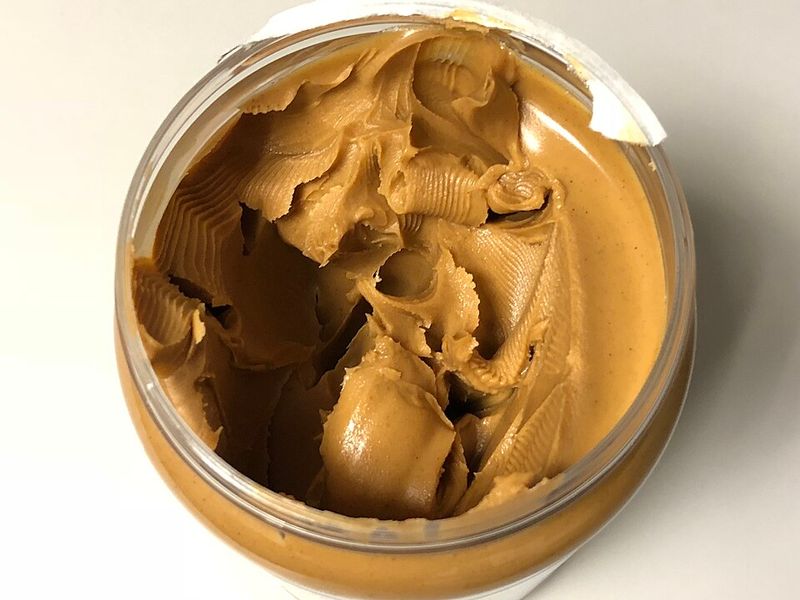
Peanut butter provided protein, satisfaction, and comfort in an inexpensive jar. Grandmothers relied on this pantry staple to feed hungry grandchildren, create quick sandwiches, and add richness to cookies and desserts.
A single jar lasted for weeks and cost far less than meat while still providing filling, nutritious food.
Peanut butter sandwiches became lunch for generations of children. Grandma spread it thick on homemade bread, sometimes adding her homemade jam for extra sweetness.
She made peanut butter cookies with just three ingredients – peanut butter, sugar, and an egg – creating treats that cost almost nothing. Peanut butter also went into fudge, no-bake cookies, and pie fillings when she wanted something special.
She understood that peanut butter provided energy and protein when meat was too expensive. Peanut butter on crackers became after-school snacks that held kids over until dinner.
She stirred peanut butter into oatmeal occasionally for variety and extra protein. Some grandmothers even used peanut butter in savory dishes, though most stuck to sweet applications.
The jar never went to waste. Grandma scraped every bit of peanut butter out, sometimes adding a little milk and shaking the jar to get the last remnants for use in recipes.
Peanut butter proved that affordable food could still be delicious and nutritious. This humble spread fed families through tough times while creating memories of simple sandwiches that tasted like love and security.
Share this story