Hollywood can forget you fast, but one electric role can flip the narrative overnight. When an actor nails the right character at the right moment, audiences forgive misfires and executives start calling again.
Data backs the stakes: only about 27 percent of wide releases turn a profit theatrically, so star power and timing matter. Here are twenty performances that not only captivated viewers but rewired careers, proving redemption is just one great scene away.
1. John Travolta – Pulp Fiction (1994)
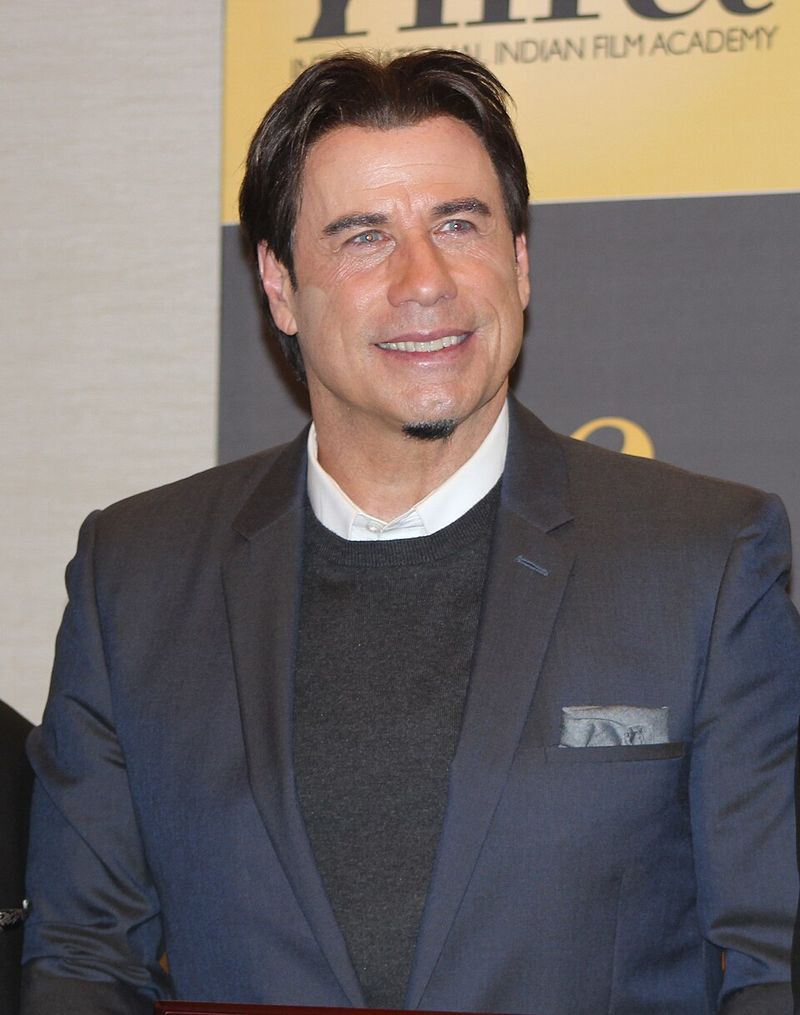
Before Pulp Fiction, John Travolta was drifting through late-career doldrums, remembered for Saturday Night Fever more than any recent hit. Quentin Tarantino’s gamble casting him as Vincent Vega felt both nostalgic and daring, a resurrection in a black suit.
The dance at Jack Rabbit Slim’s was more than a scene, it was a cultural reset that made cool feel effortless again.
The performance reminded studios that charisma plus vulnerability still sells. Box office proved it, as the film became a 1994 sensation and pulsed through pop culture soundtracks and posters.
Awards buzz followed, repositioning Travolta for prestige scripts instead of quick paychecks.
For careers, momentum compounds. Travolta parlayed the role into Get Shorty and Face/Off, showing range within slick, clever storytelling.
The takeaway for any actor: find collaborators who see the version of you audiences forgot they missed. Reinvention is strategy, not luck.
2. Mickey Rourke – The Wrestler (2008)
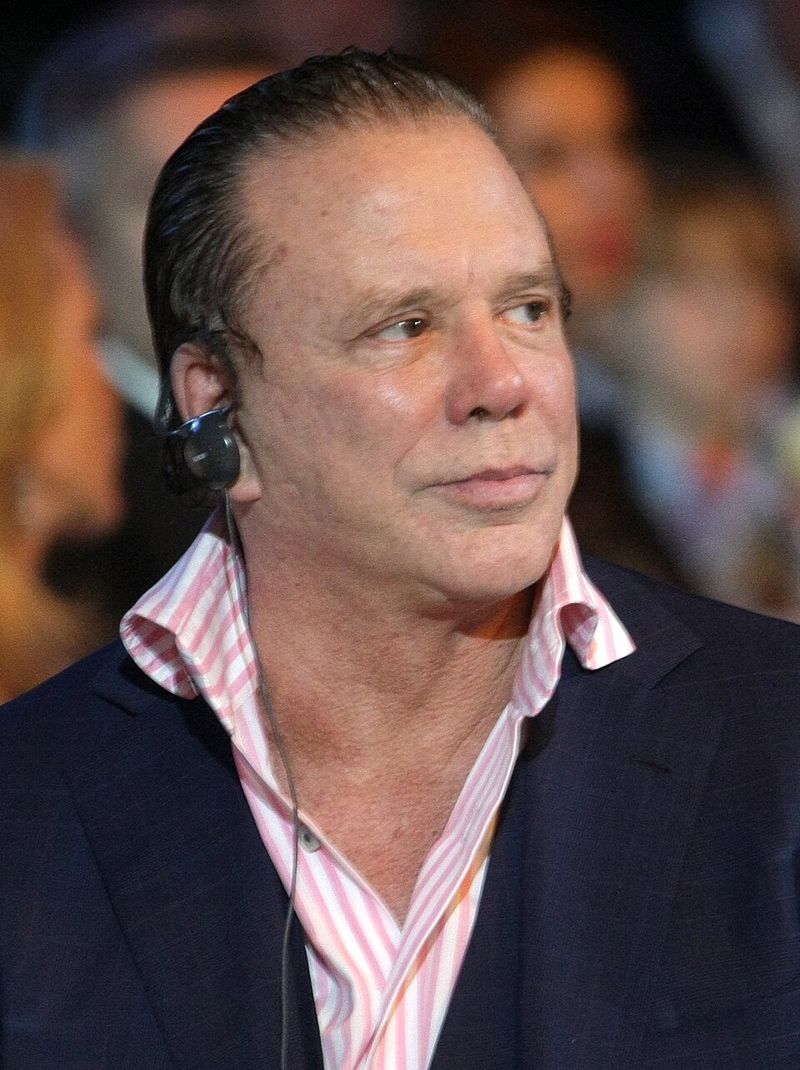
Mickey Rourke’s career had become a whisper, overshadowed by boxing detours and tabloid grime. The Wrestler let him bleed on screen, embodying Randy “The Ram” with haunted tenderness and battered pride.
You felt the creaks in his back the way you felt the cracks in his reputation.
Darren Aronofsky shot it like a confession, following Rourke through grocery aisles and locker rooms with documentary patience. The Golden Lion at Venice and Oscar nomination restored his credibility not by sparkle, but by truth.
Audiences leaned in because the performance never begged for sympathy, it earned it.
In practical terms, it reopened doors: Marvel, action, indie dramas. For actors, this is a case study in alignment between life experience and character.
When your scars match the role’s scars, authenticity becomes marketable. It is proof that restraint can roar louder than a comeback speech.
3. Robert Downey Jr. – Iron Man (2008)
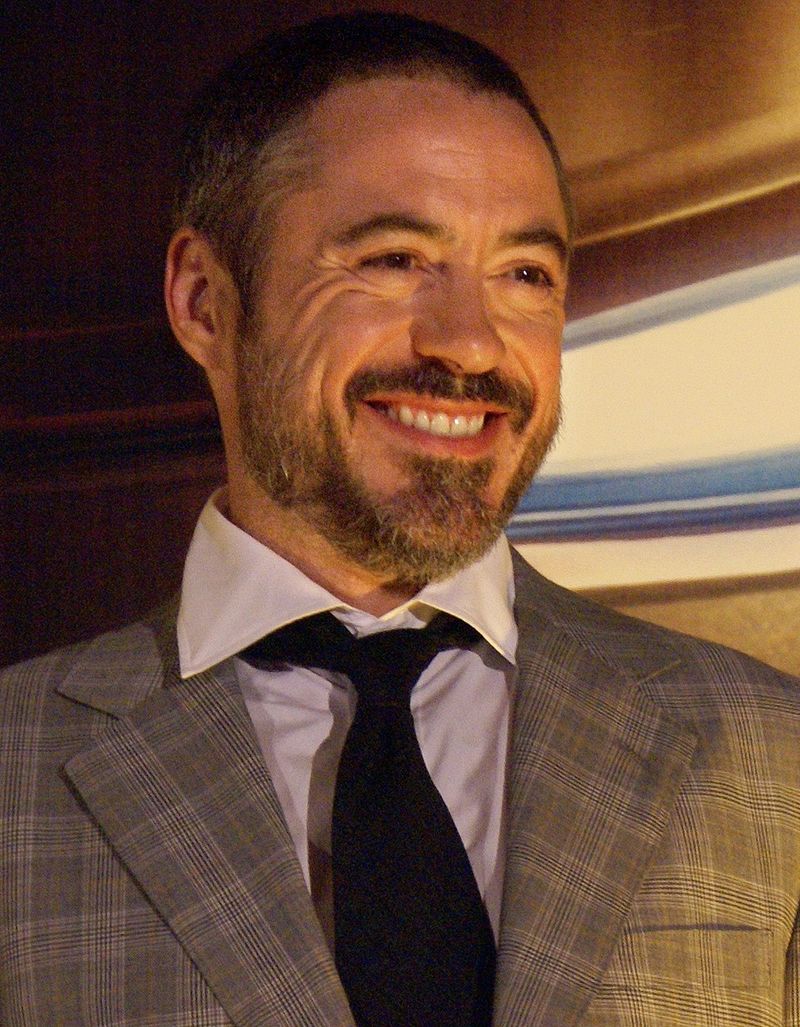
Robert Downey Jr. walked into Iron Man with talent everyone knew and trust few still offered. As Tony Stark, he fused wit, vulnerability, and swagger into a persona that felt improvised yet airtight.
The opening cave sequence sold the stakes, the press conference with “I am Iron Man” sold the myth.
Commercially, it changed the industry. Iron Man launched the MCU, which went on to surpass $29 billion worldwide by 2024, reshaping studio strategy around franchises and crossovers.
Downey’s disciplined reliability proved the past did not define the future.
For comeback mechanics, this is a lecture in branding. He didn’t disappear into Stark, he refined himself through Stark: playful intelligence, sharp timing, moral arc.
The takeaway for creatives is to harness personal cadence as a signature asset. Audiences crave continuity of voice even inside spectacle.
4. Matthew McConaughey – Dallas Buyers Club (2013)
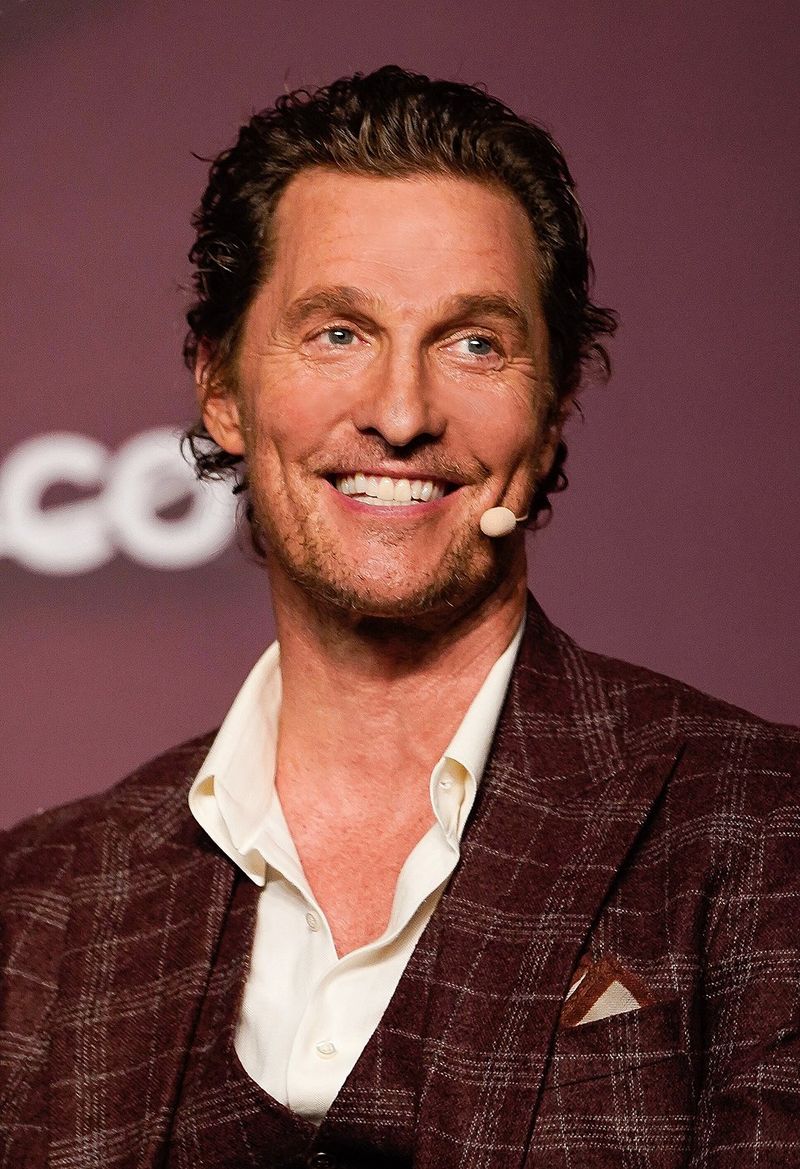
For years he was the charming rom-com guy with a dazzling grin and bongo lore. Dallas Buyers Club stripped the gloss, revealing a flinty survivor with stubborn compassion.
McConaughey’s physical transformation felt dangerous, but the vocal cadences and gallows humor made Ron Woodroof painfully human.
The performance unlocked the “McConaissance,” culminating in an Oscar and a run of prestige roles, from True Detective to Interstellar. Industry executives saw proof that star magnetism scales into gravitas when the writing fights back.
It was disciplined risk-taking, not a one-off stunt.
For anyone navigating typecasting, the lesson is to seek scripts that argue with your image. McConaughey treated vulnerability as a strategy, not a liability.
When you invest in specificity of time, place, and dialect, audiences invest in you back. The film’s modest budget amplified his choices, creating outsized narrative control.
5. Sylvester Stallone – Rocky (1976)
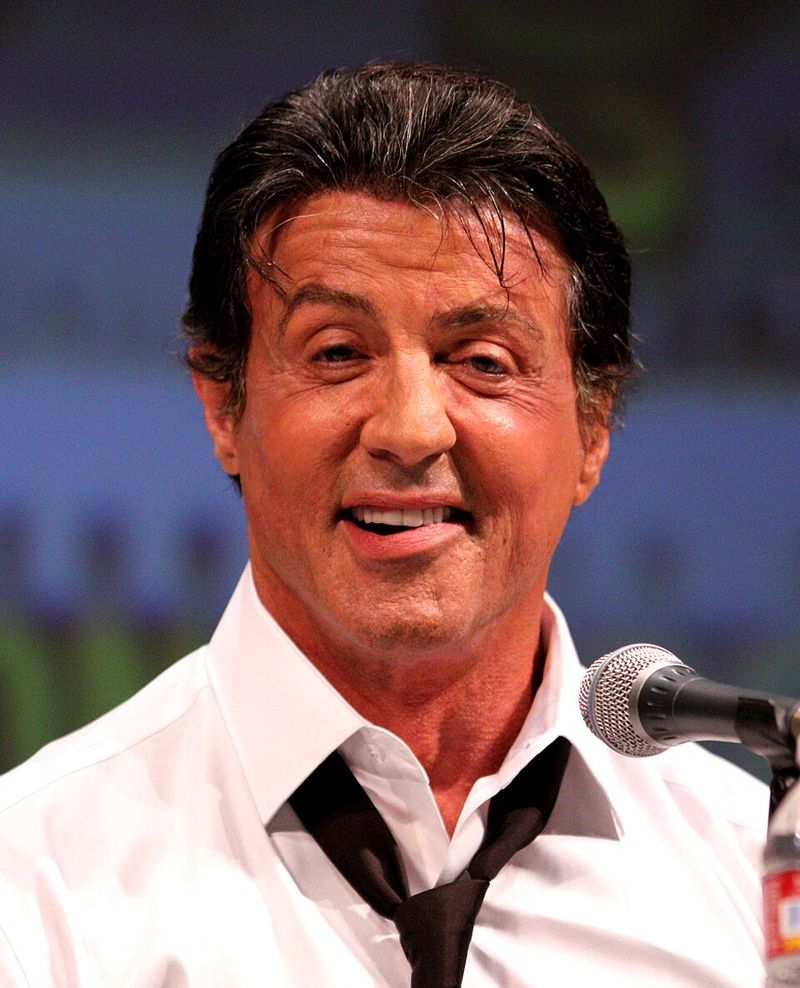
Before Rocky, Sylvester Stallone was a near-unknown hustling for bit parts and writing in the margins. He wrote himself a lifeline and refused to sell the script without playing the lead.
That bet paid off with a blue-collar fable that treated grit like gold.
Rocky’s modest budget and heartfelt tone built box-office legs, culminating in Best Picture. Stallone’s story became part of the marketing: persistence personified.
The film reframed him as an underdog auteur, not just a muscle brand.
Career-wise, it granted control. Sequels, spinoffs, and a lasting cultural imprint followed, but the original performance is the compass.
For anyone stuck, the practical takeaway is authorship. When the town won’t cast you right, write yourself right.
Audiences respond to sincerity over spectacle when the character’s heartbeat matches your own.
6. Keanu Reeves – John Wick (2014)
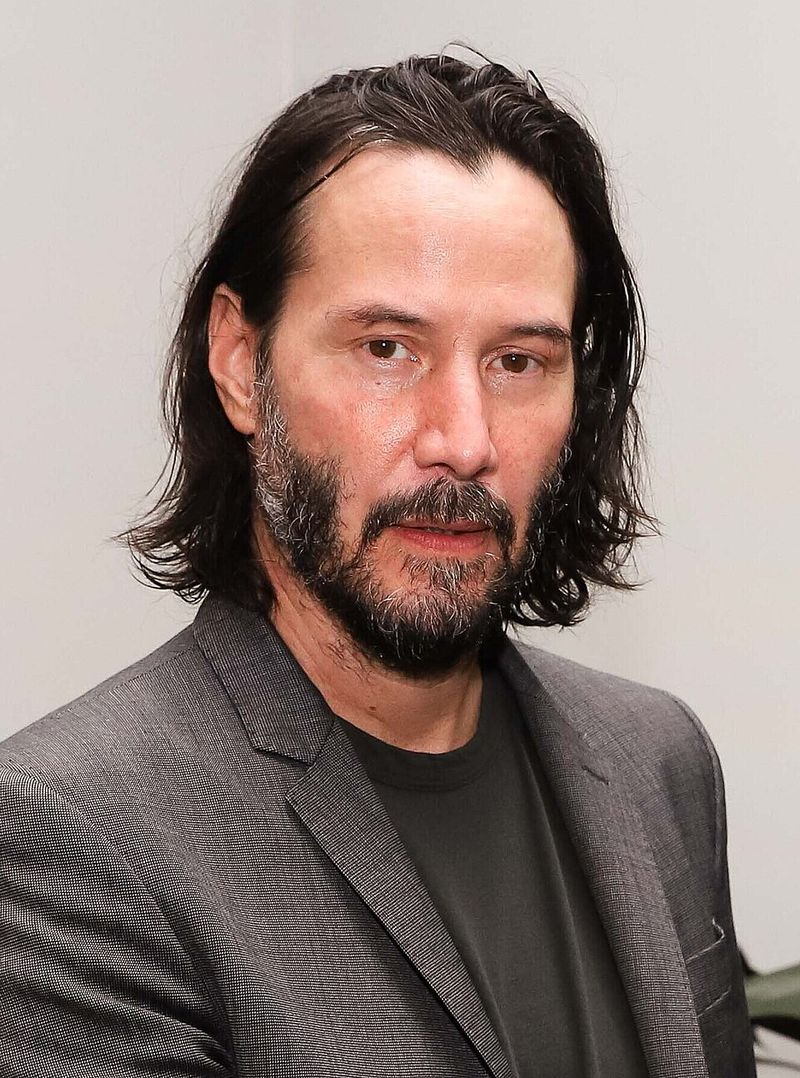
Keanu Reeves had endured a stretch of cool reception and underperformers. John Wick recalibrated everything with clean choreography, a simple myth, and grief-fueled resolve.
The action language respected geography and stamina, letting the audience feel every reload and roll.
Reeves trained obsessively, creating a silhouette of competence that marketing could sell in a single frame. The Continental’s world-building suggested franchise possibilities without smothering character.
Word of mouth turned it from sleeper to blueprint.
The result was a new phase: sequels, expanded universe, and renewed cultural affection. For actors, Wick is a case study in purposeful minimalism and physical authorship.
Choose projects where craft is visible and repeatable. Audiences detect honesty in movement as much as in monologues, and trust grows when stunts reveal discipline rather than ego.
7. Winona Ryder – Black Swan (2010)
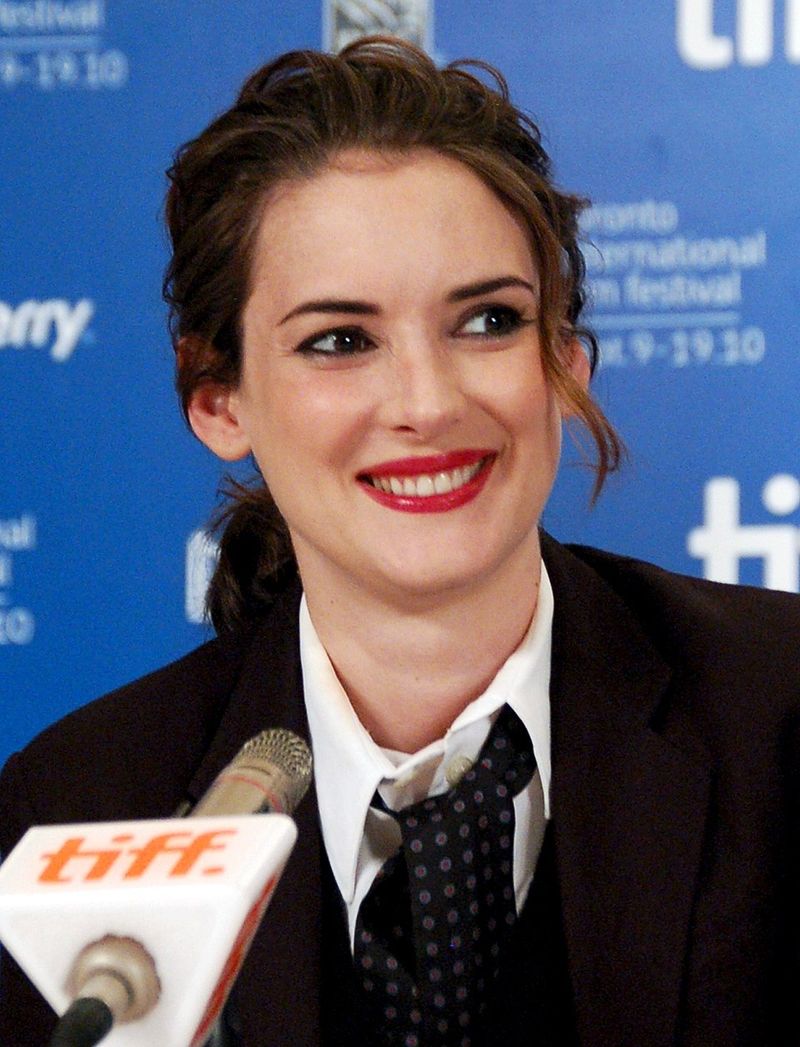
Winona Ryder’s hiatus and headlines dulled a once-blazing star. In Black Swan, she played the displaced prima ballerina with wounded ferocity, a cautionary echo haunting Natalie Portman’s ascent.
The eyes did as much as the lines, brimming with envy, loss, and performative poise.
Darren Aronofsky framed her like a ghost of careers past, every close-up a reminder of how brittle the stage can be. Critics noticed.
It was a supporting role that reasserted her dramatic precision and magnetism.
Professionally, it cleared a runway: Stranger Things would later benefit from the renewed goodwill and appetite to see her lead again. The takeaway for readers is that supporting parts can be catalytic if they converse with your public narrative.
Play against your myth, but honor its truth. That tension is where resonance forms and opportunities return.
8. Ben Affleck – Gone Girl (2014)
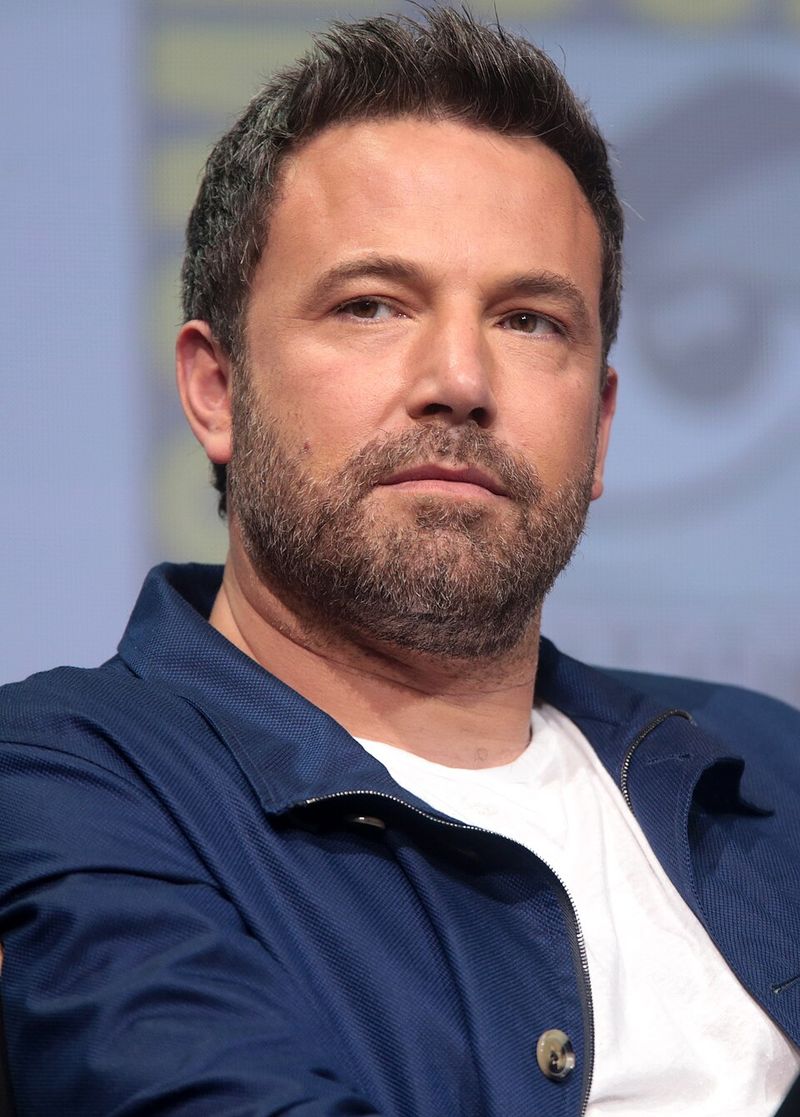
Ben Affleck had survived public mockery and a string of misfires. Gone Girl weaponized that tabloid baggage, casting him as a husband audiences were unsure they could trust.
David Fincher’s precision made Affleck’s opacity a feature, not a flaw.
The performance thrived on stillness: a half-smile, a delayed blink, the PR missteps of a man who knows optics but not intimacy. It reminded Hollywood that Affleck’s best gear is self-aware restraint.
Box office success and critical praise recalibrated expectations.
In practical terms, he exited the penalty box with leverage, balancing directing ambitions and marquee roles. The lesson for anyone with a bruised brand is to turn perception into texture.
When your public narrative is baked into the character, you control the punchline and win back the room.
9. Liam Neeson – Taken (2008)
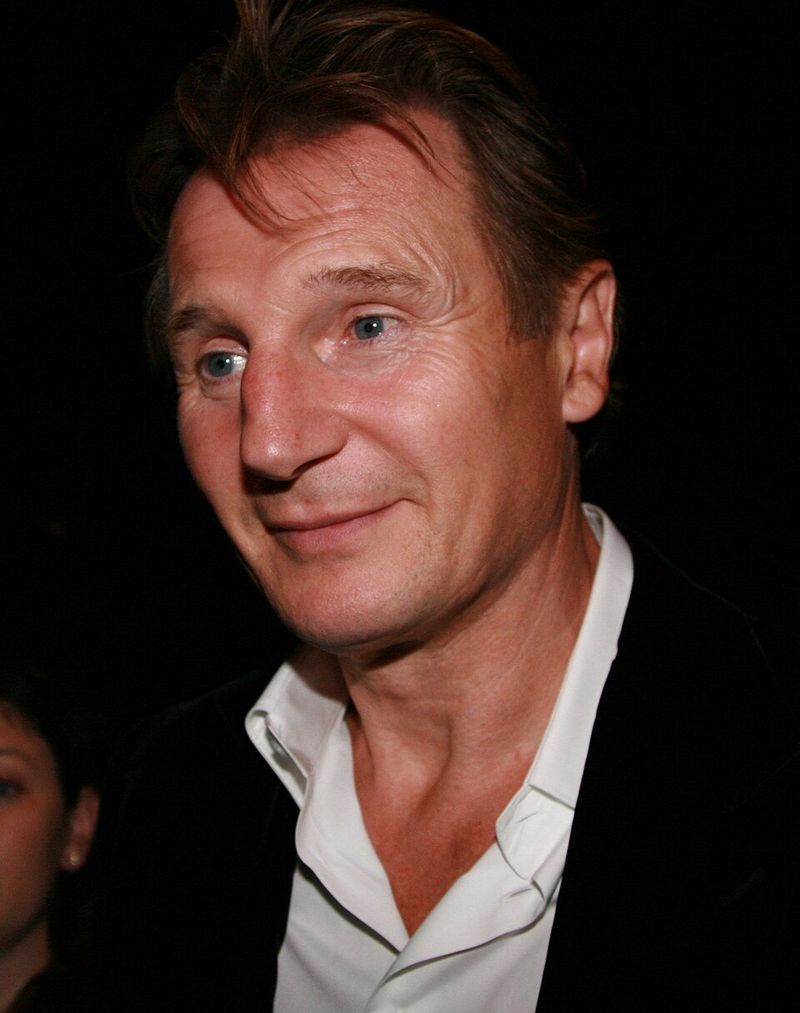
Liam Neeson had gravitas but not a recent blockbuster identity. Taken delivered a late-career pivot: a paternal professional who weaponizes calm into terror.
The phone speech became a meme and a marketing thesis in one breath.
The tight budget and European shoot gave it lean urgency, while fight scenes showcased credible efficiency. Audiences wanted competence porn and Neeson supplied it without winks.
The movie’s legs turned him into a global action brand, spawning sequels and copycats.
For career strategy, this is niche definition: pick a lane so specific that it becomes your export. Neeson’s voice and physical bearing became product features.
The takeaway is not to chase youth, but to monetize presence. When your particular set of skills aligns with a streamlined premise, fatigue turns into momentum.
10. Michael Keaton – Birdman (2014)
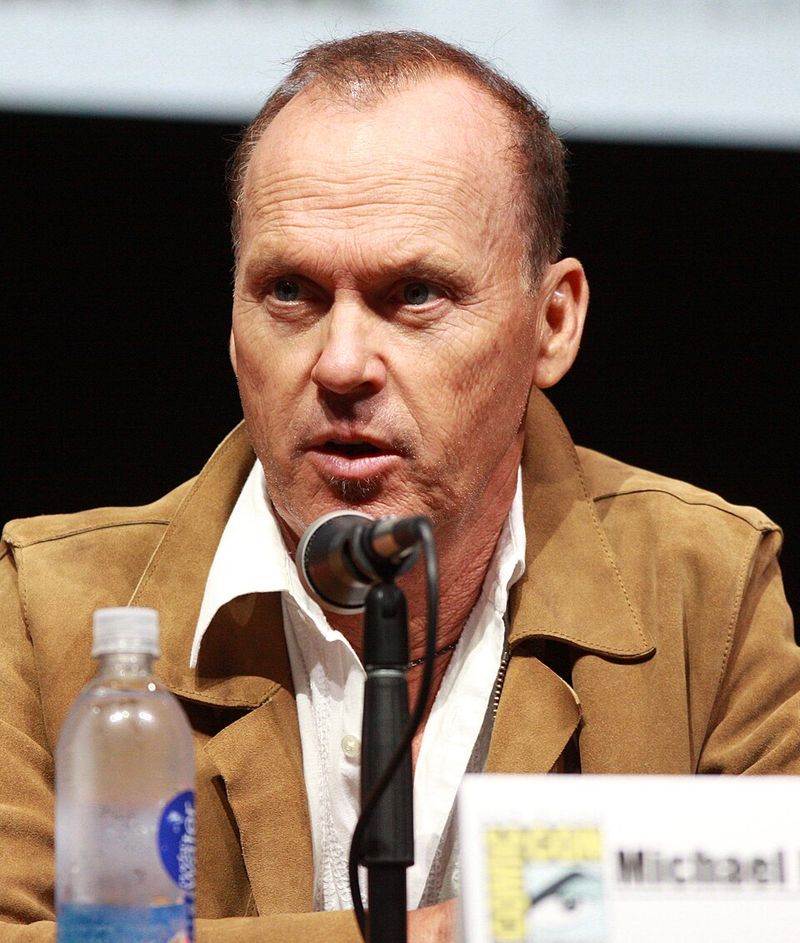
Michael Keaton’s absence from marquee leads had stretched long enough to feel permanent. Birdman turned that void into fuel, casting him as an ex-superhero chasing legitimacy on stage.
The result was virtuosic vulnerability wrapped in bravado and panic.
Emmanuel Lubezki’s floaty camera and drum score amplified the performance’s restless pulse. Keaton toggled between delusion and determination with breathtaking control.
Awards season roared, and the film’s success reminded everyone of his comedic precision and dramatic bite.
Practically, it reopened prestige avenues and auteur collaborations. The meta resonance wasn’t a gimmick, it was a mirror.
For readers, the takeaway is to embrace the unflattering version of your story. When you stop defending your past and start dramatizing it, audiences lean forward and gatekeepers reconsider.
11. Marlon Brando – The Godfather (1972)
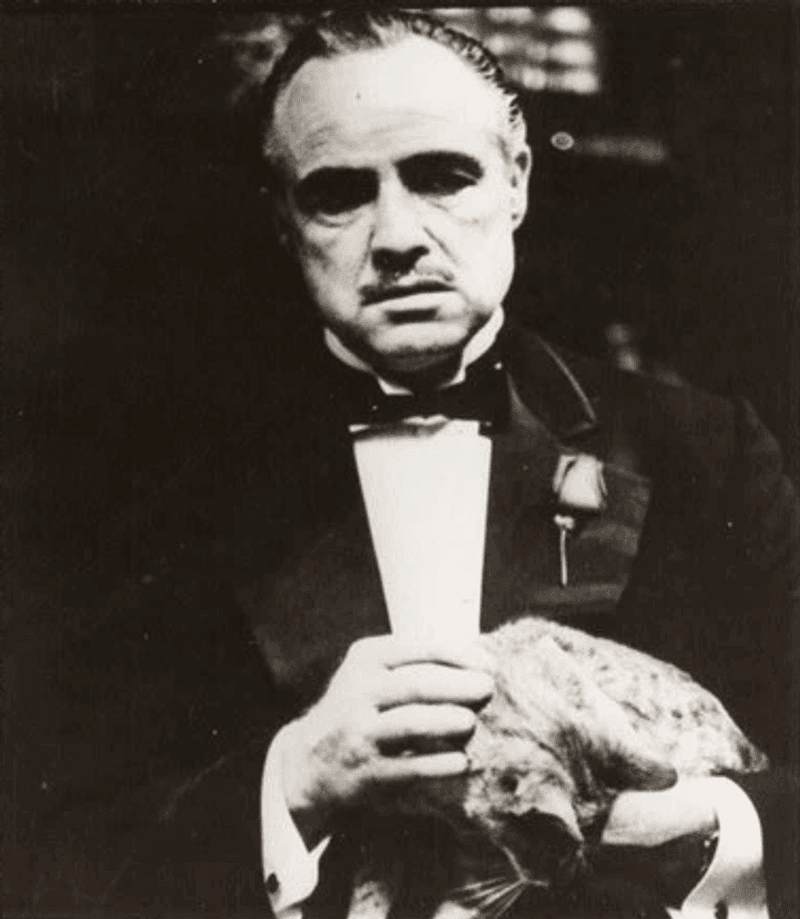
By the early 1970s, Marlon Brando carried a reputation for difficulty and diminishing returns. The Godfather reintroduced him as a disciplined craftsman with transformative subtlety.
The cotton-in-cheeks mythology distracts from the real feat: whispering menace into familial tenderness.
Francis Ford Coppola fought to cast him, and the gamble redefined prestige. Brando’s Don Vito built a blueprint for restrained power that actors still study.
The film’s dominance restored his standing as both bankable and essential.
The practical lesson is that craft clarity overcomes brand noise. When choices are motivated and minimal, the audience writes the rest in their heads.
For any professional, it is proof that reputation can be edited by one indelible role if execution outlasts the gossip.
12. Drew Barrymore – The Wedding Singer (1998)

Drew Barrymore emerged from a turbulent youth with a public eager to cheer but uncertain where she fit. The Wedding Singer provided the perfect showcase: open-hearted, lightly comedic, and emotionally precise.
Opposite Adam Sandler, she lit up the screen with kindness as a superpower.
The film’s success repositioned her as a bankable leading lady with producer instincts. She leveraged momentum into Never Been Kissed and Charlie’s Angels, demonstrating savvy control of tone and audience expectations.
The performance felt effortless because it was built on careful calibration.
For career recovery, softness can be strategy. Not every comeback requires grit and grime.
Sometimes you win by making people feel welcome again. Barrymore’s takeaway: build a lane that only you can drive, and invite viewers in with generosity.
13. Brendan Fraser – The Whale (2022)
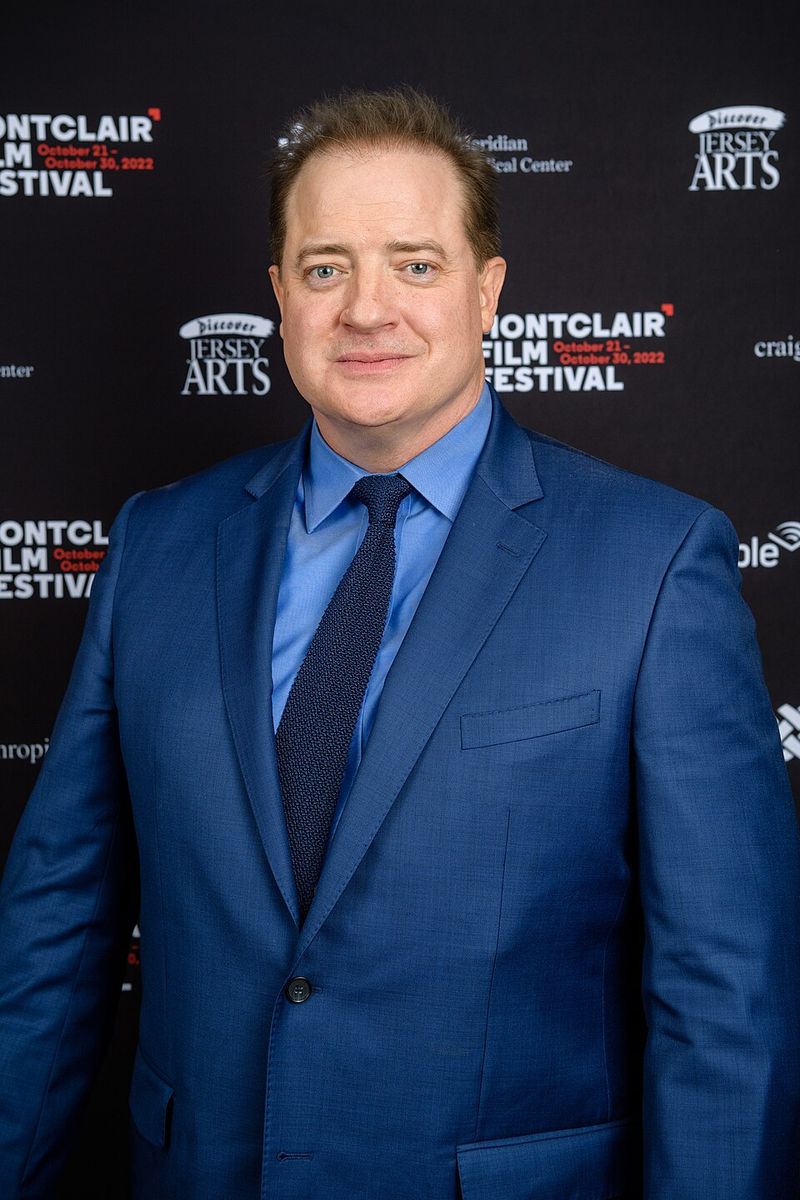
Brendan Fraser had slipped from the center after injuries, industry shifts, and silence. The Whale returned him to the conversation with a performance rooted in gentleness and regret.
You felt years in every pause, not performative suffering but lived-in empathy.
Award recognition signaled industry contrition and audience affection. The film’s intimate scale emphasized voice, eyes, and breath over spectacle.
It reminded people why they loved him in the first place: sincerity without cynicism.
Practically, it reopened doors to prestige and mainstream projects, proving nostalgia can partner with nuance. For anyone rebuilding, the lesson is to choose material that honors your history while stretching your instrument.
When you lead with compassion, people meet you there, and momentum returns.
14. Adam Sandler – Uncut Gems (2019)
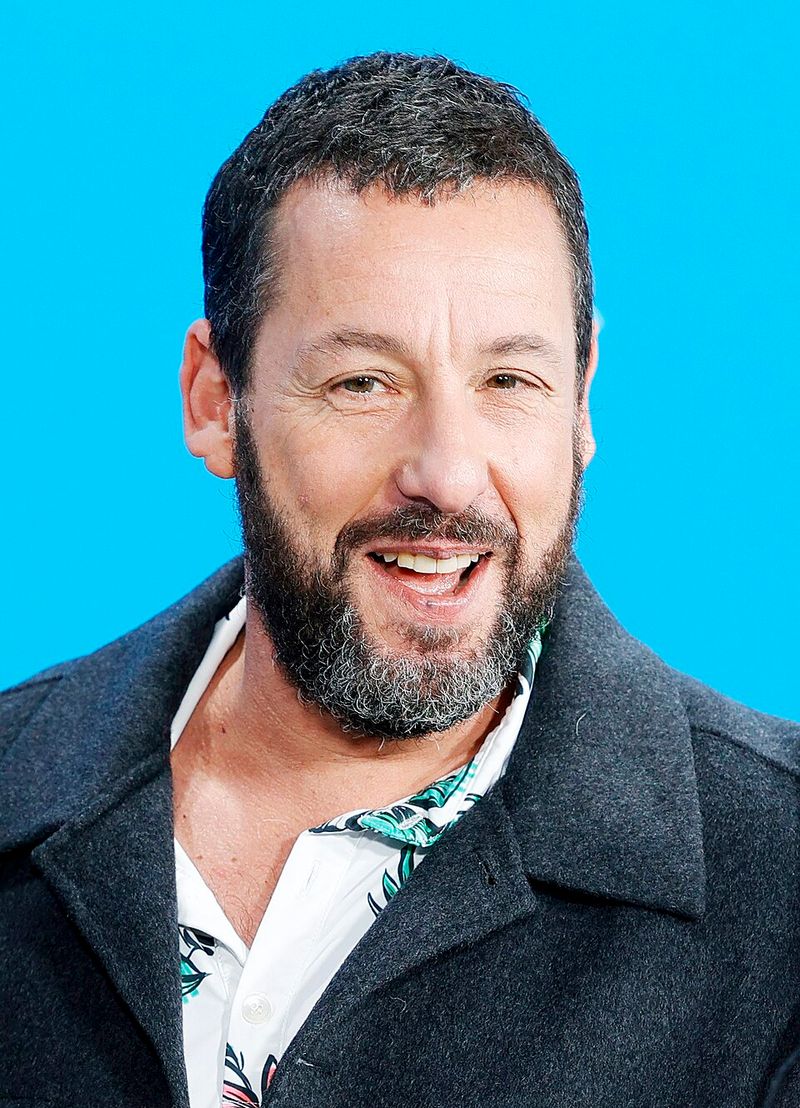
Adam Sandler had long been dismissed by critics even as audiences streamed the comfort films. Uncut Gems detonated that narrative, revealing a performance wired with panic, charm, and self-destruction.
The Safdie brothers’ relentless pacing turned his comic timing into a survival mechanism.
Every phone call felt like roulette, every bet like a confession. Critics who had written him off recalibrated, and the film became a cultural stress test.
It didn’t abandon his persona, it sharpened it into a diamond-edged risk.
The takeaway is that range can be revealed without abandoning brand. Sandler used familiar rhythms to surprise, not to retreat.
For careers that feel trapped, partner with directors who turn your habits into stakes. The result can silence doubters and widen your map.
15. Al Pacino – Scent of a Woman (1992)
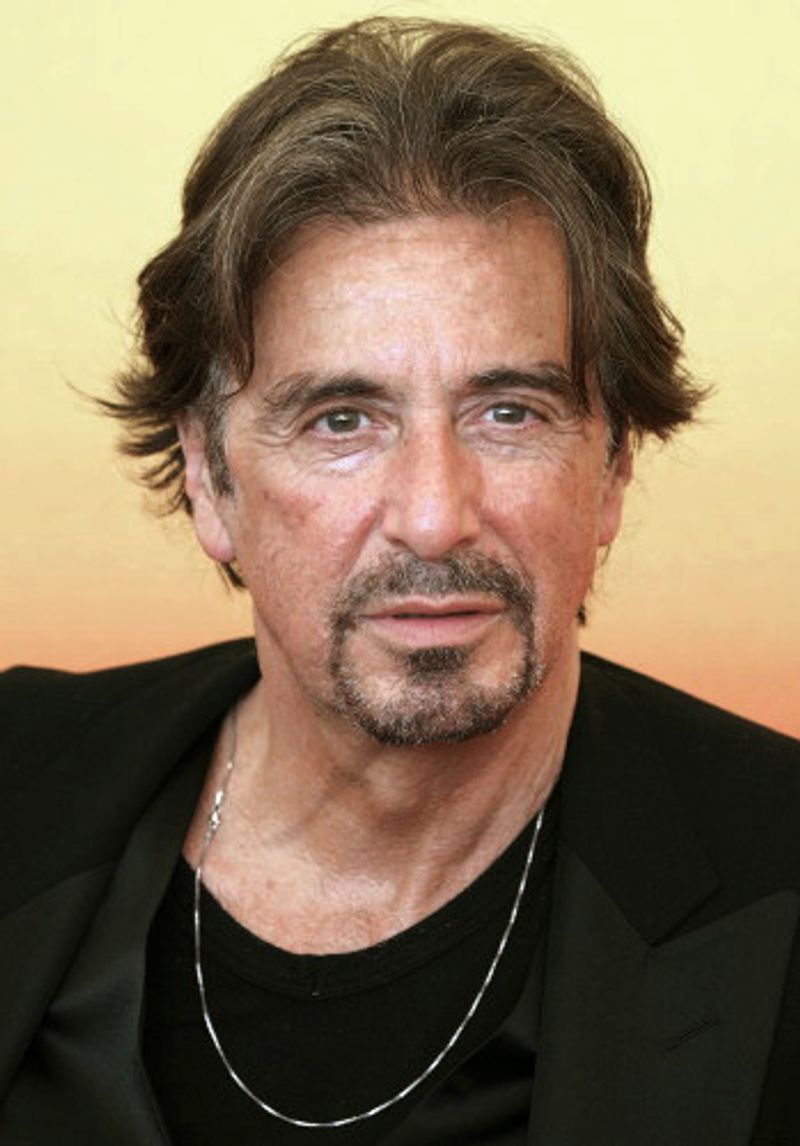
Al Pacino’s legend was intact, but the momentum had thinned. Scent of a Woman brought him roaring back with a performance that balanced bluster and bruised honor.
The tango scene and courtroom speech became instant canon, but it is the smaller moments that linger.
He mapped despair to dignity, crafting a portrait of a man who still wants to teach the world how to see. The Oscar wasn’t just overdue, it was strategically timed to re-anchor his leading-man currency.
Studios again trusted his gravitational pull.
For practical takeaways, the film shows how set pieces can carry brand while nuanced beats carry truth. Pacino turned volume into vulnerability.
If your career rhythm stalls, find material that lets you play both melody and percussion.
16. Steve Carell – Foxcatcher (2014)
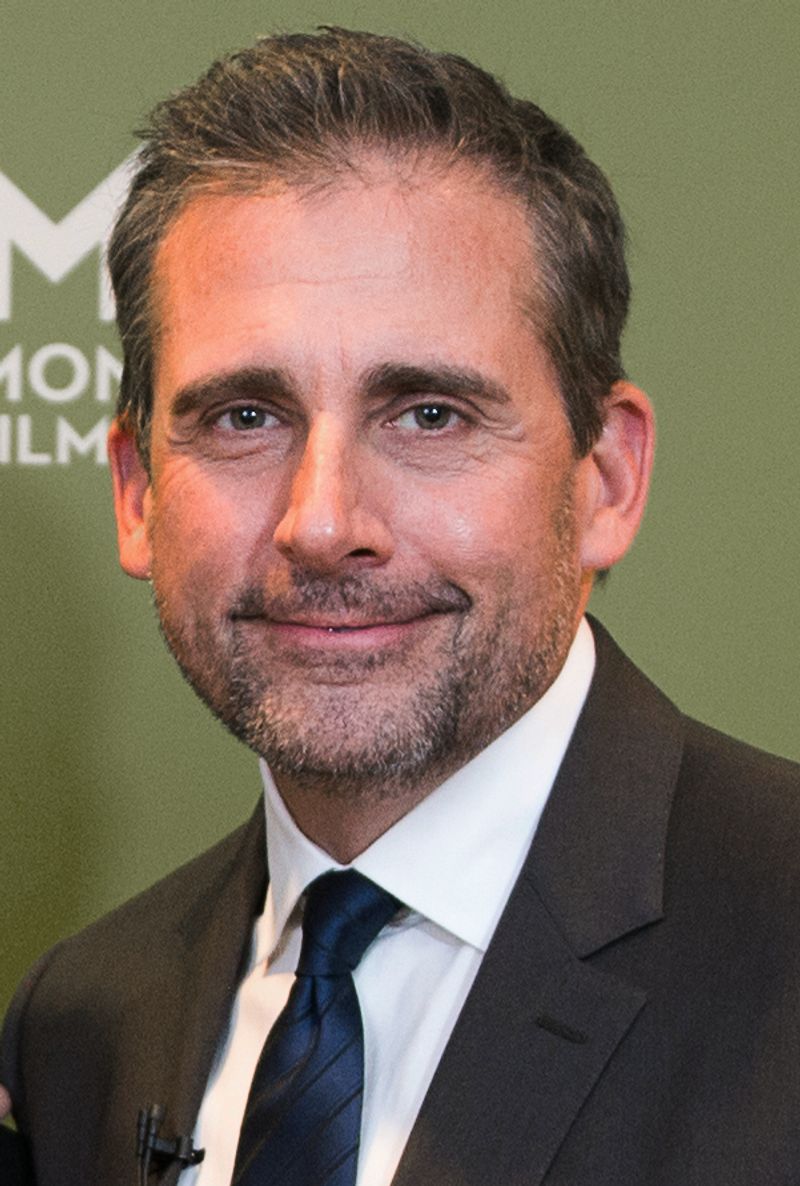
Steve Carell had been the affable everyman of comedy, beloved but boxed in. Foxcatcher shattered that box with a reptilian study in entitlement and loneliness.
The voice, posture, and stillness rendered menace without theatrics.
Bennett Miller’s austere frames turned Carell’s restraint into suspense, earning him awards recognition and critical shock. Suddenly, casting directors could picture him in roles with stakes beyond punchlines.
He proved that timing and silence can be as expressive as jokes.
For readers, the practical note is to pursue roles that interrogate your likability. When you risk discomfort, your instrument gains range.
Carell’s pivot made later dramatic choices credible, expanding his portfolio and longevity.
17. Colin Farrell – In Bruges (2008)
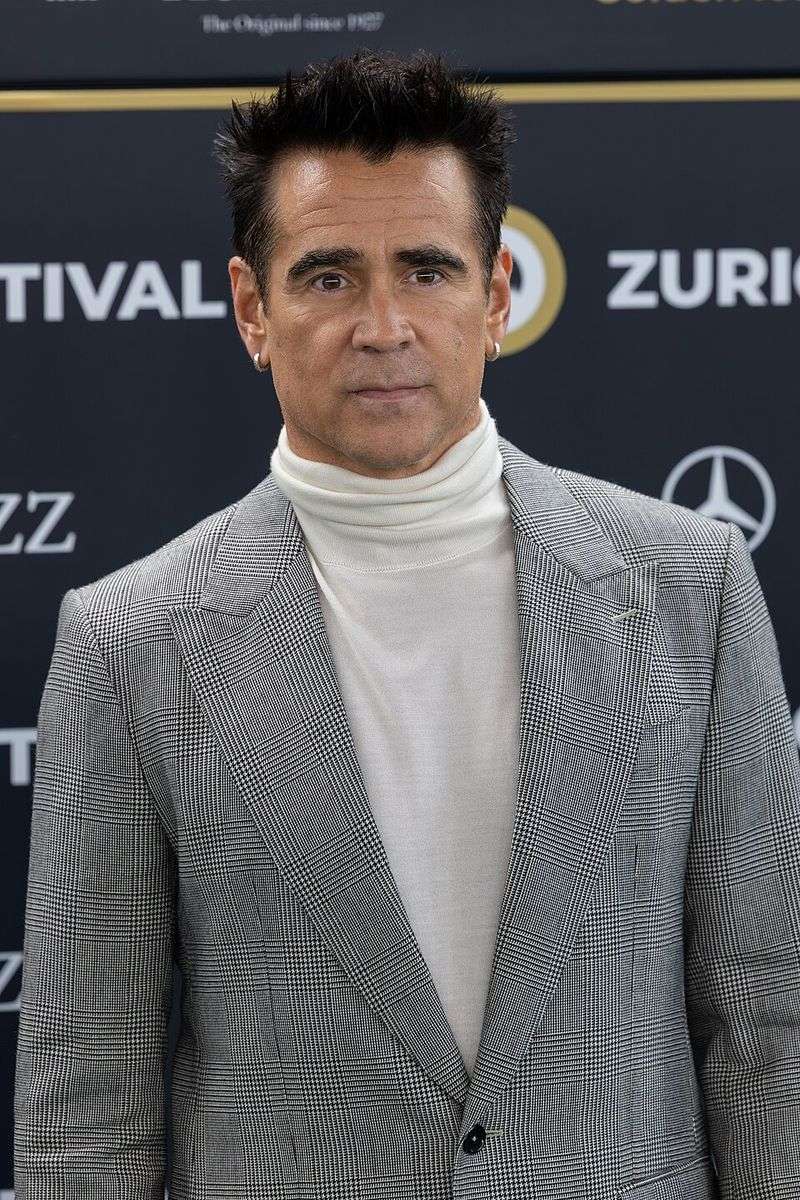
Colin Farrell’s early superstar push faltered under blockbuster misfires. In Bruges let him downshift into wounded, witty humanity.
Martin McDonagh’s dialogue crackled, and Farrell delivered it with bruised timing that turned profanity into poetry.
The city became a character, isolating and oddly tender, matching his moral confusion. Awards followed, but more importantly, his casting matrix widened.
He could carry edge and empathy in the same breath.
Career-wise, it reset expectations, leading to character-first projects that exploited his soulful gaze and comic instincts. The lesson is that scale is not the same as significance.
Choose scripts that hear your cadence and challenge your impulses, and the industry will hear you anew.
18. Reese Witherspoon – Wild (2014)

Reese Witherspoon had been pigeonholed as a rom-com and studio-friendly star. Wild tore away the polish, letting her stumble, swear, and reckon.
The performance folds grit into grace, honoring Cheryl Strayed’s memoir without softening its edges.
It arrived alongside her producing push, signaling a strategic repositioning toward author-driven stories. Awards attention mattered, but the larger shift was credibility as a curator of female-led narratives.
She proved durability through taste.
The takeaway is that reinvention can pair in front of and behind the camera. Choose material that exposes flaw and resilience in equal measure.
Witherspoon’s trek showed audiences that vulnerability travels far, and the industry followed.
19. Paul Giamatti – Sideways (2004)
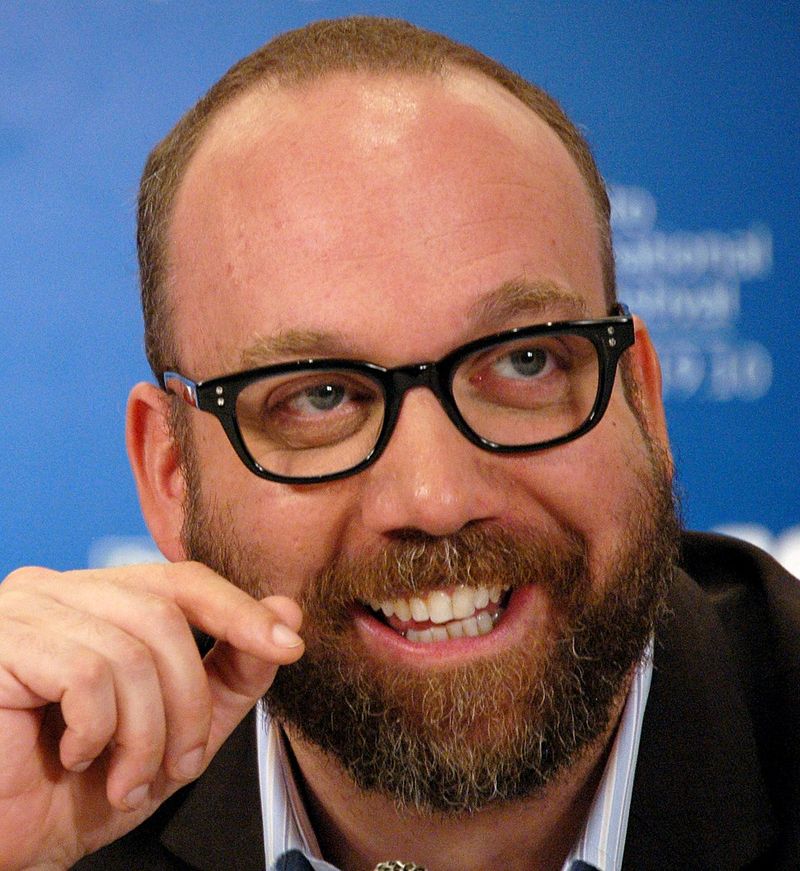
Paul Giamatti had been a consummate supporting actor, memorable yet peripheral. Sideways gave him the driver’s seat and a character whose self-loathing felt oddly hopeful.
His Miles tasted wine like he was tasting forgiveness, one swirl at a time.
Alexander Payne’s humane humor let Giamatti play micro-expressions as punchlines and prayers. The film’s sleeper success turned him into a leading man without airbrushing his everyman face.
It proved audiences will rally around specificity over glamour.
For careers stuck in side lanes, this is a map. Find material that values interiority and lets your rhythms lead.
Giamatti’s ascent shows that charisma can be quiet and still win the weekend.
20. Hugh Grant – Paddington 2 (2017)

Hugh Grant’s rom-com era had cooled, and satirical self-parody threatened to calcify. Paddington 2 turned that self-awareness into a jewel, letting him go full peacock as Phoenix Buchanan.
He mocked vanity with precision and joy, stealing scenes without breaking tone.
Critics swooned, families laughed, and the performance became an instant meme factory. It reframed Grant as a character actor with razor timing, not just a leading man emeritus.
Offers broadened to include darker, quirkier roles.
The lesson is to weaponize your history by playing its silliest version with sincerity. When you commit to the bit, audiences reward the courage and craft.
Grant’s renaissance reminds us that lightness can be career rocket fuel.
Share this story