Music history is filled with bold experiments that changed the sound of popular songs forever. Some of the most memorable tracks from legendary bands feature instruments you would never expect to hear on a rock or pop record.
From medieval string instruments to kitchen items and exotic electronics, these unusual choices helped create the distinctive sounds that made certain songs unforgettable. Musicians who dared to think outside the box gave us some of the most interesting moments in recording history.
1. Theremin and Electro-Theremin in Good Vibrations by Beach Boys
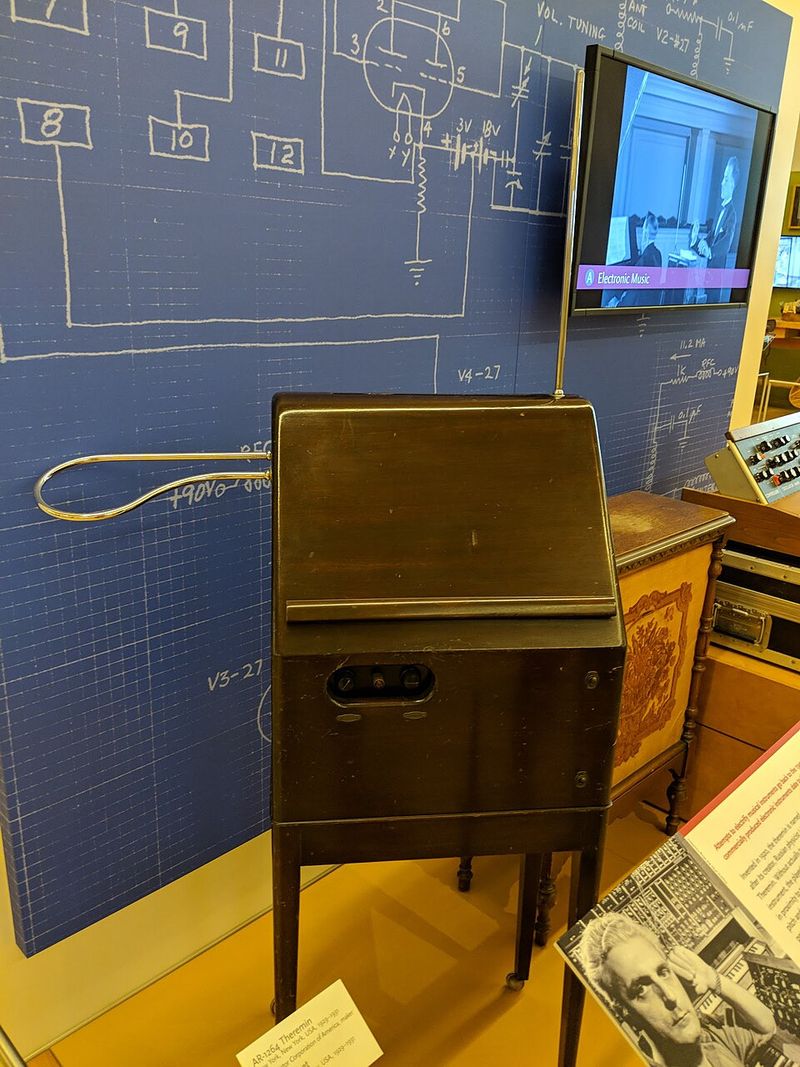
Brian Wilson wanted something otherworldly for his 1966 masterpiece, and he found it in the electro-theremin. This eerie-sounding device creates music without any physical contact, controlled by hand movements near metal antennas.
The wavering, ghostly tones you hear in the song came from this strange contraption.
Paul Tanner, a former trombonist, played the electro-theremin part that became one of the most recognizable sounds in pop music. The instrument gave Good Vibrations its futuristic quality that still sounds fresh today.
Many people think they are hearing a regular theremin, but Wilson actually used a modified version that was easier to control in the studio.
The Beach Boys took a huge risk using such an unconventional sound on a potential hit single. That gamble paid off spectacularly when the song reached number one on charts worldwide.
This bold choice proved that pop music could embrace experimental sounds and still connect with mainstream audiences in powerful ways.
2. Sitar in Norwegian Wood by The Beatles
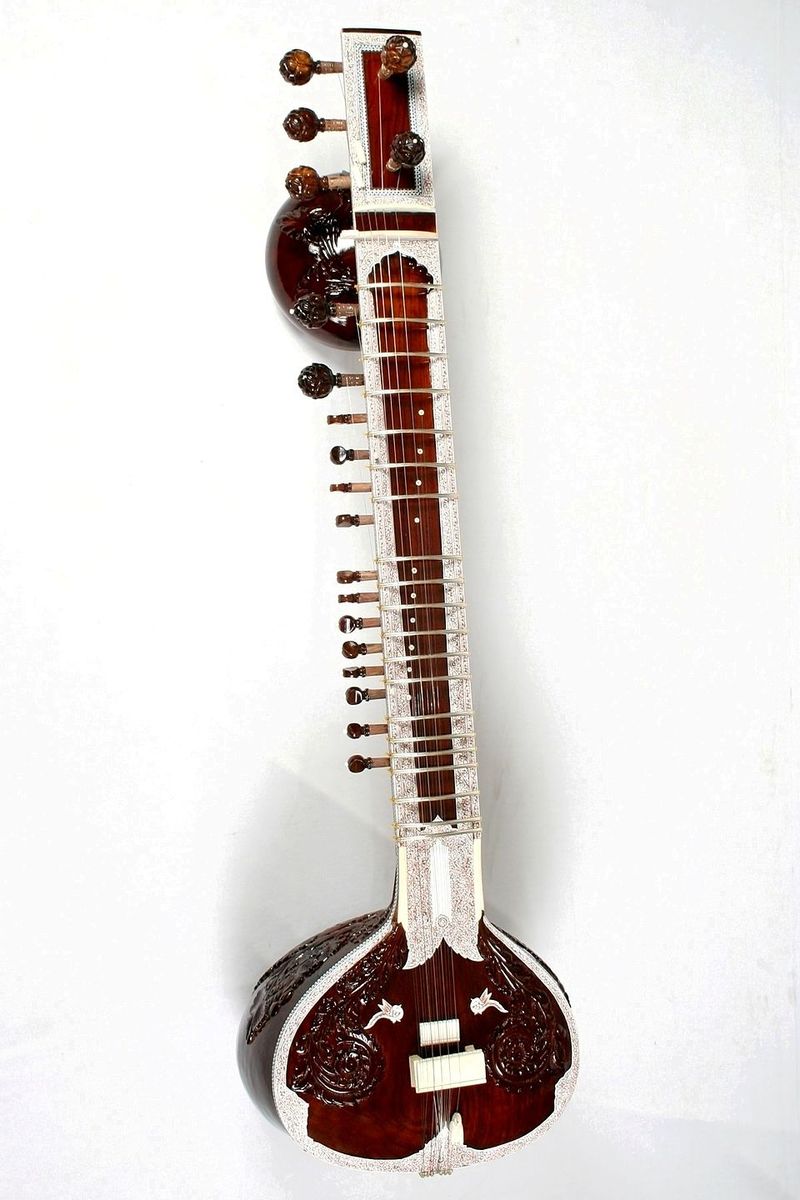
George Harrison became fascinated with Indian music after hearing the sitar on a film set in 1965. He purchased his own instrument and began taking lessons from the legendary Ravi Shankar.
Norwegian Wood became the first Western pop song to feature this ancient Indian stringed instrument prominently.
The distinctive twangy, droning sound immediately transported listeners to a completely different musical world. Harrison’s sitar playing was relatively simple by classical Indian standards, but it was revolutionary for rock music.
The instrument has a complex design with sympathetic strings that vibrate along with the main strings, creating a rich, shimmering tone.
This song opened the floodgates for Indian influences in Western popular music throughout the late 1960s. Other bands rushed to incorporate sitars into their recordings, though few used it as effectively as The Beatles did.
Harrison continued exploring Indian music throughout his career, but this track remains the most famous example of East meeting West in rock history.
3. Talk Box in Livin’ on a Prayer by Bon Jovi
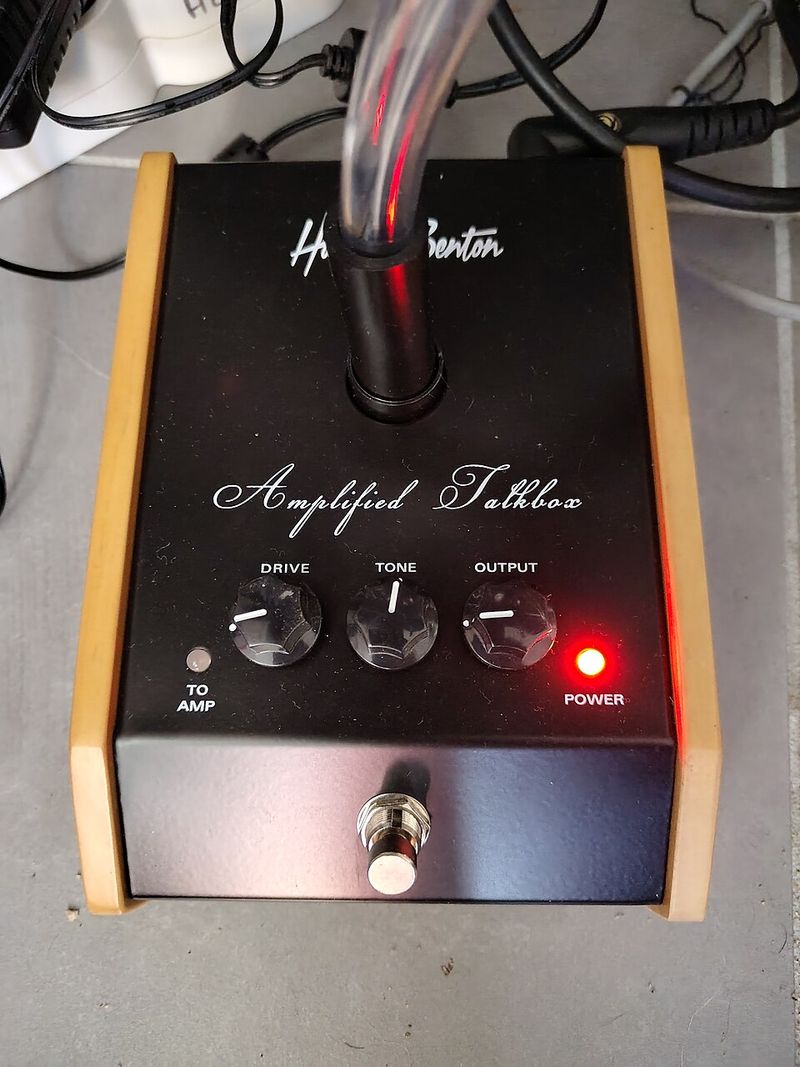
Richie Sambora created one of the most memorable guitar solos in rock history using a device that makes guitars sound like they are talking. The talk box routes amplified guitar sound through a plastic tube into the musician’s mouth.
By shaping mouth movements, the player can form vowel sounds that make the guitar appear to speak or sing words.
Peter Frampton made the talk box famous in the 1970s, but Sambora brought it roaring back to prominence with this 1986 anthem. The solo sounds like the guitar is actually singing along with Jon Bon Jovi’s vocals.
This effect requires incredible coordination between playing notes and forming mouth shapes simultaneously.
The talk box solo became so iconic that fans sing along with the guitar part at concerts. Many younger listeners initially thought the sound was created with electronic effects or synthesizers.
Actually, this analog device has been around since the 1930s and continues to surprise audiences with its unique vocal quality that no digital effect can quite replicate perfectly.
4. Mellotron in Strawberry Fields Forever by The Beatles
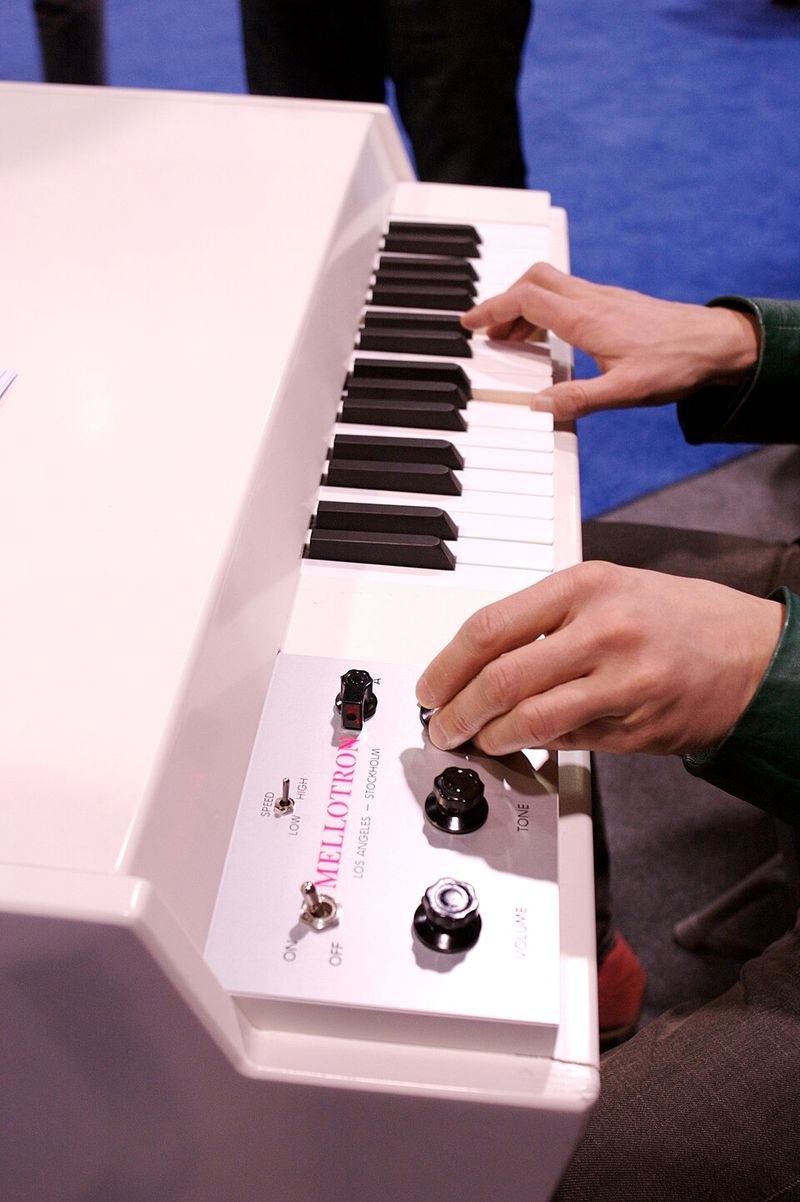
John Lennon discovered the Mellotron at a London recording studio and became obsessed with its haunting sound. This keyboard instrument does not generate electronic tones like a synthesizer.
Instead, pressing each key triggers a tape recording of real instruments, usually strings or flutes, that plays for about eight seconds before stopping.
The dreamy, floating introduction to Strawberry Fields Forever showcases the Mellotron’s ethereal flute sounds perfectly. Combined with backwards recordings and other studio tricks, it created an atmosphere unlike anything heard in popular music before.
The instrument gave The Beatles a way to include orchestral textures without hiring dozens of musicians for every session.
Mellotrons were notoriously unrealistic and difficult to maintain, with hundreds of individual tape strips that could break or wear out. Despite these problems, the instrument became essential to progressive rock bands throughout the 1970s.
Its unique, slightly imperfect sound quality contributed to the psychedelic character that digital samples cannot quite capture today.
5. Kazoo in Crosstown Traffic by Jimi Hendrix
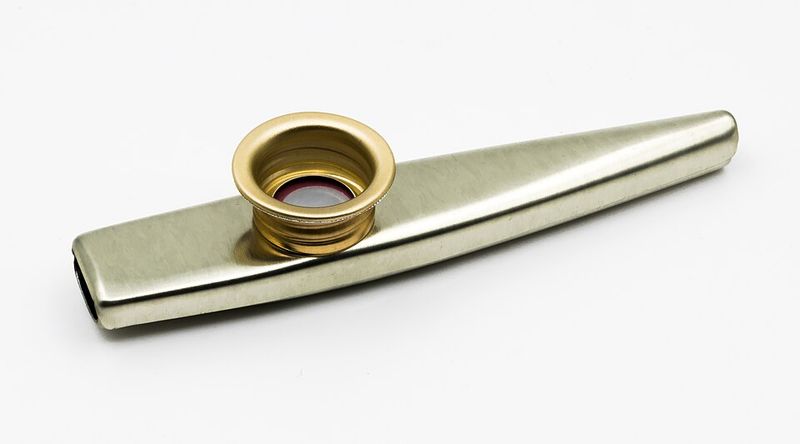
Jimi Hendrix was known for revolutionary guitar techniques, but he was not above using a children’s toy to get the perfect sound. The kazoo, which costs just a few dollars and requires no musical training to play, appears prominently in this 1968 track.
Its buzzing, nasal tone cuts through the heavy guitar riffs with surprising effectiveness.
Hendrix wanted to mimic the sound of traffic and congestion in a busy city. The kazoo’s raspy voice perfectly captured that chaotic, honking quality he was imagining.
Most listeners probably assumed they were hearing some kind of distorted guitar effect or unusual amplifier setting.
Recording engineers were reportedly shocked when Hendrix pulled out a kazoo during the session. He hummed into the simple membrane instrument to create those distinctive buzzing sounds heard throughout the song.
This choice shows that even the most skilled musicians sometimes find the perfect solution in the simplest, most unexpected places rather than complicated equipment.
6. Clavinet in Superstition by Stevie Wonder
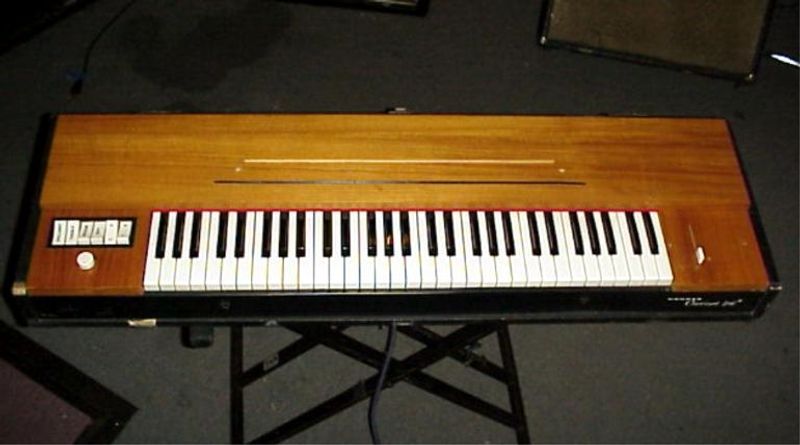
Stevie Wonder created one of the funkiest keyboard riffs ever recorded using an electric keyboard that sounds almost like a guitar. The Clavinet produces its sound by striking strings with small hammers, similar to a piano, but the strings are amplified electronically.
When played through effects pedals, it creates a sharp, percussive tone that cuts through any mix.
The opening riff of Superstition is instantly recognizable and has been sampled countless times in hip-hop and pop music. Wonder played the Clavinet through a wah-wah pedal, the same effect typically used with electric guitars.
This combination produced that distinctive funky sound that defines the entire song.
Before Superstition, the Clavinet was considered a relatively obscure instrument used mainly in jazz and experimental music. Wonder’s hit transformed it into an essential funk and soul instrument throughout the 1970s.
Musicians loved how it could provide rhythmic drive similar to a rhythm guitar while still functioning as a keyboard, offering the best of both musical worlds.
7. Glass Bottles in Sweet Emotion by Aerosmith

Sometimes the perfect percussion instrument is sitting in the recycling bin. Aerosmith’s engineers were looking for a unique sound to complement the bass line in Sweet Emotion.
They ended up using empty glass bottles played like percussion instruments to create those distinctive clinking sounds heard throughout the track.
The bottles were struck with drumsticks or mallets to produce different pitches depending on their size and how much liquid remained inside. This gave the song an unusual texture that set it apart from typical rock productions.
The glass percussion blends so naturally with the other instruments that many listeners never realize they are hearing bottles.
Recording engineer Jack Douglas encouraged the band to experiment with unconventional sound sources throughout the session. The bottle percussion was one of several creative choices that gave the song its distinctive character.
This approach shows how professional musicians and producers are always listening for interesting sounds in everyday objects that most people would never consider musical instruments at all.
8. Moog Synthesizer in Lucky Man by Emerson Lake and Palmer
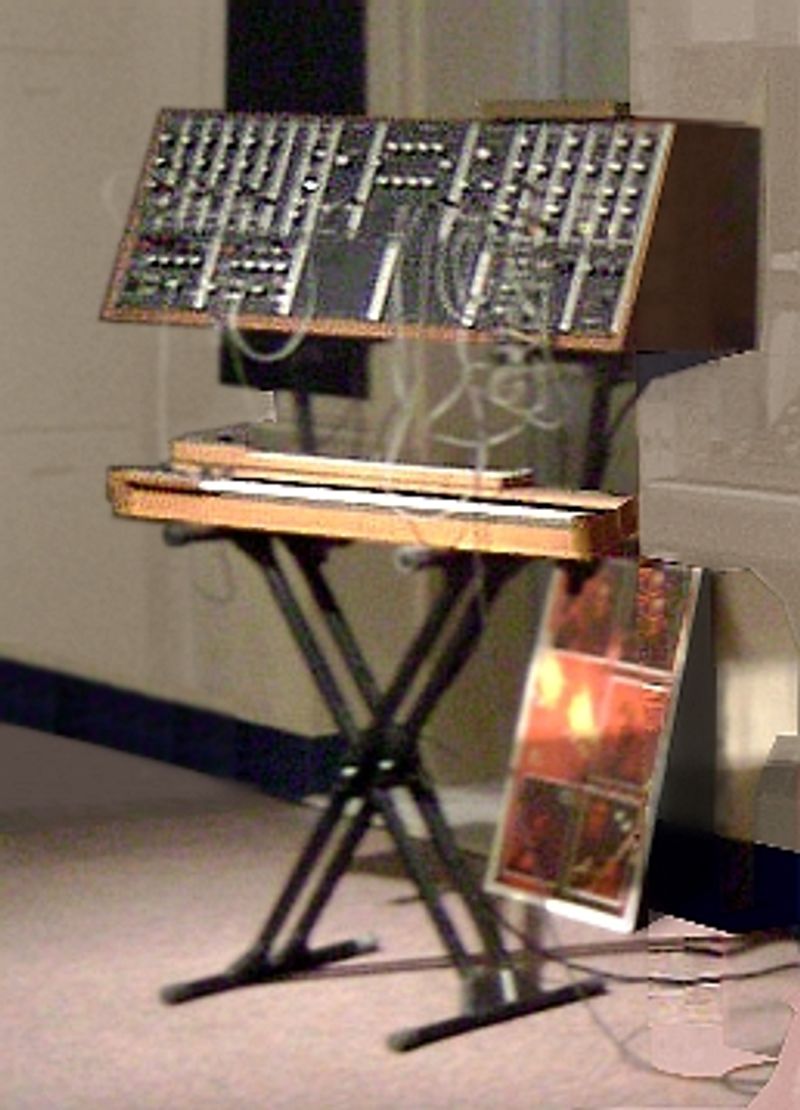
Keith Emerson’s legendary synthesizer solo at the end of Lucky Man was completely improvised in a single take. The massive Moog modular synthesizer was one of the first commercially available electronic instruments capable of creating entirely new sounds.
With its wall of knobs, switches, and patch cables, it looked more like a telephone switchboard than a musical instrument.
Emerson had only owned the Moog for a few days when the band recorded this track in 1970. He was still learning how to program and control the temperamental machine.
The swooping, bubbling sounds that close out the song were unlike anything most people had heard on a rock record before.
Robert Moog’s invention changed music forever, but it was extremely difficult to play and keep in tune. The synthesizer required constant adjustment and could produce wildly different sounds depending on temperature and humidity in the room.
Emerson’s solo introduced millions of listeners to electronic music and inspired countless musicians to explore synthesizers throughout the following decades.
9. Anvil in Maxwell’s Silver Hammer by The Beatles
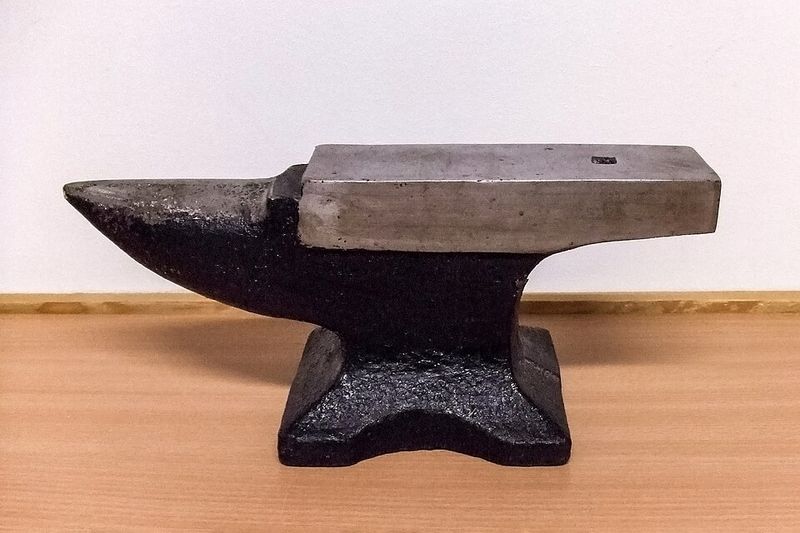
Paul McCartney’s cheerful song about a serial killer needed an appropriately heavy percussion sound. The band brought an actual blacksmith’s anvil into Abbey Road Studios to create the metallic clanging heard throughout the track.
Each strike of the hammer against the solid iron block produced a sharp, ringing tone that perfectly matched the song’s dark humor.
Recording engineers had to experiment with microphone placement to capture the anvil’s sound properly without distortion. The heavy metal block created such powerful vibrations that it threatened to damage sensitive studio equipment.
Ringo Starr and other band members took turns striking the anvil with a large hammer to maintain the steady rhythm throughout the recording.
This literal interpretation of the song’s lyrics shows The Beatles’ playful approach to recording, even late in their career. Some band members reportedly grew tired of the song during the lengthy recording sessions required to get everything right.
Nevertheless, the anvil remains one of the most unusual percussion choices in their entire catalog and perfectly captures the song’s quirky character.
10. Dulcimer in Lady Jane by The Rolling Stones
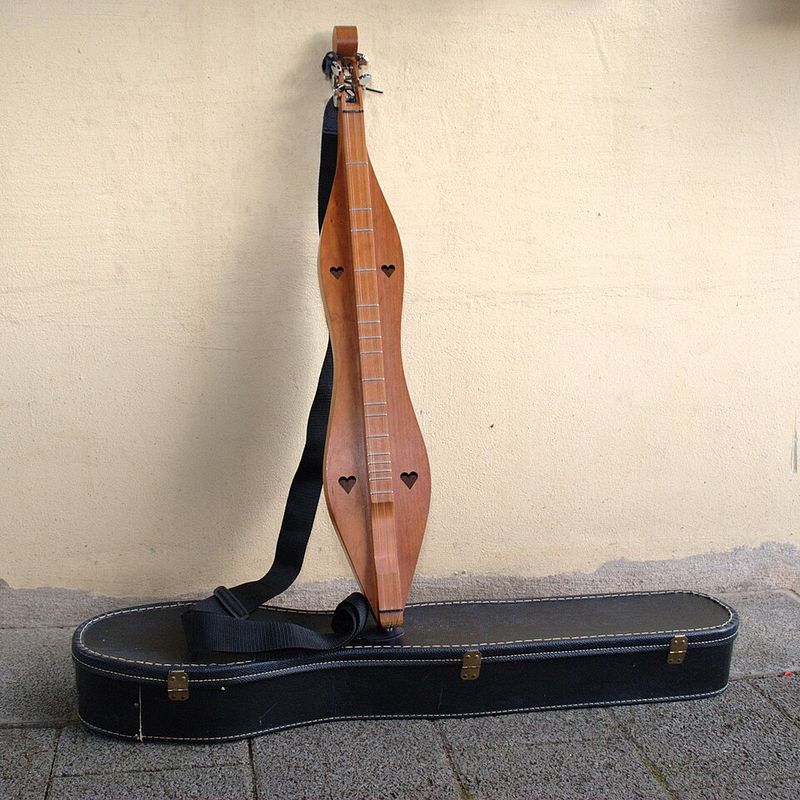
Brian Jones was always searching for unusual instruments to expand The Rolling Stones’ sound beyond basic rock and roll. For this 1966 ballad, he chose the dulcimer, a stringed instrument with medieval origins that produces a delicate, haunting tone.
The instrument is placed flat and played by strumming or plucking the strings while pressing them against frets.
Jones’s dulcimer playing gives Lady Jane its distinctive Renaissance atmosphere that sounds completely different from typical Stones rockers. The gentle, almost harp-like quality perfectly suits the song’s lyrics about courtly love and Elizabethan England.
Most rock bands of that era would never have considered using such a traditional folk instrument on a recording.
The dulcimer comes in several varieties, including Appalachian and hammered versions that sound quite different from each other. Jones likely used an Appalachian dulcimer, which has a softer, more intimate sound than its hammered cousin.
This track represents The Rolling Stones’ brief experimental period when they competed with The Beatles to incorporate unusual instruments and production techniques into their music.
11. Cuíca in Down Under by Men at Work
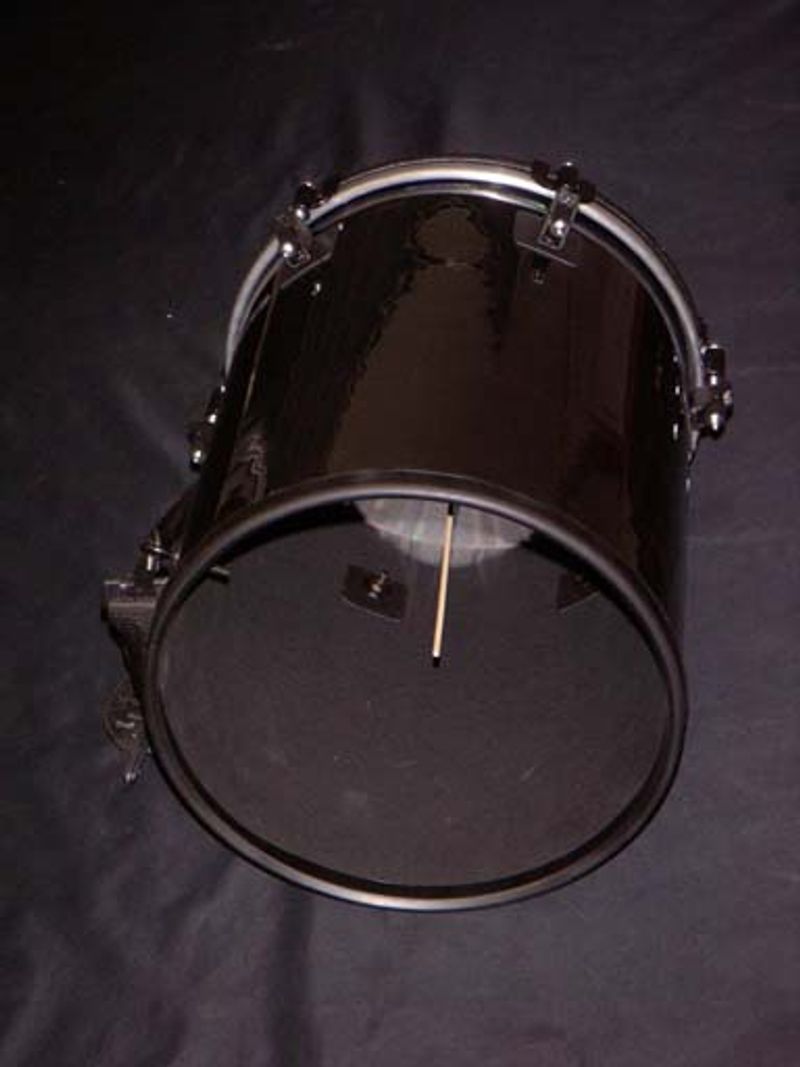
Many people hear that strange chirping sound in Down Under and assume it is some kind of synthesizer or even an animal noise. Actually, that distinctive sound comes from a Brazilian friction drum called a cuíca.
The instrument produces sound when a wet cloth is rubbed along a bamboo stick attached to the drumhead from inside the drum.
The friction creates vibrations that travel through the stick to the drumhead, producing squeaking and groaning sounds that can be controlled by pressing the drumhead from outside. Men at Work used the cuíca to add an exotic, playful element to their song about Australian identity.
The instrument’s unusual voice cuts through the mix and gives the track its memorable, quirky character.
Traditionally used in Brazilian samba music, the cuíca sounds completely out of place in an Australian rock song, which is exactly why it works so well. The band’s willingness to incorporate such an unexpected instrument from a different musical tradition shows the creative freedom that defined early 1980s new wave music and its global influences.
12. Bagpipes in It’s a Long Way to the Top by AC/DC
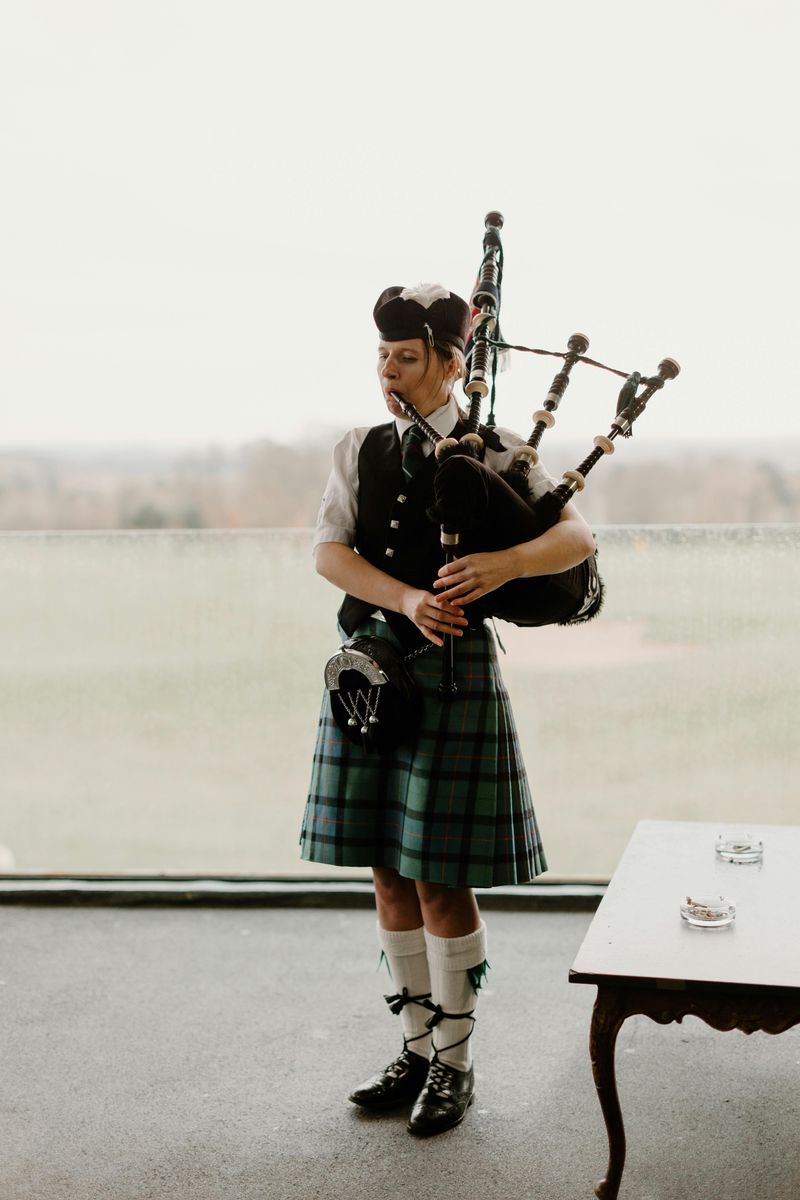
Bon Scott’s bagpipe solo remains one of the most unexpected moments in hard rock history. The Scottish-born singer convinced his bandmates to include the traditional Celtic instrument in this 1975 anthem about the struggles of making it in the music business.
Most rock fans had never heard bagpipes outside of military ceremonies or folk music festivals.
Scott had learned to play bagpipes as a child in Scotland before his family moved to Australia. The instrument’s loud, droning sound cuts through the heavy guitar riffs with surprising power.
His solo occurs right in the middle of the song, replacing what would typically be a guitar solo in most rock tracks.
The bagpipes give the song a working-class, rebellious edge that perfectly matches its subject matter about the difficulties of touring and building a music career. This bold choice helped establish AC/DC’s reputation for doing whatever they wanted regardless of rock music conventions.
The band has never used bagpipes again, making this track a unique moment in their extensive catalog that continues to surprise new listeners decades later.
Share this story