The South of France is a magical region where sun-drenched beaches meet medieval villages, and lavender fields stretch toward mountain horizons. From the glamorous French Riviera to the timeless charm of Provence, this corner of Europe offers first-time visitors an unforgettable blend of culture, history, natural beauty, and Mediterranean lifestyle.
Whether you’re drawn to coastal elegance, ancient ruins, or peaceful countryside, these travel gems will help you discover the very best of Southern France.
Nice — Riviera’s Crown Jewel
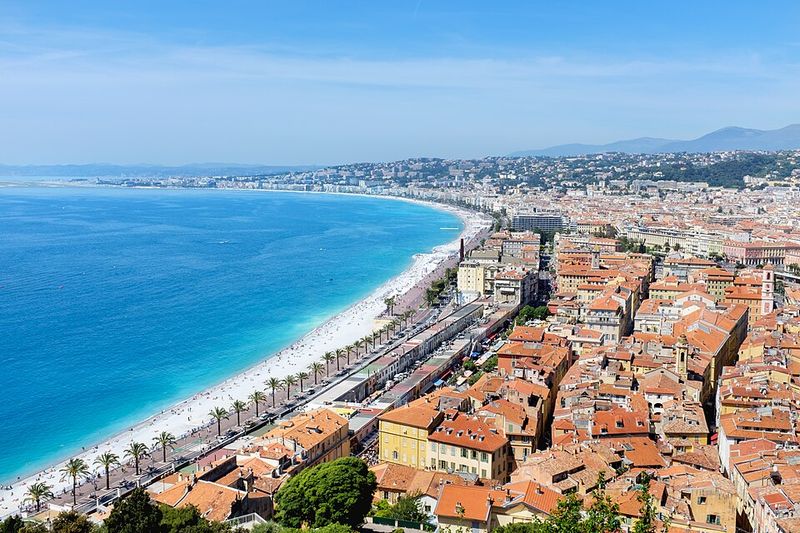
Nice stands as the vibrant heart of the French Riviera and serves as the quintessential starting point for any Southern France adventure. Its famous Promenade des Anglais curves gracefully along the azure Mediterranean, creating the perfect setting for casual strolls and people-watching against a stunning backdrop of pebble beaches.
The city’s old town — Vieux Nice — brims with narrow lanes, colorful facades, and lively markets where you can sample local specialties like socca and pissaladière. Charming cafés invite everyone to slow down and embrace the French art de vivre.
Nice also boasts world-class museums featuring modern art and regional history, including the Matisse Museum and the Marc Chagall National Museum. The city’s mild climate, excellent public transportation, and proximity to other Riviera destinations make it an ideal base for exploration.
Whether you’re admiring the Belle Époque architecture, browsing the Cours Saleya flower market, or simply soaking up the Mediterranean sunshine, Nice offers a well-rounded destination that captures everything magical about the French Riviera for first-time visitors.
Marseille — Historic Port Meets Modern Culture
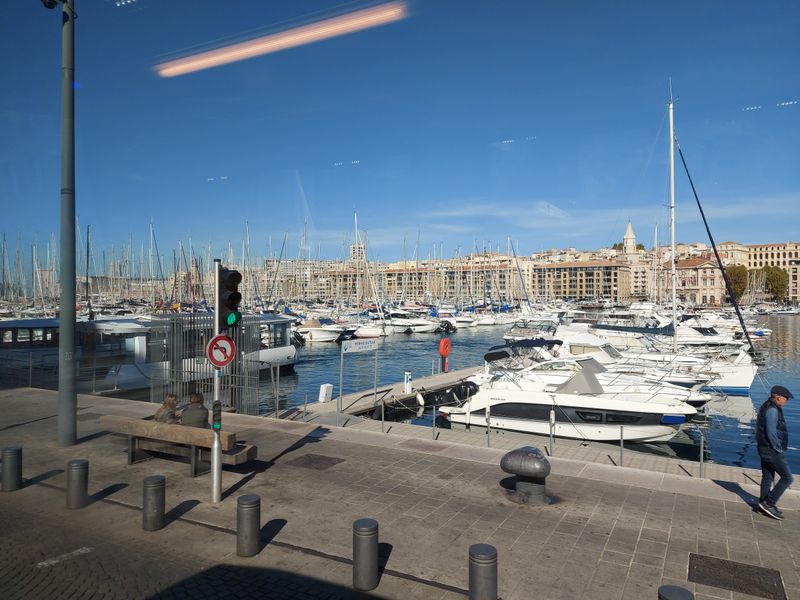
As France’s oldest city, Marseille blends ancient maritime heritage with cosmopolitan energy in a way that feels authentically Mediterranean. Its historic Old Port — Vieux-Port — buzzes daily with fishermen selling fresh catch, sidewalk cafés pouring pastis, and ferries gliding toward scenic coastal spots.
Nearby, the majestic Basilique Notre-Dame de la Garde overlooks the entire bay with panoramic views that capture Marseille’s rugged Mediterranean charm. This golden-domed basilica sits atop the city’s highest point and has watched over sailors for centuries.
The city also serves as a gateway to the spectacular Calanques National Park, where dramatic limestone cliffs plunge into sparkling turquoise coves — ideal for short hikes or boat excursions. Marseille’s multicultural neighborhoods, especially Le Panier with its colorful street art, reflect centuries of immigration and trade.
Don’t miss sampling the city’s signature dish, bouillabaisse, a hearty seafood stew that embodies Marseille’s fishing traditions. With its gritty authenticity and evolving cultural scene, Marseille offers first-time visitors a refreshingly real slice of Southern French life.
Aix-en-Provence — City of a Thousand Fountains
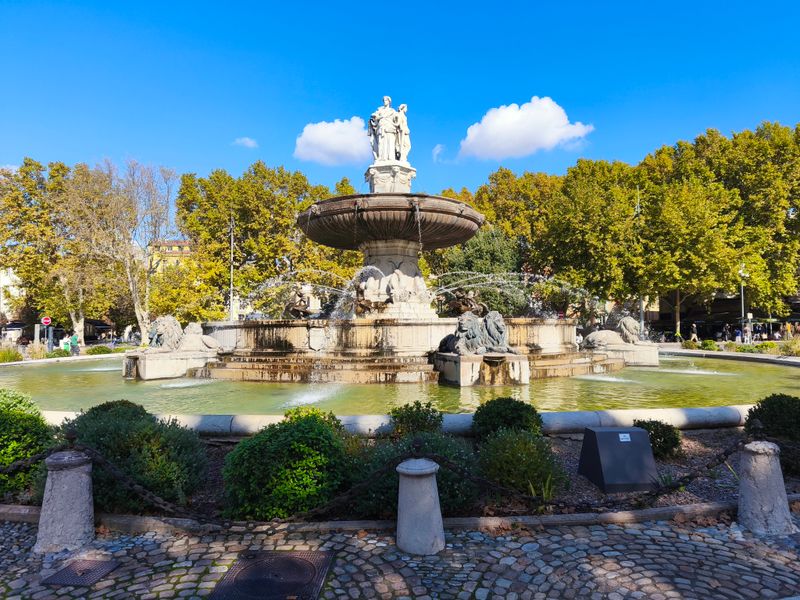
Aix-en-Provence is a timeless Provençal city renowned for its elegant architecture, tree-lined boulevards, and bubbling fountains that have earned it the nickname “City of a Thousand Fountains.” Its lively Cours Mirabeau is perfect for café culture and people-watching, with centuries-old plane trees providing dappled shade over marble-topped tables.
Weekly markets fill the city’s squares with vibrant produce, fragrant herbs, handmade soaps, and artisan crafts that showcase the region’s bounty. The colors and aromas alone make wandering these markets an unforgettable sensory experience.
Art lovers will especially appreciate the legacy of Paul Cézanne, whose studio and beloved landscapes — particularly Mont Sainte-Victoire — are woven throughout the city’s cultural tapestry. You can follow a walking trail marked with bronze plaques tracing Cézanne’s footsteps through Aix.
Aix offers a relaxed yet richly cultural introduction to Provence’s charm, with its honey-colored stone buildings, hidden courtyards, and refined atmosphere. The city’s university population keeps it youthful and energetic, while its historical significance and artistic heritage provide depth that rewards curious first-time visitors.
Avignon — Papal Palace and Medieval Grandeur
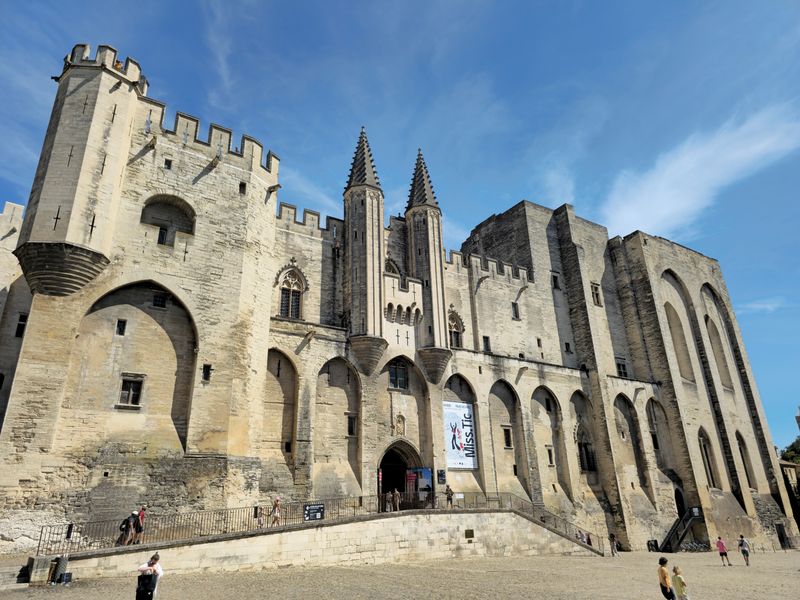
Avignon’s Palais des Papes stands as one of Europe’s most impressive medieval monuments, once serving as the seat of papal power during the 14th century when seven successive popes resided here. The massive Gothic palace dominates the old town with its imposing towers and thick defensive walls.
Wander the old town’s cobblestone streets to discover ancient fortifications, charming squares dotted with café terraces, and the famous Pont Saint-Bénézet. This half-ruined bridge’s arches straddle the Rhône River, immortalized in the children’s song “Sur le Pont d’Avignon.”
Avignon captures history and serenity in equal measure, with its remarkably preserved medieval ramparts encircling the entire historic center. The city’s cultural festivals — especially the renowned theater and music festivals held each July — transform Avignon into a vibrant performing arts hub.
Beyond the main attractions, explore the winding streets where local shops sell Provençal fabrics, lavender products, and regional wines. Avignon’s compact size makes it easy to explore on foot, and its central location in Provence makes it an excellent base for day trips to surrounding villages and vineyards.
Saint-Tropez — Glamour, Beaches & Historic Village Life
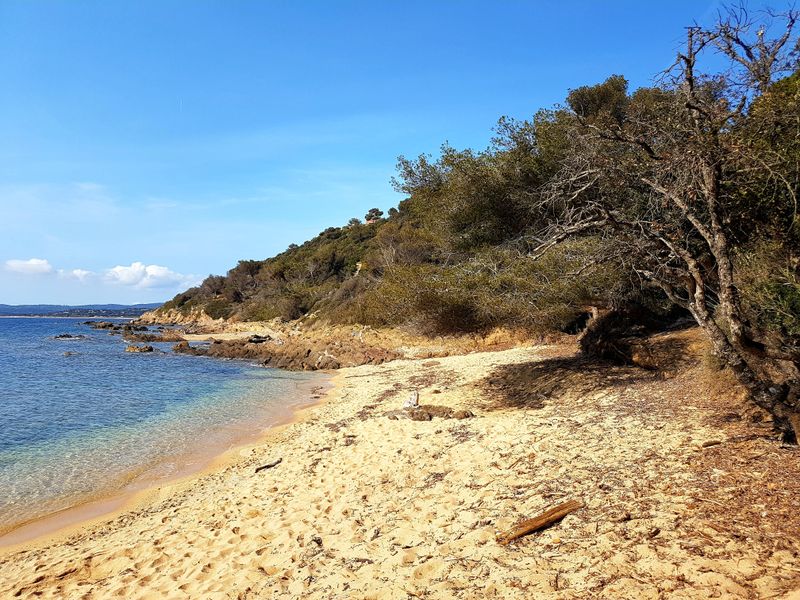
Saint-Tropez masterfully blends old-world charm with modern Riviera glamour in a way few destinations can match. Once a quiet fishing village that inspired artists like Henri Matisse and Paul Signac, it now draws sun-seekers and celebrities alike to its legendary beaches, particularly the famous Pampelonne stretch.
The charming old port remains the heart of Saint-Tropez, where luxury yachts bob alongside traditional fishing boats. The 16th-century citadel offers a genuine sense of Provençal history and provides panoramic views over the terracotta rooftops and sparkling bay.
Chic boutiques line the narrow cobbled backstreets of the old town, while seaside cafés and lively nightlife signal Saint-Tropez’s contemporary allure. Despite its jet-set reputation, the village retains authentic Provençal character in its weekly market and quiet morning hours.
Whether you’re sipping rosé at a beach club, exploring the Musée de l’Annonciade’s impressive Impressionist collection, or simply wandering the picturesque lanes, Saint-Tropez embodies iconic South of France glamour. Visit in shoulder season to experience the town’s beauty with fewer crowds and a more relaxed Mediterranean atmosphere.
Cannes — Film Festival Fame & Seaside Elegance

Cannes has earned worldwide recognition for its glamorous film festival, red carpet moments, and sun-soaked beaches that attract visitors year-round. Beyond the cinema spotlight, its famous promenade — La Croisette — stretches along the bay, lined with swaying palm trees, luxe hotels, and seaside dining that perfectly capture the Riviera lifestyle.
Stroll through Cannes’ old quarter, Le Suquet, where winding cobblestone lanes climb toward a hilltop offering sweeping views of the bay and the Lérins Islands beyond. This historic neighborhood provides a charming contrast to the modern glamour below.
The beaches along La Croisette range from public stretches to exclusive private beach clubs where you can rent loungers and umbrellas for the day. The crystal-clear Mediterranean waters invite swimming and water sports during the warmer months.
Cannes combines buzzing sophistication with serene coastal beauty, making it accessible to travelers seeking both relaxation and excitement. The town’s year-round mild climate, excellent restaurants serving fresh Mediterranean cuisine, and proximity to other Riviera destinations make Cannes an essential stop for first-time visitors exploring Southern France’s most celebrated coastline.
Antibes — Historic Port & Sandy Beaches
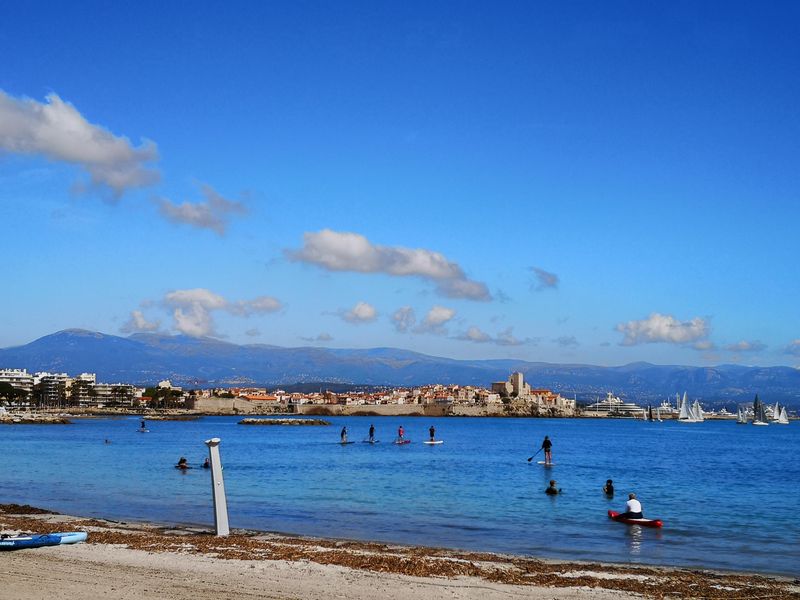
Antibes offers a perfect mix of seaside relaxation and cultural depth that feels refreshingly authentic compared to some of its flashier Riviera neighbors. Its old town surrounds a historic port dotted with yachts of all sizes, where ancient ramparts meet the sparkling Mediterranean in a scene that has barely changed for centuries.
The town’s sandy beaches — a rarity along the often-pebbly Côte d’Azur — make for laid-back Mediterranean afternoons perfect for families and sun-seekers. The clear waters and gentle shores provide ideal conditions for swimming and water activities.
Don’t miss the Picasso Museum, housed in the atmospheric Château Grimaldi, which celebrates the artist’s prolific 1946 stay in Antibes. The museum’s collection includes paintings, drawings, and ceramics created during Picasso’s time here, displayed in rooms overlooking the sea that inspired them.
Antibes is authentic Riviera charm with a substantial dash of artistic heritage and everyday French life. The daily Provençal market at Cours Masséna overflows with fresh produce, local cheeses, and flowers, while the Cap d’Antibes coastal path offers stunning Mediterranean views and a glimpse of belle époque villas hidden behind garden walls.
Saint-Jean-Cap-Ferrat — Peaceful Riviera Peninsula
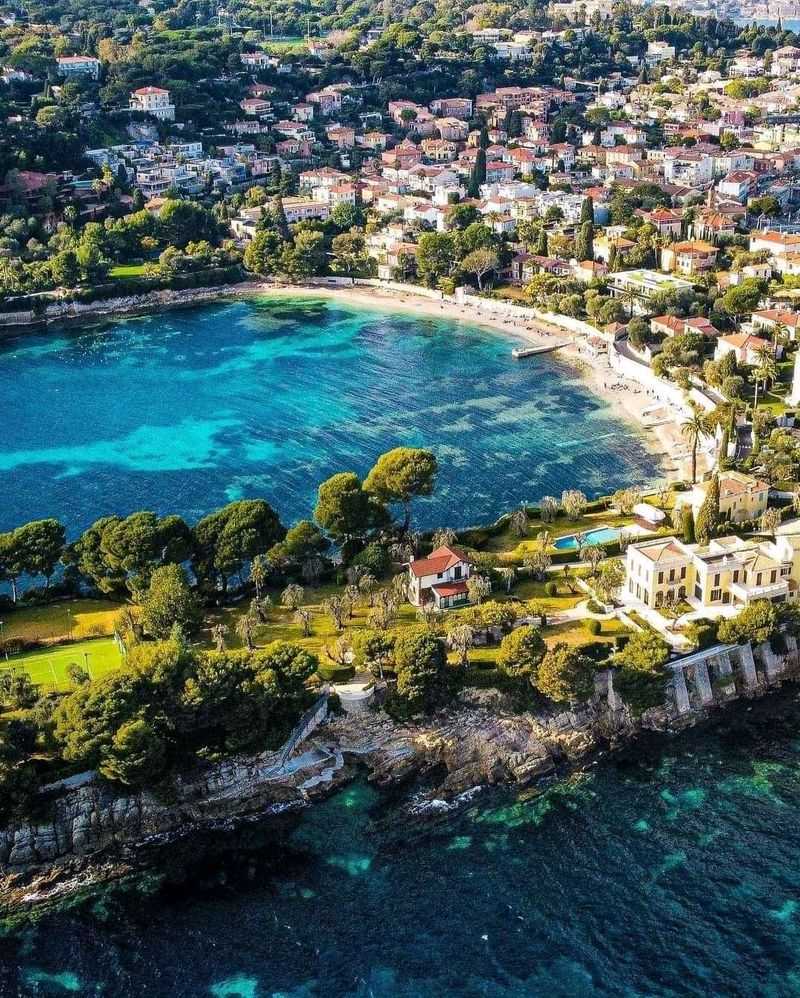
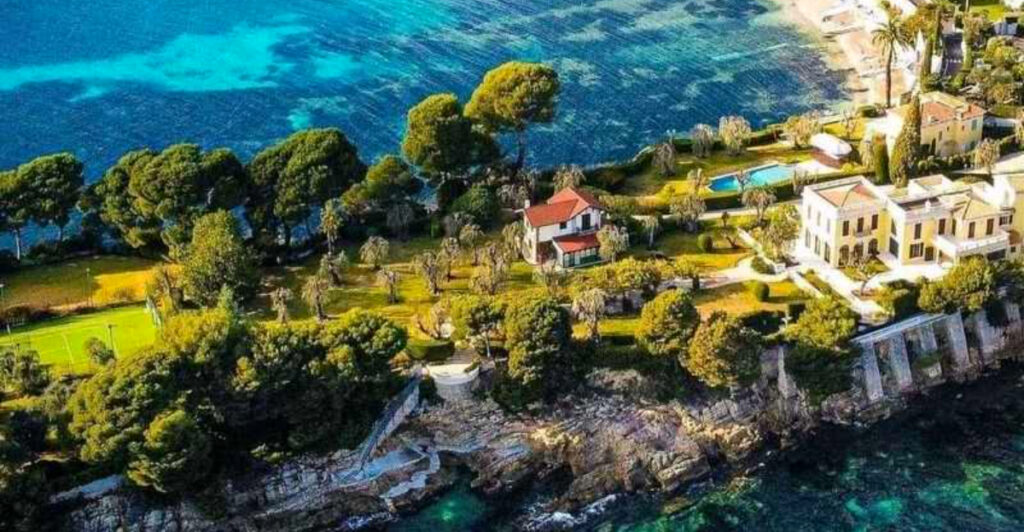
The tranquil peninsula of Saint-Jean-Cap-Ferrat offers Mediterranean luxury and peaceful seaside views in an exclusive setting that feels worlds away from the Riviera’s busier resorts. Once a favorite retreat of European aristocracy, including King Leopold II of Belgium and the Rothschild family, this elegant enclave continues to lure discerning travelers.
Scenic coastal paths wind around the entire peninsula, offering breathtaking views of turquoise waters, hidden coves, and lush vegetation. The walk takes about two hours and provides constantly changing perspectives of the Mediterranean and surrounding coastline.
The spectacular Villa Ephrussi de Rothschild stands as the peninsula’s crown jewel, with its nine themed gardens overlooking the sea. This pink palace houses an impressive art collection and offers visitors a glimpse into Belle Époque luxury and refined taste.
Secluded beaches tucked along the peninsula’s coastline and upscale villas shaded by palms and pines create an atmosphere of serene sophistication. Saint-Jean-Cap-Ferrat’s quiet charm and warm coastal climate make it a jewel among Riviera destinations, perfect for travelers seeking relaxation and natural beauty away from crowds while remaining close to Nice and Monaco.
Villefranche-sur-Mer — Colorful Waterfront Haven
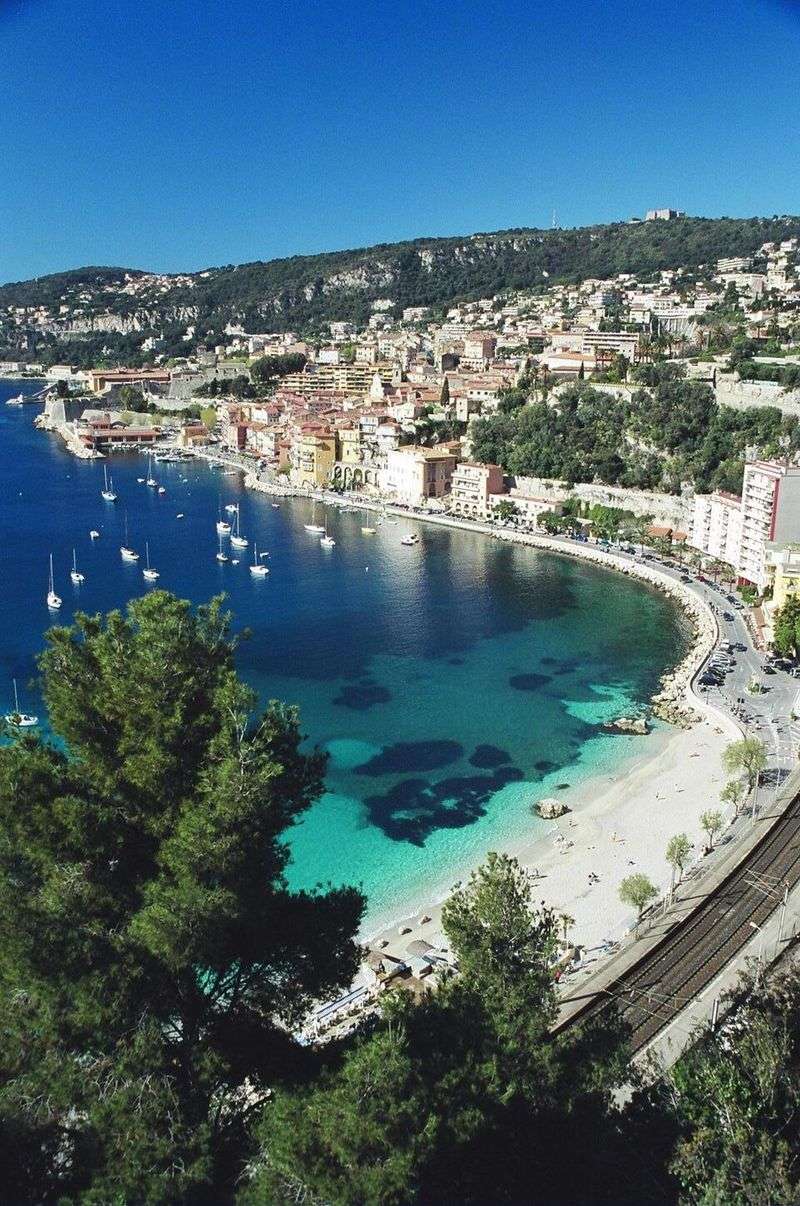
Just east of Nice, Villefranche-sur-Mer enchants visitors with one of the Côte d’Azur’s most colorful waterfronts and a laid-back charm that feels quintessentially Mediterranean. Pastel-painted buildings in shades of ochre, pink, and yellow cascade down the hillside toward the bay, creating a postcard-perfect scene.
The deep natural harbor has long served as a stop for cruise ships and naval vessels, but the town’s charming old streets, waterfront cafés, and sandy beaches reward those who linger longer. The 14th-century Chapelle Saint-Pierre, decorated by Jean Cocteau, stands as a small artistic treasure.
Rue Obscure, a covered street dating from the 13th century, tunnels beneath the old town and once provided shelter for residents during attacks. Today it offers a cool, atmospheric walk through medieval history and opens to stunning sea views.
Villefranche-sur-Mer’s beaches are among the Riviera’s finest, with calm, clear waters perfect for swimming and snorkeling. The town maintains an authentic fishing village atmosphere despite its proximity to Nice, with locals still pulling in nets and the scent of grilled fish wafting from harborside restaurants serving the day’s fresh catch.
Èze — Medieval Hilltop & Sea Views
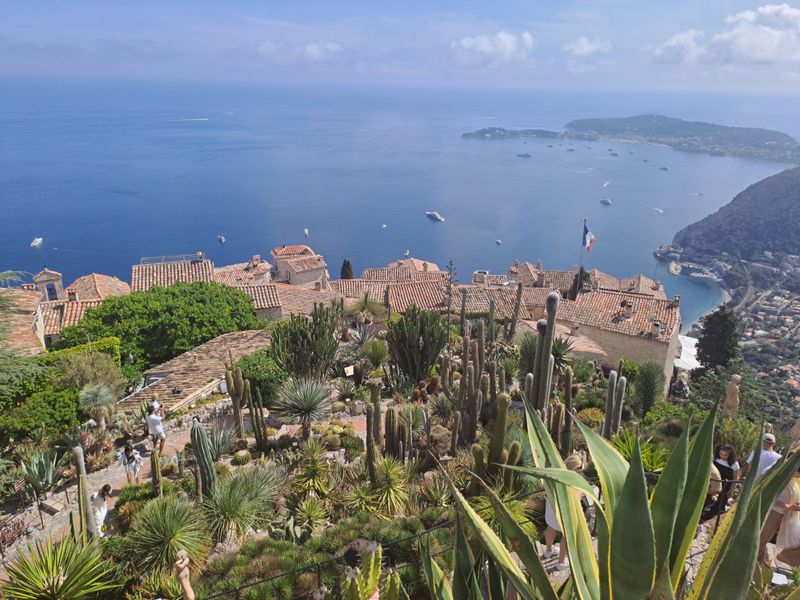
Perched dramatically above the Riviera coastline, Èze is a fairytale hilltop village with cobbled lanes, art galleries, and breathtaking views of the Mediterranean stretching toward Italy. This medieval village clings to a rocky peak 427 meters above sea level, creating one of the most photographed settings on the Côte d’Azur.
Stone houses with flower-filled balconies line the narrow pedestrian streets that wind upward through archways and past artisan shops. The village has attracted artists and craftspeople for generations, and their studios and galleries add creative energy to the ancient setting.
A walk through the Jardin Exotique at the village’s summit rewards visitors with panoramic vistas and a fascinating collection of cacti and succulents thriving in the Mediterranean climate. The ruins of a medieval castle crown the garden, adding historical romance to the natural beauty.
The sense of timeless beauty makes Èze a first-time visitor favorite, especially when explored in early morning or late afternoon when day-trippers thin out. The steep Nietzsche Path connects Èze to the coastal town of Èze-sur-Mer below, offering hikers spectacular views and a connection to the philosopher who found inspiration here.
Menton — Citrus Gardens & Sunny Clime
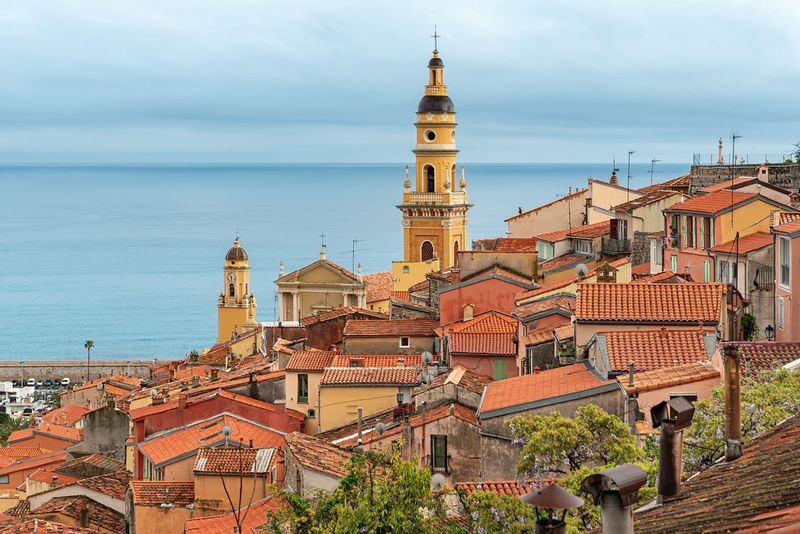
Bordering Italy on the easternmost edge of the French Riviera, Menton is renowned for its exceptionally mild microclimate, lemon groves, and pastel houses that cascade toward a pebble beach. The town enjoys more sunny days than anywhere else on the Côte d’Azur, creating perfect conditions for subtropical gardens.
Menton’s gardens — including the stunning Jardin Serre de la Madone and Jardin Botanique exotique — showcase rare plants and offer peaceful retreats filled with exotic palms, citrus trees, and Mediterranean flora. The annual Fête du Citron (Lemon Festival) in February celebrates the town’s citrus heritage with elaborate sculptures made entirely from lemons and oranges.
The old town’s narrow streets climb steeply from the waterfront, revealing hidden squares, baroque churches, and charming Italian-influenced architecture. The Basilique Saint-Michel-Archange dominates the skyline with its distinctive bell tower and ornate interior.
Relaxed pebble beaches and waterfront promenades make Menton an ideal stop for travelers seeking serene Riviera atmosphere and botanical beauty away from the glitzier resorts. The town’s proximity to Italy means you can easily walk across the border, and the local cuisine reflects this delicious cultural blend.
Provence Lavender Fields — Purple Seasons of Beauty
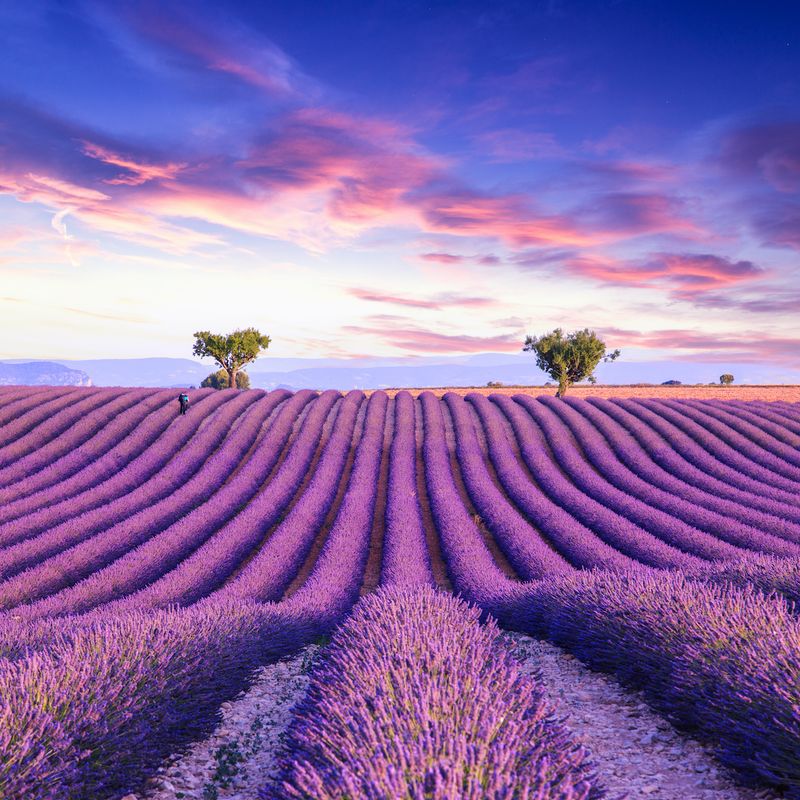
Provence’s lavender fields have become legendary worldwide, especially during summer when waves of violet blooms stretch across the countryside in scenes that seem almost impossibly beautiful. The peak blooming period typically runs from mid-June through early August, though timing varies with altitude and weather.
Towns and regions from the Valensole Plateau to Sault become picture-perfect landscapes of scent and color during lavender season. The Valensole Plateau, in particular, offers endless rolling fields where the purple lavender contrasts dramatically against golden wheat and azure skies.
The intoxicating fragrance fills the air, and the gentle buzzing of bees adds to the sensory experience. Many farms welcome visitors and sell lavender products, from essential oils to honey, soaps, and sachets that make wonderful souvenirs.
These fields are ideal for scenic photography and quiet immersion in Provence’s natural charms, though be prepared for crowds at the most famous spots during peak season. Early morning or late afternoon light creates the most magical photographs and more comfortable temperatures.
Even outside lavender season, these rural areas offer authentic Provençal villages, vineyards, and countryside that reward exploration year-round.
Aix’s Markets & Gastronomy — Flavors of Provence
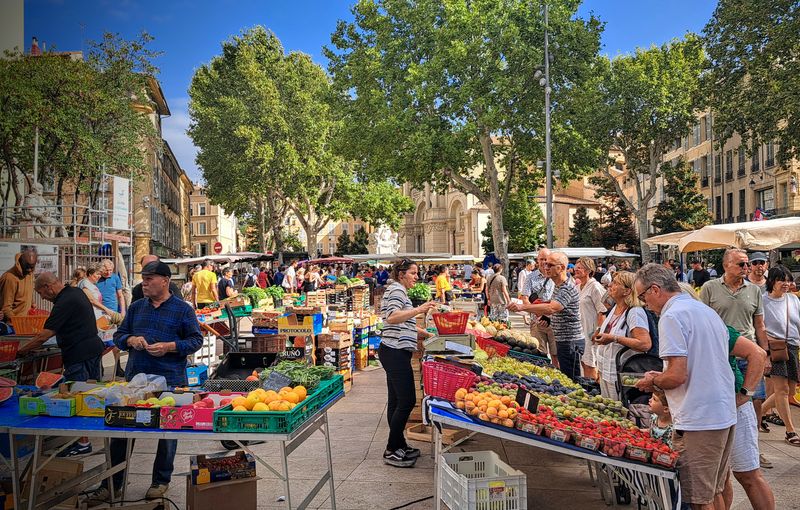
Beyond its famous fountains and Cézanne heritage, Aix-en-Provence’s weekly markets brim with regional produce, olives, cheeses, and herbs that provide a delightful taste of authentic Provençal life. The markets transform the city’s elegant squares into vibrant celebrations of local food culture and artisanal traditions.
The daily market at Place Richelme overflows with seasonal fruits and vegetables, while Tuesday, Thursday, and Saturday markets expand throughout the old town with flowers, textiles, and crafts. The colors, aromas, and friendly banter between vendors and customers create an atmosphere that captures the essence of Mediterranean living.
Local specialties include calissons d’Aix — diamond-shaped candies made from almond paste and candied melon — along with tapenades, olive oils, lavender honey, and herbs de Provence. Sampling these products directly from producers offers insights into regional traditions and flavors.
Pair a visit to these vibrant markets with casual meals in outdoor cafés to savor the region’s celebrated cuisine, from bouillabaisse to ratatouille. Aix’s food scene balances traditional Provençal cooking with innovative contemporary approaches, and the university population ensures plenty of affordable bistros and wine bars alongside upscale restaurants serving refined regional dishes with local ingredients.
Arles — Roman Ruins & Artistic Legacy
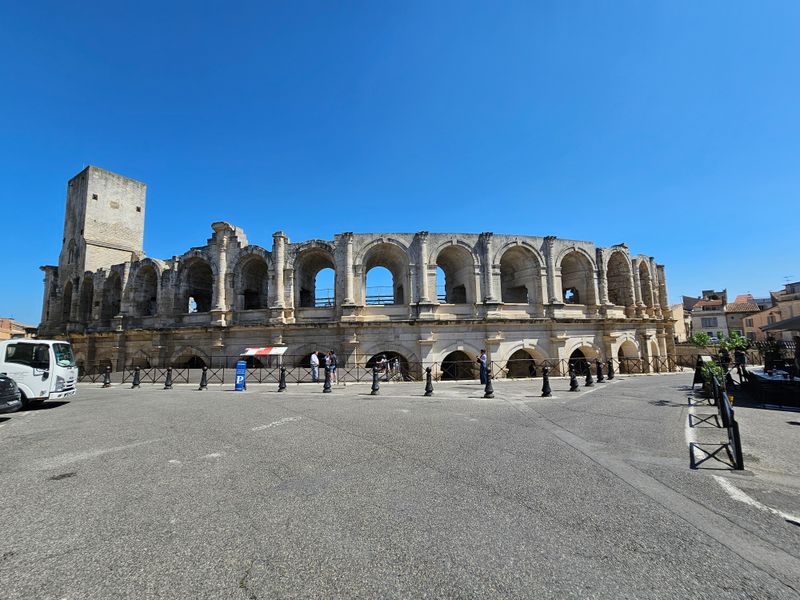
Arles combines Roman archaeological wonders with a deep artistic heritage that makes it one of Southern France’s most culturally significant destinations. The remarkably preserved Roman amphitheater still hosts bullfights and concerts, while the ancient theater and cryptoporticus reveal the city’s importance during the Roman Empire.
Vincent van Gogh lived and painted in Arles during 1888-1889, creating over 200 paintings during his intense fifteen-month stay. Though the Yellow House where he lived was destroyed, marked sites throughout the city show the exact locations he painted, and the Fondation Vincent van Gogh celebrates his enduring connection to Arles.
Exploring the winding streets of the old town connects travelers to layers of European history, from Roman foundations to medieval churches. The Romanesque cloister of Saint-Trophime features exquisite carved columns, and the Saturday market along Boulevard des Lices ranks among Provence’s largest and most authentic.
Arles serves as the gateway to the Camargue region, where wild white horses, pink flamingos, and black bulls roam the wetlands. The city’s annual photography festival, Les Rencontres d’Arles, transforms the entire town into exhibition space each summer, reinforcing its ongoing artistic importance.
Gorges du Verdon — Europe’s Grand Canyon
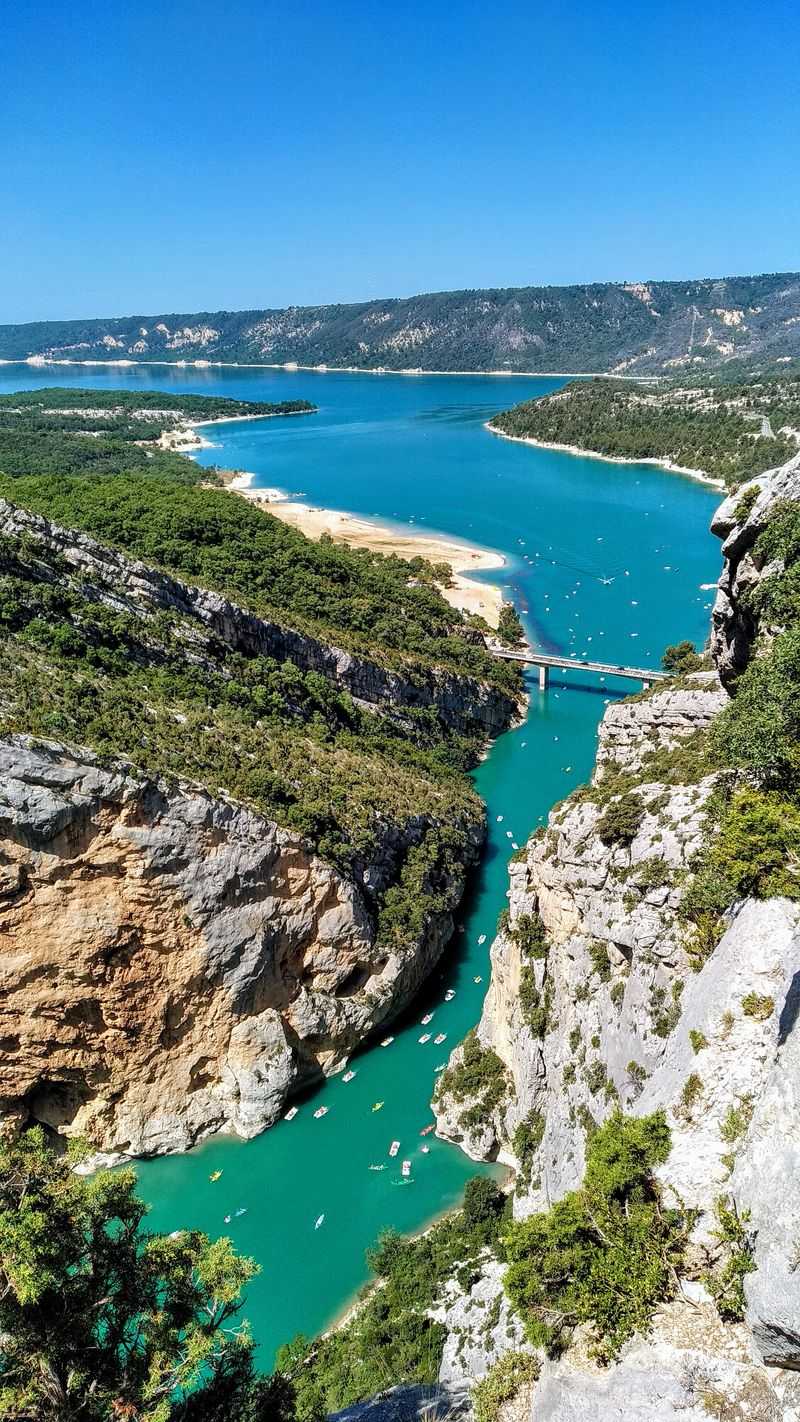
The Verdon Gorge stands as a striking natural wonder where turquoise waters have carved through limestone cliffs up to 700 meters deep, creating what many call Europe’s answer to the Grand Canyon. The Verdon River’s distinctive aquamarine color comes from glacial minerals and creates a mesmerizing contrast against the pale limestone walls.
The gorge is ideal for kayaking, with several rental companies offering equipment and guided trips through the most spectacular sections. Paddling through the narrow canyon provides an intimate perspective on the dramatic geology and allows access to hidden beaches and caves.
Scenic drives along the rim roads — Route des Crêtes on the south side and D952 on the north — offer numerous viewpoints where you can safely pull over to admire the dramatic views. These winding mountain roads require careful driving but reward travelers with constantly changing perspectives of the gorge.
Hiking trails range from easy lakeside walks to challenging routes descending into the canyon itself. The rugged beauty adds adventurous diversity to a South of France itinerary typically focused on coastal pleasures and village charms.
Nearby villages like Moustiers-Sainte-Marie provide charming bases for exploring the region and shopping for the famous local faïence pottery.
Luberon Hilltop Villages — Timeless Provence
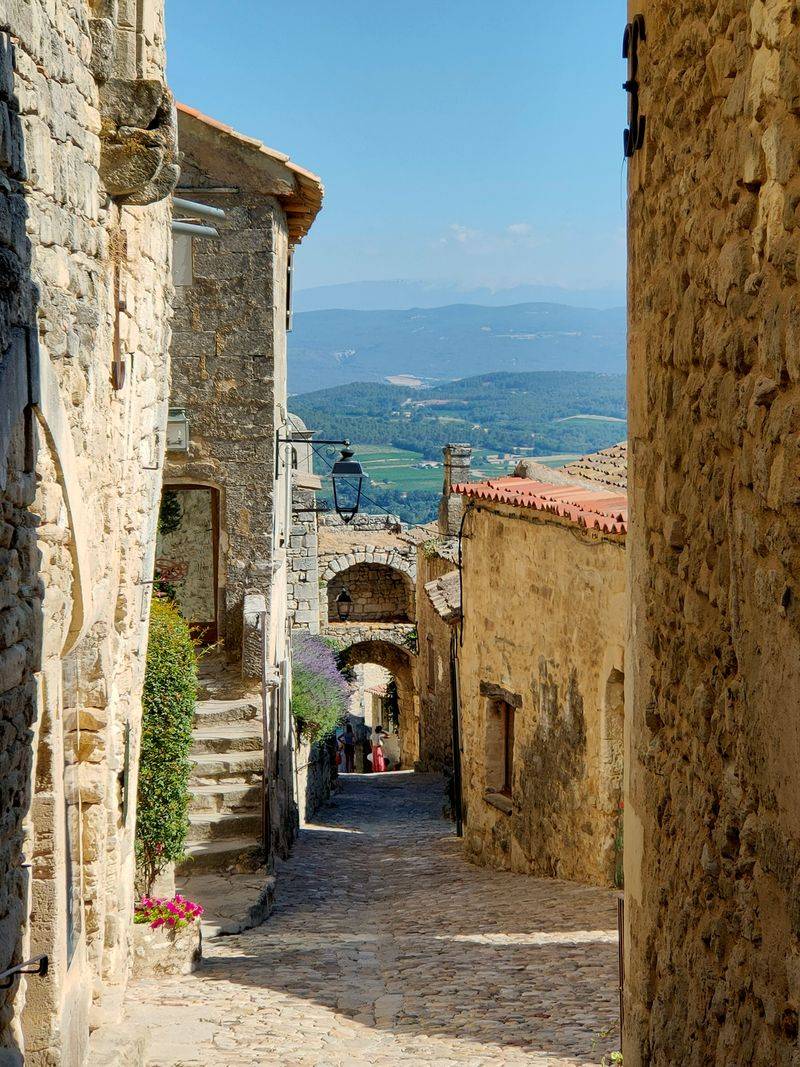
Villages like Gordes, Roussillon, and Bonnieux perch atop lavender-fringed hills throughout the Luberon region, each offering pastel facades, historic charm, and sweeping countryside views that define the Provençal dream. These postcard-ready scenes are quintessential Provence and unforgettable for first-time visitors seeking authentic French village life.
Gordes clings dramatically to a hillside, its honey-colored stone buildings spiraling upward toward a Renaissance castle. The nearby Sénanque Abbey, surrounded by lavender fields, creates one of Provence’s most photographed scenes and remains home to a community of Cistercian monks.
Roussillon stands out for its ochre cliffs and buildings painted in warm shades of red, orange, and yellow derived from local pigments. The Ochre Trail (Sentier des Ocres) winds through former quarries where the vibrant earth creates an almost otherworldly landscape.
Bonnieux offers spectacular views across the Luberon valley toward Mont Ventoux, while villages like Ménerbes, Lacoste, and Lourmarin each possess distinct personalities and charms. Exploring these hilltop settlements means navigating narrow cobbled streets, discovering hidden squares, and stopping at local markets where time seems to move more slowly than in the modern world beyond the valley.
Cassis & Calanques National Park — Stunning Inlets
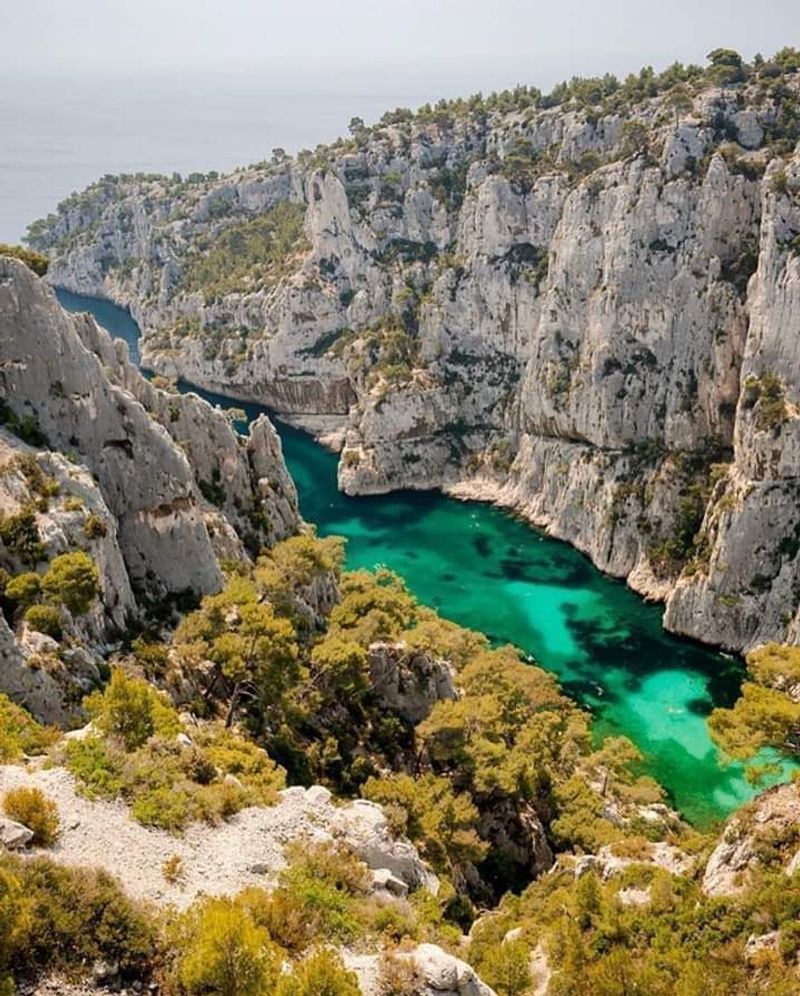
Cassis is a quaint seaside town with a scenic harbor and serves as the primary access point to Calanques National Park, where dramatic limestone cliffs meet hidden turquoise inlets in some of the Mediterranean’s most exhilarating coastal scenery. The town itself charms visitors with pastel buildings, waterfront restaurants, and a relaxed fishing village atmosphere.
The calanques — narrow fjord-like inlets carved into white limestone — stretch along the coast between Marseille and Cassis. Calanque de Port-Miou, Port-Pin, and En-Vau are among the most accessible and spectacular, with crystalline waters perfect for swimming in the warmer months.
Boat tours departing from Cassis harbor offer comfortable ways to view multiple calanques in a few hours, with commentary explaining the geology and ecology. For more adventurous visitors, coastal hiking trails provide stunning viewpoints and direct access to secluded beaches, though some paths require good fitness and proper footwear.
Cassis also produces distinctive white wines from steep hillside vineyards overlooking the sea — some of France’s most dramatically situated wine country. The combination of natural beauty, outdoor activities, and gastronomic pleasures makes Cassis and the Calanques an essential stop for first-time visitors seeking both relaxation and adventure along the Southern French coast.
Montpellier — Vibrant University & Cultural Hub
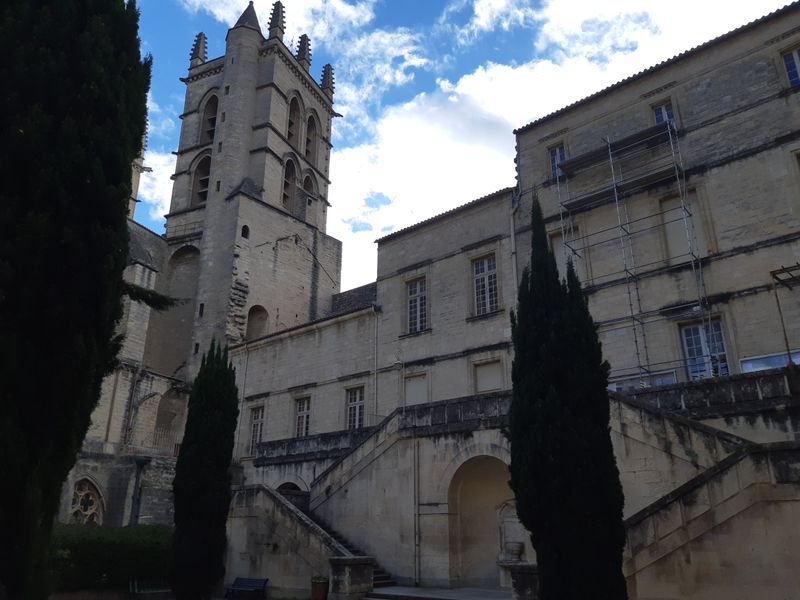
Montpellier is a lively city known for its historic center, pedestrian plazas, and contemporary culture that creates an energetic atmosphere distinct from the more tourist-focused Riviera towns. Its blend of medieval architecture and modern arts scene makes it a rewarding urban stop between coastal explorations and inland Provence adventures.
The Place de la Comédie serves as the city’s beating heart, a vast pedestrian square surrounded by elegant 19th-century buildings and outdoor cafés where locals gather day and night. The adjacent Esplanade Charles de Gaulle provides green space and connects to the modern Antigone district designed by architect Ricardo Bofill.
Montpellier’s old town — l’Écusson — features narrow medieval streets, hidden courtyards, and the impressive Saint-Pierre Cathedral. The city’s university, founded in 1220, ranks among Europe’s oldest and keeps Montpellier youthful, affordable, and culturally vibrant with a thriving music and arts scene.
The nearby Mediterranean coast at Palavas-les-Flots offers beaches just a short tram ride from the city center. Montpellier’s excellent restaurants showcase regional cuisine with innovative twists, and the wine country of Languedoc surrounds the city, making it easy to arrange tastings at nearby estates producing everything from crisp whites to robust reds.
Béziers — Wine, Festivals & Canal du Midi
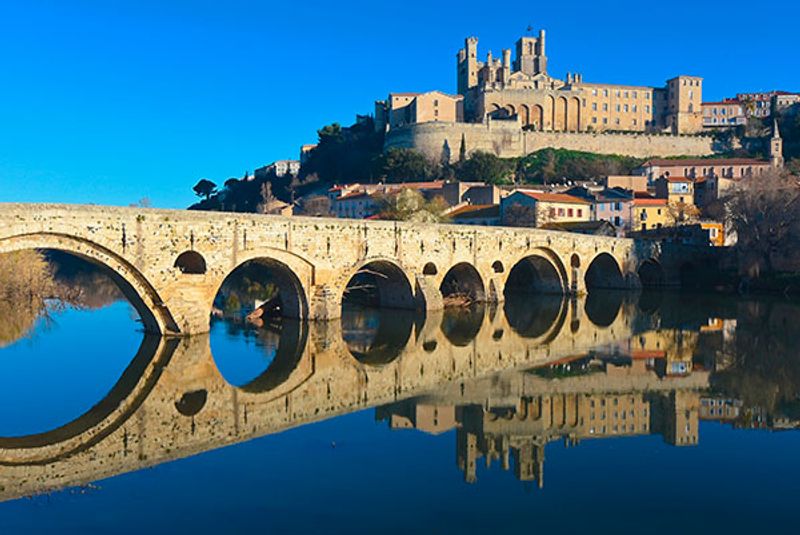
Béziers offers historic charm and lively traditions that provide an authentic taste of Southern French life away from the major tourist circuits. The city’s medieval heart sits atop a hill overlooking the Orb River, crowned by the impressive Saint-Nazaire Cathedral with its Gothic towers and fortified appearance.
The famous August Feria transforms Béziers into a vibrant celebration of local culture with bullfights, traditional music, street performances, and all-night festivities that draw visitors from across the region. The city maintains strong connections to Catalan and Spanish traditions that distinguish it from other parts of Provence.
Scenic spots where the Canal du Midi passes over the Orb River via the impressive Pont-Canal create unique engineering marvels and pleasant walking paths. The canal, a UNESCO World Heritage site, offers cycling and boating opportunities through plane-tree-shaded waterways connecting the Mediterranean to the Atlantic.
Béziers sits at the heart of Languedoc wine country, surrounded by vineyards producing excellent and affordable wines that rival better-known regions. The blend of wine culture, medieval heritage, and genuine Mediterranean climate makes Béziers a valuable addition to a South of France tour for travelers seeking destinations with local character and fewer international tourists.
Sète — Authentic Seaside & Cultural Flavor
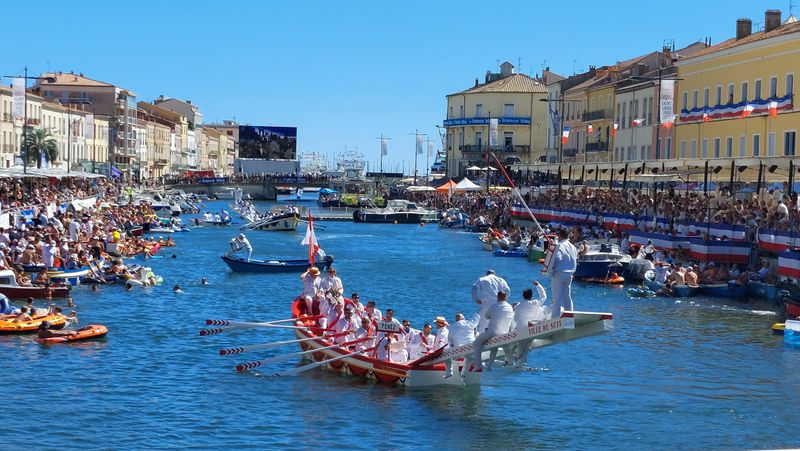
The maritime town of Sète, with its network of canals and oyster-rich seafood markets, offers a vivid slice of Southern French life that feels refreshingly authentic and unpretentious. Often called the “Venice of Languedoc,” Sète spreads across a narrow strip between the Mediterranean and the Étang de Thau lagoon, creating a unique geography shaped by water.
The old port buzzes with fishing boats, seafood restaurants serving tielle sétoise (spicy octopus pie), and markets where vendors shuck fresh oysters at harborside stalls. The town’s working waterfront maintains traditions that have disappeared from more touristy coastal destinations.
Traditional “water jousting” events — joutes nautiques — provide spectacular entertainment during summer, with competitors attempting to knock each other off platforms while standing on boats. This centuries-old tradition draws enthusiastic local crowds and offers visitors a glimpse into regional sporting culture.
Year-round sunshine, cultural museums including one dedicated to local poet Paul Valéry, and the Mont Saint-Clair viewpoint give travelers an authentic local experience beyond the usual Riviera stops. The town’s genuine character, affordable prices, and excellent seafood make Sète a rewarding destination for first-time visitors willing to venture slightly off the most beaten paths of Southern France.
Share this story