Tarboro, North Carolina, is a hidden gem that perfectly blends the charm of the past with the practicality of affordable living. This small town, nestled along the Tar River in Edgecombe County, boasts tree-lined streets, stunning antebellum architecture, and a rich history that dates back centuries.
What makes Tarboro truly special is how it offers residents and visitors a chance to experience authentic Southern heritage without breaking the bank. If you’re searching for a place where history comes alive and your dollar stretches further, Tarboro deserves a closer look.
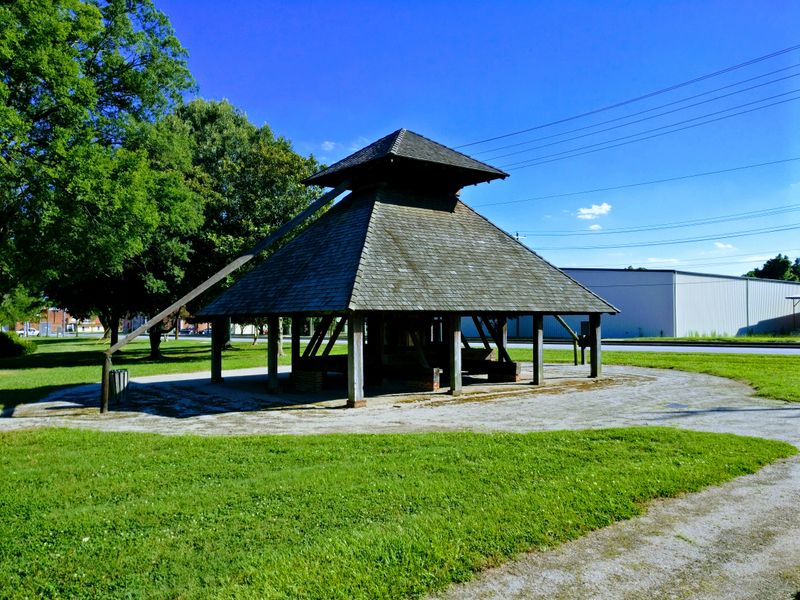
At the heart of Tarboro sits one of the oldest town commons in the United States, a sprawling green space that has served as the community’s gathering place since 1760. This isn’t just any park—it’s a living piece of American history where generations have celebrated, protested, and simply enjoyed life together.
The common stretches across several acres, surrounded by magnificent historic homes and buildings that transport you back in time.
Families love spending afternoons here, spreading picnic blankets under massive oak trees that have witnessed centuries of change. Kids run freely across the open grass while parents relax on benches, taking in the peaceful atmosphere.
The common hosts seasonal events, farmers markets, and festivals that bring the whole community together.
What makes this space truly remarkable is how it remains central to daily life in Tarboro. Unlike many historic sites that feel like museums, the town common is actively used and loved by residents.
Walking its paths at sunset, with historic architecture glowing in golden light, you’ll understand why Tarboro treasures this special place. Best of all, enjoying this slice of history costs absolutely nothing.
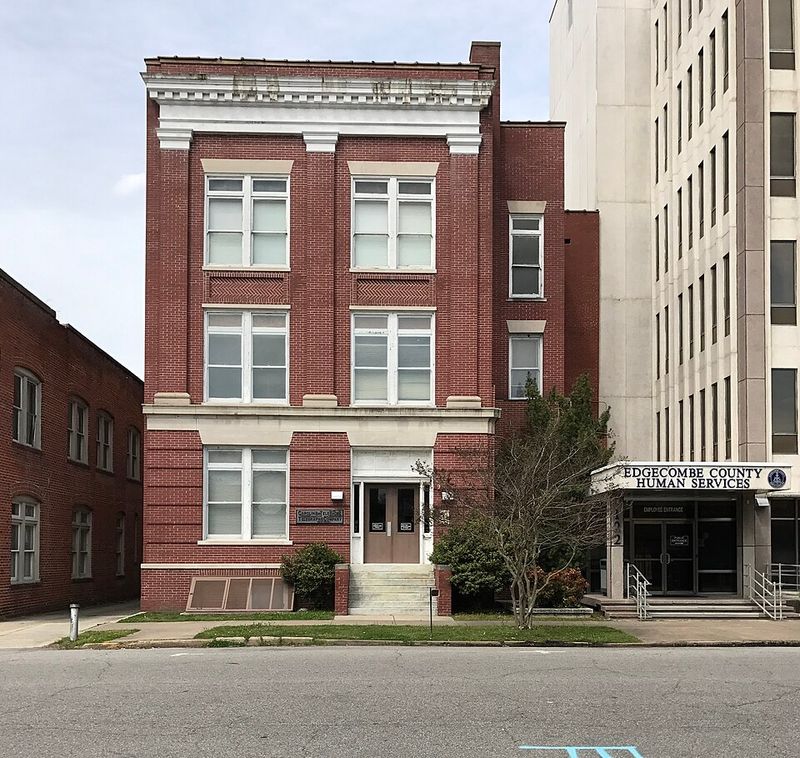
Housing prices in Tarboro make homeownership dreams actually achievable for regular working families. While many parts of North Carolina have seen skyrocketing real estate costs, Tarboro maintains remarkably reasonable prices that feel like stepping back to a different era.
You can find beautiful historic homes with original hardwood floors, high ceilings, and wraparound porches for a fraction of what similar properties cost elsewhere.
The median home price in Tarboro sits well below the national average, making it attractive for first-time buyers, retirees, and anyone seeking financial breathing room. Rental properties are equally affordable, with options ranging from cozy apartments to spacious houses.
Many homes sit on generous lots with mature trees and gardens, offering space that would be unthinkable in pricier markets.
Beyond the initial purchase price, property taxes remain low, further stretching household budgets. This affordability doesn’t mean settling for less—many homes feature stunning architectural details and have been lovingly maintained.
Young professionals working remotely are discovering they can own a piece of history here while saving significantly. The combination of charm and value creates opportunities that are increasingly rare in today’s housing market.
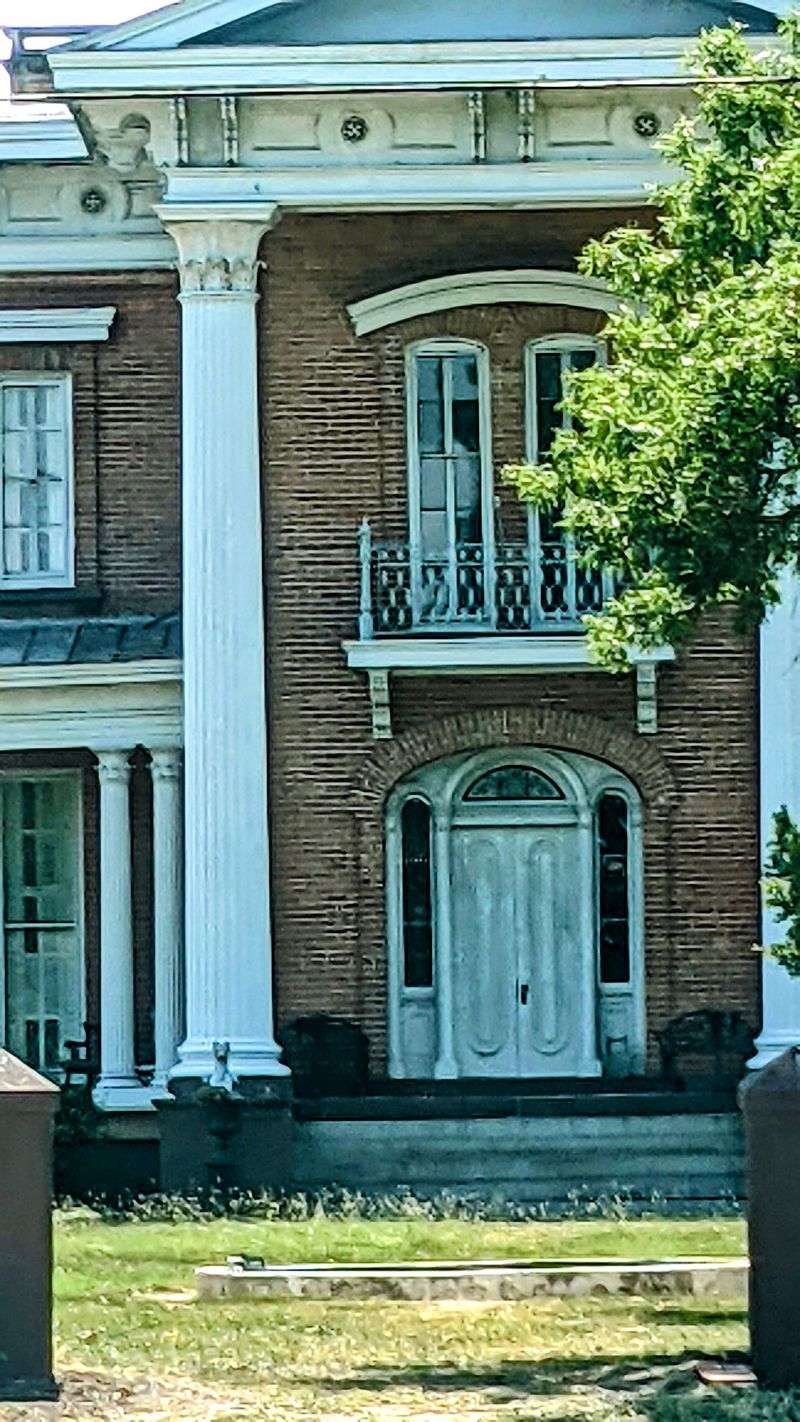
Step inside the Blount-Bridgers House and you’ll feel like you’ve traveled through time to the antebellum South. This magnificent mansion, built in 1808, showcases the architectural grandeur and lifestyle of Tarboro’s most prosperous era.
The home features soaring columns, elegant rooms filled with period furniture, and decorative details that craftsmen spent years perfecting.
Tours of the house reveal fascinating stories about the families who lived here and the historical events that shaped Tarboro. Guides share tales of elaborate parties, daily routines, and the social customs of 19th-century North Carolina.
The house survived the Civil War and has been meticulously preserved, allowing visitors to see authentic examples of Southern decorative arts and architecture.
What surprises many visitors is how accessible this experience is—admission prices are modest, making cultural enrichment available to everyone. The museum also hosts special events, educational programs, and seasonal celebrations that bring history to life.
Walking through these rooms, examining original furnishings and personal belongings, creates a connection to the past that textbooks simply can’t match. For history enthusiasts or anyone curious about Southern heritage, this house offers an unforgettable glimpse into another world.
Your paycheck simply goes further in Tarboro, a reality that residents appreciate every single day. Grocery bills, utility costs, dining out, and everyday expenses run significantly lower than in North Carolina’s larger cities.
This financial advantage means families can save more, pay off debt faster, or simply enjoy life without constant money stress.
Local restaurants serve delicious Southern cooking at prices that won’t shock your wallet. A hearty meal at a family-owned diner costs less than a fast-food combo in many urban areas.
Gas stations, retail shops, and service providers all maintain reasonable pricing that reflects the community’s values rather than inflated market rates.
Healthcare costs also tend to be more manageable, with local providers charging fair rates for quality care. Entertainment options like community theater, parks, and events are often free or very inexpensive.
The money you save on daily expenses can be redirected toward things that truly matter—education, travel, hobbies, or building an emergency fund.
Retirees find their fixed incomes stretch comfortably here, while young families discover they can live well on modest salaries. This economic reality creates less financial anxiety and more freedom to pursue meaningful goals.
In Tarboro, affordable living isn’t about sacrificing quality—it’s about smart economics benefiting everyone.
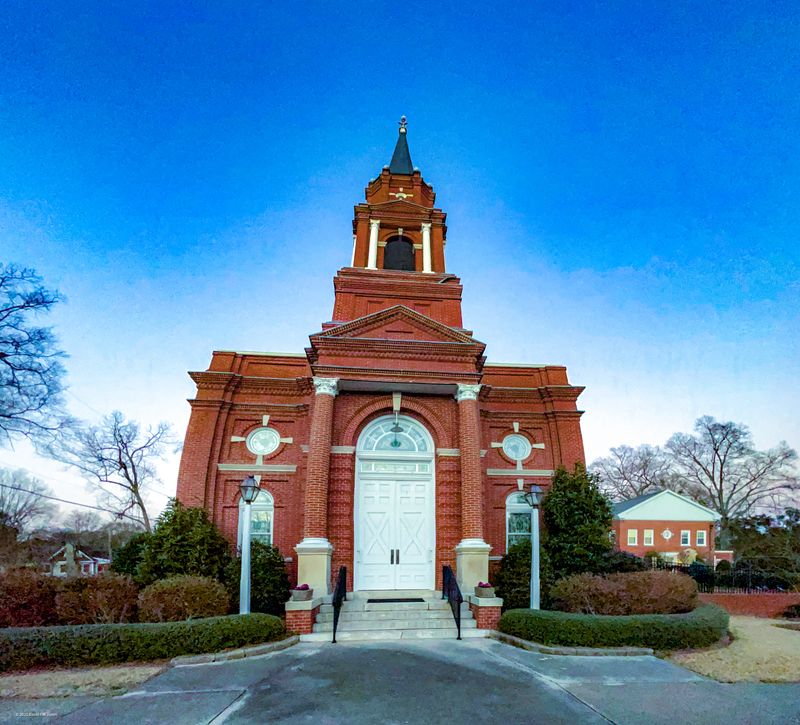
Architecture enthusiasts could spend days wandering Tarboro’s historic district, marveling at the incredible variety of building styles preserved here. Greek Revival mansions stand proudly beside Victorian cottages, while Federal-style homes showcase the craftsmanship of early American builders.
Each structure tells its own story through decorative brackets, intricate moldings, and unique design elements.
The district encompasses over 45 blocks filled with buildings that span more than two centuries of architectural evolution. Walking these streets feels like flipping through a living textbook of American design history.
Many homes feature original details—wavy glass windows, hand-carved woodwork, and brick laid by craftsmen long gone but not forgotten.
What makes this district extraordinary is its authenticity and completeness. Unlike cities where historic buildings stand isolated among modern construction, Tarboro’s historic core remains largely intact.
Tree canopies arch over brick sidewalks, creating shaded corridors that invite leisurely exploration. Residents take pride in maintaining their historic properties, often researching original paint colors and restoration techniques.
The National Register of Historic Places recognizes Tarboro’s architectural significance, but you don’t need official designation to appreciate the beauty here. Simply driving or walking through these neighborhoods reveals why preservationists celebrate this town as a Southern treasure worth protecting.
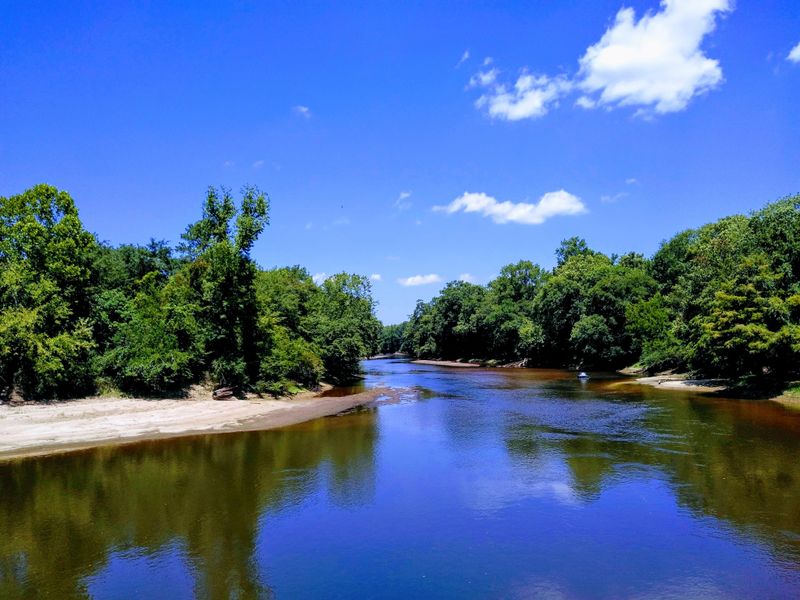
The Tar River flows through Tarboro like a liquid highway to outdoor adventure, offering residents free access to nature’s playground. Kayakers and canoers paddle its gentle currents, discovering wildlife and peaceful stretches far from traffic noise.
The river’s pace suits beginners perfectly while still providing enough interest to keep experienced paddlers engaged.
Fishing enthusiasts cast lines for bass, catfish, and other species that thrive in these waters. Local anglers know the best spots and often share tips with newcomers, reflecting Tarboro’s friendly community spirit.
You don’t need expensive equipment or guided tours—just grab your gear and find a promising bank.
Birders flock to the river’s edges, where herons, egrets, and countless other species hunt and nest. The riparian habitat supports diverse ecosystems that change with the seasons, offering new discoveries throughout the year.
Early morning mist rising off the water creates magical moments that photographers cherish.
Several public access points make reaching the river easy and free, removing barriers that keep people from nature elsewhere. Families pack lunches and spend entire days exploring, swimming in approved areas, and simply enjoying the outdoors.
The river reminds residents that some of life’s best pleasures—fresh air, natural beauty, and peaceful moments—cost nothing at all.
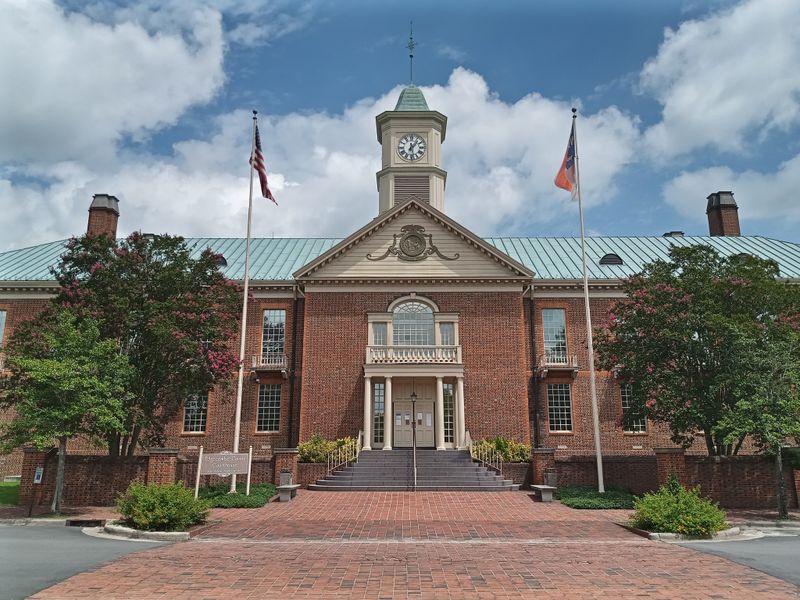
Serving as Edgecombe County’s seat brings Tarboro practical advantages that enhance daily life for residents. Government services, court facilities, and administrative offices are centrally located and easily accessible, saving time and hassle.
When you need to handle official business—renewing licenses, filing documents, or accessing public records—everything is conveniently available in one small town.
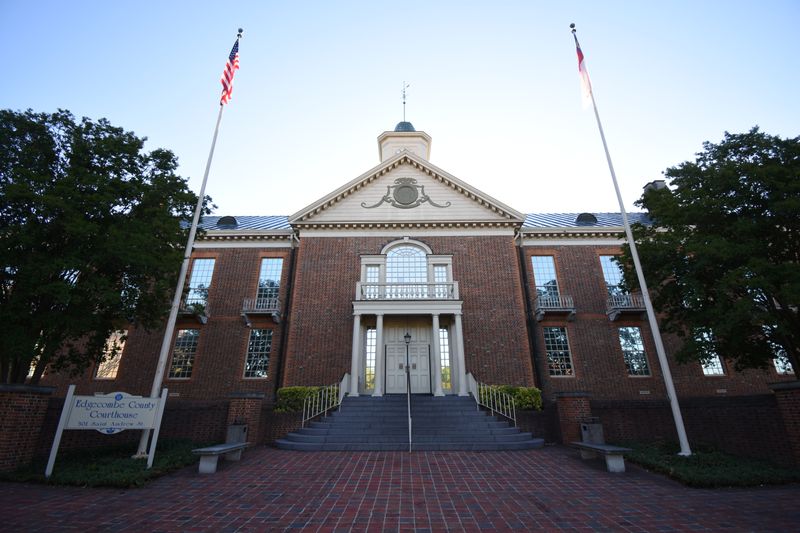
The county courthouse, a beautiful historic building itself, anchors downtown Tarboro and draws people from across Edgecombe County. This steady flow of visitors supports local businesses, from coffee shops where lawyers meet clients to restaurants serving lunch to courthouse workers.
The economic activity generated by county government operations provides stable employment and business opportunities.
Being the county seat also means Tarboro receives priority attention for infrastructure improvements, public safety resources, and community development initiatives. County officials maintain offices here, making local government more accessible to citizens.
Town meetings and public hearings happen regularly, giving residents direct input into decisions affecting their lives.
This governmental presence adds stability to Tarboro’s economy, buffering against the ups and downs that purely commercial towns experience. Jobs in county government offer good benefits and reliable paychecks, attracting educated professionals who become invested community members.
The combination of historic significance and practical governmental function creates a foundation for Tarboro’s continued relevance and vitality.
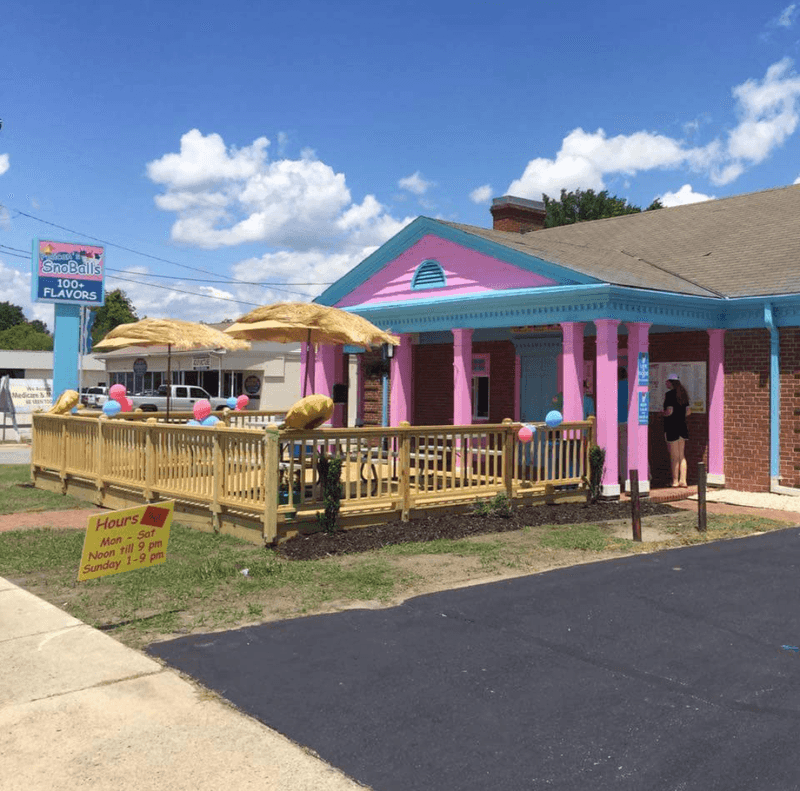
Neighbors actually know each other’s names in Tarboro, a simple reality that profoundly impacts daily life quality. People wave from porches, stop to chat at the grocery store, and genuinely care about each other’s wellbeing.
This isn’t forced politeness—it’s authentic community connection that has become rare in modern America.
Local businesses remember their regular customers, asking about family members and remembering preferences. The pharmacist knows your medications, the librarian recommends books based on your interests, and the diner waitress brings your usual order without asking.
These personal touches create a sense of belonging that money cannot buy.
Community events draw impressive turnouts because people enjoy gathering together. Church suppers, school fundraisers, and charity drives succeed because residents actively support shared causes.
When someone faces hardship—illness, fire, job loss—the community rallies with meals, donations, and practical help.
This social fabric provides security beyond what any alarm system offers. Kids can play outside with reasonable freedom because watchful neighbors provide extra eyes.
Elderly residents age in place more safely because people notice if something seems wrong. The isolation and anonymity that plague larger communities simply don’t exist here.
For those tired of feeling invisible in crowded cities, Tarboro’s genuine community spirit offers something precious—the experience of truly belonging somewhere.

Tarboro occupies a strategic location that delivers small-town benefits without complete isolation from urban amenities. Rocky Mount sits just 20 minutes away, offering big-box retailers, medical specialists, and entertainment options when needed.
This proximity means you’re never truly far from whatever larger cities provide.
Greenville, home to East Carolina University, lies about 30 minutes south, bringing college sports, cultural events, and educational opportunities within easy reach. Families can catch a Pirates football game or attend university theater productions without the commitment of living in a college town.
The drive is short enough for regular trips but far enough to avoid student-related congestion and noise.
Raleigh, North Carolina’s capital, sits roughly an hour away via Highway 64, making day trips or occasional visits completely practical. Access to the Research Triangle’s job market, international airport, and big-city amenities remains available without the daily stress of urban living.
Some Tarboro residents even commute to Triangle jobs, accepting the drive in exchange for affordable housing and peaceful home life.
This geographic positioning creates flexibility—enjoy Tarboro’s tranquility most days while knowing urban resources are accessible when circumstances require them. Medical emergencies can reach advanced trauma centers quickly.
Special shopping needs, concerts, or professional sporting events are all within reasonable driving distance. You get the best of both worlds without the compromises that usually come with choosing one or the other.
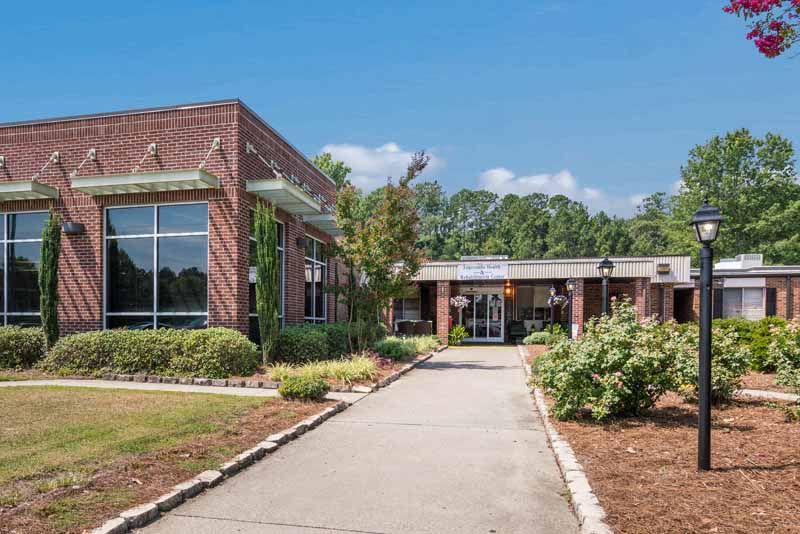
Families moving to Tarboro discover educational options that combine personal attention with solid academics. Smaller class sizes mean teachers actually know each student individually, recognizing learning styles and providing tailored support.
Kids aren’t just numbers in an overcrowded system—they’re known, valued individuals whose teachers often remember them for life.
Edgecombe County Public Schools serve Tarboro, offering programs from elementary through high school. The schools emphasize both academics and character development, preparing students for college and career success.
Sports programs, arts opportunities, and extracurricular activities provide well-rounded experiences despite the district’s modest size.
Parents appreciate being able to participate actively in their children’s education. School events feel like genuine community gatherings where families connect.
Teachers are accessible, often shopping at the same stores and attending the same churches as their students’ families. This overlap creates accountability and partnership in education.
For those seeking alternatives, nearby colleges including East Carolina University and Edgecombe Community College provide continuing education and workforce training. Adults can pursue degrees, learn new skills, or explore interests through affordable community college courses.
The combination of quality K-12 education and accessible higher education creates pathways for lifelong learning. Educational opportunities might not rival those in major metropolitan areas, but they’re solid, affordable, and delivered with personal care that larger systems cannot match.
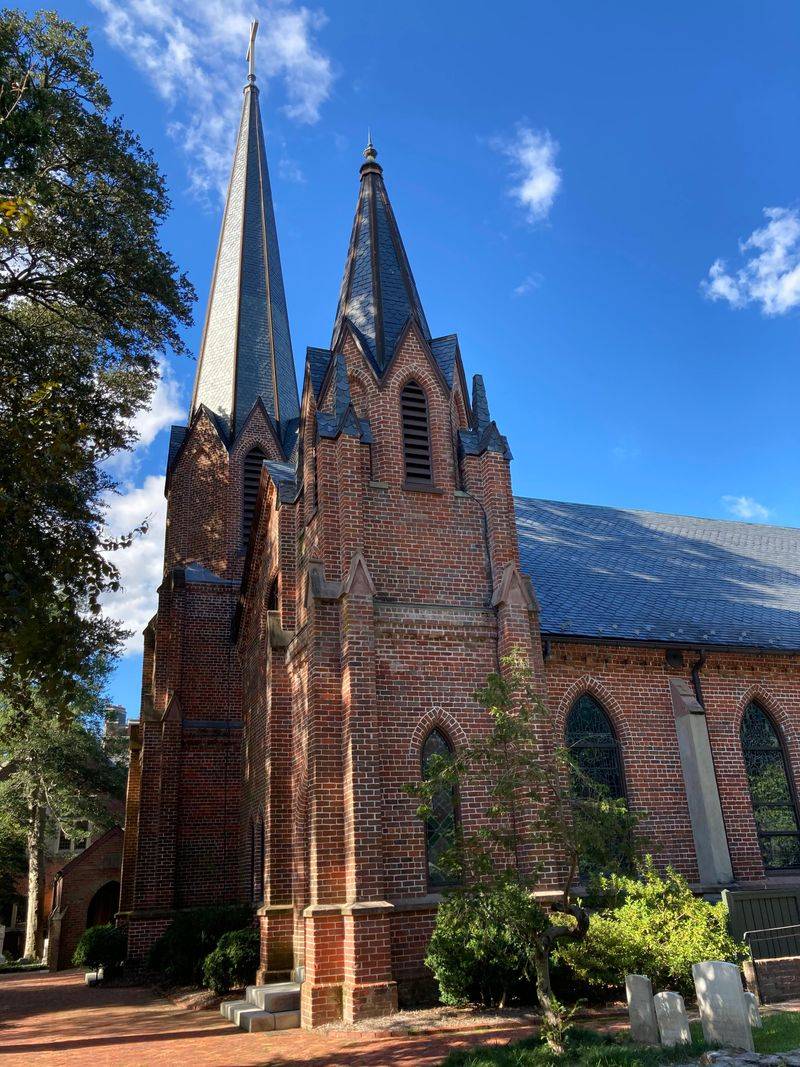
Church steeples punctuate Tarboro’s skyline, marking houses of worship that have served the community for generations. These aren’t just buildings—they’re spiritual homes where families have celebrated weddings, mourned losses, and marked life’s milestones for over two centuries.
The architectural beauty of these structures reflects the importance faith has played in Tarboro’s history.
Calvary Episcopal Church, with origins dating to the 1700s, stands as one of the oldest continuously operating churches in North Carolina. Its Gothic Revival architecture and beautiful stained glass create an atmosphere of reverence and peace.
Other historic congregations—Baptist, Methodist, Presbyterian—each contribute their own architectural styles and worship traditions to Tarboro’s religious landscape.
These churches remain active, vibrant communities rather than historic relics. Sunday services fill pews with multigenerational families, while weekday programs serve community needs through food pantries, youth groups, and fellowship activities.
The churches provide social networks that help newcomers integrate into Tarboro life.
Faith communities in Tarboro emphasize service and outreach, organizing charitable initiatives that address local needs. Whether you’re deeply religious or simply appreciate historic architecture, these churches offer something meaningful.
Tours are often available, and visitors are welcomed warmly. The bells that ring from these steeples mark time in Tarboro, connecting present-day residents to centuries of faithful communities who called this place home.
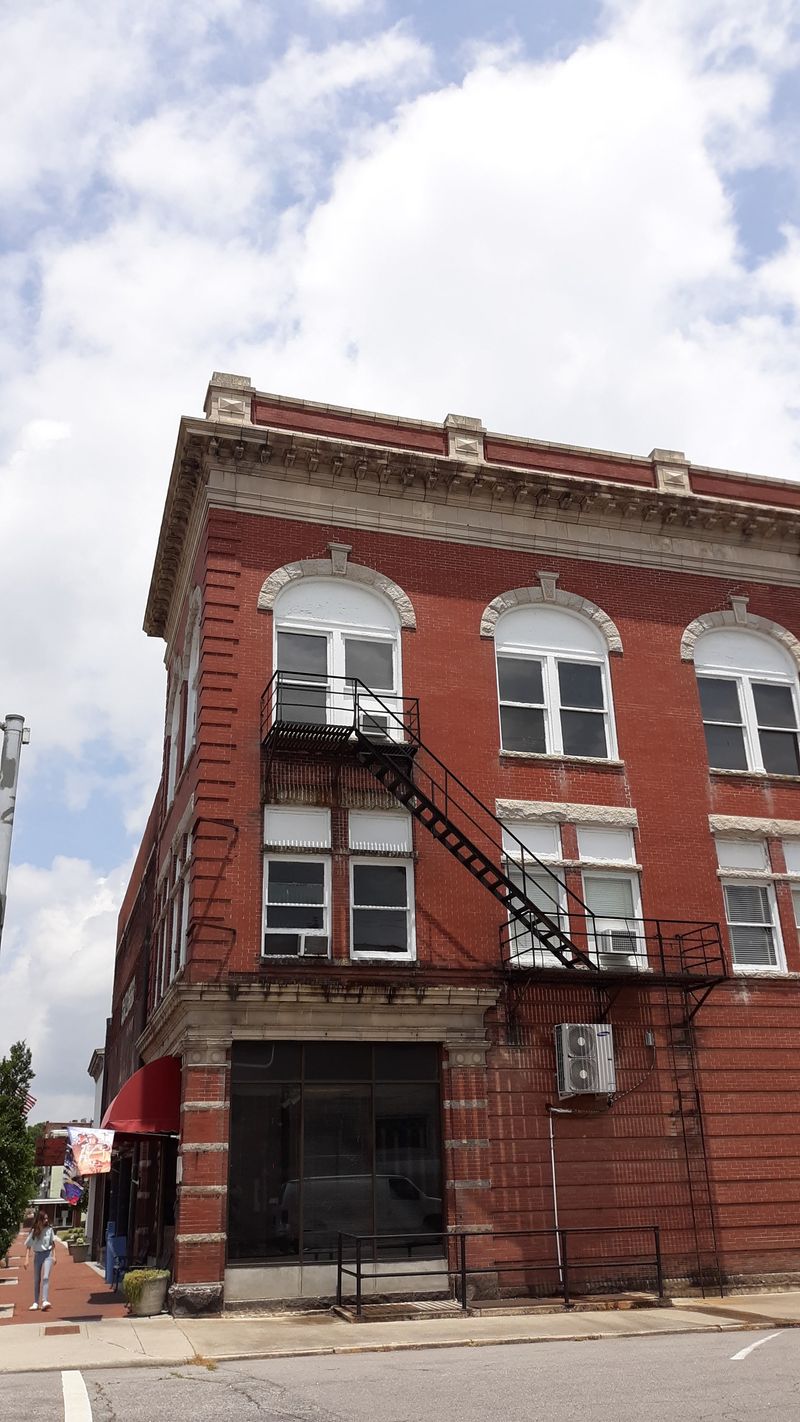
Downtown Tarboro pulses with life despite its small size, offering locally-owned shops and restaurants that big-box chains cannot replicate. Antique stores overflow with treasures from estates and collections, where patient browsers discover everything from vintage furniture to rare collectibles.
Prices remain reasonable because overhead costs are low and owners price fairly rather than chasing maximum profits.
Local restaurants serve authentic Southern cooking that grandmothers would approve of—fried chicken, collard greens, sweet tea, and desserts that define comfort food. These aren’t trendy farm-to-table concepts; they’re honest establishments where recipes have been perfected over decades.
Breakfast at a downtown diner costs less than a fancy coffee elsewhere, yet delivers quality and hospitality that feel priceless.
Specialty shops sell everything from handmade crafts to home goods, often featuring items from local artisans. Shopping downtown means supporting neighbors rather than distant corporations, keeping money circulating within the community.
Store owners take time to chat, offer advice, and build relationships with customers.
The downtown area remains walkable and pleasant, with historic buildings housing modern businesses. Window shopping costs nothing but provides entertainment and connection to local culture.
Seasonal decorations transform Main Street during holidays, creating picture-perfect scenes. While you won’t find every retail option here, what downtown Tarboro offers is authentic, affordable, and genuinely enjoyable.
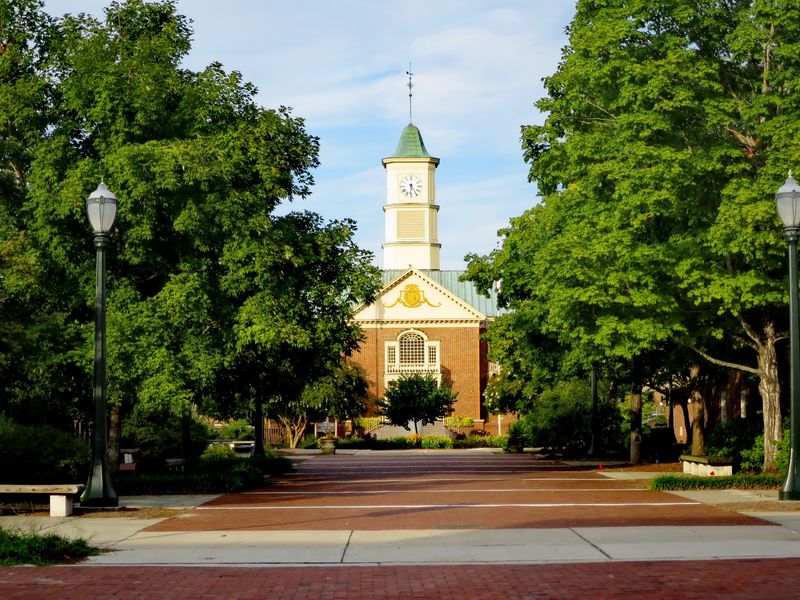
Tarboro’s calendar fills with events that bring the community together and celebrate local heritage. The Christmas Candlelight Tour transforms the historic district into a winter wonderland, with homes decorated in period style and open for evening tours.
Visitors stroll lamplit streets, experiencing how Tarboro celebrated holidays in centuries past. The event draws people from across the region but remains affordable and accessible.
Summer concerts on the town common provide free entertainment under the stars, where families spread blankets and enjoy live music. Local musicians showcase their talents while children dance and play.
Food vendors offer treats, but many people pack picnics, making these evenings enjoyable regardless of budget.
The Tarboro Farmers Market operates seasonally, connecting growers with consumers in a festive atmosphere. Fresh produce costs less when bought directly from farmers, and the quality surpasses what supermarkets offer.
Beyond vegetables, vendors sell baked goods, crafts, and specialty items, all while neighbors catch up on news.
Arts and theater groups stage productions throughout the year, often in historic venues that enhance performances. Community theater welcomes participants of all skill levels, making cultural involvement accessible to anyone interested.
These events create shared experiences that strengthen community bonds. Whether you’re watching a play, attending a festival, or enjoying a concert, Tarboro’s cultural offerings prove that entertainment doesn’t require expensive tickets or exclusive venues.
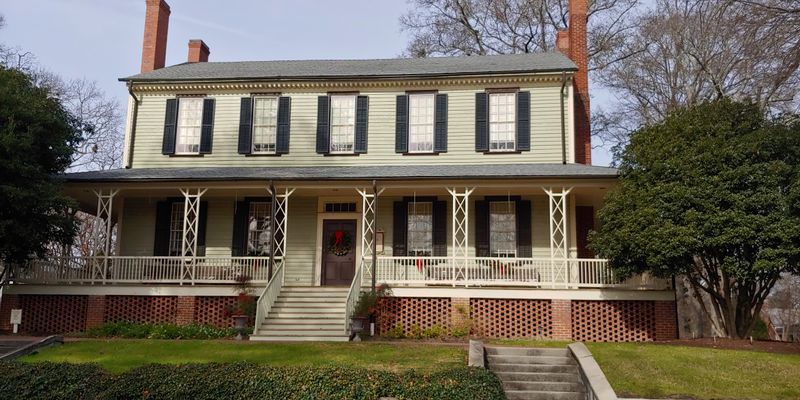
Front porch sitting remains an actual activity in Tarboro, not a nostalgic fantasy. Residents rock in chairs, sip sweet tea, and watch the world pass by at a pace that allows real observation.
Strangers walking past receive friendly greetings, and conversations with neighbors can stretch for hours. This lifestyle values people and relationships over schedules and productivity.
Southern hospitality in Tarboro isn’t performative—it’s genuine warmth rooted in cultural tradition. Newcomers receive invitations to church dinners, offers of help moving in, and recommendations for everything from doctors to mechanics.
People share garden produce, check on elderly neighbors, and show up with casseroles during difficult times.
The slower pace initially surprises people accustomed to urban rush, but most come to appreciate it deeply. Meals are savored rather than rushed.
Errands become opportunities for conversation. Sundays feel different—quieter, more restful, dedicated to family and faith.
This rhythm reduces stress and creates space for what matters most.
Politeness and manners still count here. Children say “yes ma’am” and “no sir.” Adults hold doors and offer assistance without being asked.
These small courtesies create a social environment that feels safer and more civilized. While some might find the traditional culture too slow or old-fashioned, those seeking respite from modern chaos discover Tarboro’s Southern lifestyle offers something increasingly precious—peace, connection, and genuine human kindness.
While Tarboro’s job market differs significantly from booming metropolitan areas, it offers stability and opportunities that suit many lifestyles. Healthcare, education, and government sectors provide steady employment with decent benefits.
Local manufacturers and agricultural businesses contribute jobs that have sustained families for generations. The work might not be glamorous, but it’s honest and reliable.
Remote work has transformed Tarboro’s economic landscape, attracting professionals who can work from anywhere. High-speed internet reaches most areas, enabling careers in technology, consulting, writing, and countless other fields.
These remote workers enjoy Tarboro’s affordability while earning salaries based on larger markets—a combination that builds wealth quickly.
Small business ownership thrives here because startup costs and overhead remain manageable. Entrepreneurs can test concepts without risking financial ruin.
Local customers support new ventures, giving businesses time to establish themselves. The town government encourages economic development, offering resources to help businesses succeed.
Commuters find that driving to Rocky Mount or Greenville for higher-paying jobs makes economic sense when housing costs so much less in Tarboro. The trade-off between commute time and affordable living works for many families.
Unemployment rates remain relatively low, and while wages may not match urban levels, they align with the area’s cost of living. Economic stability rather than explosive growth characterizes Tarboro’s job market—a reality that appeals to those valuing security over ambition.
Share this story