 Unearth The Voyage
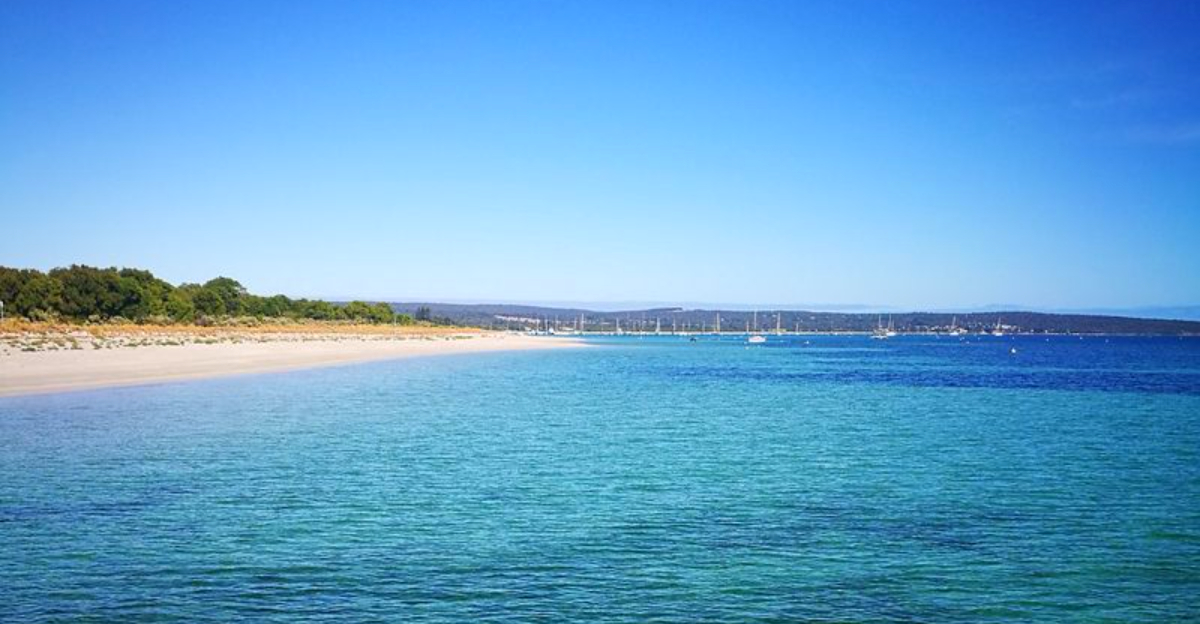
You can almost hear the wind before you feel the danger. A calm bay turns restless, and suddenly every meter of water matters.
This is the true account of a thirteen-year-old who met that moment head-on, cutting through fear and distance to bring his family home. Keep reading, because each decision he made reveals how ordinary courage becomes life-saving action.
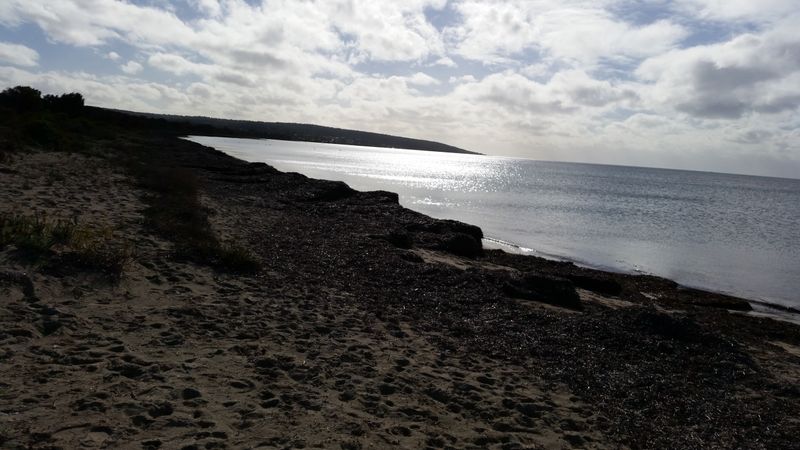
Sunlight sparkled on Geographe Bay, and you would have sworn the day had only gentle plans. Boards bobbed, a kayak nudged the shallows, and the bay felt like a friendly backyard with extra salt.
Western Australia can charm like that, especially in Quindalup where the shoreline sits easy and familiar.
Then the breeze found its stride. Not a gale, not a spectacle, just a steady push that set equipment sliding farther from confidence.
You notice distance only after it gathers itself into risk, when your landmarks grow smaller and the water grows larger.
Complacency is the first slip, not the last. The family kept their calm, but the ocean kept their attention.
You could call it a warning, except warnings usually arrive earlier. By the time the edge became visible, the gap was already forming between shore and safety.
It was not drama that moved them, but drift. The paddleboards and kayak slid outward on quiet rails of wind and current, behaving perfectly while disobeying safety.
No splash, no scream, only widening blue.
That is the trick of open water. Separation masquerades as nothing much until the shoreline refuses to come closer.
You keep paddling, hoping for a handhold that will not arrive.
Panic offers speed without direction. Instead, the boy measured the facts: the family together, the wind stubborn, the bay expanding.
Someone needed to go where the help lived. He did not chase luck.
He set a target and prepared to break away.
Choices rarely announce their weight. He climbed into the kayak with a simple plan and an adult-sized responsibility.
Reach land, raise the alarm, trust the strokes.
At thirteen, fear is often theoretical. Out here, it had a waterline and a timetable.
The kayak began taking on water, first a whisper around the ankles, then a clock ticking up the hull.
There are times when certainty is a luxury. He kept paddling anyway, testing how far grit could carry a small craft and a bigger promise.
When the leak made the answer obvious, he let go of the boat and held onto the mission. That is not bravado.
That is commitment shaped by urgency.
Goodbye kayak, hello horizon. He slipped into rougher water with a distance that meant more math than hope.
Four kilometers is not a number until you are the one closing it.
The sea asked for rhythm, not haste. He found a cadence that matched the swell, buying progress one breath at a time.
For the first hours, the life jacket kept buoyancy steady but speed stubborn.
Calculation replaced panic. He removed the jacket when drag outpriced comfort, trading float for forward motion.
It sounds reckless until you count the minutes. Each stroke was a contract signed with fatigue, and he honored every line.
Resolve can be louder than waves. He kept repeating the same message like a metronome: not today.
You know that mantra, the one that edits fear into something manageable.
Technique did the rest. Breaststroke for sightlines, freestyle for distance, backstroke for quick mercy when shoulders burned.
He rotated strategies the way a mechanic swaps tools, precise and timely.
The ocean ignored negotiations. He answered with persistence.
Every minute survived was a minute earned for the people still drifting behind him. If courage has a sound, it is steady breathing in rough water and a promise that refuses to downgrade.
Sand underfoot can feel like a miracle. He reached bottom, staggered out of the water, and folded into the beach, lungs making thunder in his chest.
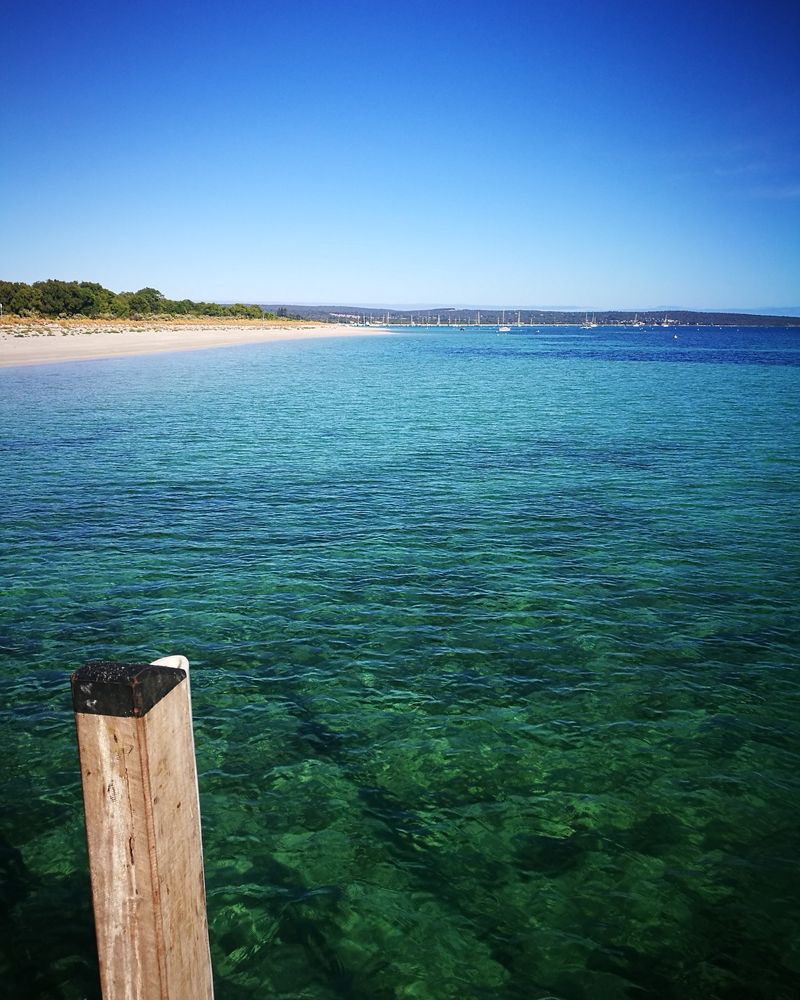
For a moment, the world shrank to dry air and gravity.
But the story did not grant intermission. His family was still somewhere beyond the horizon line, riding the wrong direction on the wind.
He forced legs that felt borrowed to stand again.
Two more kilometers on land became the next test. Soaked, cold, and shaking, he ran toward help because resting would cost too much.
Many rescues fade after the first victory. He chased the second without bargaining.
Phones can be lifelines. At 6:00 p.m., Western Australia Police logged the call and the clock started cutting minutes into thinner pieces.
Water police, volunteer crews, and a helicopter spun into motion.
Night pressed closer, and the bay grew bigger. Search grids stretched across guesswork and drift models, because open water erases footprints.
Three people clung to a paddleboard somewhere beyond easy arithmetic.
Urgency does not accept delays. Crews launched into chop and fading light, sharing coordinates and probabilities while the helicopter hunted for contrast on darkening water.
A race against time is not a metaphor when hypothermia is on the card.
Clarity arrived in colors. Even exhausted, he listed the kayak and paddleboard shades with sharp precision, offering anchors for eyes scanning chaos.
In open water, color turns into a beacon.
Rescue leaders locked onto the palette. Commander Paul Bresland later underscored how those specifics tightened the search field, trading uncertainty for something that could be spotted from the air.
Description became navigation.
Strength got him to shore. Detail sharpened the mission for everyone else.
Survival often belongs to the person who can notice and communicate while the body demands rest. He did both.
At 8:30 p.m., light finally found them. The helicopter crew spotted shapes that did not belong to the sea, fourteen kilometers from shore and running out of warmth.
Relief sounded like rotors and radio chatter.
They had stayed together and kept the life jackets on. That discipline bridged hours of cold and fear, holding them above the line where the ocean decides outcomes.
Professional crews angled in, guided by air to water.
The volunteer vessel closed the gap, hauled them aboard, and replaced uncertainty with blankets and voices. Against long odds, the family reassembled under floodlights, fragile and safe in the same breath.
Praise landed softly, the way real heroism prefers it. Inspector James Bradley spoke plainly about courage and timing, crediting a boy who refused to let the ocean make the last decision.
No embellishment was needed.
Lessons followed. Conditions shift fast, even in bays that pose for postcards.
Life jackets matter, details matter, and plans should respect wind more than confidence.
If you were there, you would remember the quiet most of all. A child stood taller than the day, not with speeches, but with choices executed when minutes were thin.
The family went home because resolve kept saying not today.
This wasn’t a stunt or an act of reckless bravado, but a series of clear, deliberate decisions made under intense pressure, each one guided by responsibility rather than fear. It reminds us how unpredictable the sea can be, even on days that appear calm and inviting, and how something as simple as wearing a life jacket can make the difference between survival and tragedy.
It also shows how clear thinking in moments of crisis can change outcomes entirely, and how courage is not measured by age or size. Most of all, this story highlights how extraordinary strength can emerge from the quietest, most unexpected places, precisely when it is needed most.
In four exhausting hours of swimming, a thirteen-year-old boy crossed more than open water – he crossed into a defining moment that will stay with him forever and one his family will never forget.



