Some rituals were so ordinary that nobody thought to label them traditions. They quietly shaped routines, relationships, and even what Sunday smelled like.
Now they have slipped into memory while new habits race ahead, faster and louder. Come revisit the small, familiar moments that once defined daily life and see what they meant, what they gave, and what we might still carry forward.
1. Calling Without Texting First
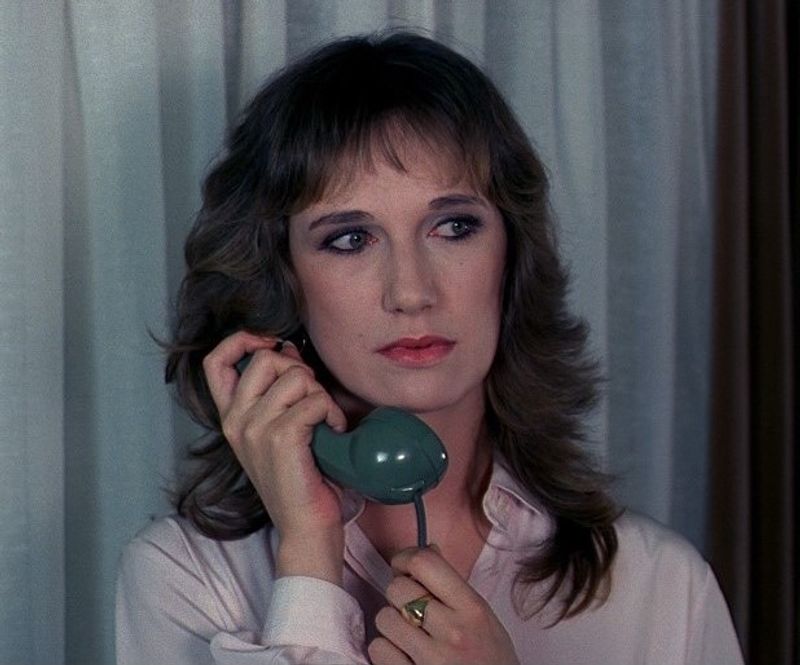
There was a time you just called. No heads up, no calendar link, no do you have a minute text.
Phones rang and you answered because that is how news, favors, and gossip traveled.
Now, etiquette favors a quick text to check availability. Gallup reports that 68 percent of adults prefer texting for non urgent communication, a striking shift from voice first habits.
Unexpected calls can feel like a knock at the door during dinner.
You might still crave the honesty of a voice, the way laughter lands without emojis. If you miss it, try leaving a friendly voicemail or setting a call window.
Let people know you want to hear them, not just see read receipts.
2. Writing Personal Checks at Stores
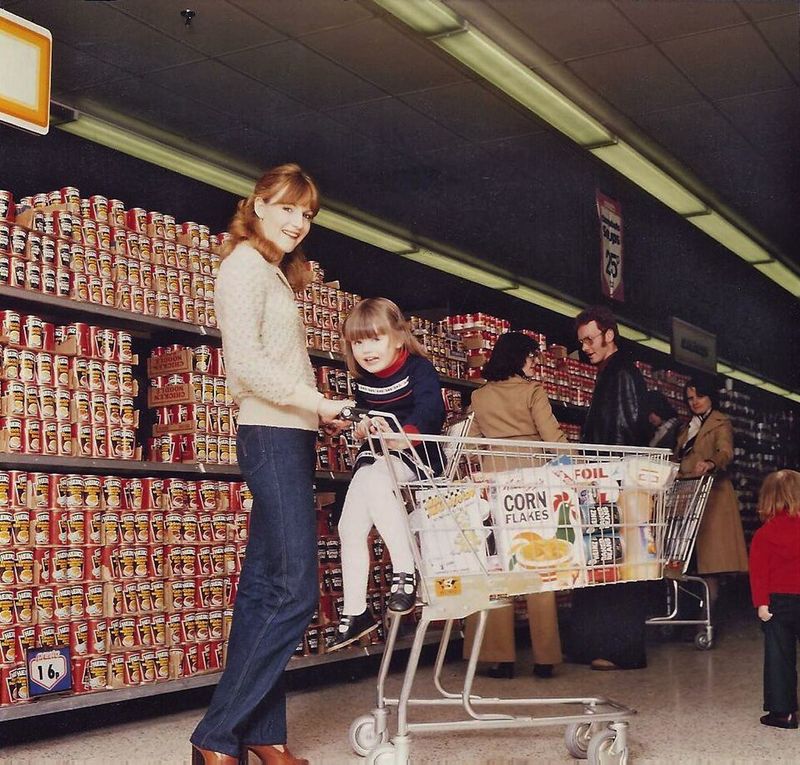
Balancing a checkbook used to be adulting 101. You would flip to a fresh slip, fill every line, and hold up the line while the cashier checked your ID.
The carbon copy made a soft scratch as you pressed your pen.
Today, debit cards, tap to pay, and digital wallets dominate. In the United States, paper checks now account for a small minority of consumer payments, with electronic options surging past 80 percent in many categories.
Lines move faster, but the ritual of reconciliation has faded.
If you ever learned to record transactions by hand, you probably understand money differently. There was friction that taught awareness.
You can bring that back with budgeting apps or a weekly money check in. The medium changed, but the clarity of tracking every dollar still matters.
3. Memorizing Phone Numbers
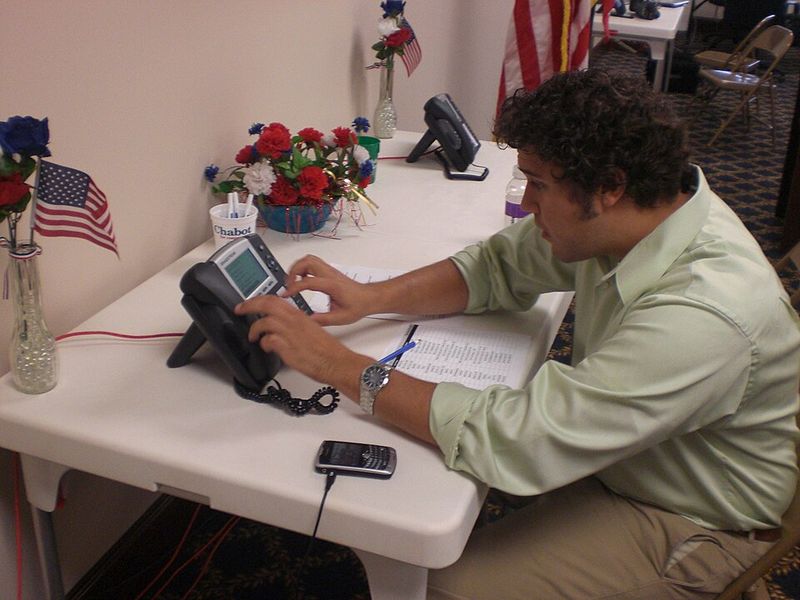
Once upon a time, your brain stored a neighborhood’s worth of digits. You could rattle off mom’s work, your best friend’s house, and the pizza place without pausing.
That mental Rolodex felt like a superpower.
Smartphones outsourced the job. Psychologists call it cognitive offloading, and it is not necessarily bad.
But when the battery dies, blank stares follow. In one survey, fewer than 30 percent of younger adults could recall a partner’s number on demand.
If you want the old confidence back, memorize five essentials. Practice during a commute or while making coffee.
It is a tiny habit that pays off when your phone takes a nap at 3 percent. Plus, you will feel that click of mastery boomers took for granted.
4. Watching the Evening News Together

At six or seven, the room quieted. The theme music played, and you learned the names of anchors like Walter Cronkite or Peter Jennings alongside the day’s big stories.
It was a shared ritual that set the mood of the night.
Now news lives in pockets and pings. Pew Research shows most adults get news on mobile devices, often alone and on demand.
The household broadcast appointment has dissolved into individual feeds.
There was comfort in reacting together, in debating over meatloaf instead of scrolling in separate rooms. Try a weekly news roundup at dinner, one story per person.
You might rediscover what it feels like to build context as a group, not just collect headlines.
5. Dressing Up for Air Travel
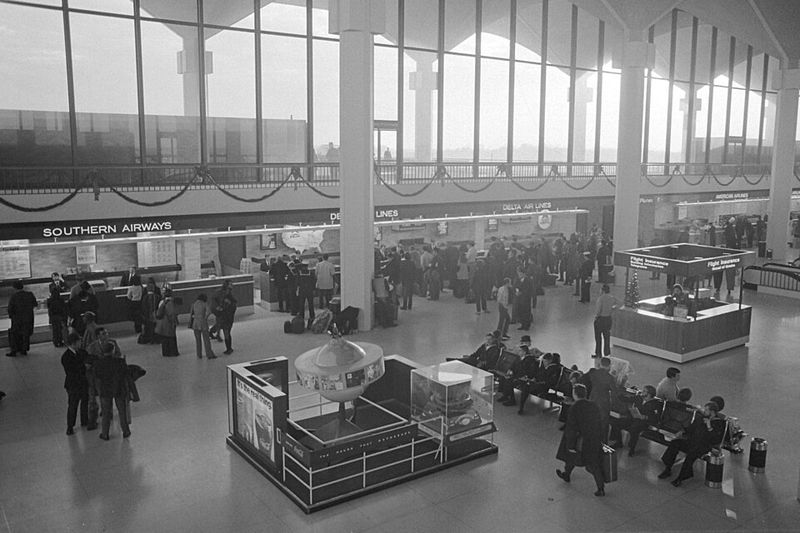
Flying used to feel like an occasion. People ironed shirts, shined shoes, and packed suit carriers.
Photos from the 1960s show cabins that look more like cocktail lounges than buses in the sky.
Comfort won the argument. After deregulation and mass travel growth, style gave way to stretch fabrics and hoodies.
TSA lines did not help. The share of Americans flying each year soared, and with it the appetite for sneakers you can sprint in.
You can still add tiny rituals that make the journey feel special. A real book, a small cologne spritz, or a scarf goes a long way.
Not dress codes, just intention. Nostalgia is often about how you felt, not what you wore.
6. Film Cameras for Everyday Moments
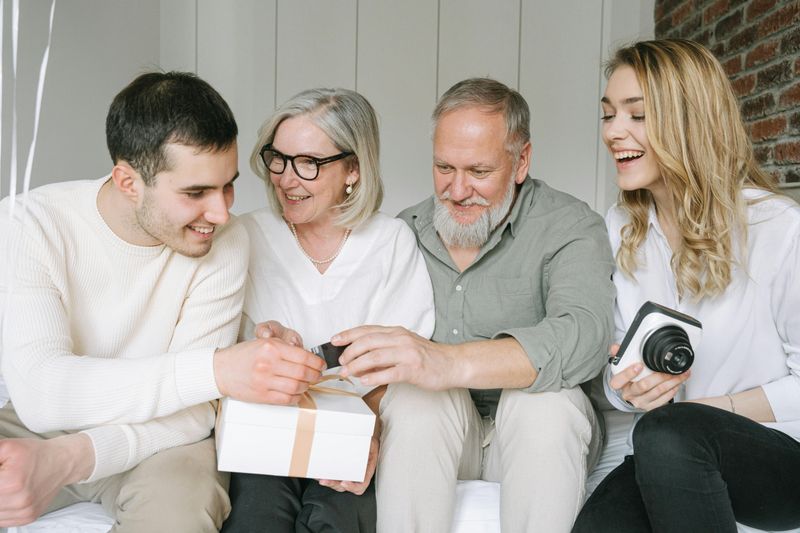
There was patience baked into film. You clicked the shutter, finished the roll, and waited days for the envelope of glossy 4x6s.
The reveal turned errands into tiny premieres.
Smartphones ended the waiting. More than 1.3 trillion photos are taken annually worldwide, most on phones, and almost none are printed.
Abundance changed curation, flooding albums with half smiles and duplicates.
If you miss the intentionality, try a disposable camera for gatherings or set your phone to shoot fewer frames. Make a rule: one photo, then put it away.
The surprise returns when you cannot instantly check results. Those imperfect, fuzzy shots often carry the strongest sense of place.
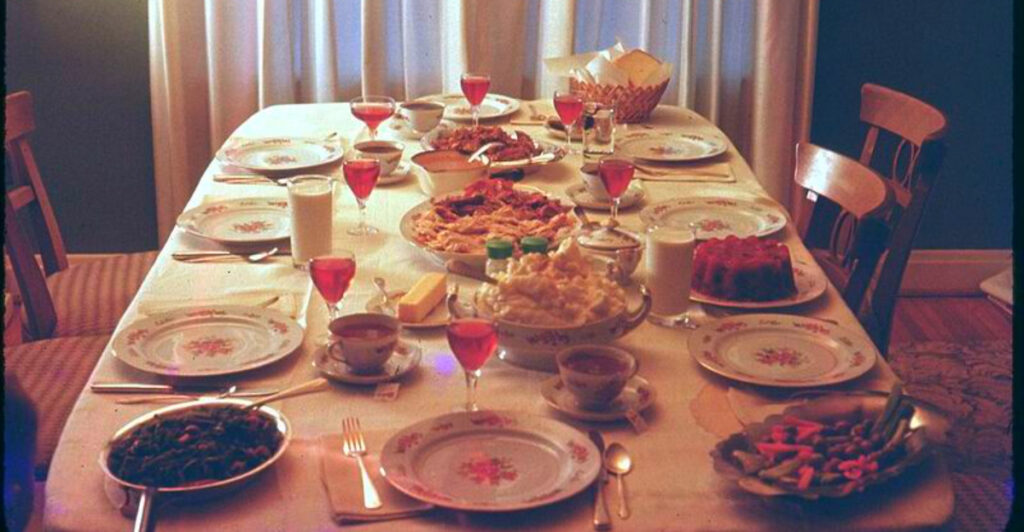
7. Sunday Family Dinner at Home
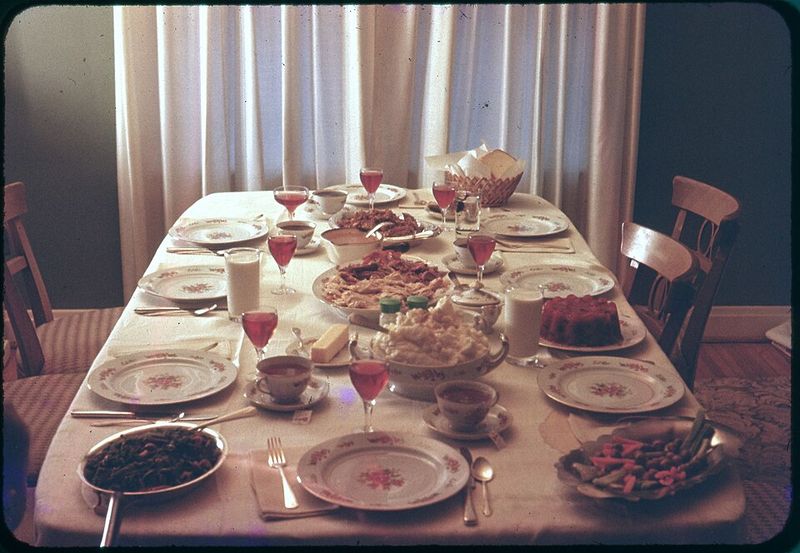
Sunday dinner anchored the week, a predictable pause when everyone knew where to be and when to show up hungry. You can almost hear the clink of plates, the soft radio in the kitchen, and the hush that falls before grace.
Stories from school, union shifts, and church picnics mingled with steam off the roast.
Today the ritual competes with travel teams, shift work, and delivery apps. The average American now eats 60 percent of meals alone, according to some surveys, revealing how schedules splinter us.
Still, when a pot roast hits the table, conversation often follows.
You may remember being asked about grades or saving room for pie. These dinners taught listening, patience, and how to disagree without storming off.
Recreating the habit can be simple. Pick a time, light a candle, and pass a bowl of something that tastes like home.
8. Door-To-Door Sales Visits

The doorbell once meant Avon, encyclopedias, or a vacuum demo on the living room rug. Neighbors chatted on porches while kids circled on bikes.
Selling was personal because communities were.
Today, no soliciting signs and HOA rules keep door knocking rare. Online reviews replaced neighborhood testimonials.
E commerce has shrunk the sample case to a tracking link and a porch camera.
You might still appreciate a trusted recommendation, just delivered differently. Local Facebook groups and community apps mimic porch chatter.
If you want the human touch, invite small vendors to block parties or markets. The transaction shifts from doorstep to shared space, where stories can still sell.
9. Using Paper Maps on Road Trips
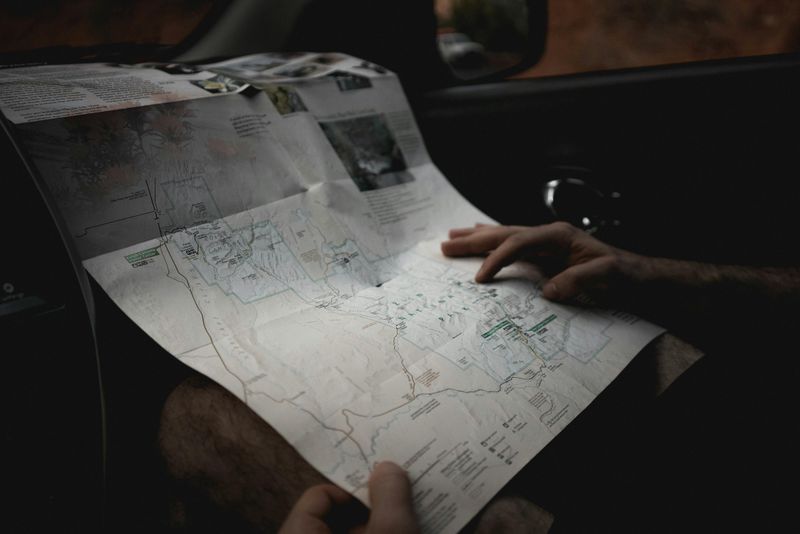
Unfolding a map felt like opening a secret. You traced routes with a finger, argued over exits, and learned the geometry of states by heart.
Gas station atlases lived in glove boxes for years.
GPS ended the guesswork. Turn by turn directions cut wrong turns and added arrival precision.
The flip side is that mental mapping skills declined. In studies, frequent GPS users rely less on spatial memory, remembering landmarks worse.
If you want the old thrill, plan a leg without voice prompts. Glance at a map, memorize three turns, and go.
You will notice more road names and sky. Getting a tiny bit lost can make arriving feel earned again.
10. Waiting by the Phone

Before voicemail was common, missing a call meant missing everything. Job offer, prom date, ride to the concert.
You parked yourself near the phone like it was a lifeline.
Now missed calls spawn texts, voice notes, and calendar links. Anxiety shifted from will they call to do I have to respond right now.
Carriers report voicemail usage declining, replaced by quick messages in apps.
There was a focused hope in that waiting, a single thread pulling attention together. You can borrow that energy by silencing notifications and choosing call windows.
When the ring comes, give it full attention. Presence is the part people remember.
11. Writing Thank-You Notes by Hand
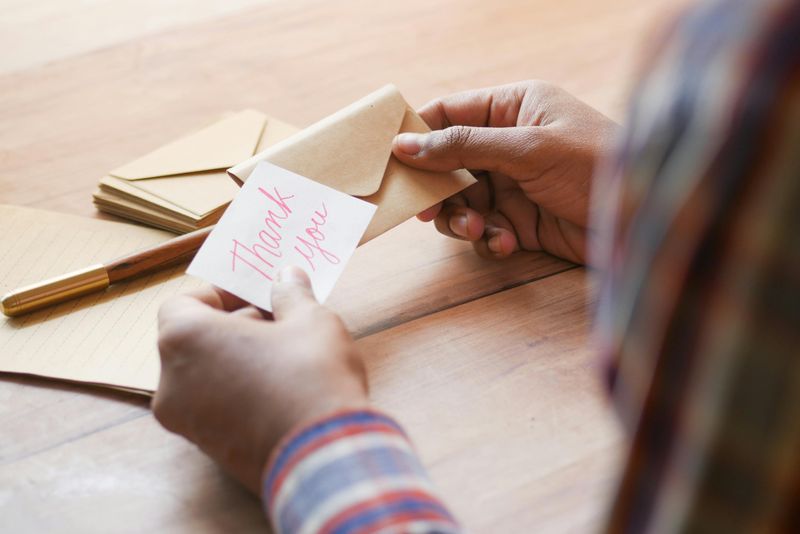
After birthdays and weddings, a note would arrive in familiar handwriting. It did not need to be long to feel lasting.
Paper held the warmth of effort.
Today, quick texts cover gratitude in seconds. Surveys show many recipients still perceive handwritten notes as more meaningful, yet most people do not send them.
The gap between belief and behavior is where traditions vanish.
If you want to revive the practice, keep stamps and cards within reach. Write three sentences: what the gift meant, how you will use it, and a wish to meet soon.
The ritual is slower on purpose. That is exactly why it lands.
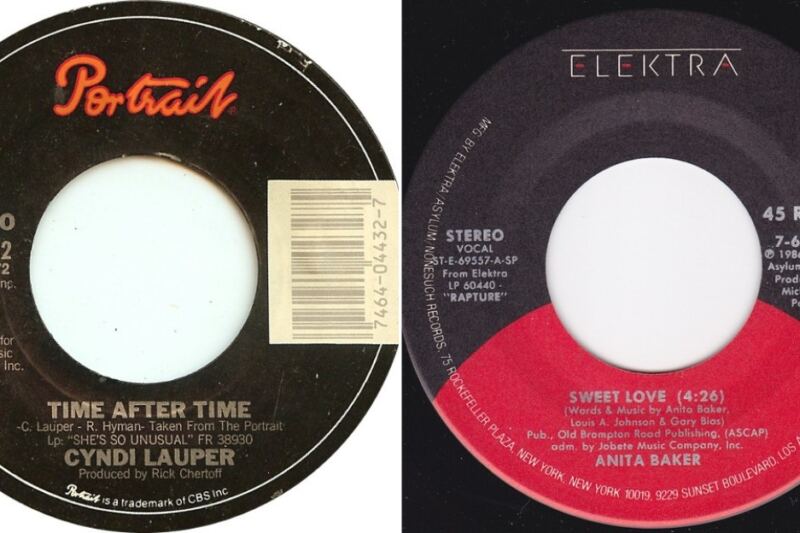
12. Browsing Record Stores Weekly
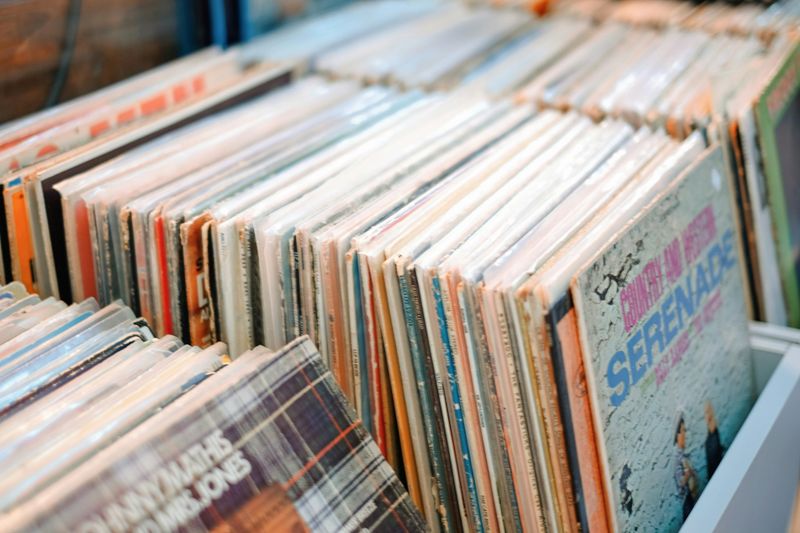
Flipping through bins taught patience and taste. You learned labels, liner notes, and the thrill of a rare pressing.
Staff picks felt like a friend whispering try this.
Streaming ended the weekly pilgrimage. Over 500 million people subscribe to music services, and algorithmic discovery replaced clerk recommendations.
Vinyl has resurged, but the ritual is niche compared with the heyday.
Crave the old magic. Set aside an hour to explore one artist’s catalog front to back, no shuffle.
Visit a local shop on release day and ask for a recommendation. The point was never only ownership.
It was the hunt and the conversation it sparked.
13. Fixing Things Instead of Replacing Them
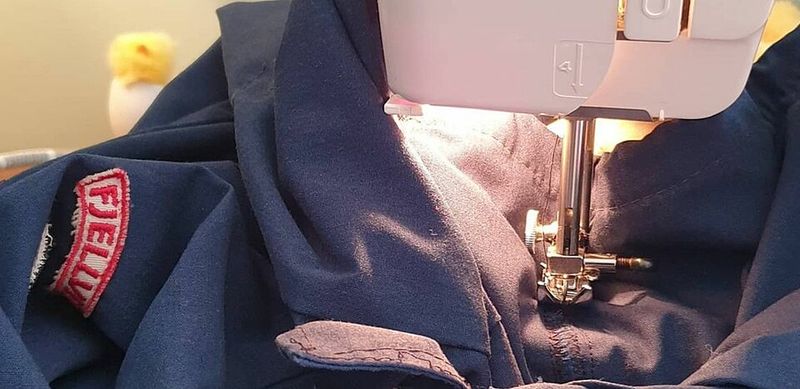
Once, a broken toaster meant a weekend project, not a shopping cart. Manuals came with schematics, and neighborhood repair shops thrived.
Skills passed down like recipes.
Now, sealed designs and cheap replacements discourage tinkering. The average lifespan of many small appliances has shortened, and e waste piles up to tens of millions of tons globally each year.
Cost calculations favor new over mended.
You can still choose repair. Look up a local fix it clinic or watch a teardown video.
The satisfaction of reviving a gadget can outlast the savings. It is a vote for durability and the pride of solving puzzles with your hands.
14. Kids Playing Outside Until Dark
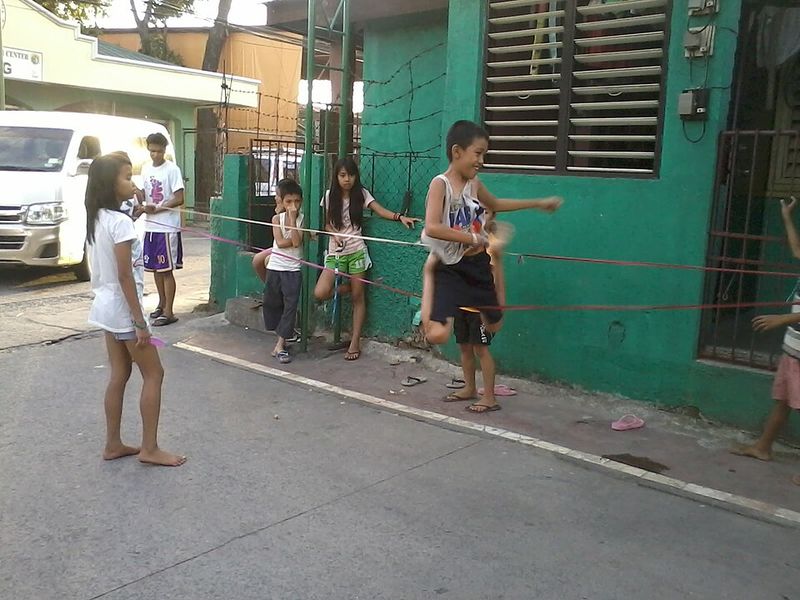
Remember the rule be home when the streetlights come on. You roamed in packs, invented games, and learned conflict management without group chats.
Skinned knees were a curriculum.
Parents today juggle safety fears and structured schedules. Time outside has dropped, and screen time climbed past seven hours a day for many teens by some estimates.
Play migrated indoors, supervised and scheduled.
There is room to bring back some freedom. Start with a cul de sac gathering or a car free block hour.
Teach kids the basics of neighborhood navigation and give them a radio or watch. Independence grows one dusk at a time.
15. Keeping a Physical Address Book
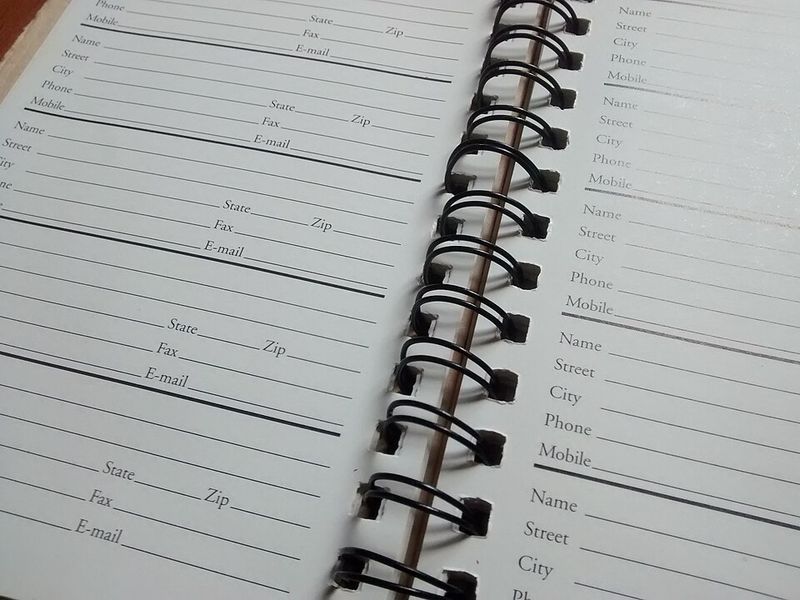
The address book lived in the kitchen drawer, quietly updated with marriages, new babies, and moves. Pages softened from years of flipping to December birthdays.
It was a portable network before networks went online.
Contacts apps took over. Backups sync across devices, and reminders nudge you about birthdays.
Convenience won, but the tactile link between memory and ink slipped away. When a page held a name, it felt anchored.
You can print a small directory for family reunions or holidays. Mark anniversaries you do not want to miss.
The act of writing reaffirms who matters. And yes, keep a paper copy of emergency contacts.
Batteries are terrible at nostalgia.
16. Handwritten Letters And Sunday Drives
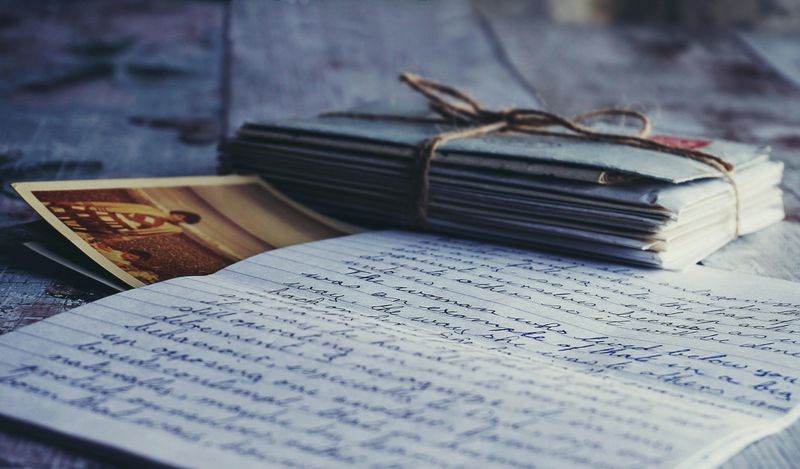
Handwritten letters stitched distance together with patience. You chose paper, weighed words, and waited days for replies.
That cadence taught reflection. Today, emails and messages dominate, and mail volumes for personal letters have dwindled sharply.
Sunday drives offered aimless togetherness. Gas prices and busy weekends shrank the habit, but the charm was never about miles.
It was the conversation between landmarks.
If you miss both, pair them. Take a slow loop around town, then park by a quiet overlook and write a short note to someone you care about.
According to research on gratitude, receiving a sincere letter boosts well being for sender and recipient. Small rituals, big returns.
Share this story