Fame can cement an actor’s legacy while limiting the kinds of stories they tell next. This list looks at well known stars who later expressed regret or misgivings about the roles that defined them.
You will see how typecasting, creative differences, and changing cultural standards shaped their views. Use these perspectives to better understand why success in one role can complicate the work that follows.
1. Robert Pattinson – Twilight (Edward Cullen)
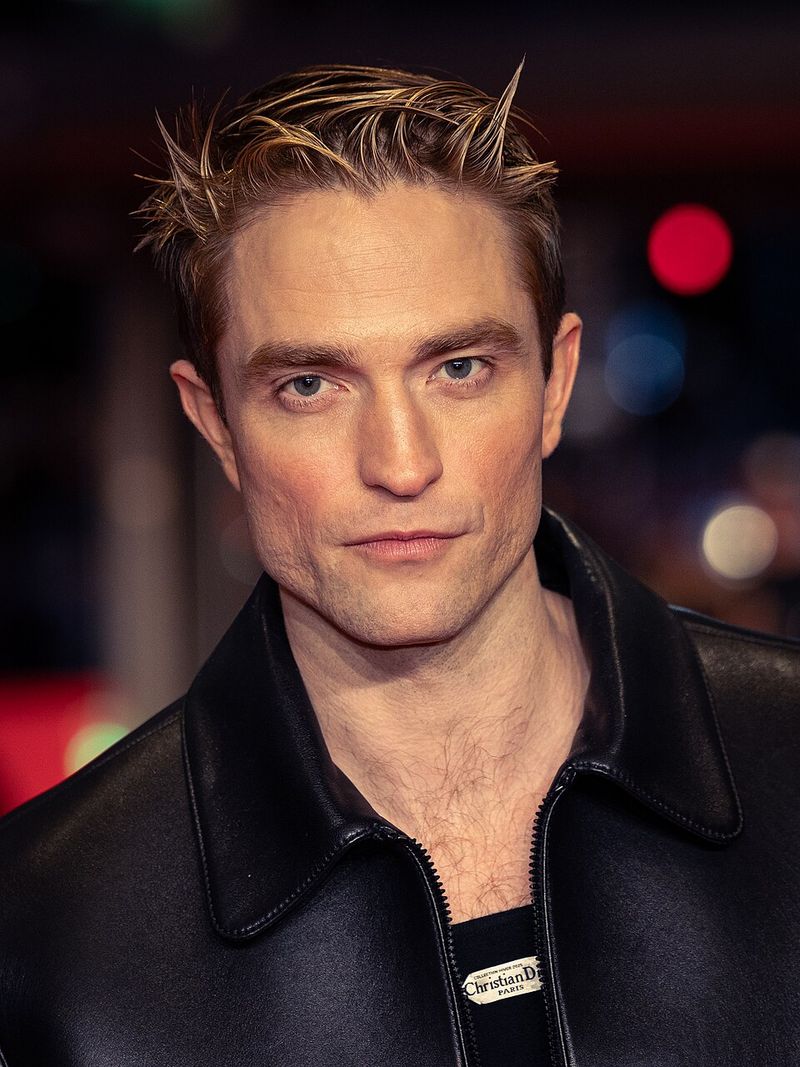
Robert Pattinson has often joked about Twilight, calling aspects of the story weird and critiquing Edward’s controlling behavior. Those comments did not come from spite so much as distance gained with time and different roles.
When a global phenomenon hits that early, it can box you in creatively, and you feel every label stick.
He said the franchise risked defining him as a single archetype, even as he pursued riskier work with independent directors. You can hear a wish to be seen as more than a poster image, a move many actors attempt after breakout fame.
Audiences change too, and the ability to revisit work with nuance helps both sides reset expectations.
After Twilight, Pattinson chased unconventional parts, from Good Time to The Lighthouse, proving range matters. His comments read less like disdain and more like a push against narrow casting.
If Twilight gave a platform, it also set a tall fence he needed to climb.
2. Harrison Ford – Star Wars (Han Solo)
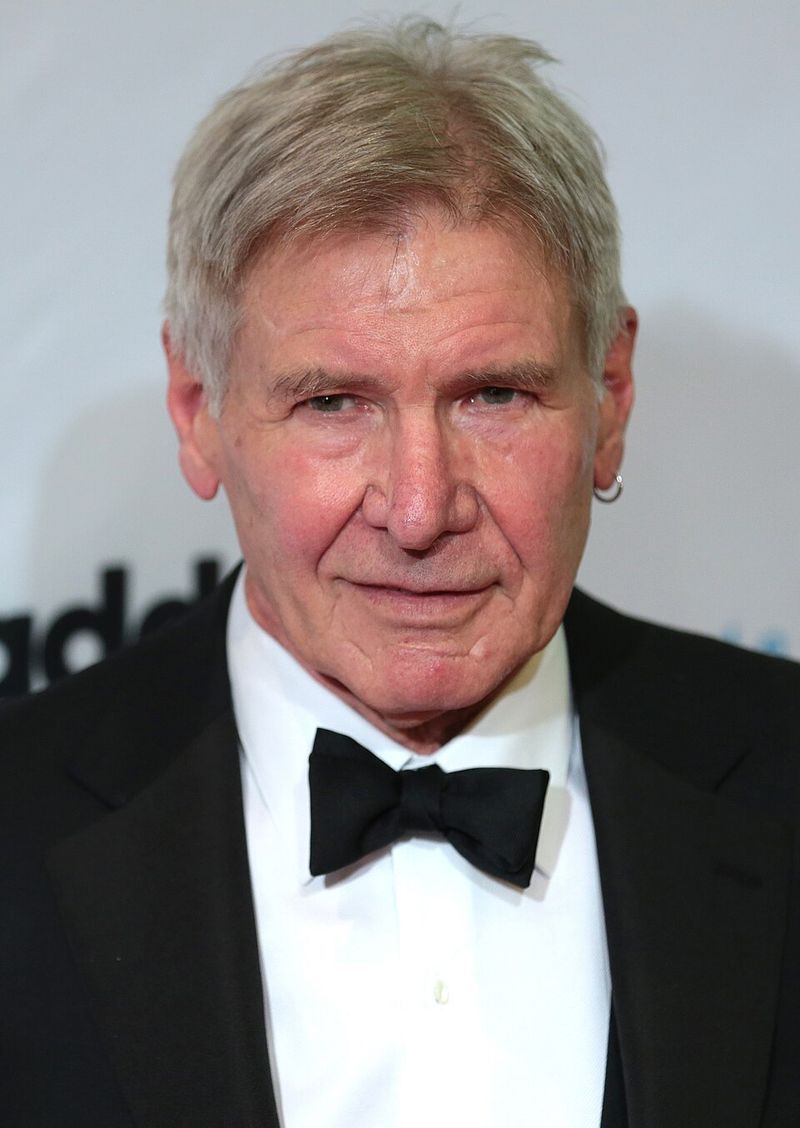
Harrison Ford long argued Han Solo’s arc felt complete by Return of the Jedi. For years he suggested the character’s death would have served the story, hinting at closure and consequence.
When a role eclipses other work, you feel the weight every time a new script hits your desk.
Ford has said the attention around Han sometimes overshadowed dramatic performances he valued more. That does not mean he disliked Star Wars fans.
It means living in one character’s shadow can distort a career’s full picture, especially when you want challenging material.
His eventual return in later films offered a final note that aligned with his instincts. You can sense relief in that narrative resolution.
The lesson is clear: iconic roles endure, but actors still crave arcs that end where the character tells them to stop.
3. Daniel Radcliffe – Harry Potter

Daniel Radcliffe has been candid about discomfort watching his later performances, especially from periods when he struggled with alcohol. That honesty helps you understand how personal life can color what an actor sees on screen.
The world remembers magic and triumph, while the performer remembers stress and missteps.
Typecasting is not the only issue here. He respects the franchise and fans but recognizes growth requires distance from a character the world calls by name.
You can see that in bold stage choices and indie films where he retools expectations.
Radcliffe’s reflections are less about condemnation and more about accountability and craft. He seems to ask viewers to separate nostalgia from performance, allowing room for improvement.
For anyone balancing early fame with adult identity, his approach models transparency without disowning the past.
4. Megan Fox – Transformers (Mikaela Banes)

Megan Fox has said Transformers emphasized objectification over acting, and the fallout affected her reputation. When a role frames you visually more than narratively, it can limit what casting directors imagine next.
You feel that constraint in the auditions you never get to read.
Her remarks point to a broader industry pattern where visibility does not equal opportunity. Fox described wanting craft centered roles, not just spectacle.
The franchise delivered scale, but it did not deliver the character depth she hoped would follow.
In later projects, she pursued parts with sharper edges and more autonomy. That shift mirrors what many actors do after a massive blockbuster era.
The takeaway is clear: fame from a hit can be double edged if the image locks tighter than the performance breathes.
5. George Clooney – Batman & Robin (Batman)
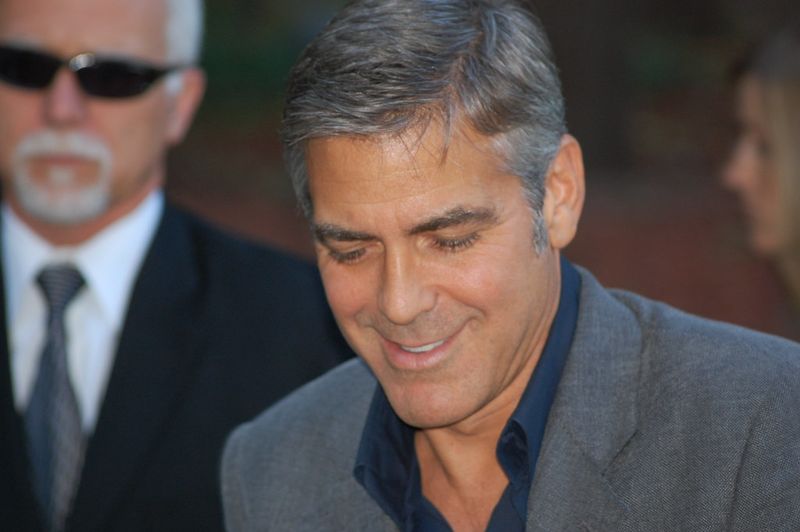
George Clooney has apologized for Batman & Robin, joking he killed the franchise. That humor masks a real point about tone and creative alignment.
When a movie’s style clashes with audience expectations, the star often carries the blame long after release.
Clooney called it a career misstep that taught him to choose projects with stronger scripts and cohesive direction. You can view it as an expensive lesson in brand stewardship.
The cape looked iconic, but the story did not support the weight.
His later work, from Michael Clayton to Syriana, reestablished credibility with grounded material. The contrast shows how one stumble can redirect choices.
Regret here functions like a course correction, a reminder that recognizable IP is no substitute for character and structure.
6. Sean Connery – James Bond
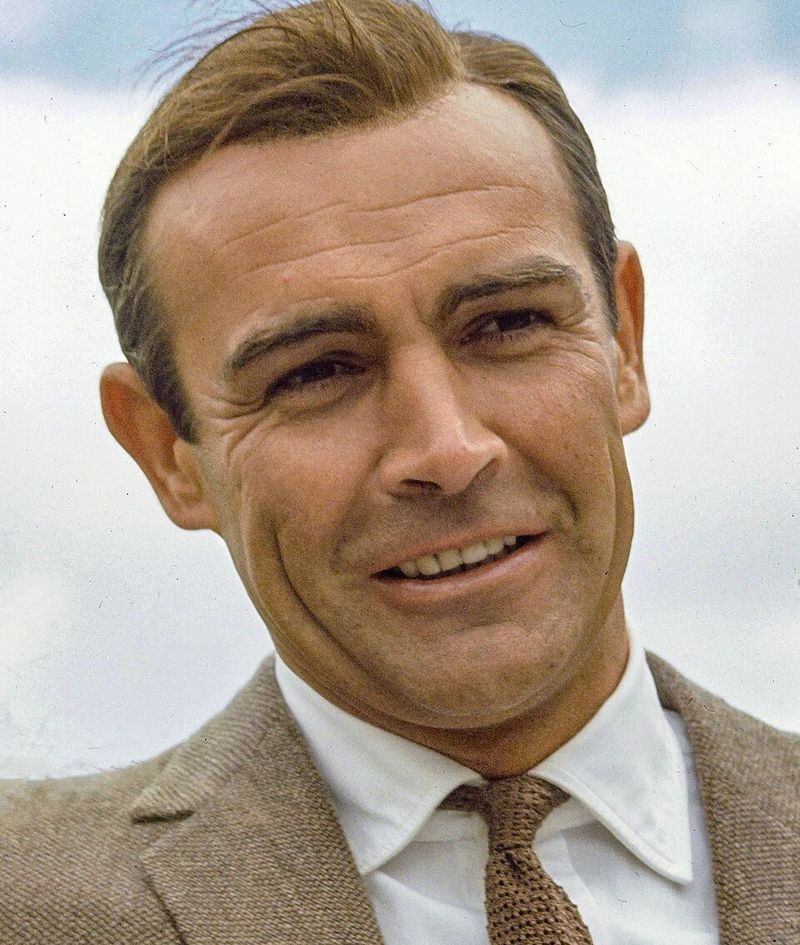
Sean Connery grew to resent James Bond, saying he was fed up to here with the role. When a character becomes a global brand, it can narrow an actor’s identity in ways that feel inescapable.
You see the tension between cultural icon and working performer who wants different challenges.
Connery’s comments came after years of press tours and repeating a persona audiences adored. He recognized the franchise’s value while pushing against its box.
That duality feels familiar to anyone pinned to a single success.
His later film choices and long breaks signaled a need for separation. The message for viewers is not disdain for fans, but fatigue with a machine that rarely slows down.
Regret here means wanting one’s craft to breathe beyond a gun barrel logo and a Martini line.
7. Alec Guinness – Star Wars (Obi-Wan Kenobi)
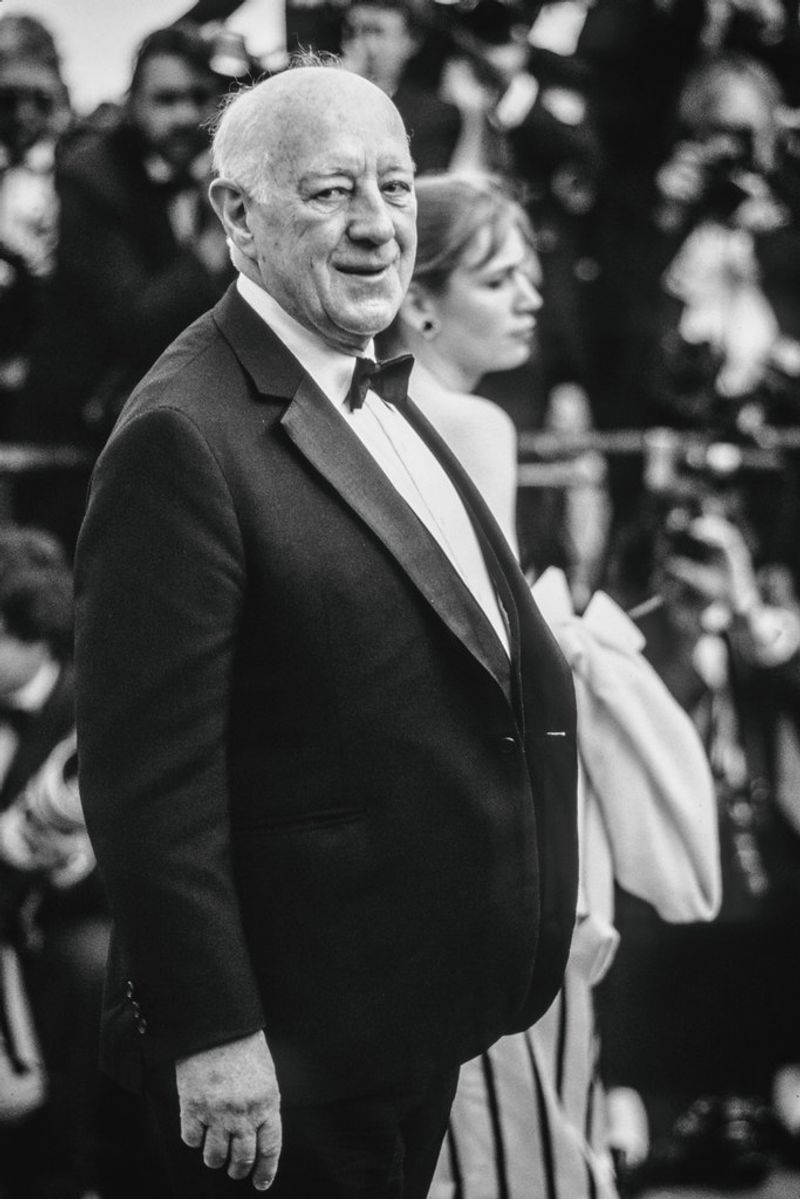
Alec Guinness respected fans yet disliked some dialogue in Star Wars and worried it eclipsed his serious stage work. You can hear a classically trained performer wrestling with pulp material’s simplicity.
The public loved him as a Jedi, but he prized the breadth of roles that came before.
His letters and interviews show frustration with repetitive lines and autograph expectations. That does not erase his professionalism on set.
It reveals an artist trying to balance gratitude with a wish for literary depth.
For audiences, it is a reminder that cultural phenomena can flatten nuanced careers. Guinness asked to be seen in full, not only as a mentor with a robe.
Regret in this case sounds like weariness with being reduced to a single wavelength of a long spectrum.
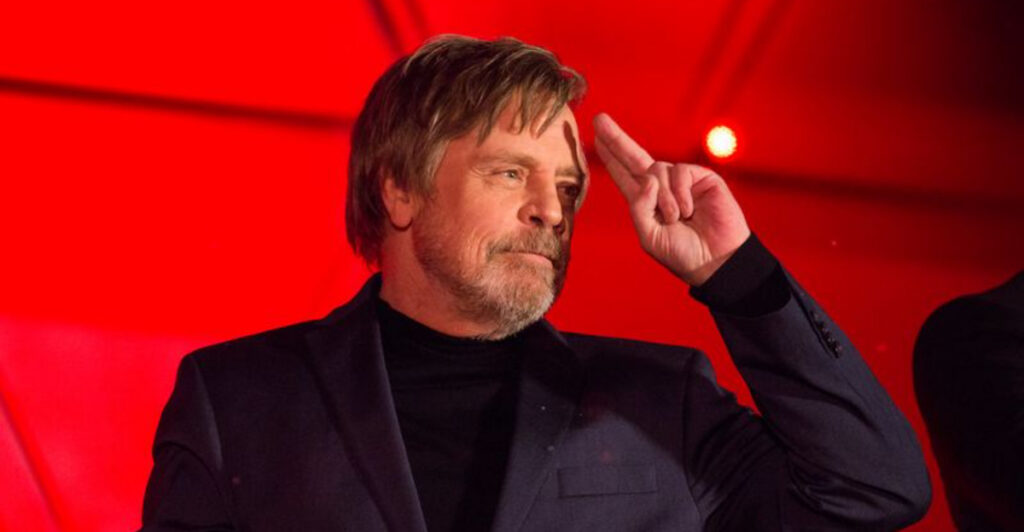
8. Mark Hamill – Star Wars (Luke Skywalker)
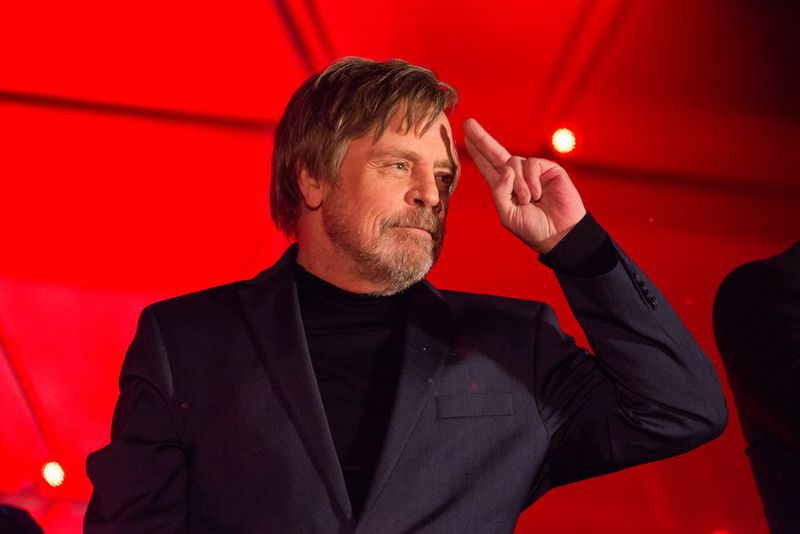
Mark Hamill has said Luke Skywalker’s image followed him for years, limiting opportunities. Typecasting can be gentle yet firm, and you feel it in the roles that never call.
He embraced the fandom while looking for parts that let him explore comedy, voice acting, and darker shades.
His pivot to voice work, especially iconic villains, showed versatility that live action casting sometimes missed. You can sense relief in finding spaces where range is celebrated.
The lesson for viewers is that reinvention often arrives through side doors.
Hamill’s reflections do not dismiss Star Wars. They acknowledge that a myth can be both home and cage.
When he later returned, it came with perspective, honoring the past while asserting creative agency beyond a single lightsaber pose.
9. Kate Winslet – Titanic (Rose)

Kate Winslet has criticized her performance in Titanic, especially her accent, and says she winces when watching. That honesty reflects a perfectionist revisiting early global fame.
You might admire the film and still understand how an actor sees missed beats up close.
Winslet’s career quickly moved into complex, independent work that sharpened her craft. The contrast suggests Titanic’s scale did not equal the nuanced roles she wanted next.
She respects its legacy while wishing some choices had landed differently.
This kind of regret is artistic, not personal. It signals growth more than disdain, a mark of someone who keeps raising standards.
For audiences, it is a cue to separate beloved spectacle from an actor’s internal scorecard.
10. Jim Carrey – Ace Ventura
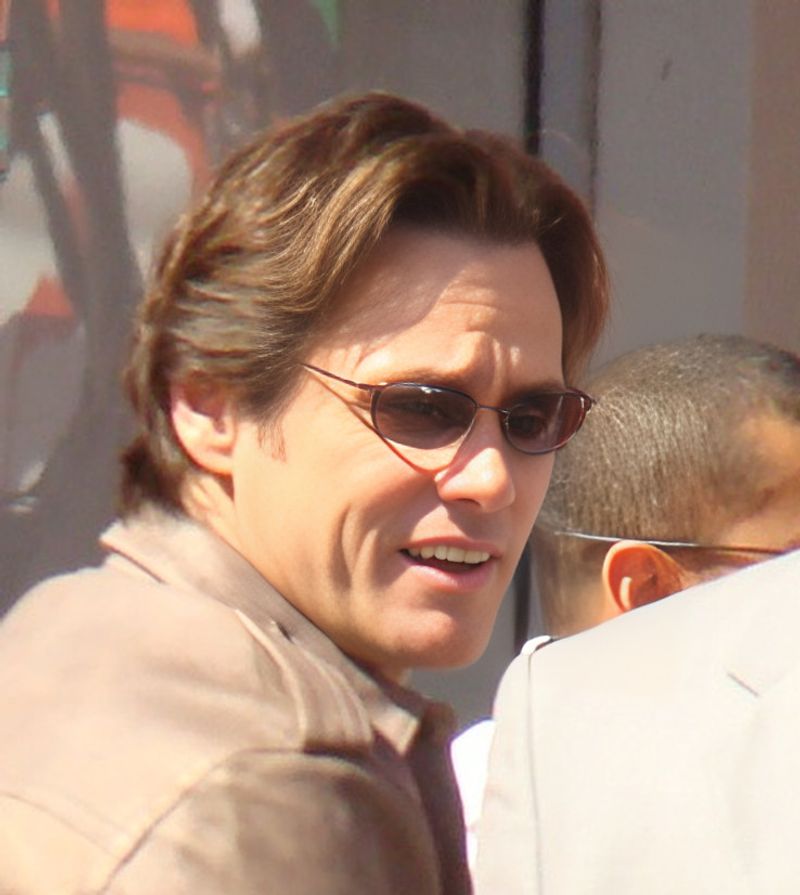
Jim Carrey has expressed discomfort with Ace Ventura’s transphobic jokes, noting they do not reflect his values today. Comedy ages alongside culture, and some bits do not carry forward.
You can appreciate his physical brilliance while acknowledging material that lands differently now.
Carrey’s later work often blends empathy with humor, suggesting a shift in priorities. He has spoken about responsibility and impact, topics many comedians revisit over time.
Regret here sounds like ethical recalibration rather than rejection of craft.
For viewers, it offers a practical lens: you can enjoy elements of a performance and still critique harmful framing. That balance keeps nostalgia honest.
It also shows how artists evolve when they listen to audiences and their own conscience.
11. Burt Reynolds – Smokey and the Bandit
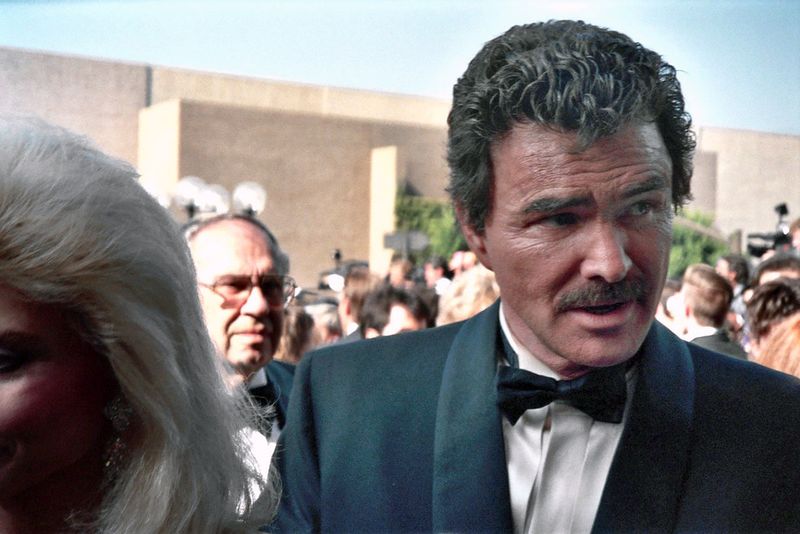
Burt Reynolds said Smokey and the Bandit typecast him and overshadowed roles he found more meaningful. When a persona clicks with audiences, it can dominate offers for years.
You feel the tug between box office charm and the hunger to test different muscles.
Reynolds balanced crowd pleasers with attempts at character driven scripts, but the Bandit image lingered. That persistence shows how commercial success shapes risk tolerance in studios.
He appreciated fans while wanting latitude beyond mustaches and fast cars.
His reflections read like a gentle warning about comfortable traps. A hit can be both gift and anchor.
For anyone managing a brand, the question becomes how to keep the fun without losing the range.
12. Michelle Pfeiffer – Grease 2
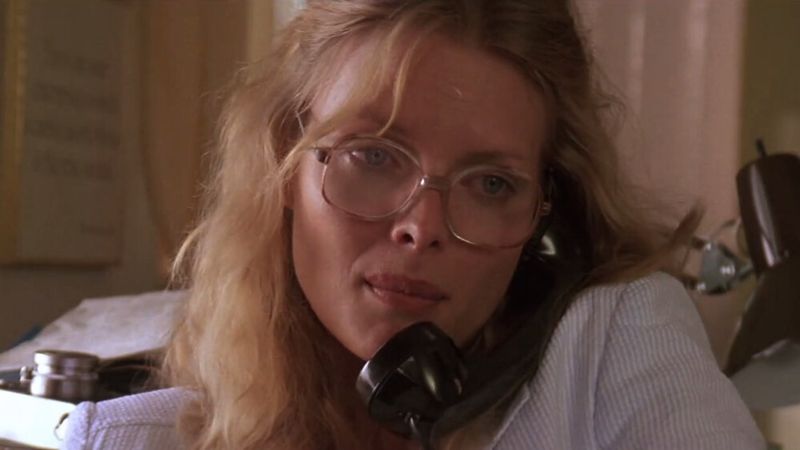
Michelle Pfeiffer has said she hated Grease 2 and considered it a poor career choice despite its cult following. Early roles can linger like yearbook photos you cannot edit.
You see potential, but the fit was off, and the tone did not highlight her strengths.
Her later career shows how quickly talent can recalibrate with better material. Pfeiffer earned acclaim in layered dramas and stylish genre films, leaving the sequel as a footnote.
Fans may enjoy its camp, but she measures by craft, not nostalgia.
This kind of regret acknowledges both audience fun and personal standard. It reads as a professional audit, not bitterness.
If anything, it underscores how one misstep can sharpen instincts for the next leap.
13. Shia LaBeouf – Transformers (Sam Witwicky)
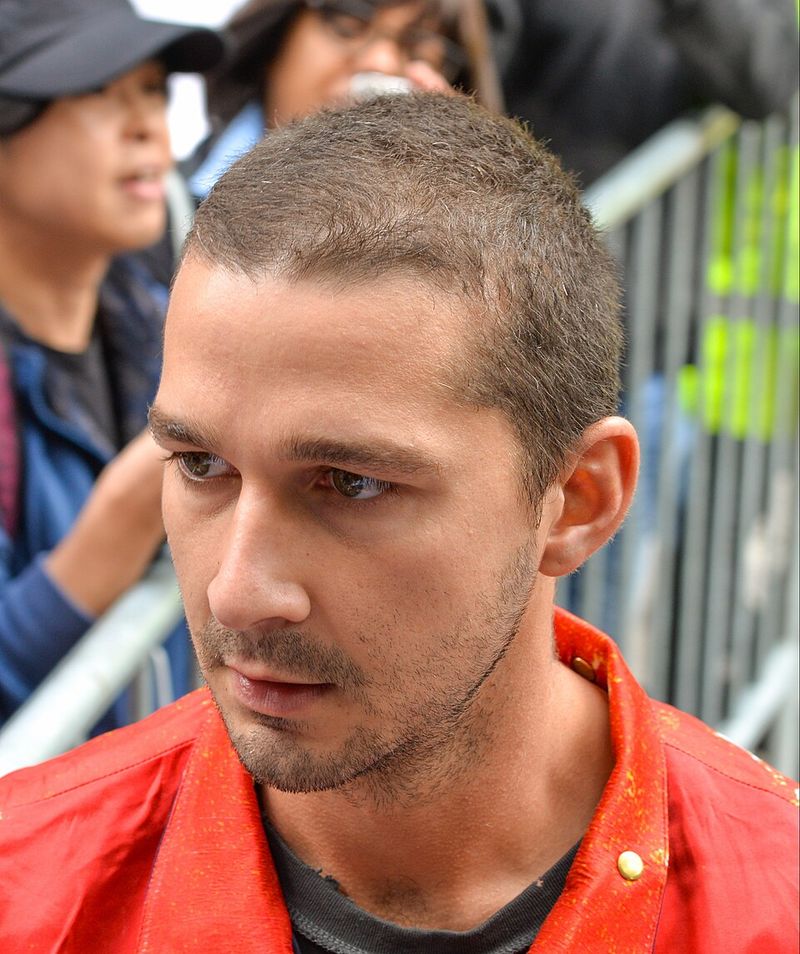
Shia LaBeouf criticized Transformers for lacking depth, saying it hurt his credibility as an actor. The spectacle delivered thrills, but he wanted characters with richer interior lives.
When effects carry the day, performance nuance can feel secondary and frustrating.
He later pursued challenging indie projects, often confronting messy, human stakes. That shift suggests a search for authenticity over volume.
You can respect the scale of a franchise while acknowledging it did not serve personal goals.
His comments are blunt but consistent with a performer pushing against noise. For audiences, it clarifies why some stars step away from hits.
Regret here is about alignment, not ingratitude: matching talent to material that actually stretches it.
14. Christopher Plummer – The Sound of Music
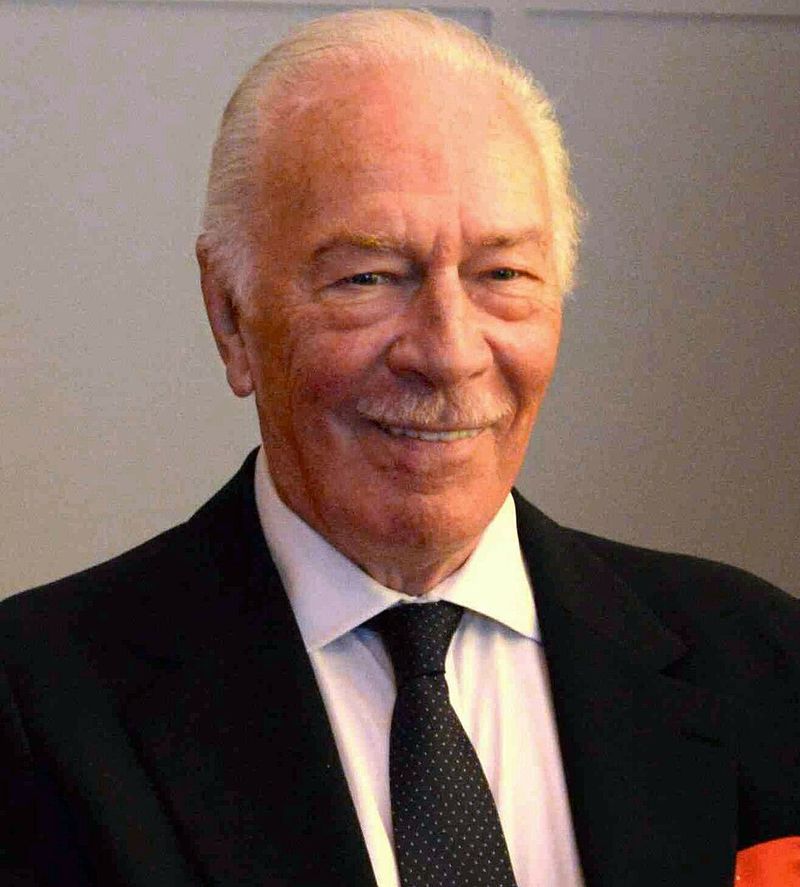
Christopher Plummer famously called The Sound of Music syrupy and felt it typecast him early on. While the world embraced its optimism, he looked for sharper scripts and darker edges.
You can love the craft of a production and still wish its tone had more bite.
Over time, he softened his stance, acknowledging the film’s lasting connection with audiences. That evolution shows how perspective changes when you weigh affection against artistic preference.
The public memory is warm; the performer’s ledger is more complex.
His long career eventually balanced gravitas with accessibility, proving one label does not have to stick forever. For viewers, it is a reminder that a classic can be both a blessing and a bracket.
Regret here simply marks the gap between taste and legacy.
Share this story