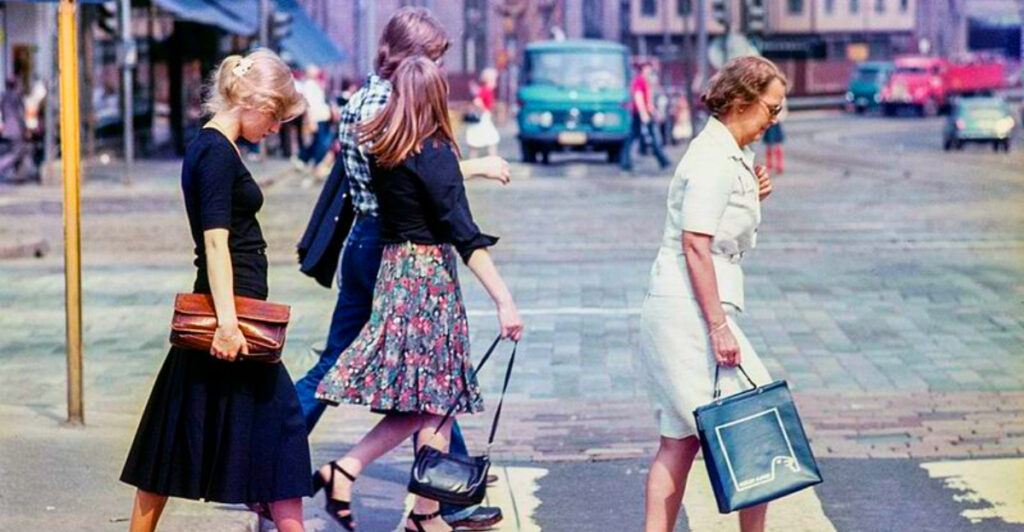
Open an old photo album from the 1970s and you’ll notice something almost immediately. Whether it’s a family barbecue, a high school hallway, or people waiting at the airport, everyone looks… better.
Not richer. Not styled by professionals.
Just neater, sharper, and more put together. Back then, looking presentable wasn’t about making a statement or chasing trends – it was simply how people showed up in the world.
You got dressed with intention, even for ordinary days, because that’s what adults did. Somewhere along the way, that quiet pride faded, replaced by convenience, speed, and comfort.
So what really changed? And why did everyday people in the 1970s manage to look so good without trying so hard?
1. Getting Dressed Was Part of Daily Life
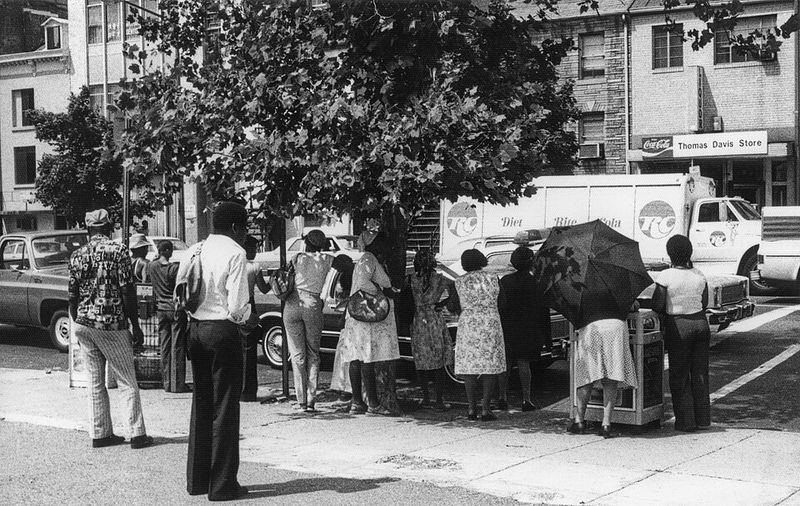
Back then, getting dressed was a ritual baked into the morning routine. You checked the mirror, adjusted a collar, and made small choices that added up to a composed look.
Even simple errands felt worthy of effort, which showed in the posture, polish, and quiet pride people carried. Today, speed is the default.
Work-from-home culture, errand hopping, and all-day athleisure make it easy to skip that intentional pause. In 2023, about 28 percent of U.S. employees worked remotely at least part-time, blurring the line between public and private presentation.
You can reclaim the feeling with a two-minute reset: steam a shirt, polish a shoe, or add a belt. These tiny actions stack into a mindset of care.
The look reads differently too, because the 1970s lesson is timeless: getting ready is not vanity, it is preparation for being seen.
2. Casual Had Limits
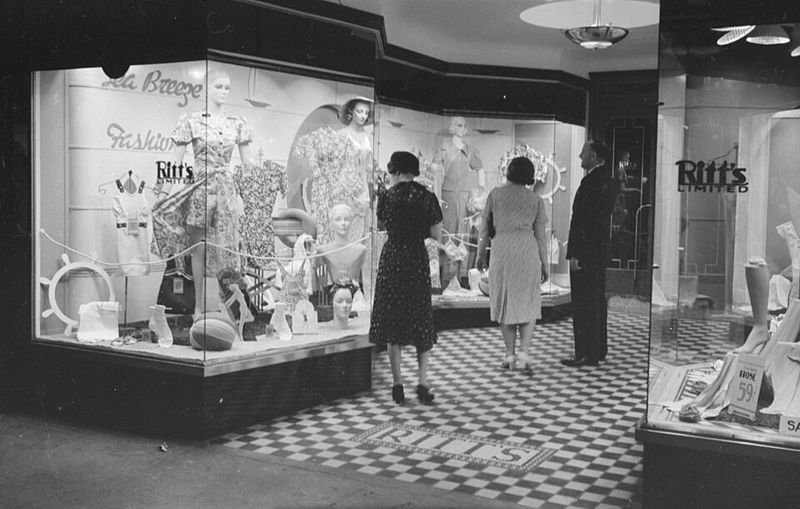
Casual existed, but it had boundaries. Jeans could be sharp with a pressed crease, and tees were tucked under jackets when the setting asked for it.
At school events, travel, and downtown dinners, there was a general agreement that effort mattered. Over time, that ceiling blew off.
Casual crept into workplaces, restaurants, and even formal occasions. The global athleisure market surpassed 300 billion dollars recently, a sign of how comfort became the default uniform for nearly everything.
Bringing back limits does not mean stuffiness. It means reading the room and adding a structural layer when the context calls for it.
Try a blazer over denim or leather shoes with a simple knit. That small boost signals respect for the place and the people in it, echoing the 1970s balance between ease and intention.
3. Clothes Were Made to Be Seen in Public
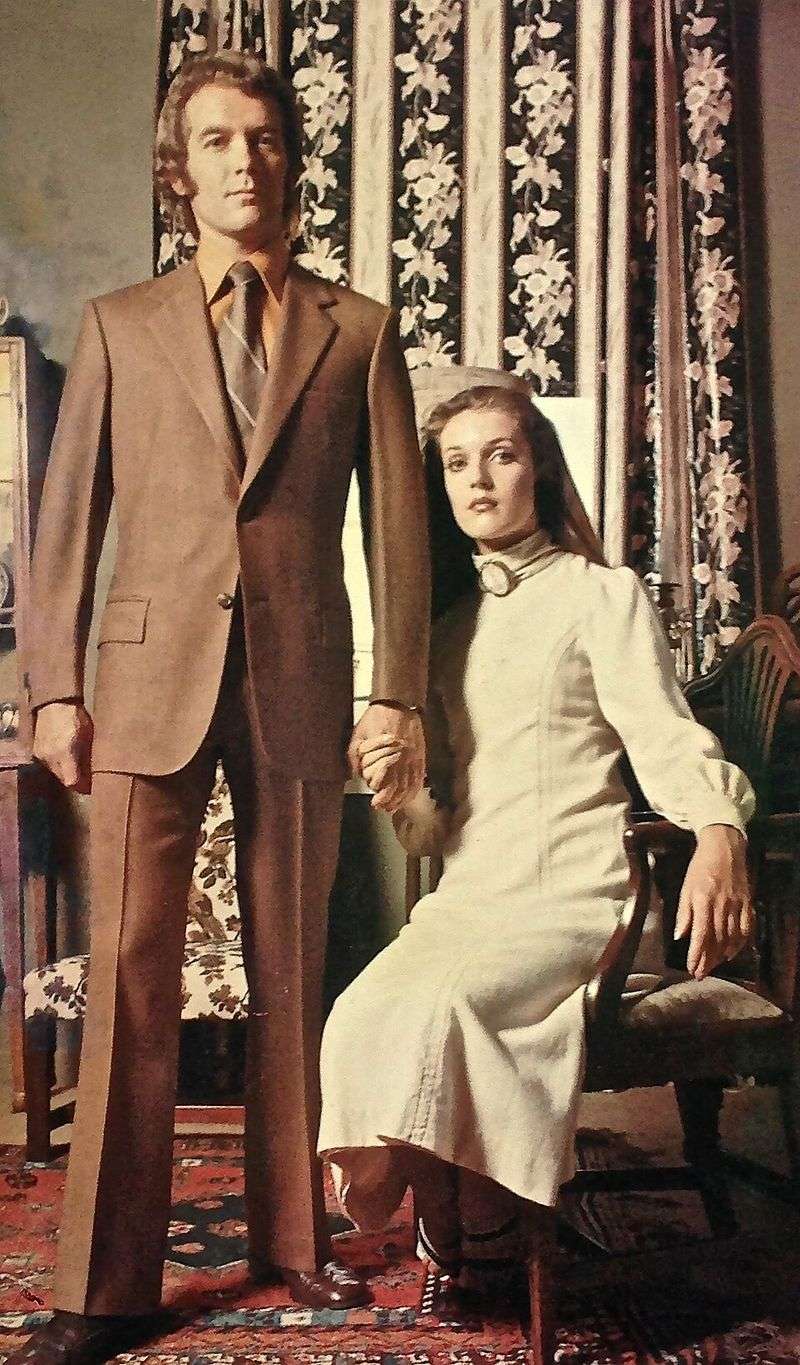
Shopping meant imagining the outfit in real life, not just on a screen. You pictured running into neighbors or coworkers, so color, cut, and fabric had to hold up outdoors.
Even simple pieces were chosen for how they looked in sunlight, at church steps, or walking into a diner. Now, the mirror is a phone camera.
Comfort and convenience dominate, and many pieces are designed to stretch, lounge, and ship fast. With e-commerce returns topping hundreds of billions a year, a throwaway mindset can creep into wardrobes too.
To channel the 1970s, buy with the sidewalk in mind. Ask how a shirt drapes while moving, or how shoes carry you across a lobby.
Public-facing style invites better posture and presence. When clothes are meant for real moments, not just carts and couches, you naturally look more put together.
4. Fit Actually Mattered
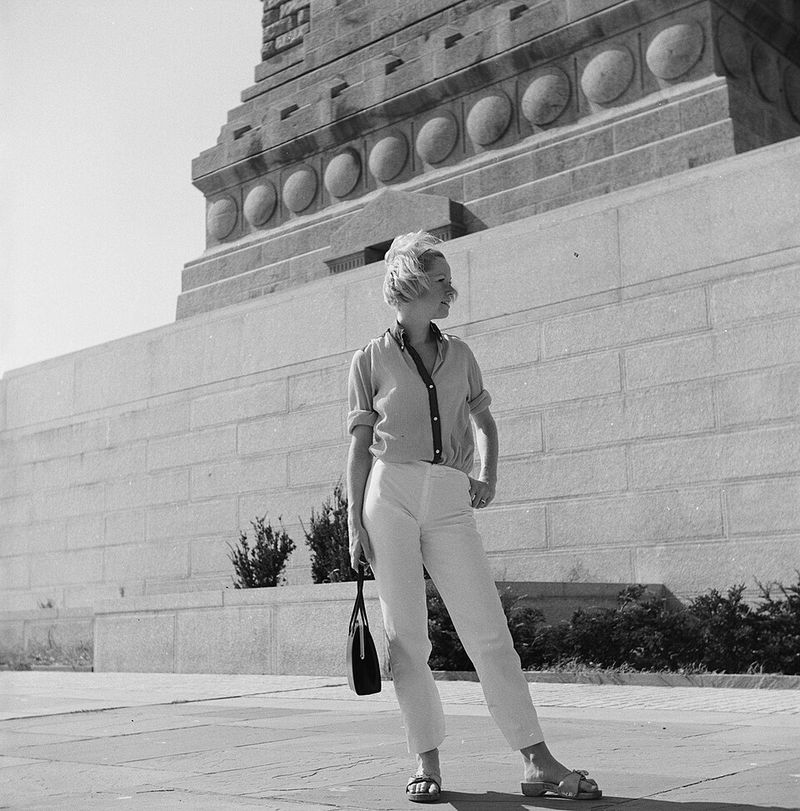
Hems hit the right break. Waistbands sat where they belonged.
Sleeves met the wrist with intention, not guesswork. Even budget pieces were often altered, because fit was non-negotiable.
A decent shirt with a clean shoulder and tailored sleeve always beat an expensive, sagging one. Mass production scaled up and personal tailoring faded.
By the 2000s, vanity sizing and elastic waists normalized vague silhouettes. When everything stretches, precise fitting feels optional, and outfits lose that shaped, upright energy the 1970s captured.
Reintroduce fit with small steps. Hem pants.
Shorten sleeves. Take in a waist slightly.
A 30 dollar alteration can make a 60 dollar garment look like triple the price. The result is confidence you can feel instantly, the same quiet upgrade that made everyday 1970s photos look so surprisingly sharp.
5. You Owned Fewer Clothes but Better Ones
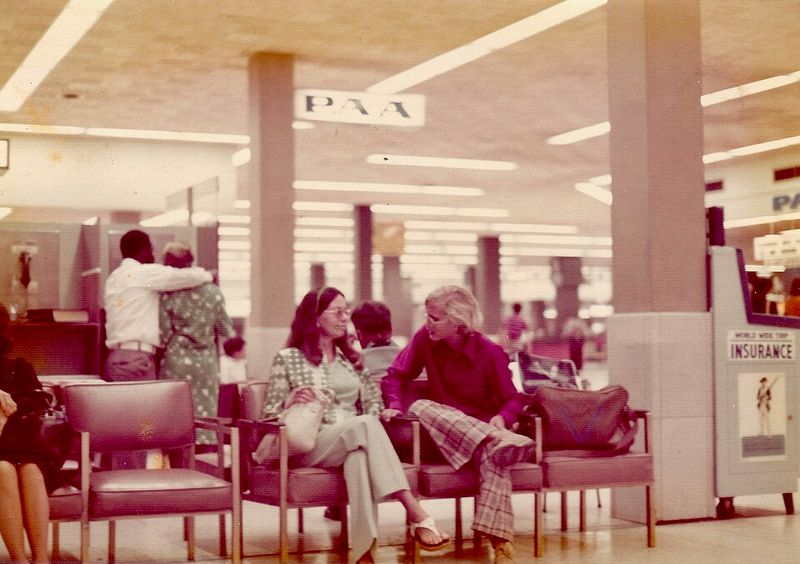
Most wardrobes were small but intentional. A few slacks, a couple of shirts, a dress or two, and a jacket you trusted.
Choices were limited, which meant outfits repeated with pride rather than guilt, and quality mattered because each piece earned heavy rotation. Today, closets overflow.
The average American buys dozens of items a year, and global apparel production has roughly doubled since the early 2000s. Paradoxically, more options can lower the thought per outfit, and the overall look drifts toward mismatched convenience.
Channel the 1970s by setting a cap. Build around pieces that do real work: a great coat, a proper shoe, a pair of trousers that fit without fuss.
When the closet gets smaller, standards rise. You reach for what lasts, which shows in every candid photo and hallway reflection.
6. Grooming Was Non-Negotiable
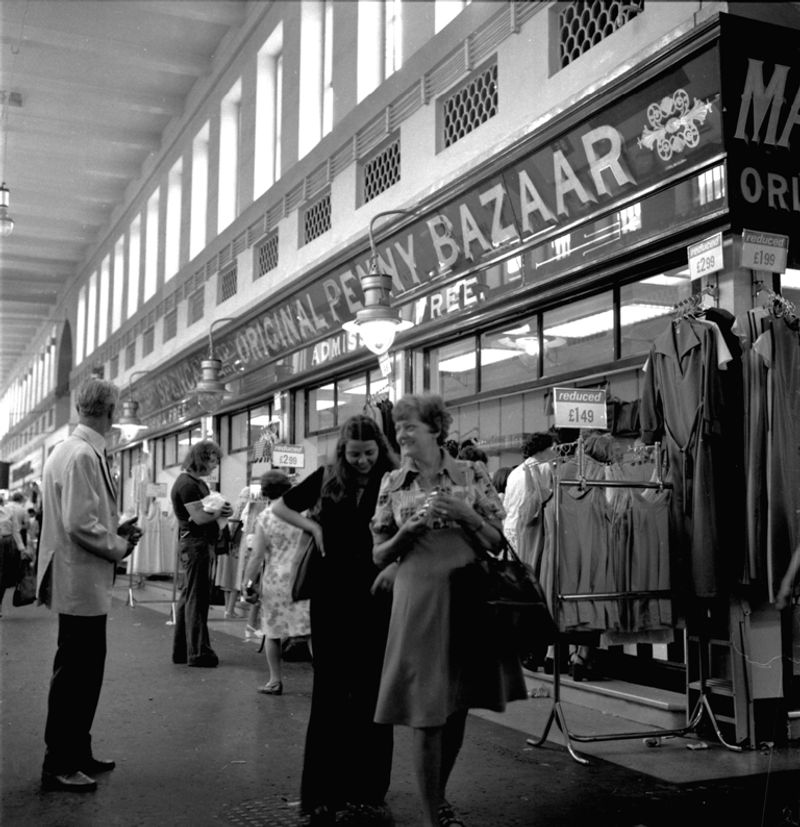
Hair was brushed, beards trimmed, and shoes cleaned before heading out. It was not fussy, just finished.
The style icons of the decade, from Farrah Fawcett to Marvin Gaye, showed how grooming amplifies even simple outfits. Feathered layers, neat mustaches, and polished boots created an everyday shine.
Low effort became a cultural badge. The rise of casual work and errand attire meant grooming could slide.
Yet surveys still show first impressions form within seconds, and neatness consistently ranks among top traits people notice. Reclaim the habit with a five minute checklist.
Comb, moisturize, tidy the neckline, and wipe shoes. These small resets add structure to an otherwise soft wardrobe.
The 1970s lesson is clear: good grooming is not extra, it is the final stitch that makes everything click.
7. Adults Looked Like Adults
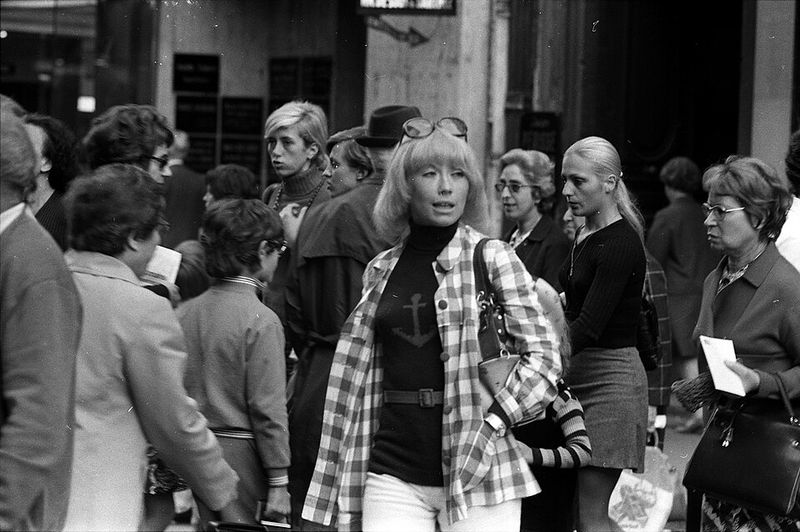
There was a visible gap between kids, teens, and adults. Grown ups wore structured coats, real shoes, and watches that meant business.
That distinction read as confidence, not pretension, and it helped young people imagine what growing up looked like. As logos and athleisure spread, age signals blurred.
Streetwear became universal, and novelty graphics jumped across generations. While fun, the effect flattened visual maturity and made special occasions feel less special.
You can bring back grown up polish without losing comfort. Choose weighty fabrics, add collars, and reach for leather over foam when possible.
A watch, a belt, or a neat bag instantly shifts the read. The 1970s template still works because adulthood, shown clearly, gives style a backbone and a goal.
8. Public Spaces Demanded Respect
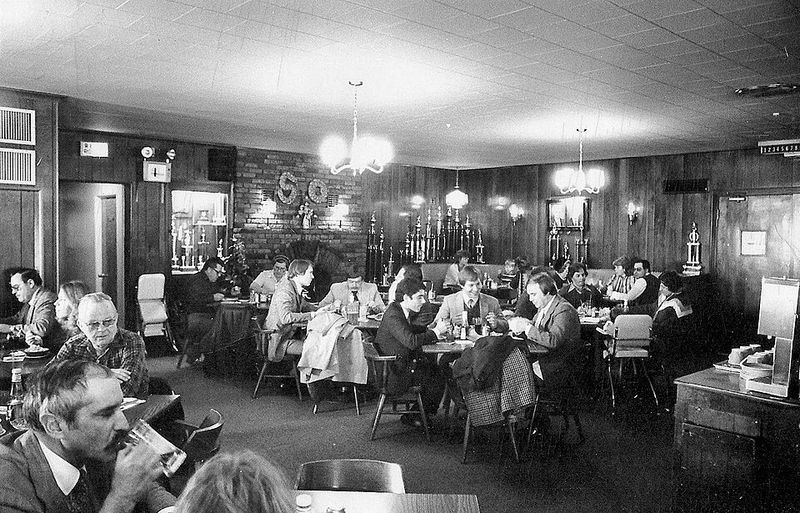
Restaurants, theaters, airplanes, and churches carried unspoken dress codes. You would not board a flight in pajamas, and date night meant ironing something.
Those shared expectations created a baseline of polish that made crowds look remarkably composed. Over time, public spaces borrowed living room rules.
Travel prioritized sweatpants, and cinemas loosened their vibe. U.S. air travel exploded in accessibility after deregulation, and comfort understandably won the day, but standards often fell with it.
Reviving the respect is simple. Keep a go to public uniform: dark denim, structured knit, clean shoe, light jacket.
Dressing for the venue signals gratitude for the experience. When everyone levels up a notch, the room feels better, and you look better by default.
9. Style Was Personal, Not Trend Chasing
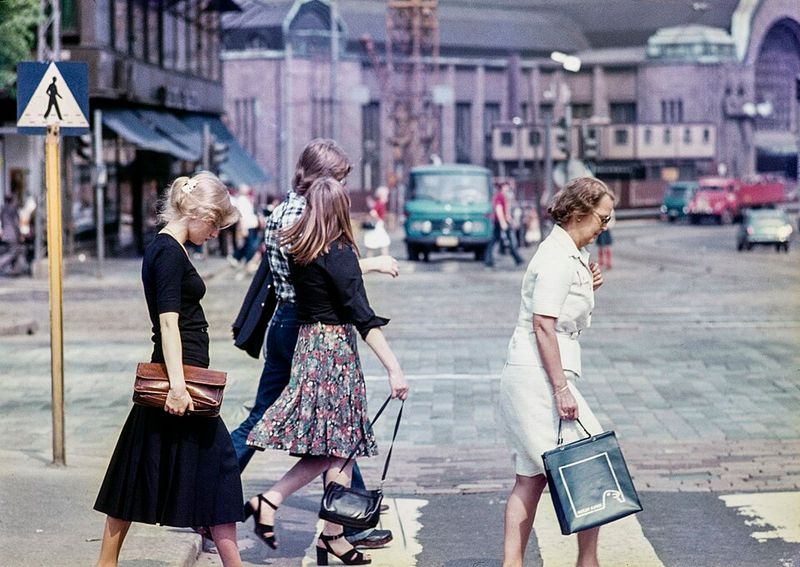
Personal style meant knowing what flattered you and repeating it. Wrap dresses, flared trousers, and earth tones were tailored to the person, not the feed.
Designers like Diane von Furstenberg popularized shapes that worked on many bodies, encouraging consistency over constant novelty. Today, micro trends cycle fast.
Social platforms accelerate styles that peak and vanish within weeks. Studies show younger consumers try trends more often, but long term satisfaction correlates with repeatable outfits that fit lifestyle and body.
Steal the 1970s approach by building a signature. Choose two silhouettes and three colors you love, then buy variations.
When the closet harmonizes, photos look timeless, not timestamped. Personal style beats virality because it is yours.
10. Clothes Were Part of Self Respect
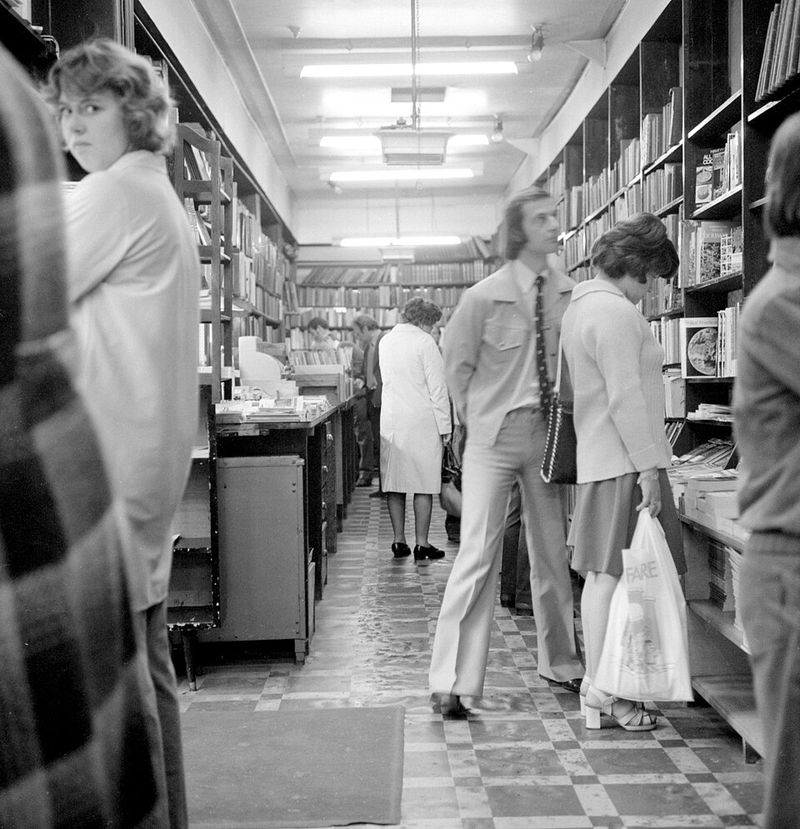
Dressing well read as pride, not vanity. A pressed shirt or polished loafer communicated that you respected yourself and whoever you were meeting.
It was about showing up prepared, the way you would for a handshake or a promise. Somewhere, caring got mislabeled as shallow.
Yet workplace research still ties neat appearance to perceived reliability, and surveys link tidy dress to higher self reported confidence. Clothing is not character, but it can be character’s amplifier.
Bring that mindset back by choosing one upgrade per outfit. Swap sneakers for leather once a week, or iron a collar.
The message you send comes back to you in how people respond. The 1970s intuition was simple and wise: effort honors the moment.
11. There Was Time To Get Ready
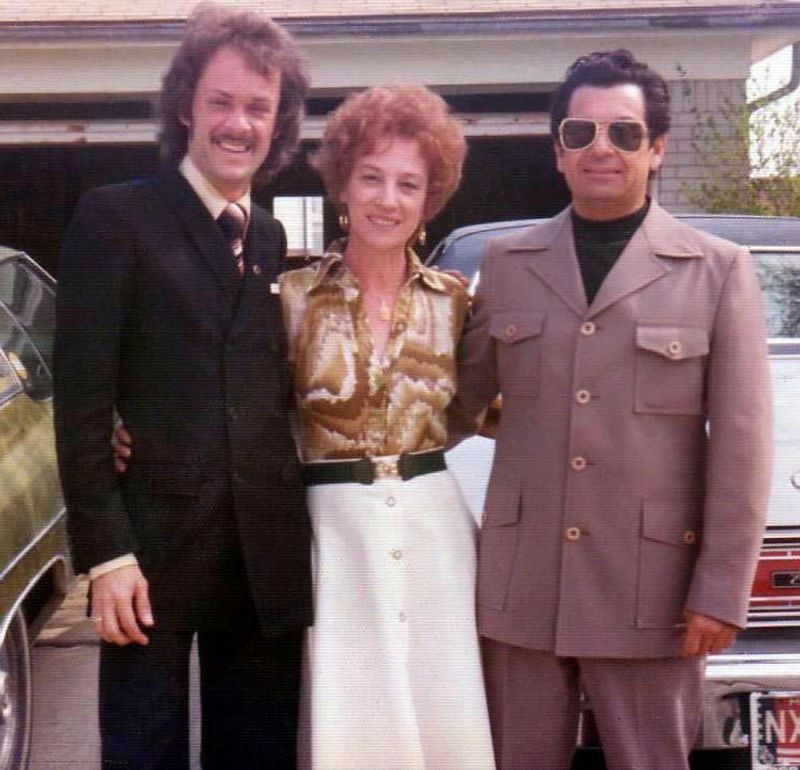
Life moved slower. Without endless notifications, mornings had room for a quick iron, a shoe shine, or a hair brush.
That extra five minutes changed how outfits sat on the body and how the day felt. Now, speed rules everything.
Many people check phones within minutes of waking, and digital distractions fragment routines. When time is squeezed, grooming and outfit decisions are first to go, which shows up in half finished looks.
Steal back the minutes. Lay out clothes the night before and keep a small toolkit visible: steamer, lint roller, brush.
A quiet, repeatable ritual delivers the 1970s calm. The result is not just a better look, but a steadier start that carries into your posture and presence.
12. You Did Not Dress For The Camera
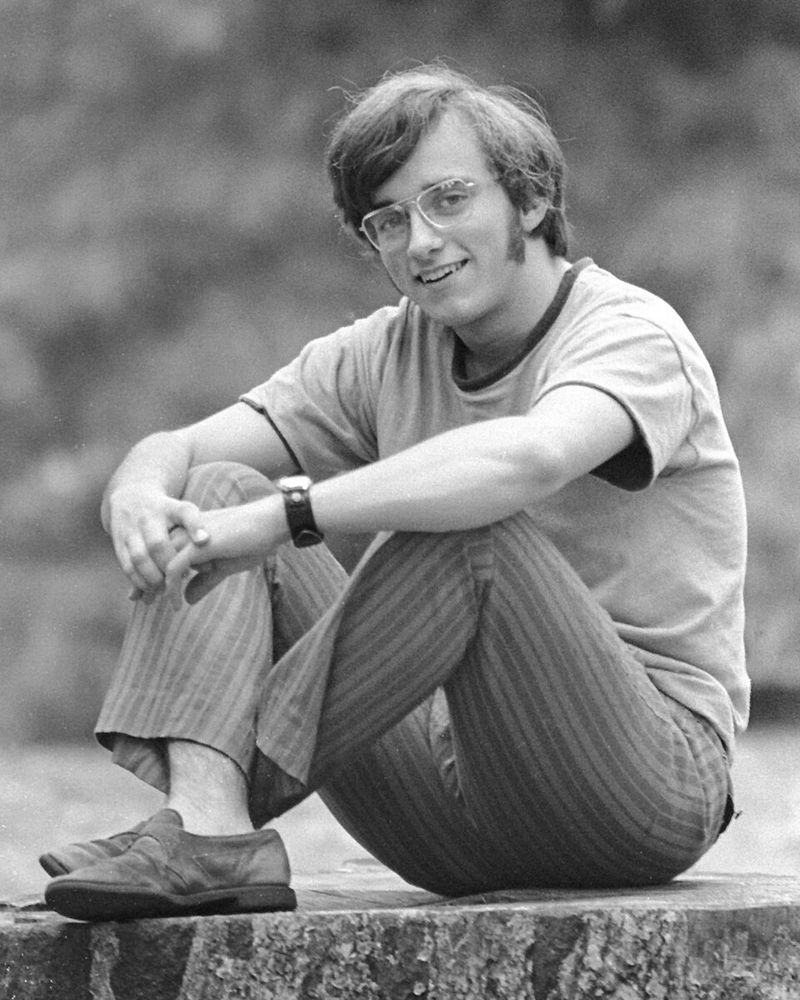
Outfits were chosen to live in, not to perform in pictures. You moved, danced, and sat without worrying whether a sleeve creased wrong.
Photos were souvenirs, not auditions, and the clothes looked better because they were serving the moment. Today, everything can become content.
Outfits chase angles and lighting rather than function, and some pieces only work in still shots. This creates a disconnect between how clothes look on camera and how they feel in life.
Rebalance by prioritizing movement tests. Sit, reach, and walk before leaving the house.
If an outfit feels good across the day, it will photograph naturally anyway. The 1970s truth remains: presence beats performance, and ease reads as elegance.
13. Even Everyday Clothes Had Structure
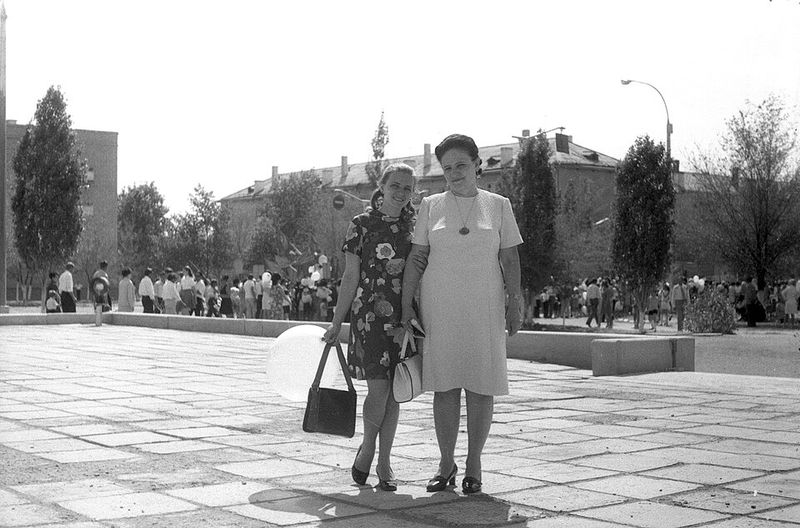
Creases, collars, and defined waists gave outfits architecture. Even casual looks had a backbone, whether from sturdy denim, lined jackets, or tailored skirts.
Structure makes fabric stand away from the body just enough to flatter almost everyone. Stretch and slouch dominate now.
Knits rule the week, and while comfortable, they can collapse on the frame. Without seams and shaping, the eye loses vertical lines, which once made 1970s photos look naturally refined.
Reintroduce structure with small swaps. Add a collared layer over a tee, pick denim with weight, or choose trousers with a crease.
The silhouette sharpens, posture follows, and the entire look gains authority. Good architecture never goes out of style.
14. Looking Good Was Simply Expected
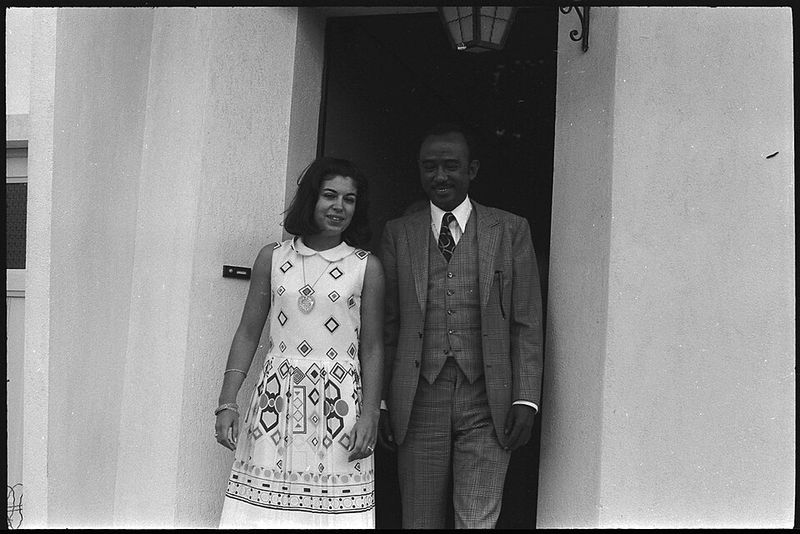
No one called it fashion. It was just what adults did.
You showed up neat because that was the social contract, like being on time or saying thank you. Expectations make decisions easy, and easy decisions make consistency.
When expectations faded, inconsistency moved in. Some nights look great, others look slept in.
Social norms guide effort, and without them, everyone guesses. The average becomes average looking.
Set your own standard. Keep a go bag with lint roller, stain pen, and spare socks.
Decide on a minimum uniform for public settings and stick to it. The 1970s reminded us that looking good thrives on habits, not hype.
15. The Era’s Icons And Details
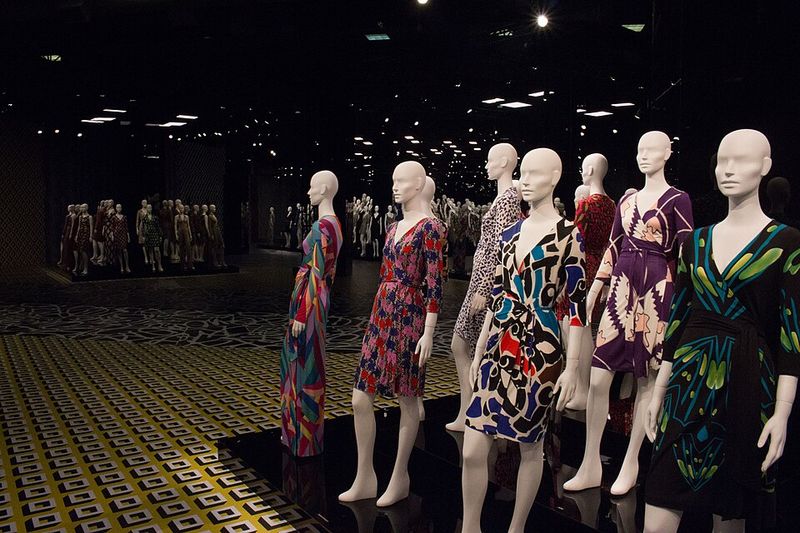
The decade’s look was not one note. Farrah Fawcett’s feathered hair gave movement and lift, while the wrap dress popularized by Diane von Furstenberg flattered countless bodies.
Bell-bottoms and platform shoes balanced proportions, creating long lines that read confident and fun. Beauty leaned bold yet approachable.
Electric blues and greens made eyes pop, and fuller brows felt expressive and youthful. These choices worked in daily light, not just studio settings, which is why old candids keep looking fresh.
Modern data backs the appeal. Inclusive silhouettes and comfort driven design continue to influence runways and high street racks.
When clothes emphasize individuality and ease, people relax into themselves. That relaxation is visual, and it is why the 1970s still photographs like a good memory.
Share this story